GOQii

Blog

  • HOME
  • HEALTHY LIVING
  • FITNESS
  • HEALTHY RECIPES
  • USER STORIES
  • KARMA
  • BUY GOQii

Search Results for: heart

April 15, 2015 By Ami Shah 1 Comment

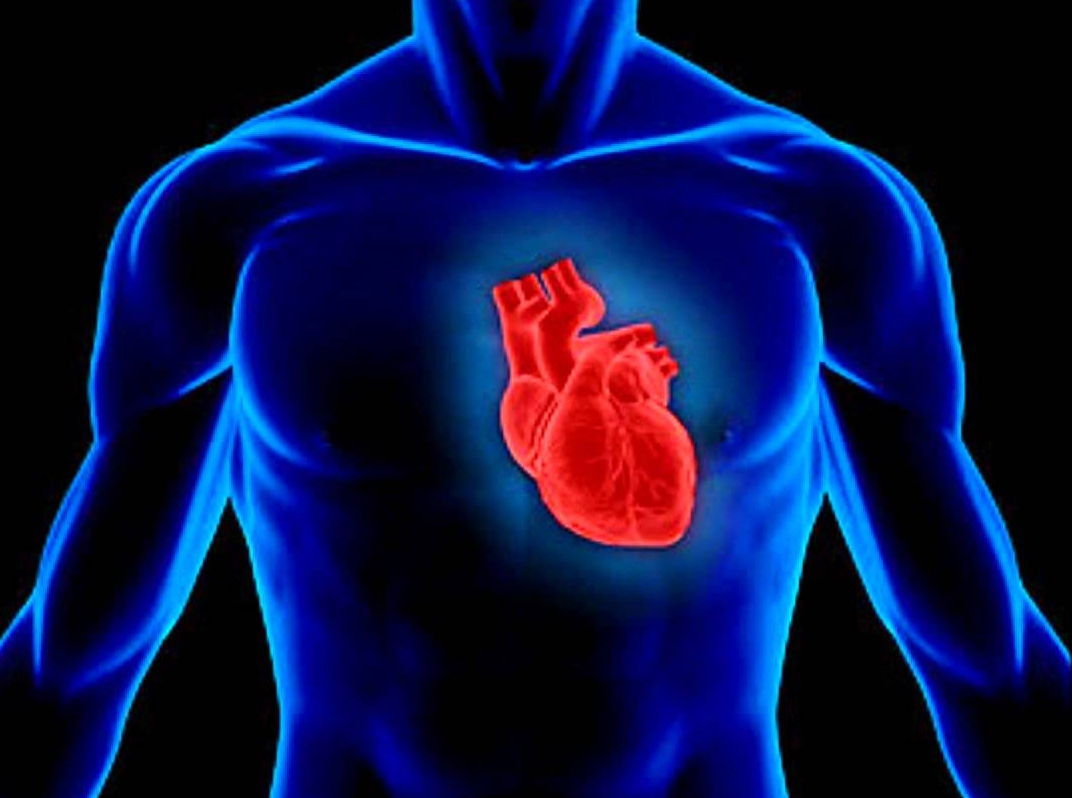
TRANS FAT-The biggest enemy of your heart

heart
I have friends who binge all the time on deep fried chips/wafers.. Its their way to satisfy their hunger. I asked them if they were aware that of why these chips feel scrumptious and crispy. Their reply was who cares we are just happy that it tastes so good.

This is not the case with only my friends, most people never bother to find out what the chips is made of, what goes into make it so tasty and crispy. Instead of creating nutrition awareness, the gimmicks around it entice people and children to buy these crispies.

Nutritional labels are overlooked. Many people don’t know how to read the nutritional label and what do the fancy ingredients mean? Even if they know they will only look for major component such as carbs, proteins, fat what about the breakdown of these macro nutrients like sugars/fiber comes under carbs.

Likewise, saturated fats/trans fat/MUFA/PUFA is also part of the Fat group. These lip smacking wafers which most people and kids gorge on area red alert for your heart! That’s because of the TRANS FAT (Bad fat). Caution- It’s a major enemy of heart!

First let’s understand what is trans fat??

Most trans fat are artificially synthesized through an industrial process that adds hydrogen molecule to vegetable oil, which causes the oil to become solid at room temperature. This partially hydrogenated oil is less likely to spoil, so foods made with it have a longer shelf life. Some restaurants use partially hydrogenated vegetable oil in their deep fryers, because it doesn’t have to be changed as often as do other oils. These fats are used in making c akes/pastries/puffs/rolls, margarine, doughnuts/wafers/chip/butter/margarine etc which provides empty calories (only calories and no nutrients).

Trans fat are inexpensive and gives a desired texture and taste to the item. (yes, you got it right.. the secret behind all these irresistible things is TRANS FATS!).

What does this trans fat do in the body?

Trans fat gets deposited in the arteries making them clogged. Clogged arteries are a sign of heart disease; they increase your risk of both heart attack and stroke. Here’s how it works: Trans fats raise low-density lipoprotein (LDL) or “bad” cholesterol levels. This contributes to the buildup of fatty plaque in arteries and lowering of your good (HDL) cholesterol levels. Eating trans fats increases your risk of developing heart disease and stroke. It’s also associated with a higher risk of developing type 2diabetes by increasing insulin resistance!

How can you limit your intake of Trans Fat?

Checking the nutrition label is very important.. When the Nutrition Facts label says a food contains 0 g of trans fat, but includes partially hydrogenated oil in the ingredient list, it means the food contains trans fat, but less than 0.5 grams of trans fat per serving.  The daily limit intake of trans fat should be zero. If you are buying any fod packet, please check the nutritional label for trans fat.

Here are some alternative to Trans fat:

    • Keep the usage of butter/margarine at bay. Instead use ghar ka desi Ghee. 🙂
    • Choose to eat foods that contain healthier fats, such as nuts ( walnuts and almonds), seeds (sunflower, pumpkin, watermelon, flax seeds), olives and avocados.
    • Opt for Rice bran oil, Oilve oil, Soyabean oil and mustard oil. They are a good source of MUFA (good quality fat)
    • Choose low-fat or fat-free dairy products and lean cuts of meat and skinless poultry. Keep red meat at bay.
    • Get plenty of foods that are naturally low in fat and high on fiber, such as whole grains, fruits and vegetables.

So, next time when you grab a packet of chips or wafers, remember the above points.

December 5, 2025 By Meenal Kapoor Leave a Comment

Navigating the Maze of Nutrition: Finding Clarity Amidst Confusion

In today’s information-rich age, the quest for sound nutrition advice can feel like a labyrinthine journey. We are bombarded daily with a deluge of dietary information, often contradictory and bewildering. The result? Nutrition confusion can leave us feeling overwhelmed and uncertain about what to put on our plates. Nutrition misinformation can be harmful to our health and wallet.



Misinformation is the bane of the modern era, and nutrition is no exception. Social media, fad diets, and anecdotal success stories often drown out evidence-based advice. What’s even more concerning is that these sources can promote diets that may not only be ineffective but potentially harmful. This confusion can lead to poor dietary choices, contributing to health problems like obesity, heart disease, and diabetes.

Question everything. Just because something is trending on social media or endorsed by a celebrity doesn’t make it valid. Look for claims backed by well-designed studies. Be cautious of quick fixes and miraculous results. Sound nutrition is about long-term habits, not magic solutions.

Also, remember that one size does not fit all. Nutrition should be personalised to your individual needs, goals, and preferences. Seek guidance from a qualified healthcare professional who can tailor advice to your unique circumstances.

Empower yourself with knowledge. Learn to interpret food labels, understand macronutrients, and recognise hidden sugars and unhealthy fats. A basic understanding of nutrition principles can help you make informed choices. A balanced diet remains at the core of good nutrition. Moderation is key, and no single food should be demonised or idolised.

So, how do we cut through the noise and find reliable nutrition guidance? When evaluating nutrition advice, consider the source. Registered dietitians, certified nutritionists, and reputable health organisations like the WHO and the Academy of Nutrition and Dietetics are trusted sources.

Look out for the following to make well-informed nutrition choices:

  1. Source of information – check whether the website or article is certified/verified.
  2. Do look for the relevant degree of the author – if there is no listed author (unless it is on a site that is a government or university site), the information may not be trusted. If the author is mentioned, verify that he or she holds the relevant degree to post it.
  3. Motive of the site/person – check if the motive is to sell a product or service and not to provide information.
  4. Information Validation – the information on the website should be backed by research and statistics and not just based on testimonials and personal information.
  5. How personalised is the guidance or is it generic using some buzzwords – Each individual body is unique. A blanket nutritional advice for everyone is often not authentic. If the website or author is just giving out buzzwords, the advice is mostly generic and not best suited to your health conditions and body.
  6. Watch out for key ingredients/hidden ingredients/nutrition facts on the labels of the products. Definitely dig for the small print while buying products from websites or through influencers.
  7. In the case of a website article – sources of information should be mentioned – reliable sites/books/opinions of doctors or registered dietitians.
  8. Does it promote a fad diet or a quick fix for your health issue? – If any article or website is making unrealistic promises based on products, seek the advice of a professional before using it.
  9. Watch out for Influencers with no nutrition background, selling products – this is increasingly common these days.

Some reliable sources of information:

  1. Books by registered dieticians (RD) or practising nutritionists/doctors.
  2. Some reliable websites:
    • National Institutes of Health Office of Dietary Supplements
    • National Institutes of Health (NIH)
    • World Health Organisation (WHO)
    • ICMR – National Institute of Nutrition
    • WebMD

Nutritional misinformation leads to wrong dietary patterns, taking up fad diets/quick diets detrimental to health, buying products that have harmful side effects, and following diet patterns that cause toxicity/deficiency of nutrients – all of these have long-term health effects and aggravation of the health issue.

To make well-informed decisions:

  1. Take advice from certified professionals.
  2. Look out for personalised advice based on your medical history and body stats.
  3. A diet or fitness pattern that is lifestyle change-based and not merely product-based.
  4. Lastly remember: Dr Google is not always reliable.

To conclude, in an era of rampant nutrition confusion and misinformation, it’s crucial to rely on evidence-based advice from trusted sources. By cultivating a critical mindset, personalising your approach, and staying informed, you can navigate the maze of nutrition and make choices that promote your long-term health and well-being.

We hope this article helps you. For further information or guidance, reach out to our certified experts by subscribing to GOQii’s Personalised Health Coaching here.

#BeTheForce

Disclaimer: The information provided in this blog is for general awareness and educational purposes only. It is not intended to replace professional medical advice, diagnosis, or treatment. Always consult a qualified healthcare provider for personalised medical guidance or concerns related to your health. Images shown are for representation purposes only and may not depict the exact recommendations or outcomes.

November 29, 2025 By Srini Leave a Comment

Breathing – A Forgotten Art

breathingWe eat 3-4 times a day, about 1.5kg of food, but we breathe 20,000 to 25,000 times a day – we intake about 20-25kg of air – We are not fully knowledgeable on breathing. Since it is an autonomous process, we do not – My research with Sleep naturally took me to research about “Breathing” and what I found out, woke me up (pun intended) and I decided to continue my blogs on Breathing.

3 external physical objects are consumed by us regularly. Life critically depends on them. Food, Water and Air. Food and Water can be paused through fasting for some time. But breathing cannot be paused beyond 10 minutes. Life will cease.

Only Free Divers can hold their breath for a maximum time of 10 minutes. We cannot and should not. Unlike eating food or drinking water, which are conscious activities, breathing is an  autonomous process. It is controlled by the medulla oblongata, a part of the brain stem. 

However, Both Indian and Chinese ancient wisdom has clearly found out that “Conscious Breathing” is the only process which can be used by human action to influence the brain functions and hence, the mind.

As evolving human beings, we have forgotten what is the natural and correct way of breathing. 

Our modern lifestyle has robbed us of natural breathing. We have got to relearn 

  • Correct Breathing 
  • Conscious Breathing

Unfortunately, there is little or no focus on breathing from modern medical science. 

Other than just asking you to breathe deep while checking heart/lung function using the stethoscope, I am not aware of any doctor visually observing or inquiring about how the patient is breathing!

My research into sleep took me naturally to breathing. So, I read James Nestor, the author of a recent bestseller on “Breath, the New Science of a Last Art”, Anders Olsson on “Conscious Breathing” and Wim Hof about the Wim Hof Method of breathing. 

I acknowledge the above authors in taking up the cause of breathing and explaining lucidly about the science behind breathing, the anatomy concerning breathing and some breathing techniques which have given me massive improvement in my health and attitude to life over the past few months.

Correct Breathing 

First let us learn about Correct Breathing and then I will talk about Conscious Breathing. So, what exactly is incorrect about breathing? All 3 aspects: 

  1. Breathing through the Nose
  2. Using Abdomen and Diaphragm for breathing
  3. Breathing Rhythmically and Slowly

Breathing through the Nose:
I wonder why I even should talk about this. Is this such a big thing? Then I really started observing the world around me – Shocking when I observed that my wife was breathing through her mouth during sleep (how I worked on it and corrected is a separate story).

We believe that it is ok to breathe through the mouth – this is as correct as eating through your nose! Nose is created to be the sole instrument of breathing! Period. Google it or look around when people are sleeping. Surveys and research says that at least 50% of people are breathing through their mouth during sleep! Add to this the percentage of people who have choked noses, COPD and other breathing issues! 

We are talking about a VERY LARGE proportion of the human population incorrectly breathing.

How do you breathe? Do you know? Ask your partner to observe while you breathe.

If you have a dry mouth when you wake up, if you  have a V-shaped upper palate (as against a U-shaped palate), If your tonsils are removed when you were a child, if you are snoring then IT IS QUITE LIKELY THAT YOU ARE BREATHING THROUGH YOUR MOUTH.

See what you are missing out if you breathe through your mouth?

  • Your nose captures impurities, particles, bacteria and viruses using the hair mucous surface in the nose when the inhaled air is going through.
  • Your nose heats up the air and moistens it using the moist mucous surface. Why is this important? The incredible process of Gas exchange in the lungs happens optimally only when the air is hot and humid (more about Gas exchange and the process/chemistry of breathing later).
  • It also adds the magical element of Nitric Oxide which is secreted in the sinuses. Nitric Oxide dilates the blood vessels as well as the air tubes of lungs, reducing blood pressure.

Tip: When you do Bhramari Pranayam (humming), you are releasing 15 times more Nitric Oxide into the breathed air and hence, practicing Bhramari Pranayama a few times a day during these days of the pandemic, can help you avoid getting infected. 

So, why not simply hum and breathe through your nose?

PS: All of what is stated above is a summary of reading so many research articles and you can google about any of them.

I will be sharing more on breathing in the articles to come! Stay tuned. For more breathing exercises, check out Healthy Reads. To learn breathing techniques with the right guidance from a certified expert, subscribe to Personalised Health Coaching here.

#BeTheForce 

Disclaimer: The information provided in this blog is for general awareness and educational purposes only. It is not intended to replace professional medical advice, diagnosis, or treatment. Always consult a qualified healthcare provider for personalised medical guidance or concerns related to your health. Images shown are for representation purposes only and may not depict the exact recommendations or outcomes.

November 26, 2025 By Mariam Hussain 3 Comments

The Incredible Benefits Of Milk You Might Not Know

benefits of milkMilk is the most widely consumed beverage in the world and it’s an important part of a diet for most individuals. The major source of milk in India is from buffalo, cow and rarely from sheep and goat. It is essentially an emulsion of fat and protein in water, along with dissolved sugar (lactose), minerals, and vitamins. These constituents are present in the milk of all mammals, though their proportions differ from one species to another and within species.

Some Awesome Benefits of Milk 

Most of us might have learned in school that milk is considered as a complete food. It is because of the presence of all the vital nutrients that the body needs for growth, development and sustenance. Mentioned below are a few of the many incredible benefits of milk.

  1. Protection against cancer: Studies suggest that Calcium, Vitamin D (in case of fortified milk) and some other milk compounds are important in protecting against certain types of cancers like colorectal and bladder cancer.
  2. Reducing cardiovascular disease risk: Consumption of low fat milk after adolescence helps in reducing cardiovascular diseases. The presence of Polyunsaturated fatty acids and calcium plays a major role in protection against heart diseases. 
  3. Some studies also show evidence that consumption of milk in required quantities lowers in incidence of Type 2 Diabetes Mellitus.
  4. For bones and teeth: Since time immemorial, this benefit of milk has been very common and well known to all. Apart from Calcium and Protein, it contains various other nutrients like Zinc, Potassium, Vitamin-A and Vitamin-D (if fortified), that help in maintaining bone health. When taken in required amounts since childhood, milk helps in preventing osteoporosis and other bone fractures.
  5. Good source of macro and micro-nutrients: It is a good source of energy, protein and other micronutrients like Magnesium, Selenium, Zinc, Riboflavin (Vitamin-B2), Cyanocobalamin (Vitamin-B12) and Pantothenic acid (Vitamin-B5). Therefore, preventing a lot of micronutrient deficiencies.
  6. Last but not the least, it is an essential component for growth and development and can prevent stunting especially during infancy. Infact, the dietary fat from milk which shows detrimental effects during middle age and elderly, proves to be extremely beneficial during infancy. It helps in preventing undernutrition and malnutrition especially in a population with a low fat intake.

To summarise it all, whole milk is essential for growth and development of infants and children. It is associated with reduced risk of non-communicable diseases like osteoporosis and possibly colorectal cancer and type 2 diabetes. Post adolescence, low fat milk has to be consumed to cut down on the saturated fat intake. Milk and dairy products can represent an important part of a healthy diet, as long as consumption levels are not excessive. However, any diet that exceeds the daily requirements over a period of time can lead to potentially significant health risks.

We hope this article on the benefits of milk helps you. If you are lactose intolerant, you might want to go through this article or consult your doctor, nutritionist or dietitian before consuming milk or dairy products. 

For more information on milk, other foods or nutrition in general, speak to an expert by subscribing for GOQii’s Personalised Health Coaching here.

#BeTheForce 

Disclaimer: The information provided in this blog is for general awareness and educational purposes only. It is not intended to replace professional medical advice, diagnosis, or treatment. Always consult a qualified healthcare provider for personalised medical guidance or concerns related to your health. Images shown are for representation purposes only and may not depict the exact recommendations or outcomes.

  • « Previous Page
  • 1
  • …
  • 3
  • 4
  • 5
  • 6
  • 7
  • …
  • 140
  • Next Page »

Search

Recent Posts

  • India Leads in Longevity: GOQii Sanjeevini Named Top 40 in $101M XPRIZE
  • The Importance Of Knowing If You’re Thirsty Or Hungry
  • Best Foods To Alleviate Irritable Bowel Syndrome
  • ALL ABOUT VERTIGO!
  • PCOS and Anxiety: Discover Relief with the 54321 Technique

Stay Updated

Archives

  • December 2025 (8)
  • November 2025 (15)
  • October 2025 (20)
  • September 2025 (6)
  • August 2025 (6)
  • July 2025 (12)
  • June 2025 (18)
  • May 2025 (16)
  • April 2025 (23)
  • March 2025 (23)
  • February 2025 (22)
  • January 2025 (26)
  • December 2024 (26)
  • November 2024 (25)
  • October 2024 (22)
  • September 2024 (24)
  • August 2024 (31)
  • July 2024 (21)
  • June 2024 (26)
  • May 2024 (31)
  • April 2024 (27)
  • March 2024 (29)
  • February 2024 (26)
  • January 2024 (25)
  • December 2023 (15)
  • November 2023 (11)
  • October 2023 (20)
  • September 2023 (22)
  • August 2023 (20)
  • July 2023 (22)
  • June 2023 (24)
  • May 2023 (24)
  • April 2023 (24)
  • March 2023 (23)
  • February 2023 (20)
  • January 2023 (16)
  • December 2022 (12)
  • November 2022 (15)
  • October 2022 (15)
  • September 2022 (12)
  • August 2022 (10)
  • July 2022 (17)
  • June 2022 (11)
  • May 2022 (10)
  • April 2022 (6)
  • March 2022 (6)
  • February 2022 (13)
  • January 2022 (12)
  • December 2021 (7)
  • November 2021 (3)
  • October 2021 (6)
  • September 2021 (3)
  • August 2021 (8)
  • July 2021 (7)
  • June 2021 (15)
  • May 2021 (16)
  • April 2021 (10)
  • March 2021 (7)
  • February 2021 (4)
  • January 2021 (4)
  • December 2020 (3)
  • November 2020 (4)
  • October 2020 (10)
  • September 2020 (3)
  • August 2020 (3)
  • July 2020 (2)
  • June 2020 (4)
  • May 2020 (10)
  • April 2020 (12)
  • March 2020 (10)
  • February 2020 (4)
  • January 2020 (4)
  • December 2019 (3)
  • November 2019 (7)
  • October 2019 (5)
  • September 2019 (4)
  • August 2019 (9)
  • July 2019 (9)
  • June 2019 (11)
  • May 2019 (4)
  • April 2019 (9)
  • March 2019 (8)
  • February 2019 (9)
  • January 2019 (8)
  • December 2018 (9)
  • November 2018 (3)
  • October 2018 (3)
  • September 2018 (5)
  • August 2018 (10)
  • July 2018 (6)
  • June 2018 (13)
  • May 2018 (8)
  • April 2018 (18)
  • March 2018 (9)
  • February 2018 (8)
  • January 2018 (15)
  • December 2017 (12)
  • November 2017 (19)
  • October 2017 (13)
  • September 2017 (15)
  • August 2017 (4)
  • July 2017 (8)
  • June 2017 (7)
  • May 2017 (6)
  • April 2017 (8)
  • March 2017 (6)
  • February 2017 (7)
  • January 2017 (9)
  • December 2016 (10)
  • November 2016 (7)
  • October 2016 (7)
  • September 2016 (7)
  • August 2016 (11)
  • July 2016 (9)
  • June 2016 (9)
  • May 2016 (12)
  • April 2016 (17)
  • March 2016 (17)
  • February 2016 (8)
  • January 2016 (6)
  • December 2015 (2)
  • November 2015 (9)
  • October 2015 (7)
  • September 2015 (9)
  • August 2015 (11)
  • July 2015 (9)
  • June 2015 (12)
  • May 2015 (9)
  • April 2015 (13)
  • March 2015 (8)
  • February 2015 (5)
  • January 2015 (12)
  • December 2014 (14)
  • November 2014 (11)
  • October 2014 (6)
  • September 2014 (13)
  • August 2014 (12)
  • July 2014 (6)
  • June 2014 (2)
  • May 2014 (7)
  • April 2014 (5)

From “Laddu Nawin” to Fit and Fierce: How a 25-Year-Old Insurance Advisor Shed 20 Kilos and Gained His Life Back

When 25-year-old Nawin Yadav from Hyderabad walked into his office every morning, he carried more than just his files and policy papers. He had the weight of fatigue, sluggish energy, and an ever-growing belly that was becoming the butt of jokes. “People … [Read More...]

“I’ve Challenged Myself to Live 100 Years” – The Story of Chandubhai Savani’s Second Chance at Life

At 67, most people start slowing down. Not Chandubhai Savani. A resident of Surat, Chandubhai, thought life was on track. “My life was going well till I had my bypass surgery,” he says. That surgery, back in 2021, was a wake-up call.  Medication was routine, but exercise wasn’t. His diet? What he calls ‘normal.’ “I […]

From Shimla’s Slopes to Chandigarh’s Sidewalks: Surinder Kaur Bhalla’s Journey from Chaos to Control

Some journeys start with a plan. Others begin with a stumble literally. Surinder Bhalla, a government professional, born and raised in the scenic hill town of Shimla, had always lived a life of movement. “In Shimla, you walked everywhere,” she reflects. “Walking was never an exercise. It was just life.” But after shifting to Chandigarh, […]

Ananda Mukherjee Health Story

From Terminal Illness To Complete Wellness! Ananda Mukherjee Health Story

As we observe World Cancer Day under the powerful theme ‘United by Unique’ (2025-2027)**, we are reminded that every individual’s journey with cancer is distinct, yet united by shared resilience, hope, and the collective fight against this disease. This theme places people at the centre of care and their stories at the heart of the […]

  • HOME
  • HEALTHY LIVING
  • FITNESS
  • HEALTHY RECIPES
  • USER STORIES
  • KARMA
  • BUY GOQii

Copyright ©2016 GOQii



