GOQii

Blog

  • HOME
  • HEALTHY LIVING
  • FITNESS
  • HEALTHY RECIPES
  • USER STORIES
  • KARMA
  • BUY GOQii

Search Results for: heart health

October 24, 2023 By Mrinali Dwivedi 2 Comments

The Rainbow Diet: Decoding The Color Of Foods For Good Health!

the rainbow diet

Different foods have different colors, this is because of the different coloured pigments in them. These pigments, also called phytonutrients (phytoplants), provide various benefits to our body. Specific phytonutrients have specific functions, each playing a crucial role in the well being of humans. While immunity and good health is just a play of a well functioning organ system, it is very important to take care of each organ and function in particular. This can only be made sure when the diet is diverse and sufficient in all essential nutrients and in moderation. Hence, the Rainbow Diet! 

What Is The Rainbow Diet?

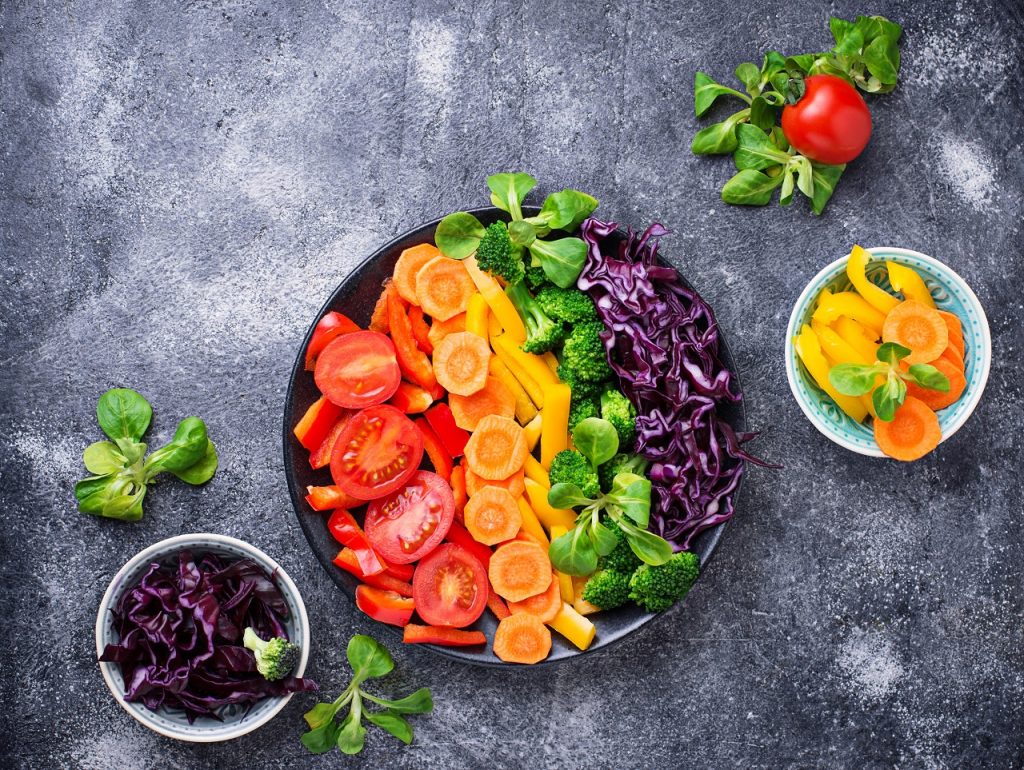
The rainbow diet focuses on the consumption of a variety of colourful and fresh produce in your meals. Ensuring a colourful diet, ensures indiscriminate intake of all nutrients and also protects from any deficiencies that may have detrimental health outcomes. As a low or high of any one specific nutrient can disturb the peculiar balance of the optimum nutrient complex imperial to maintain good health.

The mantra of “eating the rainbow” inspires to add more color and colourful plant foods to the diet. It is a health based trend rather than the fads that provoke masses to avoid gluten, fats, lactose, carbs and what not! Here, all you need to do is add as many colors to your diet as possible in the form of different coloured plant based foods and that’s how you make sure you are doing right to your body! That way, one never has to worry about balancing as the rainbow diet is naturally balanced and with no side effects.

How Does It Help?

The abundance of supply of antioxidants and anti-inflammatory molecules from the rainbow diet, translates to a good immunogenic response by the body and allows effective combat against biological stressors and oxidative stress. In addition to this, plant foods are rich in fiber and prebiotics, both of which improve digestive function and gut health, making sure the best absorption of all available nutrients.

In all, the rainbow diet is beneficial for avoiding cardiovascular diseases and maintaining heart health, protecting against cancer, building good immunity and restricting infections. Additionally, it also helps in reducing weight, keeping away obesity related disorders, helps maintain good hair, skin and nails, keeps your energy levels high and improves overall good mood!

The Color Code Of Foods 

Here you may find options of foods under each color and health function category and learn about its role.

Red Immune health Cherry, cranberry, raspberry, watermelon, pomegranate, red plums, strawberry, red grapes, dragon fruit, apple, tomato, red pepper, beetroot, kidney beans, red amaranth Anti-inflammatory, antioxidant, immune modulating
Orange Reproductive health Orange, papaya, sweet potato, persimmon, pumpkin, cantaloupe, mango, muskmelon, peach, apricot, almond, paprika Endocrine modulation, fat-soluble antioxidants, role in ovulation and fertility
Yellow Digestive health Banana, pineapples, ginger, lemon, yellow zucchini, corn, sweet lime, yellow pepper, cinnamon, turmeric, honey, whole grains and husk Anti-inflammatory, binders, fibres, catalysts, gastric motility, glycemic response, prebiotic
Green Cardiovascular health Spinach, kale, fenugreek, radish leaves, micro greens, broccoli, Brussels sprouts, cucumber, green beans, olives, avocado, kiwi, grapes, green apple, pear, parsley, pumpkin seeds Clotting, detoxification, methylation, vasodilation, binders, antioxidants
Blue- Purple Brain health Purple grapes, fig, purple jam, blueberry, mulberry, jamun (java plum), prunes, plums, eggplant, purple cabbage, purple onion, lavender Anti-inflammatory, antioxidant, brain protective, cognition support, neuronal support
White Skeletal health Cauliflower, milk/curd/paneer (cottage cheese), coconut, sesame, radish, soyabean, turnips, white onion, garlic, sunflower seeds Probiotic, strengthening, absorptive, energising

We hope this article on the Rainbow Diet helps you choose and adapt these foods to your diet! Do try it and let us know in the comments below! For more on nutrition, check out Healthy Reads or to get nutrition information, tips and recipes directly from your GOQii Coach, sign up for Personalised Health Coaching here. 

Eat healthy and #BeTheForce 
October 20, 2023 By Farida Gohil 7 Comments

10 foods with super qualities that will help in healthy living

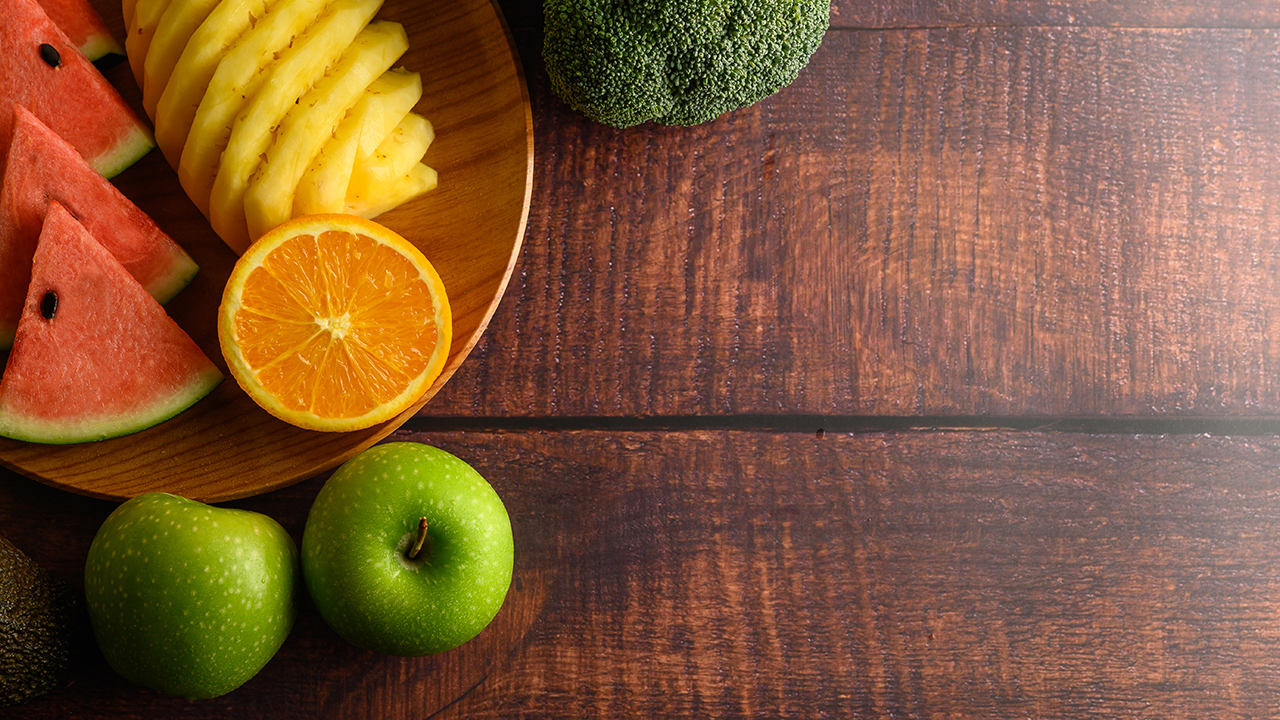
image of fruits and brocolli

All foods are unique in their calorie count, and unique in the way they are digested. Those foods with negative calories burn more calories than they contain. These foods are usually plant-derived foods that are high in water content and rich in fiber: grains, legumes, vegetables, and fruits, except for fatty fruits like avocados and olives. Since your body takes a longer time to burn off fibrous foods, your metabolism continues to stay revved up, giving you a jump start to your weight loss.

While these foods may be an important source of micronutrients, they are not sources of fat packing calories.That works because your stomach senses when it is physically full, and it will trigger your brain to stop eating when you can’t handle more food.

This is why, believe it or not, the simple act of drinking a glass of water before each meal is a proven weight loss strategy. It fills your belly with water, thereby reducing the amount of space left for other foods.

This is the common property among all: They all contain a lot of water locked in a fibrous matrix. Apples are essentially “water fruits,” as are grapes and watermelons (hence the name). Many vegetables are also “water vegetables,” meaning that they’re loaded with water. Celery, for example, is the classic example of a water-rich negative-calorie food. I am providing you with the examples of negative calorie foods:

  1. Apple:Apple contain amazingly powerful nutrients that improve your quality of life. Studies have also shown some evidence that the quercetin found in apples could lower the risk of Alzheimer’s disease by protecting your body from the damage that can be caused by dangerous free radicals.
  2. Lettuce and leafy Veggies:Lettuce and other leafy greens, including kale and spinach, are extremely low in calories. These contain 50% water to 50% fiber. As a result, leafy greens are an excellent source of energy, and definitely help to reduce the urge to eat sweet treats.Dark greens are packed with Vitamins and nutrients as well.
  3. Broccoli:Broccoli has a couple of different properties that make it an ally of those who are trying to lose weight. The fibre content is huge, helping to keep you feeling full and satisfied after you eat broccoli, and the protein is equal to that found in rice (while it contains just a fraction of the calorie content of rice). You should either steam the Broccoli or consume it raw if you want to make sure that you preserve all of the nutrients that make this vegetable a superfood.
  4. Papaya:Papaya’s also like Oranges are just as rich as oranges in vitamin C and contain 15 times more of the antioxidant beta-cryptoxanthin. Papaya’s fibre is also good for combating constipation and keeping cholesterol in check.
  5. Celery: About 75% of a celery stick is actually water; the other 25% is fibre and other roughage. The high water content of celery means that you will burn more calories eating it than it actually contains.
  6. Cucumber:Cucumbers are mostly made up of water. The cucumber is one of the best vegetables when it comes to providing vitamin C, and there is plenty of evidence suggesting that a high intake of vitamin C is linked to an improved ability to resist invasion by bacteria and viruses.
  7. Tomato:This veggie is more than 90 percent water. t has small amounts of carbohydrate, protein and fat, and it is rich in vitamin C, B, E and K, carotenoids and lycopene.The chromium that they contain might help your body to regulate blood sugar levels, keeping them within healthy limits by controlling the amount of sugar that gets absorbed in your blood.
  8. Radish: Radish has an extremely low calorific value. It has good amount of of vitamin C, B and A. It is interesting that in the same amount of radishes there is 2 mg of iron and other minerals.
  9. Watermelon: This fruit is extremely low in calories and contains no fat. It is a rich source of B vitamins, which increase your energy levels and reduce your need to eat extra foods.
  10. Orange: Oranges are wonderful for heart health in a couple of different ways. Firstly, they contain magnesium and potassium, which naturally regulate blood pressure. They are also a source of something called herperidin, which lowers levels of bad cholesterol. .

Having talked about negative calorie foods, please understand that eating negative calories will not replace exercise.In GOQii, we do not believe in Calorie intake and we do not cunt calories, what we encourage is to eat a balanced diet and exercise to live a healthy life.

To sum up, these super foods with negative calorie qualities can significantly benefit your journey to healthy living. If you’ve found this information helpful or have any thoughts to share on these foods, please feel free to do so in the comments below. Remember, embracing a balanced diet and regular exercise is the key to achieving and maintaining a healthy lifestyle. For more articles and guidance on holistic well-being, explore our Healthy Reads or speak to a certified expert by subscribing to GOQii’s Personalised Health Coaching here.

#BeTheForce

October 7, 2023 By Payal Choudhury 72 Comments

Healthy Eating Tips for Women at 40

Healthy-eating-tips-for-women-at-40

“Lordy, lordy, look who’s forty!” The big 40—it’s a milestone for sure, signalling a time of transition from young adulthood to middle-age.

This is an important decade for preventing lifestyle diseases such as diabetes, heart disease and many cancers later in life. So, if you’ve been making healthy lifestyle choices, keep it up in your 40s, and if you haven’t, now’s the time to start!

Healthy habits like eating right, exercising regularly, getting enough sleep, and not smoking can help reduce your risk for a number of chronic medical conditions.

Age 40 is a milestone when the risk of many health conditions increases. This makes the 40th birthday a perfect time for taking stock of your health. Today, Forty is considered the new twenty. So if you want to feel young and healthy now is a good time to take stock of the situation. Though there might be other things out there more important, do take a deep breath and feel good and healthy.

Adopting a healthy eating plan is the best preventive measure against disease. It involves both avoiding certain foods and incorporating others in varying proportions, making the transition gradual yet effective.

Good nutrition starts with the basics: a well-rounded diet consisting of whole grains, fresh fruits and vegetables, healthy fats, and lean sources of protein. These kinds of foods provide women with plenty of energy, the means for lifelong weight control, and the key ingredients for looking and feeling great at any age. Our diet has a major effect on our food cravings, stress levels and energy throughout the day.

Applying some simple rules will assist our bodies in maintaining hormonal balance and promoting long-term well-being.

Focus on whole, plant-based foods. Fill most of your plate with fruits and leafy green vegetables. Also include a variety of whole grains, beans, and other legumes to give a filling fiber.

Bone up on calcium. Women are at a greater risk than men of developing osteoporosis, so it’s important to get plenty of calcium to support your bone health. While dairy products are high in calcium, their animal fat and protein can accelerate bone loss. So also consider plant-based sources of calcium like beans, broccoli, kale, brussels sprouts, and collard greens.

Make sure you get enough iron. Many women don’t get enough iron in their diet. On top of that, women lose a lot of this important mineral during menstruation. Boost your intake by eating iron-rich foods such as lean red meat, dark poultry, lentils, spinach, almonds, and iron-fortified cereals.

Cut back on alcohol and caffeine. Women who consume more than two alcoholic drinks a day are at a higher risk of osteoporosis. Caffeine consumption interferes with hormone levels and also increases the loss of calcium. Try to limit alcohol consumption to one glass once in a while and caffeine to one cup a day.

Eat the right type of protein. Protein is an essential part of any healthy diet. Protein at this point in your life will help maximise your current metabolic rate and also prevent the loss of lean muscle mass. Eating too much animal protein can cause calcium loss and lead to a decrease in bone density and osteoporosis. Instead of red meat and processed meat, such as hot dogs, bacon, and salami, opt for fish, skinless chicken and turkey, low-fat dairy, and plant-based protein sources, such as beans, nuts, seeds, peas, tofu.

Some of the healthy tips to be focused on:

Avoid

– Ready made meals and microwaving your food in plastics and cling film.

– Genetically modified foods

– Sugar as much as possible

– Food additives such as MSG (monosodium glutamate or better known as Ajinomoto), Fructose, Glucose-Fructose-Syrup, Corn Syrup, Aspartame, Colourings, and E numbers.

– Cut down on sodium

– Eating any food that is burnt

– Carbonated beverages, especially ‘diet’ varieties

– Margarine and other ‘fake’ butter

All foods labelled ‘diet’ or ‘low calorie’ or ‘fat-free

Highly processed foods

Refined grains (white).

Options that can be included in the meal platter:

Eat plenty of raw organic fruit and vegetables

Eat complex carbohydrates

Eat Essential Fats – oily fish, nuts, & seeds (avoid nuts in cases of acne and allergies)

Include healthy fats such as coconut oil, olive oil and butter

Increase your fiber intake

Drink sufficient clean water every day

Eat good, clean sources of proteins.

Eat vegetarian at least once each day

Thoroughly wash all fruits and vegetables before eating.

Feed your body high-quality fuel, monitor its intake and routinely push your engine’s limits to keep it running smoothly. Remember, you are the captain of your plane. Just reach out and take the controls.

We hope this article equips you with valuable insights for maintaining a healthy and balanced life. If you found this information helpful, we’d love to hear your thoughts in the comments below. Find more articles on Women’s Health here. For further information or guidance, reach out to our certified experts by subscribing to GOQii’s Personalised Health Coaching here.

September 29, 2023 By Arooshi Garg Leave a Comment

How To Prevent Heart Disease At Any Age

How to prevent heart disease at any age

Heart disease is a generic term used to describe diseases that affect the heart and supporting arteries. In these diseases, the blood flow to the brain, heart or any other body part is reduced due to the thickening of arteries due to fat deposition, or due to a circulating clot in the bloodstream. It may lead to chest pain, stroke, heart failure, or arrhythmia.

All age groups can benefit from following a healthy, clean eating pattern. Lifestyle habits are formed slowly, over the years, and changing them can be overwhelming. Understanding what foods are good or bad and taking small steps to include or avoid different foods can be a game changer. Let’s read on to learn more about foods and habits that are essential for a healthy heart:

1. Controlling portions: Your foods’ estimated calories are the easiest way to avoid overeating and over consumption of calories. Even healthy foods like nuts, when taken in excess, are harmful! Always choose low-calorie and high-fibre foods to fill yourself, like raw fruits and vegetables. Take smaller portions of calorie-dense and high-salt foods for a healthy heart. Another tip is to choose a smaller plate when eating.

2. Choosing raw vegetables: Having at least 3-4 servings of fresh and local vegetables is very essential to get a good supply of heart-healthy antioxidants. Choose bright-coloured vegetables to get maximum benefit. Fiber which is present in vegetables helps in controlling high BP, and fat deposition in arteries and also eases digestion.

3. Including whole grains, millets: Grains are naturally high in fiber and nutrients. Avoid refined and processed cereals like all-purpose flour, bread, and bakery products. Instead, choose locally available native millets like barley, ragi, bajra, quinoa, and farro.

4. Consume salt mindfully: Having too much salt can worsen cardiac health and cause hypertension. Adding no-table salt and reducing salt while you cook is the first step. Reducing hidden salt from foods like cornflakes, muesli, bread, biscuits, sauces, and pickles is the next step. Choose less refined salts like Rock salt, and Himalayan salt. Be wary if you also have thyroid you might need regular iodized salt. Flavour your dishes using dill, coriander, mint, lemon, and oregano instead!

5. Choosing low-fat high protein sources: Cut short on high-fat animal products like full-fat milk, processed cheese etc. Go for low-fat/ toned milk, choose leaner cuts, fish, and eggs to meet your protein requirement. Certain types of fish are rich in omega-3 fatty acids, which can lower blood fats called triglycerides. Products like soy granules, sprouts, and powdered pulses are good, low-fat sources of protein and contain no cholesterol. They can be easily added to the diet to increase protein intake.

6. Engaging in cardio activities: As the name suggests, any type of physical activity that affects the heart’s activity is considered good for cardiovascular health. If you cannot go to the gym, ensure that you at least go for a walk. A quick 30-minute fast walk can help you get good cardio activity to reduce cholesterol levels, and blood pressure and improve energy levels, plus it can fight weight gain to improve overall cardiac health. If you are still unable to find time for dedicated exercise, make it a habit to walk for 10 minutes after every meal. Finding small pockets of time for cardiovascular fitness in the form of walking can really be helpful. Choose any activity like jogging, running, cycling, swimming, Zumba, aerobics etc.

7. Say no to smoking and alcohol: Limit your alcohol intake. Smoking is a major risk factor for heart disease. The chemicals you inhale when you smoke cause damage to your heart and blood vessels.

GOQii wishes the best for all of you on this World Heart Day! We hope this article has shed light on the essential habits for a healthy heart. If you found this information valuable, share your thoughts in the comments below. You can browse more articles like this here. To get more tips and guidance, speak to a GOQii Coach for lifestyle modifications suited to your health goals. You can subscribe for Personalised Health Coaching here.

  • « Previous Page
  • 1
  • …
  • 16
  • 17
  • 18
  • 19
  • 20
  • …
  • 136
  • Next Page »

Search

Recent Posts

  • Healthy Eating: Vegetable Stuffed Ragi Paratha
  • Sustaining the “GLP-1 Glow”: Nutrition for Skin and Tissue Elasticity
  • Nutritional Deficiencies That Can Cause Hair Loss (And How to Fix Them)
  • The Recovery Gap: Sleep Debt, Overwork and Silent Burnout Are Ageing You Faster
  • Sleep Well, Live Better: Lifestyle Habits That Improve Sleep Quality

Stay Updated

Archives

  • March 2026 (10)
  • February 2026 (14)
  • January 2026 (14)
  • December 2025 (19)
  • November 2025 (15)
  • October 2025 (20)
  • September 2025 (6)
  • August 2025 (6)
  • July 2025 (12)
  • June 2025 (18)
  • May 2025 (16)
  • April 2025 (22)
  • March 2025 (23)
  • February 2025 (22)
  • January 2025 (25)
  • December 2024 (22)
  • November 2024 (23)
  • October 2024 (21)
  • September 2024 (24)
  • August 2024 (30)
  • July 2024 (21)
  • June 2024 (26)
  • May 2024 (31)
  • April 2024 (27)
  • March 2024 (27)
  • February 2024 (25)
  • January 2024 (21)
  • December 2023 (15)
  • November 2023 (11)
  • October 2023 (19)
  • September 2023 (22)
  • August 2023 (18)
  • July 2023 (22)
  • June 2023 (24)
  • May 2023 (24)
  • April 2023 (23)
  • March 2023 (23)
  • February 2023 (19)
  • January 2023 (15)
  • December 2022 (11)
  • November 2022 (15)
  • October 2022 (15)
  • September 2022 (12)
  • August 2022 (10)
  • July 2022 (17)
  • June 2022 (11)
  • May 2022 (10)
  • April 2022 (6)
  • March 2022 (6)
  • February 2022 (13)
  • January 2022 (11)
  • December 2021 (7)
  • November 2021 (3)
  • October 2021 (6)
  • September 2021 (3)
  • August 2021 (8)
  • July 2021 (7)
  • June 2021 (15)
  • May 2021 (16)
  • April 2021 (10)
  • March 2021 (7)
  • February 2021 (4)
  • January 2021 (4)
  • December 2020 (3)
  • November 2020 (4)
  • October 2020 (10)
  • September 2020 (3)
  • August 2020 (3)
  • July 2020 (2)
  • June 2020 (4)
  • May 2020 (10)
  • April 2020 (12)
  • March 2020 (10)
  • February 2020 (4)
  • January 2020 (4)
  • December 2019 (3)
  • November 2019 (7)
  • October 2019 (5)
  • September 2019 (4)
  • August 2019 (9)
  • July 2019 (9)
  • June 2019 (11)
  • May 2019 (4)
  • April 2019 (8)
  • March 2019 (8)
  • February 2019 (9)
  • January 2019 (8)
  • December 2018 (9)
  • November 2018 (3)
  • October 2018 (3)
  • September 2018 (5)
  • August 2018 (10)
  • July 2018 (6)
  • June 2018 (13)
  • May 2018 (8)
  • April 2018 (18)
  • March 2018 (9)
  • February 2018 (8)
  • January 2018 (15)
  • December 2017 (12)
  • November 2017 (19)
  • October 2017 (13)
  • September 2017 (15)
  • August 2017 (4)
  • July 2017 (8)
  • June 2017 (7)
  • May 2017 (6)
  • April 2017 (8)
  • March 2017 (6)
  • February 2017 (7)
  • January 2017 (9)
  • December 2016 (10)
  • November 2016 (7)
  • October 2016 (7)
  • September 2016 (7)
  • August 2016 (11)
  • July 2016 (9)
  • June 2016 (9)
  • May 2016 (12)
  • April 2016 (17)
  • March 2016 (17)
  • February 2016 (8)
  • January 2016 (6)
  • December 2015 (2)
  • November 2015 (9)
  • October 2015 (7)
  • September 2015 (9)
  • August 2015 (11)
  • July 2015 (9)
  • June 2015 (12)
  • May 2015 (9)
  • April 2015 (13)
  • March 2015 (8)
  • February 2015 (5)
  • January 2015 (12)
  • December 2014 (14)
  • November 2014 (11)
  • October 2014 (6)
  • September 2014 (13)
  • August 2014 (12)
  • July 2014 (6)
  • June 2014 (2)
  • May 2014 (7)
  • April 2014 (4)

From “Laddu Nawin” to Fit and Fierce: How a 25-Year-Old Insurance Advisor Shed 20 Kilos and Gained His Life Back

When 25-year-old Nawin Yadav from Hyderabad walked into his office every morning, he carried more than just his files and policy papers. He had the weight of fatigue, sluggish energy, and an ever-growing belly that was becoming the butt of jokes. “People … [Read More...]

“I’ve Challenged Myself to Live 100 Years” – The Story of Chandubhai Savani’s Second Chance at Life

At 67, most people start slowing down. Not Chandubhai Savani. A resident of Surat, Chandubhai, thought life was on track. “My life was going well till I had my bypass surgery,” he says. That surgery, back in 2021, was a wake-up call.  Medication was routine, but exercise wasn’t. His diet? What he calls ‘normal.’ “I […]

From Shimla’s Slopes to Chandigarh’s Sidewalks: Surinder Kaur Bhalla’s Journey from Chaos to Control

Some journeys start with a plan. Others begin with a stumble literally. Surinder Bhalla, a government professional, born and raised in the scenic hill town of Shimla, had always lived a life of movement. “In Shimla, you walked everywhere,” she reflects. “Walking was never an exercise. It was just life.” But after shifting to Chandigarh, […]

Ananda Mukherjee Health Story

From Terminal Illness To Complete Wellness! Ananda Mukherjee Health Story

As we observe World Cancer Day under the powerful theme ‘United by Unique’ (2025-2027)**, we are reminded that every individual’s journey with cancer is distinct, yet united by shared resilience, hope, and the collective fight against this disease. This theme places people at the centre of care and their stories at the heart of the […]

  • HOME
  • HEALTHY LIVING
  • FITNESS
  • HEALTHY RECIPES
  • USER STORIES
  • KARMA
  • BUY GOQii

Copyright ©2016 GOQii