GOQii

Blog

  • HOME
  • HEALTHY LIVING
  • FITNESS
  • HEALTHY RECIPES
  • USER STORIES
  • KARMA
  • BUY GOQii

Search Results for: heart health

January 19, 2016 By Ananya Bhattacharya 4 Comments

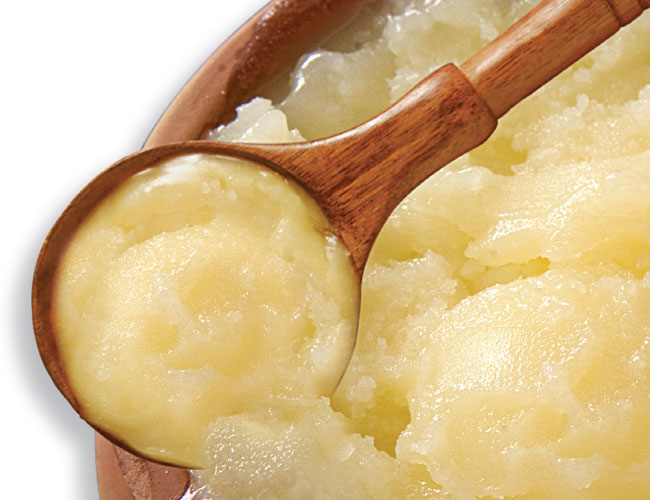
My Love for ‘Ghee’ and its 14 benefits

ghee_040312114403_041212010245

Whenever I close my eyes and recollect my childhood or pregnancy happiness’ I feel that amazing smell of Ghee, the pure, unadulterated, smooth and delicious ghee or better known as Clarified butter largely made out of Cow’s milk.

I still remember my childhood days when my mom used to fry Luchis also called Poories–Indian fried Wheat bread in ghee and I simply relished it the divine smell of ghee. And I equally relish Indian sweets made in pure claified butter. Even our lentils used to be tempered with ghee, rotis with ghee spread on them, ghee with steaming hot rice, ghee to top the veggies, ghee ke laddoos……. the list is never ending.

I grew up having loads of clarified butter, but it’s only when I did my Masters in Food & nutrition that I got a clearer view on ghee or clarified butter and my love for it.

Being a Nutritionist & a mom of two young kids, I have always been posed with the question how is it that I give my kids food with so much ghee? Well the fact is that Ghee is safe to have and that it has several nutritional benefits

Before we come to the benefits let’s look at some facts and what science says

FACTS

Ayurveda says

Among the four kinds of fat namely Gritha (ghee), Taila (oil), Vasa (fat), Majja (bone marrow) Ayurveda considers GHEE as the best among these. According to Ayurveda, ghee made from cow’s milk promotes memory, intellect and digestion. It also promotes healing of wounds, keeps the skin lustrous and maintains immunity.

Science says 

Modern science has discovered that ghee is rich in antioxidants. The fats in ghee aid absorption of fat-soluble vitamins and minerals from other foods, strengthening the immune system. Ghee is also rich in butyric acid, a fatty acid with anti-viral properties, which is believed to prevent cancers and tumours.

Recent research has also detected presence of linoleic acid in ghee. Linoleic acid retards the growth of some cancers and protects us from heart disease. This acid is often lacking in a vegetarian diet.

According to B S Raheja, the ex-director of All India Institute of Diabetes, the present epidemics of diabetes, heart disease and some cancers is due to not including ghee in our diets.

Benefits of Ghee

  • Ghee is a source of beta carotene and vitamins A, D, E, and K. Beta carotene and vitamin E are vital antioxidants. Vitamin A is naturally present in ghee, which is lacking in other edible oils.
  • Ghee has no milk solids, lactose or sugars. These get separated out when the butter is made into ghee, so it’s good for lactose intolerant people too
  • Organic ghee has no additives, preservatives, oxidized cholesterol or trans-fatty acids that clog arteries.
  • Ghee is highly stable and does not go rancid even at room temperature.
  • Clarified butter has a very high smoke point than butter but lesser than oil—it does not burn at high cooking temperatures. So it’s always better to cook in ghee than butter as butter burns very easily
  • Ghee is primarily saturated fat. One tablespoon of ghee provides 14g of saturated fat, 28mg of cholesterol and roughly 120 calories.
  • Ghee is useful for both external and internal use. Because ghee helps to increase immunity, that subtle essence of tissue that is responsible for life, radiant health, vigour, longevity and overall well being.
  • Slows down ageing process by adding a minimum of ghee to your food everyday.
  • It also removes toxins from body & mind.
  • Ghee is beneficial in promoting growth and development in children. It also improves memory and concentration power.
  • Ghee has its healing properties. If used directly on cuts, wounds or burns, it has powerful healing action. It can be used to cure gangerine . ulcers etc.
  • Pure ghee has anti-oxidant properties which promotes healthy metabolism and aids weight loss(when used in a moderation)
  • Intake of Ghee reduces the cholesterol both in the serum & intestine by triggering an increased secretion of biliary lipids.
  • Ghee is good for nerves & brains. It helps control eye pressure and is beneficial to glaucoma patients.
November 30, 2015 By Anuja Mohile Leave a Comment

Shake off the salt habit!

ImageGen

My food won’t taste good at all if I don’t add salt to it. Salt has become a habit to such an extent that we not only use it while cooking but add extra from the top too. We need salt for enhancing our fruits’ tastes too. Surprising isn’t it??

Salt namely Sodium chloride contains 40% of sodium in it. We add this salt to most of our foods/recipes and thus it is considered to be the major source of sodium to our body. Also the sodium we are talking about is not completely bad the way it’s being projected. Sodium also performs some important functions in our body like regulating the nerves and muscles, controlling the blood pressure and thus the sodium concentrations need to be carefully controlled by the body. Most of us consume far more sodium than what our body would actually need. This excess sodium causes the body to retain too much water in the blood vessels which causes a rise in the blood pressure thereby increasing the risk of heart disease, kidney disease and even stroke.

Our daily limit of sodium consumption per day is given as 2300 mg which is actually completed by 1 teaspoon of our table salt itself. Surprised?

Now give a thought to how much salt and thereby sodium are we consuming!!

So are you thinking that you don’t really consume that much of salt specially because you don’t sprinkle salt from top or not even add much to your daily food?

Research in fact shows that 75% of salt or more precisely sodium comes from the processed and preserved foods that we consume on a daily basis which we might not even consider to be really overly salty.

One vegetable wrap with loads of cheese, tomato sauce and mayonnaise in it can give you sodium for next 7 days. Thus, this is the extra sodium you consume in addition to any extra salt to your food at home.

Solution for this is not of course cutting all sodium/salt out of your diet but let’s try to strike a chord somewhere in the middle.

Here is a salt check and a few tips to help us to cut down our salt intake and thereby our sodium intake too.

  1. Cut down your all obviously salty foods like salted nuts, fried moong dal, farsan, chips, powders, cheese, pickles, sauces, dry fruits, dry fish etc.
  2. Look out for the hidden sources of sodium and salt. Baked items, breads, whole bread too, biscuits, breakfast cereals even if they are sweet, stir in masalas, table sauces, soup powders, tinned fruits, vegetables, canned juices, frozen patties, parathas, nuggets, sausages contain loads of sodium and should be restricted as much possible. It is not always sodium chloride but it can be other salts of sodium like citrate, sorbitrate, glutamate, benzoate, carbonate, bicarbonate etc. MSG or monosodium glutamate present in soya sauce, schezwan and chilli sauce – the main sauces in our Chinese version foods is again extremely salty a very high source of sodium.
  3. Try to google for the preservatives- the E- series- you will be surprised to see that almost many salts of sodium are used for your favorite foods.
  4. Buy fresh foods like vegetables, fruits, cereals, pulses and not their remix version.Try to obtain the goodness of cereal from the wholegrain s instead of breads and pastries. Natural foods contain far less sodium than the preserved ones. Start eating the fresh homemade food. Use healthy cooking methods.
  5. Instead of salt, use herbs, spices to season your cooking. Lime juice, tamarind, kokam, vinegar, garlic, black pepper, and cinnamon help to add the flavor. Try making different marinade and spicy rubs to add flavor to your foods instead of plain salt.
  6. Taste your food before adding the entire quantity of salt you plan to add.
  7. Take the salt off your dining table. If you have to always go and get your salt you tend not to bother to get it. You can cut down your salt by adding less to your food slowly day by day. Research suggests that if salt is decreased very slowly it is not even realized.

So finally next time if you forget to add salt in your vegetable, stop yourself from adding extra salt and instead try eating the vegetable just without salt. Initially you may find it difficult. But soon you may realize that what tastes now is the original taste of the vegetable and the spices or herbs that you have added to it. It might prove to be a pleasant surprise to your taste buds too. This effort needs to be taken from our side as we all are aware that excess salt consumption can act as a silent killer in the body.


October 19, 2015 By Ami Shah 80 Comments

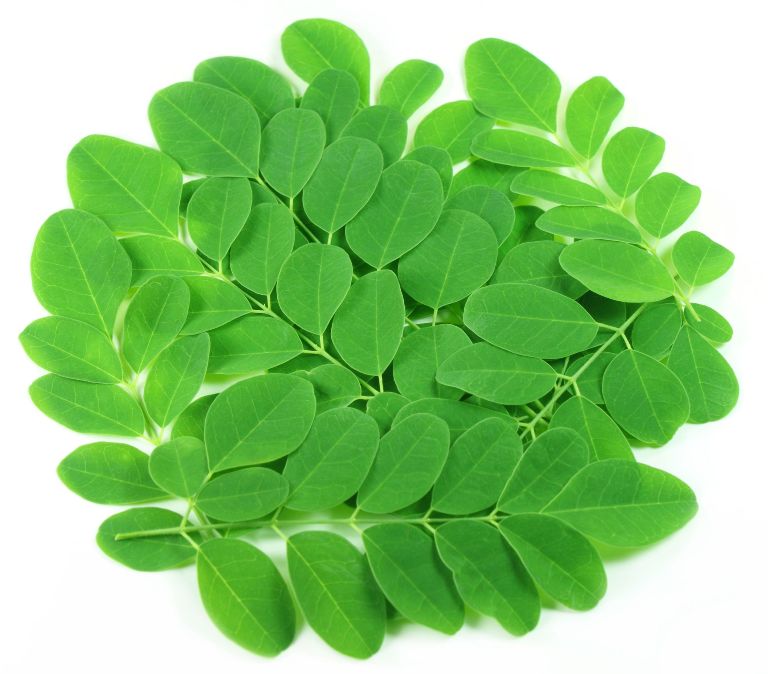
Moringa: Its benefits and side effects

organic-moringa-oleifera-leaf-dgs-spices-kerala-spices-expoters

If I have to ask how many of you all know what moringa is? I am sure few hands would go up. However, if I ask you what drumstick is? Majority of the hands would rise. However, majority of them who I know doesn’t like drumstick much! To your surprise, Moringa is also called as drumstick leaves. Moringa is a plant that is native to the sub-Himalayan areas of India, Pakistan, Bangladesh, and Afghanistan. Traditionally, it has been used in Ayurveda for medicinal purpose.

While Moringa can be cooked and eaten as a tasty and juicy vegetable, it is also available in various forms like moringa leaves/ moringa powder and capsules. Moringa has lots of benefits that one should take note of.

The benefits of Moringa are:

  • It helps in stabilizing sugar.
  • Helps in regularizing cholesterol level.
  • It is a powerful antioxidant as it is packed with vitamin A and C
  • It controls blood pressure
  • Helps in detoxification
  • Boosts immunity
  • Acts as an anti-ageing factor
  • Improves digestive system

Moringa is a power house of minerals such as Iron, Calcium and Zinc. Let us look at each of these minerals and what they do

  1. Iron alleviates anaemia.
  2. Calcium is required for bone mineralisation.
  3. Zinc: It plays a vital role in hair-growth, spermatogenesis, and skin health. 

Dosage:It is important to know the dosage of Moringa. It is ideal to have 5-6 gms (1 tsp) daily up to three weeks. It can be taken along with water/juices or in salads too.

Side effects:

The taste is not too pleasant and tends to produce a gag reflex on many first time users.Moringa thickens the blood. This is of note to those on blood-thinning medication.The consumption of Moringaincludes nausea, diarrhoea and heartburn. Reduce the dose in this case

Moringa is not recommended for pregnant and lactating mothers. The chemicals found in the roots, flowers and the bark could cause a contraction to occur on the uterus.

To conclude, by now I am sure you must have got an idea about how strong and beneficial moringa is! Next time, don’t say ‘NO’ to drumstick veggies and make it a part of your daily routine.

October 1, 2015 By Payal Choudhury 10 Comments

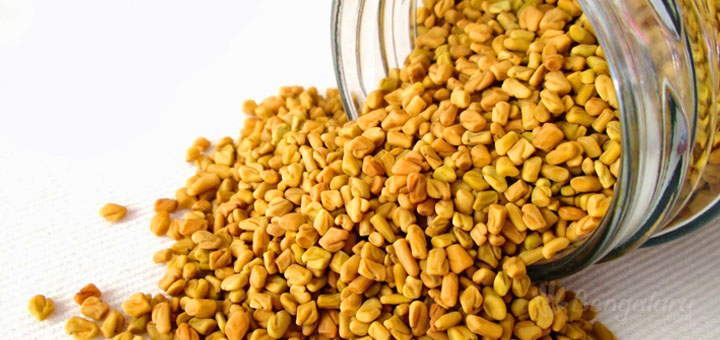
15 things you did not know about Fenugreek “Methi’

fenugreek

We are all aware Fenugreek right? Wondering what is Fenugreek? It’s nothing but, Methi in Hindi Fenugreek (Trigonella foenum graecum) is native to southern Europe and Asia and is an erect annual herb with white flowers and hard, yellowish brown and angular seeds.

Fenugreek seeds and leaves are strongly aromatic and flavourful. Seeds are bitter in taste but lose their bitterness if roasted slightly. They are rich in vitamins such as thiamine, folic acid, riboflavin, niacin, vitamins A, B6, and C, and are a storehouse of minerals such as copper, potassium, calcium, iron, selenium, zinc, manganese, and magnesium. Fenugreek leaves are a rich source of vitamin K as well.

Several human intervention trials have also shown that fenugreek seeds positively affect metabolic health. Fenugreek seeds have a slightly bitter taste when raw, but when they are sprouted, the flavour becomes pungently sweet, adding a unique taste to salads and other foods.

Methi or fenugreek seeds and leaves form an important ingredient in Indian households. It is used in almost every Indian preparation like dal, paratha or curry. But, what we might not know is that methi is a rich reservoir of medicinal properties that imparts many health benefits. Here are some ways which reflects the benefits of fenugreek.

  1. Lowers blood cholesterol

Fenugreek helps to reduce cholesterol level, especially that of low density lipoprotein (LDL). They are known to be rich source of steroidal saponins that prevent the absorption of cholesterol and triglycerides.

  1. Reduces risk of heart disease

Due to the presence of galactomannan, fenugreek plays a key role in maintaining a good heart. It also contains high amount of potassium that counters the action of sodium to help control heart rate and blood pressure.

  1. Controls blood sugar levels

A Diabetic must include methi (either in the form of seeds or leaves) in their diet. Because galactomannan, a natural soluble fibre present in fenugreek slows down the rate of sugar absorption into blood. It also contains amino acid responsible for inducing the production of insulin.

  1. Aids digestion

As fenugreek is rich in fibre and antioxidants, it helps in flushing out harmful toxins from the body and thus, aids digestion. In some cases, fenugreek tea is used to relieve indigestion and stomach pain.

  1. Helps counter acid reflux or heartburn

One teaspoon of fenugreek seeds in our food can be an effective remedy for acid reflux or heartburn. Mucilage of fenugreek seeds coat the lining of the stomach and intestine and soothe irritated gastrointestinal tissues. Before consuming, we can soak the methi seeds in water to make their outer coat mucilaginous.

  1. Helps you lose weight

Include fenugreek in our weight loss diet by chewing soaked methi seeds in the morning on an empty stomach. The natural soluble fibre in the fenugreek can swell and fill the stomach thereby suppressing our appetite and aiding in weight loss goals.

  1. Remedy for fever and sore throat

Fenugreek when taken with a teaspoon of lemon and honey can work wonders to reduce fever by nourishing the body. The soothing effect of mucilage in fenugreek also helps in relieving cough and pain from sore throat.

  1. Increases breast milk production in lactating women

Fenugreek ranks high among the ‘must haves’ for nursing mothers. This is due to the presence of diosgenin in the spice which increases milk production in lactating mothers. Fenugreek is used as a galactagogue by nursing mothers to increase inadequate breast milk supply.

9. Induces and eases child birth

Fenugreek has been known to be helpful in inducing childbirth by stimulating uterine contractions. It also reduces labour pain. But, here’s a word of caution. Excess intake of fenugreek seeds during pregnancy could be a reason of miscarriage or premature childbirth.

  1. Helps reduce menstrual discomfort

Fenugreek contains compounds like diosgenin and isoflavones with oestrogen-like properties which helps reduce symptoms like discomfort and menstrual cramps associated with PMS. These compounds also ease menopausal symptoms like hot flashes and mood fluctuations. Women are more prone to iron deficiency during adolescence (initiation of menstrual periods), during pregnancy and breastfeeding. Therefore including green leafy veggies like fenugreek (methi) in their diet can supply a good amount of iron. But, make sure to add tomatoes or potatoes to the preparations to enhance the iron absorption.

  1. Helps prevent colon cancer

The fibre content (saponins, mucilage, etc.) of fenugreek binds to toxins in the food and flush them out. This in turn helps to protect the mucus membrane of the colon from cancer.

  1. Helps soothe skin inflammation and reduce scars

While Vitamin C acts as a powerful antioxidant, fenugreek also contains anti-inflammatory compounds that aid in the treatment of various skin problems like burns, boils and eczema. The seeds are known to help in getting rid of scars.

14 Helps treat skin problems

Fenugreek or methi can be used in face packs to help prevent blackheads, pimples, wrinkles, etc. Washing your face with water boiled with fenugreek seeds or applying a paste of fresh fenugreek leaves for twenty minutes on your face can work wonders for your skin.

15 Can resolve hair problems

Using fenugreek as a part of your diet or as a paste to directly apply on your hair makes your hair shiny and black. Massaging your head everyday with boiled fenugreek seeds soaked overnight in coconut oil can be an excellent remedy for thinning of hair and hair fall.

To de-stress, here is a homemade remedy:

Fenugreek Seed Tea

1. Lightly crush a teaspoon of fenugreek seeds.

2. Soak them in a cup of freshly boiled water and steep it for 1 to 3 hours. (The longer you steep, higher the benefits).

3. Strain the tea, add honey and lemon to taste and drink it hot or cold. You can add tea leaves or other herbs too for different flavour.


  • « Previous Page
  • 1
  • …
  • 124
  • 125
  • 126
  • 127
  • 128
  • …
  • 136
  • Next Page »

Search

Recent Posts

  • Healthy Eating: Vegetable Stuffed Ragi Paratha
  • Sustaining the “GLP-1 Glow”: Nutrition for Skin and Tissue Elasticity
  • Nutritional Deficiencies That Can Cause Hair Loss (And How to Fix Them)
  • The Recovery Gap: Sleep Debt, Overwork and Silent Burnout Are Ageing You Faster
  • Sleep Well, Live Better: Lifestyle Habits That Improve Sleep Quality

Stay Updated

Archives

  • March 2026 (10)
  • February 2026 (14)
  • January 2026 (14)
  • December 2025 (19)
  • November 2025 (15)
  • October 2025 (20)
  • September 2025 (6)
  • August 2025 (6)
  • July 2025 (12)
  • June 2025 (18)
  • May 2025 (16)
  • April 2025 (22)
  • March 2025 (23)
  • February 2025 (22)
  • January 2025 (25)
  • December 2024 (22)
  • November 2024 (23)
  • October 2024 (21)
  • September 2024 (24)
  • August 2024 (30)
  • July 2024 (21)
  • June 2024 (26)
  • May 2024 (31)
  • April 2024 (27)
  • March 2024 (27)
  • February 2024 (25)
  • January 2024 (21)
  • December 2023 (15)
  • November 2023 (11)
  • October 2023 (19)
  • September 2023 (22)
  • August 2023 (18)
  • July 2023 (22)
  • June 2023 (24)
  • May 2023 (24)
  • April 2023 (23)
  • March 2023 (23)
  • February 2023 (19)
  • January 2023 (15)
  • December 2022 (11)
  • November 2022 (15)
  • October 2022 (15)
  • September 2022 (12)
  • August 2022 (10)
  • July 2022 (17)
  • June 2022 (11)
  • May 2022 (10)
  • April 2022 (6)
  • March 2022 (6)
  • February 2022 (13)
  • January 2022 (11)
  • December 2021 (7)
  • November 2021 (3)
  • October 2021 (6)
  • September 2021 (3)
  • August 2021 (8)
  • July 2021 (7)
  • June 2021 (15)
  • May 2021 (16)
  • April 2021 (10)
  • March 2021 (7)
  • February 2021 (4)
  • January 2021 (4)
  • December 2020 (3)
  • November 2020 (4)
  • October 2020 (10)
  • September 2020 (3)
  • August 2020 (3)
  • July 2020 (2)
  • June 2020 (4)
  • May 2020 (10)
  • April 2020 (12)
  • March 2020 (10)
  • February 2020 (4)
  • January 2020 (4)
  • December 2019 (3)
  • November 2019 (7)
  • October 2019 (5)
  • September 2019 (4)
  • August 2019 (9)
  • July 2019 (9)
  • June 2019 (11)
  • May 2019 (4)
  • April 2019 (8)
  • March 2019 (8)
  • February 2019 (9)
  • January 2019 (8)
  • December 2018 (9)
  • November 2018 (3)
  • October 2018 (3)
  • September 2018 (5)
  • August 2018 (10)
  • July 2018 (6)
  • June 2018 (13)
  • May 2018 (8)
  • April 2018 (18)
  • March 2018 (9)
  • February 2018 (8)
  • January 2018 (15)
  • December 2017 (12)
  • November 2017 (19)
  • October 2017 (13)
  • September 2017 (15)
  • August 2017 (4)
  • July 2017 (8)
  • June 2017 (7)
  • May 2017 (6)
  • April 2017 (8)
  • March 2017 (6)
  • February 2017 (7)
  • January 2017 (9)
  • December 2016 (10)
  • November 2016 (7)
  • October 2016 (7)
  • September 2016 (7)
  • August 2016 (11)
  • July 2016 (9)
  • June 2016 (9)
  • May 2016 (12)
  • April 2016 (17)
  • March 2016 (17)
  • February 2016 (8)
  • January 2016 (6)
  • December 2015 (2)
  • November 2015 (9)
  • October 2015 (7)
  • September 2015 (9)
  • August 2015 (11)
  • July 2015 (9)
  • June 2015 (12)
  • May 2015 (9)
  • April 2015 (13)
  • March 2015 (8)
  • February 2015 (5)
  • January 2015 (12)
  • December 2014 (14)
  • November 2014 (11)
  • October 2014 (6)
  • September 2014 (13)
  • August 2014 (12)
  • July 2014 (6)
  • June 2014 (2)
  • May 2014 (7)
  • April 2014 (4)

From “Laddu Nawin” to Fit and Fierce: How a 25-Year-Old Insurance Advisor Shed 20 Kilos and Gained His Life Back

When 25-year-old Nawin Yadav from Hyderabad walked into his office every morning, he carried more than just his files and policy papers. He had the weight of fatigue, sluggish energy, and an ever-growing belly that was becoming the butt of jokes. “People … [Read More...]

“I’ve Challenged Myself to Live 100 Years” – The Story of Chandubhai Savani’s Second Chance at Life

At 67, most people start slowing down. Not Chandubhai Savani. A resident of Surat, Chandubhai, thought life was on track. “My life was going well till I had my bypass surgery,” he says. That surgery, back in 2021, was a wake-up call.  Medication was routine, but exercise wasn’t. His diet? What he calls ‘normal.’ “I […]

From Shimla’s Slopes to Chandigarh’s Sidewalks: Surinder Kaur Bhalla’s Journey from Chaos to Control

Some journeys start with a plan. Others begin with a stumble literally. Surinder Bhalla, a government professional, born and raised in the scenic hill town of Shimla, had always lived a life of movement. “In Shimla, you walked everywhere,” she reflects. “Walking was never an exercise. It was just life.” But after shifting to Chandigarh, […]

Ananda Mukherjee Health Story

From Terminal Illness To Complete Wellness! Ananda Mukherjee Health Story

As we observe World Cancer Day under the powerful theme ‘United by Unique’ (2025-2027)**, we are reminded that every individual’s journey with cancer is distinct, yet united by shared resilience, hope, and the collective fight against this disease. This theme places people at the centre of care and their stories at the heart of the […]

  • HOME
  • HEALTHY LIVING
  • FITNESS
  • HEALTHY RECIPES
  • USER STORIES
  • KARMA
  • BUY GOQii

Copyright ©2016 GOQii