GOQii

Blog

  • HOME
  • HEALTHY LIVING
  • FITNESS
  • HEALTHY RECIPES
  • USER STORIES
  • KARMA
  • BUY GOQii

Search Results for: grains

August 24, 2015 By Hetal Chheda Leave a Comment

The Power of food – the powerful immune system

foods-that-must-be-on-a-childrens-menu

The most dreaded cold and cough keeps visiting us often like our friends do. They are more prevalent in some seasons than the rest. Malaria, Typhoid, Influenza, flu are some more diseases that also play havoc in our child’s life.

Low or weak immunity is one big reason that most fall victim to such diseases. Immune-boosting nourishment can help a lot and increase your child’s resistance to fight the disease which no other medicine in the world can do. A sturdy immune system lets your child develop intellectually, physically and emotionally.

One doesn’t need to especially go purchase these foodstuffs but can be made accessible in your kitchen garden.

Why choosing food over medicine is so important.

Food has innumerable properties like antibacterial, anti-infective, analgesic and antibiotic. These properties in food will keep diseases at bay without harming your internal organs.

Your body identifies food and will accept it readily and provide you its benefits. Whereas drugs are foreign substances which your body takes time to identify and in turn harms your natural immunity. This affects your child’s body system negatively over a period of time.

Make your own cough, cold and fever syrup

COLD AND COUGH

2 tsp ginger juice + 2 tsp honey + 1 pinch turmeric + 1 pinch Salt + juice of 1 lemon + 1 tsp glycerin.

Mix them all together and give 1 tsp after every 2 hrs.

FEVER

25 raisins soaked in half a cup of water + juice of ½ lemon

Crush the raisins into the water and strain. Add the lemon juice to the water and drink twice a day.

Everyday foods that will increase immunity

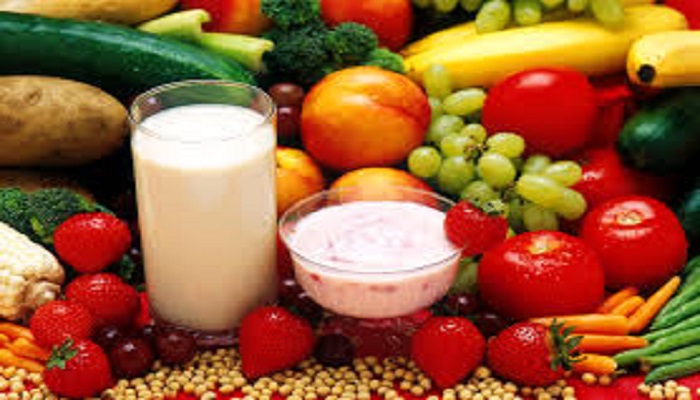
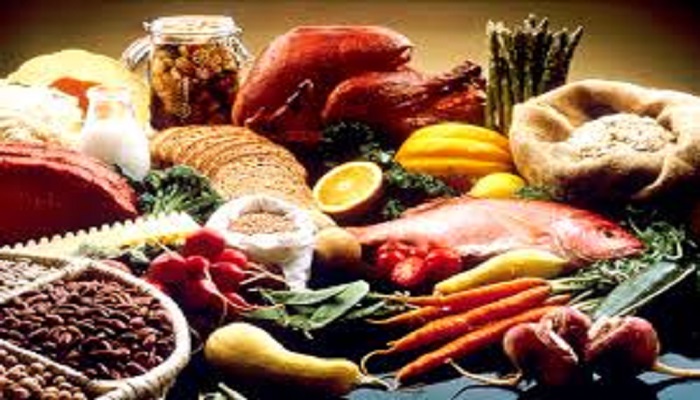
Fruits and vegetables: All citrus fruits, strawberries, Grapefruit, watermelon, grapes, cauliflower, carrots, bell peppers, broccoli, spinach, sweet potatoes, Mushrooms and Methi leaves.

Milk and milk products: Yogurt.

Cereals and Pulses: Oats, barley and whole grains, sprouts.

Meat, Fish and Egg: Chicken soup, Egg yolk, fish and beef.

Others: Garlic, ginger, cinnamon, Tulsi leaves, Turmeric

Other things that help

Boost your child’s sleep time.

Breast feed your baby.

If your child gets sick discard the old tooth brush.

Engage your child in some outdoor activity daily.

Make sure your child washes hand before meals.

Health is imperative to one and all; be it a child or an adult. A powerful and sturdy immune system will lay the foundation for better future, growth and development.

July 27, 2015 By ASHWINI PRAKASH CHAUDHARI 5 Comments

5 Easy Ways to Cut Down on the Fat

fat burning foods

During my college days, I was on the healthier side as compared to all my friends. And, I always felt I had to lose weight just to be like them. The first thing that crossed my mind was I should be skipping my meals. I did precisely that, started to skip my meals and lost weight. But, when is started back on my normal meals I realized I used to gain back the weight. After losing the weight, I also started feeling weak. Since I was into sports I needed to be fit too. I wondered why I am feeling weak. I have lost the extra weight but, yet not feeling energetic?

Slowly and gradually as time passed on, I started my dietetics studies and that’s when I realized the actual meaning of what is weight loss.

When we talk about losing weight, what does it actually mean? Does it mean losing weight or losing muscle weight??

I realized that, there is no shortcut or a magical pill for fat loss. There are several reasons and factors that are responsible for it. When I first lost weight, I started feeling weak because I lost muscle weight and not fat weight.

The key to real fat loss is combining the right foods together and eating right. When the right foods are combined there is a synergy affect resulting in double fat loss in almost half the time.

The way to successfully losing the fat weight is long-term healthy lifestyle change. I think this is a very clever way of informing people to stop trying to find a quick and easy way to lose fat. It just reaffirms that we need to mould ourselves in self created healthy environment and become a healthier individual naturally. Here, are some easy ways to cut down the fat weight rather than of yourself! So lets get started..

1)Healthy Eating Habits- When we talk about healthy eating habits what are the things that come to your mind?

Your major meals of the day which are breakfast, lunch and dinner. These meals are very important and we should not skip these meals. Breakfast is the most important meal of the day. Your body needs to know that it can start burning calories and breakfast is exactly that flag. One should have a king size breakfast. If you do not then you will end up eating unhealthy stuff. Lunch should be lighter than breakfast and well balanced with carbs and proteins. Same with dinner, it should be the lightest of the all meals, with more proteins and less carbohydrates.

Our meals should be load up on protein and fiber. To get rid of that stubborn fat, we need proteins. As proteins helps to repair and build muscles, intake should be up to the requirement. At the same time we should not forget fiber. Fiber helps to digest and lose weight by helping you feel full. So add beans, whole grains, brown rice, nuts, and berries on to the list which are awesome foods to get going.

Not only proteins and fibers but, also the fats are important to include in the daily diet. Not any sort of a no-fat or low-fat diet. Well, a low-fat diet is good but, only if you do it right. You need to stick to the good fats. The good kind (unsaturated; your omega-3s and 6s) can actually lead to fat burn, rising your metabolism.

To reduce calories, to get rid of body fat, you need not to cut out healthy fats completely.  Include avocados, fatty fish, olives, nuts and seeds, and oils such as olive, flaxseed and canola in your diet.

2) Eat often- Getting rid of body fat is all about the metabolism, and to keep up the metabolism, you got to be eating constantly.

As we are talking about the major meals same time small frequent meals are important too. When you eat small meals all the time, your metabolic rate increases and the increase in metabolism helps to lose fat. If you eat six meals a day versus just the three regular meals (breakfast , lunch , dinner) with the same total calories, you can lose more fat because more meals burn more calories by increasing thermogenesis, the production of heat, in the body.

Let’s not forget portion control, while going through proper meals you need to have look on portion control as well.

Try to take a less portion when you are serving your plate. Mindful eating works well such as chewing the food thoroughly, eating slowly. Eating slowly helps because it is known that once you cross 20 minutes of eating, the satiety center in the brain gets stimulated which sends you a signal that you are full and you stop eating. This is how portion control helps.

3) Water-The body fuel! Water is the medium in which most cellular activities take place, including the transport and burning of fat. In addition, drinking plenty of calorie-free water makes you feel full. Drink at least 3 litres of water a day. This is going to help you in washing away the toxins from your body and also to lessen the load of liver and thereby helping the liver to focus on metabolizing fat and the metabolizing rate related with fat loss.

Set yourself to accomplish this goal and you are on. Drink loads of water. It’s practically the easiest detoxifying tactic there in.

Two glasses of cold water can actually spike up your metabolism for about half an hour.

4) Exercise with proper breathing- To be on a healthy path you need a proper exercise along with the diet! Try to be more active, Daily 30-45 mins of Interval walking/ Running can be beneficial. Your main focus when you exercise should be losing body fat, and you can’t lose body fat just by burning calories. When we exercise, our bodies start burning calories, but the calories that are burned are the calories from carbohydrates in our system. In order to burn calories from your stored fat, your body requires the presence of oxygen. There is a certain amount of oxygen that your body needs in order to start burning fat and the only way for you to measure the amount needed for your own body is to keep up with your target heart rate during exercise.

Fat burns in the presence of oxygen. There’s a phrase which says (When you eat more, breathe more). It means oxygen burns the extra calories we eat, which is not required by the body and also reduces the overall fat percentage in the body. Oxygen thins the blood a little which helps lower your blood pressure and speed up the flow of blood. This increases your metabolism and burns more calories. The more oxygen you have in your blood the faster your metabolism will be. Cool air causes an additional increase in your metabolic rate because you need to expend more energy to keep the body at a comfortable temperature.

5 ) Rest– as focusing on all activities to stay healthy, along with all that your body needs a crucial ingredient-“rest”!

The culprits are leptin and ghrelin. Leptin tells your body it’s full and ghrelin stimulates appetite. When you don’t sleep, leptin levels decrease and ghrelin levels increases. The result? You eat more unconsciously which can lead to fat gain. To avoid this scenario, make sure you rest. Try to take proper 7-8 hours of sleep. Also your body requires it to reduce stress levels and rejuvenate once again with fresh energy for the next day. You are like a powerhouse that just can’t be stopped, but your body needs to rest. Especially if you’re lifting weights like it’s your job; your muscles need time to repair themselves. And the muscle repairs and recovery happens when your body is at rest. So, take a day to take it easy. You don’t have to sit on the couch all day, but do allow your body to heal itself.
These are some fat burning food- Berries, grape fruit, Green tea, Eggs, Olive oil, Enova oils (Soy or canola) Almonds and other nuts, chilli peppers, whey protein, peanut butter, oat meal, spinach and other green vegetables, whole grains, beans and legumes, lean meat, fatty fish (salmon, tuna, etc), dairy products (low or no fat) etc.

For fat burning exercise you can check the following blog links written by my co-colleagues

https://goqii.com/blog/interval-training-to-put-your-fat-on-flame/

https://goqii.com/blog/10-tips-for-fat-burn-exercise/

June 11, 2015 By Neha Morche Leave a Comment

QUINOA SUPERGRAIN of 21st CENTURY


Quinoa

Quinoa is a grain like any other grains or cereals that we consume on a daily basis and is definitely a better option to include and to avoid monotony in our daily routine. It is obtained from plant which tastes like spinach. Although it is mostly eaten in Northern America, it is now getting worldwide recognition. Quinoa is a whole grain which has striking health benefits.

Quinoa is a very good source of manganese, phosphorus, copper, magnesium, dietary fibre, folate , and zinc, protein, antioxidants than any other grain including Vitamin B6, thiamin, niacin, potassium, and riboflavin, vitamin E and MUFA(mono unsaturated fatty acids)..Quinoa is a perfect food to include on a gluten-free diet, since it lacks gluten.

It is available in red, light yellow and black colour in market. It is a very interesting grain as it expands than its original size on cooking, here we will have an idea of cooking:

Uses:

Always rinse Quinoa till soapy texture gets washed away (as it has saponin ; a toxic chemical substance) also it has bitter taste after repetitive wash. If the soapy texture does not go then rubbing it may help. Mixture of Quinoa and water should be 1:2 ratio, boil it, approximately it takes 15 minutes to cook. Once it gets cooked the germ gets detached and it looks translucent. If roasted on low heat before cooking it gives it a nuttier flavor. It can be refrigerated for 3 to 6 months.

It can be used as sprouts, in soups, porridge for breakfast; cooked Quinoa can be used in sandwiches and tossed over pasta. Quinoa can be mixed with brown rice and vegetables…and also you can make yummy Quinoa pudding. It can be popped like popcorn which children enjoy.

Pros :

  • It has good amount proteins for wear and tear of the tissues.
  • Good for hypertension (low in cholesterol and sodium ), breathing problems and migraine pain as it relaxes blood vessels.
  • It has abundance of fibre which improves digestion, hinders excess secretion of bile.
  • It is good sources of calcium for bones.
  • It is gluten free, which is good cereal option for people having gluten allergy.
  • Manganese and copper acts as an antioxidant which prevents from free radicals produced in the body.
  • It reduces triglycerides compared to gluten free breads and pastas.

We have seen the benefits of Quinoa but, let me tell you it does have oxalates which should be avoided in oxalate restricted diets (kidney stones).

So let’s try and inculcate some new stuff in your diet to become more healthy.

May 19, 2015 By Anushree Ashtekar 1 Comment

Red Signal To Excess Good things we overdo -part 1

don't overdo on dietPlato rightly said, “Excess generally causes reaction and produces a change in the opposite direction, whether it be in seasons, or in individuals, or in governments”.

We all crave for healthy and fulfilling lives. In order to achieve this, we try to do our best in matters of food, clothing, shelter; in short, have a good standard of living. But, what about when we go overboard while taking care of ourselves? Overdoing something which is usually good for our health also, has it’s own ill-effects. Let’s take a look at some of the ‘healthy’ things that many of us tend to go high on:-

  • Excessive drinking of water: Almost all of our major body systems depend on water to function properly. Optimum hydration helps in flushing toxins out of the body, preventing digestive ailments like acidity and constipation, regulating body temperature and many other functions. Many a times, people are low on water intake and are dehydrated. But, there are also instances where people tend to go too much on water intake causing a condition known as over hydration. Over hydration is a potentially deadly condition that causes severe imbalance between water and sodium in the body. People, consciously or unconsciously, can go high on water. Especially, when they sweat a lot, increased thirst due to uncontrolled diabetes, some psychiatric conditions like Schizophrenia can cause compulsive drinking of water, certain medications can cause dry mouth and make the person feel thirsty. Also, over hydration due to water retention (inability of the body to get rid of excessive water) can result due to underlying medical conditions such as kidney problems, liver cirrhosis, congestive heart failure and SIADH (Syndrome of Inappropriate Antidiuretic Hormone). Symptoms of over hydration may include headache, nausea and vomiting, confused or disoriented state of mind, loss of sleep as people frequently get up in the night to go to the loo. If not treated early, over hydration may lead to a hyponatremia (dangerously low levels of sodium in blood) leading to much severe conditions like seizures, muscle cramps or spasms, unconsciousness and coma. The best way to ensure optimum hydration is to drink a glass of water at regular intervals in a day. 8-10 glasses of water per day is usually needed for good hydration but, mostly it differs from person to person. Over hydration can be dealt with by treating the underlying medical conditions and consulting a nutritionist about your hydration status.
  • Excessive exercise: A routine of regular exercising gives us health benefits like improved cardiovascular endurance, muscular endurance, musculoskeletal strength and ideal body composition. But, exercising too much can prove detrimental to health. ‘Overtraining Syndrome’ is common among fitness enthusiasts and athletes. It may manifest itself through various physical and psychological symptoms. The physical symptoms of overtraining syndrome are unexplained weight loss, decreased appetite, excessive thirst indicating dehydration, cardiovascular complications(increased Resting Heart Rate), decreased immunity, muscle soreness, increased occurrence of injuries, decreased performance in sports and day to day activities.

Psychological symptoms include fatigue, irritability, disturbed sleep patterns, apathy and hostility. Levels of stress hormones (cortisol) increase and testosterone levels decrease. The adverse effects are seen in both, men and women. Overtraining syndrome can be avoided by following a proper training program with compulsory resting days. Medical treatment for the physical and psychological symptoms.

  • Excessive calorie control in meals: Calorie counting is termed as an eating disorder. It’s not about how many calories we consume but, what quality of calories we are consuming. For eg; we think that low-fat yogurt is healthier than full-fat yogurt as it has less calories. Whereas, the truth is quite opposite. Low-fat yogurt is less in fat but, high on sugars. Fat soluble vitamins A, D, E, and K are lost when you remove the fat. Similar case with skim milk and regular milk. Skim milk is low-fat but, also completely rid of Vitamins A and D which the normal milk is rich in. They may contain added Vitamins but, they are synthetic and harmful. Egg yolk is discarded due to high fat and cholesterol content but, the yolk is almost twice as rich in all the nutrients as the egg white; the egg yolk can resolve most of the common nutrient deficiencies. Also, these so-called ‘low-fat’, ‘low-sugar’ foods cost more than their regular counterparts. Calorie is not what builds up the fat in your body; it is simply the unit of energy that our body uses for it’s functions. Think about building muscle because, more muscle will raise the body BMR and burn calories for energy throughout the day. Moreover, calorie counting leads to mental stress and does not let you enjoy your meals. The solution to this is quality check of foods, mindful eating and portion control.
  • Excessive consumption of fruits, fruit juices and dried fruits: Fruits are packed with vitamins, minerals, water, antioxidants and fiber. Daily consumption of fruits gives us many health benefits. But, over-consumption has it’s own ill effects. Fruits are nutritious but, also high on sugars. Fruit juices and dried fruits contain denser amount of sugars than the fresh, whole fruits. Overeating may lead to high blood glucose levels and eventually the unused calories go into fat store. Too much sugars can also increase acidity. Fruit contains fiber which if consumed too much, can cause gastrointestinal discomfort like cramping, gas, bloating and loose motions. Fruits are simple carbohydrates lacking amino acids and essential fatty acids so, cannot be considered as complete food. 1 or 2 servings of fruits per day can be recommended. Include a variety of fruits in the diet.
  • Excessive fiber intake: Fiber is found in whole grains, fruits and vegetables. It is needed for healthy digestion process. Fiber gives satiety for longer time and prevents constipation. But, too much of it can cause several health problems. Fiber cannot be easily digested so, too much of it can cause cramping. Fiber speeds up the passage of the food in the gut and too much of it can speed up the passage too fast leading to diarrhea. Too much of fiber with less water intake can make you constipated. There can also be , gas, bloating and flatulence. Excessive fiber can lead to malabsorption of certain nutrients like calcium, iron, zinc and magnesium. The worst effect of consuming too much of fiber can be intestinal blockage and may also require surgery. Have both, soluble and insoluble fiber, equally, and adequate amount of water.
  • Excessive sleeping/resting: Many of us think about compensating for the weeks’ lost hours of sleep by oversleeping at the weekends. A good night’s sleep is very much essential for good health but, oversleeping comes with it’s own share of adverse effects. Along with the quantity of the sleep, the quality of the sleep also matters. If you try to compensate low quality of sleep with high quantity of sleep, you will end up feeling more tired. Sleeping too much can lead to many health problems like obesity, heart disease, diabetes and depression. It can slow down the brain functioning. According to WebMD research it has been found that sleeping for more than 8 hours can shorten the span of life.

These are some of the healthy things that we over do. In my next blog part 2 we will see how we overdo ‘unhealthy’ things.

To be continued…….

  • « Previous Page
  • 1
  • …
  • 36
  • 37
  • 38
  • 39
  • 40
  • …
  • 42
  • Next Page »

Search

Recent Posts

  • PCOS and Anxiety: Discover Relief with the 54321 Technique
  • Navigating the Maze of Nutrition: Finding Clarity Amidst Confusion
  • Get children active and keep them healthy
  • What Gestational Diabetes Can Do To You & Your Unborn Child
  • Breathing – A Forgotten Art

Stay Updated

Archives

  • December 2025 (4)
  • November 2025 (15)
  • October 2025 (20)
  • September 2025 (6)
  • August 2025 (6)
  • July 2025 (12)
  • June 2025 (18)
  • May 2025 (16)
  • April 2025 (23)
  • March 2025 (23)
  • February 2025 (22)
  • January 2025 (26)
  • December 2024 (26)
  • November 2024 (25)
  • October 2024 (22)
  • September 2024 (24)
  • August 2024 (31)
  • July 2024 (21)
  • June 2024 (26)
  • May 2024 (31)
  • April 2024 (27)
  • March 2024 (29)
  • February 2024 (26)
  • January 2024 (25)
  • December 2023 (15)
  • November 2023 (11)
  • October 2023 (22)
  • September 2023 (22)
  • August 2023 (20)
  • July 2023 (22)
  • June 2023 (24)
  • May 2023 (24)
  • April 2023 (24)
  • March 2023 (23)
  • February 2023 (20)
  • January 2023 (16)
  • December 2022 (12)
  • November 2022 (15)
  • October 2022 (15)
  • September 2022 (12)
  • August 2022 (10)
  • July 2022 (17)
  • June 2022 (11)
  • May 2022 (10)
  • April 2022 (6)
  • March 2022 (6)
  • February 2022 (13)
  • January 2022 (12)
  • December 2021 (7)
  • November 2021 (3)
  • October 2021 (6)
  • September 2021 (3)
  • August 2021 (8)
  • July 2021 (7)
  • June 2021 (15)
  • May 2021 (16)
  • April 2021 (10)
  • March 2021 (7)
  • February 2021 (4)
  • January 2021 (4)
  • December 2020 (3)
  • November 2020 (4)
  • October 2020 (10)
  • September 2020 (3)
  • August 2020 (3)
  • July 2020 (2)
  • June 2020 (4)
  • May 2020 (10)
  • April 2020 (12)
  • March 2020 (10)
  • February 2020 (4)
  • January 2020 (4)
  • December 2019 (3)
  • November 2019 (7)
  • October 2019 (5)
  • September 2019 (4)
  • August 2019 (9)
  • July 2019 (9)
  • June 2019 (11)
  • May 2019 (4)
  • April 2019 (9)
  • March 2019 (8)
  • February 2019 (9)
  • January 2019 (8)
  • December 2018 (9)
  • November 2018 (3)
  • October 2018 (3)
  • September 2018 (5)
  • August 2018 (10)
  • July 2018 (6)
  • June 2018 (13)
  • May 2018 (8)
  • April 2018 (18)
  • March 2018 (9)
  • February 2018 (8)
  • January 2018 (15)
  • December 2017 (12)
  • November 2017 (19)
  • October 2017 (13)
  • September 2017 (15)
  • August 2017 (4)
  • July 2017 (8)
  • June 2017 (7)
  • May 2017 (6)
  • April 2017 (8)
  • March 2017 (6)
  • February 2017 (7)
  • January 2017 (9)
  • December 2016 (10)
  • November 2016 (7)
  • October 2016 (7)
  • September 2016 (7)
  • August 2016 (11)
  • July 2016 (9)
  • June 2016 (9)
  • May 2016 (12)
  • April 2016 (17)
  • March 2016 (17)
  • February 2016 (8)
  • January 2016 (6)
  • December 2015 (2)
  • November 2015 (9)
  • October 2015 (7)
  • September 2015 (9)
  • August 2015 (11)
  • July 2015 (9)
  • June 2015 (12)
  • May 2015 (9)
  • April 2015 (13)
  • March 2015 (8)
  • February 2015 (5)
  • January 2015 (12)
  • December 2014 (14)
  • November 2014 (11)
  • October 2014 (6)
  • September 2014 (13)
  • August 2014 (12)
  • July 2014 (6)
  • June 2014 (2)
  • May 2014 (7)
  • April 2014 (5)

From “Laddu Nawin” to Fit and Fierce: How a 25-Year-Old Insurance Advisor Shed 20 Kilos and Gained His Life Back

When 25-year-old Nawin Yadav from Hyderabad walked into his office every morning, he carried more than just his files and policy papers. He had the weight of fatigue, sluggish energy, and an ever-growing belly that was becoming the butt of jokes. “People … [Read More...]

“I’ve Challenged Myself to Live 100 Years” – The Story of Chandubhai Savani’s Second Chance at Life

At 67, most people start slowing down. Not Chandubhai Savani. A resident of Surat, Chandubhai, thought life was on track. “My life was going well till I had my bypass surgery,” he says. That surgery, back in 2021, was a wake-up call.  Medication was routine, but exercise wasn’t. His diet? What he calls ‘normal.’ “I […]

From Shimla’s Slopes to Chandigarh’s Sidewalks: Surinder Kaur Bhalla’s Journey from Chaos to Control

Some journeys start with a plan. Others begin with a stumble literally. Surinder Bhalla, a government professional, born and raised in the scenic hill town of Shimla, had always lived a life of movement. “In Shimla, you walked everywhere,” she reflects. “Walking was never an exercise. It was just life.” But after shifting to Chandigarh, […]

Ananda Mukherjee Health Story

From Terminal Illness To Complete Wellness! Ananda Mukherjee Health Story

As we observe World Cancer Day under the powerful theme ‘United by Unique’ (2025-2027)**, we are reminded that every individual’s journey with cancer is distinct, yet united by shared resilience, hope, and the collective fight against this disease. This theme places people at the centre of care and their stories at the heart of the […]

  • HOME
  • HEALTHY LIVING
  • FITNESS
  • HEALTHY RECIPES
  • USER STORIES
  • KARMA
  • BUY GOQii

Copyright ©2016 GOQii