
GOQii

Blog

  • HOME
  • HEALTHY LIVING
  • FITNESS
  • HEALTHY RECIPES
  • USER STORIES
  • KARMA
  • BUY GOQii

Search Results for: grains

July 23, 2024 By Disti Shah 7 Comments

Why You Should Exercise To Manage Diabetes

exercise to manage diabetesThe facts and myths about diabetes are plenty, especially on the kind of foods one should have or not have, whether one should exercise to manage diabetes, etc. But, it’s when I saw my dad exercising one day, a thought struck me – is it not important to test a diabetic before exercise? Is diet all that one needs to focus on?

What if he exercises vigorously and his sugar levels drop down? At what sugar levels should we allow or not allow a person to exercise? What should be the intensity and frequency of the exercise? What type of exercise should a diabetic do?

These questions obviously led me to explore and research more about diabetes and exercise. I would like to share some information about what Diabetes is, what are its types and how regular exercise can control your Diabetes.

What is Diabetes?

Diabetes is a chronic disease where there’s a high level of sugar in the blood, either due to less insulin sensitivity or because of low insulin secretion or no insulin levels in the body.

There are three major types of diabetes. The causes and risk factors are different for each type:

  • Type 1 diabetes: can occur at any age, but it is most often diagnosed in children, teens, or young adults. In this type, the body makes little or no insulin. Daily injections of insulin are needed. The exact cause is unknown.
  • Type 2 diabetes: makes up for most of the diabetes cases. It often occurs in adulthood, but teens and young adults are now being diagnosed because of high obesity rates. In such cases, either the body becomes less sensitive to insulin or insulin secretion decreases.
  • Gestational diabetes: is high blood sugar that develops at any time during pregnancy in a woman who does not have diabetes, and disappears once the pregnancy is over.

Can You Exercise To Manage Diabetes? 

We all know that exercise provides multiple benefits but does it help diabetics as well? In fact, it does! Here are some of the changes you can experience if you exercise to manage diabetes:

  • Exercise helps lower blood sugar levels
  • It helps you feel better
  • Helps maintain proper body weight
  • Keeps the heart rate and blood pressure lower
  • Keeps blood fat levels normal
  • Improves insulin sensitivity
  • Helps in maintaining normal blood circulation in the feet

Now that we know a few of many reasons why exercise is important for a person with diabetes, let’s see which exercises can benefit diabetics.

Which kinds Of Exercise Are Best For Diabetics?

To help manage diabetes, you can try:

  1. 30 minutes of “moderate intensity” aerobic activity – 5 days a week.
  2. “Vigorous intense” aerobic activity for 20 minutes or more a day – 3-5 days a week.

In addition, you should add flexibility and strength training to your routine.

  1. Flexibility activities 5-7 days a week.
  2. Strength training 8-10 exercises, 10-15 repetitions of each exercise, 2-3 days a week.

Calories Per hour and the types of moderate and vigorous exercises

Moderate physical activity for one hour Calorie burnt per hour
Hiking 370
Light gardening / Yard work 330
Dancing 330
Golf (walking and carrying clubs) 330
Bicycling (<10mph) 290
Walking  (3.5mph) 280
Weight lifting (light workout) 220
Stretching 180
Vigorous physical activity for one hour 
Running / Jogging (5mph) 590
Bicycling (>10mph) 590
Swimming (Slow freestyle laps) 510
Aerobics 480
Walking (4-5 mph) 460
Heavy Yard work (chopping wood) 440
Weight lifting (vigorous effort) 440
Basket ball (vigorous) 440

Source – Dietary Guidelines for Americans – 2005 *(These values are derived from American journals and may not be specific to other populations).

When Should One Exercise?

The best time to exercise will vary with the schedule. Preferably, one should pick the same time for exercise each day so that if one is on insulin, the adjustment of insulin dosage is manageable.

  1. Morning exercise may cause your blood glucose to drop less than if you exercised later.
  2. If you are on insulin or taking pills that work by making more insulin, evening exercise may result in low blood glucose while you sleep.

Remember – Your Diabetes Management can be adjusted to suit your lifestyle. Your lifestyle does not have to be adjusted to fit your diabetes.

After knowing what kind of exercise and at what time we should do them, let’s see what precautions should be taken while doing them.

Safety Tips for Active Diabetics

1. Get your doctor’s okay before you start exercising.
This is especially important if you are older than age 35, have had diabetes for more than 10 years, have any complications of diabetes, have not exercised in a long time, or have heart disease. Exercise has the same effect on blood glucose as insulin. It lowers blood glucose, making you more sensitive to insulin. This is a benefit of exercise that can also pose a problem if it lowers your blood glucose too much.

2. Avoid low blood sugar levels
Low blood sugar levels are when the glucose levels dip below <70mg/dl. Common symptoms include shakiness, weakness, abnormal sweating, and anxiety, tingling of mouth and hunger, headache, visual disturbance, confusion, seizures, coma. Monitor your blood glucose before and after working out, especially when beginning or modifying the exercise program. Always keep a 15g of fast-acting carbohydrate (powdered sugar/Glucose tablets 3-4) with you to treat Hypoglycemia.

3. Check your blood glucose levels pre and post workout
If you blood glucose is below 70 –

  1. Take 5g of carbohydrate right away
  2. Wait for 15 minutes
  3. Check again – if still below 70, then have another 15 grams.

It should work now.

If the blood glucose is high – Fasting is>250 and ketosis is present.

Or >300 with or without ketosis. Avoid exercise with such high blood sugar levels.

4. Eat before heavy exercise
If you’re going to exercise around mealtime, you should eat the meal first. When possible, allow half an hour for digestion. Solid foods, such as whole grains, vegetables, etc. are digested slowly than liquids. They provide protection for at least 2-3 hours. When it is possible to choose the exercise time, try to begin the exercise 30-60 minutes after a meal or snack.

Remember – Nothing works better than experience and frequent blood glucose testing. 

5. Diabetic complications 

  • Retinopathy: Patients with retinopathy are at risk for retinal detachment and vitreous hemorrhage associated with vigorous-intensity exercise. For those with retinopathy, vigorous aerobic and resistance, weight-bearing exercises should be avoided.
  • Nephropathy: Should not indulge in vigorous-intensity exercise as protein excretion increases post-exercise.
  • Peripheral Neuropathy: Should take proper care of feet to prevent foot ulcers. Feet should be kept dry. Avoid the wrong type of socks and shoes. Avoid tight elastic bands and ill-fitted shoes (they reduce circulation). Avoid wearing thick or bulky socks (they can fit poorly and irritate the skin). Rather wear light colored cotton socks that dissipate heat faster. Moisturize your feet – but not between your toes- that could encourage a fungal infection. Use a moisturizer daily to keep dry skin from itching or cracking. Consider non-weight bearing activities as they may be better tolerated and aid healing.

6. Stay hydrated
Proper hydration is essential during exercise. Exercising during hot weather requires special attention. Drinking extra fluids should begin an hour or two before you begin exercise to manage diabetes. A general rule is to drink 8 ounces of fluid for every 30 minutes of vigorous activity. 

7. Check your pulse rate
It’s important to check the pulse periodically to see if you are exercising within your target zone. Right after you exercise, take your pulse – count your pulse for 10 secs and multiply the no by 6.

Compare the numbers on the right grouping in the table below.

Age Target Heart range zone
20 years 100-150 beats/min
25 years 98-146 beats/min
30 years 95-142 beats / min
35 years 93-138 beats/ min
40 years 90-135 beats/min
45 years 88-131 beats/min
50 years 85-127 beats/ min
55 years 83-123 beats/min
60 years 80-120 beats/min
65 years 78-116 beats/ min
70 years 75-113 beats / min

Source: Exercise and Your Heart, National Heart, Lung, and Blood Institute/American Heart Association, NIH Publication No. 93-1677.

The good news is that if someone regularly exercises, these benefits can be permanent, and for someone with diabetes, it can mean reducing medication. If younger members of families with a predisposition to diabetes exercise regularly, they could avoid diabetes altogether.

A single bout of exercise can benefit the body’s sensitivity to insulin for 16-18 hours and have positive effects on blood glucose control (glucose absorption) for 24-48hours.

But these effects wear off between 60-72 hours. Hence, staying active most of the time is imperative.

I just want to convey that Diabetes cannot take your hope, faith, attitude, courage and happiness away from you. We are the authors of our own health. Let’s overcome it, no matter what type or what level of disease it is.

Now that you know why you should exercise to manage diabetes, get out there and begin your journey! To read more on Diabetes, check out Healthy Reads.

For further guidance and motivation by certified experts, join the GOQii Diabetes Care program. It’s India’s only diabetes program that is driven by Smart Science and Personal Coaching to improve Fasting Blood Sugar (FBS), Postprandial Blood Sugar (PP), reduce HbA1c levels and let you win gold! You can subscribe here: https://store.goqii.com/diabetescare.

#BeTheForce

July 17, 2024 By Vandana Juneja 1 Comment

Effective Ways To Improve Gut Health

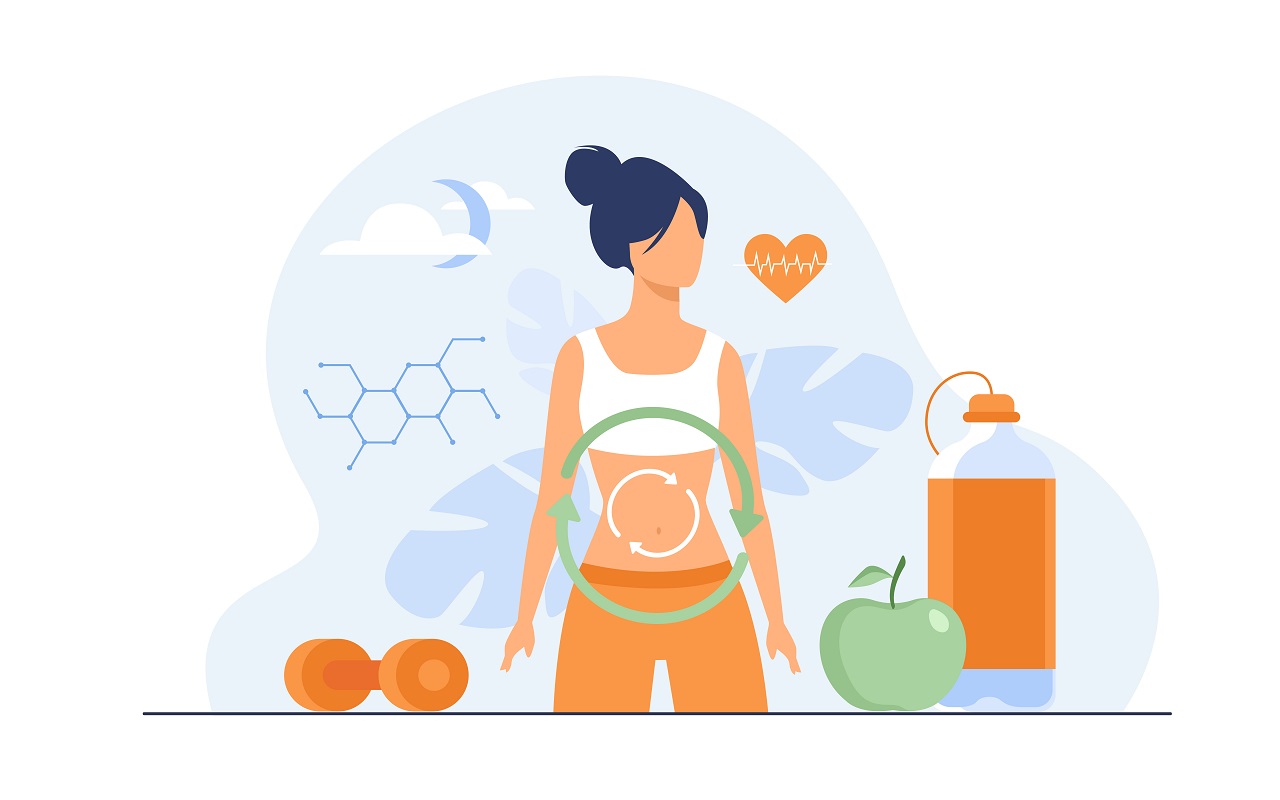
How to improve gut healthGut health is a familiar concept, and it’s widely recognized that maintaining a healthy gut is beneficial for our overall well-being. Beyond just aiding digestion, a healthy gut supports our immune system, heart health, brain function, weight management, and numerous other facets of health.
How Do We Know That Our Gut Health Is Optimal?

A healthy gut requires a balanced interaction between beneficial and harmful microbes within our digestive system. Our body’s microbiome, which includes trillions of bacteria, fungi, yeast, and other microbes—with bacteria being the predominant group—is vast. In fact, bacterial cells outnumber our own human cells! It’s accurate to consider the microbiome as an essential organ, critical to maintaining our overall health.

When our gut health suffers, we may experience a variety of symptoms such as indigestion, bloating, constipation, acidity, acid reflux, chronic fatigue, acne, joint inflammation and pain, as well as anxiety and depression. It’s crucial to identify and address the underlying causes of these symptoms instead of merely resorting to temporary solutions.

Effective Ways To Improve Gut Health

improve gut health

  • Include Fibre in your diet: Fibre helps to regulate bowel movements by absorbing water into the colon, making the stools soft and easy to pass through the intestines. Good sources of fibre include – fresh fruits and vegetables, whole grains, beans and pulses.
  • Have foods rich in Prebiotics: Prebiotics are basically food for the gut microflora that humans cannot digest but keeps the gut bacteria healthy. These include fibre from legumes, beans, oats, banana, berries, asparagus, apples, garlic, onion and leeks.
  • Include Probiotics in your daily diet: Probiotics are live bacteria found in certain foods and supplements. These include Curd, Yogurt, Fermented food items like Kombucha, Kimchi, Sauerkraut, Kefir and Pickles. Before taking probiotic supplements, it is advisable to consult your physician first.
  • Drink plenty of water: Drink eight glasses (about 2 litres) of water each day to keep yourself hydrated during the day. This is a general guideline, the exact water requirement depends on your body weight, activity levels and the environmental condition.
  • Reduce/Manage stress levels: Stress can have a major impact on our gut health because it affects the regulation of hormones and neurotransmitters that control your gastrointestinal function. So, if you are feeling stressed, seek help or try to manage it with meditation, yoga, exercise, pursuing a hobby, talking to family and friends.
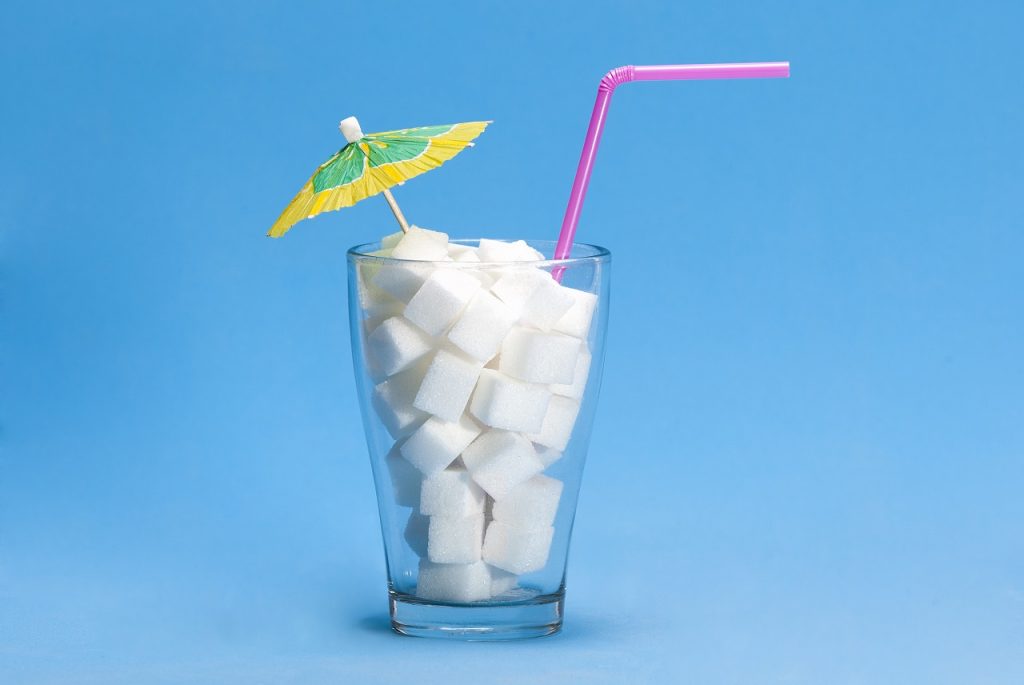
  • Avoid Processed/Sugary food items: Sugar feeds bad bacteria in our gut which can cause bloating, discomfort and gas. So avoiding or reducing sugar intake can help promote good bacteria growth. Similarly, processed foods are stripped of the majority of nutrients and are loaded with artificial colours, preservatives, sweeteners, trans fats, all of these increase inflammation in the body and impact gut health.
  • Exercise regularly: Regular exercise is one of the best ways to improve your gut health, as it helps build immunity to fight against viruses and bacterial infections. So, the more active you are, the healthier gut you will have!
  • Sleep well: The quality of your sleep can affect your gut health, so get your 7-8 hours of good quality sleep. Follow a good sleep hygiene, avoid using electronic gadgets before sleep and avoid caffeine late in the day. You can also practice deep breathing or meditation to induce sleep.
  • Antibiotics: Avoid taking antibiotics unnecessarily, as they kill the bad as well as good bacteria in the gut. In case it is unavoidable, do include probiotics in your diet, to replenish the lost good bacteria.
  • Avoid Alcohol: Alcohol causes depletion in the gut bacteria and inflammation, so it is better to avoid or limit your intake.

These simple yet very effective ways will help you keep your gut healthy and contribute to your overall wellbeing. If this article helped you, let us know in the comments below!

For more on maintaining and improving Gut Health, check out Healthy Reads. You can also speak to an expert by subscribing for GOQii’s Personalised Health Coaching here.

#BeTheForce

Disclaimer: The information provided in this blog is for general awareness and educational purposes only. It is not intended to replace professional medical advice, diagnosis, or treatment. Always consult a qualified healthcare provider for personalised medical guidance or concerns related to your health.

June 7, 2024 By Neha Morche 3 Comments

Hypertension: Cause for all heart issues

heart-failure2

Heart is one of the most important organs of our body, and keeping it healthy is important. Heart connects the entire body through its vital functions.

What does the heart exactly do? Why is it related to blood pressure?

This small fist like structure works hard to maintain blood flow to our body day and night. Fundamentally, it takes all the impure blood from the body, makes it pure with lots of Oxygen (fresh air), and sends it back. While doing this, it also contracts and relaxes (medically termed it as systolic and diastolic, respectively) in between a single beat. In normal course, if the person is healthy this happens smoothly without much pressure on it. Normal blood pressure levels should be 120/80 mm/hg.

Blood pressure is the culprit to heart issues. It’s natural to increase our blood pressure due to certain unpleasant situations, but if the blood pressure stays elevated for longer periods, then it turns into hypertension.

Causes for increased blood pressure:

  • Stress
  • Smoking
  • Alcohol
  • Obesity
  • Less water intake
  • High salt intake
  • Intake of more processed or bakery food.
  • Junk food or less fibrous food Intake
  • Less activity
  • Less sleep
  • Kidney disorders
  • Heredity
  • High fat food intake

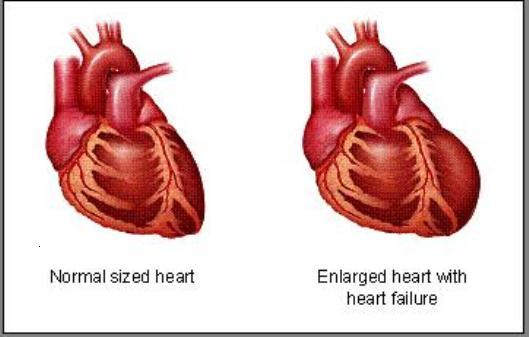
All of these lead to plaque formation in the tiny blood vessels, due to which heart has to put more pressure than usual for a smooth blood flow. When it goes beyond the heart’s limit (it has muscles, after all) it stops pumping blood (which carries water, nutrients, and oxygen) thus it results in heart attack.

The good news is that one can avoid high blood pressure and avert heart attacks by just taking care of our daily meals, activities, water, sleep, stress etc. in short keeping a check on our lifestyle.

We need to improve all micro habits which set into our routine. Once you set yourself a routine, it’s difficult to break it.

Salt is the crucial factor that can lead to high blood pressure. Salt is a combination of sodium and chloride. Daily requirement of sodium is 1500mg to 2300mg, which means we can include approximately 1 teaspoon of salt. Sodium is also found in baking soda, monosodium glutamate (MSG), various seasonings, additives, condiments, meat, fish, poultry, dairy foods, eggs, smoked meats, olives, and pickled foods. High sodium directly contributes to high blood pressure.

Here are some heart friendly food options I have listed down for you

Antioxidants (green tea, red wine)

Fiber and Vitamin K (green leafy vegetables, whole grains, beans, whole pulses)

Whole Fruits

Omega 3 and Omega 6 fats (Almonds, walnuts, flax seeds, fish like salmon, sardines, mackerel, herring, tuna, avocado)

Ample amount of water intake.

Doing regular breathing exercises help us increase our Oxygen uptake.

Yoga, meditation or giving time to your hobbies keeps stress at bay.

Staying active through the entire day or indulging in any type of activity or game you enjoy can keep stress levels under check.

Maintaining heart health starts with managing your blood pressure. By making mindful choices in your diet, staying active, managing stress, and staying hydrated, you can significantly reduce the risk of hypertension and heart disease. Share your thoughts and experiences in the comments below. For more health tips and personalised guidance,speak to a certified expert by subscribing to GOQii’s Personalised Health Coaching here. Take control of your heart health today!

#BeTheForce

May 18, 2024 By Vaishali Vibhute Leave a Comment

What Happens To Your Body When You Eat Too Much Sugar

too much sugar

“You are what you eat, so eat something sweet” is a very sweet quote but has a bittersweet reputation when it comes to health! Did you know that carbohydrate, an essential micro nutrient, is a producer of sugar? Sugars, in fact, are simple carbohydrates which are easily absorbed and digested by the body. It is an empty calorie food, has zero nutritional value and provides only energy. It is naturally found in lots of foods. For instance, as fructose in fruits, as lactose in dairy and dairy products and different cereals and grains. 

Is It Really A Villain Of Good Health? 

Along with negatives, sugar has many positives: 

  • It makes anything taste better
  • Provides immediate energy to your body 
  • Naturally found sugars in foods like fruits and vegetables have little effect on blood sugar and are considered healthy
  • It increases happy hormones

Adverse Effects Of Eating Too Much Sugar 

Too much of anything is bad, and the same goes for sugar! Here are some ill-effects it can have on your body: 

  • Weight Gain or Obesity: Too much consumption of white sugar can contribute to weight gain or obesity, due to it’s high calorie content. When eaten in excess, it gets dumped into cells and gets stored as fat and results in weight gain.
  • Type 2 Diabetes: Excessive intake creates problems for pancreas. Body monitors blood glucose levels and produces insulin to help control it. When blood glucose level is high and has more glucose than your body needs, cells become insulin resistant, the control breaks down, blood sugar rises to dangerous levels and leads to Type 2 Diabetes.
  • Hurt your Heart: There is a clear relation between sugar consumption and high BP. Eating too much can harden the arteries and damage heart tissues, which is a major risk factor for heart disease and stroke.
  • Tooth Decay: It is the primary food source for bacteria that can grow in your mouth and cause tooth decay.
  • Non Alcoholic Fatty Liver Disease (NAFLD): is a metabolic stress related liver disease. A diet high in sugar and specially fructose, can trigger your liver to store fat which can lead to NALFD.
  • Hampers Immune Function: It can interfere with the immune system as bacteria and yeast feed on sugar. So excessive glucose in the body causes these organisms to build and cause infections.
  • Accelerates Ageing: When it enters your bloodstream, it attaches to protein. The mix of these proteins with sugar causes loss of elasticity and increases premature ageing. Thus, it can mess with your skin by contributing to wrinkles and sagging.
  • Increases Risk of Developing Gout: Gout is an inflammatory condition that causes pain in the joints. Added sugars raise uric acid levels in the blood and increases risk of developing and worsening gout.
  • Damages Kidneys: When blood sugar is too high, the kidneys spill it into urine, which can cause permanent damage.
  • Fertility: High blood sugar impairs reproduction function in both men and women. Excessive consumption can rob essential vitamins and minerals.

How Can You Cut Down The Intake? 

Daily recommended limit of sugar for women is 6 tsp (30gms), men 7tsp (35gms) and for children 3tsp(15gms). Apart from this recommended limit, you can also do the following:  

  • Avoid sugary drinks such as sodas, energy/sports drinks, etc. That will reduce sugar intake and could help you lose weight. Homemade sherbet’s like lemon, kokum or amla, etc. can be a better alternative to sugary drinks.
  • Avoid packaged or processed food in favour of whole foods like fresh fruits, vegetables, seeds, whole grains, legumes and nuts.
  • When you buy ready to eat foods, read nutrition labels. If you know how much sugar is in a product, you can limit the intake of that food. Some of the common names of hidden sugars on packaged food labels are corn syrup, cane sugar, dextrose, agave, high fructose corn syrup, coconut palm sugar, etc. Food manufacturers add sugars in foods like ice-cream, cookies, candy, soda, ketchup, sauces, bread, yogurt, etc.
  • Instead of adding sugar in cereals or oats, try fresh fruits like banana, strawberry, sapota and apple, etc.
  • Avoid protein/granola bars which contain lots of added sugar. Eat low sugar snacks such as nuts and fruits.
  • Don’t store desserts like ice cream, cakes, different sauces in the fridge and biscuits and cookies on shelves to reduce cravings. 
  • Natural sweeteners such as stevia and xylitol can be healthy alternatives to sweet sugar.

Sugary or sweet products are sweet to the tongue but not for the body. Consuming small quantities is the key to healthy eating. For least harm to the body and fullest enjoyment, eat it in moderation. 

We hope this article helps you make healthy eating choices. Do leave your thoughts in the comments below! For more on nutrition, check out Healthy Reads or ask a GOQii Coach by subscribing for personalized health coaching here: https://goqiiapp.page.link/bsr

#BeTheForce 

  • « Previous Page
  • 1
  • …
  • 11
  • 12
  • 13
  • 14
  • 15
  • …
  • 44
  • Next Page »

Search

Recent Posts

  • 4 Reasons Why Affirmations Are Not Working For You
  • The Social Side of GLP-1: Navigating “Food Culture” and Peer Pressure
  • Leaky Gut: Symptoms and Causes
  • Muscle Is Your Insurance Policy: Why Strength Predicts Lifespan More Than Cardio
  • The Fiber Gap: Managing Digestion on GLP-1 Therapy

Stay Updated

Archives

  • March 2026 (1)
  • February 2026 (14)
  • January 2026 (14)
  • December 2025 (19)
  • November 2025 (15)
  • October 2025 (20)
  • September 2025 (6)
  • August 2025 (6)
  • July 2025 (12)
  • June 2025 (18)
  • May 2025 (16)
  • April 2025 (22)
  • March 2025 (23)
  • February 2025 (22)
  • January 2025 (25)
  • December 2024 (22)
  • November 2024 (23)
  • October 2024 (21)
  • September 2024 (24)
  • August 2024 (30)
  • July 2024 (21)
  • June 2024 (26)
  • May 2024 (31)
  • April 2024 (27)
  • March 2024 (29)
  • February 2024 (25)
  • January 2024 (21)
  • December 2023 (15)
  • November 2023 (11)
  • October 2023 (19)
  • September 2023 (22)
  • August 2023 (18)
  • July 2023 (22)
  • June 2023 (24)
  • May 2023 (24)
  • April 2023 (23)
  • March 2023 (23)
  • February 2023 (19)
  • January 2023 (15)
  • December 2022 (11)
  • November 2022 (15)
  • October 2022 (15)
  • September 2022 (12)
  • August 2022 (10)
  • July 2022 (17)
  • June 2022 (11)
  • May 2022 (10)
  • April 2022 (6)
  • March 2022 (6)
  • February 2022 (13)
  • January 2022 (11)
  • December 2021 (7)
  • November 2021 (3)
  • October 2021 (6)
  • September 2021 (3)
  • August 2021 (8)
  • July 2021 (7)
  • June 2021 (15)
  • May 2021 (16)
  • April 2021 (10)
  • March 2021 (7)
  • February 2021 (4)
  • January 2021 (4)
  • December 2020 (3)
  • November 2020 (4)
  • October 2020 (10)
  • September 2020 (3)
  • August 2020 (3)
  • July 2020 (2)
  • June 2020 (4)
  • May 2020 (10)
  • April 2020 (12)
  • March 2020 (10)
  • February 2020 (4)
  • January 2020 (4)
  • December 2019 (3)
  • November 2019 (7)
  • October 2019 (5)
  • September 2019 (4)
  • August 2019 (9)
  • July 2019 (9)
  • June 2019 (11)
  • May 2019 (4)
  • April 2019 (8)
  • March 2019 (8)
  • February 2019 (9)
  • January 2019 (8)
  • December 2018 (9)
  • November 2018 (3)
  • October 2018 (3)
  • September 2018 (5)
  • August 2018 (10)
  • July 2018 (6)
  • June 2018 (13)
  • May 2018 (8)
  • April 2018 (18)
  • March 2018 (9)
  • February 2018 (8)
  • January 2018 (15)
  • December 2017 (12)
  • November 2017 (19)
  • October 2017 (13)
  • September 2017 (15)
  • August 2017 (4)
  • July 2017 (8)
  • June 2017 (7)
  • May 2017 (6)
  • April 2017 (8)
  • March 2017 (6)
  • February 2017 (7)
  • January 2017 (9)
  • December 2016 (10)
  • November 2016 (7)
  • October 2016 (7)
  • September 2016 (7)
  • August 2016 (11)
  • July 2016 (9)
  • June 2016 (9)
  • May 2016 (12)
  • April 2016 (17)
  • March 2016 (17)
  • February 2016 (8)
  • January 2016 (6)
  • December 2015 (2)
  • November 2015 (9)
  • October 2015 (7)
  • September 2015 (9)
  • August 2015 (11)
  • July 2015 (9)
  • June 2015 (12)
  • May 2015 (9)
  • April 2015 (13)
  • March 2015 (8)
  • February 2015 (5)
  • January 2015 (12)
  • December 2014 (14)
  • November 2014 (11)
  • October 2014 (6)
  • September 2014 (13)
  • August 2014 (12)
  • July 2014 (6)
  • June 2014 (2)
  • May 2014 (7)
  • April 2014 (5)

From “Laddu Nawin” to Fit and Fierce: How a 25-Year-Old Insurance Advisor Shed 20 Kilos and Gained His Life Back

When 25-year-old Nawin Yadav from Hyderabad walked into his office every morning, he carried more than just his files and policy papers. He had the weight of fatigue, sluggish energy, and an ever-growing belly that was becoming the butt of jokes. “People … [Read More...]

“I’ve Challenged Myself to Live 100 Years” – The Story of Chandubhai Savani’s Second Chance at Life

At 67, most people start slowing down. Not Chandubhai Savani. A resident of Surat, Chandubhai, thought life was on track. “My life was going well till I had my bypass surgery,” he says. That surgery, back in 2021, was a wake-up call.  Medication was routine, but exercise wasn’t. His diet? What he calls ‘normal.’ “I […]

From Shimla’s Slopes to Chandigarh’s Sidewalks: Surinder Kaur Bhalla’s Journey from Chaos to Control

Some journeys start with a plan. Others begin with a stumble literally. Surinder Bhalla, a government professional, born and raised in the scenic hill town of Shimla, had always lived a life of movement. “In Shimla, you walked everywhere,” she reflects. “Walking was never an exercise. It was just life.” But after shifting to Chandigarh, […]

Ananda Mukherjee Health Story

From Terminal Illness To Complete Wellness! Ananda Mukherjee Health Story

As we observe World Cancer Day under the powerful theme ‘United by Unique’ (2025-2027)**, we are reminded that every individual’s journey with cancer is distinct, yet united by shared resilience, hope, and the collective fight against this disease. This theme places people at the centre of care and their stories at the heart of the […]

  • HOME
  • HEALTHY LIVING
  • FITNESS
  • HEALTHY RECIPES
  • USER STORIES
  • KARMA
  • BUY GOQii

Copyright ©2016 GOQii



