GOQii

Blog

  • HOME
  • HEALTHY LIVING
  • FITNESS
  • HEALTHY RECIPES
  • USER STORIES
  • KARMA
  • BUY GOQii

Search Results for: fat

February 26, 2025 By GOQii Leave a Comment

The Rise of Recovery: How Prioritising Rest Can Boost Your Fitness Goals

4 Reasons Why Rest Is As Important As TrainingThe Modern Fitness Paradigm: More is Not Always Better

In today’s fitness culture, there’s an unspoken belief that the harder you push, the better your results. High-intensity workouts, back-to-back training sessions, and relentless progress tracking have become the norm. But as more athletes, trainers, and wellness experts start to shift their approach, a new reality is emerging: recovery isn’t just important—it’s essential.

The era of glorifying overtraining is fading, making way for a smarter, more holistic approach to fitness that values recovery as much as the workout itself. It’s time to stop seeing rest as a break from training and start viewing it as a fundamental part of progress.

Why Recovery is the Secret to Better Performance

Many people associate ‘rest days’ with laziness, but true fitness gains happen during recovery, not just during training. Every time you push your body through a challenging workout, you create tiny tears in your muscle fibres. It’s not the workout that makes you stronger—it’s the repair process that follows. Without proper recovery, you’re not allowing your body to rebuild, which can actually make you weaker over time.

Let’s break it down:

  1. Prevents Injury and Overtraining

Neglecting recovery can lead to chronic fatigue, burnout, and overuse injuries such as tendonitis, stress fractures, and muscle strains. When you allow your body time to heal, you reduce inflammation and strengthen tissues, lowering your risk of long-term setbacks.

  1. Boosts Performance and Strength

Think of your body as a battery—if you’re always running on low charge, you’ll never reach your full potential. Rest days allow your muscles to restore glycogen levels, helping you come back stronger, faster, and more energised for your next session.

  1. Supports Mental Well-being

The mind and body are deeply connected. Overtraining can lead to mood swings, increased anxiety, and even depression. Taking time to rest allows your nervous system to reset, improving mental clarity, focus, and motivation.

What Happens to Your Body During Recovery?

When you prioritise rest, your body initiates several key processes to optimise performance:

  • Muscle Repair & Growth – Tiny tears in muscle fibres rebuild stronger, leading to increased strength and endurance.
  • Hormonal Balance – Rest days regulate cortisol (the stress hormone) and boost testosterone and growth hormone for better muscle repair.
  • Improved Sleep Quality – Recovery lowers stress levels and helps you achieve deeper, more restorative sleep.
  • Reduced Inflammation – A well-rested body processes inflammation more efficiently, decreasing soreness and stiffness.

The Right Kind of Recovery: Passive vs. Active

Not all recovery looks the same, and finding the right balance is key to maximising results.

  1. Passive Recovery (Complete Rest)

Sometimes, doing absolutely nothing is the best thing you can do for your body. This type of recovery is ideal after intense training sessions, competitions, or when dealing with extreme fatigue.

  • Full rest days
  • Deep sleep
  • Massage therapy
  • Cold therapy (ice baths)
  • Sauna & heat therapy
  1. Active Recovery (Gentle Movement)

On lighter training days, low-impact movement can help reduce stiffness and promote circulation without overloading your muscles.

  • Walking or gentle hiking
  • Yoga & stretching
  • Swimming
  • Light mobility work
  • Foam rolling

How to Optimise Recovery for Maximum Gains

1. Listen to Your Body –
If you’re experiencing extreme soreness, chronic fatigue, or lack of motivation, your body is asking for rest. Ignoring these signs can lead to burnout.

2. Prioritise Sleep –
Sleep is the most effective natural recovery tool. Aim for 7-9 hours of high-quality sleep to support muscle repair, mental clarity, and overall health.

3. Fuel Properly –
Nutrition plays a vital role in recovery. Ensure your diet includes:

  • High-quality protein for muscle repair
  • Healthy fats to reduce inflammation
  • Complex carbohydrates to replenish glycogen stores
  • Hydration to flush out toxins and aid muscle function

4. Schedule Recovery Days –
Make recovery a planned part of your training, not an afterthought. At least one to two rest days per week should be non-negotiable, based on your training intensity.

5. Incorporate Mobility Work –
Stretching, foam rolling, and yoga can keep muscles flexible and improve range of motion, helping prevent injuries.

The Future of Fitness: Smarter, Not Harder

The fitness industry is evolving. More professionals are now embracing the concept of working smarter, not harder—and it’s paying off. Recovery is no longer seen as a luxury but a necessity for sustainable progress.

Instead of pushing through exhaustion, start recognising that rest is an essential component of success. By giving your body the recovery it deserves, you’re not only preventing injuries—you’re unlocking the full potential of your strength, endurance, and mental well-being.

Next time you’re tempted to skip a rest day, remember: rest isn’t weakness—it’s strategy. Prioritise recovery, and watch your performance soar.

Do you prioritise recovery in your fitness routine? Share your thoughts in the comments below!

#BeTheForce

February 18, 2025 By Parwage Alam 3 Comments

Sitting Too Much? Here’s How It’s Shortening Your Life

How sitting for long hours at work can shorten your life

We spend more time sitting than sleeping. The average office worker sits for 9–10 hours a day, far more than the recommended 7–8 hours of sleep. But did you know that prolonged sitting is linked to obesity, heart disease, diabetes, and even early death?

You may have heard the phrase “Sitting is the new smoking”, and for good reason. Research suggests that excessive sitting can be as dangerous as smoking, increasing your risk of serious health issues even if you exercise regularly. With the modern workplace being largely desk-based, it’s crucial to understand how excessive sitting affects your body and what you can do to counteract it.

How Sitting For Long Hours Can Affect Your Health

  • Poor Blood Circulation – Sitting for long periods slows down blood flow, increasing the risk of blood clots and varicose veins.
  • Increased Risk of Diabetes & Heart Disease – Studies show that prolonged sitting doubles the risk of diabetes and raises the likelihood of heart disease.
  • Eye Strain & Digital Fatigue – Constantly staring at screens causes dry eyes, blurred vision, and headaches.
  • Back, Neck & Joint Pain – Poor posture and lack of movement contribute to chronic pain in the back, neck, and joints.
  • Weakened Heart & Lung Function – Sitting too long reduces cardiovascular efficiency, making the heart and lungs work harder.
  • Digestive Problems – Poor posture can slow digestion, leading to bloating, acid reflux, and constipation.
  • Mental Fatigue & Mood Changes – Reduced movement can affect mental health, leading to increased stress, anxiety, and fatigue.

How Can You Stay Active At Your Workplace? 

While it may not be possible to completely avoid sitting, you can incorporate small changes into your routine to minimise its negative effects.

  • Take Small & Frequent Breaks – Stand up and stretch every 30–45 minutes to improve circulation and prevent stiffness.
  • Use the Stairs Instead of the Lift – A quick way to get your heart rate up and strengthen leg muscles.
  • Take a Walk After Lunch – Even a 5–10 minute walk after eating helps digestion and boosts energy.
  • Blink & Rinse Your Eyes Regularly – Combat screen fatigue by following the 20-20-20 rule (look away from the screen every 20 minutes, for 20 seconds, at something 20 feet away).
  • Try Simple Desk Exercises – Stretch your neck, shoulders, and legs while sitting to relieve tension.
  • Adjust Your Chair for Better Posture – Keep your back straight, feet flat on the floor, and screen at eye level to avoid slouching.
  • Consider a Standing Desk or Active Workstation – Alternate between sitting and standing to reduce strain on your body.
  • Move While You Work – Take calls while standing or walking, or use a stability ball instead of a chair for better core engagement.

Try to avoid it by taking short breaks and being active! If you experience any pain, here’s what you can do to avoid any further injuries.

Sitting for long hours is unavoidable for many, but small lifestyle adjustments can make a significant difference. By being more aware of your sitting habits and incorporating movement into your daily routine, you can protect your health and improve your overall well-being.

💡 Takeaway: Stand more, move more, and prioritise an active lifestyle to reduce the risks associated with prolonged sitting.

💬 What’s your favourite way to stay active at work? Share your tips in the comments!

#BeTheForce

February 10, 2025 By Dr. Naina Sudarshan 1 Comment

Which Vitamins Are Good For Skin Repair?

skin repairSkin is the largest organ of our body and the one that is directly exposed to the outer environment every day. External factors like sunlight, wind, dust, cold weather, alcohol, and smoking, as well as internal factors like dehydration, aging, poor nutrition, stress, and lack of sleep, can damage the skin. When we feel that our skin is damaged or to prevent skin damage, many of us tend to fall for the plethora of skincare products available in the market. But in reality, we need to work on fixing our damaged skin internally rather than relying on external products that may contain harmful chemicals. So, what do we do for skin repair? The answer is simple—it’s the vitamins in our diet!


Which Vitamins Can Be Used For Skin Repair? 

There are many vitamins found in food itself that can work wonders for skin repair. Let’s take a look at which vitamins can help:

1. Vitamin A:

  • Benefits: Rich in antioxidants, Vitamin A protects the skin from sunburn by preventing the breakdown of collagen, a protein that gives elasticity to the skin. It helps in the regeneration of both the upper and lower layers of skin cells. Vitamin A also moisturizes the skin, making it effective for treating dry, itchy, and bumpy skin. In cases of inflammation or wounds, the antioxidants in Vitamin A protect the body from harmful free radicals.
  • Food Sources: Orange-colored foods like carrots, papaya, sweet potato, mango, dried apricots, pumpkin, red bell pepper, tomato, and cantaloupe. Non-vegetarians can also find Vitamin A in liver meat.

2. Vitamin B:

  • Benefits: Vitamin B helps in the formation of new skin cells.
    • Vitamin B2 (Riboflavin): Maintains healthy collagen levels and balances skin oil, healing dryness. Found in almonds, spinach, beef liver, dairy products, and mushrooms.
    • Vitamin B3 (Niacin): Treats sun-damaged skin, eczema, dry skin, and rosacea. Found in dairy products, fish, chicken, cereals, and mushrooms.
    • Vitamin B5 (Pantothenic Acid): Keeps the skin hydrated, preventing aging and acne. Found in mushrooms, broccoli, sweet potatoes, and avocado.
    • Vitamin B7 (Biotin): Repairs skin from acne, fungal infections, and rashes. Found in almonds, tomatoes, onions, eggs, sardines, and sweet potatoes.
    • Vitamin B9 (Folic Acid): Repairs skin cell damage caused by free radicals. Found in green leafy vegetables, nuts, seeds, beets, and okra.
    • Vitamin B12: Reduces inflammation, dryness, and redness in chronic skin conditions like psoriasis, eczema, and dermatitis. Found in dairy, fish, meat, and eggs.

3. Vitamin C:

  • Benefits: Vitamin C plays a huge role in the natural production of collagen in the body. It is useful in treating photoaging, hyperpigmentation, and immune suppression caused by UV rays. Vitamin C promotes tissue healing and neutralizes free radicals that cause oxidative stress. It also helps in the production of barrier lipids, preventing skin dryness and moisture loss.
  • Food Sources: Citrus fruits like oranges, tangerines, grapefruit, lemon, kiwi, strawberries, green pepper, guavas, cherries, plum, broccoli, and cantaloupe.

4. Vitamin D:

  • Benefits: Vitamin D helps in wound healing and modulates inflammation. It also has antimicrobial properties that may help treat acne caused by bacterial overgrowth.
  • Food Sources: Sunlight exposure, fish like sardines, salmon, herring, and mackerel, egg yolk, and fortified foods like cereals.

5. Vitamin E:

  • Benefits: Vitamin E is a fat-soluble antioxidant with photoprotective and anti-tumorigenic properties. It protects the skin against solar radiation and acts as a scavenger against free radicals. It is effective in treating skin conditions like atopic dermatitis, psoriasis, melasma, acne vulgaris, and cutaneous ulcers.
  • Food Sources: Nuts and seeds like almonds, hazelnuts, pine nuts, sunflower seeds, and avocado.

Remember, it is always better to avoid self-medication with vitamin supplements, as overdosing can cause severe side effects. A variety of nutrient-rich foods like fruits, vegetables, nuts, and seeds can provide all the necessary vitamins for skin repair. While topical vitamins are available in the market, getting vitamins through food internally is a safer and more effective approach.

Before you begin consuming any of the foods listed above, please consult your doctor, nutritionist or dietitian to find out if you have any allergies or deficiencies. We hope this article helps you. Do leave your thoughts in the comments below. For more on skin repair, check out Healthy Reads or speak to a GOQii Coach by subscribing for Personalised Health Coaching here.

#BeTheForce 

February 7, 2025 By Neha Goyal 1 Comment

Is Olive Oil Suitable For Indian Cooking?

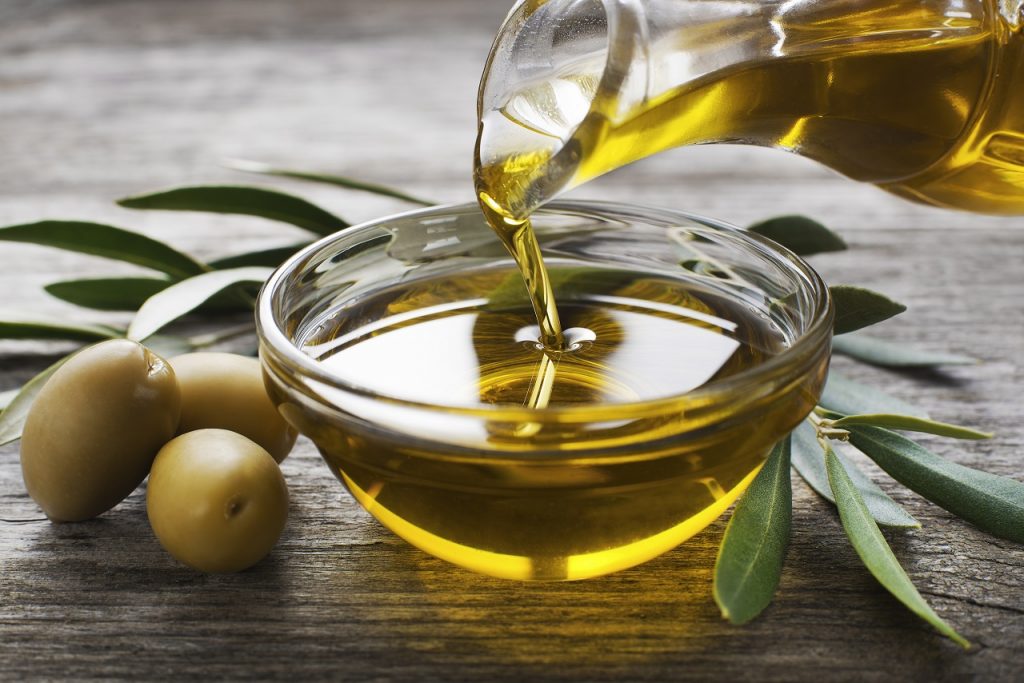
Olive OilWith newer superfoods making their mark on our plates, olive oil has gained a lot of popularity in India. Indians use oil in everything while searching for the healthiest alternative at the same time. As a result, the markets are flooded with brands and variants of olive oil. The most important question to ask here is: Does it fit in the Indian kitchen? Let’s find out by understanding what you are buying from the market because not all of them are created equally!

Different Types of Olive Oil 

There is no doubt that olive oil is healthy fat obtained by crushing olives using different methods. The catch is that the quality of olive oil sitting in your pantry is determined by the process of extracting the oil from the olives, the varieties, and how/whether they should be used in different cooking methods. Here’s a breakdown of the most common types:

  1. Extra Virgin Olive Oil: This is the highest quality extracted from freshly squeezed juice from olives using stone, wood or steel rollers. It has a very strong flavor, aroma and contains no more than 0.8% acidity. No chemical solvent or industrial refining process is used while producing this variant. In fact, temperatures are kept below 75 degree Fahrenheit during the whole process. Even after packaging, it is mandatory to keep it away from heat and sunlight. So it is clear that to get benefits from this high grade oil, you should not heat it. You can drizzle it over your pasta, salad, soups or use it for making dips.

  2. Virgin Olive Oil: This is also an unrefined variety but slightly lower in quality. Containing 1.5% acidity, it is considerably a subpar option to extra virgin variant. Still, it has a good aroma and is suitable for low temperature sautéing and baking as you are trying to substitute butter or any other saturated fat.

  3. Refined Olive Oil: If you see a bottle with “pure olive oil”, “Lite olive oil” or simply “olive oil” in a supermarket, they are usually Refined olive oils (or are mixed with some other refined oils). They are prepared using olives that are in bad condition or rancid olive oil after treating them with heat and chemicals to remove any unpleasant flavors as well as neutralize free fatty acid content. Being heavily processed, they do not contain any benefits of the extra virgin variant. You can use these for any kind of regular cooking. But don’t expect too much from it in terms of health.

  4. Olive Pomace Oil: Pomace is the word used for the leftover olive pulp after the first extraction which consists of skin, pulp, seeds and stems. The amount of oil present in pomace is so minimal that it cannot be extracted through pressing but only using chemical solvents like hexane and high heat. Clearly it has no benefits but calories. This variant is for people who are attracted by the benefits of olive oil, but are looking for something in their budget.

Are These Variants Suitable For The Indian Kitchen? 

After going over these variants, if you’re wondering which oil is suitable for an Indian pantry, then go back to your grandma’s kitchen. In India itself, we have so many healthy oil options that you don’t need to run after everything that the western world is popularizing . But just like olive oil, you need to choose the least processed or filtered variety of different oils. Some good options for Indian style high heat cooking are filtered or cold pressed varieties of sesame, groundnut, coconut or mustard oil. Also, let’s not forget desi ghee which accompanies “Maa ka pyar” in every traditional meal. Last but not the least, Consumption of any oil should be in moderation while following a balanced diet and regular exercise for good health.

Olive oil can be a part of your Indian kitchen, but it’s important to choose the right type based on your cooking needs. Use extra virgin olive oil for raw applications like salads and dips, virgin olive oil for low-heat cooking, and refined olive oil for regular cooking. However, for high-heat cooking methods like frying and tempering, traditional Indian oils like mustard, coconut, and sesame oil are better suited. Remember, moderation is key, and a balanced diet paired with regular exercise is the foundation of good health.

Have you tried using olive oil in your Indian recipes? Share your experiences in the comments below! For more tips on healthy cooking and nutrition, explore our Healthy Reads or consult a GOQii Coach for Personalised health advice. Subscribe now to start your wellness journey!

#BeTheForce 

  • « Previous Page
  • 1
  • …
  • 29
  • 30
  • 31
  • 32
  • 33
  • …
  • 199
  • Next Page »

Search

Recent Posts

  • Best Foods To Alleviate Irritable Bowel Syndrome
  • ALL ABOUT VERTIGO!
  • PCOS and Anxiety: Discover Relief with the 54321 Technique
  • Navigating the Maze of Nutrition: Finding Clarity Amidst Confusion
  • Get children active and keep them healthy

Stay Updated

Archives

  • December 2025 (6)
  • November 2025 (15)
  • October 2025 (20)
  • September 2025 (6)
  • August 2025 (6)
  • July 2025 (12)
  • June 2025 (18)
  • May 2025 (16)
  • April 2025 (23)
  • March 2025 (23)
  • February 2025 (22)
  • January 2025 (26)
  • December 2024 (26)
  • November 2024 (25)
  • October 2024 (22)
  • September 2024 (24)
  • August 2024 (31)
  • July 2024 (21)
  • June 2024 (26)
  • May 2024 (31)
  • April 2024 (27)
  • March 2024 (29)
  • February 2024 (26)
  • January 2024 (25)
  • December 2023 (15)
  • November 2023 (11)
  • October 2023 (22)
  • September 2023 (22)
  • August 2023 (20)
  • July 2023 (22)
  • June 2023 (24)
  • May 2023 (24)
  • April 2023 (24)
  • March 2023 (23)
  • February 2023 (20)
  • January 2023 (16)
  • December 2022 (12)
  • November 2022 (15)
  • October 2022 (15)
  • September 2022 (12)
  • August 2022 (10)
  • July 2022 (17)
  • June 2022 (11)
  • May 2022 (10)
  • April 2022 (6)
  • March 2022 (6)
  • February 2022 (13)
  • January 2022 (12)
  • December 2021 (7)
  • November 2021 (3)
  • October 2021 (6)
  • September 2021 (3)
  • August 2021 (8)
  • July 2021 (7)
  • June 2021 (15)
  • May 2021 (16)
  • April 2021 (10)
  • March 2021 (7)
  • February 2021 (4)
  • January 2021 (4)
  • December 2020 (3)
  • November 2020 (4)
  • October 2020 (10)
  • September 2020 (3)
  • August 2020 (3)
  • July 2020 (2)
  • June 2020 (4)
  • May 2020 (10)
  • April 2020 (12)
  • March 2020 (10)
  • February 2020 (4)
  • January 2020 (4)
  • December 2019 (3)
  • November 2019 (7)
  • October 2019 (5)
  • September 2019 (4)
  • August 2019 (9)
  • July 2019 (9)
  • June 2019 (11)
  • May 2019 (4)
  • April 2019 (9)
  • March 2019 (8)
  • February 2019 (9)
  • January 2019 (8)
  • December 2018 (9)
  • November 2018 (3)
  • October 2018 (3)
  • September 2018 (5)
  • August 2018 (10)
  • July 2018 (6)
  • June 2018 (13)
  • May 2018 (8)
  • April 2018 (18)
  • March 2018 (9)
  • February 2018 (8)
  • January 2018 (15)
  • December 2017 (12)
  • November 2017 (19)
  • October 2017 (13)
  • September 2017 (15)
  • August 2017 (4)
  • July 2017 (8)
  • June 2017 (7)
  • May 2017 (6)
  • April 2017 (8)
  • March 2017 (6)
  • February 2017 (7)
  • January 2017 (9)
  • December 2016 (10)
  • November 2016 (7)
  • October 2016 (7)
  • September 2016 (7)
  • August 2016 (11)
  • July 2016 (9)
  • June 2016 (9)
  • May 2016 (12)
  • April 2016 (17)
  • March 2016 (17)
  • February 2016 (8)
  • January 2016 (6)
  • December 2015 (2)
  • November 2015 (9)
  • October 2015 (7)
  • September 2015 (9)
  • August 2015 (11)
  • July 2015 (9)
  • June 2015 (12)
  • May 2015 (9)
  • April 2015 (13)
  • March 2015 (8)
  • February 2015 (5)
  • January 2015 (12)
  • December 2014 (14)
  • November 2014 (11)
  • October 2014 (6)
  • September 2014 (13)
  • August 2014 (12)
  • July 2014 (6)
  • June 2014 (2)
  • May 2014 (7)
  • April 2014 (5)

From “Laddu Nawin” to Fit and Fierce: How a 25-Year-Old Insurance Advisor Shed 20 Kilos and Gained His Life Back

When 25-year-old Nawin Yadav from Hyderabad walked into his office every morning, he carried more than just his files and policy papers. He had the weight of fatigue, sluggish energy, and an ever-growing belly that was becoming the butt of jokes. “People … [Read More...]

“I’ve Challenged Myself to Live 100 Years” – The Story of Chandubhai Savani’s Second Chance at Life

At 67, most people start slowing down. Not Chandubhai Savani. A resident of Surat, Chandubhai, thought life was on track. “My life was going well till I had my bypass surgery,” he says. That surgery, back in 2021, was a wake-up call.  Medication was routine, but exercise wasn’t. His diet? What he calls ‘normal.’ “I […]

From Shimla’s Slopes to Chandigarh’s Sidewalks: Surinder Kaur Bhalla’s Journey from Chaos to Control

Some journeys start with a plan. Others begin with a stumble literally. Surinder Bhalla, a government professional, born and raised in the scenic hill town of Shimla, had always lived a life of movement. “In Shimla, you walked everywhere,” she reflects. “Walking was never an exercise. It was just life.” But after shifting to Chandigarh, […]

Ananda Mukherjee Health Story

From Terminal Illness To Complete Wellness! Ananda Mukherjee Health Story

As we observe World Cancer Day under the powerful theme ‘United by Unique’ (2025-2027)**, we are reminded that every individual’s journey with cancer is distinct, yet united by shared resilience, hope, and the collective fight against this disease. This theme places people at the centre of care and their stories at the heart of the […]

  • HOME
  • HEALTHY LIVING
  • FITNESS
  • HEALTHY RECIPES
  • USER STORIES
  • KARMA
  • BUY GOQii

Copyright ©2016 GOQii