GOQii

Blog

  • HOME
  • HEALTHY LIVING
  • FITNESS
  • HEALTHY RECIPES
  • USER STORIES
  • KARMA
  • BUY GOQii

Search Results for: doctor

March 20, 2017 By Dr. Viral Thakkar 8 Comments

All you wanted to know about Premature ejaculation

It is a pity that the rate of separation amongst couples has increased due to sexual dissatisfaction. I recently got a call from a friend whose wife asked for separation on the basis of the husband’s inability of physical love.

Unfortunately, the stress of ‘sexual performance’ is mostly on men. And one of the common issues faced by men is pre-mature ejaculation. This common problem has a common solution- in one’s mind itself! Before we delve into that-

Pre mature ejaculation mostly happens due to the psychological factors. But, I am describing biological factors also for the readers benefit.
PE-1

Psychological Factors

  • Anxiety about intercourse,
  • Being in a situation in which you hurry towards a climax,
  • Cultural guilt related to sexual pleasure,
  • Erectile dysfunction,
  • New partner,
  • Problems or lack of understanding between you and your partner,
  • Long time since last ejaculation.
  • Injury or trauma.
  • Sexual abuse
  • Guilt
  • Depression Image 1
  • One or combination of factors 

Biological Factors

  • Long standing illness
  • Hormonal problems with the thyroid gland or abnormal levels of sexual hormones in the body,
  • Problems with neurotransmitters in the brain, which therefore fail to carry right signals to the pleasure centers of the brain,
  • Problems with the reflex mechanism of your ejaculatory system,
  • Infection in the urethra or prostate,
  • Damage to the nervous or sensory system due to either surgery or trauma.
  • Side effects of some drugs.
  • One or combination of factors

There are no physical or biological complications of premature ejaculation. However, it could strain your relationships. Many men also find it humiliating due to our social construct. Occasionally, premature ejaculation may cause fertility problems. If you have been ejaculating too often or too prematurely, your sperm count may be low. Ejaculating prematurely may also prevent fertilization from taking place.

What can you do?

Enjoy..it is sex not a race!Pre-mature ejaculation gets better on its own with time and experience.Relax! Look at intercourse as something pleasurable and not a trophy to be won! 

Talk it out- Talk to your partner about your anxieties if it helps. It is ok to be not comfortable and feel stressed. Talking might help you feel ‘lighter’.

You might wish to take therapy from a sex therapist who will undertake a physical examination, talk to you and your partner about your sexual life to understand the root of your sexual problems. You could be prescribed medications along with techniques to delay orgasms. While the therapy ensures that your sexual encounters are stress free, medications ensure that your hormonal levels are in check and that you are healthy enough to have normal, pleasurable intercourse. While antidepressants and topical anesthetics are used, none of these drugs are medically approved for specifically treating premature ejaculation.

Kick the stress out: One of the best ways is to be happy and stress free. Keep your “mind” in check. Relaxation techniques like meditation and deep breathing relieves stress and gradually it settles down anxiety of intercourse.

If you have a lot of stress or if you are depressed as well, your doctor may advise cognitive behavior therapy. This is a psychological treatment for you to be more open and less anxious about sex. Counseling and cognitive therapy is usually used in conjunction with drugs like antidepressants or mood enhancers. 

Try the “Start-Stop” Technique. This is by far the simplest technique and can be done alone or with a partner.The technique involves stimulating the penis and stopping just before you feel you are about to ejaculate. Stop the stimulation for 30-60 seconds and start again once you feel that you have regained control. Repeat this process 4-5 times, stopping and “resting” every time you feel that you are about to have an orgasm. Finally, let the ejaculation occur, so that you can identify the “point of no-return”

PE-Image 2

“Squeeze” Technique- works by squeezing the penis in the area between the shaft and the glans (for about 30 seconds), just before you are about to ejaculate. This stops the ejaculation, but may affect your erection, at least until you are stimulated again. You should then repeat this process 4-5 times until you decide not to delay orgasm anymore.To be effective, this method has to be used for several months and it requires great perseverance from the man and his partner.The idea behind the “squeeze” technique is that, after a while, you are able to recognize the “point of no return” and may be able to delay future ejaculations.

Ayurveda prescribes gentle message of the penis with 1 ounce of sesame oil, 5 to 10 drops of mustard oil 1 hour before intercourse. Wash it off thoroughly before intercourse.  You can also use medicated ghees like brahmi ghee, shatavari or ashwagandha ghee to message the pubic bone and the glans penis before making love.

Yoga Asanasas answers!

Matsayasan- Fish pose Helps improve posture, strengthens the upper back and back of the neck muscles, stimulates and stretches belly and front of the neck muscles.                                                         
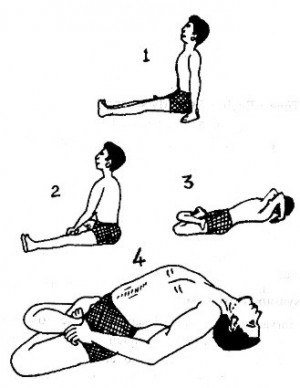
 PE Image 3

 Vajrasan relieves stress and tones the body.
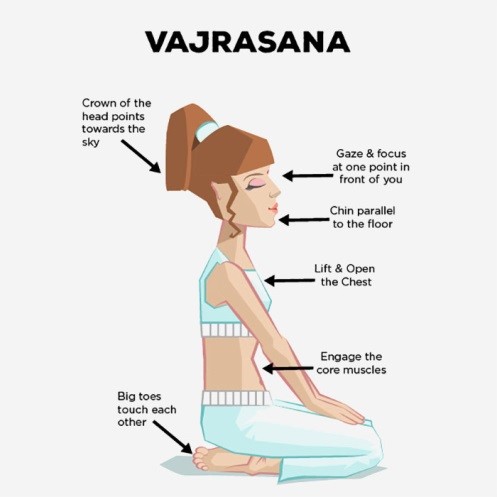
Vajrasana

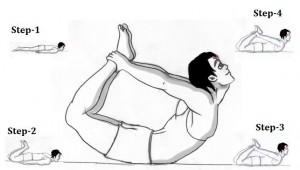
Bow Pose stimulates the spine, expands the shoulders and chest, and strengthens the lower back, hip’s gluteus, hip flexors and hamstrings. It helps strengthen the low back musculature which plays an important role during intercourse. This pose can stimulate organs of the neck and tone the abdominal organs.
PE Image 5

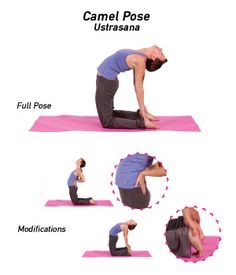
Ustrasana- Camel Pose helps improve the posture, strengthens the back muscles and stretches the hip, groins, ankles, chest, abdomen and the entire front body.
PE-Image 6

For optimal results take deep 5 breaths in each asana. These asanas are not only effective in premature ejaculation but are also known to increase the libido.

So friends, it will be great if you recognized that there are numerous reasons for premature ejaculation and the most common of these being the cluttered mind. The issue is over once you gain confidence. Hopefully the above given techniques will of help all those trying to find a solution to this problem.
February 21, 2017 By Anusha Subramanian Leave a Comment

Know your HeartBeat

Untitled-1

Heart disease has been a leading cause of death for both men and women. Bad lifestyle is one the main reasons for people developing heart ailments at a young age.It’s remarkable that heart attacks are so common and cause so much pain (emotional and physical) disability when they can more often than not be prevented.

The good news is that people are getting aware of the risks of a bad lifestyle leading to many taking to fitness and indulging in activities such as running. They have become more conscious of their well-being and their bodies. With the heart being one of the most vital organs, they at every juncture are keen to monitor their heart rate.

What is heart rate? Heart rate is the number of heartbeats per unit of time. Simply put, it is also how well your heart is able to pump oxygenated blood.

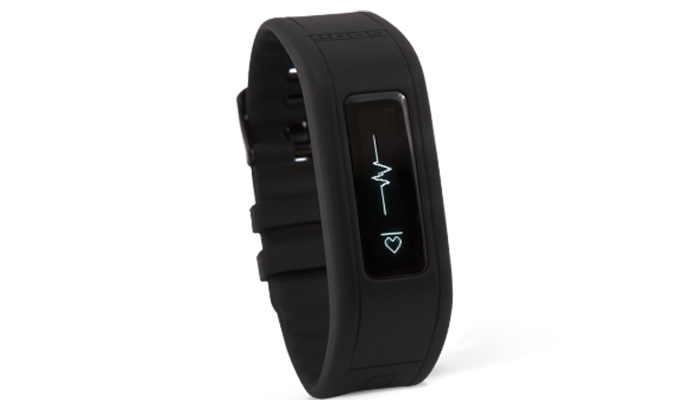
Keeping in mind the above factors and also as a part of extending their services, GOQii, one of the leading health ecosystem and preventive healthcare platform has launched its latest service offering-GOQii Heart Care which focuses on cardiovascular health.The key feature of this service is its ability to connect consumers to cardiovascular specialists through the GOQii application and a new GOQii tracker which has capabilities to monitor heart rate.

The constant rise of cardiovascular cases across the globe was one of the primary reasons behind the development of this specialised offering. With this new service, GOQii aims to create the world’s leading health eco-system which connects the GOQii users to leading professionals in the fitness and healthcare space.

Today, there are so many devices generating huge data most of which is essentially junk if not analysed and acted upon. “When we launched the GOQii service, we launched it precisely with personal coaching so that the user is aware of the data and the coach can help him or she follow a routine and lifestyle based on that data. Similarly, the GOQii Heart Care is a one-stop solution that tracks and analyses data generated by the Heart Rate trackers and can connect the GOQii user to the GOQii doctor who can help make sense of the data. It is a unique offering as compared to any other wearable device or service available in the market,” says Vishal Gondal, CEO, GOQii.

To use this new feature, all that the GOQii users have to do is share their health and heart rate data via the new GOQii tracker with the GOQii Doctor for his analysis. The doctor will go through this data and provide specific inputs to the users on how to maintain good heart health. In specific cases, if required the GOQii doctor will refer the user to a cardiac specialist at Max Hospital and other partner hospitals. GOQii has partnered with max Hospitals.

The constant rise of cardiovascular cases across the globe was one of the primary reasons behind the development of this specialised offering. With this new service, GOQii aims to create the world’s leading health eco-system which connects the GOQii users to leading professionals in the fitness and healthcare space. Having said that, the heart care service is not a replacement for a regular doctor and does not apply to any emergency medical or chronic situations.

Consumers can upgrade their existing wearable devices with the new service as well.  With regards to third party hardware which includes the Heart Rate Monitor, consumers can avail of the service by paying a nominal consultation fee. The services along with the new GOQii Heart Rate tracker will be available at a subscription Rs 2999 for 6 months and 3999 for 12 months respectively.

February 10, 2017 By Anusha Subramanian Leave a Comment

How to train for High Altitude Trekking?

high-altitude-trekking

Almost a decade ago when I started trekking in the Himalayas, it was just a few enthusiasts who did this. It was not considered normal and people were under the impression that this is meant for only those who were super fit. Trekking is normally associated with arduous trudging on some hard and uneven ground, climbing and walking on moraines and all that’s associated with laborious tasks amidst hostile environments with bare shelter, food and clothing essentials.

While trekking you might come across situations where you are stuck and most times hit by the sheer untouched beauty of a picture perfect image that embeds itself permanently in your memory as you are exposed to the wilderness for a longer duration in a day. This beauty can be seldom enjoyed while in a car.

Having said this, trekking is not tough. If you know to walk then you can trek as well. But, this does not mean that one ventures into unknown territories on their own to explore the unknown. Walking along a trail around with a backpack does not require exceptional skills but does require certain amount of physical fitness, planning, the right clothes, shoes and above all old common sense.

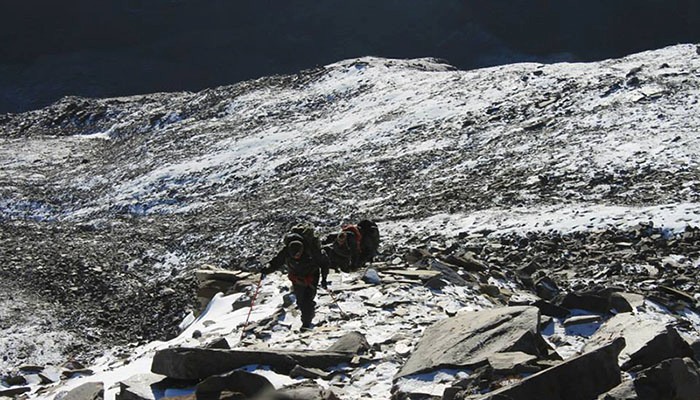
For high altitude trekking it requires much more physical and mental preparation. At higher altitudes, the air is thinner, there is less available oxygen and it becomes more difficult to breathe. There are serious risks involved with high-altitude hiking, including altitude sickness, acute mountain syndrome that can lead to pulmonary or cerebral edema, all of which can result in death.

Therefore, before you go on a high-altitude hike, you need to train your body to work efficiently and effectively in environments with less oxygen.

How to Train for High Altitude Hiking

Here are few steps that will help train for high altitude:

** Begin training at least four tosix months in advance. This is especially important if you plan to hike at altitudes of more than 14,000 feet.

**See a doctor for a medical checkup in the early stages of training to ensure that high-altitude hiking is a safe and recommended activity for your age and physical condition.

** Hike as often as possible. The best thing you can do to prepare for higher-altitude hikes is to hike closer home as often as you can and at higher altitudes if available. Start gradually, increasing the distance and altitude of your treks with each week of training so that your body and lungs can become accustomed to functioning at increasing levels of altitude.

** Participate in interval training. Interval training is a method of training the cardiovascular system by elevating the heart rate significantly and then allowing it to recover for a period before elevating it again.

** Interval training could consist of running sprints, running hills or using the interval setting on a treadmill or exercise bike. Choose one day of the week for interval training and doing six repetitions of whatever exercise you have chosen. Each week, increase the intensity by running a faster sprint or a steeper hill. You also can train with your back pack with about 6 kgs in it to add weight and simulate the weight that you might be carrying during the high-altitude hike.

** For trekking you should work on developing a breathing rhythm and deep breathing. Your ability to control and conserve your breath and expand your breathing capacity will come in handy when the oxygen supply is reduced. Developing a breathing/stepping rhythm will prevent you from overexerting yourself at higher elevations. It also recommends practicing deep breathing on training hikes.Whenever you begin to feel breathless, concentrate on taking deep breaths and smaller steps until a more normal breathing pattern returns.Yoga asanas such as Kapalbhati, Vastrika, Anulom Vilom all of which entail breathing exercises.

** Lastly, you could also train with professionals who are trained in mountaineering to learn few basic techniques and nuances that may help while trekking.

My final advice: Try not to skip your work out if you can help it. Your safety and success depends on an how fit you are.

February 2, 2017 By Dr. Viral Thakkar 6 Comments

Surya Namaskar-The 12 Commandments of Sun!

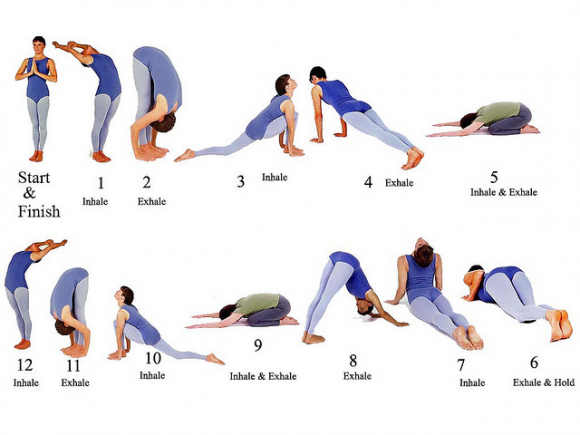
surya-namaskarAvinash, 40 years is hypertensive, diabetic and obese. He has a hectic lifestyle that involves lots of travel. His dietary habits are ill-disciplined and there is no physical activity. He visited me to tell him a mantra which can be followed easily and anywhere for his health. There are many people like Avinash who are concerned about their health but a busy lifestyle is a huge road-block to pursue anything. For such people the practice of Surya Namaskar- Sun Salutation is an ideal habit to inculcate. It is a dynamic exercise which can be done by anyone, at any age and the time required to practise this is not more than 10-15minutes.



Sun is the basic source of energy on the basis of which everyone exists. The importance of sun and the energy it provides is revered in various traditions. The energy of the sun has tremendous healing power, if tapped in the right way the results are miraculous in physical and mental ailments.

  1. Pranamasan- Stand erect with feet together. Join the palms together in front of the chest in a ‘namaste’ pose. Usually your hands will fall around your heart. Inhale and exhale slowly and gradually. This posture helps to induce a state of relaxation, calmness, gratitude and love.
  1. Hastauttanasana- Join your hands together again, inhaling stretch both arms above the head, palms facing upward. Arch the back and stretch the whole body backwards. This posture stretches the chest and the abdomen and lifts the energy to the upper parts of the body propelled by inhalation. It is an excellent stretch for the back muscles making it stronger.
  1. Padahastasana – Bend the body down while exhaling and keep the spine straight. Keep the legs straight and perpendicular to the ground. The knees should ideally be straight; don’t force yourself, but try to touch your feet. In due course you will!

This posture impacts the abdominal organs- liver, kidneys, pancreas, adrenals, uterus and ovaries. The power of digestion increases and female disorders such as prolapse and menstrual irregularities are relieved. A healthy flow of blood is sent to the spinal nerves as they are stretched and toned. The hamstring muscles at the back of the thigh and calf muscles are stretched and toned.

  1. Ashwa Sanchalanasana – While inhaling, extend the left leg back and drop the knee to the ground. The right knee is bent and kept between the hands and the right foot placed flat on the ground. Lift the spine and open the chest. Concentrate at the eyebrow center. This posture tones the abdominal organs and gives flexibility to the leg muscles during stretching. It is a balancing posture because the spine lengthens upwards while the hands are grounded.
  1. Parvatasana (Mountain posture)- On the exhalation bring the right leg back to join with the left leg. Simultaneously raise the buttocks and lower the head between the arms, so that the body forms a triangle with the floor and you look like a mountain! Try to place the heels flat on the ground.

This posture strengthens the nerves and muscles in the arms and legs, stretches the calf muscles and Achilles’ tendons and makes the spine straight and taut. It relieves varicose veins and tones spinal nerves. Parvatasana pulls up all the abdominal, pelvic and side muscles, stretches the spine and ribs, loosens the hips, stretches and exercises the usually inactive waist zone and helps to reduce a fat, flabby and protruding abdomen. It also aids correct breathing.

  1. Ashtanga Namaskara – Exhaling gently drop both knees to the ground and slowly slide the body down at an angle as you bring the chest and chin to the ground. All eight limbs – toes, knees, chest, hands and chin touch the floor. The buttocks are kept up. You can hold your breath. This posture develops the chest and strengthens arms. It sends additional blood to this area helping to rejuvenate the nerves. It works and improves the muscles of all the 8 limbs involved.
  1. Bhujangasana- On the inhalation, lower the hips while pushing the chest forward and upward with the hands, until the spine is fully arched and the head is facing up. The knees and lower abdomen remain above the floor. This pose expands the all organs of the chest and abdomen, relieving many ailments such as asthma, constipation, indigestion, kidney and liver problems. It is very helpful in relieving tension in the back muscles and spinal nerves.

From here on, you will do the poses in a reverse action.

  1. Parvatasana (Mountain posture) Exhale and get back to posture 5
  1. Ashwa Sanchalanasana- Inhale and swing the right leg forward between the hands. The left leg remains back. Resume posture 4. 
  1. Padahastasana (Hand to foot posture)- Exhaling, bring the left foot forward. Join both legs and resume posture 3
  1. Hastauttanasana (Raised arm posture)- Inhale, raise the trunk up and bend backward. Resume posture 2
  1. Pranamasana (Salutation posture)- Straighten the body and bring your hands in front of the chest. Resume posture 1.

These simple set of 12 exercise postures ensures that you begin your day with a bang! As a Doctor who understands the science of human body, I believe these set of exercises are a boon. Every posture in Surya Namaskar has a corresponding effect on our internal organs as described above. For best results, one should practise these steps with deep inhalation and exhalation. You can also do each pose quickly and have 2-3 cycles of Namaskar, but for best results, take deep breaths- 5-8 for each pose.

It is not only beneficial for the physical body, but it leads to mental and spiritual growth if done regularly. In ancient literature even Patanjali describes it as a complete exercise- involving every muscle, joint and organs. It balances all the systems of human body- it rejuvenates the cells of the body leading to an ideal health state. The above mentioned benefits are just a few of the huge list of advantages.

Salute the Sun! Salute your Health!

Surya Namaskar is a set of 12 poses (steps), if performed in sequence every day with correct breathing is the best gift one can give to one’s own self. Ideally, these poses should be done empty stomach, at the time or just before sunrise. I will introduce you to each of these poses and the significance of each.

  • « Previous Page
  • 1
  • …
  • 73
  • 74
  • 75
  • 76
  • 77
  • …
  • 85
  • Next Page »

Search

Recent Posts

  • ALL ABOUT VERTIGO!
  • PCOS and Anxiety: Discover Relief with the 54321 Technique
  • Navigating the Maze of Nutrition: Finding Clarity Amidst Confusion
  • Get children active and keep them healthy
  • What Gestational Diabetes Can Do To You & Your Unborn Child

Stay Updated

Archives

  • December 2025 (5)
  • November 2025 (15)
  • October 2025 (20)
  • September 2025 (6)
  • August 2025 (6)
  • July 2025 (12)
  • June 2025 (18)
  • May 2025 (16)
  • April 2025 (23)
  • March 2025 (23)
  • February 2025 (22)
  • January 2025 (26)
  • December 2024 (26)
  • November 2024 (25)
  • October 2024 (22)
  • September 2024 (24)
  • August 2024 (31)
  • July 2024 (21)
  • June 2024 (26)
  • May 2024 (31)
  • April 2024 (27)
  • March 2024 (29)
  • February 2024 (26)
  • January 2024 (25)
  • December 2023 (15)
  • November 2023 (11)
  • October 2023 (22)
  • September 2023 (22)
  • August 2023 (20)
  • July 2023 (22)
  • June 2023 (24)
  • May 2023 (24)
  • April 2023 (24)
  • March 2023 (23)
  • February 2023 (20)
  • January 2023 (16)
  • December 2022 (12)
  • November 2022 (15)
  • October 2022 (15)
  • September 2022 (12)
  • August 2022 (10)
  • July 2022 (17)
  • June 2022 (11)
  • May 2022 (10)
  • April 2022 (6)
  • March 2022 (6)
  • February 2022 (13)
  • January 2022 (12)
  • December 2021 (7)
  • November 2021 (3)
  • October 2021 (6)
  • September 2021 (3)
  • August 2021 (8)
  • July 2021 (7)
  • June 2021 (15)
  • May 2021 (16)
  • April 2021 (10)
  • March 2021 (7)
  • February 2021 (4)
  • January 2021 (4)
  • December 2020 (3)
  • November 2020 (4)
  • October 2020 (10)
  • September 2020 (3)
  • August 2020 (3)
  • July 2020 (2)
  • June 2020 (4)
  • May 2020 (10)
  • April 2020 (12)
  • March 2020 (10)
  • February 2020 (4)
  • January 2020 (4)
  • December 2019 (3)
  • November 2019 (7)
  • October 2019 (5)
  • September 2019 (4)
  • August 2019 (9)
  • July 2019 (9)
  • June 2019 (11)
  • May 2019 (4)
  • April 2019 (9)
  • March 2019 (8)
  • February 2019 (9)
  • January 2019 (8)
  • December 2018 (9)
  • November 2018 (3)
  • October 2018 (3)
  • September 2018 (5)
  • August 2018 (10)
  • July 2018 (6)
  • June 2018 (13)
  • May 2018 (8)
  • April 2018 (18)
  • March 2018 (9)
  • February 2018 (8)
  • January 2018 (15)
  • December 2017 (12)
  • November 2017 (19)
  • October 2017 (13)
  • September 2017 (15)
  • August 2017 (4)
  • July 2017 (8)
  • June 2017 (7)
  • May 2017 (6)
  • April 2017 (8)
  • March 2017 (6)
  • February 2017 (7)
  • January 2017 (9)
  • December 2016 (10)
  • November 2016 (7)
  • October 2016 (7)
  • September 2016 (7)
  • August 2016 (11)
  • July 2016 (9)
  • June 2016 (9)
  • May 2016 (12)
  • April 2016 (17)
  • March 2016 (17)
  • February 2016 (8)
  • January 2016 (6)
  • December 2015 (2)
  • November 2015 (9)
  • October 2015 (7)
  • September 2015 (9)
  • August 2015 (11)
  • July 2015 (9)
  • June 2015 (12)
  • May 2015 (9)
  • April 2015 (13)
  • March 2015 (8)
  • February 2015 (5)
  • January 2015 (12)
  • December 2014 (14)
  • November 2014 (11)
  • October 2014 (6)
  • September 2014 (13)
  • August 2014 (12)
  • July 2014 (6)
  • June 2014 (2)
  • May 2014 (7)
  • April 2014 (5)

From “Laddu Nawin” to Fit and Fierce: How a 25-Year-Old Insurance Advisor Shed 20 Kilos and Gained His Life Back

When 25-year-old Nawin Yadav from Hyderabad walked into his office every morning, he carried more than just his files and policy papers. He had the weight of fatigue, sluggish energy, and an ever-growing belly that was becoming the butt of jokes. “People … [Read More...]

“I’ve Challenged Myself to Live 100 Years” – The Story of Chandubhai Savani’s Second Chance at Life

At 67, most people start slowing down. Not Chandubhai Savani. A resident of Surat, Chandubhai, thought life was on track. “My life was going well till I had my bypass surgery,” he says. That surgery, back in 2021, was a wake-up call.  Medication was routine, but exercise wasn’t. His diet? What he calls ‘normal.’ “I […]

From Shimla’s Slopes to Chandigarh’s Sidewalks: Surinder Kaur Bhalla’s Journey from Chaos to Control

Some journeys start with a plan. Others begin with a stumble literally. Surinder Bhalla, a government professional, born and raised in the scenic hill town of Shimla, had always lived a life of movement. “In Shimla, you walked everywhere,” she reflects. “Walking was never an exercise. It was just life.” But after shifting to Chandigarh, […]

Ananda Mukherjee Health Story

From Terminal Illness To Complete Wellness! Ananda Mukherjee Health Story

As we observe World Cancer Day under the powerful theme ‘United by Unique’ (2025-2027)**, we are reminded that every individual’s journey with cancer is distinct, yet united by shared resilience, hope, and the collective fight against this disease. This theme places people at the centre of care and their stories at the heart of the […]

  • HOME
  • HEALTHY LIVING
  • FITNESS
  • HEALTHY RECIPES
  • USER STORIES
  • KARMA
  • BUY GOQii

Copyright ©2016 GOQii