GOQii

Blog

  • HOME
  • HEALTHY LIVING
  • FITNESS
  • HEALTHY RECIPES
  • USER STORIES
  • KARMA
  • BUY GOQii

Search Results for: doctor

June 20, 2017 By GOQii Editor 1 Comment

First ‘Walk with A Doc’ begins in Mumbai with a bang !

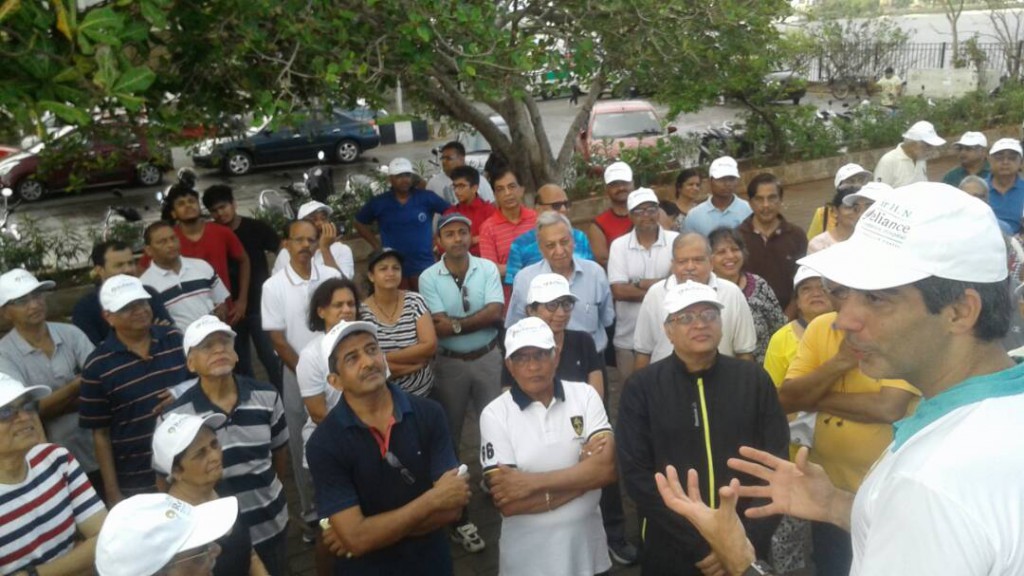
Dr Aashish Contractor addressing the walker at the WWAD India's first walk at NCPA-Marin Drive

Dr Aashish Contractor addressing the walker at the WWAD India’s first walk at NCPA-Marin Drive

For sedentary people, getting off the couch and taking that first step is a huge task and often the hardest step. While doctors give detailed exercise prescriptions with heart rate guidelines seldom do patients adhere to doing the exercises and following a regular exercise regime.

As Dr Aashish Contarctor, head of Dept-Rehabilitation and Sports Medicine at Sir H.N. Reliance Foundation Hospital in his book-‘The Heart Truth’ says, “My initial advice to people who do nothing at present is to simply start doing something. This something could be a daily walk of 10 minutes. Ony 10 minutes? Many ask and I tell them that is enough to get started.”
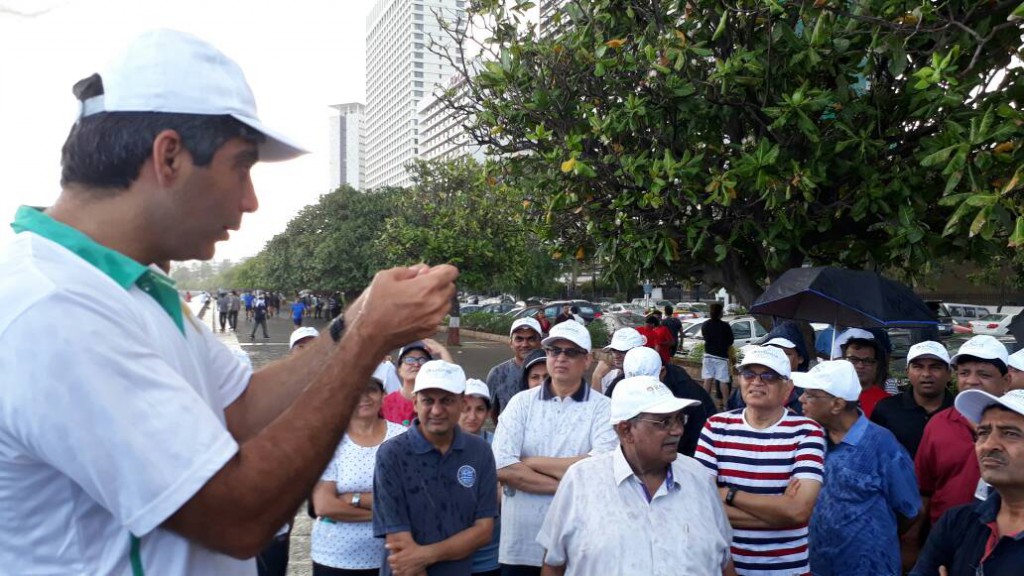
Dr. Aashish takking about heart and how to check pulse

Dr. Aashish takking about heart and how to check pulse

No wonder that Dr. Contractor took to the idea of the ‘Walk with A Doc’ program very easily and led the maiden walk on Sunday June 18, 2017 from NCPA at 7 am in the morning. The 40-minute-long walk started at 7 am from NCPA and covered a distance of 5 kms on NCPA-Marine Drive promenade and ended back at NCPA at 7.45 am. The walk saw a large turnout of people who are patients of Dr. Contractor including GOQii players.
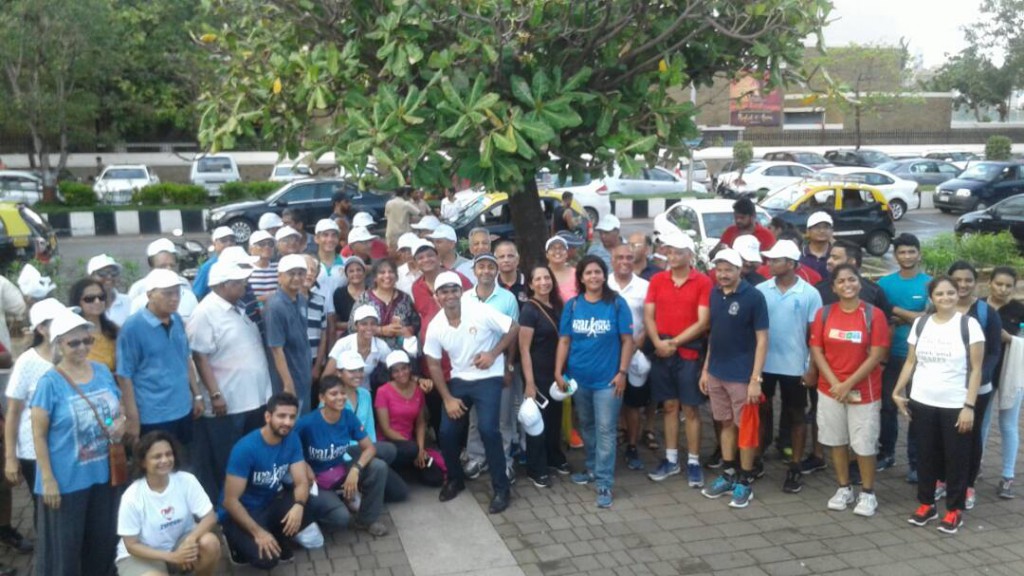
Walkers along with Dr. Aashish, GOQii Team and Sir HN reliance Foundation hospital team

Walkers along with Dr. Aashish, GOQii Team and Sir HN reliance Foundation hospital team

The walk began with Dr.Ashish taking the walkers through the basics of understanding the Heart and how to measure pulse rate. In all a little over 50-people attended the first walk. Dr Bipin Chandra Bhambre, Dr Jaini Patel, dr Chandan Poddar and Dr. Richa Nadkarni from Sir H N Reliance Foundation hospital along with Dr. Akshat Chadha – head of medical services at GOQii attended the walk as well. The walk ended with a summation by Dr. Contractor.
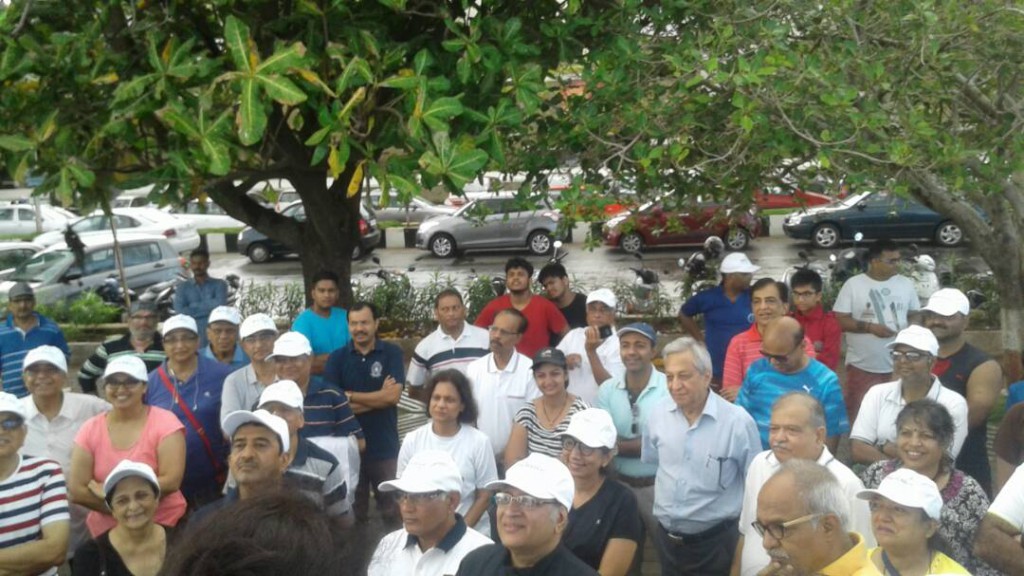
Walkers in rapt attention

“It was wonderful to see the enthusiastic response of the patients, inspite of rainy weather. They enjoyed the walk and were interested in both learning and walking more,” said Dr. Contractor.

Dr. Akshat Chadha, from GOQii said, “The concept of Walk with A Doc is an excellent idea for making ‘Practice what you Preach’ genuine. As a Doctor I keep telling all my patients to get up and get moving but that doesn’t mean that they do it. Seeing the doctor walk alongside, gives the due importance to being physically active along with creating a bond with the patient by breaking the doctor-patient barrier.”

The idea of walking with a doctor is to encourage people to gove up the sedentary lifestyle and focus on healthy living. Ideally, walking may be the simplest wat to work out. You can do it almost anywhere, and it’s easy tos tart- just put one foot ahead of the other.

Most walkers present were over the age of 50 and found the initiative ‘Walk with A Doc’ a very encouraging concept and found walking with their doctor very comfortable. They felt that the whole walk was so different from the regular walks that they have attended in the past.

Rahul Nandkeolyar who was one of the walker had this to say, “Not having been much of a walker, I actually walked approx. 5 km in about 45-50 minutes. Felt good. Would have done better if my shoes had not given way. I am now going to walk regularly around my home.”

Another walker said, “I like this idea of walking with the doctor. I would like to get tips regarding walking to loose weight, the walker said pointing to his wearable watch. How should I pace myself?” said another walker who participated. Most walkers were very keen to get tips on walking.

WWAD program aims to reimagine healthcare between doctors and their communities. Initiatives like WWAD will have great significance in India where the people are at a high risk due to sedentary lifestyle and the doctor to patient ratio is lower than WHO recommendations. WWAD aims to bridge the gap between the doctor and the community to promote preventive healthcare.
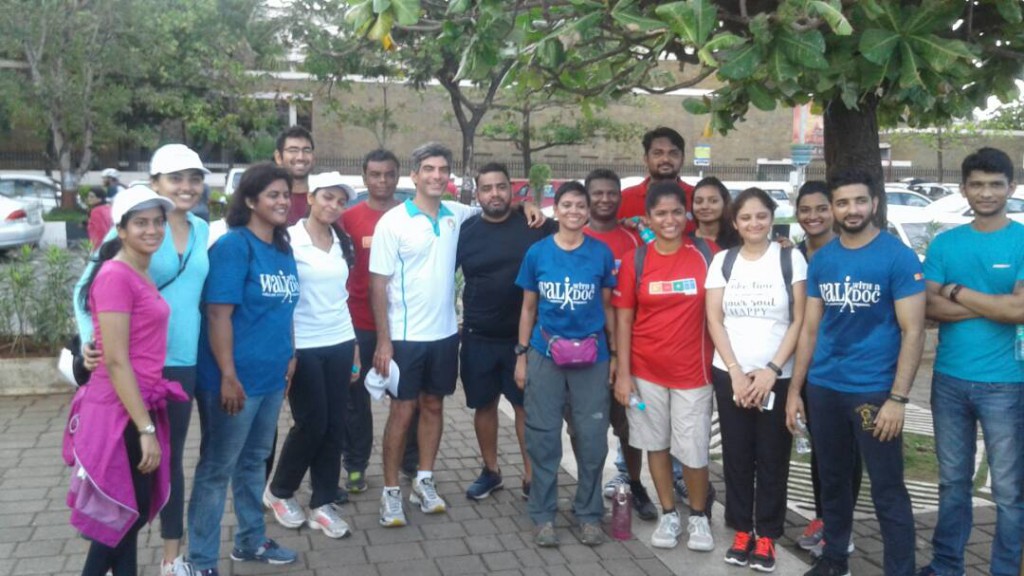
Dr. Aashish with his and GOQii team after the walk

Dr. Aashish with his and GOQii team after the walk

GOQii and WWAD have strategically come together to spread this movement across India. The first walk in 2005 in the US with Dr David Sabgir, whose brainchild is ‘Walk with A Doc saw 101 people showing up for the walk. After 10 years, there are 3011 WWAD chapters spread across 44 states in the US averaging 25 walkers per walk; which are done weekly/bi-weekly/monthly by doctors.

Walk with A Doc has already helped thousands commit to a healthy lifestyle in USA and we at GOQii along with WWAD wish to make this program help many Indians commit to a healthy lifestyle under the able guidance of doctors in India. In addition to being part of an extremely rewarding program and helping patients lead healthier lives, Walk with A Doc can help improve patient satisfaction and has helped position doctors as wellness leaders in their communities.

Benefits of Walking

  • Maintain a healthy weight.
  • Prevent or manage various conditions, including heart disease, high blood pressure and type 2 diabetes.
  • Strengthen your bones and muscles.
  • Improve your mood.
  • Improve your balance and coordination.
  • Improves Posture and reduces Belly fat
 

June 9, 2017 By Dr Manali Rao Leave a Comment

Vaccination: Prevention is better than Cure!

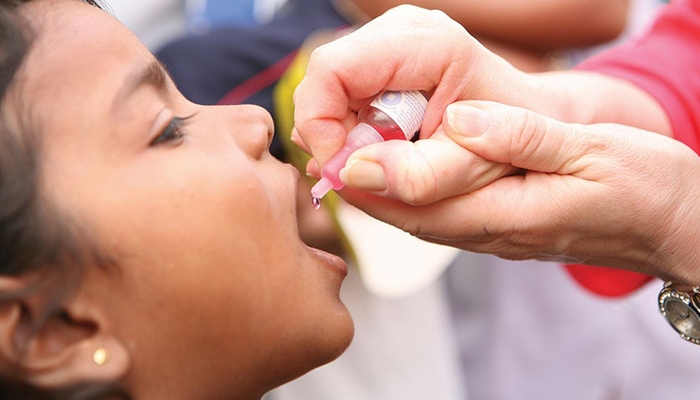
News_2014_0820_Polio_Full
All of us have seen Mr. Amitabh Bachchan saying ‘Do boondhZindagiki’, but very few of them would have realized the magnitude of importance of that advertisement. The fact that one of the most vivacious and accomplished Bollywood star is chosen as the brand ambassador for the campaign of immunization shows us the important role it plays in every child’s life.

What lead me to writing this blog?

Having a month old baby at home and finding myself pouring over the immunization schedule made me think that there are so many people unaware of the importance of vaccination.

Vaccination-Image 1

The last week of April is the World Immunization Week. It is a global public health campaign to raise awareness and increase rates of immunization against vaccine-preventable diseases around the world.Each World Immunization Week focuses on a theme and this year it is “VACCINES WORK”. 

So what is IMMUNIZATION?
It is the process by which an individual’s immune system becomes fortified against an agent (known as the immunogenic).

Immunization is done through various techniques, most commonly vaccination. Vaccines against microorganisms that cause diseases can prepare the body’s immune system, thus helping to fight or prevent an infection.

Immunization can protect against 25 different infectious agents or diseases, from infancy to old age, including diphtheria, measles, pertussis, polio and tetanus. The World Health Organization (WHO) estimates active immunization currently averts 2 to 3 million deaths every year.

Vaccination-Image 2

The WHO lists 25 diseases for which vaccines are available:

  1. Anthrax
  2. Measles
  3. Rubella
  4. Cholera
  5. Meningococcal disease
  6. Influenza
  7. Diphtheria
  8. Mumps
  9. Tetanus
  10. Hepatitis A
  11. Pertussis
  12. Tuberculosis
  13. Hepatitis B
  14. Pneumococcal disease
  15. Typhoid fever
  16. Hepatitis E
  17. Poliomyelitis
  18. Tick-borne encephalitis
  19. Haemophilusinfluenza type b
  20. Rabies
  21. Varicella and herpes zoster (shingles)
  22. Human papilloma-virus
  23. Rotavirus gastroenteritis
  24. Yellow fever
  25. Japanese encephalitis
  26. Malaria
  27. Dengue fever

There are also some vaccine-preventable diseases, which are not on the WHO-list, probably either since the vaccine is not very good according to present standards, or the disease is not any longer a threat.

  1. Anthrax
  2. Plague
  3. Q fever
  4. Smallpox

IMMUNIZATiON SCHEDULE :

SL. NO. AGE VACCINE DISEASE
1. Birth BCG + OPV Tuberculosis + Polio
2. 1.5 months DPT +

OPV + IPV +

HBV +

HiB

Diphtheria

Pertussis

Tetanus

Polio

Hepatitis B

H Influenza B


3. 2.5 months DPT +

OPV + IPV +

HBV +

HiB

Diphtheria

Pertussis

Tetanus

Polio

Hepatitis B

H Influenza B


4. 3.5 months DPT +

OPV + IPV +

HBV +

HiB

Diphtheria

Pertussis

Tetanus

Polio

Hepatitis B

H Influenza B

5. 9 months Measles Measles
6. 15 months MMR Measles

Mumps

Rubella

7. 18 months DPT +

OPV + IPV +

1st booster HiB

Diphtheria

Pertussis

Tetanus

Polio


8. 4.5 – 5 years DPT +

2nd booster OPV

Diphtheria

Pertussis

Tetanus

Polio

9. 10 years Tdap/ Td Diphtheria

Pertussis

Tetanus

VACCINES UNDER SPECIAL CIRCUMSTANCES;

SL. NO. AGE VACCINE DISEASE
1. 2 years

Booster dose  to be given every 2-5 years

Meningococcal Meningitis
2. < 9 years : 2 doses to be given every year.


> 9 years – 1 dose to be given every year

Influenza Flu
3. 0,3,7,14,28 days Rabies Rabies

SIGNIFICANCE:

Vaccination protects children from serious illness and complications of vaccine-preventable diseases which can include amputation of an arm or leg, paralysis of limbs, hearing loss, convulsions, brain damage, and death.

Elimination of polio in India:

Polio was last reported in India in West Bengal and Gujarat on 13th January, 2011.

On 27th March 2014, the World Health Organization (WHO) declared India a polio free country, since no cases of wild polio had been reported in for three years.

As of mid-2016, only Afghanistan, Nigeria and Pakistan have wild polio cases.

The Pulse Polio Initiative (PPI) aims at covering every individual in the country. It aspires to reach even children in remote communities through an improved social mobilisation plan.

  • No child should miss the immunization.
  • Cases of acute flaccid paralysis (AFP) are to be reported in time and stool specimens have to be collected within 14 days.
  • Outbreak response immunization (ORI) should be conducted as early as possible.
  • Maintaining a high level of surveillance.
  • Performance of good mop-up operations where polio has disappeared.

ADULT IMMUNIZATION:

Even adults need to be immunized from time to time. It is recommended for adults who meet the age requirement, lack documentation of previous vaccination or lack of evidence of previous infection. Also older adults with medical conditions like Diabetes need to be immunized as recommended by their Doctor.

IMMUNIZATION AGAINST CERVICAL CANCER:

> 10 years females


0 dose

After 1 month

After 6 months

Protects against HPV (HUMAN PAPILLOMA VIRUS) which causes cervical cancer.

Immunization is one of the safest ways for you to protect your health. Vaccine side effects are usually mild and go away on their own. Severe side effects are rare.

Regular immunization of your child will prevent many serious diseases. Follow the schedule and the advice of your child’s Pediatrician. Minor illnesses are not a contraindication to vaccination. Report any adverse events following immunization.


May 23, 2017 By Azra Faizan 22 Comments

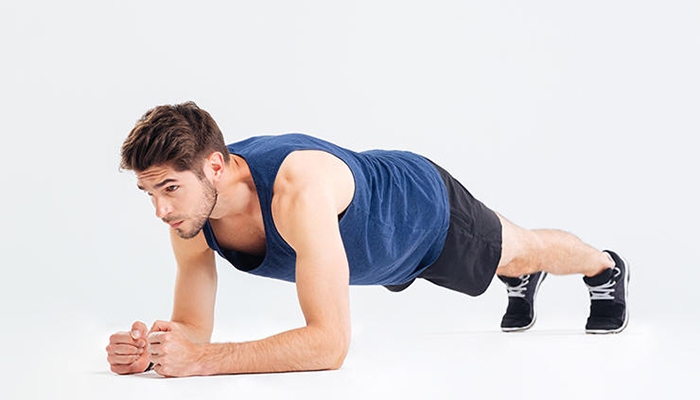
Why you need to strengthen your core?

plank-variations

‘You need to work on strengthening the core’

‘Why not start with some core strengthening exercises’

How often have you heard this line from a fitness trainer/doctor/health coach??

Now, how many of you know exactly what the core is??  My guess would be ‘we have a general idea, though not sure’

So let me try and explain first, what ‘the core’ is…

I do not want to bore you with the scientific names of the muscles consisting of the core, which I’m sure nobody would understand and everybody would just scroll over.

So to make it simple, the core of the body is broadly considered to be the torso.

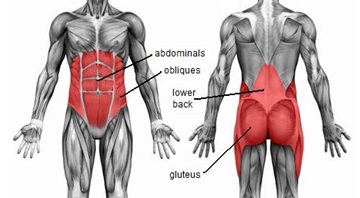
It is a complex series of muscles, extending far beyond your abs, including everything besides your arms and legs. The major muscles of the core reside in the area of the belly and the mid and lower back, and peripherally include the hips, the shoulders and the neck.

Untitled

It is incorporated in almost every movement of the human body. Functional movements are highly dependent on this part of the body, and lack of core muscular development can result in a predisposition to injury.

The core forms a sturdy central link between your upper and lower body. Much like the trunk of a tree, core muscles need to be strong yet flexible. A weak or inflexible core drains power from many movements and can make it downright difficult to do some.

Functions:

  1. Contains and protects the internal organs –You will notice that this part of your body (core) doesn’t have many bones, except for the spine and some floating ribs, yet it contains many important internal organs that need to be kept safe and sound. Without the bony structure to rely on, the entire area needs to be wrapped up tightly to maintain the integrity of its contents. So I like to think of our core musculature as a tightly wrapped package protecting the internal organs.
  1. Ensures greater mobility of the spine and trunk –Because of the way our core musculature is organized, it allows a great range of movement in the trunk. It allows us to bend forward, backwards, sideways, twist and do combinations of those.
  • Stabilizes the top part of the body over the bottom part- the core determines to a large part a person’s posture. In all, the human anatomy is built to take force upon the bones and direct autonomic force, through various joints, in the desired direction. The core muscles align the spine, ribs, and pelvis of a person to resist a specific force, whether static or dynamic.
  1. Controls the pelvic-lumbar relationship – The core is used to stabilize the thorax and the pelvis during dynamic movement and it also provides internal pressure to expel substances such as urine (continence),feces, air, vomit and also for labor and childbirth in women,

Core Stability:

In essence, core stability means ‘stability of the spine’, ‘core strength’ is the ability to support your spine and keep your body stable and balanced.  It is the strength that allows you to perform manual tasks safely and effectively in everyday life.

There are “five different components of core stability: strength, endurance, flexibility, motor control, and function”. Without motor control and function, the other three components are useless, like a fish flopping out of water no matter how strong you are or how much endurance you have.

I like to believe that core strength is as vital as most of the major organs in the body, let me tell you why –

  • Muscular tone helps blood circulate more effectively once it’s pumped from your heart. Core muscles are no exception, and when your core is strong you can notice an improvement in blood circulation.
  • Core stability promotes healthierdigestion. The digestive system contains a lot of blood vessels and when the core area is stagnant, the whole digestive system may feel more sluggish too. You may see increased bloating, discomfort, and indigestion associated with meals. The digestive system also contains a large and essential part of the immune system. Core strength can help support your body’s immunity too as it rounds out healthy digestion and circulation.
  • Because the diaphragm is located near the core, core strength promotes deeper and higher quality breathing.
  • Because the pelvis is located near the core, women may find relief from cramps and PMS around the menstrual cycle after strengthening core muscles. Women use their core muscles during labor and delivery too, and having a strong core, help in an easier labor.
  • Finally, the physical balance that comes from supporting your core can extend to yourmental-emotional health as well. Physical balance promotes a sense of calm, steadiness, and support.

How to Measure your core strength –

Let’s end with a fun activity!!

Let’s all of us measure our core strength, this way even people with regular exercise (including me) will know where we stand and how much further we need to work for a strong core..

Core Muscle Strength & Stability Test was designed by Brian Mackenzie, a senior athletics coach with UK Athletics, the United Kingdom’s National Governing body for Track and Field Athletics.

Preferably use a mat for performing this test, to get accurate results.

  1. Position a stop watch where you can easily see it
  2. Start in the Plank Exercise Position (elbows on the ground)
    Hold for 60 seconds
  3. Lift your right arm off the ground, Hold for 15 seconds
  4. Return your right arm to the ground and lift the left arm off the ground, Hold for 15 seconds
  5. Return your left arm to the ground and lift the right leg off the ground, Hold for 15 seconds
  6. Return your right leg to the ground and lift the left leg off the ground, Hold for 15 seconds
  7. Lift your left leg and right arm off the ground. Hold for 15 seconds
  8. Return you left leg and right arm to the ground
  9. Lift your right leg and left arm off the ground, Hold for 15 seconds
  10. Return to the Plank Exercise Position (elbows on the ground), Hold this position for 30 seconds

Results

  • Good Core Strength
    If you can complete the test fully, you have good core strength.
  • Poor Core Strength
    if you cannot complete the test fully, your core strength needs improvement.
    Poor core strength results in unnecessary torso movement and swaying during all other athletic movements. People with poor core strength are  more likely to suffer from back injuries, and the likelihood of other peripheral injuries also increases in those with a weak core

This results in wasted energy and poor biomechanics.

If you are unable to complete the test practice the routine three or four times each week until you improve.

By comparing your results over time, you will note improvements or declines in core strength.

May 11, 2017 By Farida Gohil 2 Comments

Nutritional facts to help preserve muscles in Seniors

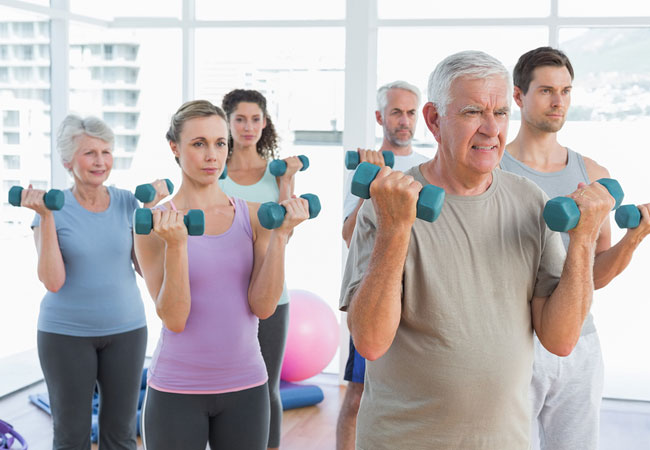
senior-citizen-exercise

As you grow older it become imperative to work towrads building strength. The elderly need strength training more and more as they grow older to stay mobile for their everyday activities. The less active a person’s lifestyle, the earlier age-related changes will manifest.

According to International Osteoporosis Foundation (IOF), Nutrition working Group examines role of Nutrition in Sarcopenia, with focus on protein, vitamin D and B, and acid-based diet.

Age-related muscle loss, called sarcopenia, is a natural part of aging. An article published in Harvard Health said that after age 30, you begin to lose as much as 3% to 5% per decade. Sarcopenia is a common consequence of aging, and poses a significant risk factor for disability in older adults. As muscle strength plays an important role in the tendency to fall, sarcopenia leads to an increased risk of fractures and other injuries.

Quoting from an article in Harvard Health, according to Dr. Thomas W. Storer, director of the exercise physiology and physical function lab at Harvard-affiliated Brigham and Women’s Hospital, just because you lose muscle does not mean its gone forever. The elderly can increase muscle mass lost as a consequence of aging. “

The International Osteoporosis Foundation (IOF) Nutrition Working Group has published a new review which identifies nutritional factors that contributes to loss of muscle mass, or conversely, are beneficial to the maintenance of muscle mass. The Group reviewed evidence on worldwide studies on the role of nutrition in sarcopenia, specifically looking at protein, acid-base balance, vitamin D/calcium, and other minor nutrients like B vitamins.

The most obvious intervention against sarcopenia is exercise in the form of resistance training. However, adequate nutritional intake and an optimal dietary acid-base balance are also very important elements of any strategy to preserve muscle mass and strength during aging.

The review discusses and identifies the following important nutritional factors that have been shown to be beneficial to the maintenance of muscle mass and the treatment and prevention of sarcopenia:

  • Protein: Your diet also plays a role in building muscle mass. Protein is the king of muscle food. The body breaks it down into amino acids, which it uses to build muscle. The authors of the study propose an intake of 1.0-1.2 g/kg of body weight per day as optimal for skeletal muscle and bone health in elderly people without severely impaired renal function. .”While food sources are the best, supplemental protein can help if you struggle with consuming enough calories and protein from your regular diet,” says Dr. Storer.
  • Vitamin D: As many studies indicate a role for vitamin D in the development and preservation of muscle mass and function, adequate Vitamin D should be ensured through exposure to sunlight and/or supplementation if required. Vitamin D supplementation in seniors, and specially in institutionalized elderly, is recommended for optimal musculoskeletal health.
  • Avoiding dietary acid loads: Excess intake of acid-producing nutrients (meat and cereal grains) in combination with low intake of alkalizing fruits and vegetable may have negative effects on musculoskeletal health. Modifying the diet to include more fruits and vegetables is likely to benefit both bones and muscles. Emerging evidence also suggests that vitamin B12 and/or folic acid play a role in improving muscles function and strength.

The Review discusses non-nutritional interventions such as hormones, and calls for more studies to identify the potential of antioxidants and anti-inflammatory compounds in the prevention of Sarcopenia.

Strategies to reduce the numbers of falls and fractures within aging populations must include measures to prevent sarcopenia. At present, the available evidence suggests that combining resistance training with optimal nutritional status has a synergistic effect in preventing and treating sarcopenia.

Check with your doctor before embarking on any kind of strength-training routine. Then have a well-qualified personal trainer to help set up a detailed routine and supervise your initial workouts to ensure you perform them safely and in the best manner.


  • « Previous Page
  • 1
  • …
  • 71
  • 72
  • 73
  • 74
  • 75
  • …
  • 85
  • Next Page »

Search

Recent Posts

  • ALL ABOUT VERTIGO!
  • PCOS and Anxiety: Discover Relief with the 54321 Technique
  • Navigating the Maze of Nutrition: Finding Clarity Amidst Confusion
  • Get children active and keep them healthy
  • What Gestational Diabetes Can Do To You & Your Unborn Child

Stay Updated

Archives

  • December 2025 (5)
  • November 2025 (15)
  • October 2025 (20)
  • September 2025 (6)
  • August 2025 (6)
  • July 2025 (12)
  • June 2025 (18)
  • May 2025 (16)
  • April 2025 (23)
  • March 2025 (23)
  • February 2025 (22)
  • January 2025 (26)
  • December 2024 (26)
  • November 2024 (25)
  • October 2024 (22)
  • September 2024 (24)
  • August 2024 (31)
  • July 2024 (21)
  • June 2024 (26)
  • May 2024 (31)
  • April 2024 (27)
  • March 2024 (29)
  • February 2024 (26)
  • January 2024 (25)
  • December 2023 (15)
  • November 2023 (11)
  • October 2023 (22)
  • September 2023 (22)
  • August 2023 (20)
  • July 2023 (22)
  • June 2023 (24)
  • May 2023 (24)
  • April 2023 (24)
  • March 2023 (23)
  • February 2023 (20)
  • January 2023 (16)
  • December 2022 (12)
  • November 2022 (15)
  • October 2022 (15)
  • September 2022 (12)
  • August 2022 (10)
  • July 2022 (17)
  • June 2022 (11)
  • May 2022 (10)
  • April 2022 (6)
  • March 2022 (6)
  • February 2022 (13)
  • January 2022 (12)
  • December 2021 (7)
  • November 2021 (3)
  • October 2021 (6)
  • September 2021 (3)
  • August 2021 (8)
  • July 2021 (7)
  • June 2021 (15)
  • May 2021 (16)
  • April 2021 (10)
  • March 2021 (7)
  • February 2021 (4)
  • January 2021 (4)
  • December 2020 (3)
  • November 2020 (4)
  • October 2020 (10)
  • September 2020 (3)
  • August 2020 (3)
  • July 2020 (2)
  • June 2020 (4)
  • May 2020 (10)
  • April 2020 (12)
  • March 2020 (10)
  • February 2020 (4)
  • January 2020 (4)
  • December 2019 (3)
  • November 2019 (7)
  • October 2019 (5)
  • September 2019 (4)
  • August 2019 (9)
  • July 2019 (9)
  • June 2019 (11)
  • May 2019 (4)
  • April 2019 (9)
  • March 2019 (8)
  • February 2019 (9)
  • January 2019 (8)
  • December 2018 (9)
  • November 2018 (3)
  • October 2018 (3)
  • September 2018 (5)
  • August 2018 (10)
  • July 2018 (6)
  • June 2018 (13)
  • May 2018 (8)
  • April 2018 (18)
  • March 2018 (9)
  • February 2018 (8)
  • January 2018 (15)
  • December 2017 (12)
  • November 2017 (19)
  • October 2017 (13)
  • September 2017 (15)
  • August 2017 (4)
  • July 2017 (8)
  • June 2017 (7)
  • May 2017 (6)
  • April 2017 (8)
  • March 2017 (6)
  • February 2017 (7)
  • January 2017 (9)
  • December 2016 (10)
  • November 2016 (7)
  • October 2016 (7)
  • September 2016 (7)
  • August 2016 (11)
  • July 2016 (9)
  • June 2016 (9)
  • May 2016 (12)
  • April 2016 (17)
  • March 2016 (17)
  • February 2016 (8)
  • January 2016 (6)
  • December 2015 (2)
  • November 2015 (9)
  • October 2015 (7)
  • September 2015 (9)
  • August 2015 (11)
  • July 2015 (9)
  • June 2015 (12)
  • May 2015 (9)
  • April 2015 (13)
  • March 2015 (8)
  • February 2015 (5)
  • January 2015 (12)
  • December 2014 (14)
  • November 2014 (11)
  • October 2014 (6)
  • September 2014 (13)
  • August 2014 (12)
  • July 2014 (6)
  • June 2014 (2)
  • May 2014 (7)
  • April 2014 (5)

From “Laddu Nawin” to Fit and Fierce: How a 25-Year-Old Insurance Advisor Shed 20 Kilos and Gained His Life Back

When 25-year-old Nawin Yadav from Hyderabad walked into his office every morning, he carried more than just his files and policy papers. He had the weight of fatigue, sluggish energy, and an ever-growing belly that was becoming the butt of jokes. “People … [Read More...]

“I’ve Challenged Myself to Live 100 Years” – The Story of Chandubhai Savani’s Second Chance at Life

At 67, most people start slowing down. Not Chandubhai Savani. A resident of Surat, Chandubhai, thought life was on track. “My life was going well till I had my bypass surgery,” he says. That surgery, back in 2021, was a wake-up call.  Medication was routine, but exercise wasn’t. His diet? What he calls ‘normal.’ “I […]

From Shimla’s Slopes to Chandigarh’s Sidewalks: Surinder Kaur Bhalla’s Journey from Chaos to Control

Some journeys start with a plan. Others begin with a stumble literally. Surinder Bhalla, a government professional, born and raised in the scenic hill town of Shimla, had always lived a life of movement. “In Shimla, you walked everywhere,” she reflects. “Walking was never an exercise. It was just life.” But after shifting to Chandigarh, […]

Ananda Mukherjee Health Story

From Terminal Illness To Complete Wellness! Ananda Mukherjee Health Story

As we observe World Cancer Day under the powerful theme ‘United by Unique’ (2025-2027)**, we are reminded that every individual’s journey with cancer is distinct, yet united by shared resilience, hope, and the collective fight against this disease. This theme places people at the centre of care and their stories at the heart of the […]

  • HOME
  • HEALTHY LIVING
  • FITNESS
  • HEALTHY RECIPES
  • USER STORIES
  • KARMA
  • BUY GOQii

Copyright ©2016 GOQii