
GOQii

Blog

  • HOME
  • HEALTHY LIVING
  • FITNESS
  • HEALTHY RECIPES
  • USER STORIES
  • KARMA
  • BUY GOQii

Search Results for: disease

April 29, 2024 By Madhu Soni 4 Comments

Dance Your Way To Good Health on International Dance Day!

Dancing

We are all well aware that April 29 is celebrated as International Dance Day. Did you know that it is celebrated to mark the birth anniversary of Jean George Noverre – the creator of Modern Ballet?

If you’re wondering whether International Dance Day is just another addition to the various days that are being celebrated worldwide, then you’re in for a surprise. Dance and good health are closely knitted. You can, in fact, reap a surplus of health benefits from dancing.

From celebrations to harvest rituals, dance has always been an integral part of the human culture. In India, the legacy of dance dates back to 5000 years. The Hindu mythology speaks volumes of Lord Shiva as Natraja – the Lord of the Dance. The Divine Raslila by Lord Krishna, Radha Rani and the Gopis in Vrindavan or Lord Ganesha’s dance to express joy.

Not just in India, but in any part of the world, dancing has always been a source of delight and ecstasy. It‘s a way to express joys, sorrows and communicate emotions or a story with grace.

As it is International Dance Day, let’s take a look at various dance forms and how they can keep you healthy!

1. Ballet

This graceful dance originated during the Italian Renaissance in the 15th Century. The dance moves slowly at first and then picks up the pace to classical music with dramatic interpretation. Perhaps the main features of this dance are standing on the toes and the arms held out in an extended curve. As a result, these dancers have significant strength in their hamstrings, glutes, calves and feet. The turnout of the leg at the hip socket joint is another key element in Ballet which helps develop strong gluteal muscles. Ballet ensures posture alignment and joint flexibility. Ballet trainees are taught to engage their core to achieve alignment, balance and prevent injuries.

2. Bharatanatyam

Bharatanatyam is a classical solo Temple Dance from Southern India. The dance has impressive gesture and excellent footwork. It is based on Hindu religious themes. This dance form tones the arms, legs and the core. It also increases stamina, flexibility and balance. The steps and eye movements increase concentration and coordination skills. Rolling of the eyes is a good exercise for the eye muscles. It’s a great way to have a healthy heart and stay fit.

3. Belly Dance

The mesmerizing belly dance of the mysterious Middle East is an impressive and expressive dance form! It has admirers and followers all around the world. This dance originated in Egypt and has complex movements of the Torso. Dancing gracefully and fluidly is possible only when you have a strong core. Contrary to its name, Belly Dance also employs the larger and smaller muscles of the abdomen, pelvis, spine, neck, glutes and the upper arm.

4. Zumba

Zumba is the latest fitness craze which has swept youngsters as well as the elderly off their feet! It was accidentally invented when Albert “Beto” Perez, an aerobics instructor forgot to carry his tape and played the available Latin music and infused this dance with aerobics and Eureka! Zumba was born! It provides a great workout for the entire body, engaging each and every muscle group. It‘s a high-intensity cardio exercise which keeps metabolism high. Besides this, Zumba also increases endurance.

5. Salsa

Salsa is a dance and musical style with deep Caribbean and African roots. Although it was popular in Latin America, it has gained popularity in Europe and Asia too! Salsa is a partner dance which features a series of hip movement, twirls and other dance moves. This dance virtually engages all the major muscle groups. The glutes, hamstrings, quadriceps, calves and core area are exercised aggressively in order to perform the various step sequences.

6. Bollywood Dance

If I had to pin down the exact number of dance forms which comprise the Bollywood Dance, it would be as difficult as gauging how many shades of blue makes the sky.

Initially, Bollywood Dance was inspired by classical and folk dances of the various states in India. Over the years, Bollywood Dance has evolved. Now there are professional choreographers who have introduced Disco, Hip-Hop, Freestyle Dancing, Belly Dancing and so on.

Bollywood Dancing is a great aerobic exercise which engages the whole body. It is a fun way to tone up the body as most of the dance movements help strengthen the core and calves. And last but not the least, it’s a great stress buster.

How Does Dancing Help Your Health?

  • It is a great activity for those with cardiovascular disease as it helps increase lung capacity
  • Dance aids in boosting memory and preventing dementia as you grow older
  • It improves flexibility and helps in maintaining body balance and coordination
  • Dancing solo, with a partner or in a group is said to reduce stress. Symptoms of depression are much lower with people who sway to the rhythm
  • It is a popular way to stay fit and active. Most fitness clubs have already included dance in their fitness regime
  • It also improves one’s confidence and self-esteem

Although dance can be performed by anyone, keep a few things in mind:

  • Consult your Doctor if you have any medical conditions or obesity
  • Warm up and stretch before dancing
  • If you are a beginner, don’t push yourself too hard
  • Keep yourself well hydrated
  • Rest in between sessions

Whether you’re a busy person, multi-tasking or a senior citizen, age is just a number when you dance to the music you like! If you want to start dancing for health, tune in to some of our coaches on GOQii Pro and find a good mix of Zumba, Strong by Zumba, Aerobics and Belly Dancing! Download the GOQii app to get started.

Do you know of any other dance form that provides a multitude of health benefits? Share them with us in the comments below!

#BeTheForce
April 28, 2024 By Anushree Ashtekar Leave a Comment

Melons: More Than Just Summer Coolers

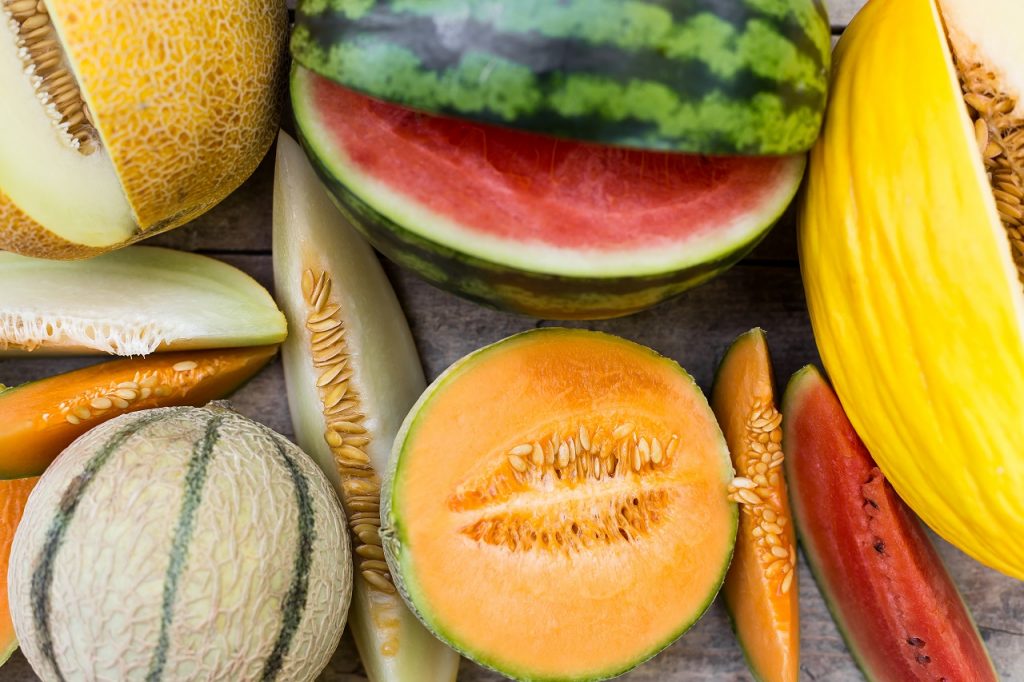
MelonsThe first fruit that comes to my mind when thinking of summer is Melons. I guess it is because they are quite juicy and nutritious! Melons are a part of the Gourd family that also includes cucumber, squash and pumpkins. There are different types of melons that we find locally. There are a hundred different varieties of them as well. The most common being Watermelon (red and yellow), Cantaloupes (muskmelons), Honeydew and Casaba.
Different Types of Melons & Their Benefits 

Melons are consumed as cool, refreshing, healthy snacks on hot summer days. But, it does not end here as they are also packed with nutrients that give us many health benefits. Let’s explore them!

  • Watermelon: Most commonly consumed, 92% of this melon is water. They have significant amounts of Vitamins A, C and B6. It is also rich in antioxidants and amino acids. They have good levels of potassium but are low on sodium. Watermelons are known for their high Lycopene content. Lycopene is a phytonutrient found in fruits and vegetables. It is the red pigment that gives red color to tomatoes, guava, etc. Lycopene has been found to be a powerful antioxidant and is anti-inflammatory in nature. Studies have linked Lycopene to heart health, bone health and prostate cancer prevention.
  • Cantaloupes (Muskmelon): It’s a summer fruit that’s an excellent source of Vitamin A which helps in maintaining healthy vision and prevents lung and oral cavity cancers. It also has good levels of antioxidant flavonoids like beta-carotene, lutein, zeaxanthin and cryptoxanthin. Antioxidants protect our body from free radical attacks, in turn, protecting our body from diseases like prostate, colon, endometrial, breast, lung and pancreatic cancers. Zea-xanthin protects the eyes from ARMD (Age related macular degeneration), a disease among the geriatric population. Cantaloupes also contain moderate amounts of Vitamin C and B-complex Vitamins like Niacin and Pantothenic acid.
  • Honeydew: This fruit is a refreshing treat during hot summers. They are the sweetest among all the melons. Honeydew melons have 90% water content and this makes it a natural diuretic. While they may not be as rich in nutrients as Cantaloupes but, they provide us with substantial amounts of Vitamins and Minerals. Honeydew Melons are an excellent source of Vitamin C, A and Potassium. They also contain good amounts of B-complex Vitamins like B6, Niacin and Pantothenic Acid. Minerals such as Copper, Calcium and Manganese are also present.
  • Casaba: Casaba is a mild-sweet melon and tastes like cucumber. It is very low on sugar. Casaba melons are an excellent source of Vitamin C. They also contain good amounts of Vitamin B6. They have fairly good levels of potassium.

All the melons are high volume, low-calorie fruits that provide good satiety due to their fiber and water content, without adding on too many calories in the body. They are a healthy option to satisfy sugar cravings.

As they are mostly made up of water, they are really low on calories:

  • 1 cup of Watermelon – 46 calories
  • 1 cup of Cantaloupe – 53 calories
  • 1 cup of Honeydew – 61 calories
  • 1 cup of Casaba – 48 calories

There are many interesting ways in which melons can be consumed. They can be had on their own, cut into cubes or they can be consumed in the form of refreshing cold soups, in fruit yogurts, fruit salads and can be juiced as well. Watermelon seeds are seasoned and eaten as snacks. Watermelon rind is chopped and cooked as vegetable, marinated, pickled or candied.

But, one has to be careful with Melons as they grow in the ground and there are chances of them getting contaminated with waste water. Hence precautions must be taken before cutting them. They must be thoroughly cleansed from the outside and only then cut or else, there are high chances of contaminating the flesh of the melons with pathogens like Salmonella.

Hope this article helps you! For more summer tips, check out Healthy Reads or get this information directly from a certified expert by subscribing for GOQii’s Personalised Health Coaching here.

#BeTheForce

April 25, 2024 By AMINA AZMI 1 Comment

Kiwi – Berry of a woody vine-It’s health benefits

kiwi
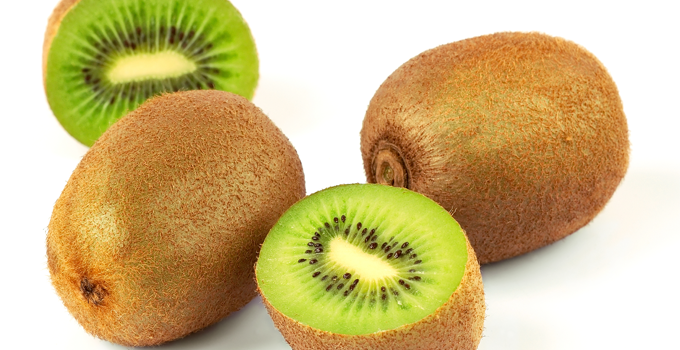
I hear of Kiwi and my taste buds get active and when I heard of its nutritional benefits, I started loving it even more!! The colour and the look of the kiwi slice will definitely make you fall in love with it and its taste is an icing on the cake. Kiwi tastes just awesome.

A little history about the fruit tells us that Kiwi fruit, native to Northern China was first cultivated in New Zealand at the turn of the 20th Century and was known as Chinese Gooseberries. Later it was christened as Kiwi fruit in New Zealand because the fruit shares characteristics with New Zealand’s national bird Kiwi which is also small, brown and fuzzy.

Kiwis are rich in nutrients with low calories. It is packed with vital nutrients like Vitamin C, Vitamin E, Vitamin K, Copper, Choline, Magnesium and Phosphorous.

Who does not want to look and feel good? Everyone likes to and Kiwi helps you feel just as good, as it has a good source of Vitamin C and Vitamin E which are antioxidants that prevent from skin degeneration and keeps your skin wrinkle free and makes you look younger.

Antioxidants also boost immunity.

Kiwis are rich in fibre that binds to toxins and flushes them out of the body. Fiber also binds to cholesterol and removes them from the body and thus Kiwi also helps to reduce cholesterol.

Studies show that Kiwis have a mild laxative effect and hence good for constipation.

Fiber and Potassium in kiwis are good for heart health. Kiwi’s high level of potassium helps to keep the electrolytes in the body balanced thereby countering the effects of Sodium. Low sodium helps to reduce the risk of heart disease.

High potassium intake also helps to reduce the risk of stroke, loss of muscle mass. It also preserves the bone mineral density and there is a reduction in the formation of kidney stones.

Kiwi has a very low glycemic index i.e. it does not increase the blood sugar quickly which makes it a good fruit for diabetics as well.

Kiwi falls in the category of most alkaline fruits and thus helps in balancing acidic and alkaline food consumption. Few advantages of a properly acid/alkaline balanced body are youthful skin, deeper sleep, abundant physical energy, fewer colds, less arthritis and reduced osteoporosis.

Kiwi Fruit also protects from eye problems. Kiwi’s high level of lutein and zeaxanthin-both of which are natural chemicals found in a human eye prevents from eye problems Who ever knew this small fruit can be so beneficial. Truly said,” Big surprises come in small packages.”

I have made it a point to have at least one kiwi a day. What about you????

We hope this article helps you. For more informative articles such as this, check out Healthy Reads or you can get this information directly from a GOQii Coach by subscribing for personalized health coaching here.

#BeTheForce

April 22, 2024 By Arooshi Garg 2 Comments

Plastics in food and its health hazards

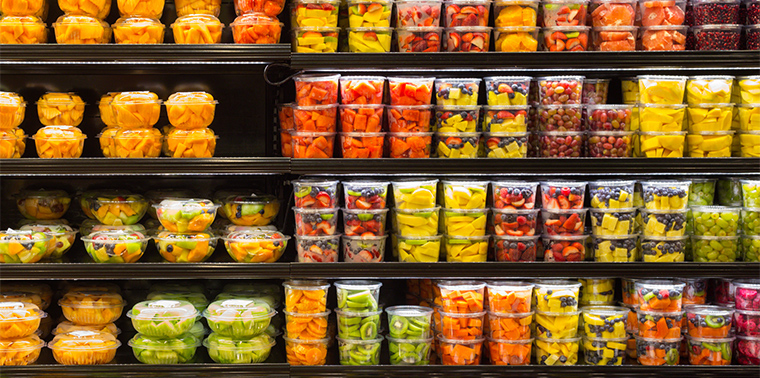
feature_food_packaging_mainHave you ever given a thought to all the plastic in your home/kitchen? What could be the reason for alarming concern over usage of plastics in storing/serving/eating food?

You probably have an entire cupboard full of stuff, including reusable plastic containers that you use to store and reheat leftovers. After all, plastics are handy, lightweight, they store easily, and they’re cheap. We have been enslaved to plastic usage for the last few decades, and it is a useful material with many important uses. But, food storage, reheating, and serving is not among these uses. To reduce the risk that plastic chemicals will leach into food avoid cooking, eating, storing in plastic containers, even if the label says ‘microwave safe,’ or ‘oven safe’.

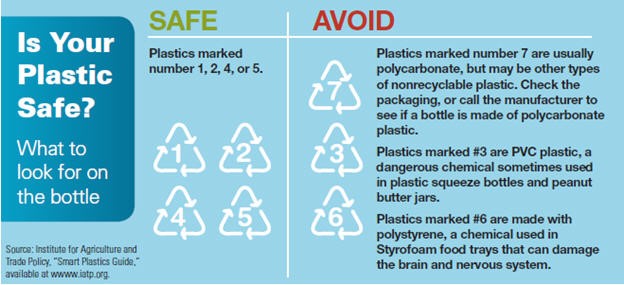
When it comes to plastic food containers, some are safer than others. You can tell what kind of plastic you have by looking at the ‘resin identification number’ located in a triangle on the product (check details in pic). Note that the triangle by itself does not mean that the plastic is recyclable. You need to look at the number in the triangle and check whether that plastic grade is safe for using or not.

  plastics in food

What is PLASTIC?

There’s no single substance called ‘plastic’. That term covers many materials made from an array of organic and inorganic compounds. Substances are often added to plastic to help shape or stabilize it. Two of these plasticizers are:

Bisphenol-A (BPA), added to make clear, hard plastic

Phthalates added to make plastic soft and flexible

BPA and phthalates are believed to be Endocrine disrupters. These are substances that mimic human hormones, and not for the good. When food is wrapped in plastic or placed in a plastic container and microwaved, BPA and phthalates may leak into the food. Any migration is likely to be greater with fatty foods such as meats and oils than with other foods. Whenever hot food or liquid is packed in a plastic bag there is an exchange of toxic chemicals into the food. Many restaurants, small food kiosks, food delivery systems still use plastic boxes, covers and cups unsuited for keeping food as it may lead to food poisoning. These should be avoided at all costs.

The toxins and chemicals that leach from plastics into our food have shown to mimic hormones and cause diseases like – hormonal imbalances, infertility, early onset of diabetes, hypertension, cancers, especially breast cancer. Thus, it’s important to try to make reasonable efforts to replace plastic in our kitchens.

As we know plastic does not last forever. The more it’s heated and cooled, the more the chemicals in that container begin to break down. And when they start to break down, they break down into the food inside. As a result, detrimental and expensive health issues can arise.

fast-food-74324_640

Realistically speaking, eating hot food from a plastic bag one time will probably have no effect on a person’s health, but those who make a habit out of it may be putting themselves at risk. There is no set rule on how many times a person can eat food that has touched hot plastic without getting sick. The safest solution is to avoid eating this food whenever possible. The price of a ceramic/steel plate may higher than that of a plastic plate, but compared to the long-term financial and emotional costs associated with conditions like diabetes and infertility, it’s a small price to pay.

How to Create a Safer Kitchen

It’s almost impossible to have a 100% plastic-free kitchen. It wraps our bread, it stores our oils, bread, groceries, packaged foods etc. After all, plastic is everywhere. But we can surely try to remove it from wherever possible!

However, there are steps you can take to create a safer, plastic-free kitchen.

  1. If you do use plastic, never heat it – When plastic is heated, it leaches chemicals 55 times faster than normal. So, never ever heat food in a plastic container in the microwave, or pour hot food (especially liquid) into a plastic container. Even if it says “microwave safe” on it, it’s still going to leach chemicals. Microwave Safe simply means the container won’t warp in the heat. Also for baby foods/milk – always use designated glass bottles/steel containers for storing food/feeding the baby.

If you still plan to use plastic, stick to numbers 1, 2, 4, and 5. Those are safest.

  1. Use glass or stainless steel containers – The best step you can take to cut down on your use of plastic is to recycle all the plastic storage containers you have and use glass or stainless steel instead.
  2. Buy Fresh foods – BPA is in the lining of almost all canned food because it helps prevent corrosion and food contamination. Whenever you can, buy fresh or frozen food rather than canned food. For us Indians, most of the canned food consumption is limited to Cherries, Pineapple, Corn, Condensed Milk and some other stuff. Always try to buy fresh fruit/veggies over can stuff.
  3. Use a stainless steel water bottle/glass jars – Many plastic bottles available are not safe to use. Always check for the mark under the bottle and see if it is safe for storing water on a daily basis. If you can best avoid using plastic bottles and stick to stainless steel bottles available in various sizes. For storing water in fridges – good quality glass bottles or jugs can be used.

Only bottles specifically made to be reused should be refilled. Wear and tear on the bottle can form cracks that could harbour bacteria. An additional concern is that harmful chemicals can leach out of single-use plastic bottles and into your drinking water.

  1. Also leaving water bottles in cars for extended periods of time can raise the BPA levels. Do not drink bottled water that has been left in a car. The heat reacts with the chemicals in the plastic of the bottle which releases dioxin into the water. Dioxin is a toxin increasingly found in breast cancer tissue. So please be careful and do not drink bottled water that has been left in a car. Use glass, stainless steel, and copper bottles for storing and carrying water.
  2. Ditch the plastic wrap/cling film – Do you know the plastic that wraps your paneer, meats, cakes, bread and other bakery stuff equally harmful? Avoid that and instead, ask your bakery stuff to be wrapped in food wrapping paper.
  3. Plastic tiffin boxes – If possible do check the plastic grade of boxes, containers that you use to store/put hot food into. Replace all plastic tiffin boxes with the good old time stainless steel tiffins for kids, for adults as well. Also for adults, a lot of Borosil/glass tiffins are available. To prevent the glass from breaking they have good silicone/foam coverings!

Tupperware/Silicone and similar plastics

While the vast majority of Tupperware products are considered safe, for example, some of its food storage containers use polycarbonate (plastic #7), which has been shown to leach the harmful hormone-disrupting chemical Bisphenol A (BPA) into food items after repeated uses.

However, as a safety precaution: Don’t ever heat, or microwave food in plastic or Tupperware, don’t even pour hot liquid. Wear, tear and repeated washings may lead harmful chemicals leaching into the food.

Silicone: Silicone, a synthetic rubber made of bonded silicon. Food-grade silicone is a non-toxic polymer mostly made from silica (sand). It can withstand heating and freezing without leaching or off-gassing, hazardous chemicals – unlike plastics, which contaminate food in these environments.

According to food regulatory authorities, silicone appears to be safe. It is an inert material – nothing used in its manufacture will leach into foods. Also, Silicone bakeware is tolerant of both heat and cold. However, reports of dyes or silicone oil oozing out of overheated silicone cookware keep on coming on internet posts, as do reports of odours lingering after repeated washings. So while most of us will probably not have a problem with silicone cookware, those with chemical sensitivities might want to stay away until more definitive research has been conducted. In the meantime, cast iron and stainless steel cookware remain top choices for those concerned about harmful elements leaching into their cooked foods.

All this information will help you make better choices for storing, serving and cooking food and replacing plastics from our kitchens and our lives! Implement the suggested alternatives and safety measures to create a healthier environment in your kitchen. For further information or guidance, reach out to our certified experts by subscribing to GOQii’s Personalised Health Coaching here.

#BeTheForce

  • « Previous Page
  • 1
  • …
  • 39
  • 40
  • 41
  • 42
  • 43
  • …
  • 131
  • Next Page »

Search

Recent Posts

  • Accelerate Action for Your Health: Why Self-Care Matters This International Women’s Day
  • 4 Reasons Why Affirmations Are Not Working For You
  • The Social Side of GLP-1: Navigating “Food Culture” and Peer Pressure
  • Leaky Gut: Symptoms and Causes
  • Muscle Is Your Insurance Policy: Why Strength Predicts Lifespan More Than Cardio

Stay Updated

Archives

  • March 2026 (2)
  • February 2026 (14)
  • January 2026 (14)
  • December 2025 (19)
  • November 2025 (15)
  • October 2025 (20)
  • September 2025 (6)
  • August 2025 (6)
  • July 2025 (12)
  • June 2025 (18)
  • May 2025 (16)
  • April 2025 (22)
  • March 2025 (23)
  • February 2025 (22)
  • January 2025 (25)
  • December 2024 (22)
  • November 2024 (23)
  • October 2024 (21)
  • September 2024 (24)
  • August 2024 (30)
  • July 2024 (21)
  • June 2024 (26)
  • May 2024 (31)
  • April 2024 (27)
  • March 2024 (29)
  • February 2024 (25)
  • January 2024 (21)
  • December 2023 (15)
  • November 2023 (11)
  • October 2023 (19)
  • September 2023 (22)
  • August 2023 (18)
  • July 2023 (22)
  • June 2023 (24)
  • May 2023 (24)
  • April 2023 (23)
  • March 2023 (23)
  • February 2023 (19)
  • January 2023 (15)
  • December 2022 (11)
  • November 2022 (15)
  • October 2022 (15)
  • September 2022 (12)
  • August 2022 (10)
  • July 2022 (17)
  • June 2022 (11)
  • May 2022 (10)
  • April 2022 (6)
  • March 2022 (6)
  • February 2022 (13)
  • January 2022 (11)
  • December 2021 (7)
  • November 2021 (3)
  • October 2021 (6)
  • September 2021 (3)
  • August 2021 (8)
  • July 2021 (7)
  • June 2021 (15)
  • May 2021 (16)
  • April 2021 (10)
  • March 2021 (7)
  • February 2021 (4)
  • January 2021 (4)
  • December 2020 (3)
  • November 2020 (4)
  • October 2020 (10)
  • September 2020 (3)
  • August 2020 (3)
  • July 2020 (2)
  • June 2020 (4)
  • May 2020 (10)
  • April 2020 (12)
  • March 2020 (10)
  • February 2020 (4)
  • January 2020 (4)
  • December 2019 (3)
  • November 2019 (7)
  • October 2019 (5)
  • September 2019 (4)
  • August 2019 (9)
  • July 2019 (9)
  • June 2019 (11)
  • May 2019 (4)
  • April 2019 (8)
  • March 2019 (8)
  • February 2019 (9)
  • January 2019 (8)
  • December 2018 (9)
  • November 2018 (3)
  • October 2018 (3)
  • September 2018 (5)
  • August 2018 (10)
  • July 2018 (6)
  • June 2018 (13)
  • May 2018 (8)
  • April 2018 (18)
  • March 2018 (9)
  • February 2018 (8)
  • January 2018 (15)
  • December 2017 (12)
  • November 2017 (19)
  • October 2017 (13)
  • September 2017 (15)
  • August 2017 (4)
  • July 2017 (8)
  • June 2017 (7)
  • May 2017 (6)
  • April 2017 (8)
  • March 2017 (6)
  • February 2017 (7)
  • January 2017 (9)
  • December 2016 (10)
  • November 2016 (7)
  • October 2016 (7)
  • September 2016 (7)
  • August 2016 (11)
  • July 2016 (9)
  • June 2016 (9)
  • May 2016 (12)
  • April 2016 (17)
  • March 2016 (17)
  • February 2016 (8)
  • January 2016 (6)
  • December 2015 (2)
  • November 2015 (9)
  • October 2015 (7)
  • September 2015 (9)
  • August 2015 (11)
  • July 2015 (9)
  • June 2015 (12)
  • May 2015 (9)
  • April 2015 (13)
  • March 2015 (8)
  • February 2015 (5)
  • January 2015 (12)
  • December 2014 (14)
  • November 2014 (11)
  • October 2014 (6)
  • September 2014 (13)
  • August 2014 (12)
  • July 2014 (6)
  • June 2014 (2)
  • May 2014 (7)
  • April 2014 (5)

From “Laddu Nawin” to Fit and Fierce: How a 25-Year-Old Insurance Advisor Shed 20 Kilos and Gained His Life Back

When 25-year-old Nawin Yadav from Hyderabad walked into his office every morning, he carried more than just his files and policy papers. He had the weight of fatigue, sluggish energy, and an ever-growing belly that was becoming the butt of jokes. “People … [Read More...]

“I’ve Challenged Myself to Live 100 Years” – The Story of Chandubhai Savani’s Second Chance at Life

At 67, most people start slowing down. Not Chandubhai Savani. A resident of Surat, Chandubhai, thought life was on track. “My life was going well till I had my bypass surgery,” he says. That surgery, back in 2021, was a wake-up call.  Medication was routine, but exercise wasn’t. His diet? What he calls ‘normal.’ “I […]

From Shimla’s Slopes to Chandigarh’s Sidewalks: Surinder Kaur Bhalla’s Journey from Chaos to Control

Some journeys start with a plan. Others begin with a stumble literally. Surinder Bhalla, a government professional, born and raised in the scenic hill town of Shimla, had always lived a life of movement. “In Shimla, you walked everywhere,” she reflects. “Walking was never an exercise. It was just life.” But after shifting to Chandigarh, […]

Ananda Mukherjee Health Story

From Terminal Illness To Complete Wellness! Ananda Mukherjee Health Story

As we observe World Cancer Day under the powerful theme ‘United by Unique’ (2025-2027)**, we are reminded that every individual’s journey with cancer is distinct, yet united by shared resilience, hope, and the collective fight against this disease. This theme places people at the centre of care and their stories at the heart of the […]

  • HOME
  • HEALTHY LIVING
  • FITNESS
  • HEALTHY RECIPES
  • USER STORIES
  • KARMA
  • BUY GOQii

Copyright ©2016 GOQii


