GOQii

Blog

  • HOME
  • HEALTHY LIVING
  • FITNESS
  • HEALTHY RECIPES
  • USER STORIES
  • KARMA
  • BUY GOQii

Search Results for: diabetes

December 13, 2016 By Urvashi Sareen 19 Comments

10 health care tips for a shift worker

vegi-protein

Shift workers as we know them are people who work through the night. But, ideally, it is not so. Anyone who works outside a steady 9 to 5 schedule is considered a shift worker. Working in shifts has become more prevalent in the last few years thanks to the numerous BPOs that have started across the country. Anyone working in shift goes through serious psychological and physiological changes that give rise to health issues

Working in a shift can have a serious impact both in the short and long term. Short term symptoms are equivalent to symptoms faced by individuals who have had a long flight, or a late night at work these include Gastrointestinal symptoms like upset stomach, nausea, diarrhea, constipation, and heartburn, Increased risk of injuries and accidents, Insomnia, decreased the quality of life and general feeling of being unwell.

Long-term effects are much serious and these include cardiovascular diseases, diabetes and metabolic syndrome. A Japanese study found that shift workers — specifically, those who worked 16-hour shifts — had a 50% higher incidence of diabetes than those who work during the day for normal hours.Metabolic syndrome is a combination of high blood pressure, high blood sugar, obesity, and unhealthy cholesterol levels. These lead to diabetes, heart attacks, and stroke. Apart from these individuals working in shifts are prone to obesity, mood swings and depression and serious gastrointestinal problems. 

Here are 10 healthcare tips for individuals working in shifts:

  • Take an hour or so to relax after work, whether it is day or nighttime. Relaxing music or a warm bath will help.
  • Eat meals at the same time each day seven days a week. This schedule helps maintain the body’s clock.
  • Eat high protein foods (egg whites, peanut butter on crackers, roasted nuts etc) to keep you alert. If you simply must eat some sweets, which tend to make you sleepy, do so at the END of your shift.
  • Avoid drinking alcoholic beverages before bedtime. Although the sedative effect helps you fall asleep, it tends to wear off in 2 – 3 hours and causes disturbed sleep in the latter half of the night.
  • Avoid coffee, tea, colas, and other caffeine drinks, which interfere with sleep. During a coffee break, drink orange juice and walk around. Physical activity promotes wakefulness.
  • Avoid going to bed on an empty stomach. If you don’t feel like eating much, try a glass of milk or dairy products, which promote sleep.Keep the temperature in your bedroom cool, not cold.
  • Darken bedroom or wear comfortable eyeshades. Eyes are sensitive to light even when the lids are closed, preventing you from falling asleep or getting consolidated sleep.
  • Block out daytime noises, which can disturb deep restful sleep. Use comfortable sponge ear plugs or “white noise” electrical devices such as fans, air conditioners, or a quiet tape.
  • Exercise, at least, every other day AFTER sleep. Daytime sleepers should avoid early morning exercise, which can promote wakefulness during the day.
  • Beware of certain medication. Avoid prolonged use of sleeping pills and other sedatives, which interfere with normal sleep patterns. Beware of cold and allergy medications which have sleep-related side effects. Pseudoephedrine (Sudafed) has a stimulating effect and antihistamines (Dristan) can cause drowsiness.

Follow these tips and bring a permanent shift in your lifestyle. Get healthy and fit.
December 8, 2016 By Farzana Chauhan 1 Comment

Health Benefits of the Wonder Spice Cinnamon

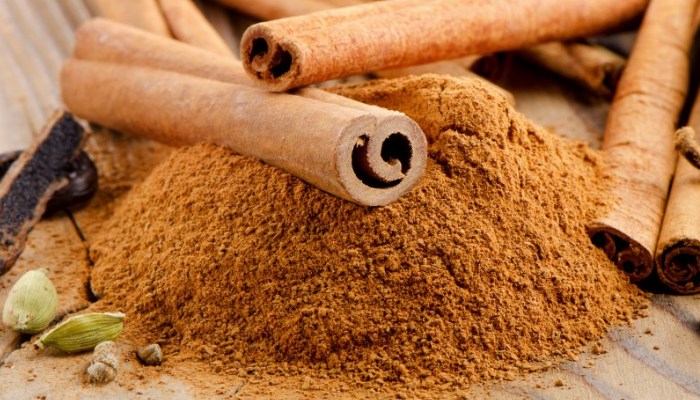
Cinnamon sticks and powder on wooden table. Selective focus

Cinnamon, an aromatic spice, is obtained from the inner bark of a tropical evergreen tree belonging to the laurel family. This hot and sweet spice does not only add a special flavour to different cuisines but also helps in combating health conditions such as diabetes, cancer, stomach flu, cold, cough and tooth decay among others.

Let us have a detailed look at the benefits of Cinnamon.

Type 2 Diabetes: It has been proved time and again that cinnamon helps in controlling blood sugar levels and is thus beneficial for Type 2 diabetes patients. Researchers state that cinnamon bark contains potassium, manganese, chromium, copper, calcium, iron iodine, phosphorus, vitamins A, Bi, B2, C and zinc that help in preventing and curing diabetes.

As per a study published in the Journal of Diabetic Medicine, the blood sugar levels of the participants who had cinnamon supplements showed greater improvement as compared to those who had the standard diabetes medicine.

Stomach Flu: Stomach infection can give you sleepless nights. While pain killers may give instant relief however doctors advice against these as they may cause adverse side effects. Cinnamon, known for its strong anti-bacterial properties, is an effective way to cure this condition. The strong anti-bacterial properties of this wonder spice helps in destroying the Salmonella, Campylobacter and Escherichia coli bacteria that cause stomach flu. Cinnamon also works faster as compared to other natural herbs.

Cancer: Cinnamon is also known to prevent cancer. Researchers claim that cinnamon extracts limit the growth of various kinds of cancer including melanoma cancer, colorectal cancer, cervical cancer and lymphoma cancer. It is said that this super spice interferes with a protein that aids the tumors in establishing blood supply which is imperative for their growth.

Weight Loss: Regular consumption of cinnamon helps in thinning your blood and improving blood circulation. Proper circulation of blood in the body boosts your metabolism and thus helps you lose weight. However, studies show that coumarin, the ingredient that mainly helps in thinning the blood is found in large amount in cassia cinnamon and regular and high dose of this particular ingredient is not good for your liver.

Cold and Flu: One of the most common problems, especially during the changing season, cold and flu may also be prevented with the consumption of this aromatic spice. It is the anti-bacterial and warming properties of cinnamon that help in fighting against this ailment.

Besides these, cinnamon also helps in curing arthritis, heart disease, irritable bowel syndrome, depression, Parkinson’s disease and boosts concentration power.

How to Have Cinnamon?

It is best to boil a few cinnamon sticks in water for some time and add some honey to it. You may even add ginger to it to make it more effective. Various brands sell cinnamon tea however it is better not to go for these as they have artificial flavourings and very little anti-bacterial properties.

It is also recommended to go for Ceylon cinnamon and not Cassia cinnamon which is readily available at the retail stores. This is because cassia cinnamon contains high levels of coumarin which may damage the liver.


October 10, 2016 By Dr Ashwin Nanda 1 Comment

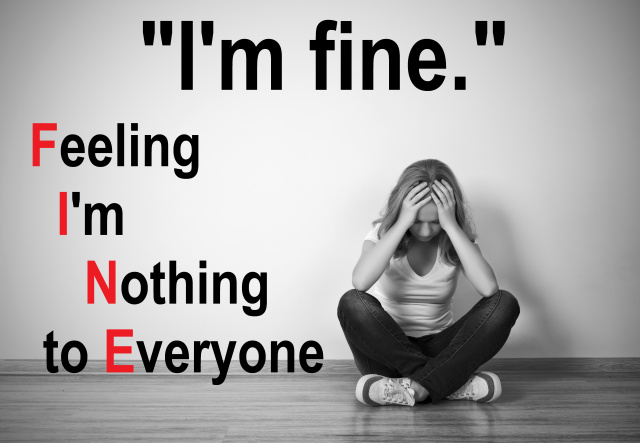
SHEDDING LIGHT ON DEPRESSION

depression

Last year, when the famous Bollywood actress Deepika Padukone opened the lid on her struggle with anxiety and depression and admitted to the world that she was on medication for the same, it became the talk of the town. Everyone started discussing mental health, there were articles in Newspapers, TV channels interviewing the actress and asking her to tell her story. Padukone became an example for many to come out and discuss their issue without fear. Why so? Because depression and mental illness isn’t usually talked about. There is shame and stigma attached to talking about depression. Today, on world health day, I would like to share some insights into depression and what needs to be done when in that situation.

My first experience in dealing with depression was when I was still in Medical school. My very close friend from medical school went through depression. It was then I realized that one needs a lot of empathy and patience to understand what someone is going through in depression. The extreme low mood during depression is such a bad feeling that no one chooses to be depressed by choice …it’s either circumstances or medical conditions that push an individual into depression.

My friend had slipped into depression due to a heart break. The impact was so huge that he withdrew himself from studies, friends and family. He slept longer than usual 8 hours, ate less and experienced terrible mood swings. He refused to talk to anyone and eventually turned suicidal. It is at this point that we had to rush him to the psychiatry department of our college hospital.

The psychiatrist talked to my friend privately for 15 minutes and then to his parents and me privately for another 10 minutes. Then, called us all in and sat us down and explained to us that my friend was suffering from an episode of major depression and medication was a must.

None of us were comfortable that he needed medication to recover from depression but, as counseled by the doctor, avoiding medicines wasn’t an option as he was feeling suicidal. Fifteen days later he started feeling better by 10% and the counselor started weekly sessions with him on the recommendation of the Psychiatrist to expedite recovery. Thankfully my friend recovered completely to his normal self in 6 months’ time and medicines and counseling were discontinued.

It is said that one in every four people suffer from anxiety and depression. According to WHO (World Health Organization) 350 million people worldwide suffer from depression in a year. By the year 2020, it will be the second most common disorder after heart disease. The chemical changes occurring in the brain during depression is a reduction in the level of Serotonin, dopamine and nor adrenaline – these are neurotransmitters (Chemicals which are produced by brain cells).

SOME COMMON SYMPTOMS OF DEPRESSION:

  1. Loss of interest / pleasure in activities which were previously enjoyable.
  2. Decreased energy.
  3. Feelings of guilt and low self – worth.
  4. Disturbed sleep and appetite.
  5. Poor concentration.
  6. Substantial impairment in the person’s ability to handle his/her daily responsibilities.
  7. At its worst it can make the person suicidal.

All symptoms are mild in the beginning and gradually increase in intensity over time.

RISK FACTORS:

  1. Genetics – If you have an immediate family member who has experienced major depression, there is a likelihood that you will also have an episode in your lifetime.
  2. Financial hardships and low education levels.
  3. Female Gender – depression is two to three times more likely in women as compared to men. Depression setting in after delivery of child occurs in some cases.
  4. Chronic illnesses like diabetes, tuberculosis, arthritis.
  5. Exposure to violence / Abuse especially in childhood.
  6. Being separated / divorced especially for men.

MANAGING DEPRESSION:

It is important to recognize depression and take it seriously. Going to a psychiatrist is a must

Mild cases can improve with counseling and psychological therapy (depending on the cause of depression, the person is taught coping mechanisms). Severe cases need anti-depressants along with psychological therapy. Self help is equally essential.

Some self help tips:

  1. Create a daily routine and try to stick to it.
  2. Exercise releases endorphins in the brain which give a feeling of happiness, hence daily exercise is a must to recover and prevent depression.
  3. Try to eat a healthy and balanced diet daily.
  4. Openly communicate with family members and loved ones about what you are experiencing to foster relationships and get support.
  5. Avoid alcohol and recreational drugs as they worsen depression.
  6. Be patient with yourself. For someone with depression even the smallest tasks can seem impossible.

Depression is treatable and plenty of help is available to assist a person cope with it and get back to leading a normal and enjoyable life.

October 6, 2016 By Dr Darshana Salve Leave a Comment

Pregnancy- Not by Chance!

048-aerobic-exercises

Whether it is shopping for groceries, clothes, perfumes, appliances etc., we are extremely choosy and want to go for the best. There is no doubt in the fact we would not want to compromise for anything that is not up to the mark. But, sadly, I find that same is not the attitude when it comes to our own body. Whether it is taking care of our body to be fit and healthy or whether it is to take care of it prior to planning a family.

It is very important to realize that one of the pre requisites to conceive a healthy baby is that both the father and the mother must be in the best of health and there are no two ways about it.

Holistic preconception is about nurturing the mind/ emotions, body and spirit to create the most ideal environment for creating and cultivating life. While, much attention is placed on the mother’s health, we know that the health of the sperm is equally important as that of the egg and womb. Precisely why both egg and sperm should be addressed with the intention of increasing fertility and minimizing exposure to toxins.

Prior to starting, both the parents should undergo a complete health check-up (e.g. Medical history, Genetic history, Blood tests- to check for thyroid levels, hemoglobin, Vitamin B12 & Vitamin D, folic acid, Blood sugars). If any medical condition is detected prior, it will only help to correct the situation before conception and reduce the risk of complications in pregnancy like gestational diabetes, gestational hypertension, thyroid disorders and anemia.

Start the regime mentioned below, three months prior to your planned conception and continue it till you conceive.

How to prepare for a healthy conception-

  • Diet– Diet should include folic acid rich food. Folic acid plays an important role in the production of red blood cells and helps baby’s neural tube develop into a brain and spinal cord.

e.g. Vegetables-Cluster Beans (Gavarfali), Spinach (Palak), Lady Finger, Tomatoes, Broccoli, Beetroot, French beans.

  • Curds
  • Cereals/pulses
  • Dry fruits- Walnuts (2), Almonds(4)

Eat unrefined, fresh and homemade food as much as possible.

  • Exercises

Exercise is one of the most important aspects of keeping your body healthy. All exercises improve the blood flow to the pelvic organs, including the male and female reproductive organs which is beneficial to conceiving. (http://goqii.com/blog/excercises-pre-pregnancy-a-good-start-is-half-done/).

Remember  “A mother’s health has direct correlation with her baby’s health” , so the earlier you start, the better.

  • Lifestyle

Stop smoking.  Avoid alcohol completely.  Avoid drugs – both pharmaceutical drugs for chronic conditions and recreational drugs.  Avoid caffeine. Avoid exposure to X-rays and Radiations.

  • Stress

Relaxation techniques – Meditation, massage, or Yoga have been known to help people with stress.

Express your thoughts and worries to your spouse, this will eventually strengthen the bond between the couple & always think positive.

  • Hydration

Water is the simplest method of detoxifying and 2-3 liters are recommended daily.

  • Stopping contraception

Stop hormonal pills and remove intrauterine device (IUD) if any, about 3 months before conception is planned. Use a barrier method (like condom) at this time. Allow a minimum of one normal menstrual cycle between stopping contraception and conception.

  • Dental care

If there are any dental problems (e.g. cavity) get it treated before you conceive. Oral infections are associated with premature labor.

A happy healthy mother is equal to happy healthy baby. Martin Luther once said, “Maternity is a glorious thing, since all mankind has been conceived, born, and nourished of women. All human laws should encourage the multiplication of families”.

May this amazing journey of parenthood begin in a holistic healthy way.

  • « Previous Page
  • 1
  • …
  • 71
  • 72
  • 73
  • 74
  • 75
  • …
  • 82
  • Next Page »

Search

Recent Posts

  • 4 Reasons Why Affirmations Are Not Working For You
  • The Social Side of GLP-1: Navigating “Food Culture” and Peer Pressure
  • Leaky Gut: Symptoms and Causes
  • Muscle Is Your Insurance Policy: Why Strength Predicts Lifespan More Than Cardio
  • The Fiber Gap: Managing Digestion on GLP-1 Therapy

Stay Updated

Archives

  • March 2026 (1)
  • February 2026 (14)
  • January 2026 (14)
  • December 2025 (19)
  • November 2025 (15)
  • October 2025 (20)
  • September 2025 (6)
  • August 2025 (6)
  • July 2025 (12)
  • June 2025 (18)
  • May 2025 (16)
  • April 2025 (22)
  • March 2025 (23)
  • February 2025 (22)
  • January 2025 (25)
  • December 2024 (22)
  • November 2024 (23)
  • October 2024 (21)
  • September 2024 (24)
  • August 2024 (30)
  • July 2024 (21)
  • June 2024 (26)
  • May 2024 (31)
  • April 2024 (27)
  • March 2024 (29)
  • February 2024 (25)
  • January 2024 (21)
  • December 2023 (15)
  • November 2023 (11)
  • October 2023 (19)
  • September 2023 (22)
  • August 2023 (18)
  • July 2023 (22)
  • June 2023 (24)
  • May 2023 (24)
  • April 2023 (23)
  • March 2023 (23)
  • February 2023 (19)
  • January 2023 (15)
  • December 2022 (11)
  • November 2022 (15)
  • October 2022 (15)
  • September 2022 (12)
  • August 2022 (10)
  • July 2022 (17)
  • June 2022 (11)
  • May 2022 (10)
  • April 2022 (6)
  • March 2022 (6)
  • February 2022 (13)
  • January 2022 (11)
  • December 2021 (7)
  • November 2021 (3)
  • October 2021 (6)
  • September 2021 (3)
  • August 2021 (8)
  • July 2021 (7)
  • June 2021 (15)
  • May 2021 (16)
  • April 2021 (10)
  • March 2021 (7)
  • February 2021 (4)
  • January 2021 (4)
  • December 2020 (3)
  • November 2020 (4)
  • October 2020 (10)
  • September 2020 (3)
  • August 2020 (3)
  • July 2020 (2)
  • June 2020 (4)
  • May 2020 (10)
  • April 2020 (12)
  • March 2020 (10)
  • February 2020 (4)
  • January 2020 (4)
  • December 2019 (3)
  • November 2019 (7)
  • October 2019 (5)
  • September 2019 (4)
  • August 2019 (9)
  • July 2019 (9)
  • June 2019 (11)
  • May 2019 (4)
  • April 2019 (8)
  • March 2019 (8)
  • February 2019 (9)
  • January 2019 (8)
  • December 2018 (9)
  • November 2018 (3)
  • October 2018 (3)
  • September 2018 (5)
  • August 2018 (10)
  • July 2018 (6)
  • June 2018 (13)
  • May 2018 (8)
  • April 2018 (18)
  • March 2018 (9)
  • February 2018 (8)
  • January 2018 (15)
  • December 2017 (12)
  • November 2017 (19)
  • October 2017 (13)
  • September 2017 (15)
  • August 2017 (4)
  • July 2017 (8)
  • June 2017 (7)
  • May 2017 (6)
  • April 2017 (8)
  • March 2017 (6)
  • February 2017 (7)
  • January 2017 (9)
  • December 2016 (10)
  • November 2016 (7)
  • October 2016 (7)
  • September 2016 (7)
  • August 2016 (11)
  • July 2016 (9)
  • June 2016 (9)
  • May 2016 (12)
  • April 2016 (17)
  • March 2016 (17)
  • February 2016 (8)
  • January 2016 (6)
  • December 2015 (2)
  • November 2015 (9)
  • October 2015 (7)
  • September 2015 (9)
  • August 2015 (11)
  • July 2015 (9)
  • June 2015 (12)
  • May 2015 (9)
  • April 2015 (13)
  • March 2015 (8)
  • February 2015 (5)
  • January 2015 (12)
  • December 2014 (14)
  • November 2014 (11)
  • October 2014 (6)
  • September 2014 (13)
  • August 2014 (12)
  • July 2014 (6)
  • June 2014 (2)
  • May 2014 (7)
  • April 2014 (5)

From “Laddu Nawin” to Fit and Fierce: How a 25-Year-Old Insurance Advisor Shed 20 Kilos and Gained His Life Back

When 25-year-old Nawin Yadav from Hyderabad walked into his office every morning, he carried more than just his files and policy papers. He had the weight of fatigue, sluggish energy, and an ever-growing belly that was becoming the butt of jokes. “People … [Read More...]

“I’ve Challenged Myself to Live 100 Years” – The Story of Chandubhai Savani’s Second Chance at Life

At 67, most people start slowing down. Not Chandubhai Savani. A resident of Surat, Chandubhai, thought life was on track. “My life was going well till I had my bypass surgery,” he says. That surgery, back in 2021, was a wake-up call.  Medication was routine, but exercise wasn’t. His diet? What he calls ‘normal.’ “I […]

From Shimla’s Slopes to Chandigarh’s Sidewalks: Surinder Kaur Bhalla’s Journey from Chaos to Control

Some journeys start with a plan. Others begin with a stumble literally. Surinder Bhalla, a government professional, born and raised in the scenic hill town of Shimla, had always lived a life of movement. “In Shimla, you walked everywhere,” she reflects. “Walking was never an exercise. It was just life.” But after shifting to Chandigarh, […]

Ananda Mukherjee Health Story

From Terminal Illness To Complete Wellness! Ananda Mukherjee Health Story

As we observe World Cancer Day under the powerful theme ‘United by Unique’ (2025-2027)**, we are reminded that every individual’s journey with cancer is distinct, yet united by shared resilience, hope, and the collective fight against this disease. This theme places people at the centre of care and their stories at the heart of the […]

  • HOME
  • HEALTHY LIVING
  • FITNESS
  • HEALTHY RECIPES
  • USER STORIES
  • KARMA
  • BUY GOQii

Copyright ©2016 GOQii