 Managing diabetes goes beyond just watching your sugar intake—it requires a deeper understanding of how different foods affect your blood sugar levels. One of the most effective and simple tools to gain this insight is keeping a food diary.
By consistently tracking what you eat and drink, you become more aware of your habits, make better dietary choices, and stay committed to a low-carb lifestyle. Whether your goal is to stabilise blood glucose levels or reverse type 2 diabetes, a food diary can be a true game-changer.
Why Keep a Food Diary?
- Increases Awareness
A food diary helps you become more mindful of your eating patterns. When you pause to write down or record your meals, it strengthens the connection between what you eat and how you feel—mentally and physically.
- Identifies Hidden Carbs
Packaged or processed foods often contain hidden sugars or carbs that can spike blood sugar levels. Logging your food intake allows you to spot these culprits, helping you make more informed, low-carb choices.
- Tracks Carb Intake
If you’re following a low-carb diet (60–130g per day), keeping count matters. A food diary ensures you stay within your daily carb targets, making it easier to keep your glucose levels in check.
- Reveals Patterns and Triggers
A food diary can highlight emotional eating, late-night snacking, or certain foods that cause unexpected glucose spikes. By recognising these patterns, you’re better equipped to manage cravings or avoid setbacks.
- Measures Progress
Seeing how your food choices affect your energy, mood, and glucose readings over time can be incredibly motivating. It’s proof that your effort is working—even if the changes are slow and steady.
- Boosts Accountability
Knowing you’ll be logging your meals encourages better choices. Whether you’re tracking meals for yourself or sharing them with a health professional, food diaries bring a sense of ownership to your journey.
How to Maintain a Food Diary
It doesn’t need to be complicated. Choose a method that suits your lifestyle and comfort:
- ✍️ Handwritten Journal – Use a simple notebook to jot down what you eat, when you eat, and portion sizes. It’s a classic but effective approach.
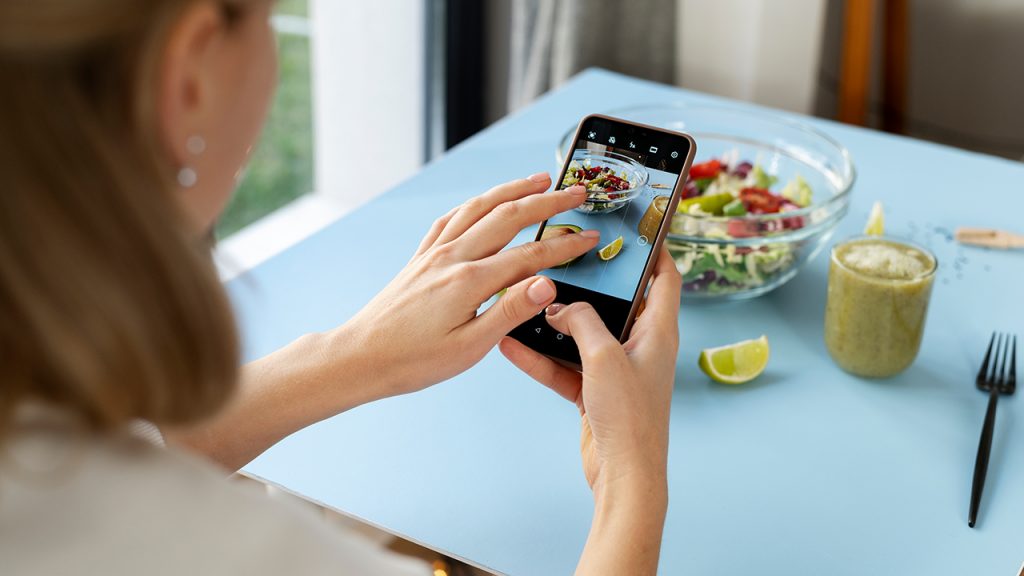
- 📲 Nutrigenius on the GOQii App – Snap a photo of your meal and upload it directly. This visual log is quick, intuitive, and allows your coach to give you targeted guidance based on what you’re actually eating.
The key is consistency, not perfection. Whether you prefer pen and paper or digital tracking, stick with what works for you.
Following a low-carb diet is one of the most effective strategies for managing—and in many cases, reversing—type 2 diabetes. But success depends on staying aware and accountable, and that’s where a food diary truly shines.
By tracking your meals, identifying patterns, and monitoring your progress, you gain control over your health in a very real, empowering way. Remember—small steps every day add up to big changes over time.
So grab your journal or open the app. Every meal you track is a step towards a healthier, more balanced you.
#BeTheForce
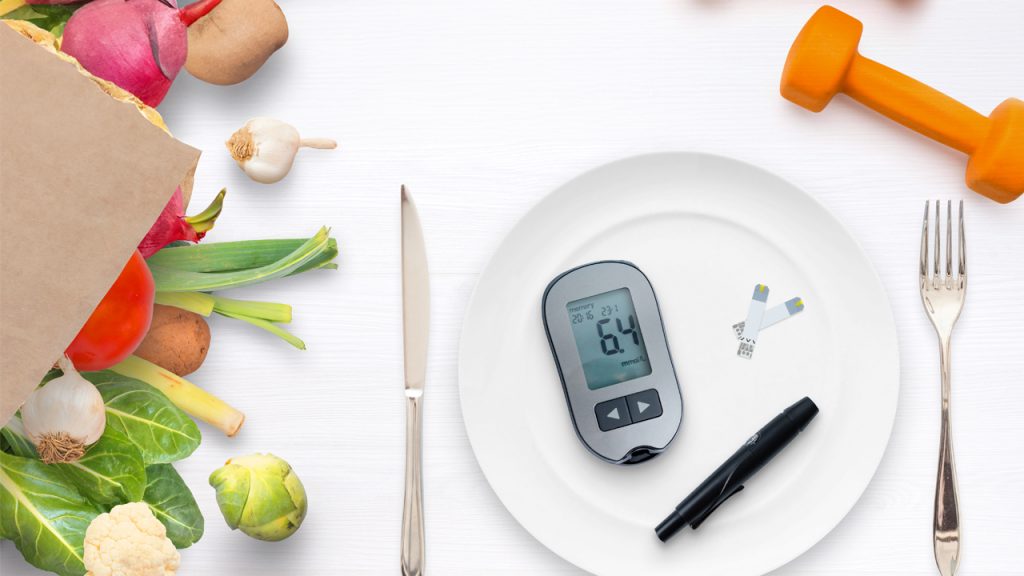 Type 2 diabetes is often seen as a lifelong condition, but research and real-world experience show that it can be managed—and even reversed—with the right dietary approach. One of the most effective strategies is adopting a low-carbohydrate lifestyle, which not only helps regulate blood sugar levels but also improves insulin sensitivity.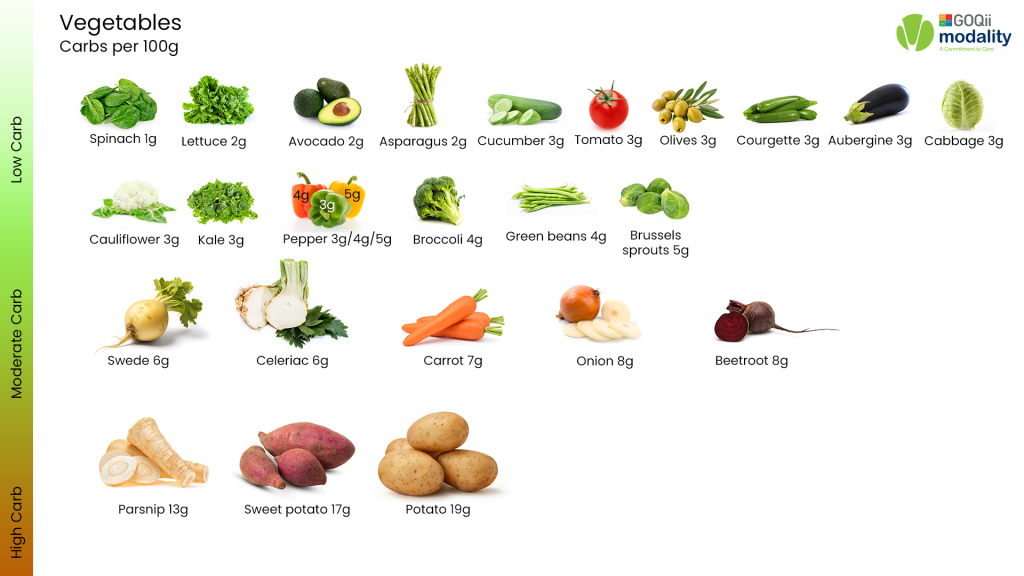
 Have you ever wondered if there’s a real difference between Type 1 and Type 2 diabetes? Maybe you’ve heard the terms tossed around but never really got the full picture. You’re not alone! Diabetes is often misunderstood, but knowing the difference between the two types could be a game-changer—for yourself or someone you care about.
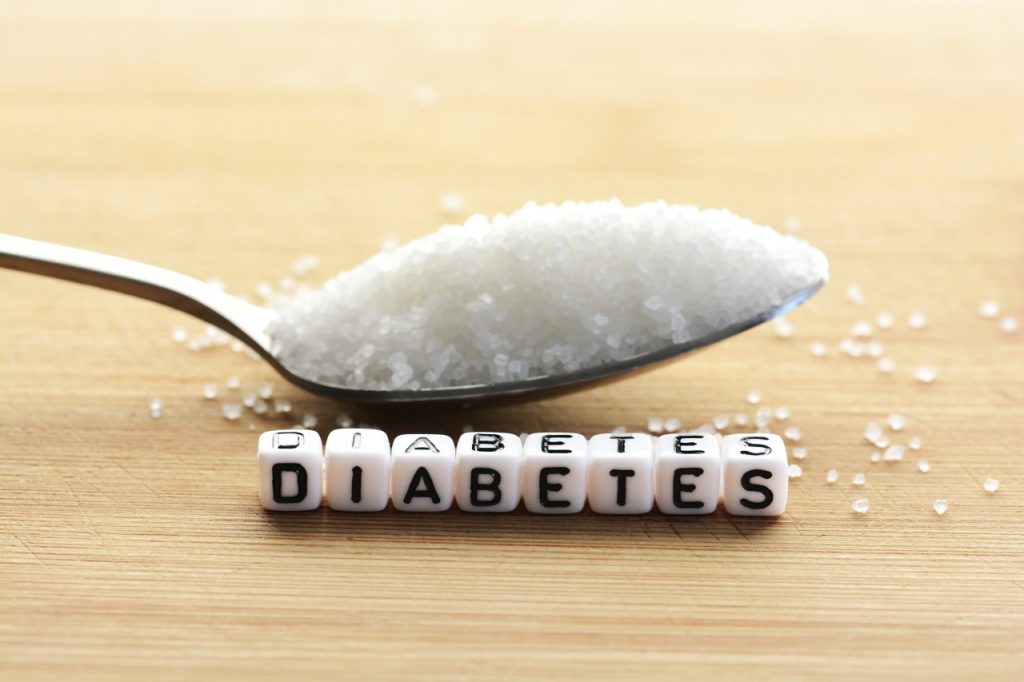 The prevalence of diabetes is alarmingly spreading worldwide. Data from WHO shows that its global prevalence was about 8% in 2011 and is estimated to rise to 10% by 2030. Some of my patients are of the impression that they cannot lead a normal life once they’ve been diagnosed with Diabetes. I always tell them to treat diabetes normally. The main focus should be on food, followed by activity and then medication. If instructions are followed well, your diabetes will be under control. However, my experience has been that when it comes to food, most have many misconceptions which are very important to clear. I would like to share few of these common myths about Diabetes with you as well.


