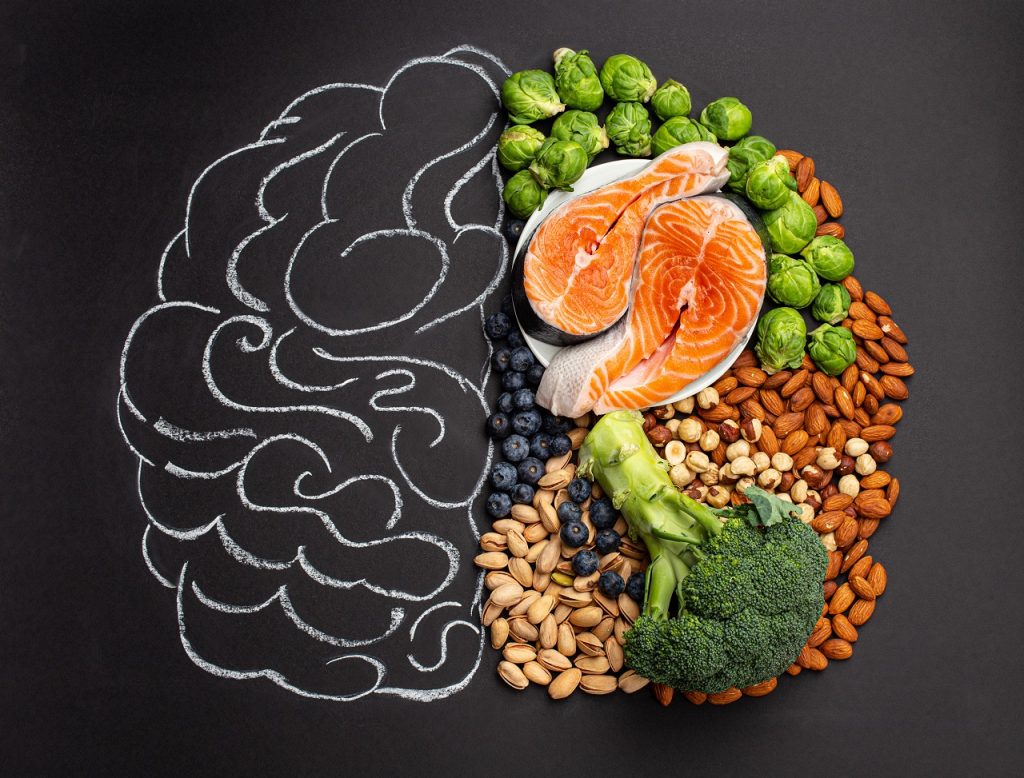
 Stress and nutrition have always been linked – it’s a fact that has been in existence for years. It’s no rocket science to realize that someone with a healthy and balanced diet is likely to be far less stressed than someone with a poor diet.
Stress has become a common factor in one’s life. Various factors such as pressures from home or work, some unforeseen circumstances or situations completely beyond our control that lead to stress. What’s even more common is that while stressed, people tend to eat. This involves a lot of comfort food like macaroni and cheese, pizza, and ice cream.
All these high-fat foods are usually the worst possible choices because they can make us feel lethargic and unable to deal with stress. To add to this, stress can drive up our blood pressure and raise serum cholesterol levels, wreaking havoc on our arteries and increasing risk of heart attacks.
Best solution? Low-fat, high-fiber, carbohydrate-rich meals with plenty of fruits and vegetables. They soothe us without sapping our energy and give us the nutrients we need to boost our immune system.
Which Foods Help You Manage Stress?
- Water: It hydrates a person, makes one more energetic and less stressed!
- Asparagus: I know, these slender stalks are known to make your urine smell funny, but they are high in folate, which is essential for keeping your cool
- Avocados: These creamy fruits stress proof your body. Rich in glutathione, a substance that specifically blocks intestinal absorption of certain fats that cause oxidative damage, avocados also contain lutein, beta-carotene, Vitamin E and more folate than any other fruit.
- Berries: Blueberries have some of the highest levels of antioxidants known as anthocyanin and they have been linked to all kinds of positive health outcomes, including sharper cognition. But, all berries, including strawberries, raspberries and blackberries are rich in vitamin C which has been shown to be helpful in combating stress.
- Chocolate: besides the healthy antioxidants in this treat which push chocolate to the top of most heart-healthy food lists, Chocolate also has an undeniable link to mood but, moderation is key to it.
- Green tea: has an amino acid called theanine. This slimming food is a brain booster as well as enhances mental performance.
- Oatmeal: a complex carbohydrate, Oatmeal causes your brain to produce serotonin, a feel-good chemical.
- Fresh fruits and vegetables: Vegetables have high fiber content, which is helpful in treating constipation -another long term effect of stress. Fresh fruits and vegetables provide an array of vitamins and minerals that are great for reducing stress.
- Fish: such as Mackerel contain Omega fatty acids, which are extremely good for the heart and can protect you from heart diseases. Fish also contains choline – a great memory booster.
- Yogurts: provide minerals including calcium, essential to maintain well functioning nerve impulses.
- Herbal Products: Herbal items such as Dandelion, Chamomile, and Passion flower to name a few, relax both the body and mind.
Having said the above, there are certain foods and drinks that can aggravate stress. It doesn’t necessarily mean that you should avoid some of them completely but, it is advised that you consume them in moderation.
Foods That May Trigger Stress
- Tea, coffee, cocoa, energy drinks: These drinks contain neuro-stimulators like caffeine and theobromine, which are proven to heighten stress.
- Fast foods and takeaways: contain high levels of protein, fats and carbohydrates that don’t contain vital minerals and vitamins, which in turn induce stress.
- Sugar: Stress causes an increase in blood glucose levels, which can in turn lead to a higher risk of developing diabetes.
- Soda, Alcohol, soft drinks and chocolate drinks: The high level of carbon dioxide and sugars in beverages can aggravate stress. Soft drinks need to be considered as an unnecessary addition to your diet.
So before you go in to grab that cold aerated beverage or have a cheesy burger to relieve your stress, think twice and instead go for the healthier food options suggested above!
We hope this article helps you manage stress with nutrition! For more tips to help you manage stress better, check out Healthy Reads or ask an expert by subscribing for GOQii’s Personalised Health Coaching here.
#BeTheForce
Disclaimer: The information provided in this blog is for general awareness and educational purposes only. It is not intended to replace professional medical advice, diagnosis, or treatment. Always consult a qualified healthcare provider for personalised medical guidance or concerns related to your health.
 In the face of persistent health challenges, Dhiren Matani, (43), an entrepreneur from Mumbai, embarked on a journey of resilience and transformation. Battling weight issues and a heart condition for some years, he refused to succumb to the daunting odds. Through sheer determination, he took control of his health at the right time by adopting a disciplined lifestyle that nurtured positive change. With unwavering commitment, Dhiren not only managed to conquer these obstacles but also embraced a life of balanced well-being. His story is an inspiring testament to the incredible power of self-care, offering hope and motivation to all those on their path to vitality and wellness.
 You might have been trying hard to lose that stubborn weight with sincere healthy food habits and sweating hard through physical activities. Despite your efforts, that scale doesn’t seem to budge. You might be wondering why. To understand why, you will need to understand what Obesity is.