GOQii

Blog

  • HOME
  • HEALTHY LIVING
  • FITNESS
  • HEALTHY RECIPES
  • USER STORIES
  • KARMA
  • BUY GOQii

Search Results for: running

June 11, 2026 By GOQii Leave a Comment

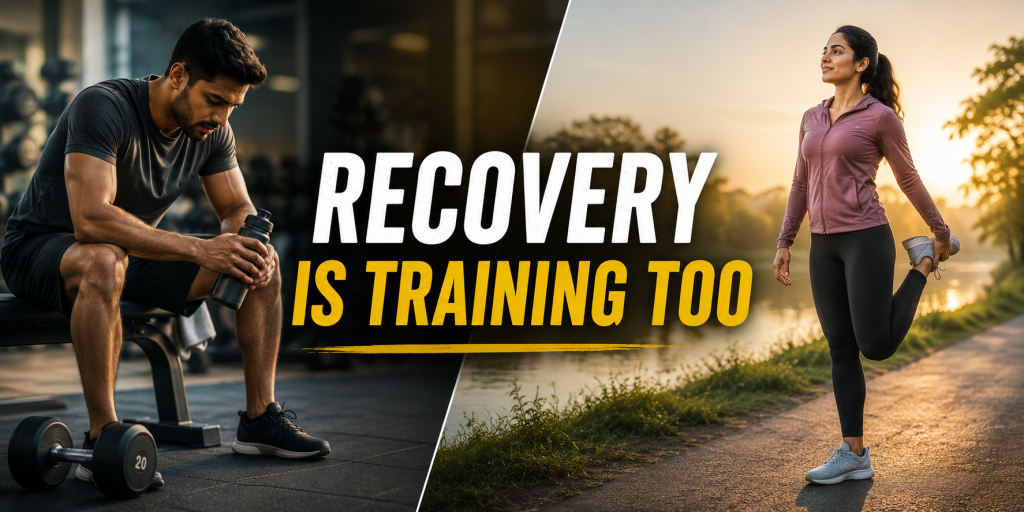
Are You Overtraining? 6 Signs Your Body Needs More Recovery

The Big Question: Why is pushing harder in your workouts sometimes the exact reason your progress has completely stalled?

Exercise is only one half of the physical fitness equation; the other, often neglected half is structural recovery. While an intense training session physically challenges your tissues, the recovery window is where microscopic muscle tears repair, cellular energy stores are replenished, and true physiological improvements occur. When the balance between training volume and rest is broken, your body enters a state of persistent fatigue. Learning to recognize the subtle warning signs of under-recovery is the ultimate solution to staying consistent, avoiding injuries, and achieving long-term fitness success.

In today’s mainstream fitness culture, “more” is almost always marketed as better. More daily workouts, higher intensity, more sweat, and more hours spent lifting inside the gym. While consistency is undeniably a pillar of health, there comes a strict biological tipping point where pushing harder will actively work against your physical progress.

Many people incorrectly assume that if their fat loss or muscle gains slow down, they simply need to force themselves to train more. In reality, the underlying problem is rarely a lack of effort it is a critical lack of recovery. Your body does not grow stronger during the workout itself; it adapts and rebuilds during the dedicated recovery periods that follow. Understanding the boundary between productive training stress and inadequate recovery is one of the most vital lessons in preventive healthcare and sports medicine.

Why Cellular Recovery Matters

Every single workout creates a temporary, acute stress response inside the body. This is a completely normal part of lifestyle medicine. Physical exercise deliberately challenges your:

  • Skeletal muscle fibers
  • Tendons, ligaments, and joints
  • Cellular energy reserves (glycogen stores)
  • Central nervous system (CNS)

In a healthy environment, your body responds to this micro-damage by adapting, super compensating, and returning stronger, fitter, and more resilient than before. However, these positive metabolic adaptations can only take place when you provide sufficient recovery resources. Without adequate rest, your system struggles to repair structural tissues, restore depleted glycogen, and maintain baseline training performance. This is why intelligent recovery must be viewed as a mandatory core component of your fitness programming.

6 Major Signs Your Body Needs More Recovery

  1. Your Resting Heart Rate Is Higher Than Usual

Your cardiovascular system provides excellent, real-time insight into your internal autonomic nervous system stress. If you notice that your morning resting heart rate is consistently elevated by 10 to 15 beats per minute (bpm) above your normal personal baseline for several consecutive days, your sympathetic nervous system (“fight-or-flight”) is struggling to turn off. This persistent elevation is a clear indicators that your body is operating under an unsustainable systemic load.

  1. Persistent Muscle Soreness and Stiffness

Experiencing standard muscle soreness (Delayed Onset Muscle Soreness, or DOMS) for 24 to 48 hours after a tough workout is completely normal. However, structural soreness that lingers deeply for several days without noticeable improvement signals that protein synthesis is failing to keep up with cellular damage. If you are experiencing ongoing joint stiffness, localized muscle tenderness to the touch, and reduced physical strength during normal daily movements, your body is begging for an active rest window.

  1. Your Performance Starts Going Backwards

One of the most defining hallmarks of overtraining is a clear, stagnant decline in physical performance despite putting in the exact same or even greater physical effort. You may notice:

  • Significantly slower running or cycling times
  • A sudden reduction in your maximum weight-lifting capacity
  • Lower cardiovascular endurance during standard intervals
  • An inability to complete your usual workout sets

When progress reverses, forcing yourself to train more is the worst possible answer. Your neuromuscular pathways simply need more time to clear systemic fatigue.

[Excessive Training + Zero Rest] ──► CNS Burnout ──► Cortisol Spikes ──► Performance Drops

│

[Intelligent Rest + Smart Fueling] ──► Super compensation ──► Tissue Repair  ──► Performance Gains

  1. Sleep Quality Begins to Suffer

Many people assume that exhausting themselves through intense physical exercise automatically guarantees deep, restful sleep. In reality, excessive training stress over-stimulates your adrenal glands, causing nocturnal cortisol spikes that completely disrupt your natural sleep architecture.

Signs of this hormonal imbalance include struggling to fall asleep despite feeling physically wiped out, experiencing frequent night waking, or waking up in the morning feeling profoundly unrefreshed. This makes prioritizing why quality sleep matters an absolute prerequisite for physical transformation.

  1. Frequent Illness or Slow Healing Rates

Physical recovery is not merely a musculoskeletal process; your immune system draws heavily from the exact same systemic energy pool. If you find yourself catching minor head colds frequently, taking a prolonged time to recover from simple respiratory viruses, or feeling constantly run down, your body is diverting its immune resources to deal with ongoing workout-induced tissue inflammation.

  1. Mood Fluctuations and a Loss of Motivation

A well-balanced exercise routine should leave you feeling mentally energized, accomplished, and sharp. When your body enters a state of chronic under-recovery, the persistent stress impacts your neurotransmitters. This presents as uncharacteristic irritability, low workout motivation, persistent mental fatigue, difficulty concentrating during the workday, and a complete loss of enjoyment in your physical hobbies. These psychological signs are often the absolute earliest warning indicators of overtraining syndrome.

Common Lifestyle Causes of Poor Recovery

Skeletal recovery is influenced by a wide variety of factors outside of your actual workout split. Fatigue accumulates rapidly when combined with these everyday lifestyle pitfalls:

  • Inadequate Nutritional Fueling: Rebuilding muscle tissue requires a steady supply of lean proteins, complex carbohydrates, healthy fats, and cellular micronutrients. Consistently under-eating or cutting calories too drastically while training intensely leaves your cells starved of the raw materials needed for tissue repair. Understanding protein and muscle recovery is crucial to keeping this cycle going.
  • Unmanaged Environmental Stress: High-pressure work demands, financial worries, and emotional strain all place a heavy physiological burden on your body. Your metabolism does not separate gym stress from life stress; it all processes through the exact same pathways. Applying dedicated stress management for better health is vital to lowering this total burden.
  • Severe Dehydration: Water is the primary medium for nutrient transport and waste removal inside human tissue. Falling short on fluids causes blood volume to drop, which delays the clearance of cellular waste products like lactic acid. Ensuring you optimize your hydration and exercise performance speeds up structural recovery.
  • A Complete Lack of Rest Days: Skipping rest days due to a “no days off” mindset prevents your joints, tendons, and central nervous system from completing a full cycle of cellular restoration.

6 Actionable Ways to Recover Smarter

To protect your longevity and optimize your fitness goals, transform your rest into a strategic habit with these six principles:

Recovery Pillar Daily Actionable Strategy Physiological Target
1. Sleep Optimization Secure 7–9 hours in a cool, dark room Restores central nervous system pathways.
2. Targeted Nutrition Pair clean proteins with whole carbohydrates Replenishes glycogen and repairs micro-tears.
3. Scheduled Rest Integrate 1–2 active recovery days weekly Promotes local blood flow without joint loading.
4. Auto-Regulation Listen to your morning energy and mood trends Prevents overactivation of the fight-or-flight system.
  1. Prioritize Quality Sleep Architecture

Aim for 7 to 9 hours of uninterrupted sleep per night. Maintain highly consistent sleep and wake times even on weekends and completely eliminate evening screen time to protect your body’s natural melatonin production.

  1. Fuel Your Body with Macro-Nutrient Synergy

Support cellular repair by eating balanced meals filled with clean proteins, whole grains, and antioxidant-rich vegetables. Ensure you eat a nourishing post-workout meal within two hours of training to instantly jumpstart muscle glycogen replenishment.

  1. Schedule Active Recovery Days

Rest days are a sign of elite training intelligence, not physical weakness. Instead of staying completely sedentary, engage in low-impact movement. Utilizing active recovery: the benefits of walking or enjoying light yoga increases localized blood circulation, flushing out cellular metabolic debris without placing extra strain on your joints.

  1. Progress Your Training Volumne Gradually

Avoid making sudden, dramatic leaps in your workout weights, weekly running distance, or total training frequency. Utilizing small, progressive, and incremental increases (no more than 10% week-over-week) allows your structural tissues to adapt smoothly without risking acute tendonitis.

  1. Manage Mental Stress Outside the Gym

Decompress your mind daily. Incorporate simple practices like 10 minutes of deep diaphragmatic breathing, meditation, spending time outdoors in green spaces, or journaling to help shift your body into a restorative, parasympathetic state.

  1. Listen to Your Biological Signals

The absolute best fitness program in the world will fail if you ignore what your body is trying to tell you. Pay close attention to your daily energy trends, sleep quality, and performance markers. If you wake up feeling completely exhausted, have the confidence to swap an intense weight session for a restorative stretching block.

The Bottom Line

Exercise is simply the tool that challenges your body; recovery is the exact space where your progress actually happens. If you are currently dealing with persistent fatigue, stagnant performance markers, fragmented sleep, or ongoing joint soreness, your body is not asking you to push harder—it is openly asking for more rest. Balance your physical effort with intelligent recovery to ensure long-term healthy ageing through exercise. Train hard, recover smart, and protect your longevity!

Pro Tip: Managing your exercise and recovery balance requires consistent habit tracking. Use the GOQii App to log your daily physical movement, monitor your sleep durations, and track your hydration habits. You can easily share this comprehensive lifestyle data overview with your GOQii Personalised Health Coach to identify hidden patterns of under-recovery and create a highly customized, sustainable routine built perfectly around your health goals!

Frequently Asked Questions (FAQs)

  1. What is the fundamental difference between standard fatigue and overtraining?

Temporary fatigue is a normal, localized response to strenuous physical exercise that typically resolves within 24 to 48 hours of rest and proper nutrition. True Overtraining Syndrome (OTS) is a much more severe, systemic condition affecting the neuroendocrine system. It develops after weeks or months of continuous excessive training paired with inadequate recovery, and can take months of complete clinical rest to fully reverse.

  1. How many rest days should I ideally take each week?

While individual recovery capacity varies based on genetics, age, and lifestyle stress, the general rule of thumb for most fitness enthusiasts is to schedule one to two dedicated recovery days per week. This ensures your central nervous system can reset and prevents long-term cumulative fatigue.

  1. Can poor sleep directly affect my muscle mass gains?

Absolutely. Deep sleep is the primary physiological window during which your body releases human growth hormone (HGH) and testosterone, both of which are required for protein synthesis and muscle repair. Chronic poor sleep elevates the catabolic hormone cortisol, which actively accelerates muscle tissue breakdown and stalls lean mass development.

  1. Is it okay to work out when my muscles are still mildly sore?

If the soreness is very mild and fades completely once you complete a thorough, active warm-up, it is generally fine to engage in moderate exercise. However, if the muscle group is significantly tender to the touch, has a reduced range of motion, or feels physically weak, you should avoid heavy training and prioritize active rest or shift your focus to a completely different muscle group.

#BeTheForce

Disclaimer: This article is intended for educational and informational purposes only. It is not intended to replace professional medical advice, physical therapy diagnosis, or treatment. Always consult a qualified healthcare provider or physical therapist before starting an intense exercise regimen or if you suspect you are suffering from chronic overtraining syndrome.

June 3, 2026 By GOQii Leave a Comment

Cycling for a Greener Future: One Habit That Benefits Both You and the Planet

The Big Question: How does cycling benefit both the environment and human longevity?

The World Bicycle Day 2026 theme, “Cycling for a Greener Future,” highlights one of the simplest ways to improve both environmental and personal health. Every time you choose a bicycle over a fuel-powered vehicle, you reduce carbon emissions, support cleaner air, and add more movement to your day. Beyond its environmental benefits, cycling is also one of the most joint-friendly forms of exercise, helping improve cardiovascular fitness, metabolic health, endurance, and healthy ageing.

When most people think about cycling, they think about childhood memories, weekend rides, or professional athletes racing through mountain roads. But the bicycle may be one of the few inventions that improves both human health and environmental health at the exact same time.

Observed globally tomorrow, June 3rd, World Bicycle Day celebrates the bicycle as a simple, affordable, sustainable, and reliable means of transportation. The 2026 theme, “Cycling for a Greener Future,” reminds us that small choices made every day can collectively create a healthier planet.

What’s often overlooked, however, is that the same habit helping reduce pollution and traffic congestion may also be one of the most powerful tools for improving long-term health and longevity.

Why Cycling Matters Beyond Fitness

Unlike many forms of exercise, cycling serves two purposes simultaneously: it acts as transportation, recreation, exercise, and a sustainable lifestyle choice all at once.

A bicycle doesn’t require fuel, produces no emissions, creates minimal noise pollution, and takes up far less urban space than motor vehicles. Replacing even a few short weekly car trips with cycling can contribute to cleaner neighbourhoods, improved air quality, and more active communities. And while you’re helping the environment, you’re also helping your cellular biology.

The Health Benefits Begin With Everyday Movement

One of the biggest barriers to exercise is finding extra time for it. Cycling solves that problem. A ride to work, the grocery store, or a nearby café can become meaningful physical activity without requiring a dedicated, scheduled workout session.

This integration of movement into daily life is one reason cycling is heavily associated with better cardiovascular health, improved fitness levels, and healthy ageing. Unlike intense exercise programmes that are difficult to maintain, cycling is often easier to sustain because it naturally fits into your everyday routines.

The Longevity Secret: Zone 2 Training

In recent years, longevity researchers have increasingly focused on the benefits of Zone 2 cardio. Zone 2 refers to moderate-intensity exercise where your breathing becomes slightly heavier and your heart rate rises steadily, but you can still comfortably hold a conversation.

This specific level of effort helps improve aerobic fitness, endurance, fat metabolism, and mitochondrial efficiency. Mitochondria are the energy-producing structures inside your cells, and maintaining their function is closely linked to healthy ageing.

What makes cycling unique is how easy it is to stay within this ideal training zone. By adjusting your speed, gears, or resistance, you can maintain a steady effort level for extended periods without the stop-start intensity common in many other activities. Supporting your mitochondrial health is one of the absolute key pillars of long-term vitality and resilience.

Cycling vs Running: The Joint-Friendly Advantage

Running is an excellent form of exercise, but it also places significant impact forces on the knees, hips, and ankles. Cycling offers a completely different approach. Because it is a low-impact, non-weight-bearing activity, it allows people to improve cardiovascular fitness while placing far less stress on their cartilage.

Feature Cycling Running
Joint Impact Low Moderate to High
Cardiovascular Benefits Excellent Excellent
Zone 2 Control Easy Moderate
Accessibility High High
Long-Term Joint Comfort     Often Better Tolerated Depends on Individual

This makes cycling particularly appealing for older adults, individuals returning to exercise, people carrying excess weight, or anyone actively managing joint discomfort.

3 Hidden Benefits of Cycling

  1. Improved Metabolic Health

Regular cycling helps improve the body’s ability to use both carbohydrates and fats efficiently for energy. This adaptability, often referred to as metabolic flexibility, supports better energy regulation and insulin sensitivity throughout the day.

  1. Better Stress Management

The rhythmic motion of cycling, particularly outdoors, can help reduce stress and improve mental wellbeing. Spending time in natural environments while moving supports emotional resilience, nervous system recovery, and acts as excellent stress management from daily pressures.

  1. Stronger Legs and Better Balance

Age-related muscle loss (sarcopenia) often affects the lower body first. Pushing against the resistance of the pedals strengthens the quadriceps, glutes, calves, and hamstrings, helping maintain mobility, stability, and physical independence as we age.

Small Rides Can Create Big Change

Many people assume they need expensive equipment or long-distance rides to benefit from cycling. In reality, consistency matters far more than distance. Even short rides can contribute to better cardiovascular fitness, improved energy levels, lower environmental impact, and healthier daily habits.

The bicycle is far more than a recreational tool. It is a practical solution to some of the biggest challenges facing modern society: physical inactivity, urban congestion, environmental pollution, and declining metabolic health. This World Bicycle Day, consider viewing cycling not just as exercise, but as an investment in both your personal wellbeing and a more sustainable future.

Pro Tip: Use your GOQii Smart Vital Tracker and GOQii App to monitor your heart rate during cycling sessions. Tracking your effort levels can help you identify your ideal Zone 2 range and build a sustainable fitness routine that supports cardiovascular health, endurance, and longevity!

Frequently Asked Questions (FAQs)

  1. How does cycling contribute to a greener future?
    Cycling is a zero-emission mode of transport that helps reduce traffic congestion, fuel consumption, and air pollution, directly combating climate change.
  2. How much cycling is needed for health benefits?
    Aim for at least 150 minutes of moderate-intensity cycling per week, spread across multiple days.
  3. Is cycling suitable for older adults?
    Yes. Because cycling is low-impact and non-weight-bearing, it is often perfectly suited for older adults looking to improve cardiovascular fitness while minimising joint stress.
  4. Is cycling better than walking?
    Both are excellent forms of exercise. However, cycling generally allows individuals to sustain a higher cardiovascular intensity (burning more visceral fat) while remaining gentle on the joints.

#BeTheForce

Disclaimer: This article is intended for educational purposes only. If you have a history of severe cardiovascular disease, chronic back pain, or recent joint replacements, please consult your physician or physical therapist before beginning a new exercise regimen.

May 11, 2026 By GOQii Leave a Comment

Mental Health Awareness Week 2026: Small Actions, Real Change

When we think about improving our health, we often focus on physical goals first – eating better, exercising more, or losing weight. But true wellness does not work in isolation. Your physical health and mental wellbeing are deeply connected, and one cannot thrive while the other is neglected.

This year, Mental Health Awareness Week is being observed from 11th to 17th May 2026, with a simple but powerful theme:

Take Action.

Because awareness alone is not enough anymore.

Most people do not suddenly “burn out” overnight. Mental exhaustion builds quietly over time through poor sleep, constant stress, emotional fatigue, overstimulation, and lack of recovery. And because these signs are subtle at first, we often continue functioning while mentally running on empty.

The good news? Mental wellbeing is not built through one dramatic change. It is built through small, consistent daily actions.

Why Mental Health Is More Than “Feeling Fine”

Mental health affects:

  • sleep quality
  • focus and productivity
  • stress response
  • energy levels
  • eating habits
  • relationships
  • physical health

Chronic stress can increase cortisol levels, disrupt sleep, elevate blood pressure, and even weaken immunity. Similarly, poor physical health can negatively affect emotional wellbeing, creating a cycle that becomes difficult to break.

Your mind and body are not separate systems. Stress in one always shows up in the other.

That is why mental wellbeing should never be treated as an optional part of health.

Burnout Doesn’t Always Look Dramatic

Most people imagine burnout as complete emotional collapse. But often, it looks much quieter than that.

It can show up as:

  • constantly feeling tired despite sleeping
  • irritability over small things
  • emotional numbness
  • struggling to switch off from work
  • endlessly scrolling late into the night

You may still be productive. You may still be meeting deadlines and showing up every day.

But internally, your nervous system may already be overloaded.

Just because you are coping does not mean you are okay.

Many people today are functioning while dealing with silent burnout and chronic under-recovery without even realising it.

The Problem With Modern Living

Today’s lifestyle keeps the brain in a constant state of stimulation.

Notifications. Emails. Deadlines. Social media. Endless content.

Your mind rarely gets a chance to recover.

And without recovery:

  • stress accumulates
  • focus weakens
  • emotional resilience drops

Rest is not laziness. It is nervous system recovery.

That is why taking action for mental health does not always mean doing something big. Sometimes, it means creating small moments of recovery throughout your day.

5 Actions That Actually Support Mental Health

Mental wellbeing is built through daily behaviours, not temporary motivation. Here are 5 practical actions that can genuinely support your mental health.

  1. Take Action on Your Sleep

Sleep is emotional recovery.

Even a few nights of poor sleep can increase anxiety, worsen stress response, and reduce emotional resilience. Yet sleep is often the first thing people sacrifice.

Start by:

  • reducing screen time before bed
  • maintaining a consistent sleep schedule
  • avoiding over stimulation late at night

If improving sleep has been a challenge, these simple ways to improve sleep quality can help create healthier night time habits.

Your brain cannot recover if your sleep never does.

  1. Take Action Through Movement

Exercise is not only about fitness or weight loss. Movement directly impacts mood, stress regulation, and emotional wellbeing.

Physical activity helps:

  • release endorphins
  • reduce cortisol
  • improve blood circulation
  • support better sleep

You do not need intense workouts. Even:

  • walking
  • yoga
  • stretching
  • light strength training

can positively affect mental wellbeing.

Movement is one of the most underused mental health tools.

  1. Take Action on Your Nutrition

Mental health is also connected to what you eat.

Your gut and brain constantly communicate with each other, which is why poor nutrition often affects mood, focus, and energy levels.

Highly processed foods and dehydration may contribute to:

  • fatigue
  • brain fog
  • low mood
  • poor concentration

Supporting gut health through fibre-rich foods, probiotics, and hydration can positively influence emotional wellbeing too.

Try focusing on:

  • fibre-rich foods
  • probiotic foods like curd and buttermilk
  • regular hydration

What you feed your body also affects what you feel mentally.

  1. Take Action Through Connection

Isolation quietly affects emotional wellbeing more than most people realise.

Human beings are wired for connection, support, and shared experiences.

Simple actions matter:

  • calling a friend
  • spending uninterrupted time with family
  • having honest conversations
  • asking for help when needed

Strong social connections play a major role in emotional resilience and long-term wellbeing.

Connection is emotional protection.

And sometimes, the strongest thing you can do is reach out to a professional for support.

  1. Take Action by Reducing Digital Noise

Your nervous system was never designed to process information all day without pause.

Constant scrolling and digital overload keep the brain in a heightened stress state.

Create small digital boundaries:

  • phone-free mornings
  • screen-free meals
  • social media breaks
  • avoiding doomscrolling before bed

Not every quiet moment needs to be filled with content.

Mental Health Is Built Daily

There is no single habit that suddenly “fixes” mental health.

But small daily actions compound over time.

Better sleep.
More movement.
Healthier boundaries.
More recovery.
More connection.

That is how resilience is built.

You do not need to change your entire life overnight. You just need to stop neglecting your mind every day.

Mental Health Awareness Week should not end with social media posts or temporary motivation.

Awareness matters. But action changes outcomes.

This week, instead of asking:
👉 “How stressed am I?”

Ask:
👉 “What am I doing daily to support my mental wellbeing?”

Because mental health is not built in crisis moments.

It is built in the small choices you repeat consistently.

Takeaway

Start small.

  • sleep better
  • move more
  • reduce over stimulation
  • reconnect with people
  • create recovery time

Small actions create real mental health change.

Frequently Asked Questions (FAQs)

  1. What is the theme for Mental Health Awareness Week 2026?

The 2026 theme is “Take Action”, encouraging people to take practical daily steps to support mental wellbeing.

  1. Can lifestyle habits really affect mental health?

Yes. Sleep, movement, nutrition, stress management, and social connection all directly influence emotional wellbeing.

  1. What are early signs of burnout?

Common signs include emotional fatigue, irritability, poor sleep, constant exhaustion, lack of motivation, and difficulty mentally switching off.

#BeTheForce

Disclaimer: This article is intended for educational purposes only and should not replace professional mental health support or medical advice. If you are struggling with persistent stress, anxiety, depression, or emotional distress, consult a qualified healthcare professional.

May 5, 2026 By GOQii Leave a Comment

World Asthma Day 2026: How to Stop Letting Asthma Control Your Life

Imagine trying to breathe through a crushed drinking straw.

For over 260 million people worldwide living with asthma, that is exactly what a flare-up feels like. The airways in the lungs become inflamed, swollen, and constricted, making the most natural act in the world breathing feel like an exhausting battle.

Because asthma can be scary, it is often surrounded by a culture of fear. Many asthmatics are told to avoid exercise, stay indoors, and live a “careful” life.

But modern respiratory medicine tells a very different story.

Today, May 5th, is World Asthma Day. This year, the Global Initiative for Asthma (GINA) has set a powerful theme: “Access to anti-inflammatory inhalers for everyone with asthma – still an urgent need.” With over 450,000 preventable asthma-related deaths occurring annually, the message is clear: having asthma does not mean your life has to shrink, but you must have access to the right tools.

Here is how to outsmart your triggers, upgrade your treatment, and take back control of your breath.

Stop Believing These 3 Dangerous Asthma Myths

The biggest barriers to living well with asthma aren’t just physical; they are psychological. Let’s clear the air on three major myths:

Myth 1: “I only need my inhaler when I can’t breathe.”

The Reality: This is exactly what the 2026 World Asthma Day theme is trying to change! Relying only on a blue rescue inhaler when you are gasping for air doesn’t treat the underlying problem: inflammation. The modern gold standard of care is the 2-in-1 combination inhaler. These contain both an inhaled corticosteroid (to safely reduce daily inflammation) and a quick-acting reliever (to open airways fast). Using an anti-inflammatory preventer is the key to stopping attacks before they start.

Myth 2: “People with asthma shouldn’t exercise.”

The Reality: Avoiding exercise actually makes your lungs weaker. Cardiovascular exercise trains your lungs to use oxygen more efficiently. While sudden, intense cold-weather running might trigger symptoms, swimming, brisk walking, and properly warmed-up strength training are incredibly beneficial. Fact: Many Olympic gold medalists are diagnosed asthmatics!

Myth 3: “Asthma is just a childhood phase.”

The Reality: While many children experience improved symptoms as their airways grow larger, asthma is a chronic, lifelong condition. It can go dormant for years and suddenly reappear in your 30s or 40s due to stress, a bad respiratory infection, or moving to a highly polluted city.

3 Steps to Outsmart Your Asthma

Managing asthma isn’t about living in fear of your next attack; it is about proactive protection.

  1. Advocate for the Right Inhaler

In alignment with the GINA 2026 campaign, review your medication with your doctor. If you are constantly reaching for your quick-relief inhaler multiple times a week, your asthma is not controlled. Ask your healthcare provider if a combination 2-in-1 inhaler containing an inhaled corticosteroid is right for you.

  1. Track Your Invisible Enemies

Asthma is a highly reactive condition. Your job is to become a detective.

  • Is it triggered by the sudden drop in temperature when you enter an air-conditioned office?
  • Is it the heavy smog during your evening commute? (Discover 5 actionable ways to keep your lungs healthy here).
  • Is it the dust mites in your old mattress?

Once you identify the trigger, you can manage the exposure.

  1. Check Your Inhaler Technique

Did you know that nearly 70% of people use their inhalers incorrectly? If you just spray and swallow, the medicine hits the back of your throat and goes into your stomach, not your lungs. Always use a spacer device if recommended by your doctor, and inhale slowly and deeply, holding your breath for 10 seconds afterward to let the medicine settle into your airways.

Asthma is a part of your life, but it doesn’t have to be the boss of it.

By understanding your triggers, upgrading to anti-inflammatory controller medications, and strengthening your lungs through safe, regular exercise, you can flip the script.

You don’t have to “learn to live with” bad breathing. You deserve to breathe freely.

Stop waiting for an attack to happen. Be proactive. Speak to your doctor about 2-in-1 anti-inflammatory inhalers, start safely incorporating cardiovascular exercise to strengthen your lungs, and join the global conversation today using #WorldAsthmaDay2026.

Frequently Asked Questions (FAQs)

  1. What is the theme for World Asthma Day 2026?
    The 2026 theme is “Access to anti-inflammatory inhalers for everyone with asthma still an urgent need,” focusing on ensuring equitable access to essential, life-saving 2-in-1 combination inhalers.
  2. Can asthma be completely cured?
    Currently, there is no permanent cure for asthma. However, it is a highly manageable condition. With the right combination of daily anti-inflammatory medications and trigger avoidance, most people with asthma can live completely symptom-free lives.
  3. Is it safe to exercise if I have exercise-induced asthma?
    The key is preparation. Always do a slow, 10-15 minute warm-up before intense activity to let your lungs adjust. Many doctors also recommend taking a puff of your combination inhaler before you start working out to keep your airways open.

#BeTheForce

Disclaimer: This content is for educational purposes only and is not a substitute for professional medical advice. Asthma can be a life-threatening condition. Always consult your pulmonologist or healthcare provider before changing your medication regimen or starting a new exercise program.

  • « Previous Page
  • 1
  • …
  • 3
  • 4
  • 5
  • 6
  • 7
  • …
  • 57
  • Next Page »

Search

Recent Posts

  • World Mental Health Day: Simple Daily Habits to Protect Your Peace of Mind
  • World Egg Day 2026: The Protein That Powers and Protects
  • When Not Eating Becomes a Disease: Understanding Anorexia Nervosa
  • 5 Common Habits That Cause Obesity (And How to Break Them)
  • 9 Hidden Benefits of Coffee You May Not Know

Stay Updated

Archives

  • October 2026 (5)
  • September 2026 (5)
  • August 2026 (8)
  • July 2026 (25)
  • June 2026 (22)
  • May 2026 (20)
  • April 2026 (24)
  • March 2026 (18)
  • February 2026 (14)
  • January 2026 (14)
  • December 2025 (19)
  • November 2025 (15)
  • October 2025 (20)
  • September 2025 (6)
  • August 2025 (5)
  • July 2025 (9)
  • June 2025 (18)
  • May 2025 (16)
  • April 2025 (22)
  • March 2025 (25)
  • February 2025 (21)
  • January 2025 (25)
  • December 2024 (22)
  • November 2024 (22)
  • October 2024 (16)
  • September 2024 (22)
  • August 2024 (27)
  • July 2024 (15)
  • June 2024 (23)
  • May 2024 (26)
  • April 2024 (27)
  • March 2024 (27)
  • February 2024 (23)
  • January 2024 (21)
  • December 2023 (14)
  • November 2023 (10)
  • October 2023 (18)
  • September 2023 (20)
  • August 2023 (16)
  • July 2023 (16)
  • June 2023 (21)
  • May 2023 (20)
  • April 2023 (19)
  • March 2023 (23)
  • February 2023 (19)
  • January 2023 (15)
  • December 2022 (11)
  • November 2022 (15)
  • October 2022 (15)
  • September 2022 (12)
  • August 2022 (9)
  • July 2022 (17)
  • June 2022 (11)
  • May 2022 (10)
  • April 2022 (6)
  • March 2022 (6)
  • February 2022 (13)
  • January 2022 (11)
  • December 2021 (7)
  • November 2021 (3)
  • October 2021 (6)
  • September 2021 (3)
  • August 2021 (8)
  • July 2021 (7)
  • June 2021 (15)
  • May 2021 (16)
  • April 2021 (10)
  • March 2021 (7)
  • February 2021 (4)
  • January 2021 (4)
  • December 2020 (3)
  • November 2020 (4)
  • October 2020 (10)
  • September 2020 (3)
  • August 2020 (3)
  • July 2020 (2)
  • June 2020 (4)
  • May 2020 (10)
  • April 2020 (12)
  • March 2020 (10)
  • February 2020 (4)
  • January 2020 (4)
  • December 2019 (3)
  • November 2019 (7)
  • October 2019 (5)
  • September 2019 (4)
  • August 2019 (9)
  • July 2019 (9)
  • June 2019 (11)
  • May 2019 (4)
  • April 2019 (8)
  • March 2019 (8)
  • February 2019 (9)
  • January 2019 (8)
  • December 2018 (9)
  • November 2018 (3)
  • October 2018 (3)
  • September 2018 (5)
  • August 2018 (10)
  • July 2018 (6)
  • June 2018 (13)
  • May 2018 (8)
  • April 2018 (17)
  • March 2018 (9)
  • February 2018 (8)
  • January 2018 (15)
  • December 2017 (12)
  • November 2017 (19)
  • October 2017 (13)
  • September 2017 (15)
  • August 2017 (4)
  • July 2017 (8)
  • June 2017 (7)
  • May 2017 (6)
  • April 2017 (8)
  • March 2017 (6)
  • February 2017 (7)
  • January 2017 (9)
  • December 2016 (10)
  • November 2016 (7)
  • October 2016 (7)
  • September 2016 (7)
  • August 2016 (11)
  • July 2016 (9)
  • June 2016 (9)
  • May 2016 (12)
  • April 2016 (17)
  • March 2016 (17)
  • February 2016 (8)
  • January 2016 (6)
  • December 2015 (2)
  • November 2015 (9)
  • October 2015 (7)
  • September 2015 (9)
  • August 2015 (11)
  • July 2015 (9)
  • June 2015 (11)
  • May 2015 (9)
  • April 2015 (13)
  • March 2015 (8)
  • February 2015 (5)
  • January 2015 (12)
  • December 2014 (14)
  • November 2014 (11)
  • October 2014 (6)
  • September 2014 (13)
  • August 2014 (12)
  • July 2014 (6)
  • June 2014 (2)
  • May 2014 (7)
  • April 2014 (4)

From Burnout to Balance: How Dr. Ranjit Reclaimed His Health

Dr Ranjit Bhatt has spent years tending to others. A practising doctor in Odisha, his days were packed with patients, surgeries, and emergencies. From the outside, it looked like a life lived in service. But on the inside, something wasn’t right. “I had no … [Read More...]

From Shimla’s Slopes to Chandigarh’s Sidewalks: Surinder Kaur Bhalla’s Journey from Chaos to Control

Some journeys start with a plan. Others begin with a stumble literally. Surinder Bhalla, a government professional, born and raised in the scenic hill town of Shimla, had always lived a life of movement. “In Shimla, you walked everywhere,” she reflects. “Walking was never an exercise. It was just life.” But after shifting to Chandigarh, […]

“I’ve Challenged Myself to Live 100 Years” – The Story of Chandubhai Savani’s Second Chance at Life

At 67, most people start slowing down. Not Chandubhai Savani. A resident of Surat, Chandubhai, thought life was on track. “My life was going well till I had my bypass surgery,” he says. That surgery, back in 2021, was a wake-up call.  Medication was routine, but exercise wasn’t. His diet? What he calls ‘normal.’ “I […]

Ananda Mukherjee Health Story

From Terminal Illness To Complete Wellness! Ananda Mukherjee Health Story

As we observe World Cancer Day under the powerful theme ‘United by Unique’ (2025-2027)**, we are reminded that every individual’s journey with cancer is distinct, yet united by shared resilience, hope, and the collective fight against this disease. This theme places people at the centre of care and their stories at the heart of the […]

  • HOME
  • HEALTHY LIVING
  • FITNESS
  • HEALTHY RECIPES
  • USER STORIES
  • KARMA
  • BUY GOQii

Copyright ©2016 GOQii


