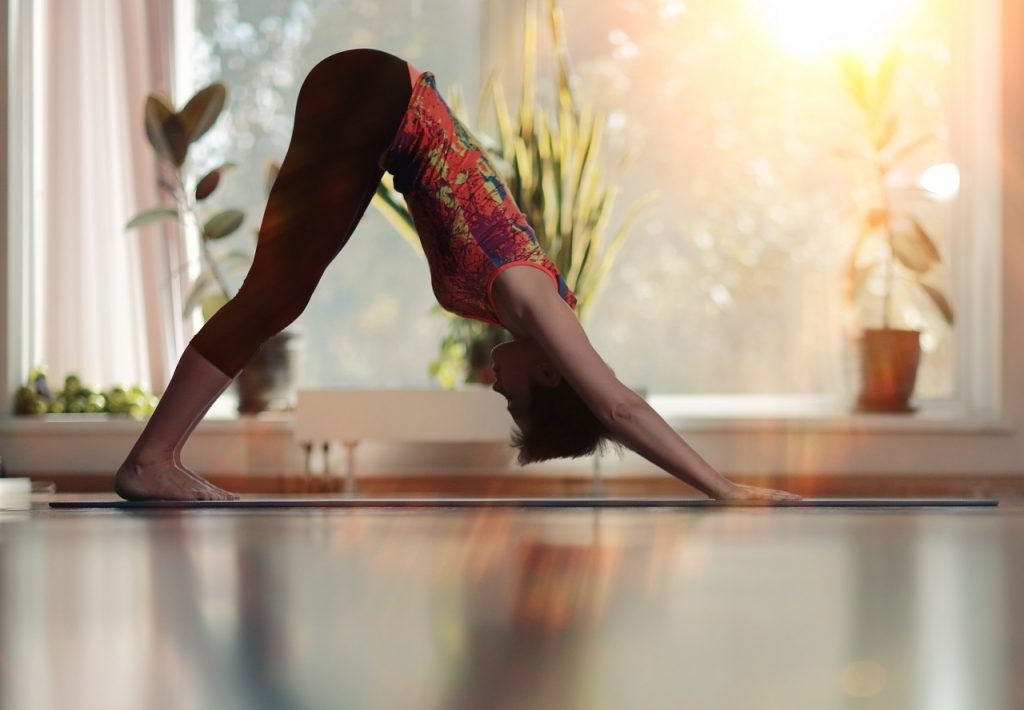
 Picture this: you’re starting your day with a sense of inner calm, strength, and clarity, all thanks to the practice of morning yoga at home. Before we unravel the numerous benefits that come with this enriching practice, let’s first take a moment to delve into the heart of yoga and what it signifies.
What Do You Understand About Yoga?
What is it? Is it a form of exercise? Is it meditation? For me, yoga is a way of life. I believe the whole idea behind it is total discipline. It is physical, mental, intellectual and spiritual development. It helps you balance health from a physical, mental and emotional standpoint.
Benefits of Morning Yoga
You can practice yoga in the morning and night as well, although, morning yoga is the best as it cleanses your mind and body. It energizes all day and keeps you disciplined. Let’s explore the benefits of morning yoga!
- Yoga improves flexibility and posture but it’s much more effective in the morning. The fresh air helps us relax our body and make it more flexible.
- We have more energy in the morning and morning yoga enhances it to last all day. Which means more intensity and focus!
- Setting up a morning practice is beneficial as it creates a ritual – it sets the tone for the day. By practicing morning yoga, there are no distractions or tasks that will get in the way – so no excuses for cancelling your session in the morning.
- That fresh morning air helps you deliver more oxygen to the body, breathe better and cleanses your system naturally.
- It also helps your digestive system as metabolism rate is higher in the morning. It increases digestion and keeps all indigestion problems at bay.
- Morning yoga boosts your brainpower and makes your brain more active to study or work.
- It enhances happiness and positivity as it boosts mental clarity and relaxes you. The release of endorphins that early in the morning make your body a more physically comfortable place to live in.
- Disease-fighting white blood cells in the body are able to do their best when our blood flow and lymphatic system have efficient circulation. By moving in a way that feels good first thing in the morning, we essentially ‘wake up’ all the body’s systems, which enhances the flow of circulation and gives the immune system an immediate boost. Gentle inversions like Viparita Karani, Cow Pose and Child Pose are especially effective for stimulating the immune system.
- As a parent, taking time out for your own well being is difficult. Getting up early and practicing morning yoga puts your health first. Only if you are healthy, can you take care of others. A morning yoga practice is a way to know you’ve done something for yourself that day
- Apart from all of the above, morning yoga regulates your sleep rhythm, balances your hormones and helps you build a healthy and consistent routine.
Asanas You Can Practice
Try these yoga poses daily in the morning to increase blood circulation, enhance and stimulate the immune system, improve body function and strengthen your cells, tissues, glands and organs! Also, these poses will help you beat stress, anxiety and depression.
- Suryanamaskar – for over all body workout
- Jivah Bandh – manages and relieves stress
- Simha Mudra – decreases stress and prepares you to face the day by increasing your willpower.
- Sheetali Pranayama – is a process which can cool the body down and give a feeling of calmness.
- Bhramari Pranayama – is one of the great breathing exercises to release the mind of disturbance, anxiety or frustration and get rid of anger.
- Om Recitation – excellent breathing exercises for meditation. Brings stability of mind and improves memory power
- Shavasana – removes nervousness, adds a sense of presence. Very important to start our day peacefully.
- Tratak Drishti – to increase concentration.
- Anulom Vilom Pranayama – is the best way of balancing the Tri Dosas in our body. Our body gets ill when Tri Dosas are not in balance. Vaat, Pitta and Kaffa are known as the Tri Dosas (Tri means “three” and the meaning of dosas is impurities). All three are the cause of all diseases. So, it is important to balance them. The way to do that is to practice Anulom Vilom Pranayama regularly. It is the simplest and best way for this.
- Kapalbhati Pranayama – generates heat in the system to help dissolve toxins and waste matter. It adds luster and beauty to your face and helps your skin glow!
If yoga is practiced regularly in the morning, it will help you face the day with balance and a practical approach. Ensure that you do not eat at least 2-3 hours before you begin your practice. So try morning yoga and do share your feedback and changes with us in the comments below!
To learn more about Pranayama, read this article: https://goqii.com/blog/pranayama/.
To begin practicing yoga subscribe for LIVE interactive sessions with our Yoga experts on GOQii Pro within the GOQii App.
#BeTheForce
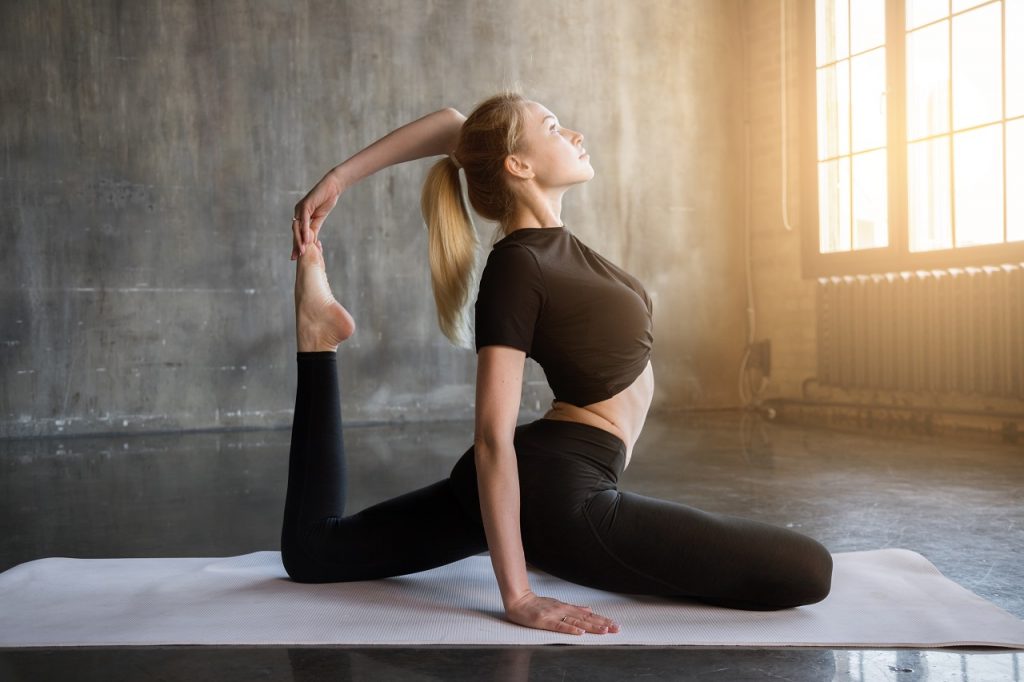 Get ready to boost your immunity and conquer those pesky viral infections! Monsoons and the ever-changing weather can leave us feeling drained and vulnerable to sore throats, colds, and fevers. But fret not! Yoga Therapy comes to the rescue with its comprehensive approach.
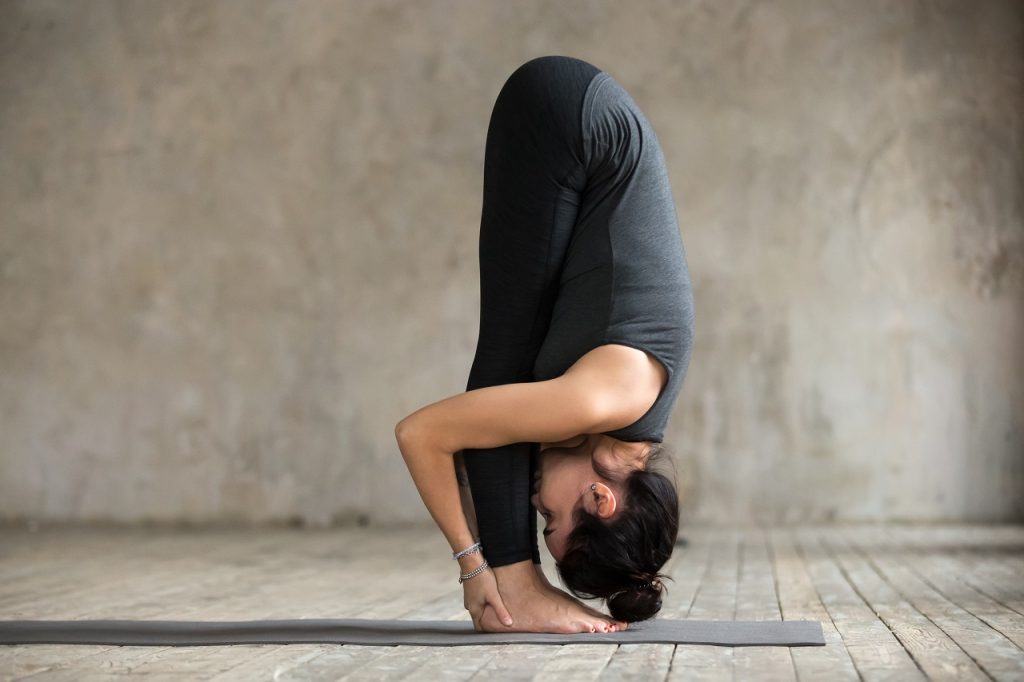 Helps in clearing out the sinus passages, thereby clearing out blockages and allowing for more complete breathing. It invigorates the nervous system and relieves stress and tension.
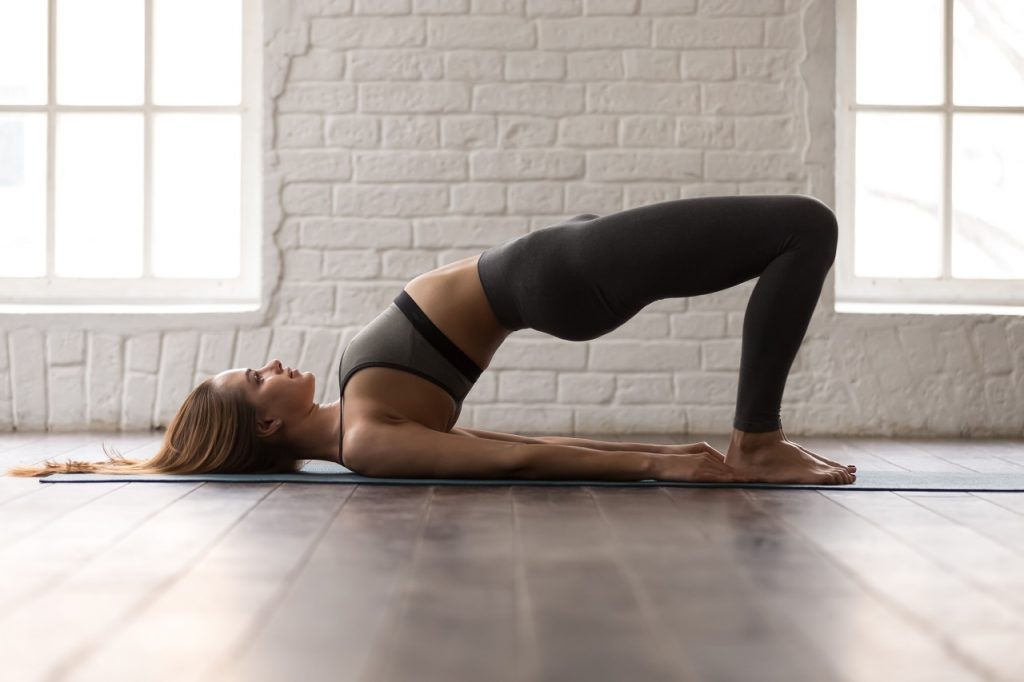 Opens up the chest. It also sends fresh blood to the head, which helps open up the sinuses further. This asana also activates the thymus glands, one of the main organs of the immune system.
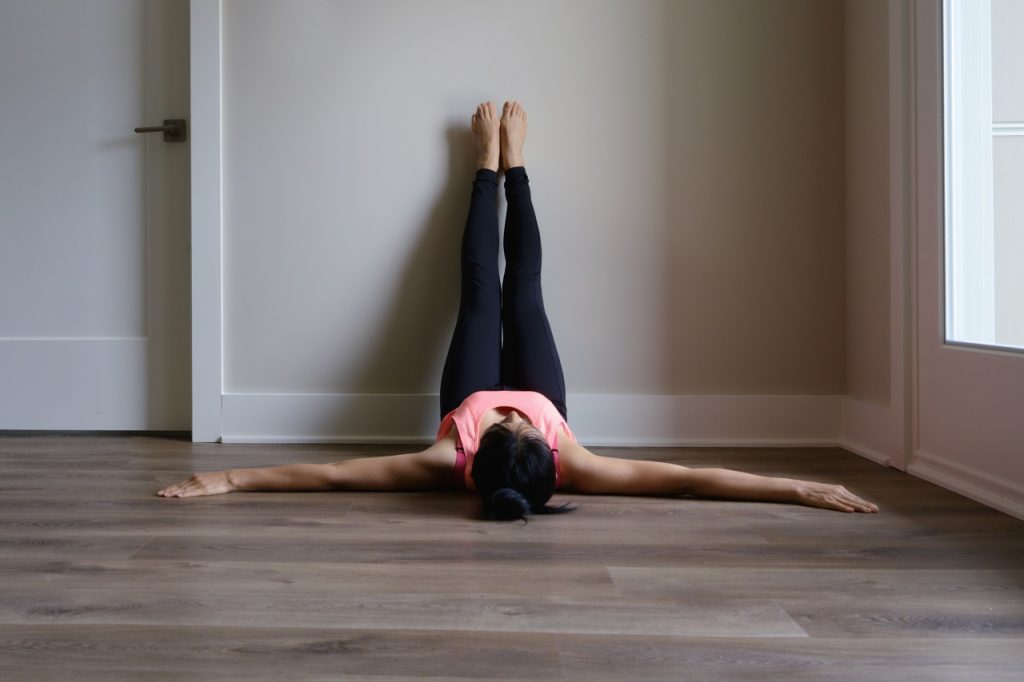 The Legs Up the Wall Pose is a great pose to practice to counter respiratory ailments. When you practice this asana, you might find relief from headaches or backaches that accompany a cold. Practicing this asana calms the mind and makes you strong as your body deals with the cold and helps in reducing fatigue, which usually follows common cold. This asana helps the immune cells to move through your body.
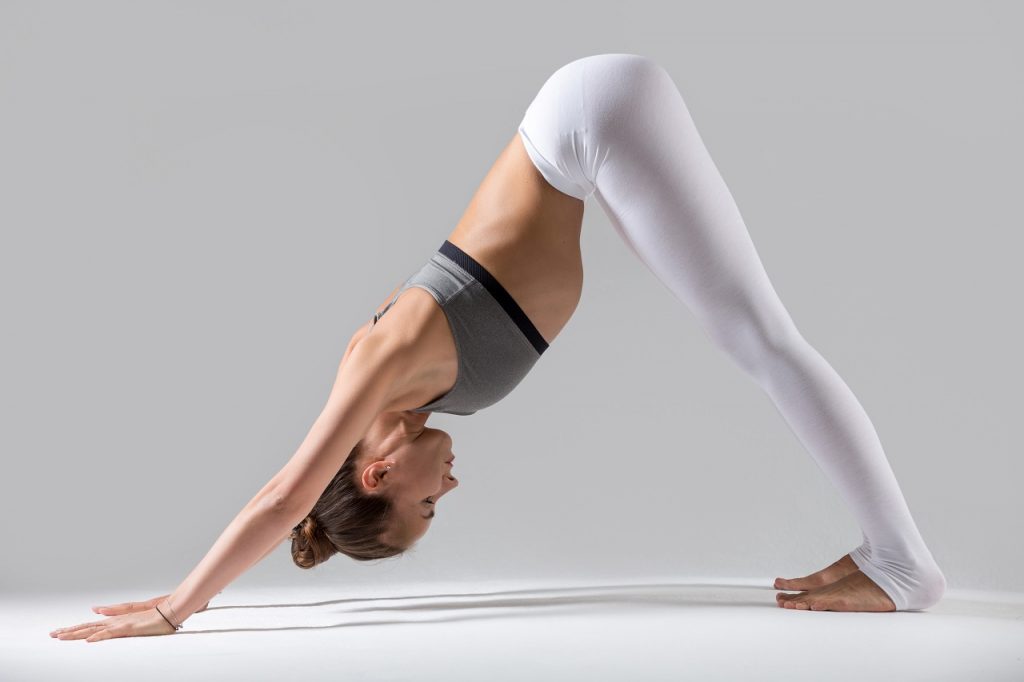 In this asana, your heart is placed higher than the head. There is a reverse pull of gravity that happens when you do that, and this aids in the proper circulation of the lymph and the blood. The mild inversion allows a free flow of white blood cells throughout the body and also helps to drain out the sinuses.
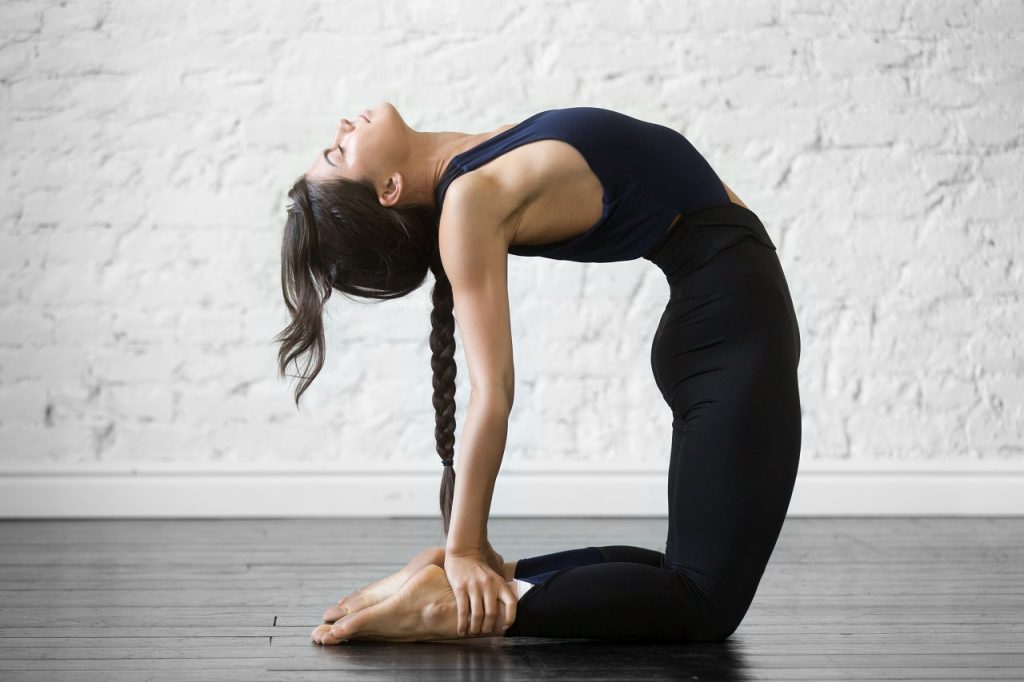 This asana opens up the chest and clears out all the passages. It is essential to try and breathe as much as you can while you are in this pose. This will help open up all the blocked areas that are causing the cold.
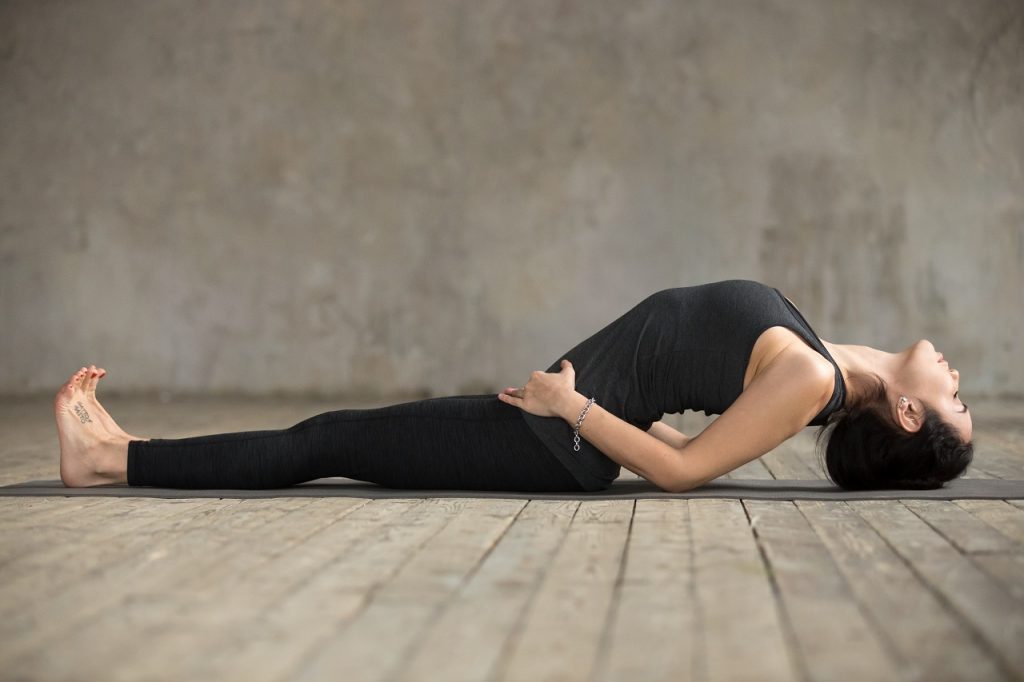 When you assume this asana, your chest is raised and your throat is opened up. This improves your breathing and might help alleviate a cold. During colds, one can support the upper thoracic back with a cushion, bolster, or yoga blocks, aiding optimal recovery.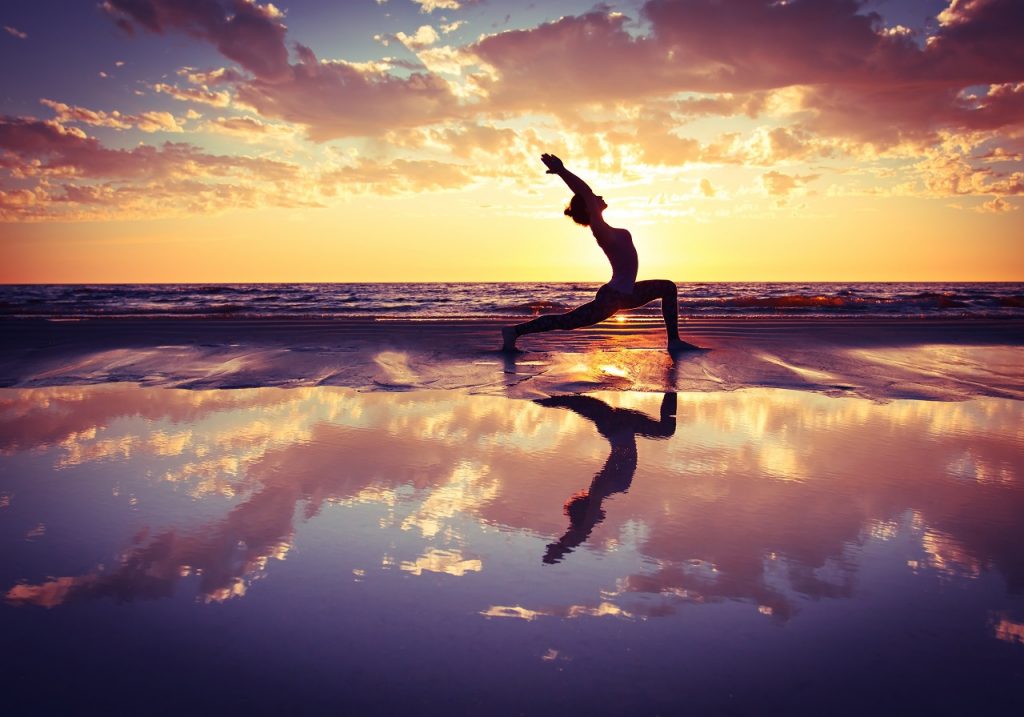
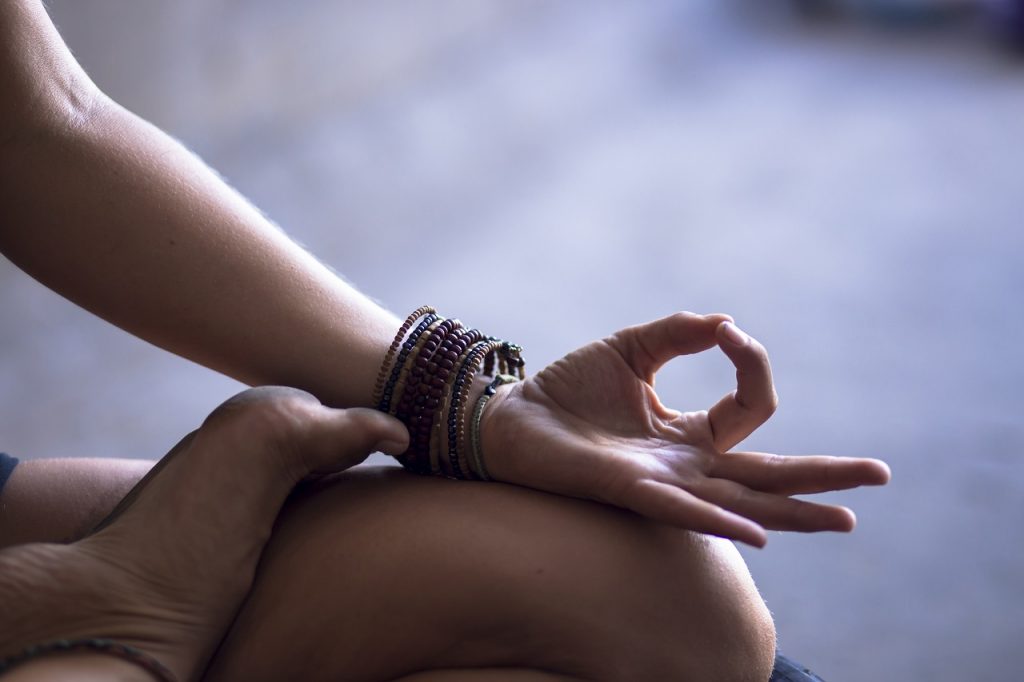 Everyone knows about yoga and the benefits it can bring to your life. This ancient form of exercise started in India and has reached far and wide across the world. Since the pandemic, we’re always looking for new ways to be fit and active, given that health has now become a priority. I have a few ways on how we can be more active during the day and that’s Hand Yoga!
 In this Mudra, the thumb and index finger are touching and form a circle. The other three fingers are stretched casually. The palms are facing upwards. This Hand Yoga Mudra is known as the gesture of knowledge and wisdom. The Index Finger symbolizes the ego that is beaten by the universal wisdom, which is represented by thumb.
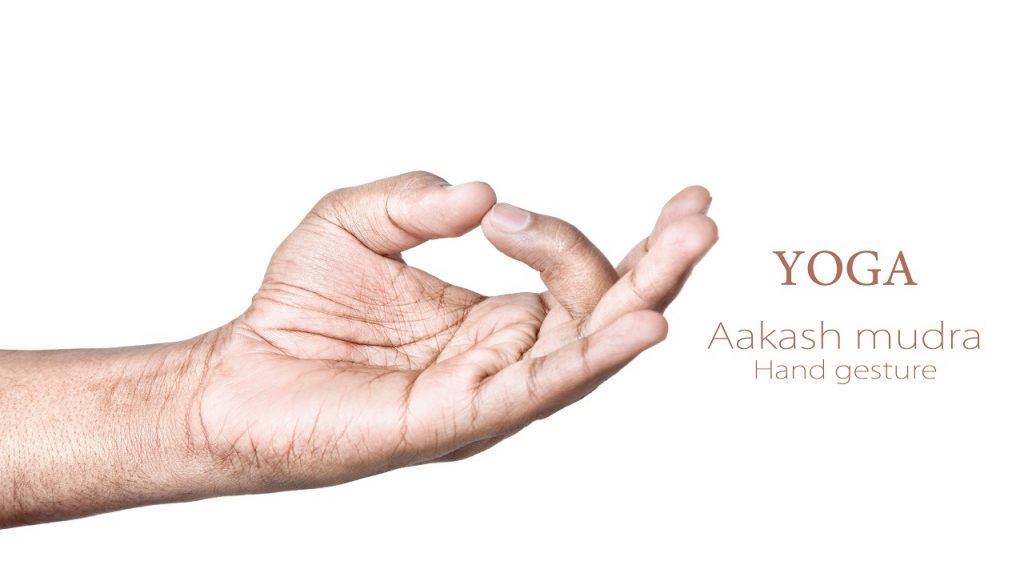 To perform this, the thumb and middle finger are brought together. The other fingers are casually stretching. Aakash stands for the element of room or ether.
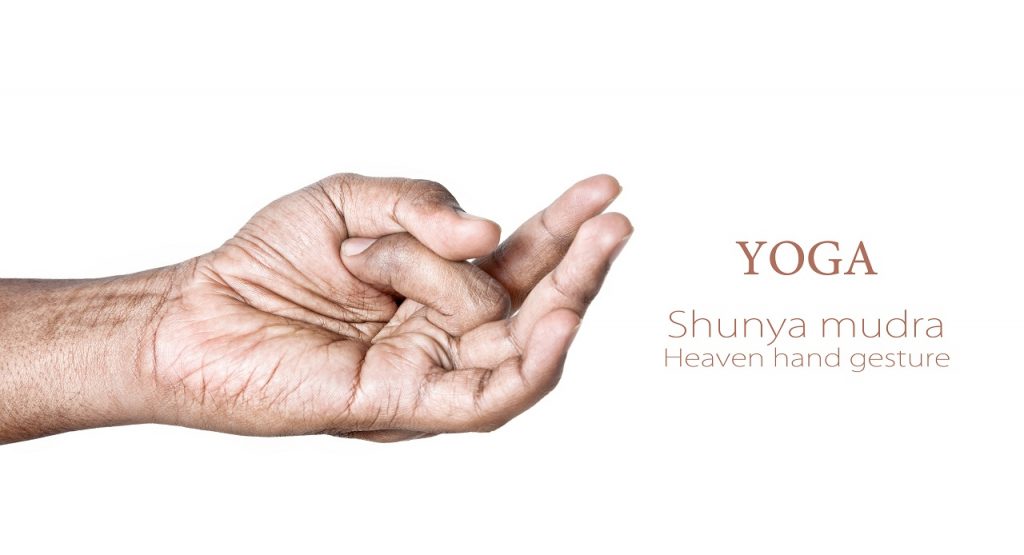 In this Hand Yoga Mudra, you bend your middle finger until it touches the ball below the thumb. The thumb performs light pressure on the middle finger. The other fingers are stretched. Put your hands, palms facing up, on your thighs. Sunya Means “sky” or “zero”.
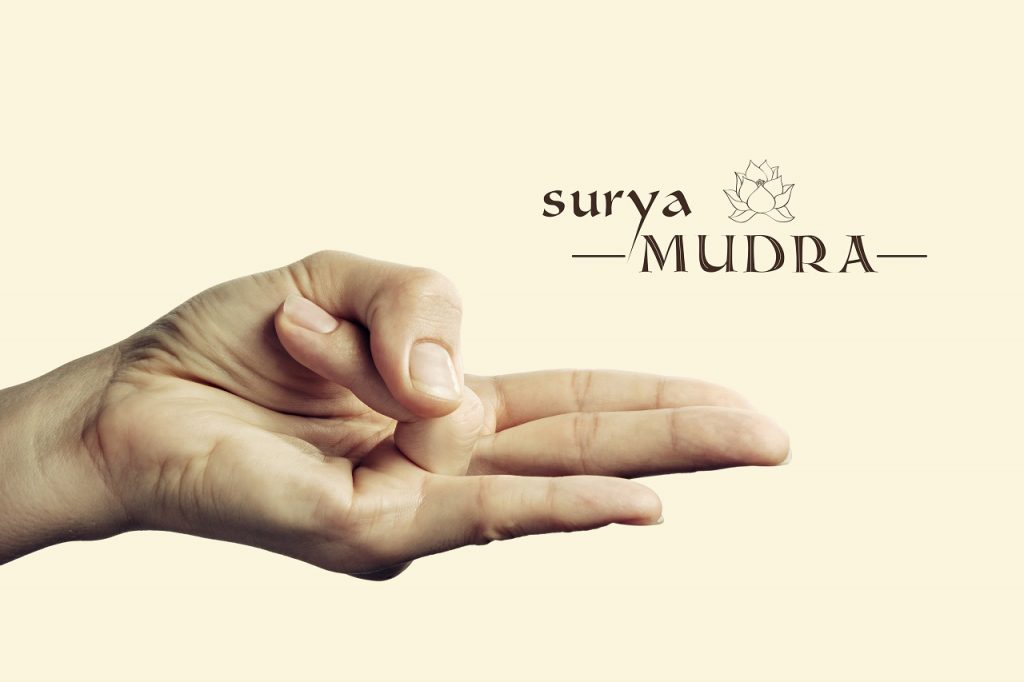 It is formed by folding the ring finger so that it touches the lower end of the thumb. The thumb pushes the ring finger slightly down and other fingers are casually stretched upwards. Surya Mudra activates the fire element of the body.
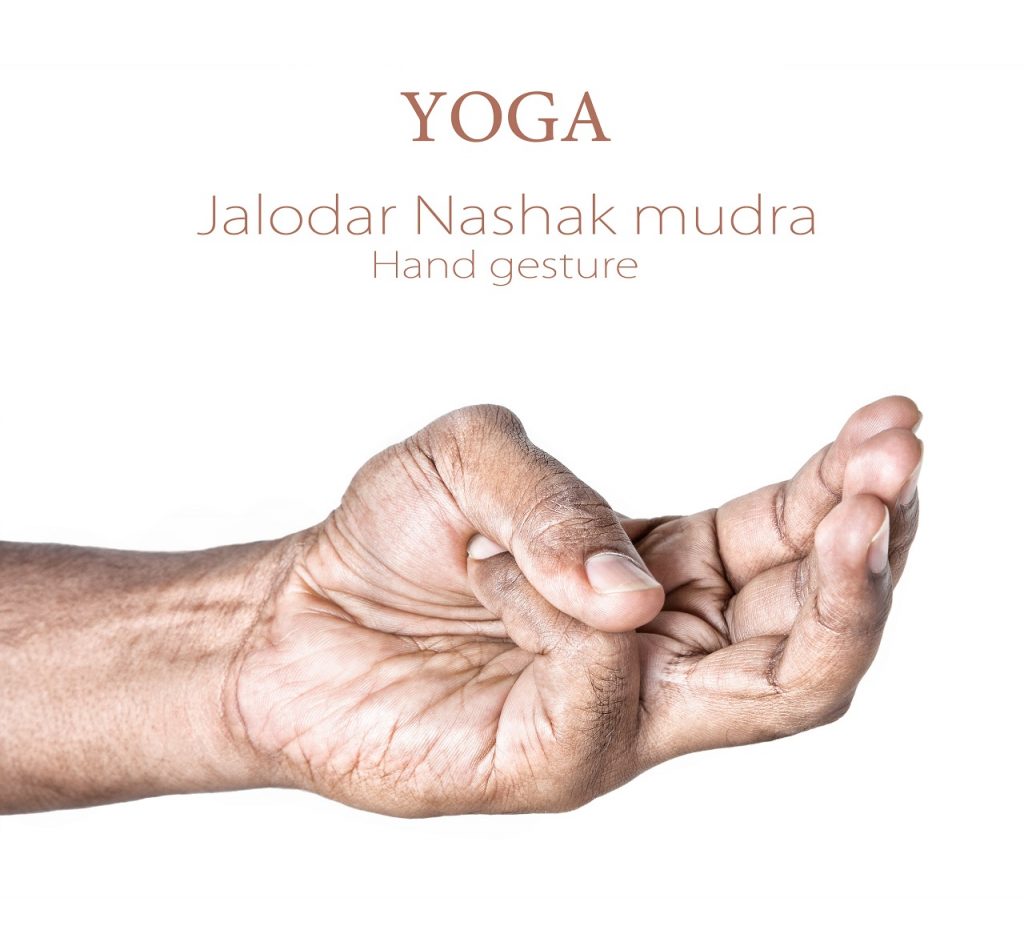 To perform this, the small finger is bent towards the thumb. The thumb pushes the small finger slightly down. The name of this hand gesture (Mudra) is made up of from three words Jal for “water”, Udar for “ stomach”and Nashak for “finish”. The small finger represent the water element.


