GOQii

Blog

  • HOME
  • HEALTHY LIVING
  • FITNESS
  • HEALTHY RECIPES
  • USER STORIES
  • KARMA
  • BUY GOQii

July 12, 2024 By Pradnya Shinde Leave a Comment

Dealing with Bone Problems in Menopause!!

The other day one of my patients who is in her 60s fell while walking and she got a hip fracture. When I asked what the reason for your fracture was? She said it’s my old age. I asked if you would have fallen like this 30 years back, would you have got a fracture? She said No.
As we age, naturally our bones start becoming weaker. But there are certain milestones we need to be aware of. And menopause is one important milestone in women’s life.

The menopause is NOT JUST the end of your period cycle. A lot more changes happen in your body before, during and after menopause. And changes in your bones are very important because bone is NOT JUST a hard and brittle skeleton but it’s a living organ, alive with cells. Bones are constantly renewed. And during menopause women may lose bone mass rapidly for several years.

Why is Bone Health Important During Menopause?

Oestrogen hormone is crucial for bone formation. During menopause, oestrogen levels decrease, leading to rapid bone density loss and increasing the risk of osteoporosis, which weakens bones and heightens fracture risk. Bone loss begins 1-3 years before your last period, accelerating rapidly after menopause and continuing for the next 5-10 years, with an average annual bone density loss of 2%.

What to Check for Osteoporosis Risk?

Be aware of conditions that increase osteoporosis risk, aside from menopause:

  • Low Bone Mass: High risk if you had lower bone mass in your younger years.
  • Early Menopause: Increased risk if menopause occurs before age 45.
  • Lifestyle Factors: Smoking and alcohol use elevate risk.
  • Medications: Taking depression medicine or steroids adds further risk.

Steps for healthy Bone Life

  1. Seek Medical Help: Osteoporosis is often called a silent disease because it has no symptoms until a fracture occurs. Don’t wait for a fracture to find out about your bone health. Talk to your doctor about the need for osteoporosis screening. Hormone treatments can also be used to help manage bone density.
  2. Do Weight-Bearing Exercises: Exercise is crucial in preventing osteoporosis. Weight-bearing activities like walking, running, and lifting weights help strengthen bones. Start with light exercises for about 30 minutes daily and include strength training 2-3 times a week. Activities like brisk walking, cycling, swimming, and controlled dancing can be very beneficial.
  3. Eat Calcium and Vitamin D: 50-70% of your bones are made up of calcium. Vitamin D is essential for calcium absorption. Include dairy products, green leafy vegetables, almonds, fish with bones, and soy in your diet. Exposure to sunlight is the primary source of Vitamin D, but dietary sources include egg yolk, fatty fish like mackerel, salmon, tuna, and fortified foods. If necessary, consult your doctor about supplements.

Additional Tips

  • Quit Smoking: Smoking increases the risk of osteoporosis.
  • Limit Alcohol: Reducing alcohol intake can help protect your bones.
  • Reduce Caffeine: Switch to decaf drinks to minimize the impact of caffeine on bone health.
  • Maintain a Healthy Weight: Both overweight and underweight conditions can increase the risk of osteoporosis.

If you or someone you know is at risk for osteoporosis, it’s crucial to take preventive steps before a fracture affects the quality of life. By following a triangle of exercise, diet, and medical help, you can continue to enjoy activities like hiking, dancing, or playing with your grandkids. Take care of your bone health as soon as possible to avoid osteoporosis from becoming a significant issue in your life. For further information or guidance, reach out to our certified experts by subscribing to GOQii’s Personalised Health Coaching here.

#BeTheForce

Disclaimer: The information provided in this blog is for general awareness and educational purposes only. It is not intended to replace professional medical advice, diagnosis, or treatment. Always consult a qualified healthcare provider for personalised medical guidance or concerns related to your health.

July 8, 2024 By Mitali Ambekar 9 Comments

Should Women Workout During Their Menstrual Cycle?

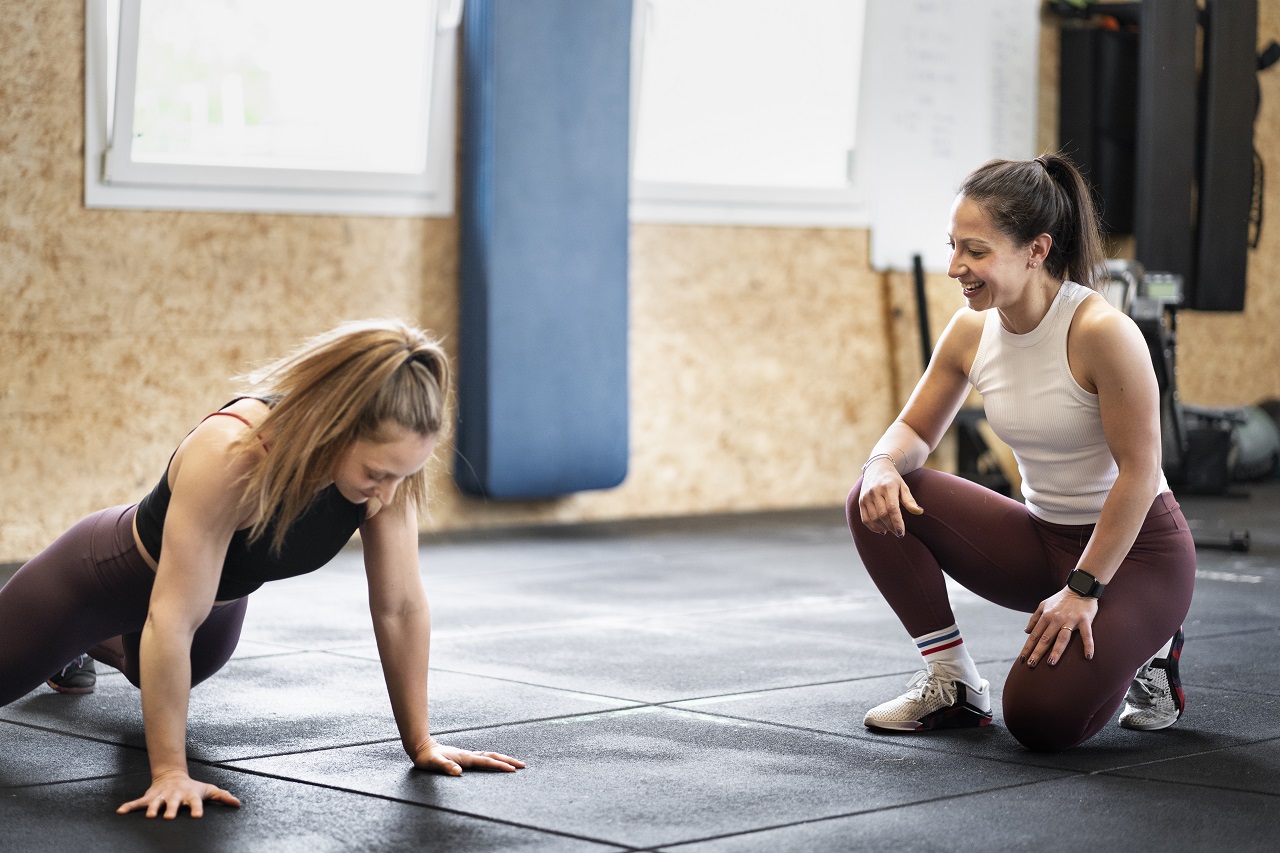
Should Women Workout During Their Menstrual Cycle?Should women workout during their menstrual cycle? It’s a question asked by most women who have either started working out, have been in sports or trekking, etc. How can a woman or girl stop working out for a span of 4-6 days, especially the ones who are active? There could be varied opinions on the same.
How Does Working Out During A Menstrual Cycle Help? 

If we put in a little logic, it does show us that a workout during their menstrual cycle would help women feel better. How is that? In general, when anyone works out, the body tends to release endorphins, the feel-good hormone and makes one feel good and happy. In the case of women, this is especially true, when the other hormones are already making her feel irritated, low on energy and weak during her periods.

Another positive is better circulation and higher metabolism – both of which will make sure that all the processes in the body are working well, thereby also making the woman’s uterine muscles relax, which otherwise are constricted during periods and can be a major cause for cramps. Better circulation can even help in relieving headaches and other small aches, which otherwise happen with iron deficiency during this phase.

Should Women Workout During Their Menstrual Cycle?Having said this, the intensity of workouts should not be very high, it should be low to moderate. Before starting off, you may not feel like doing so but, as you start with a light warm-up such as a slow walk, followed by some stretching, it will make you feel better and thus, take the workout forward slowly and steadily. In fact, light stretching will even help you get rid of congestion in the pelvic area.



When You Should Avoid Working Out

Women, who suffer severe pain and more bleeding should avoid it, as exercise can make them feel weaker and can make it very painful. Again the question pops up, why and how?

During periods, the woman’s Uterus and the veins inside are a little sensitive. Any pressure on it, be it in the form of exercise or any other activity, can cause more pain. Women who already encounter a lot of pain should avoid taking the risk of working out and should rest for 2-3 days and then get back to their routine. Failing to do so can cause more weakness with loss of blood due to excessive bleeding.

Albeit, you can do some light walks, stretching, or yoga. You can try swimming too as it equally helps in feeling fresh, light and helps easing off the pain. As a precautionary step, always remember to eat something before the workouts to get the dash of energy you need to workout.

We hope this article helps you! For more articles on Women’s Health, check out Healthy Reads. You can also download the GOQii App to keep a track of your menstrual cycle or speak to an expert by subscribing for GOQii’s Personalised Health Coaching here.

#BeTheForce

Disclaimer: The information provided in this blog is for general awareness and educational purposes only. It is not intended to replace professional medical advice, diagnosis, or treatment. Always consult a qualified healthcare provider for personalised medical guidance or concerns related to your health.

June 9, 2024 By Geetika Patni 1 Comment

Excercises: Pre-Pregnancy: A good start is half done!

Planning to start a family is a crucial decision, in fact, a life changing one, and preparing yourself well for the most important time of your life, will ensure a healthier you and a healthier baby. If you have made up your mind for the next big move, this blog will give you an insight into the exercise part of this beginning.

A workout routine developed before getting pregnant will help you stay in the healthier BMI range, will help you beat stress through release of the feel-good hormone – endorphins, and will help you sleep better through the night, thus will create an optimal environment for natural conception. Additionally, it will help you sustain a healthy pregnancy and develop your stamina for the rigors of childbirth and recovery, and finally, it will assist you in getting back in shape and to your pre-pregnancy fitness levels!

A good deal eh? So let’s learn how you can plan your exercise regime:

A) If you are a beginner: take it easy and gradually. 20 -30 minutes at a minimum three times a week will be good to go.

  1. Start with a low impact aerobic exercise – walking, dancing, cycling. These will race up your heart and exercise your lungs.
  2. Another good one is Swimming – it will make you feel lighter and work out your whole body without straining your joints.
  3. Relaxing workouts include yoga, which with the right postures will help in toning your reproductive organs too.
  4. A Pilates workout under guidance will help strengthen your core and pelvic muscles.
  5. Weight training under supervision will work out your muscles to prepare them for infant care. Use lighter weights and learn the correct training technique, but remember weight training is to be avoided during pregnancy.
  6. Practice exercises for pregnancy and active labor – these will include squatting, lunges, pelvic floor exercises, and breathing exercises. Starting to do them now will make it easier to continue after the big news.

B) If you are a pro: you are doing one of the best jobs for yourself and your fertility. But like with every other good thing, too much of it can still do more harm than good when you are trying to conceive. This is so because exercises are considered as a stress to the system and the body shuts down its reproductive functions in stressful events. Moreover, workouts are linked to changes in a woman’s hormonal system that may interfere with implantation of a fertilized egg. Then, is it fine for a man to exercise intensely during pre-conception phase? No actually not. The male partner must also re-evaluate his workouts and dial down the intensity of his routine so as to avoid the risk of decreasing his sperm counts (which happens due to excessive heat generation during exercises).

Now the question is when do you draw the line?

Well, it will depend on your BMI

#If you fall in overweight BMI range (>27), there is no reason to tone down your exercises, since obesity impairs fertility more than excessive exercising.

#If you fall in normal weight BMI range, bring down your workout intensity from vigorous to moderate. Like if you are running, start jogging and avoid vigorous gymnastics, aerobics, cycling and even swimming. Make them more leisurely so that you are not devoting more than 5 hours a week to these workouts.

#If you fall in underweight BMI range (<18), check your workout intensity and lighten it again so that along with good nutrition, you can soon move up to healthy weight range for early conception.

Now a word of caution for Female Athletes- if your form of exercise (including power yoga) is above moderate and leaves you extremely weak, winded, and gasping for breath or alters your menstrual cycles, then it’s time to tone down the frequency, pace, and duration of your workouts. This surely doesn’t mean you can’t run/cycle or must leave your weight lifting career for making a baby, but then, of course, this won’t be the ideal time to prepare for a marathon/triathlon or for buffing up for an upcoming championship.

Furthermore, certain contact Sports like Judo, Karate, Football etc., which may cause sudden jolts/falls and abdominal punching, may become unsuitable when you eventually fall pregnant. So trying now to hone your skills in them or, for that matter, in activities like downhill skiing, horseback riding, scuba diving, mountain biking etc., may not be useful. Save them for your post pregnancy to do list!

Lastly, a well-rounded preparation consists of other factors too. So a wholesome diet, folate supplements, sound sleep, no alcohol/smoking, avoiding caffeine and reducing stress will form a crucial foundation of your prenatal preparation along with, as I mentioned above, EXERCISING regularly.

Hope you find this article useful and that it answers all your questions regarding exercises before your Big Fat Positive. Take care and I’ll see you in the next chapter of Pregnancy! For further information or guidance, reach out to our certified experts by subscribing to GOQii’s Personalised Health Coaching here.

#BeTheForce

May 16, 2024 By Dr Darshana Salve 2 Comments

Navigating Pregnancy: A Journey of Transformation

PREGNANT-women

Seeing two pink lines (positive) on the pregnancy test strip and confirming the pregnancy after the doctor’s visit knew no boundaries to their happiness.

But, with each passing week of the pregnancy came not only new excitement but, also doubts whether the changes taking place inside the body were normal or not.

Here’s an insight into Pregnancy.

The entire pregnancy is about 38 weeks plus minus 7 days. If the baby is born before 37 weeks then it is a pre-term delivery whereas if the delivery happens after 42 weeks then it is called a post-term delivery.

Pregnancy is divided into 3 trimesters and each trimester is 3 months.

The first trimester is the most crucial to your baby’s development. During this period, your baby’s body structure and organ systems develop. Most miscarriages and birth defects occur during this period. Inculcating a healthy lifestyle during this period is very important as the foetus depends on its mother for nourishment. During this period have a balanced diet, compromised of proteins, carbohydrates, fats, vitamins and minerals. Make sure you include Folic acid tablets which are essential for normal brain development of the baby.

In this period the expectant mother may not put on weight, rather she may lose some due to morning sickness. She needs 300-350 calories more than her normal requirement during this period. Do not stop eating because you feel nauseated but, try and include foods that you like and that are light on your stomach. Proper diet and exercise ensures foetal health and growth.

 Physical changes that normally occur during the First Trimester (1-3 months).

– Nausea (morning sickness) with or without vomiting
– Increased frequency of urination
– Food cravings
– Breast heaviness and darkening of the areola
– Constipation, gases or heartburn
– Occasional headaches
– Fetal heart sounds can be heard during the Sonography by the 5th week of pregnancy.

Emotional changes

– Happiness, euphoria, fear or irritability
– Frequent mood swings
– Confused mental state if the pregnancy was unplanned

The Second trimester

The Second trimester of pregnancy is often called the “golden period” because many of the unpleasant effects of early pregnancy disappear. During the second trimester, you’re likely to experience decreased nausea, better sleep patterns, and increased energy levels. You need to supplement with Iron and Calcium tablets as prescribed by your Doctor.

Physical changes that normally occur during Second Trimester (3-6 months).

– Decreased nausea and vomiting and increased appetite
– Fatigue and giddiness
– Constipation and bloating
– White discharge from the vagina
– Mild swelling of ankles and feet and leg cramps
– Weight gain 4-6 kgs
– Lower abdomen and back discomfort
– Darkening of skin and stretch marks on tummy

Emotional changes

– Joy of looking pregnant due to enlarging tummy
– Excitement about feeling the fetal movements.

It is advisable to get the Anomaly Scan by the 20th week of pregnancy to check if there are any congenital defects in the baby like Down’s syndrome, cleft lip or palate and heart and spine abnormalities.

Along with the Anomaly scan, if the Mother is less than 30 years of age then the Double Marker blood test is recommended and if she is more than 30 years of age then the Triple Marker test is recommended which is used for detecting chromosomal abnormalities that might occur after the conception. 1 in 700 births can have chromosomal abnormalities.

You have now reached your final stretch of pregnancy and are probably very excited and anxious at the same time for the birth of your baby. Some of the physical symptoms you may experience during this period include;

– Large, itchy abdomen and breasts with protruding umbilicus (navel)
– Gentle uterine contractions (Braxton Hicks Contractions) (false labor)
– Leaking of breast milk from the nipples
– Shortness of breath
– Difficulty in sleeping
– Increased constipation and occasionally piles
– Increased in foetal activity (kicking)
– Fatigue and breathing difficulty

Emotional changes

– Anxiety about labour and baby care
– Excitement about shopping for baby and preparing for the baby nursery
– Irritability and impatience about reaching the due date
– “Nesting instinct” – Nesting is the act of preparing your home (cleaning, stockpiling and organizing) for your baby’s arrival

How do you know you are in labour?

  1. Blood tinged or brownish vaginal discharge
  2. Diarrhoea
  3. Fluid gushing or leaking from the vagina means the membranes of the amniotic sac that surrounded and protected the baby have ruptured
  4. More frequent and intense painful Contractions.

Look out for these signs and know that your baby is on its way. Contact your Doctor and prepare for the delivery. Labour can be absolutely exhausting extending anywhere between 12 to 36 hours but, always remember the end result is the joy of holding your precious baby in your arms and knowing that this is your perfect creation. It’s not the end but the beginning of a beautiful journey.

We hope this article helps you. For further information or guidance, reach out to our certified experts by subscribing to GOQii’s Personalised Health Coaching here.

#BeTheForce 

  • « Previous Page
  • 1
  • 2
  • 3
  • 4
  • 5
  • 6
  • …
  • 13
  • Next Page »

Search

Recent Posts

  • Navigating the Maze of Nutrition: Finding Clarity Amidst Confusion
  • Get children active and keep them healthy
  • What Gestational Diabetes Can Do To You & Your Unborn Child
  • Breathing – A Forgotten Art
  • The Incredible Benefits Of Milk You Might Not Know

Stay Updated

Archives

  • December 2025 (3)
  • November 2025 (15)
  • October 2025 (20)
  • September 2025 (6)
  • August 2025 (6)
  • July 2025 (12)
  • June 2025 (18)
  • May 2025 (16)
  • April 2025 (23)
  • March 2025 (23)
  • February 2025 (22)
  • January 2025 (26)
  • December 2024 (26)
  • November 2024 (25)
  • October 2024 (22)
  • September 2024 (24)
  • August 2024 (31)
  • July 2024 (21)
  • June 2024 (26)
  • May 2024 (31)
  • April 2024 (27)
  • March 2024 (29)
  • February 2024 (26)
  • January 2024 (25)
  • December 2023 (15)
  • November 2023 (11)
  • October 2023 (22)
  • September 2023 (22)
  • August 2023 (20)
  • July 2023 (22)
  • June 2023 (24)
  • May 2023 (24)
  • April 2023 (24)
  • March 2023 (23)
  • February 2023 (20)
  • January 2023 (16)
  • December 2022 (12)
  • November 2022 (15)
  • October 2022 (15)
  • September 2022 (12)
  • August 2022 (10)
  • July 2022 (17)
  • June 2022 (11)
  • May 2022 (10)
  • April 2022 (6)
  • March 2022 (6)
  • February 2022 (13)
  • January 2022 (12)
  • December 2021 (7)
  • November 2021 (3)
  • October 2021 (6)
  • September 2021 (3)
  • August 2021 (8)
  • July 2021 (7)
  • June 2021 (15)
  • May 2021 (16)
  • April 2021 (10)
  • March 2021 (7)
  • February 2021 (4)
  • January 2021 (4)
  • December 2020 (3)
  • November 2020 (4)
  • October 2020 (10)
  • September 2020 (3)
  • August 2020 (3)
  • July 2020 (2)
  • June 2020 (4)
  • May 2020 (10)
  • April 2020 (12)
  • March 2020 (10)
  • February 2020 (4)
  • January 2020 (4)
  • December 2019 (3)
  • November 2019 (7)
  • October 2019 (5)
  • September 2019 (4)
  • August 2019 (9)
  • July 2019 (9)
  • June 2019 (11)
  • May 2019 (4)
  • April 2019 (9)
  • March 2019 (8)
  • February 2019 (9)
  • January 2019 (8)
  • December 2018 (9)
  • November 2018 (3)
  • October 2018 (3)
  • September 2018 (5)
  • August 2018 (10)
  • July 2018 (6)
  • June 2018 (13)
  • May 2018 (8)
  • April 2018 (18)
  • March 2018 (9)
  • February 2018 (8)
  • January 2018 (15)
  • December 2017 (12)
  • November 2017 (19)
  • October 2017 (13)
  • September 2017 (15)
  • August 2017 (4)
  • July 2017 (8)
  • June 2017 (7)
  • May 2017 (6)
  • April 2017 (8)
  • March 2017 (6)
  • February 2017 (7)
  • January 2017 (9)
  • December 2016 (10)
  • November 2016 (7)
  • October 2016 (7)
  • September 2016 (7)
  • August 2016 (11)
  • July 2016 (9)
  • June 2016 (9)
  • May 2016 (12)
  • April 2016 (17)
  • March 2016 (17)
  • February 2016 (8)
  • January 2016 (6)
  • December 2015 (2)
  • November 2015 (9)
  • October 2015 (7)
  • September 2015 (9)
  • August 2015 (11)
  • July 2015 (9)
  • June 2015 (12)
  • May 2015 (9)
  • April 2015 (13)
  • March 2015 (8)
  • February 2015 (5)
  • January 2015 (12)
  • December 2014 (14)
  • November 2014 (11)
  • October 2014 (6)
  • September 2014 (13)
  • August 2014 (12)
  • July 2014 (6)
  • June 2014 (2)
  • May 2014 (7)
  • April 2014 (5)

From “Laddu Nawin” to Fit and Fierce: How a 25-Year-Old Insurance Advisor Shed 20 Kilos and Gained His Life Back

When 25-year-old Nawin Yadav from Hyderabad walked into his office every morning, he carried more than just his files and policy papers. He had the weight of fatigue, sluggish energy, and an ever-growing belly that was becoming the butt of jokes. “People … [Read More...]

“I’ve Challenged Myself to Live 100 Years” – The Story of Chandubhai Savani’s Second Chance at Life

At 67, most people start slowing down. Not Chandubhai Savani. A resident of Surat, Chandubhai, thought life was on track. “My life was going well till I had my bypass surgery,” he says. That surgery, back in 2021, was a wake-up call.  Medication was routine, but exercise wasn’t. His diet? What he calls ‘normal.’ “I […]

From Shimla’s Slopes to Chandigarh’s Sidewalks: Surinder Kaur Bhalla’s Journey from Chaos to Control

Some journeys start with a plan. Others begin with a stumble literally. Surinder Bhalla, a government professional, born and raised in the scenic hill town of Shimla, had always lived a life of movement. “In Shimla, you walked everywhere,” she reflects. “Walking was never an exercise. It was just life.” But after shifting to Chandigarh, […]

Ananda Mukherjee Health Story

From Terminal Illness To Complete Wellness! Ananda Mukherjee Health Story

As we observe World Cancer Day under the powerful theme ‘United by Unique’ (2025-2027)**, we are reminded that every individual’s journey with cancer is distinct, yet united by shared resilience, hope, and the collective fight against this disease. This theme places people at the centre of care and their stories at the heart of the […]

  • HOME
  • HEALTHY LIVING
  • FITNESS
  • HEALTHY RECIPES
  • USER STORIES
  • KARMA
  • BUY GOQii

Copyright ©2016 GOQii