GOQii

Blog

  • HOME
  • HEALTHY LIVING
  • FITNESS
  • HEALTHY RECIPES
  • USER STORIES
  • KARMA
  • BUY GOQii

July 30, 2015 By Payal Choudhury Leave a Comment

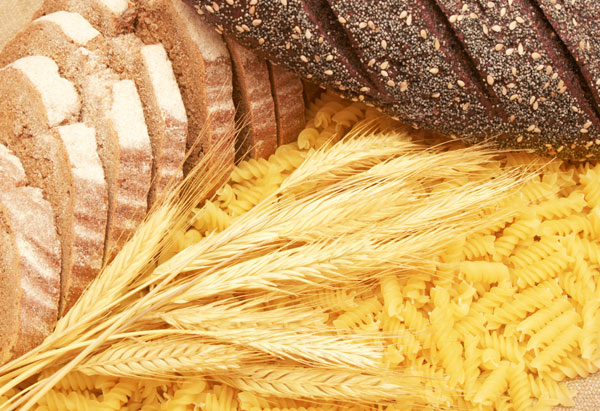
Carbohydrates-“Your diet’s fuel”

carbohydrate-diet-plan

The way carbohydrates are demonized today, it’s no wonder that so many people actually fear eating them. I used to be one of them. As a recovering “carb-o-phobe,” I’m now on the flip side and advocate eating complex carbohydrates for optimal nutrition.

Carbohydrates are nutrients that act as a good source of energy for our body. It is made up of sugar, starch and cellulose and it contains hydrogen and oxygen in the ratio 2:1which is the same as that of water. Although carbohydrates can be digested a lot easier than fats or proteins, they aren’t considered indispensable for the body.

While some carbohydrates make us healthy, others can be harmful to our health, if taken in excess quantities. For example, certain carbohydrates increase the risk of diabetes and heart ailments. So why are certain carbohydrates are beneficial and others adversely affect our health?…We need to go deeper and learn about the different forms of carbohydrates.

There are many forms of carbohydrates, but the three common forms are sugars, starches, and fibres. The basic unit of all carbohydrates is a sugar molecule. Then there are simple and complex carbohydrates. While sugars are simple carbohydrates, starches and fibres are classified as complex.

We generally consume simple and complex carbs. To understand what they are about, we’ll look at the list of carbohydrate rich foods and all that is essential for.

Simple carbohydrates are sugars composed of monosaccharide (single sugar molecules) or disaccharides (two joined sugar molecules) such as glucose, sucrose, lactose, and fructose. This category of carbohydrates is best found in fresh fruits.

On the other hand, however, there is another grade of foods that contain simple carbohydrates. This class of foods is processed foods. The trouble with these foods is that they provide energy and calories in abundance. It is for this reason that these high-calorie products must be kept away. Apart from that, simple carbohydrates that the body obtains from natural foods are also easier to digest than those obtained from processed foods.

Simple carbohydrates contain one or two sugar molecules linked together and are digested or broken down into glucose faster, because the bonds in these small molecules are easily accessible to the enzymes of the digestive tract. Hence, these carbohydrates are readily absorbed.

Complex carbohydrate:

Complex carbohydrates (or polysaccharides) are made up of three or more sugar molecules that are bound together. Since these carbohydrates get digested slowly, they release sugar into the system very gradually, thus allowing the body a consistent level of energy.

Often referred to as starch, foods that contain these complex carbohydrates are a great source of vitamins, minerals, and fibres. The old belief that starch is bad for the body is rapidly dying, because starches by themselves contain only 4 calories per gram, while fat contains 9 calories per gram. Also, the advantage with complex carbohydrates is that they fill you up quicker, thus allowing a reduced intake of food, which very simply leads to a reduced calorie intake.

In addition, refined carbohydrates may contain hydrogenated vegetable oils, additional fat, and processed sugars. Eating refined carbohydrates like a cookie in the morning will neither give you the energy nor give you the nutrition to maintain a balanced body.

Benefits of simple sugars:

Eating sugar gives you immediate access to fuel. There are times when this is an advantage. When the level of sugar in your blood drops, you may feel sluggish or even ill. Eating a simple carbohydrate, such as a fruit, may raise your blood sugar and give you the burst you need.

Simple carbohydrates may have the advantage over complex when it comes to preparing for exercise. Before a training session, race or game, many athletes eat a large amount of carbohydrate to provide energy. So before any workout, simple carbohydrates are your best choice. Due to the fact that they’re digested more quickly, simple carbohydrates are good for athletes who need short bursts of energy, as opposed to endurance athletes who need longer-term energy from slow-digesting carbohydrates. Examples of pre-workout meals that contain simple carbs are bananas with honey, low-fat yogurt with jelly or chocolate milk.

Complex Sugars:

There a number benefits of eating more complex carbohydrates, so it might be necessary to make some switches. Here are some examples of easy substitutions:

  • Instead of white bread and pasta, switch to whole grain bread and pasta (if the switch is intimidating at first, try mixing half whole grain and half white when making your pastas).
  • Instead of munching on chips, try raw vegetables.
  • Instead of rice, try eating more beans as a base for dishes.

Also diets rich in fibre help to keep us ‘regular’ which also promotes greater intestinal health and, in turn, helps to guard against a number of illnesses including colorectal cancer. Immunity is strengthened. It contributes to Energy, Digestion, Metabolism, Sleep, Filling fibre, Brain function, and Nervous system function.

Well, to distinguish simple and complex carbohydrates and how they are processed by the body, one might think that foods containing complex carbohydrates are actually healthier than those that have simple carbohydrates. However, this is not always true. Rice is rich in starch which is a complex carbohydrate, while fruits contain fructose which is a simple sugar. But we all know that between the two, fruits are a better option when it comes to eating healthy.

Thus, we see that not all carbohydrates are bad. In fact, a balanced diet that has a fair share of carbohydrates, is essential for a healthy you. So let go of your carbohydrate fears and feel good about including some of these foods and reap the benefits that good carbohydrates have to offer.


June 15, 2015 By Payal Choudhury 3 Comments

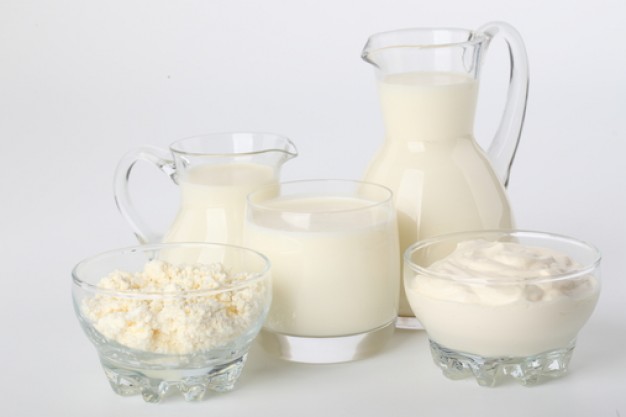
A “ Delight Touch- Dairy foods”


Diary Products

“Milk”, just the word itself sounds comforting!

The entire world of food and especially that of milk is surrounded with emotional and cultural importance. Milk was our very first food. Now, we are a nation of milk drinkers with nearly all of us, infants, the adolescents, adults and even the aged have at least a glass of milk daily.

Milk is often regarded as being nature’s most complete food. It earns this reputation by providing many of the nutrients which are essential for the growth of the human body. Being an excellent source of protein and having an abundance of vitamins and minerals, particularly calcium, milk can make a positive contribution to one’s health as a whole.

Healthy eating is a top priority for many individuals. People eat food, not nutrients – however the combination and amount of nutrients in the foods we eat can greatly affect our health. A healthy, balanced diet is essential in optimising health and reducing the risk of disease.

ROLE OF DAIRY PRODUCTS:

Making simple alterations to our diet and lifestyle can impact our bodies greatly and our long term health.

A healthy, balanced diet or as we call the ‘Food Guide Pyramid’ is made up of five main food groups and milk and dairy foods are one of these.

Dairy is the term used to describe milk-based or milk-related products. The dairy foods milk, cheese and yogurt are a natural source of nutrients such as protein and calcium and they provide a quick and easy way of supplying these nutrients to the diet within relatively few calories.

Incorporating milk, cheese and yogurt into our daily diet can contribute greatly to our nutritional intake and status.

Milk, cheese and yogurt provide the following beneficial nutrients in varying quantities

Calcium – for healthy bones and teeth

Phosphorous – for energy release

Magnesium – for muscle function

Protein – for growth and repair

Vitamin B12 – for production of healthy cells

Vitamin A – for good eyesight and immune function

Zinc – for immune function

Riboflavin – for healthy skin

Folate – for production of healthy cells

Vitamin C – for formation of healthy connective tissues.

Iodine – for regulation of the body’s rate of metabolism (how quickly the body burns energy and the rate of growth

1 glass of milk alone can make a contribution to the daily recommended intake of many important nutrients for all age groups.

Consumption of dairy products has also been associated with numerous health benefits including the following:

Bone health

-Dairy products provide calcium, which is essential for bone growth and development..

Teeth

-Dairy products contain calcium and other tooth friendly nutrients, which help teeth, grow and keep them healthy.

It is the only drink -excluding water which is recommended by dentists to be safe to consume between meals. Milk and cheese are very beneficial for weaning babies and young children as they not only provide many of the nutrients required for general growth and development, but also offer good levels of the specific nutrients needed to ensure development and maintenance of healthy teeth

No Obesity:

Milk is also not a high fat product. Whole milk contains 4% fat, semi-skimmed milk contains 1.7% fat, 1% fat milk contains 1% fat and skimmed milk contains 0.3% fat.

Reduce Blood Pressure

Dairy products help reduce blood pressure. A diet containing fruit and vegetables, low-fat dairy products and low salt helps reduce blood pressure (Dietary Approaches to Stop Hypertension: DASH diet).

The potassium, magnesium and calcium found in dairy products are all linked to healthy blood pressure.

Cardiovascular disease

Consumption of milk and dairy has also been associated with a reduced risk of suffering a heart attack-

Type 2 diabetes

Consumption of low fat dairy products has been linked to a reduced risk of developing type 2 diabetes.

Hydration

Regular fluid intake throughout the day is essential to be well hydrated. Dietetic experts recommend drinking 6-8 glasses of fluid per day. As milk contains a high percentage of water, it is a useful vehicle for rehydration.

Eating habits

People who consume dairy products have better intake of nutrients than people who do not consume dairy products. Introducing dairy products at an early age helps establish good eating habits for later in life.

Dairy products, such as milk, yogurt, cheese and cottage cheese, contain essential nutrients and may offer health benefits. Dairy products are high in calcium and vitamin D, both of which help to maintain strong bones and teeth. Dairy products also contain potassium, which offers heart protection and may help to lower blood pressure. In addition, dairy products are high in muscle-building proteins.

Here is a list some of the available dairy products in the market.

  1. Butter
  2. Ghee
  3. Curd
  4. Cheese
  5. Cottage cheese
  6. Cream
  7. Buttermilk
  8. Lassi
  9. Condensed milk
  10. Processed milk powder.
  11. Ice-creams. And many more.

Well, a lot of variations and innovations can be incorporated with few of these items in our day to day life which eventually will enhance our lifestyle .We can split its intake in our daily meals, with a controlled portion size.

Our breakfast which ideally should be “king size” can comprise of many different variations of dairy products so as to remove the boredom and also from nutritional point of view.

Few examples of dairy products which can be introduced in breakfast are: Porridge, cottage cheese pancakes, scrambled cheese, whole wheat cottage cheese naan, cheese dosa whole wheat toast with butter, whole wheat vegetable cheese sandwiches, cheese omlette.etc.

For mid-mornings we can include buttermilk or lassi or low-fat cream mixed with fruits (lesser the amount of cream.)

Well for our main meals, we have abundant options. We can include paneer both (home-made and processed) prepared in various forms. Right from sauté paneer to traditional style, from Chinese to sizzlers.

Next we have the most credited options, that is “raita”. A  combination of curd with different vegetables or fruits (with or without seasoning). Preferably unflavoured curds are the best.

We can also make different recipes of curd –fruit salad. .

Another variety is ghee-which is widely used in Indian cuisine. A slight dash of it enhances the flavour and aroma of any vegetarian and non-vegetarian food.

Dairy products are cherished by the health organizations as an essential food for bone health. But, not all dairy products are the same. Essential is the sugar content in it.

However, our health and vitality depends not only on how much dairy products we consume but, also important is their quality. Like the old Indian adage goes, ‘you are what you eat’.

June 1, 2015 By Vrushali Athavle 1 Comment

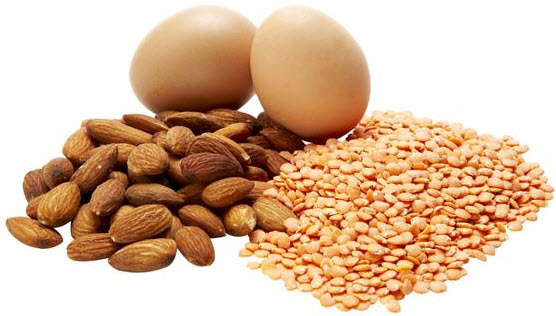
Protein is not just about quantity. It’s also about quality

protien-rich-foods
Every weight loss or weight gain programme talks about PROTEINS. They are the building blocks for growth and repair of muscle tissues of tendons, organs and skin. Proteins are made out of smaller molecules called amino acids which are linked together like beads on a string.

Some of these amino acids can be produced by the body and are called non essential amino acids, while some cannot be produced by the body and we need to get them from our foods. These are called the essential amino acids.

The protein requirement of each individual varies based on their intensity of workouts, medical conditions, height and ideal body weight.  Before, we jump into the calculation of protein requirement, let’s first check out how to select the best protein out of the 3 major sources of proteins namely 1) Animal sources (chicken, fish, eggs, milk & milk products), 2) Plant sources (legumes, nuts, seeds and cereals) and 3) various Supplementary protein powders available in the market as protein shakes. This blog basically has two sections.

1) Protein Selection and 2) Protein Calculation

Section 1: Protein selection

Two things we need to consider while selecting your proteins source:

  1. Complete or incomplete proteins:

* Animal proteins are considered complete proteins as they contain all essential amino

acids required by our body.

*Plants sources are classified as incomplete proteins as they contain only few essential

amino acids.

* Supplementary powders have most of the essential amino acids.

  1. Bioavailability of proteins.

      Bio-availability represents the percentage of how much our bodies can make use of certain  protein sources. Animal proteins have better bioavailability than plant proteins. Supplementary proteins have highest % of bioavailability. It is important to note here that at a go our body can absorb only 15 to 20 gms of protein.

Section 2: Protein Calculation:

Calculate your protein intake by this formula:

  • Person with sedentary lifestyle, Protein intake= Ideal body weight in kgs (multiply by) 0.8 gm
  • Person with moderate workout, Protein intake= Ideal body weight in kgs (multiply by) 1 gm
  • Person with moderate to intense workouts, Protein intake= Ideal body weight in kgs (multiply by) 1.5 gm

Note:  Consult your trainer/nutritionist/doctor while calculating this protein amount as your medical conditions and intensity of workouts also need to be considered.

To consume this amount of protein, we would want to divide this intake of protein into 5-6 meals over the course of the day.

Managing this protein intake is a bit difficult for vegetarians. Even for individual who consume non-veg and take up heavy workouts, just the thought of eating six chicken breasts a day or eight egg whites in each meal can seem like a daunting task. An alternative to this is to ingest 1 or 2 scoops of protein powders in the form of a protein shake.

Conclusion:  Protein is not just about quantity. It’s also about quality. Protein intake needs to be wisely planned. Good sources of protein include high quality proteins like egg, chicken, fish, skimmed milk and soy. Red meat, egg yolk and high fat milk products are rich in saturated fats and hence should be avoided. Whole pulses, sprouts and daals(lentils)  should be consumed in combination with a cereal to make the amino acid profile complete. For eg: Roti with Daal/Rice with Rajma/Khichadi.

If required protein powders can be included. Natural source of protein is the best but, due to day to day constraints of making and eating them, you may need to add the protein supplement into your diet. Getting all your protein from powders is not the best idea, as it could potentially restrict your intake of vitamins and minerals from other foods. Selection of protein powder will be discussed in my next blog. Stay tuned!

May 11, 2015 By Shimpli Patil 10 Comments

Kick your bad cholesterol with the top 10 cholesterol lowering foods

Source-of-Omega-3

In my previous blog on Cholesterol, I had talked about the different kinds of cholesterol, including the good and bad cholesterol and the vital functions that it performs in our body (Refer-https://goqii.com/blog/the-truth-about-cholesterol/).

In this blog I am listing out a few  foods which overstep the rest in lowering the bad cholesterol (LDL), out of which a few also help in increasing the good one (HDL).

A few key things that we need to look at when we are aiming at cholesterol reduction:

*A high fiber diet: Adding vegetable salads in the meals, having unstrained vegetable juices and soups, consuming whole fruits, choosing whole flour over the refined one etc. Fiber binds with the cholesterol and removes it out of the system through stools.

*An Omega 3 intake- Omega 3 has a wonder effect of reducing the LDL, total cholesterol, triglycerides and increasing HDL.

*Reduction of red meat consumption- Eggs, chicken and fish are a better choice.

*An overall low fat intake- Choosing a good quality fat and staying away from saturated and trans-fat. Full fat dairy products, red meat and some oils contain saturated fats which raise the total cholesterol level. Trans-fats found in bakery items (cookies, biscuits, cakes and crackers) increase the bad cholesterol and lower the good one.

Check out the list-

1)      Omega 3 Containing foods-

This category includes flaxseeds, walnuts, fatty fish like salmon, sardine, tuna, mackerel, herring and halibut.

As per the American Heart Association guidelines, we need to eat minimum 2 servings of fish a week to get maximum Omega 3 for healthy cholesterol levels. Since Omega 3 is heat susceptible, make sure you do not overcook the fish, you can simply bake it or grill it.

If you do not eat fish, you can get your Omega 3 dose from 1 tbsp flaxseed once a day OR a handful of walnuts on a regular basis.

2)      Lycopene-
Lycopene is a carotenoid pigment responsible for giving fruits and vegetables their red color. It’s seen in tomatoes, watermelon, guava, etc.

An intake of 25 mg of lycopene on a regular basis helps knock off 10% of LDL. It not only stops the LDL synthesis but also helps break down the existing LDL in the body.

1 cup of tomatoes provides us with 5 mg of lycopene, so imagine how many tomatoes we need to eat every day to get the 25 mg lycopene dose (Do the math)! One more interesting fact about lycopene is, it gets activated only when heat is applied to it. Thus, a raw tomato salad is good, but a better choice would be a tomato soup or a ravishing red tomato base in your meal preparations.

 3)      Green Tea

This antioxidant packed herbal beverage does good to our body in multiple ways. A regular intake of sugarless green tea has been shown to reduce cholesterol by 2-5% keeping the HDL levels untouched.

To make the cholesterol reducing efficacy of green tea even better (and to enhance its flavor), we can add half a tsp of cinnamon into it which has also shown to reduce triglycerides, LDL and total cholesterol levels.

4)      Almonds

They are not only packed with good quality fat but also with fiber and Vitamin E which prevent LDL from getting oxidized. Now this is an interesting trait because once LDL is oxidized, it tends to choke the arteries, which restricts the blood flow to heart, leading to heart attacks and stroke. Almonds prevent all of it! Snack on it more often, mix them with walnuts to reap most benefits.

5)      Olive Oil

It tops among all the oils in terms of fatty acid profile. Being rich in MUFA (heart healthy fat), antioxidants and phenolics, it lowers the LDL, increases the HDL and makes blood less likely to clot. 2 tbsp a day can be used for shallow frying or salad dressing purpose.

6)   Oats and barley

They are rich soluble fiber, called beta-glucan which forms a gel in the intestine and prevents cholesterol from being absorbed into the bloodstream. 5-10 gm of soluble fiber a day is good enough to take care of the cholesterol levels. One and half cup of cooked oatmeal supplies 6 gm of fiber, top it with an apple or a banana to get the extra 3-4 gm of fiber and we are sorted.

7)   Unstrained bottle guard juice with a dash of crushed garlic-

It’s the perfect mix for cholesterol reduction. Rich in soluble and highly alkaline in nature, bottle guard is very well appreciated in the weight loss segment. However, regular consumption of bottle guard also helps keeping the lipid profile in check. Adding crushed garlic while juicing this fiber rich veggie enhances the cholesterol reducing properties to a great extent.

8)    Avocados

Generally, fruits do not contain fat. But, this is one peculiar fruit that is full of fat, but thankfully, a good quality fat- MUFA that helps kick off LDL and triglyceride and boosts up the HDL. You can snack on avocado, add it in the salads or sandwiches or make a spread out of it to smear on a whole wheat bread slice. Definitely, it’s the best substitute to butter and cheese.

9)      Dark chocolate-

For all the chocolate lovers! Since it is rich in flavanoids and oleic acid, dark chocolate does good to our lipid profile. We can nibble on 2 pieces of 70-80%  dark to get the most of its benefits.

10)  Fenugreek seeds-

They provide a 3 way benefit- They contain saponins that reduce body’s absorption of cholesterol. These saponins also reduce cholesterol synthesis in the body. Apart from saponins, the fiber component of fenugreek also helps fight cholesterol in all the ways.

The best way to incorporate fenugreek is:  To consume 1 tbsp of seeds soaked in 1 cup water overnight on an empty stomach in the morning OR you can dry roast 1 tbsp of seeds until they turn brown, powder it and add it in our meal preparations.

That was a comprehensive list of cholesterol lowering foods, however, for any of these foods to work, it’s necessary we make other lifestyle changes too, including a regular physical activity, adequate water intake and balanced meals.Now you know which foods to fill up your cart with, the next time you are at the grocery store.


  • « Previous Page
  • 1
  • …
  • 57
  • 58
  • 59
  • 60
  • 61
  • …
  • 68
  • Next Page »

Search

Recent Posts

  • PCOS and Anxiety: Discover Relief with the 54321 Technique
  • Navigating the Maze of Nutrition: Finding Clarity Amidst Confusion
  • Get children active and keep them healthy
  • What Gestational Diabetes Can Do To You & Your Unborn Child
  • Breathing – A Forgotten Art

Stay Updated

Archives

  • December 2025 (4)
  • November 2025 (15)
  • October 2025 (20)
  • September 2025 (6)
  • August 2025 (6)
  • July 2025 (12)
  • June 2025 (18)
  • May 2025 (16)
  • April 2025 (23)
  • March 2025 (23)
  • February 2025 (22)
  • January 2025 (26)
  • December 2024 (26)
  • November 2024 (25)
  • October 2024 (22)
  • September 2024 (24)
  • August 2024 (31)
  • July 2024 (21)
  • June 2024 (26)
  • May 2024 (31)
  • April 2024 (27)
  • March 2024 (29)
  • February 2024 (26)
  • January 2024 (25)
  • December 2023 (15)
  • November 2023 (11)
  • October 2023 (22)
  • September 2023 (22)
  • August 2023 (20)
  • July 2023 (22)
  • June 2023 (24)
  • May 2023 (24)
  • April 2023 (24)
  • March 2023 (23)
  • February 2023 (20)
  • January 2023 (16)
  • December 2022 (12)
  • November 2022 (15)
  • October 2022 (15)
  • September 2022 (12)
  • August 2022 (10)
  • July 2022 (17)
  • June 2022 (11)
  • May 2022 (10)
  • April 2022 (6)
  • March 2022 (6)
  • February 2022 (13)
  • January 2022 (12)
  • December 2021 (7)
  • November 2021 (3)
  • October 2021 (6)
  • September 2021 (3)
  • August 2021 (8)
  • July 2021 (7)
  • June 2021 (15)
  • May 2021 (16)
  • April 2021 (10)
  • March 2021 (7)
  • February 2021 (4)
  • January 2021 (4)
  • December 2020 (3)
  • November 2020 (4)
  • October 2020 (10)
  • September 2020 (3)
  • August 2020 (3)
  • July 2020 (2)
  • June 2020 (4)
  • May 2020 (10)
  • April 2020 (12)
  • March 2020 (10)
  • February 2020 (4)
  • January 2020 (4)
  • December 2019 (3)
  • November 2019 (7)
  • October 2019 (5)
  • September 2019 (4)
  • August 2019 (9)
  • July 2019 (9)
  • June 2019 (11)
  • May 2019 (4)
  • April 2019 (9)
  • March 2019 (8)
  • February 2019 (9)
  • January 2019 (8)
  • December 2018 (9)
  • November 2018 (3)
  • October 2018 (3)
  • September 2018 (5)
  • August 2018 (10)
  • July 2018 (6)
  • June 2018 (13)
  • May 2018 (8)
  • April 2018 (18)
  • March 2018 (9)
  • February 2018 (8)
  • January 2018 (15)
  • December 2017 (12)
  • November 2017 (19)
  • October 2017 (13)
  • September 2017 (15)
  • August 2017 (4)
  • July 2017 (8)
  • June 2017 (7)
  • May 2017 (6)
  • April 2017 (8)
  • March 2017 (6)
  • February 2017 (7)
  • January 2017 (9)
  • December 2016 (10)
  • November 2016 (7)
  • October 2016 (7)
  • September 2016 (7)
  • August 2016 (11)
  • July 2016 (9)
  • June 2016 (9)
  • May 2016 (12)
  • April 2016 (17)
  • March 2016 (17)
  • February 2016 (8)
  • January 2016 (6)
  • December 2015 (2)
  • November 2015 (9)
  • October 2015 (7)
  • September 2015 (9)
  • August 2015 (11)
  • July 2015 (9)
  • June 2015 (12)
  • May 2015 (9)
  • April 2015 (13)
  • March 2015 (8)
  • February 2015 (5)
  • January 2015 (12)
  • December 2014 (14)
  • November 2014 (11)
  • October 2014 (6)
  • September 2014 (13)
  • August 2014 (12)
  • July 2014 (6)
  • June 2014 (2)
  • May 2014 (7)
  • April 2014 (5)

From “Laddu Nawin” to Fit and Fierce: How a 25-Year-Old Insurance Advisor Shed 20 Kilos and Gained His Life Back

When 25-year-old Nawin Yadav from Hyderabad walked into his office every morning, he carried more than just his files and policy papers. He had the weight of fatigue, sluggish energy, and an ever-growing belly that was becoming the butt of jokes. “People … [Read More...]

“I’ve Challenged Myself to Live 100 Years” – The Story of Chandubhai Savani’s Second Chance at Life

At 67, most people start slowing down. Not Chandubhai Savani. A resident of Surat, Chandubhai, thought life was on track. “My life was going well till I had my bypass surgery,” he says. That surgery, back in 2021, was a wake-up call.  Medication was routine, but exercise wasn’t. His diet? What he calls ‘normal.’ “I […]

From Shimla’s Slopes to Chandigarh’s Sidewalks: Surinder Kaur Bhalla’s Journey from Chaos to Control

Some journeys start with a plan. Others begin with a stumble literally. Surinder Bhalla, a government professional, born and raised in the scenic hill town of Shimla, had always lived a life of movement. “In Shimla, you walked everywhere,” she reflects. “Walking was never an exercise. It was just life.” But after shifting to Chandigarh, […]

Ananda Mukherjee Health Story

From Terminal Illness To Complete Wellness! Ananda Mukherjee Health Story

As we observe World Cancer Day under the powerful theme ‘United by Unique’ (2025-2027)**, we are reminded that every individual’s journey with cancer is distinct, yet united by shared resilience, hope, and the collective fight against this disease. This theme places people at the centre of care and their stories at the heart of the […]

  • HOME
  • HEALTHY LIVING
  • FITNESS
  • HEALTHY RECIPES
  • USER STORIES
  • KARMA
  • BUY GOQii

Copyright ©2016 GOQii