GOQii

Blog

  • HOME
  • HEALTHY LIVING
  • FITNESS
  • HEALTHY RECIPES
  • USER STORIES
  • KARMA
  • BUY GOQii

September 3, 2017 By Vrushali Athavle 11 Comments

Know your Protein Powders!

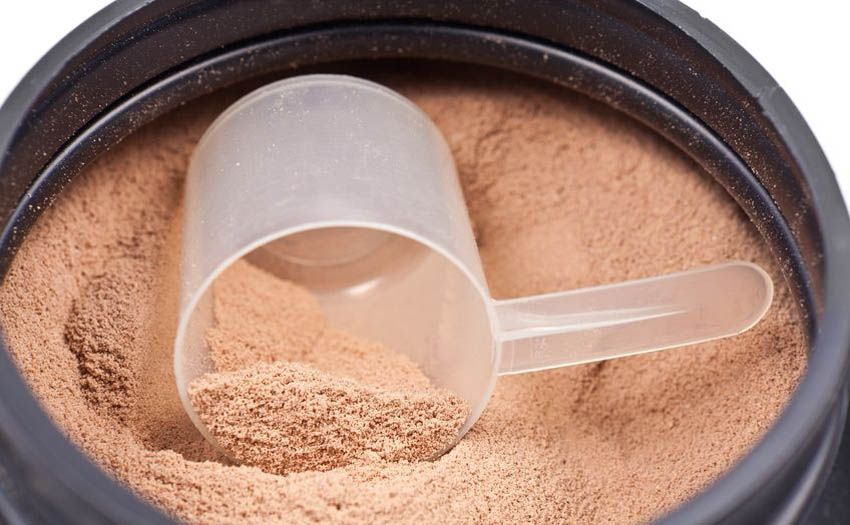
Protein Powder

This blog is in continuation to my previous blog ‘Protein is not just about quantity, it’s also about quality’. If you missed it here is a link Protein is not just about quantity. It’s also about quality. I am never in favour of proteins powders but, if really required you can take them as supplements as an addition to the diet you eat. I emphasize on this because the focus of any diet should be food. Whole food is often preferable to powders because it can offer a whole spectrum of nutrients that powders cannot.

Protein powders are easy and convenient source of complete and high quality protein but these powders are devoid of other nutrients like fiber, vitamins and minerals which are got from our natural food items.

Calculate your protein requirement. See if you can meet them through your diet. Only if you are unable to give yourself the required quality and quantity of proteins then you should think to opt for protein supplements.

Choosing the protein powders: A tricky part

The tricky part is trying to pick a GOOD protein powder that will contribute to muscle gain and not break the bank.

Protein powders are basically divided into two categories:

  • Animal source protein which include milk protein derivatives like whey and casein, beef and egg white protein.
  • Vegetable source protein include soy, rice, pea, hemp and sprouted grain proteins


1. A) ANIMAL PROTEINS


Whey protein:

It is derived from milk. The protein portion of whole milk consists of 20% whey protein. It is most popular protein powder because of its taste, high quality and economically too it’s very convenient.


Whey protein comes in two varieties, whey concentrate and whey isolate.


Whey Concentrate

  • This is a good source of protein powder that is absorbed at a moderate pace.
  • It can be used both pre and post workout but typically it is good to include it as snack in between meals.
  • It has low lactose level that is well tolerated by most lactose-sensitive people. It has trivial amounts of fat and carbs relative to your overall nutrient intake.


Whey Isolate

  • It is one of the quickest absorbing proteins
  • Whey isolate is virtually fat-free for those wishing to eliminate as much fat from their diet as possible. It is typically lactose free for those few individuals who are very sensitive to the low-lactose levels found in whey concentrate
  • Isolates are great pre and post workout as they are absorbed quickly and can supply the muscle the nutrients needed to help recover and grow.


Casein or Milk Protein

  • Casein constitutes 80 percent of milk protein.
  • It takes longer digestion period as compared to whey concentrate and isolate.
  • Its takes about 5 to 7 hours to fully breakdown and this is one of the reasons for not consuming it post workout.
  • Before bed if you take in casein protein your body keeps absorbing and utilizing the nutrients even while you sleep. People also use casein during the day to help stay full and to keep a constant supply of protein in your body to supply the muscles with proper nutrition for hours after drinking the shake.


Egg protein:

  • Like milk proteins, egg white is also naturally very low in fat and carbs.
  • Egg white protein is cholesterol-free and an excellent choice for those who wish to avoid dairy products.


  1. B) PLANT PROTEINS:


They are derived from a variety of sources, including peas, hemp, sprouts, and grains. They’re rich in vitamins and minerals, and often provide antioxidants, amino acids, fiber and more. They are typically suitable for vegetarian or vegan diets. They’re also well tolerated by lactose-sensitive individuals.

Soy Protein

  • It is the only plant-based protein considered to be a high-quality protein, containing all the essential amino acids in the ratios needed to support growth and development
  •  It is loaded with glutamine and arginine which helps to dilate blood vessels and allows nutrition to get into the muscles quicker.
  • This type of protein can be used both pre and post workout or anytime throughout the day if needed to get in a meal/snack containing protein.

Conclusion

There are many different options of protein for you to choose from. Natural source of protein is the best but, based on your height, ideal weight and intensity of workout you may need to add a protein supplement into your diet. It is safe to take protein supplements if they are monitored properly as per your requirement. Getting all your protein from powders is not the best idea, as it could potentially restrict your intake of vitamins and minerals from other foods.


While there are no particular risks to consuming protein powder every day, you should not exceed your daily protein needs.  If you can meet your protein needs with whole foods, it’s the best thing. But, when you’re crunched for time, protein supplements can be your biggest ally.

August 28, 2017 By ASHWINI PRAKASH CHAUDHARI 16 Comments

Fat Burning Foods

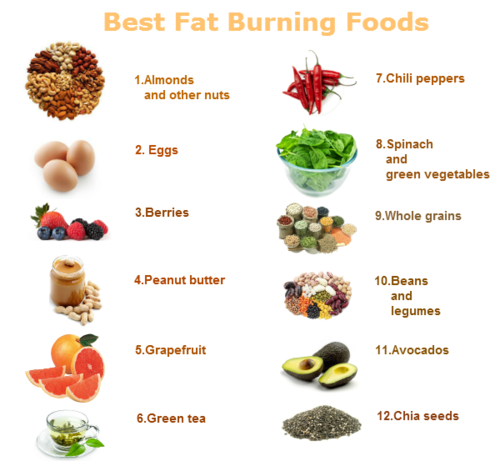
fat burning foods

In my previous blog, you read about 5 easy ways to cut down on fat. When we are talking about burning that extra fat from our body, we need to take care of our food too. Let’s understand what are these fat burning foods?

I have chosen some fat burning foods that we use in our daily routine but, unaware of its impact on our health.

When we talk about fat burning food, the first thing that comes to mind is Green Tea.

#GreenTea is packed with antioxidants but, did you also know that it can help you shed the fat? It’s the Catechins-(a type of an antioxidant which found in tea). These are a part of green tea that gets your body to switch over to burning more calories, as well as fat. Several studies suggest green tea may promote weight loss by stimulating the body to burn abdominal fat. It temporarily speeds metabolism after sipping it. To get the most benefit of it, you may need to drink green tea 2-3 cups per day.

#Bulletproof Coffee-I am sure you will love this one. Your favorite beverage may actually help rev the metabolism and help you lose weight. Try to have a cuppa coffee first thing in the morning but, try this new and healthier version of the coffee-‘the bulletproof coffee’. For this coffee cut out the sugar and cream and add 1tsp of virgin coconut oil or our very own desi-ghee or unsalted butter and get your daily dose of MCT’-(Medium chain triglycerides, it’s a type of fatty acids. It helps in food absorption, decreases body fat and increases lean muscle mass), the good fats which helps you in reducing cholesterol, controlling hunger pangs and helps in fat burning.

#Egg whites : One of the best source of protein. It is also known to be rich in branched-chain amino acids, which keep your metabolism boosted for several hours.

#Chicken, Lean meat and Fish- Excellent source of protein, they help us pump up our muscles. More the muscles in body, higher is the metabolism and higher is fat burning. Protein has a high thermogenic effect: You burn about 30% of the calories the food contains during digestion. They are also rich in Iron. Iron deficiencies often make our metabolism sluggish refraining from fat burning. Grab on these protein-iron rich combo foods at least twice a week. Skinless chicken breast is a great choice. Lean meats are full of protein and less fats. Then there are fishes that are rich in omega-3 fats, proteins and iron- look out for salmon, herring and other fatty fishes.

#Fiber– High fiber foods tend to be less “energy dense,” which means they have fewer calories for the same volume of food. Most of the fiber rich foods have the thermogenic affect which increases energy expenditure by stimulating the sympathetic nervous system to cause enhanced metabolic activity. When metabolic rate enhances, fats breakdown rapidly. Example, Fruits, green leafy veggies like spinach, Whole wheat, nuts, beans, oats, etc

As I have mentioned in my earlier blogs, that I have been on a healthier side. So, to cut down the extra fat from the body,I have increased the fiber intake in my meals. Most of us begin their day with oats and even I did the same. I started having oats in my breakfast. Oats are a fiber-rich whole-grain. Your body burns twice as many calories breaking down whole foods (especially those rich in fiber such as oatmeal and brown rice) than processed foods. To make it healthier, I started adding nuts in it. They’re high in protein, fiber, and heart-healthy fats. The combination of oats and nuts were so impactful that it helps me blow up the fats.

Nuts are an excellent way to curb hunger between meals. They’re also rich in calories, so limit your portions. So, you can have handful nuts in a whole day. If you don’t like eating nuts for snacks, chop them and sprinkle over main dishes or side items. You’ll still get the good fats, they bring, and they help to flavor up the meal.

Similarly, the other raw vegetables make for an outstanding snack. They satisfy the desire to crunch, they’re full of water to help you feel full, and they’re low in calories. When you’re in the mood for chips and dip, replace the chips with raw veggies. Another way to fill up before a meal is by eating salad. Make your salad interesting by adding a variety of fruits and vegetables or pomegranate, corn. Be careful about dressing, which can add a lot of fat building foods.

Water: For all the above listed foods, water is the most wanted nutrient. Without sufficient water intake, your body goes into dehydration and we very well know “Dehydrated body almost kills your metabolism”. 3 liters of water every day is ideal. Also to digest of the above listed foods and get the maximum benefit of them, water is required. While reading this article too, grasp a glass of cold water, which forces your body to use more calories to warm it up.

There are many other foods which you can add to your daily routine which can help you to burn fats like berries, especially blueberries, chilli peppers, grapefruit, olive oil, Enova oils (soy or canola), whole grains, beans and legumes, low fat dairy products, yogurt, flax seeds, etc.

So let’s start adding these foods in our daily routine and start en-kindling the fat.

August 7, 2017 By Jayshree Dhabalia 1 Comment

Let’s understand Cravings

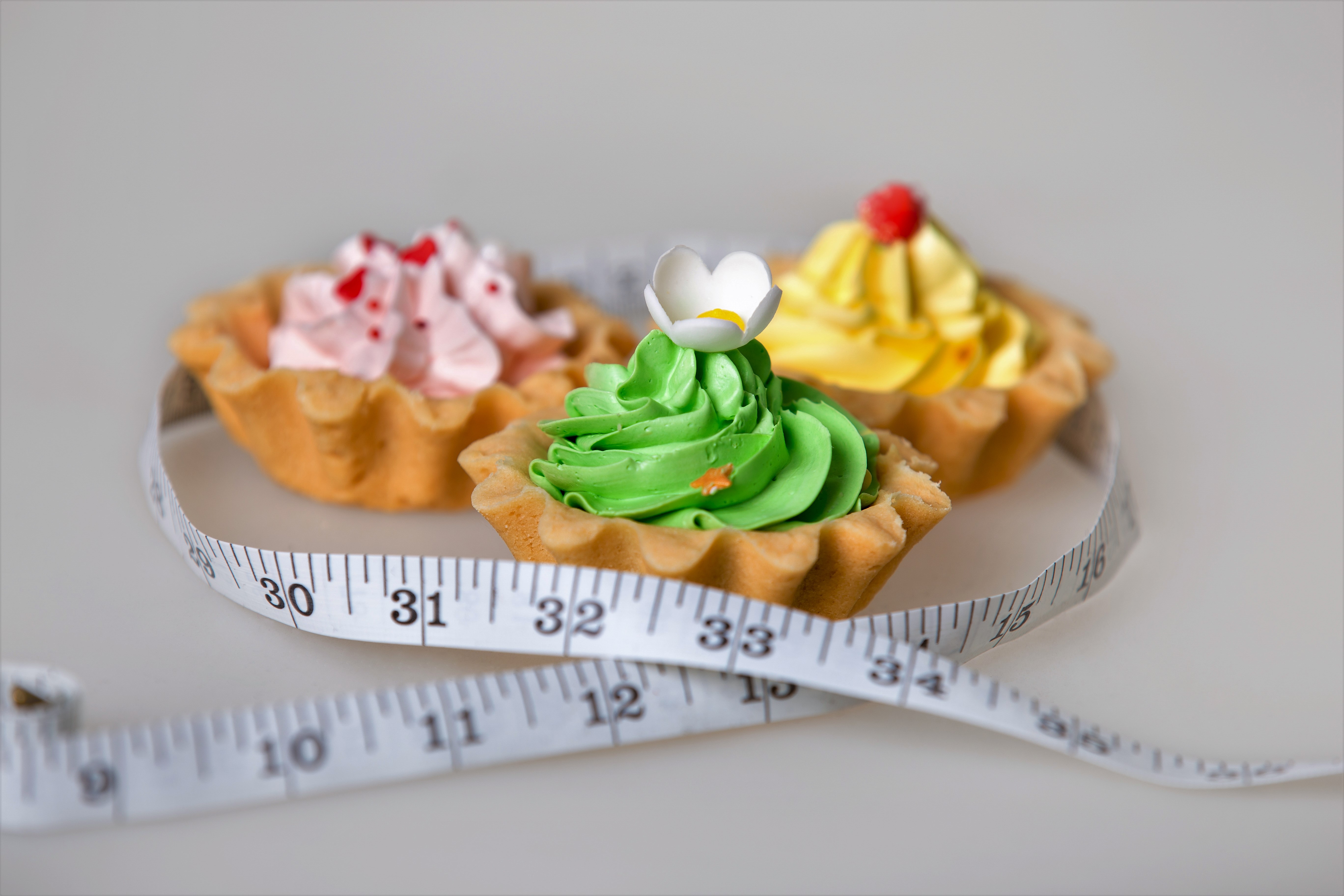
Three colorful green, pink and yellow tart cakes wrapped in measuring tape on white background, unhealthy lifestyle concept, studio

Food craving (defined as an intense desire to eat a specific food) is of interest because it is extremely common and because it influences obesity or nutritional status. It has also been suggested that food craving may be the evolutionary source for cravings of all kinds including cravings for drugs and alcohol.  “Surveys estimate that almost 100% of young women and nearly 70% of young men had food cravings during the past year,” says Mercia Levin Pelchat, of Monell Chemical Senses Center in her published article ‘Food Cravings in Young and Elderly Adults’ in the journal Appetite*

As humans, we’re biologically wired to crave for Food. The more bad food we eat, the more our body will learn to accept and want them. We become addicted to highly palatable, energy dense food. Well, yes many of the food we eat today (ready made) are extremely addictive, and we are hardwired to crave them. Anything that gives us pleasure and offers relief, our body will want more and crave.

What food am I referring to?

Processed food. They are prepared with a combination of fat, sugar, and salt and provide very fewer nutrients.

Studies have found, highly processed food have the same effect on the brain as some drugs. It helps release feel good hormone which in turn helps to relieve stress temporarily.

What about those people who have food craving even without indulging in processed foods often? The answer for this could be due to missing micro nutrients from your diet, which causes you to crave for certain foods.

amazed young woman eating popcorn

What’s the Solution to Carvings?

Let’s take a look at why we should be adding more veggies, fruits, and other unprocessed food to our diet.

I have covered here few very commonly reported cravings and deficiency associated with the same:

Food Craving Bread
Nutrient Deficiency Nitrogen
Nutritious food Green Leafy Vegetables, Nuts, Seeds, Legumes, Grains
Food Craving White Pastas, Cake, Pastries
Nutrient Deficiency Chromium
Nutritious food Onion, Lettuce, Tomatoes, Cinnamon, Grapes
Food Craving Crisps/Potato Chips, Salty foods
Nutrient Deficiency Chloride
Nutritious food Celery, Olives, Tomatoes, Kelp, Himalayan Sea Salt
Food Craving Chocolate
Nutrient Deficiency Magnesium
Nutritious food Raw Cacao, Whole Grains, Beans, Nuts, Seeds, Fruit, Green Veggies
Food Craving Fizzy/Aerated Drinks
Nutrient Deficiency Calcium
Nutritious food Broccoli, Kale, Sesame seed, legumes, mustard, turnip, greens
Food Craving Coffee / Black tea
Nutrient Deficiency Sulphur
Nutritious food Cruciferous Veggies, Cranberries, horseradish, garlic, onion
Food Craving Ice, Chilled water
Nutrient Deficiency Iron
Nutritious food Beans, Legumes, Dates, Black raisin, Jaggery, Spinach
Food Craving Sweets
Nutrient Deficiency Phosphorous
Nutritious food Citrus Fruits, Green Leafy Veggies, Banana, Tomatoes, Black Olives.

As you can see on the table, a simple mindful inclusion of certain food does not only save you from lot more cravings and its ill effect but can also provide you with lots of nutrients and minerals.

So what will you choose?

*Appetite is an international research journal specializing in cultural, social, psychological, sensory and physiological influences on the selection and intake of foods and drinks. It covers normal and disordered eating and drinking and welcomes studies of both human and non-human animal behaviour towards food


August 3, 2017 By Farida Gohil 1 Comment

Kid’s Salt intake linked to Obesity Risk & 5 ways to Use less Salt


Children who consume a high amount of salt are likely to consume more sugary beverages, putting them at risk of unhealthy weight gain and obesity, Says a new study published online in journal Pediatrics.

Researchers at Deakin University’s Centre for Physical Activity and Nutrition Research analysed data from the 2007 Australian National Children’s Nutrition and Physical Activity Survey, which collected diet and physical activity information from 4,283 children aged 2 to 16 years. The researchers looked at the children’s consumption of dietary salt, fluids and sugar sweetened drinks.

They found 62% reported consuming sugar-sweetened drinks. In this group, children who consumed more salt consumed more fluid and in particular more sugar-sweetened drinks. Children who consumed more than one sugary drink per day were 34% more likely to be overweight or obese. They also found that for every one gram of salt consumed per day, the children drank 46 grams more fluid, with those who reported consuming sugar sweetened drinks, drinking 17 grams more for every one gram of salt.

Previous Deakin research has shown children are eating around 6 grams of salt a day or four times more than is recommended. The researcher said, together with the results of this new study, it is becoming even clear that there is a need to keep a closer eye on how much salt our children eat to help ensure they lead long and healthy lives.

They also concluded that High salt diets not only put children at risk of serious long-term health problems, such as developing high blood pressure later in life which is a major cause of stroke and heart disease, they are likely to be contributing to the rates of overweight and obesity. 

So here are 5 ways to Use less Salt

Sodium chloride (salt) is essential to the body. The Sodium in salt helps transmit nerve impulses and contract muscle fibres. Working with potassium, it balances fluid levels in the body. But, you only need a tiny amount of salt to do this, less than one-tenth of a teaspoon. The Average American gets nearly 20 times that much.

The body can generally rid itself of excess sodium. In some people, though, consuming extra sodium makes the body hold onto water. This increases the amount of fluid flowing through blood vessels, which can increase blood pressure.

Most of the salt that we consume comes from prepared and processed foods. The leading culprits include snack foods, sandwich meats, smoked and cured meat, canned juices, Canned and dry soups, pizza and other fast foods, and many condiments, relishes, and sauces-for starters. But enough comes from the salt shaker that it’s worth finding alternatives.

Here are 5 ways to cut back on sodium when cooking or at the table:

  1. Use spices and other flavour enhancers: Add flavour to your favourite dishes with spices, dried and fresh Herbs, roots (such as garlic and Ginger), citrus, vinegar, and wine. From black pepper, cinnamon, and turmeric to fresh Basil, Chili Peppers, and lemon juice, these flavour enhancers create excitement for the palate – and with less sodium.
  1. Go nuts for healthy fats in the kitchen: Using the right healthy fats – from roasted nuts and avocados to Olive, canola, soybean, and other oils – can add a rich flavour to foods, minus the salt.
  1. Sear, sauté, and Roast. Searing and sautéing foods in a pan build flavour: Roasting brings out the natural sweetness of many vegetables and the taste of fish and chicken. If you do steam or microwave food, perk up these dishes with a finishing drizzle of flavourful oil and squeeze of citrus.
  1. Get your whole grains from sources other than bread: Even whole-grain bread, while a healthier choice than white, can contain considerable Sodium. And bread contains salt, not just for flavour but to ensure that the dough rises properly. You can skip that extra salt when you use whole grains outside of baking. Try a Mediterranean-inspired whole-grain salad with chopped vegetables, nuts, and legumes, perhaps a small amount of cheese, herbs and spices, and healthy oils and vinegar or citrus. For breakfast, cook up steel-cut oats, or other intact whole grains with fresh or dried fruit, and you can skip the toast (and the extra sodium).
  1. Know your Seasons, and, even better, your local farmer: Shop for raw ingredients with maximum natural flavour, thereby avoiding the need to add as much (if any) sodium. Shop for peak-of-season produce from farmers’ Markets and your local supermarket.
  • « Previous Page
  • 1
  • …
  • 48
  • 49
  • 50
  • 51
  • 52
  • …
  • 68
  • Next Page »

Search

Recent Posts

  • ALL ABOUT VERTIGO!
  • PCOS and Anxiety: Discover Relief with the 54321 Technique
  • Navigating the Maze of Nutrition: Finding Clarity Amidst Confusion
  • Get children active and keep them healthy
  • What Gestational Diabetes Can Do To You & Your Unborn Child

Stay Updated

Archives

  • December 2025 (5)
  • November 2025 (15)
  • October 2025 (20)
  • September 2025 (6)
  • August 2025 (6)
  • July 2025 (12)
  • June 2025 (18)
  • May 2025 (16)
  • April 2025 (23)
  • March 2025 (23)
  • February 2025 (22)
  • January 2025 (26)
  • December 2024 (26)
  • November 2024 (25)
  • October 2024 (22)
  • September 2024 (24)
  • August 2024 (31)
  • July 2024 (21)
  • June 2024 (26)
  • May 2024 (31)
  • April 2024 (27)
  • March 2024 (29)
  • February 2024 (26)
  • January 2024 (25)
  • December 2023 (15)
  • November 2023 (11)
  • October 2023 (22)
  • September 2023 (22)
  • August 2023 (20)
  • July 2023 (22)
  • June 2023 (24)
  • May 2023 (24)
  • April 2023 (24)
  • March 2023 (23)
  • February 2023 (20)
  • January 2023 (16)
  • December 2022 (12)
  • November 2022 (15)
  • October 2022 (15)
  • September 2022 (12)
  • August 2022 (10)
  • July 2022 (17)
  • June 2022 (11)
  • May 2022 (10)
  • April 2022 (6)
  • March 2022 (6)
  • February 2022 (13)
  • January 2022 (12)
  • December 2021 (7)
  • November 2021 (3)
  • October 2021 (6)
  • September 2021 (3)
  • August 2021 (8)
  • July 2021 (7)
  • June 2021 (15)
  • May 2021 (16)
  • April 2021 (10)
  • March 2021 (7)
  • February 2021 (4)
  • January 2021 (4)
  • December 2020 (3)
  • November 2020 (4)
  • October 2020 (10)
  • September 2020 (3)
  • August 2020 (3)
  • July 2020 (2)
  • June 2020 (4)
  • May 2020 (10)
  • April 2020 (12)
  • March 2020 (10)
  • February 2020 (4)
  • January 2020 (4)
  • December 2019 (3)
  • November 2019 (7)
  • October 2019 (5)
  • September 2019 (4)
  • August 2019 (9)
  • July 2019 (9)
  • June 2019 (11)
  • May 2019 (4)
  • April 2019 (9)
  • March 2019 (8)
  • February 2019 (9)
  • January 2019 (8)
  • December 2018 (9)
  • November 2018 (3)
  • October 2018 (3)
  • September 2018 (5)
  • August 2018 (10)
  • July 2018 (6)
  • June 2018 (13)
  • May 2018 (8)
  • April 2018 (18)
  • March 2018 (9)
  • February 2018 (8)
  • January 2018 (15)
  • December 2017 (12)
  • November 2017 (19)
  • October 2017 (13)
  • September 2017 (15)
  • August 2017 (4)
  • July 2017 (8)
  • June 2017 (7)
  • May 2017 (6)
  • April 2017 (8)
  • March 2017 (6)
  • February 2017 (7)
  • January 2017 (9)
  • December 2016 (10)
  • November 2016 (7)
  • October 2016 (7)
  • September 2016 (7)
  • August 2016 (11)
  • July 2016 (9)
  • June 2016 (9)
  • May 2016 (12)
  • April 2016 (17)
  • March 2016 (17)
  • February 2016 (8)
  • January 2016 (6)
  • December 2015 (2)
  • November 2015 (9)
  • October 2015 (7)
  • September 2015 (9)
  • August 2015 (11)
  • July 2015 (9)
  • June 2015 (12)
  • May 2015 (9)
  • April 2015 (13)
  • March 2015 (8)
  • February 2015 (5)
  • January 2015 (12)
  • December 2014 (14)
  • November 2014 (11)
  • October 2014 (6)
  • September 2014 (13)
  • August 2014 (12)
  • July 2014 (6)
  • June 2014 (2)
  • May 2014 (7)
  • April 2014 (5)

From “Laddu Nawin” to Fit and Fierce: How a 25-Year-Old Insurance Advisor Shed 20 Kilos and Gained His Life Back

When 25-year-old Nawin Yadav from Hyderabad walked into his office every morning, he carried more than just his files and policy papers. He had the weight of fatigue, sluggish energy, and an ever-growing belly that was becoming the butt of jokes. “People … [Read More...]

“I’ve Challenged Myself to Live 100 Years” – The Story of Chandubhai Savani’s Second Chance at Life

At 67, most people start slowing down. Not Chandubhai Savani. A resident of Surat, Chandubhai, thought life was on track. “My life was going well till I had my bypass surgery,” he says. That surgery, back in 2021, was a wake-up call.  Medication was routine, but exercise wasn’t. His diet? What he calls ‘normal.’ “I […]

From Shimla’s Slopes to Chandigarh’s Sidewalks: Surinder Kaur Bhalla’s Journey from Chaos to Control

Some journeys start with a plan. Others begin with a stumble literally. Surinder Bhalla, a government professional, born and raised in the scenic hill town of Shimla, had always lived a life of movement. “In Shimla, you walked everywhere,” she reflects. “Walking was never an exercise. It was just life.” But after shifting to Chandigarh, […]

Ananda Mukherjee Health Story

From Terminal Illness To Complete Wellness! Ananda Mukherjee Health Story

As we observe World Cancer Day under the powerful theme ‘United by Unique’ (2025-2027)**, we are reminded that every individual’s journey with cancer is distinct, yet united by shared resilience, hope, and the collective fight against this disease. This theme places people at the centre of care and their stories at the heart of the […]

  • HOME
  • HEALTHY LIVING
  • FITNESS
  • HEALTHY RECIPES
  • USER STORIES
  • KARMA
  • BUY GOQii

Copyright ©2016 GOQii