GOQii

Blog

  • HOME
  • HEALTHY LIVING
  • FITNESS
  • HEALTHY RECIPES
  • USER STORIES
  • KARMA
  • BUY GOQii

October 23, 2018 By Trishala Chopra Leave a Comment

Do you really need a multivitamin?                  


Multivitamins

The topmost questions on the mind of all my patients are “I am getting so tired these days, doctor do you think that I should take a multivitamin?” and “I am taking these multivitamins which I got from the US, do you think it’s good enough for me to have?”

These are just 2 such questions but trust me, I get loads of such questions on Multivitamins. Based on these questions, I decided I should talk about it in my blog and present the facts on the matter.

Let us first understand

What is multivitamin?

If I just try to understand the word in literal terms, a multivitamin is a supplement that contains more than one vitamin. But is it just vitamins? Certainly not. Multivitamin is a supplement that contains many vitamins and essential minerals which helps you fight against different nutritional deficiencies and their symptoms.

Who actually needs a multivitamin?

  1. You need a multivitamin if you are not able to get adequate nutrition from your diet.
  2. You need a multivitamin if you are severely deficient in different nutrients as detected in your blood reports
  3. You need a multivitamin if you are looking for micronutrients for specific symptoms.

Apart from this, there are other population groups as well which might need a multivitamin in addition to a variety of foods in their diet.

  1. Pregnant women
  • During pregnancy, consumption of multivitamins reduces the risk of birth defects in the foetus.
  • There are different kinds of research which are done taking multivitamins into consideration but since multivitamins consist of various vitamins and minerals, we don’t exactly know which nutrient is giving the maximum benefits.
  • Folic acid perhaps is the most important micronutrient but doctors anyways give it in a completely separate form so talk to your healthcare professional before starting on any multivitamin.
  1. Senior citizens
  • People over the age of 65 are generally low on B- vitamins, vitamin D, iron and magnesium.
  • Supplementing senior citizens with a multivitamin can definitely help in reducing their nutritional deficiencies to a great extent.
  1. People who are on different food restrictions
  • People who are on a gluten-free diet are usually low on calcium, iron, magnesium, zinc, folate, vitamin B12 and vitamin D.
  • Vegan people are usually low in calcium, iron, zinc and vitamin B12.
  • People who are on low carb diet are usually low in calcium, copper, magnesium, potassium and vitamin E

Multivitamin in these cases will help in overcoming these nutritional deficiencies.

  1. People who have undergone bariatric surgery
  • During bariatric surgery, size of the stomach is reduced which reduces nutrient absorption which can further lead to nutritional deficiencies.
  • Even after taking a multivitamin, nutrient absorption is not very high but this will be much better than not taking a supplement and remain extremely nutritionally deficient

The above is related specifically for people with some health issues. Let us now look at the general population! Does the general population need a multivitamin and what can be the possible benefits?

  1. Multivitamins can help in increasing the quality of life
  2. Multivitamins can help in reducing mood swings
  3. Multivitamins can help in reducing complications related to eyes

These are some points which researches have come up with however nothing is claimed so far.

Normally what I have seen is that when people are taking multivitamin they are okay to substitute it for a balanced diet but a multivitamin is a SUPPLEMENT and not a SUBSTITUTE.

Let’s understand about how to select a multivitamin for you.

Your healthcare professional can suggest you one but, you should always know how to pick up one for yourself!

Consider the following points when you buy a multivitamin

  1. Choose a multivitamin that contains close to your recommended dietary allowance (RDA) of vitamins and minerals. Sometimes a particular multivitamin crosses much more than your RDA per day.

For example:

  • Excess of potassium at one go on an empty stomach can lead to elevated potassium levels in the body which can affect your heart rhythm that is why your potassium in a multivitamin should always be limited to 99 mg.
  • Magnesium in your multivitamin should be limited to 350 mg because higher doses of magnesium in the body can lead to diarrhoea and other stomach issues.
  • Excess of calcium in your multivitamin might increase the risk of kidney stones, and too much total calcium can result in hypercalcemia in the body.

B. If a multivitamin supplement is only having vitamins and minerals then its fine to pick it up but usually this doesn’t happen. A single multivitamin is full of special ingredients which can put a body into negative balance hence avoid taking multivitamins which has too many extra ingredients.

C. I have seen my patients doing this a lot that they get confused between the pill and serving.

For example: A multivitamin pack might mention that it contains 300 mg of vitamin C per serving. When it is said so, please understand that a serving does not necessarily mean that 1 pill equals 1 serving. Serving completely depends upon how the company is depicting it. It could mean a whole pack is 300 mg.

D. I have seen this quite often that many people are usually only deficient in one or 2 nutrients in such cases taking a multivitamin is not a very good option. Pick up those nutritional supplements only which are on the lower side.

Hence, it is always good to take Vitamins after you speak to your doctor. Do not indulge in self- medication.

You might need a multivitamin but, it is not necessary that everyone might need it.


August 22, 2018 By Payal Choudhury Leave a Comment

“Binge Eating”- Its effects on our health

how-to-stop-binge-eating

Nothing Feels as “Good as being healthy!!!”.

We all overeat from time to time—taking an extra helping at an ‘Anniversary or Birthday’ dinner or having dessert when you’re already full. But, for binge eaters, overeating is regular and uncontrollable. We use food to cope with stress and other negative emotions, soon after a while we feel worse for overeating. With the right help and support, one can learn to control their eating and develop a healthy relationship with food.

Eating disorders are associated with a wide range of adverse psychological, physical, and social consequences. A person with an eating disorder may start out just eating smaller or larger amounts of food, but at some point, their urge to eat less or more spirals out of control. Severe distress or concern about body weight or shape, or extreme efforts to manage weight or food intake, also characterizes an eating disorder.

Binge eating disorder (BED) is an eating disorder characterized by binge eating without subsequent purging episodes.

One of the most common reasons for binge eating is an attempt to manage unpleasant emotions such as stress, depression, loneliness, fear, and anxiety. When you have a bad day, it can seem like food is your only friend. Binge eating can temporarily make feelings such as stress, sadness; anxiety, depression, and boredom evaporate into thin air. But, the relief is only very fleeting.

Binge Eating Disorder can be physical, psychological and behavioural. It is possible for someone with Binge Eating Disorder to display a combination of these symptoms.

Physical signs:

  • Feeling tired and not sleeping well

Psychological Signs:

  • Pre-occupation with eating, food, body shape and weight
  • Depression, anxiety or irritability

Behavioural Signs:

  • Increased isolation and withdrawal from activities previously enjoyed
  • Self harm, substance abuse or suicide attempts

Here are the four reasons why we binge?

  1. We skip meals or restrict our calories.
  2. We deprive ourselves of what we really want to eat.
  3. We eat mindlessly to avoid situations.
  4. We turn to food when strong emotions and uncomfortable feelings arise.

Binge eating disorder is characterized by compulsive eating in which people consume huge amounts of food while feeling out of control and powerless to stop. The symptoms of binge eating disorder usually begin in late adolescence or early adulthood, often after a major diet.

Binge eating disorder, as the name implies, is characterized by uncontrollable, excessive eating, followed by feelings of shame and guilt. Unlike those with bulimia, teenagers with binge-eating disorder typically do not purge their food. However, many teenagers who have bulimia also have binge-eating disorder.

Teenagers with binge-eating disorder typically are overweight or obese and most victimized. Teenagers feel like they have no control over their behaviour, and eat in secret and when they are not hungry. Teenagers may hide food. Excessive amounts of food containers and wrappers are also evidence of binging. There are some other signs like

  • Eating in secret
  • “Grazing” continuously without feeling satiated
  • Eating when stressed or when feeling uncertain how to cope
  • Feeling unable to control how much they eat
  • Experimenting with different diets.

Binge eating disorder can be successfully treated in therapy. These therapies helps in teaching us how to fight the compulsion to binge, exchange unhealthy habits for newer healthy ones , monitor our eating and moods, and develop effective stress-busting skills.

Breaking the old pattern of binge eating is hard. This is where the support of others can really come in handy. Family, friends, and therapists can all be part of the support team. We may also find that joining a group for binge eaters is helpful. Sharing one’s experience with other compulsive eaters can go a long way towards reducing the stigma and loneliness one feels.

Binge eating may be comforting for a brief moment, but then reality sets back in, along with regret and self-loathing. Binge eating often leads to weight gain and obesity, which only reinforces compulsive eating. It becomes a vicious cycle: eating to feel better, feeling even worse, and then turning back to food for relief.

August 7, 2018 By Anusha Subramanian Leave a Comment

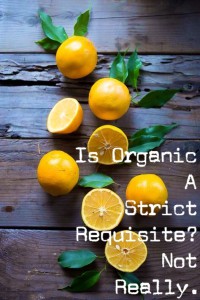
Is Organic a strict requisite? Not really

        cover pic

There is always this debate on what is organic and oh organic foods are so expensive? in the third and last blog of the series on how we consume foods that can be hazardous to our health due to various reasons, in today’s blog we talk of is organic food a strict requirement to eat healthily?

Please keep in mind that we are in no way trying to say that consuming organic food is not necessary. This blog here is purely intended to give you an insight into those fruits and veggies that you don’t necessarily have to buy organic if you are planning to cut down on your expenditure. It is no secret that organic food is expensive, with a steady rise in demand for organic produce, the prices are hiking relatively. We live in a world where almost every conventionally produced food item comes adulterated with many chemicals and pesticides. The silver lining is that there are still some edibles out there which are least likely to be contaminated with pesticide residues. So if budget is a concern, you can buy the conventional production of these food items.

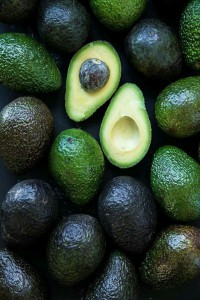
  1. Avocados

IMG-5886

For all the guacamole lovers out there, rejoice. Avocados have very little pesticide residue on it. This makes avocados a safe conventional product to consume.

  1. Sweet Corn

IMG-5890

Worried of pesticides? Sweet corn is a very safe option to choose from among conventional produces. It is one of the cleanest foods you can buy.

  1. Pineapples

IMG-5891

My personal favourite, we all love Pineapples, don’t we? The thick skin absorbs most of the pesticides residues used on pineapples. Don’t let your budget shadow your love for pineapples. Buy them conventionally.

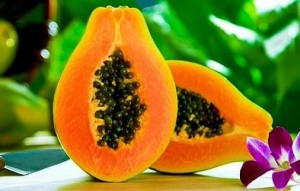
  1. Papayas

IMG-5887

It’s hard to imagine your fruit salad without papayas. That would be like The Beatles without McCartney. You need not worry, a large percentage of papaya generally come with no pesticide residues in them. And hence, it is a very safe option to choose from conventional foods.

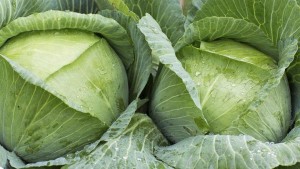
  1. Cabbage

IMG-5888

I’m surprised to find cabbage in the list. Their leafy exterior is bound to have pesticide residue, but that isn’t the truth. Apparently, the leafy exterior tends to leave a very little residue, making cabbage a safe conventional produce to consume.

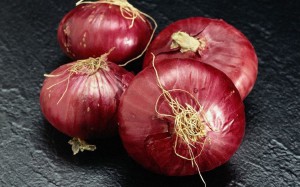
  1. Onions

IMG-5895

As we all know, cutting an onion literally brings you to tears. Cultivators tend to use fewer pesticides on Onions because not a lot of pests try to mess with onion due to their lethal defensive mechanism.

August 6, 2018 By Anusha Subramanian Leave a Comment

6 Effective DIY Techniques to Clean Pesticides of Fruits & Vegetables


70582

This is the second blog in the series of Hazardous chemicals in our food products. In today’s blog, we take you through some DIY ( do it on your own) techniques to clean your fruits and vegetables. Read part 1 here: https://goqii.com/blog/invisible-health-hazards-lurking-in-your-kitchen/

Fruits and Vegetables are irreplaceable ingredients of our everyday diet. Apart from the fact that they’re delicious, they are also packed with various nutrients and minerals. The paradox here is that these health powerhouses are coated with various disinfectants and pesticides which are extremely hazardous for health. It’s almost impossible to list the pesticides found in vegetables and fruits as there are over 1000 different varieties which are used to grow crops.

Even though minor amounts of pesticide residue on food doesn’t really pose a great health hazard, you should be careful of what you buy and also where you buy them from. There are many simple and effective ways to remove these toxic chemicals from your food which can be done at home.

  1. Salt Water Wash

IMG-5860

 Saltwater wash is one of the easiest technique of washing your food. The Saltwater solution will remove most contact pesticides that are present in your food. All you need to do to make the solution is to add 1tbsp sea salt into a bowl which is half filled with water. Hand scrub your fruits and veggies in the solution and ensure to rinse thoroughly before consumption.

  1. Vinegar Soak

IMG-5861

 Create a solution adding 90% water and 10% white vinegar and let the fruits/vegetables soak in the mixture. Stir your fruits and veggies in the solution and leave them for about 10 minutes, rinse thoroughly with cold water before using. You must be careful while washing fruits with thin skin as the solution might damage their porous outer skin.

  1. Lemon Juice Spray

IMG-5862

Lemon juice spray has proven to be a very effective way of removing pesticides from your food. The citric acid in lemon juice not only helps in removing pesticides but also helps in killing the microorganisms on the outer surface. To create the spray, mix 1 tbsp of lemon juice, 2 tbsp of baking soda and 1 cup of water. After making sure that the baking soda is properly dissolved, pour the mixture into a clean spray bottle. Leave the spray on your fruits and veggies for about 5-10 minutes before you rinse it off with water.

  1. Trim the Edges

IMG-5864

 Many vegetables, mainly the leafy ones like lettuce, cabbage, celery etc tend to have an abundant amount of micro-organisms and pesticide residue on their outer surface. Even though washing them under running water helps remove some of them, chopping the top and outer layers of these veggies will ensure more cleanliness.

  1. Peeling

IMG-5863

We are no strangers to peeling, it is one of the most basic methods used in households to discard those harmful microbes and pesticides. Most fruit peels contain many essential nutrients, hence it isn’t always the best way to clean your food but peeling of the outer surface of your food will ensure a cleaner, pesticide-free produce.

  1. Baking Soda Scrub

IMG-5865


It is important to know that this method only works with foods which have a hard skin and don’t easily wear off. All this technique requires you to do is sprinkle some baking soda over your eatables and rub them together gently. Ensure to wash them off thoroughly before use.

In our busy daily lives, going an extra mile to clean your eatables is almost deemed impossible but it is important to understand that health is our most prized possession and spending 10 minutes to clean your food properly can avoid many serious diseases and illnesses.

  • « Previous Page
  • 1
  • …
  • 40
  • 41
  • 42
  • 43
  • 44
  • …
  • 68
  • Next Page »

Search

Recent Posts

  • Best Foods To Alleviate Irritable Bowel Syndrome
  • ALL ABOUT VERTIGO!
  • PCOS and Anxiety: Discover Relief with the 54321 Technique
  • Navigating the Maze of Nutrition: Finding Clarity Amidst Confusion
  • Get children active and keep them healthy

Stay Updated

Archives

  • December 2025 (6)
  • November 2025 (15)
  • October 2025 (20)
  • September 2025 (6)
  • August 2025 (6)
  • July 2025 (12)
  • June 2025 (18)
  • May 2025 (16)
  • April 2025 (23)
  • March 2025 (23)
  • February 2025 (22)
  • January 2025 (26)
  • December 2024 (26)
  • November 2024 (25)
  • October 2024 (22)
  • September 2024 (24)
  • August 2024 (31)
  • July 2024 (21)
  • June 2024 (26)
  • May 2024 (31)
  • April 2024 (27)
  • March 2024 (29)
  • February 2024 (26)
  • January 2024 (25)
  • December 2023 (15)
  • November 2023 (11)
  • October 2023 (22)
  • September 2023 (22)
  • August 2023 (20)
  • July 2023 (22)
  • June 2023 (24)
  • May 2023 (24)
  • April 2023 (24)
  • March 2023 (23)
  • February 2023 (20)
  • January 2023 (16)
  • December 2022 (12)
  • November 2022 (15)
  • October 2022 (15)
  • September 2022 (12)
  • August 2022 (10)
  • July 2022 (17)
  • June 2022 (11)
  • May 2022 (10)
  • April 2022 (6)
  • March 2022 (6)
  • February 2022 (13)
  • January 2022 (12)
  • December 2021 (7)
  • November 2021 (3)
  • October 2021 (6)
  • September 2021 (3)
  • August 2021 (8)
  • July 2021 (7)
  • June 2021 (15)
  • May 2021 (16)
  • April 2021 (10)
  • March 2021 (7)
  • February 2021 (4)
  • January 2021 (4)
  • December 2020 (3)
  • November 2020 (4)
  • October 2020 (10)
  • September 2020 (3)
  • August 2020 (3)
  • July 2020 (2)
  • June 2020 (4)
  • May 2020 (10)
  • April 2020 (12)
  • March 2020 (10)
  • February 2020 (4)
  • January 2020 (4)
  • December 2019 (3)
  • November 2019 (7)
  • October 2019 (5)
  • September 2019 (4)
  • August 2019 (9)
  • July 2019 (9)
  • June 2019 (11)
  • May 2019 (4)
  • April 2019 (9)
  • March 2019 (8)
  • February 2019 (9)
  • January 2019 (8)
  • December 2018 (9)
  • November 2018 (3)
  • October 2018 (3)
  • September 2018 (5)
  • August 2018 (10)
  • July 2018 (6)
  • June 2018 (13)
  • May 2018 (8)
  • April 2018 (18)
  • March 2018 (9)
  • February 2018 (8)
  • January 2018 (15)
  • December 2017 (12)
  • November 2017 (19)
  • October 2017 (13)
  • September 2017 (15)
  • August 2017 (4)
  • July 2017 (8)
  • June 2017 (7)
  • May 2017 (6)
  • April 2017 (8)
  • March 2017 (6)
  • February 2017 (7)
  • January 2017 (9)
  • December 2016 (10)
  • November 2016 (7)
  • October 2016 (7)
  • September 2016 (7)
  • August 2016 (11)
  • July 2016 (9)
  • June 2016 (9)
  • May 2016 (12)
  • April 2016 (17)
  • March 2016 (17)
  • February 2016 (8)
  • January 2016 (6)
  • December 2015 (2)
  • November 2015 (9)
  • October 2015 (7)
  • September 2015 (9)
  • August 2015 (11)
  • July 2015 (9)
  • June 2015 (12)
  • May 2015 (9)
  • April 2015 (13)
  • March 2015 (8)
  • February 2015 (5)
  • January 2015 (12)
  • December 2014 (14)
  • November 2014 (11)
  • October 2014 (6)
  • September 2014 (13)
  • August 2014 (12)
  • July 2014 (6)
  • June 2014 (2)
  • May 2014 (7)
  • April 2014 (5)

From “Laddu Nawin” to Fit and Fierce: How a 25-Year-Old Insurance Advisor Shed 20 Kilos and Gained His Life Back

When 25-year-old Nawin Yadav from Hyderabad walked into his office every morning, he carried more than just his files and policy papers. He had the weight of fatigue, sluggish energy, and an ever-growing belly that was becoming the butt of jokes. “People … [Read More...]

“I’ve Challenged Myself to Live 100 Years” – The Story of Chandubhai Savani’s Second Chance at Life

At 67, most people start slowing down. Not Chandubhai Savani. A resident of Surat, Chandubhai, thought life was on track. “My life was going well till I had my bypass surgery,” he says. That surgery, back in 2021, was a wake-up call.  Medication was routine, but exercise wasn’t. His diet? What he calls ‘normal.’ “I […]

From Shimla’s Slopes to Chandigarh’s Sidewalks: Surinder Kaur Bhalla’s Journey from Chaos to Control

Some journeys start with a plan. Others begin with a stumble literally. Surinder Bhalla, a government professional, born and raised in the scenic hill town of Shimla, had always lived a life of movement. “In Shimla, you walked everywhere,” she reflects. “Walking was never an exercise. It was just life.” But after shifting to Chandigarh, […]

Ananda Mukherjee Health Story

From Terminal Illness To Complete Wellness! Ananda Mukherjee Health Story

As we observe World Cancer Day under the powerful theme ‘United by Unique’ (2025-2027)**, we are reminded that every individual’s journey with cancer is distinct, yet united by shared resilience, hope, and the collective fight against this disease. This theme places people at the centre of care and their stories at the heart of the […]

  • HOME
  • HEALTHY LIVING
  • FITNESS
  • HEALTHY RECIPES
  • USER STORIES
  • KARMA
  • BUY GOQii

Copyright ©2016 GOQii