GOQii

Blog

  • HOME
  • HEALTHY LIVING
  • FITNESS
  • HEALTHY RECIPES
  • USER STORIES
  • KARMA
  • BUY GOQii

April 17, 2025 By Uzma Salam Leave a Comment

Role of Plant-Based Diets for Chronic Kidney Disease

Chronic Kidney Disease (CKD) affects millions globally and is one of the leading contributors to long-term health complications and premature deaths. CKD is marked by a gradual loss of kidney function, and in advanced stages, it can result in the build-up of fluids, toxins, and electrolytes—putting immense strain on the body.



While medication and medical monitoring are essential, diet plays a pivotal role in preventing and managing the progression of CKD. Emerging research points to the power of a plant-based diet, especially plant-based proteins, in helping slow down kidney damage and supporting overall well-being. Here’s how making some intentional dietary shifts can positively impact kidney health.

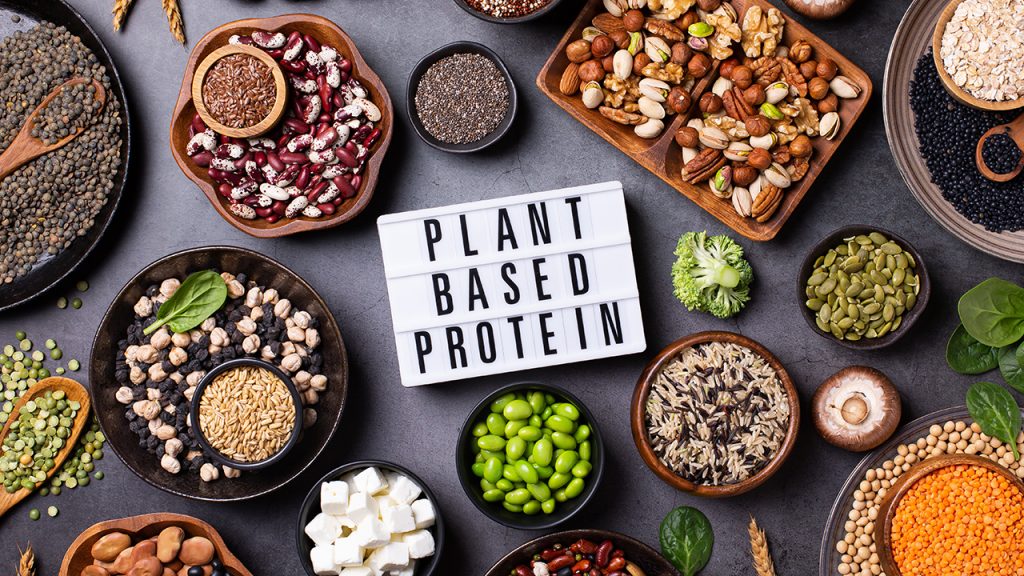
What Counts as Plant-Based Protein?

When most people think of protein, their minds go straight to animal sources like meat, fish, or eggs. But there’s a wide variety of plant-based foods rich in protein that offer just as much (if not more) benefit—without the downsides of saturated fat and cholesterol.

Common Plant-Based Protein Sources:

  • Lentils, chickpeas, green peas
  • Quinoa, oats, barley, rice with beans
  • Almonds, walnuts, peanuts
  • Chia seeds, pumpkin seeds
  • Potatoes

These foods are not only nutrient-dense but are also packed with fibre, antioxidants, vitamins and minerals.

Why Consider Plant-Based Proteins for CKD?

Proteins are essential for everything from muscle repair and hormone production to immune function. However, the source of your protein matters a great deal, especially for those with kidney conditions.

Animal proteins—particularly processed meats and red meats—are associated with:

  • Increased inflammation
  • Higher acid load
  • Elevated risk of heart disease and CKD progression

Plant-based proteins, on the other hand:

  • Are low in saturated fat
  • Contain natural antioxidants
  • Provide fibre, which supports gut health and blood sugar regulation
  • May improve blood pressure and cholesterol levels

Contribute to lowering the risk of diabetes—a major contributor to CKD

Pros and Cons of a Plant-Based Diet for CKD

Pros:

  • Reduces inflammation and acid load on kidneys
  • Helps manage blood pressure, blood sugar, and cholesterol
  • Supports gut health and overall digestive function
  • Associated with lower risk of CKD-related mortality
  • High in beneficial nutrients like magnesium, calcium, and vitamin C

Cons:

  • Many plant proteins are incomplete (they may lack one or more essential amino acids)
  • Risk of Vitamin B12 deficiency, which can lead to anaemia or neurological issues
  • Lower absorption rates than animal proteins—so quantity and variety matter
  • Some individuals may need supplementation or careful meal planning to meet protein needs

Kidneys work silently in the background—filtering blood, regulating blood pressure, and supporting vital body functions. With CKD, even small lifestyle shifts like embracing more plant-based proteins can delay progression, reduce complications, and improve quality of life.

If you’re exploring plant-based eating:

  • Diversify your sources (e.g., combine legumes with whole grains to get complete proteins)
  • Be mindful of any deficiencies, especially B12
  • Monitor portion sizes and nutrients—not all plant-based options are equally kidney-friendly

You don’t have to go fully vegan—but a gradual move towards plant-forward meals can make a real difference.

#BeTheForce

Disclaimer: The information provided in this blog is for general awareness and educational purposes only. It is not intended to replace professional medical advice, diagnosis, or treatment. Always consult a qualified healthcare provider for personalised medical guidance or concerns related to your health.

March 9, 2025 By GOQii Leave a Comment

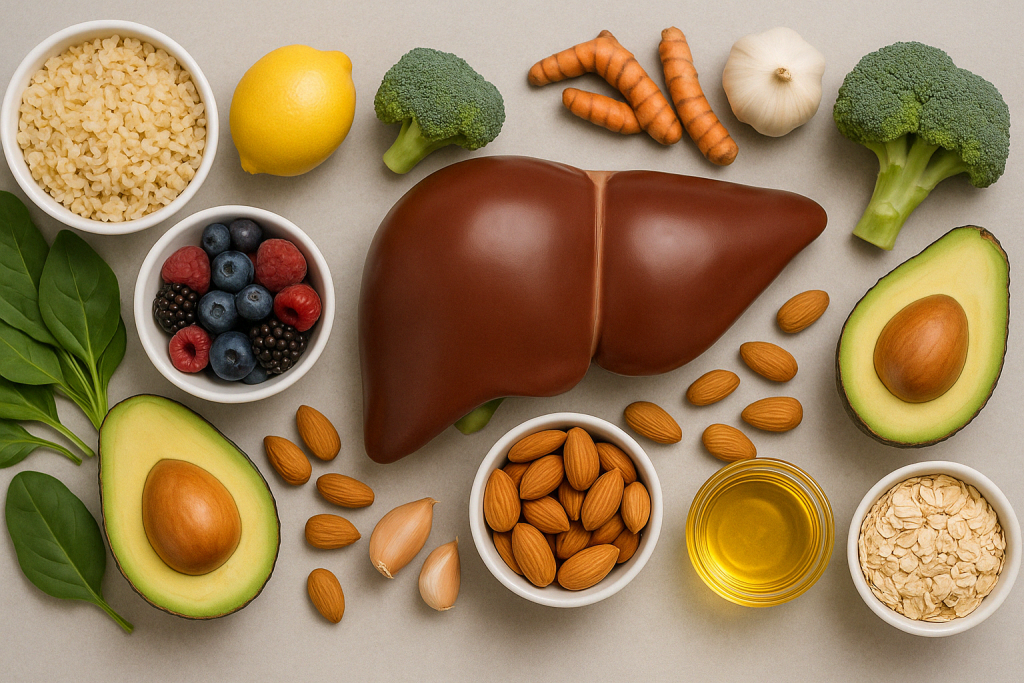
Best Foods to Support Liver Health & Reduce Fatty Liver Risk

Your liver is one of the most hardworking organs in your body, performing over 500 essential functions, from detoxifying harmful substances to aiding digestion and metabolism. But with today’s lifestyle—highly processed diets, excessive alcohol, and sedentary habits—the liver often bears the brunt, leading to issues like fatty liver disease.

The good news? Your diet plays a huge role in keeping your liver healthy! By making the right food choices, you can protect your liver, reduce fat accumulation, and support overall detoxification. Here’s a guide to the best foods that will help you maintain a healthy liver and reduce fatty liver risk naturally.

1. Leafy Greens 🥬

Spinach, kale, and collard greens are powerhouses of antioxidants and chlorophyll, which help flush toxins from the liver. They also contain nitrate compounds that can improve liver function and prevent fat accumulation.

💡 How to Add: Toss greens into salads, blend them into smoothies, or sauté them with garlic for a nutritious side dish.

2. Cruciferous Vegetables 🥦

Broccoli, cauliflower, Brussels sprouts, and cabbage are loaded with sulphur compounds, which enhance liver detoxification and reduce inflammation. These veggies also boost glutathione levels, an antioxidant critical for liver health.

💡 How to Add: Lightly steam them or stir-fry with olive oil for a delicious and liver-friendly meal.

3. Fatty Fish 🐟

Salmon, sardines, and mackerel are rich in omega-3 fatty acids, which help reduce liver inflammation and prevent excess fat buildup. Omega-3s also support overall heart health, reducing the risk of metabolic issues that impact liver function.

💡 How to Add: Grill or bake fatty fish with lemon and herbs for a tasty, nutritious meal.

4. Turmeric 🫚

This golden spice contains curcumin, a powerful anti-inflammatory and antioxidant compound that supports liver detoxification and improves bile production.

💡 How to Add: Mix turmeric into warm milk, sprinkle it over roasted vegetables, or add it to soups and curries.

5. Nuts & Seeds 🌰

Almonds, walnuts, chia seeds, and flaxseeds are packed with healthy fats, vitamin E, and antioxidants, all of which protect liver cells and reduce fat accumulation.

💡 How to Add: Snack on a handful of nuts or sprinkle seeds over yoghurt, oatmeal, or smoothies.

6. Green Tea 🍵

Rich in catechins and polyphenols, green tea helps reduce oxidative stress on the liver and supports fat metabolism. Studies suggest that regular green tea consumption can help prevent liver disease.

💡 How to Add: Enjoy 1-2 cups daily for the best benefits, but avoid excessive intake, as too much can strain the liver.

7. Garlic 🧄

Garlic contains allicin, a compound that activates liver detox enzymes and helps flush out toxins. It also has anti-inflammatory properties that support liver function.

💡 How to Add: Add minced garlic to stir-fries, soups, or roasted veggies.

8. Berries 🍓

Blueberries, strawberries, and raspberries are loaded with anthocyanins, which help protect the liver from damage and reduce fat buildup.

💡 How to Add: Toss berries into your breakfast bowls, smoothies, or eat them fresh as a snack.

9. Oats & Whole Grains 🌾

High in fibre and complex carbohydrates, oats and whole grains help regulate blood sugar levels, reducing the risk of non-alcoholic fatty liver disease (NAFLD).

💡 How to Add: Have oat porridge, whole grain bread, or quinoa-based meals for a fibre boost.

10. Beetroot Juice 🥤

Beetroot is high in nitrates and antioxidants, which help reduce liver inflammation and support natural detox processes.

💡 How to Add: Drink fresh beetroot juice or add it to salads for extra nutrition.

Foods to Avoid for Liver Health

❌ Processed foods – High in unhealthy fats and preservatives that stress the liver.
❌ Excessive alcohol – A major cause of liver damage and fatty liver disease.
❌ Refined sugars – Can contribute to insulin resistance and liver fat accumulation.
❌ Fried foods – High in trans fats that promote inflammation and liver dysfunction.

Your liver works tirelessly to keep you healthy—so why not return the favour? Making small dietary changes can go a long way in improving liver function, preventing fatty liver disease, and boosting overall well-being.

💡 Start incorporating these liver-friendly foods into your diet today!

💬 Have you tried any of these foods for liver health? Share your thoughts in the comments!

#BeTheForce

Disclaimer: The information provided in this blog is for general awareness and educational purposes only. It is not intended to replace professional medical advice, diagnosis, or treatment. Always consult a qualified healthcare provider for personalised medical guidance or concerns related to your health.

March 7, 2025 By Anuja Mohile 1 Comment

Which breakfast cereal should you choose?

482477031_XSImagine walking into the supermarket cereal aisle—rows of colourful boxes promising to be ‘high in fibre,’ ‘low in sugar,’ or ‘fortified with vitamins.’ But how do you know which one is actually good for you? With so many brands and labels, making a healthy choice can be confusing.

Breakfast is meant to break the overnight fast, providing sustained energy and essential nutrients to start the day. However, many cereals that appear healthy may actually contain hidden sugars, excessive salt, or low fibre content. Let’s break down what really matters when choosing your ideal breakfast cereal.

Key Ingredients to Check on a Cereal Box

1. Sugar: Is Your Cereal Too Sweet?

Many breakfast cereals contain added sugars to enhance flavour. While carbohydrates are essential for energy, excess sugar can lead to spikes in blood sugar levels, increased cravings, and long-term health risks such as obesity and diabetes.

✅ Best Choice: Choose cereals with 5g of sugar or less per serving.

❌ Avoid: Cereals with over 10g of sugar per serving, especially those labelled as frosted, honey-coated, or flavoured—these often contain more sugar than nutrition.

⭐ Tip: Sweeten plain cereals naturally by adding fresh fruits, dates, or a drizzle of natural honey.

2. Fibre: The More, The Better!

Dietary fibre is essential for digestion, gut health, and keeping you full longer. A fibre-rich breakfast helps stabilise energy levels and prevent mid-morning cravings.

✅ Best Choice: Look for cereals with at least 3-6g of fibre per serving or 20g per 100g. Wholegrain cereals like bran flakes, shredded wheat, and oats are great choices.

❌ Avoid: Low-fibre cereals with less than 2g per serving—these will leave you feeling hungry soon after eating.

⭐ Tip: Add chia seeds, flaxseeds, or nuts to boost your fibre intake.

3. Salt: The Hidden Ingredient You Overlook

Many processed cereals contain added salt to enhance flavour and shelf life. Too much sodium can contribute to high blood pressure and heart disease.

✅ Best Choice: Opt for cereals with 0.3g of salt or less per 100g (0.1g of sodium or less).

❌ Avoid: Cereals with over 1.5g of salt per 100g (0.5g of sodium or more).

⭐ Tip: If sodium isn’t mentioned on the label, check for ingredients like sodium bicarbonate or preservatives, which indicate hidden salt content.

4. Fat: Watch Out for Unnecessary Additions

Most breakfast cereals are naturally low in fat. However, some granola, muesli, and nut-based cereals contain added oils that can increase caloric intake.

✅ Best Choice: Cereals with 5g of fat or less per 100g.

❌ Avoid: Those with excessive added oils, trans fats, or palm oil.

⭐ Tip: If you enjoy granola, opt for lightly roasted options with minimal added oil.

5. Added Nutrients: Do You Really Need Fortification?

Many cereals are fortified with Iron, Calcium, Vitamin D, and B Vitamins, especially for children and adults who may have nutrient deficiencies.

✅ Best Choice: If you struggle with nutrient intake, choose a cereal with fortified vitamins and minerals.

❌ Avoid: Highly processed cereals with artificial additives and preservatives.

⭐ Tip: Pair your cereal with milk, nuts, or yoghurt to enhance its nutritional value.

How to Build the Perfect Breakfast Bowl

A healthy breakfast isn’t just about cereal—it’s about balancing macronutrients for a more filling, nourishing start to your day:

🥣 Base: Choose a wholegrain cereal like oats, bran flakes, or shredded wheat.

🥛 Protein: Add Greek yoghurt, low-fat milk, or a plant-based alternative.

🥜 Healthy Fats: Sprinkle chia seeds, flaxseeds, or a handful of nuts.

🍓 Natural Sweetness: Fresh berries, banana slices, or dried fruits.

Navigating the cereal aisle doesn’t have to be overwhelming. By reading food labels carefully and making informed decisions, you can choose a nutritious breakfast that supports your energy, digestion, and overall health.

💡 Takeaway: Look for low sugar, high fibre, moderate salt, and avoid unnecessary additives for a balanced start to your day.

Which breakfast cereal do you enjoy the most? Share your favourites in the comments!

#BeTheForce

March 6, 2025 By GOQii Leave a Comment

Bursting Some Common Food Myths: Separating Fact from Fiction

nutrition myths and factsIn today’s digital world, we are constantly bombarded with diet trends, viral health tips, and well-meaning advice from family, friends, and social media influencers. Some of these food beliefs have been passed down for generations, while others have gained traction through modern misinformation. But how many of these commonly accepted truths are actually backed by science?

From the idea that carbs make you fat to the belief that frozen foods lack nutrients, many food myths dictate our eating habits and influence our health choices—sometimes in ways that do more harm than good. It’s time to separate fact from fiction and uncover the real truth behind the most common food myths that continue to mislead people across the world.

Let’s debunk these misconceptions and get back to making smarter, science-backed food choices!

❌ Myth #1: Fresh Produce is Always Healthier than Frozen


Many people believe that fresh fruit and vegetables are superior to frozen ones, but that’s not necessarily true.

✅ Truth: Frozen produce is picked at peak ripeness and flash-frozen, preserving its nutrients. On the other hand, fresh produce can lose vitamins and minerals during transport and storage. In some cases, frozen vegetables may even retain more nutrients than their fresh counterparts!

What to do? Don’t hesitate to stock up on frozen fruit and veg—they’re convenient, affordable, and just as nutritious!

❌ Myth #2: Carbs Make You Gain Weight

carbohydrate-addicts-diet-plan1

Carbohydrates have been wrongfully demonised for years, with many believing they lead to weight gain and poor health.

✅ Truth: Not all carbs are the enemy! Whole grains like quinoa, oats, brown rice, and wholewheat bread provide fibre, vitamins, and sustained energy. The real culprits? Refined carbs like white bread, pastries, and sugary cereals that spike blood sugar levels.

What to do? Choose complex carbs over refined ones and watch portion sizes, rather than cutting carbs completely.

❌ Myth #3: You Need to Detox Your Body with Juice Cleanses

Juices for weight loss

Juice cleanses are marketed as the ultimate detox, promising to flush out toxins and reset your system.

✅ Truth: Your liver and kidneys are already natural detoxifiers! Juice cleanses often lack protein and fibre, leading to blood sugar spikes, energy crashes, and muscle loss rather than ‘detoxification’.

What to do? Instead of extreme cleanses, focus on eating whole foods, drinking plenty of water, and supporting your body’s natural detox processes with balanced nutrition.

❌ Myth #4: Eating Late at Night Causes Weight Gain

Ever heard the advice “Don’t eat after 7 PM, or you’ll gain weight”? Many people believe late-night eating automatically leads to fat storage.

✅ Truth: Total calorie intake matters more than timing. The real problem isn’t when you eat, but what and how much. Late-night snacking on crisps, sweets, and processed foods leads to excess calorie intake, but a protein-rich snack before bed can actually support muscle repair and metabolism.

What to do? If you’re hungry at night, opt for healthy snacks like Greek yoghurt, a handful of nuts, or cottage cheese instead of high-sugar, high-fat processed foods.

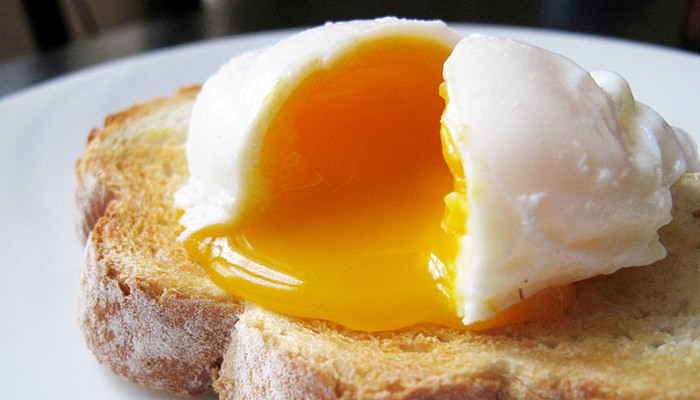
❌ Myth #5: Egg Yolks Are Bad for Your Heart

benefits of egg yolk

Egg yolks have long been blamed for raising cholesterol levels and increasing the risk of heart disease.

✅ Truth: Egg yolks contain healthy fats, essential vitamins, and choline, which supports brain function. While they do contain cholesterol, research shows that dietary cholesterol has little impact on blood cholesterol levels for most people. The bigger concern? Processed foods high in trans fats and added sugars.

What to do? Unless advised otherwise by a doctor, enjoy whole eggs as part of a balanced diet—they’re a powerhouse of nutrients!

❌ Myth #6: Dairy Products Are Inflammatory

Many believe that dairy is inflammatory, causes weight gain, or isn’t necessary for adults.

✅ Truth: Unless you have a lactose intolerance or dairy allergy, dairy products like yoghurt, milk, and cheese provide calcium, protein, and probiotics that support bone health and gut health. Studies show that dairy doesn’t inherently cause inflammation unless there’s a specific intolerance.

What to do? Choose high-quality, minimally processed dairy and watch portion sizes. If dairy doesn’t agree with you, opt for fortified plant-based alternatives like almond or oat milk.

Misinformation about food and nutrition is everywhere, but understanding the science behind what we eat helps us make smarter, healthier choices. By busting these common myths, you can build a balanced, sustainable diet without unnecessary restrictions or food fears.

Which food myth have you believed in the past? Let us know in the comments!

#BeTheForce

Disclaimer: The information provided in this blog is for general awareness and educational purposes only. It is not intended to replace professional medical advice, diagnosis, or treatment. Always consult a qualified healthcare provider for personalised medical guidance or concerns related to your health.

  • « Previous Page
  • 1
  • 2
  • 3
  • 4
  • 5
  • 6
  • …
  • 68
  • Next Page »

Search

Recent Posts

  • The Longevity Bank Account: Daily Deposits, Daily Withdrawals
  • 7 Nutrition Tips For A Healthy Winter
  • 5 Interesting Ways To Include Citrus Fruits In Your Diet
  • Muscle: Your Body’s Most Powerful Tool for Longevity and Healthy Ageing
  • Ideal Weekly Workout Routine For Beginners

Stay Updated

Archives

  • January 2026 (9)
  • December 2025 (19)
  • November 2025 (15)
  • October 2025 (20)
  • September 2025 (6)
  • August 2025 (6)
  • July 2025 (12)
  • June 2025 (18)
  • May 2025 (16)
  • April 2025 (22)
  • March 2025 (23)
  • February 2025 (22)
  • January 2025 (25)
  • December 2024 (22)
  • November 2024 (25)
  • October 2024 (22)
  • September 2024 (24)
  • August 2024 (31)
  • July 2024 (21)
  • June 2024 (26)
  • May 2024 (31)
  • April 2024 (27)
  • March 2024 (29)
  • February 2024 (26)
  • January 2024 (23)
  • December 2023 (15)
  • November 2023 (11)
  • October 2023 (19)
  • September 2023 (22)
  • August 2023 (20)
  • July 2023 (22)
  • June 2023 (24)
  • May 2023 (24)
  • April 2023 (24)
  • March 2023 (23)
  • February 2023 (20)
  • January 2023 (15)
  • December 2022 (11)
  • November 2022 (15)
  • October 2022 (15)
  • September 2022 (12)
  • August 2022 (10)
  • July 2022 (17)
  • June 2022 (11)
  • May 2022 (10)
  • April 2022 (6)
  • March 2022 (6)
  • February 2022 (13)
  • January 2022 (12)
  • December 2021 (7)
  • November 2021 (3)
  • October 2021 (6)
  • September 2021 (3)
  • August 2021 (8)
  • July 2021 (7)
  • June 2021 (15)
  • May 2021 (16)
  • April 2021 (10)
  • March 2021 (7)
  • February 2021 (4)
  • January 2021 (4)
  • December 2020 (3)
  • November 2020 (4)
  • October 2020 (10)
  • September 2020 (3)
  • August 2020 (3)
  • July 2020 (2)
  • June 2020 (4)
  • May 2020 (10)
  • April 2020 (12)
  • March 2020 (10)
  • February 2020 (4)
  • January 2020 (4)
  • December 2019 (3)
  • November 2019 (7)
  • October 2019 (5)
  • September 2019 (4)
  • August 2019 (9)
  • July 2019 (9)
  • June 2019 (11)
  • May 2019 (4)
  • April 2019 (9)
  • March 2019 (8)
  • February 2019 (9)
  • January 2019 (8)
  • December 2018 (9)
  • November 2018 (3)
  • October 2018 (3)
  • September 2018 (5)
  • August 2018 (10)
  • July 2018 (6)
  • June 2018 (13)
  • May 2018 (8)
  • April 2018 (18)
  • March 2018 (9)
  • February 2018 (8)
  • January 2018 (15)
  • December 2017 (12)
  • November 2017 (19)
  • October 2017 (13)
  • September 2017 (15)
  • August 2017 (4)
  • July 2017 (8)
  • June 2017 (7)
  • May 2017 (6)
  • April 2017 (8)
  • March 2017 (6)
  • February 2017 (7)
  • January 2017 (9)
  • December 2016 (10)
  • November 2016 (7)
  • October 2016 (7)
  • September 2016 (7)
  • August 2016 (11)
  • July 2016 (9)
  • June 2016 (9)
  • May 2016 (12)
  • April 2016 (17)
  • March 2016 (17)
  • February 2016 (8)
  • January 2016 (6)
  • December 2015 (2)
  • November 2015 (9)
  • October 2015 (7)
  • September 2015 (9)
  • August 2015 (11)
  • July 2015 (9)
  • June 2015 (12)
  • May 2015 (9)
  • April 2015 (13)
  • March 2015 (8)
  • February 2015 (5)
  • January 2015 (12)
  • December 2014 (14)
  • November 2014 (11)
  • October 2014 (6)
  • September 2014 (13)
  • August 2014 (12)
  • July 2014 (6)
  • June 2014 (2)
  • May 2014 (7)
  • April 2014 (5)

From “Laddu Nawin” to Fit and Fierce: How a 25-Year-Old Insurance Advisor Shed 20 Kilos and Gained His Life Back

When 25-year-old Nawin Yadav from Hyderabad walked into his office every morning, he carried more than just his files and policy papers. He had the weight of fatigue, sluggish energy, and an ever-growing belly that was becoming the butt of jokes. “People … [Read More...]

“I’ve Challenged Myself to Live 100 Years” – The Story of Chandubhai Savani’s Second Chance at Life

At 67, most people start slowing down. Not Chandubhai Savani. A resident of Surat, Chandubhai, thought life was on track. “My life was going well till I had my bypass surgery,” he says. That surgery, back in 2021, was a wake-up call.  Medication was routine, but exercise wasn’t. His diet? What he calls ‘normal.’ “I […]

From Shimla’s Slopes to Chandigarh’s Sidewalks: Surinder Kaur Bhalla’s Journey from Chaos to Control

Some journeys start with a plan. Others begin with a stumble literally. Surinder Bhalla, a government professional, born and raised in the scenic hill town of Shimla, had always lived a life of movement. “In Shimla, you walked everywhere,” she reflects. “Walking was never an exercise. It was just life.” But after shifting to Chandigarh, […]

Ananda Mukherjee Health Story

From Terminal Illness To Complete Wellness! Ananda Mukherjee Health Story

As we observe World Cancer Day under the powerful theme ‘United by Unique’ (2025-2027)**, we are reminded that every individual’s journey with cancer is distinct, yet united by shared resilience, hope, and the collective fight against this disease. This theme places people at the centre of care and their stories at the heart of the […]

  • HOME
  • HEALTHY LIVING
  • FITNESS
  • HEALTHY RECIPES
  • USER STORIES
  • KARMA
  • BUY GOQii

Copyright ©2016 GOQii