GOQii

Blog

  • HOME
  • HEALTHY LIVING
  • FITNESS
  • HEALTHY RECIPES
  • USER STORIES
  • KARMA
  • BUY GOQii

February 25, 2023 By Navnee Garg 3 Comments

Healthy Fats vs. Unhealthy Fats: Weight Loss, Heart Health & More

healthy fats

“Fat” used to be a bad word in nutrition. Years ago, your doctor might have recommended that you limit or avoid fat in your diet. You will be surprised to know that all fats aren’t bad. In fact, some ‘healthy fats’ lower your cholesterol level and help keep you healthy.

What are Dietary Fats?

Dietary fats are essential to give your body energy and to support cell growth. They also help protect your organs and help keep your body warm. Fats help your body absorb some nutrients and produce important hormones too. Your body definitely needs fat.

Healthy Fats vs Unhealthy Fats

Since fats are an important part of a healthy diet, rather than adopting a low-fat diet, it’s more important to focus on eating more beneficial “good” fats and limiting harmful “bad” fats.

1. Monounsaturated fats and polyunsaturated fats are known as the “good fats” or “healthy fats” because they are good for your heart, your cholesterol, and your overall health. Adding more of these healthy fats to your diet may help to make you feel more satisfied after a meal, reducing hunger and thus promoting weight loss.

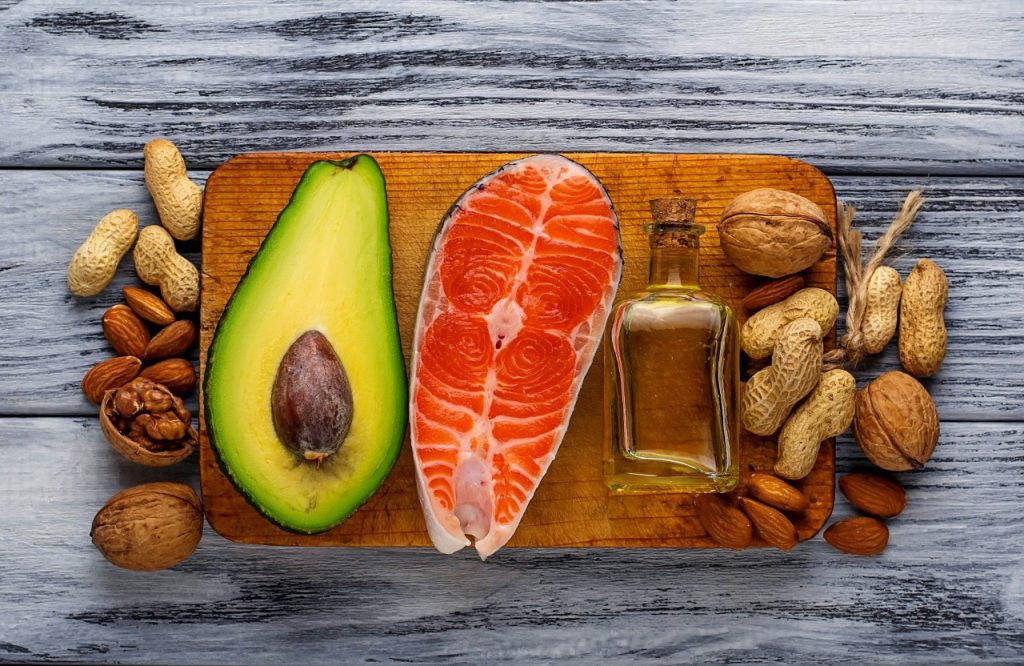
Sources: Olives, Avocado, Nuts, Peanut butter, flaxseed, walnut, soymilk, tofu.

2. Unhealthy or “Bad” fat are the Trans Fats. Small amounts of naturally occurring Trans Fats can be found in meat and dairy products but it is artificial Trans Fats that are considered dangerous. This is the worst type of fat since it not only raises bad LDL cholesterol but also lowers good HDL levels.

Sources: Commercially-baked pastries, cookies, doughnuts, muffins, cakes, pizza dough, Fried foods (French fries, fried chicken, chicken nuggets, breaded fish), Anything containing hydrogenated or partially hydrogenated vegetable oil, even if it claims to be “Trans Fat-Free”.

3. Saturated fats, while not as harmful as Trans Fats, can raise bad LDL cholesterol and too much can negatively impact heart health, so it’s best consumed in moderation.

Sources: Red meat, butter, ice cream, chicken skin.

Tips to Add More Healthy Fats to Your Diet

Instead of obsessively counting fat grams, aim for a diet rich in a variety of vegetables, fruit, nuts, and beans, with two or more weekly servings of fatty fish, moderate amounts of dairy, small amounts of red meat, and only occasional fried or processed meals.

  1. Say NO to Trans Fats from your diet. Check food labels for Trans Fats. Limiting commercially-baked goods and fast food can go a long way.
  2. Limit your intake of saturated fats by replacing some of the red meat you eat with beans, nuts, poultry, and fish, and switching from whole milk dairy to lower fat versions.
  3. Prefer Omega-3 Fats: Include a variety of fish sources as well as plant sources such as walnuts, ground flax seeds, flaxseed oil, canola oil, and soybean oil.
  4. Cook With Olive Oil: Use olive oil for stovetop cooking rather than butter, stick margarine, or lard. For baking, try canola oil.
  5. Eat More Avocados: Try them in sandwiches or salads. Along with being loaded with heart- and brain-healthy fats, they make for a filling meal.
  6. Go Nuts: You can add nuts to vegetable dishes, use them instead of breadcrumbs on chicken or fish, or make your own trail mix with nuts, seeds, and dried fruit.
  7. Snack on Olives: Olives are high in healthy monounsaturated fats and make for a low-calorie snack.
  8. Dress Your Own Salad: Commercial salad dressings are often high in unhealthy fat or added sugars. Create your own healthy dressings with olive, flaxseed, or sesame oils.

Want to know some Healthy Fat based recipes? Stay tuned for the next part of the article!

We hope this article helps you make more informed decisions on eating healthy fats. Do leave your thoughts in the comments below. For more on nutrition, check out Healthy Reads or speak to a GOQii Coach by subscribing for Personalised Health Coaching here.

#BeTheForce

February 17, 2023 By Deepanshu Sharma 1 Comment

Amaranth: The Healthy Supergrain That No One Knows

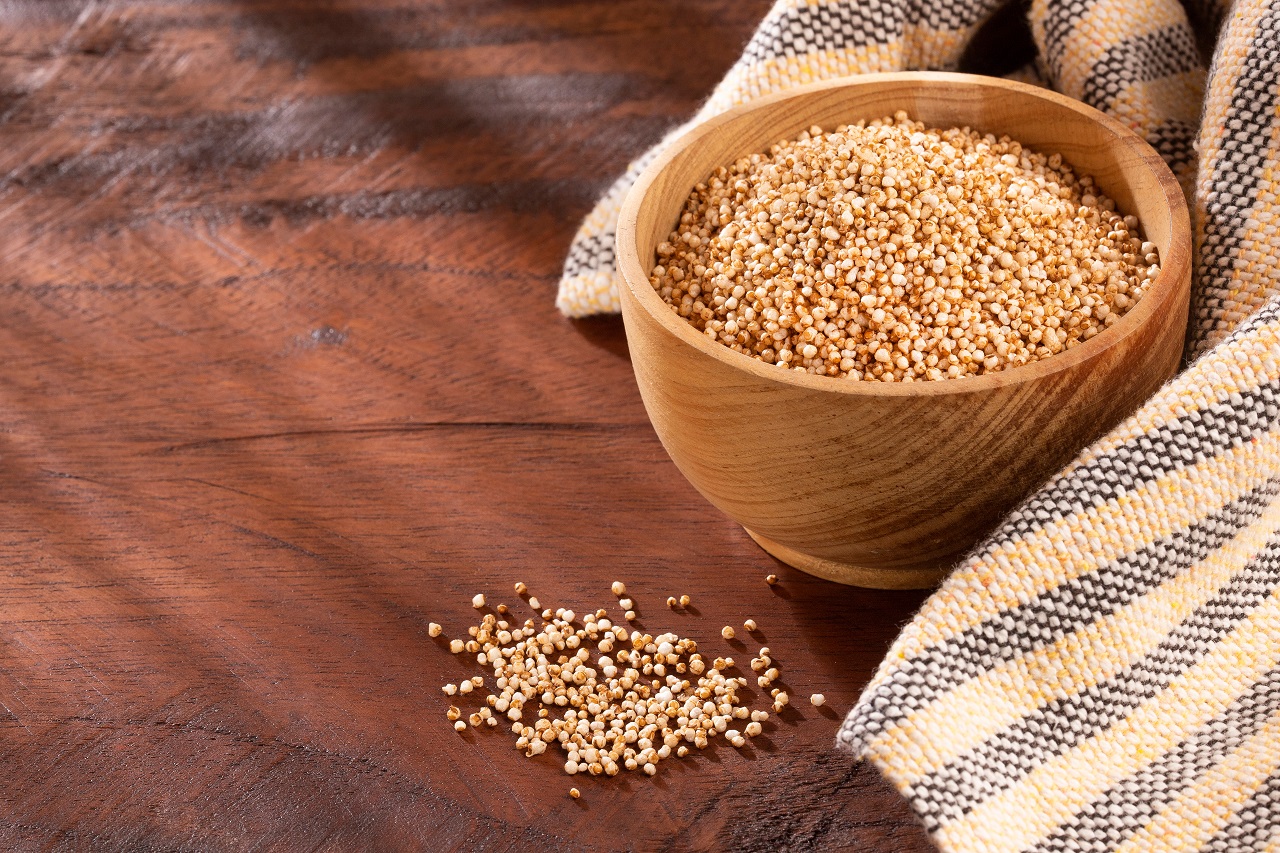
AmaranthIn India, this supergrain is called Rajgira (royal grain) or Ramdana (grain given by Lord Ram), for its amazing utility and health benefits. In English, it is known as Kingseed or Amaranth (derived from a word which means ‘never ending’ in Sanskrit). All these names are quite accurate. Read on to know more about this wonderful grain!
What is Amaranth?

Amaranth is a weed which seems like a cereal. Hence, it is known as a pseudo-cereal. It is a small, round, light colored grain having a crunchy texture which can be eaten raw or in any other form just like wheat or rice.

It was first grown in Peru 8,000 years ago by the Aztec civilization. Today, it is grown all over the world, including India. It gained most of it popularity in the last 50 years when it was studied in the US for its health benefits.

What are the Benefits Derived from Amaranth?

Amaranth is truly a class apart from other grains and cereals. It has the highest energy per 100gm among all grains. When compared to wheat, it has twice the amount or more of minerals such as Iron, Calcium, Phosphorus, Magnesium and Potassium in the cooked form while also having more of Proteins, Healthy Unsaturated Fats and B Vitamins.

Amaranth is also gluten free, which makes it suitable for the gluten intolerant. It is a more nutritious option than other substitutes like Sorghum (Jowar) and Finger Millet (Ragi).

Amaranth is one of the best plant sources of protein (14gm protein per 100gm). The protein content is almost similar to animal sources like cheese which makes it a must in vegan and vegetarian diets. It is rich in Lysine – an essential amino acid which is very rare in other vegetarian protein sources.

Amaranth also has the distinction of being the only grain having Vitamin C in it. The grain also has fairly high amounts of Albumin which is hard to find in plant foods. Moreover, one serving of uncooked Rajgira can give 105% of the total RDA of Manganese which is needed for normal brain and nerve functioning among other things in the body.

Apart from all these nutritional benefits, it has therapeutic benefits too. Rutin, a compound found in Amaranth gives relief from high blood pressure. Other constituents of this wonderful grain can also protect one from several forms of cancers. Being rich in fiber and free of gluten, it also aids people suffering from stomach issues.

How Do You Eat It?

It can be eaten either raw or in other forms like roasting, boiling, etc. Just like wheat, it can be made into a flour which can be used to make flatbread (rotis) too.

One must note that it has some compounds which inhibit the absorption of a few nutrients only when eaten in the raw form. When cooked in any form, these compounds are eliminated and it can be eaten without any worries.

Another big advantage of Amaranth is that it can also be eaten during fasting as it is not a cereal unlike wheat or rice. Being low in calories, high in proteins, vitamins and other vital minerals, it is substantially better than other options.

So go ahead and eat some Amaranth. You can even make flatbreads and use this superfood in your daily life! If you found this article useful, share it with friends and family! Let us know your thoughts in the comments below.

For more on nutrition, click here or speak to an expert by subscribing for GOQii’s Personalised Health Coaching here.

#BeTheForce

January 29, 2023 By Neha Morche 5 Comments

Your Guide To Organic Food

Your Guide To Organic FoodWith fitness and healthy lifestyle taking the world by a storm, Organic Food has become a common phrase associated with this storm. Everyone is talking about buying and consuming organic food over processed food but what exactly constitutes organic food?



Basically, organic food is the usual edible food but is produced, processed and packaged in a different way without using chemicals, pesticides, insecticides, non-organic fertilizers, antibiotics or any artificial hormones which are used otherwise. Organic food meets strict standards and is thus, safe to eat.

Advantages of Organic Food

  • Retains at least 50% more natural nutrients like vitamins and minerals than artificially grown food
  • Not hazardous for health as they contain no chemicals
  • Tastes more natural and delicious as there are no added sweeteners, coloring, flavors and preservatives
  • Organic food protects one from cancer and other diseases
  • Organic agriculture keeps our oceans, lakes, rivers and water supplies clean

Disadvantages of Organic Food

  • It is an expensive proposition
  • Not easily available everywhere
  • Lack in variety
  • Short shelf life because of no added preservatives

What Types of Foods Are Available as Organic?

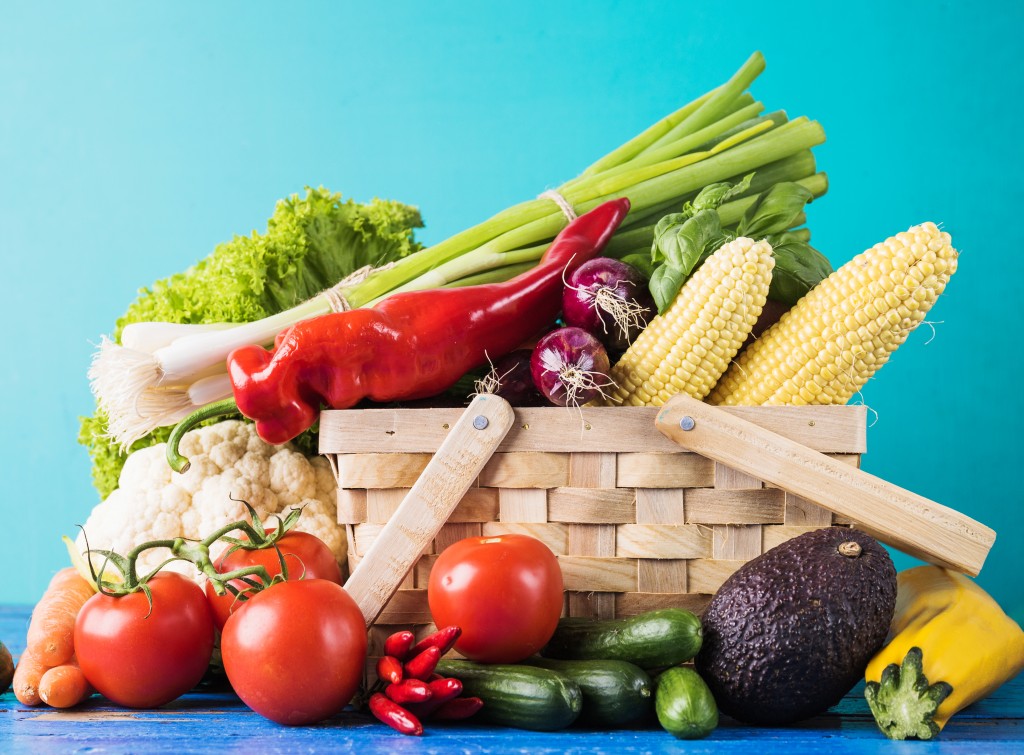
Most consumers think of fruits and vegetables when they think of organic food but there are many other organic foods which include pastas, sauces, frozen juices, cereals, soups, chocolate, cookies, meat, poultry, dairy and even wine.

Not only the vegetarian food items but even poultry and meat have gone organic. Isn’t that interesting for non-vegetarians? But how does it work? It is because poultry and animals are fed only organic feeds and that puts them in the category of organic non-vegetarian food. Also, the animal and birds are not given any growth hormones for their mass production.

Tips to Buy Organic Food

  • Look for the label or logo that has approved the production of the food as “organic”
  • Remain informed about the organization that is an authorized seller of organic food
  • Pay attention on the expiry date. As no preservatives are added to the food, their natural shelf life is less

People may mistake Natural Food as Organic Food as it has not reached many areas in the world due to support from the government, proper authentication, etc. So there is a difference between Natural Food and Organic Food

What is the Difference Between “Organic” and “Natural”?

“Natural” is often misrepresented in product labeling as “healthy” but “natural” only means that the product has undergone minimal processing, no certification or inspection system. Also, “natural” does not necessarily relate to growing methods or the use of preservatives.

As we all know, eating unhealthy creates health issues whereas eating healthy and organic not only helps you get healthier and live better but most importantly, it develops the good habit of eating right.

Was this article helpful? Let us know in the comments below. For more on eating healthy and nutrition, click here or speak to an expert by subscribing for GOQii’s Personalised Health Coaching.

#BeTheForce

January 20, 2023 By GOQii 1 Comment

Decoding Bread Myths & Best Bread Tips To Follow

bread mythsWe are all well aware of terms like whole wheat, multigrain, seven-grain, 12-grain, all natural, organic and enriched. Often, we try to look out for the healthiest option when we hit the grocery store to buy that perfect piece of loaf. Every time you eat bread, be it a sandwich, a muffin or a bagel, you’ve got an opportunity to improve your diet. For most us, choosing whole-wheat bread products is the easiest way to eat more super-healthy whole grains. But, when you’re standing in front of the bread array in the supermarket, by just reading the various label claims, just how do you know which is the best bread to buy? Choosing the best bread can be confusing. Here are three bread myths that need to be DEBUNKED!

3 Bread Myths Busted! 

#1: If it looks brown and has the word “wheat” in the name, it has lots of fiber and whole grain.
The Truth: Its always the first ingredient listed on the ingredient label that tells the story. If it’s “wheat flour” or “enriched bleached flour” (or similar), that tells you white flour was mostly used, not “whole-wheat flour”.

#2: Breads with healthy sounding names like “seven-grain” or “100% natural” are the best choices.
The Truth: Just because the name of the bread on the package sounds super-healthy, it doesn’t mean the bread actually is healthy. Certain seven-grain and 12-grain breads, for example, list “unbleached enriched flour” as their first ingredient and some are mainly made with “wheat flour”, not whole wheat.

#3: Rye bread is a 100% whole-grain, high-fiber choice.
The Truth: The first ingredient listed on the label of most brand brands of rye bread is none other than unbleached enriched flour. The second ingredient is usually water, and the third, rye flour. That explains why most rye breads have only 1 gram of fiber per slice (some have less than that). So, rye bread isn’t usually 100% whole grain.

Tips To Buy The Best Bread 

1. Just “whole wheat” or “made with whole grain”, doesn’t classify as healthy
Look for labels that say “100% whole wheat” or “100% whole grain”, and don’t settle for anything less. If it’s 100% whole wheat, the first ingredient listed in the ingredient label has to  be whole-wheat flour or 100% whole-wheat flour. You want whole grains because they’re naturally low in fat and cholesterol free; contain 10% to 15% protein, and offer loads of healthy fiber, resistant starch, minerals, vitamins, antioxidants, phytochemicals, and often, phytoesterogrens (plant estrogens). With all those nutrients in one package, it’s no wonder whole grains provide so many health benefits.

2. Watch the Sodium
Most bread products come with a dose of sodium which is added to help control the yeast activity and for flavor. If you eat three servings of whole grain bread a day and each slice has about 200 milligrams of sodium, that contributes 600 milligrams to your daily sodium total. It may not sound like much, but it represents one-third of your limit if you’re trying to stay within 1,800 milligrams a day.

3. Serving Size Matters
When comparing bread products, look carefully at the serving size on the label. Some bread slices are much larger than others.

4. “Diet or Light” Isn’t Always Better
There are several brands of bread that are promoted as being low in calories. They usually have the word “light” in the name or on the packaging. Often, “light” bread means a smaller serving size and a product that is pumped with some extra fiber.

A Quick Checklist Before You Buy Bread: 

  • 4 grams of fiber per 2-slice serving (or similar)
  • 100% whole wheat flour as the first ingredient on the label
  • Less than 401 mg sodium per 2-slice serving
  • 1 gram saturated fat or less per 2-slice serving (most have zero saturated fat)

We hope we’ve busted those bread myths and this article helps you buy the best bread out there without compromising your health. If you found this article helpful, please share your thoughts in the comments below!

For more tips on nutrition, click here or ask a GOQii Coach for assistance by subscribing for Personalised Health Coaching here.  

#BeTheForce

  • « Previous Page
  • 1
  • …
  • 24
  • 25
  • 26
  • 27
  • 28
  • …
  • 68
  • Next Page »

Search

Recent Posts

  • Best Foods To Alleviate Irritable Bowel Syndrome
  • ALL ABOUT VERTIGO!
  • PCOS and Anxiety: Discover Relief with the 54321 Technique
  • Navigating the Maze of Nutrition: Finding Clarity Amidst Confusion
  • Get children active and keep them healthy

Stay Updated

Archives

  • December 2025 (6)
  • November 2025 (15)
  • October 2025 (20)
  • September 2025 (6)
  • August 2025 (6)
  • July 2025 (12)
  • June 2025 (18)
  • May 2025 (16)
  • April 2025 (23)
  • March 2025 (23)
  • February 2025 (22)
  • January 2025 (26)
  • December 2024 (26)
  • November 2024 (25)
  • October 2024 (22)
  • September 2024 (24)
  • August 2024 (31)
  • July 2024 (21)
  • June 2024 (26)
  • May 2024 (31)
  • April 2024 (27)
  • March 2024 (29)
  • February 2024 (26)
  • January 2024 (25)
  • December 2023 (15)
  • November 2023 (11)
  • October 2023 (22)
  • September 2023 (22)
  • August 2023 (20)
  • July 2023 (22)
  • June 2023 (24)
  • May 2023 (24)
  • April 2023 (24)
  • March 2023 (23)
  • February 2023 (20)
  • January 2023 (16)
  • December 2022 (12)
  • November 2022 (15)
  • October 2022 (15)
  • September 2022 (12)
  • August 2022 (10)
  • July 2022 (17)
  • June 2022 (11)
  • May 2022 (10)
  • April 2022 (6)
  • March 2022 (6)
  • February 2022 (13)
  • January 2022 (12)
  • December 2021 (7)
  • November 2021 (3)
  • October 2021 (6)
  • September 2021 (3)
  • August 2021 (8)
  • July 2021 (7)
  • June 2021 (15)
  • May 2021 (16)
  • April 2021 (10)
  • March 2021 (7)
  • February 2021 (4)
  • January 2021 (4)
  • December 2020 (3)
  • November 2020 (4)
  • October 2020 (10)
  • September 2020 (3)
  • August 2020 (3)
  • July 2020 (2)
  • June 2020 (4)
  • May 2020 (10)
  • April 2020 (12)
  • March 2020 (10)
  • February 2020 (4)
  • January 2020 (4)
  • December 2019 (3)
  • November 2019 (7)
  • October 2019 (5)
  • September 2019 (4)
  • August 2019 (9)
  • July 2019 (9)
  • June 2019 (11)
  • May 2019 (4)
  • April 2019 (9)
  • March 2019 (8)
  • February 2019 (9)
  • January 2019 (8)
  • December 2018 (9)
  • November 2018 (3)
  • October 2018 (3)
  • September 2018 (5)
  • August 2018 (10)
  • July 2018 (6)
  • June 2018 (13)
  • May 2018 (8)
  • April 2018 (18)
  • March 2018 (9)
  • February 2018 (8)
  • January 2018 (15)
  • December 2017 (12)
  • November 2017 (19)
  • October 2017 (13)
  • September 2017 (15)
  • August 2017 (4)
  • July 2017 (8)
  • June 2017 (7)
  • May 2017 (6)
  • April 2017 (8)
  • March 2017 (6)
  • February 2017 (7)
  • January 2017 (9)
  • December 2016 (10)
  • November 2016 (7)
  • October 2016 (7)
  • September 2016 (7)
  • August 2016 (11)
  • July 2016 (9)
  • June 2016 (9)
  • May 2016 (12)
  • April 2016 (17)
  • March 2016 (17)
  • February 2016 (8)
  • January 2016 (6)
  • December 2015 (2)
  • November 2015 (9)
  • October 2015 (7)
  • September 2015 (9)
  • August 2015 (11)
  • July 2015 (9)
  • June 2015 (12)
  • May 2015 (9)
  • April 2015 (13)
  • March 2015 (8)
  • February 2015 (5)
  • January 2015 (12)
  • December 2014 (14)
  • November 2014 (11)
  • October 2014 (6)
  • September 2014 (13)
  • August 2014 (12)
  • July 2014 (6)
  • June 2014 (2)
  • May 2014 (7)
  • April 2014 (5)

From “Laddu Nawin” to Fit and Fierce: How a 25-Year-Old Insurance Advisor Shed 20 Kilos and Gained His Life Back

When 25-year-old Nawin Yadav from Hyderabad walked into his office every morning, he carried more than just his files and policy papers. He had the weight of fatigue, sluggish energy, and an ever-growing belly that was becoming the butt of jokes. “People … [Read More...]

“I’ve Challenged Myself to Live 100 Years” – The Story of Chandubhai Savani’s Second Chance at Life

At 67, most people start slowing down. Not Chandubhai Savani. A resident of Surat, Chandubhai, thought life was on track. “My life was going well till I had my bypass surgery,” he says. That surgery, back in 2021, was a wake-up call.  Medication was routine, but exercise wasn’t. His diet? What he calls ‘normal.’ “I […]

From Shimla’s Slopes to Chandigarh’s Sidewalks: Surinder Kaur Bhalla’s Journey from Chaos to Control

Some journeys start with a plan. Others begin with a stumble literally. Surinder Bhalla, a government professional, born and raised in the scenic hill town of Shimla, had always lived a life of movement. “In Shimla, you walked everywhere,” she reflects. “Walking was never an exercise. It was just life.” But after shifting to Chandigarh, […]

Ananda Mukherjee Health Story

From Terminal Illness To Complete Wellness! Ananda Mukherjee Health Story

As we observe World Cancer Day under the powerful theme ‘United by Unique’ (2025-2027)**, we are reminded that every individual’s journey with cancer is distinct, yet united by shared resilience, hope, and the collective fight against this disease. This theme places people at the centre of care and their stories at the heart of the […]

  • HOME
  • HEALTHY LIVING
  • FITNESS
  • HEALTHY RECIPES
  • USER STORIES
  • KARMA
  • BUY GOQii

Copyright ©2016 GOQii