GOQii

Blog

  • HOME
  • HEALTHY LIVING
  • FITNESS
  • HEALTHY RECIPES
  • USER STORIES
  • KARMA
  • BUY GOQii

September 24, 2014 By POOJA SINGH Leave a Comment

Commando Coriander and its benefits

Commando Coriander and its benefits

Coriander Leaves are commonly present in most of the homes in Indian family. It is mostly used in garnishing Indian dishes. It is considered both as a spice and a herb. Health Benefits of coriander are numerous. Its dark green color makes it more attractive and appealing to taste, little did we know that these leaves are loaded with innumerable health benefits. There is a huge list of nutrients that this herb contains. To start with, it is a very good source of Vitamin A, C and K and traces of B vitamin are noticed. In the mineral department it provides high amount of calcium and potassium. Both of these have are helpful for relieving various ailments. Then there is also iron, manganese and sodium and is also a wonderful source of Dietary fiber. Coriander has been called Commando Coriander because regular consumption of coriander in good amount gives the body lot of phytonutrient which helps to combat lot of diseases and also helps in preventing them. Some of the health benefits of coriander are as follows. Coriander leaves contain Lianol and essential oil that can help detoxify the liver and help in bowel movements. It contains anti-inflammatory properties. This is why it is good against inflammatory diseases such as Arthritis. Coriander has antiseptic properties because of presence of Complex vitamin, this makes it helpful to cure mouth ulcers. Coriander contains high amount of Iron which makes it useful in treatment of Anemia. Coriander is good for eyes. Antioxidant in coriander prevent eye diseases. Its good remedy in treatment of conjunctivitis. Vitamin K present in Coriander is useful in treatment of Alzheimer’s disease. The fat soluble vitamin and antioxidant vitamin A in Coriander protects from lung and cavity cancer. With these numerous health benefits, consuming coriander on regular basis will help you keep away many health Problems?? So, go ahead, garnish coriander and let it work as your Commando for a Healthy and Disease Free Life.

September 15, 2014 By MANISHA GURAM Leave a Comment

Healthy Vision

healthy-vision
One day while going through nutrition book and while surfing the net, I was surprised to see lack of blogging and articles on one body part that is the eye. Since my childhood I have noticed that we take our eyes for granted. Just because you are seeing well and have no irritation, one does not think it is necessary to go in for an eye examination till a problem arises. Well! It can be too late! Do you know your vision keeps getting worse as you age?

While in School almost 70 % of us have faced blurred vision not able to read the blackboard clearly. Also most of us have spent out childhood sitting close to the television, rubbing eyes and these problems still persist and we still neglect them most of the times. You neglect it till it gets worse and then get spectacles without which you can see at all.

Healthy vision should be of priority since childhood. The challenge begins from viewing the black board, ability to see clearly on a computer. If neglected the same persists in adulthood. Modern day computing and internet means spending more time with your smartphone and computer screen. Two hours with computer means tired, strained feeling such as eyestrain, redness, irritation, dryness, burning, blurred vision, headaches and neck and shoulder pain.

A healthy eye is an indicator of good health. It is important to maintain healthy weight for healthy eye, being overweight or obese increases the risk of diabetes, high blood pressure, cardiovascular diseases, each of these damage vessels in eye and lead to vision loss in an individual. There is a strong correlation between eyes and diseases.

Diabetes is one of the leading causes for blindness among individuals in many countries especially in the age group of 20 – 74. Therefore, it is important for everyone who has diabetes to check their eyes regularly. High blood pressure and high cholesterol levels lead to cataracts (clouding of eye with proteins and glaucoma). The shocking thing is you may not realize that you are suffering from a disease or you have diabetes mellitus until you experience loss of vision.

Lack of proper nutrients such as essential vitamins and minerals in the regular diet also results in conditions like xeropthalmia. In India, Malnutrition is serious health problem leading to night blindness- a common ailment. In developed countries like America more than 8 million people face vision problems like age related macular degeneration (AMD) that causes blindness in people in their 60s, while the symptoms show late damage occurs decades earlier. Most leading eye problems are AMD, Cataract, Diabetic retinopathy, Glaucoma, dry eyes, conjuctivits and many more…

Therefore I would say why wait till a problem arises? Dietary intake prevention and lifestyle modification plays important role in healthy vision.

Free radicals bring about oxidation which is the evil for good vision as it destroys epithelial layer in eye & deeper ones of the cornea. Antioxidants( vitamin A,C,E, lutein ,zeaxanthin & zinc) present in fruits and vegetables help fighting against these free radicals which minimize the damage to your cells.

Diet modifications:

  • VITAMIN C

Citrus fruits are powerful topmost antioxidants such as vitamin C, retinas of our eye require vitamin c to maintain proper nerve cell function.  Vitamin C with essential nutrients slows AMD. Grapes, strawberries, papaya, orange, green peppers, Peaches, blueberries, mango, tomato, apricot & cabbage all provide Vitamin C.


  • VITAMIN E

Vitamin E works along with vitamin C. It is a Powerful antioxidant in nuts, cereals, wheat germ, sunflower seeds and sweet potatoes. It Protects retina from damage caused by smoking and alcohol.


  • VITAMIN A

Yellow orange coloured fruits and vegetables like Oranges, lettuce, bell peppers, tuna, mango,  kiwis, grapefruits, dried apricots, tomatoes, peppers & raw carrots contain good amount of vitamin A.


  • OMEGA 3 RICH FOODS

Salmon, Tuna, flaxseed, walnuts, canola oil, soyabeans for visual function and retina development.


  • ZINC

Essential helper molecule as it brings the vitamin A from liver to the retina to produce melanin that protects eyes. Nuts, legumes, Oyester, turkey and crab are rich in zinc.


  • LUTEIN  AND ZEAXANTHIN

Green leafy vegetables like spinach and kale contains Lutein and Zeaxanthin which absorb the damaging light, help retina cells off free radicals and reduce risk of macular degeneration. Eggs yellow peppers mango, kale, spinach, broccoli, green peas , sprouts.

Lifestyle modifications

  • We all know that in this fast moving World we can’t avoid computers and smartphones but in order to keep your eyes healthy give your eyes a break from the computer screen every 20 mins or more for atleast 30 secondss.
  • Make sure your lens has not expired, blink your eyes more to avoid dryness.
  • Quit smoking as it increases risk of cataracts.
  • Protect eyes from sun, ultraviolet rays by wearing right kind of sun glasses.
  • Remove eye makeup using coconut oil.
  • Use proper lighting to avoid eyestrain.
  • Get eyes examined regularly.
  • Relax your eyes by doing some eye exercises like rubbing your palm and keeping it on your eye.

We eat the right food to slim down and get into shape, but eyes are the mirror of a human soul and they are most important for a healthy life.


September 10, 2014 By Shimpli Patil 3 Comments

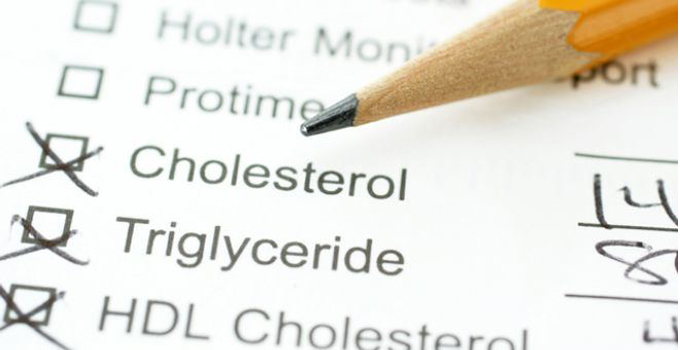
THE TRUTH ABOUT CHOLESTEROL

cholesterol
Cholesterol is something which most people regard as a “villain” of health. All thanks to the increasing rate of heart disease and other related complications. It’s true that a diet consistently high in cholesterol and saturated fats takes a person on the path of heart ailments, but it’s also true that if one were to totally shun cholesterol, one would age very fast as the cell replacement would be hampered, the skin would become loose and premature wrinkles would appear. Does that surprise you? Oh yes it will! So, cholesterol is bad…and cholesterol is good as well. While too much cholesterol can be harmful, just the right amount of it does a lot of important work in the body.

Majority of the total body cholesterol is synthesized in the liver and some of it is obtained from foods. Among the food sources, cholesterol comes only from animal foods. Foods that contain saturated fats (dairy products, hydrogenated vegetable oils, egg yolk, red meat, coconut, cashews, etc.) are the indirect sources of cholesterol as saturated fat is converted into cholesterol when it enters the body.

There are various functions of Cholesterol which are indispensible to the body:

  • Cholesterol plays a very important role in both the creation and maintenance of human cell membrane
  • It helps produce bile acids which aids in digestion and vitamin absorption.
  • It aids in the synthesis of Vitamin D
  • It plays a role in producing hormones such as oestrogen in women and testosterone in men.

Let’s understand that all cholesterol isn’t the same. There’s good cholesterol called HDL (high density lipoprotein) and bad cholesterol called LDL (Low density Lipoprotein).

HDL cholesterol sweeps away the extra cholesterol from cells and tissues and takes it to liver where it is broken down and passed from the body. A healthy range of HDL cholesterol is known to protect against heart diseases, while low levels have been shown to increase the risk of it.

Whereas LDL cholesterol, the “bad man”, contributes to plaque formation, a thick, hard deposit that can clog arteries making them less flexible which sets the process of heart disease in motion.

In order to prevent heart disease, it is very important to maintain the good and bad cholesterols in their healthy range. LDL Cholesterol should always be under 130 mg/dl and HDL should be above 60 mg/dl, and the total cholesterol ought to be within 200 mg/dl.

How do we maintain these healthy levels? In terms of diet, the high-fat diets that raise LDL also raise HDL, while low-fat diets lower both. However, there are certain foods which lower the LDL and up the HDL levels. These are the foods rich in omega 3. Omega 3 is a miraculous nutrient found in walnuts, flaxseeds, flaxseed oil, fish, fish oil, chia seeds, etc. which helps maintain the healthy ratio of HDL:LDL. Apart from diet, of course exercise, genetics other lifestyle factors also play a role in maintaining the levels. People who exercise, don’t smoke and maintain a healthy weight tend to have higher levels of HDL.

Thus, all that we need to make sure is to eat wisely, exercise regularly and thereby maintain the healthy lipid levels and secure your heart!

August 27, 2014 By Parwage Alam 16 Comments

Neem and its Health Benefits

neem-leaves
Have you ever come across a lady or a man chewing a stick as a method of brushing his or her teeth. Well this is very common in the villages of India. They ain’t chewing any stick they are chewing Neem (Azadirachta indica A. Juss) sticks.

Neem (Azadirachta indica A. Juss) tree commonly seen and available in India everywhere yet, only a few are aware about neem and know that it is an integral part of Ayurveda for the benefits associated with it. The beneficial properties of Neem (Azadirachta indica A. Juss) have been recognized in the Indian tradition for thousands of years. Each part of the Neem tree has some medicinal property. It is an herb that is commonly available, throughout the year and has benefits that only a few natural products can provide.

Neem is known by many different names, Nimm, Arya Veppu, Azad Dirakht, DogonYaro, Neeb, Nimtree, Vepu, Vempu, Vepa, Bevu, Kohomba, Vembu, Tamar, Paraiso, Antelaea azadirachta, Arishta, Arishtha, Azadirachta indica, Bead Tree, Holy Tree, Huile de Neem, Indian Lilac, Indian Neem, Lilas des Indes, Lilas de Perse, Margosa, Margosa Tree, Margousier, Margousier à Feuilles de Frêne, Margousier d’Inde, Melia azadirachta, Neem Oil, Neem Tree, Melia azadirachta, Nim, Nimb, Nimba, Persian Lilac, Pride of China.

In East Africa it is also known as Muarubaini (in Swahili), which means the tree of the 40, as it is said to treat 40 different diseases.

Neem has anti- bacterial; anti- parasitic, anti- fungal, anti-inflammatory and analgesic properties that not only benefits your health but can help you get rid of common beauty problems that you face in your daily life. All parts of neem are used for preparing many different medicines, especially for skin disease.

Neem leaf is used for leprosy, eye disorders, bloody nose, intestinal worms, stomach upset, loss of appetite, skin ulcers, diseases of the heart and blood vessels (cardiovascular disease), fever, diabetes, gum disease (gingivitis), and liver problems.

The leaf is also used for birth control and to cause abortions. Various parts of the Neem tree have been used as traditional Ayurvedic medicine in India. Neem oil and the bark and leaf extracts have been therapeutically used as folk medicine to control leprosy, intestinal helminthiasis, respiratory disorders, constipation and also as a general health promoter.

Neem which is rich in Vitamin C also helps in getting rid of skin problems like blackheads, pigmentation, dullness and ageing thus leaving the skin with a youthful glow.

Some Ayurvedic use of Neem:

Leaf: Leprosy, eye problem, epistaxis, intestinal worms, anorexia, biliousness, skin ulcers,

Bark: Analgesic, alternative and curative of fever.

Flower: Bile suppression, elimination of intestinal worms and phlegm.

Fruit: Piles, intestinal worms, urinary disorder, epistaxis, phlegm, eye problem, diabetes, wounds and leprosy.

Twig: Cough, asthma, piles, phantom tumour, intestinal worms, spematorrhoea, obstinate urinary disorder, diabetes.

Gum: Scabies, wounds, ulcers, skin diseases.

Seed: Leprosy and intestinal worms.

Oil: Leprosy and intestinal worms.

To throw more light on the importance of having Neem can be seen through this that on the auspicious occasion of Gudi Padwa which is mainly celebrated in Maharashtra as a new year, after the Gudi is worshipped the offering or prasad as they call it in local parlance is made of Neem leaf paste, tamarind, Ajwain, pulses and jaggery is distributed. The Neem leaf paste is said to purify the blood and build immunity against diseases.

A traditional Indian plant medicine has now led to several therapeutically useful preparations and compounds, due to which the scientists are exploring more information about this medicinal plant. After have read all the above information it’s now time to make good use of centuries-old knowledge on Neem through modern approaches of drug development.

  • « Previous Page
  • 1
  • …
  • 75
  • 76
  • 77
  • 78
  • Next Page »

Search

Recent Posts

  • Best Foods To Alleviate Irritable Bowel Syndrome
  • ALL ABOUT VERTIGO!
  • PCOS and Anxiety: Discover Relief with the 54321 Technique
  • Navigating the Maze of Nutrition: Finding Clarity Amidst Confusion
  • Get children active and keep them healthy

Stay Updated

Archives

  • December 2025 (6)
  • November 2025 (15)
  • October 2025 (20)
  • September 2025 (6)
  • August 2025 (6)
  • July 2025 (12)
  • June 2025 (18)
  • May 2025 (16)
  • April 2025 (23)
  • March 2025 (23)
  • February 2025 (22)
  • January 2025 (26)
  • December 2024 (26)
  • November 2024 (25)
  • October 2024 (22)
  • September 2024 (24)
  • August 2024 (31)
  • July 2024 (21)
  • June 2024 (26)
  • May 2024 (31)
  • April 2024 (27)
  • March 2024 (29)
  • February 2024 (26)
  • January 2024 (25)
  • December 2023 (15)
  • November 2023 (11)
  • October 2023 (22)
  • September 2023 (22)
  • August 2023 (20)
  • July 2023 (22)
  • June 2023 (24)
  • May 2023 (24)
  • April 2023 (24)
  • March 2023 (23)
  • February 2023 (20)
  • January 2023 (16)
  • December 2022 (12)
  • November 2022 (15)
  • October 2022 (15)
  • September 2022 (12)
  • August 2022 (10)
  • July 2022 (17)
  • June 2022 (11)
  • May 2022 (10)
  • April 2022 (6)
  • March 2022 (6)
  • February 2022 (13)
  • January 2022 (12)
  • December 2021 (7)
  • November 2021 (3)
  • October 2021 (6)
  • September 2021 (3)
  • August 2021 (8)
  • July 2021 (7)
  • June 2021 (15)
  • May 2021 (16)
  • April 2021 (10)
  • March 2021 (7)
  • February 2021 (4)
  • January 2021 (4)
  • December 2020 (3)
  • November 2020 (4)
  • October 2020 (10)
  • September 2020 (3)
  • August 2020 (3)
  • July 2020 (2)
  • June 2020 (4)
  • May 2020 (10)
  • April 2020 (12)
  • March 2020 (10)
  • February 2020 (4)
  • January 2020 (4)
  • December 2019 (3)
  • November 2019 (7)
  • October 2019 (5)
  • September 2019 (4)
  • August 2019 (9)
  • July 2019 (9)
  • June 2019 (11)
  • May 2019 (4)
  • April 2019 (9)
  • March 2019 (8)
  • February 2019 (9)
  • January 2019 (8)
  • December 2018 (9)
  • November 2018 (3)
  • October 2018 (3)
  • September 2018 (5)
  • August 2018 (10)
  • July 2018 (6)
  • June 2018 (13)
  • May 2018 (8)
  • April 2018 (18)
  • March 2018 (9)
  • February 2018 (8)
  • January 2018 (15)
  • December 2017 (12)
  • November 2017 (19)
  • October 2017 (13)
  • September 2017 (15)
  • August 2017 (4)
  • July 2017 (8)
  • June 2017 (7)
  • May 2017 (6)
  • April 2017 (8)
  • March 2017 (6)
  • February 2017 (7)
  • January 2017 (9)
  • December 2016 (10)
  • November 2016 (7)
  • October 2016 (7)
  • September 2016 (7)
  • August 2016 (11)
  • July 2016 (9)
  • June 2016 (9)
  • May 2016 (12)
  • April 2016 (17)
  • March 2016 (17)
  • February 2016 (8)
  • January 2016 (6)
  • December 2015 (2)
  • November 2015 (9)
  • October 2015 (7)
  • September 2015 (9)
  • August 2015 (11)
  • July 2015 (9)
  • June 2015 (12)
  • May 2015 (9)
  • April 2015 (13)
  • March 2015 (8)
  • February 2015 (5)
  • January 2015 (12)
  • December 2014 (14)
  • November 2014 (11)
  • October 2014 (6)
  • September 2014 (13)
  • August 2014 (12)
  • July 2014 (6)
  • June 2014 (2)
  • May 2014 (7)
  • April 2014 (5)

From “Laddu Nawin” to Fit and Fierce: How a 25-Year-Old Insurance Advisor Shed 20 Kilos and Gained His Life Back

When 25-year-old Nawin Yadav from Hyderabad walked into his office every morning, he carried more than just his files and policy papers. He had the weight of fatigue, sluggish energy, and an ever-growing belly that was becoming the butt of jokes. “People … [Read More...]

“I’ve Challenged Myself to Live 100 Years” – The Story of Chandubhai Savani’s Second Chance at Life

At 67, most people start slowing down. Not Chandubhai Savani. A resident of Surat, Chandubhai, thought life was on track. “My life was going well till I had my bypass surgery,” he says. That surgery, back in 2021, was a wake-up call.  Medication was routine, but exercise wasn’t. His diet? What he calls ‘normal.’ “I […]

From Shimla’s Slopes to Chandigarh’s Sidewalks: Surinder Kaur Bhalla’s Journey from Chaos to Control

Some journeys start with a plan. Others begin with a stumble literally. Surinder Bhalla, a government professional, born and raised in the scenic hill town of Shimla, had always lived a life of movement. “In Shimla, you walked everywhere,” she reflects. “Walking was never an exercise. It was just life.” But after shifting to Chandigarh, […]

Ananda Mukherjee Health Story

From Terminal Illness To Complete Wellness! Ananda Mukherjee Health Story

As we observe World Cancer Day under the powerful theme ‘United by Unique’ (2025-2027)**, we are reminded that every individual’s journey with cancer is distinct, yet united by shared resilience, hope, and the collective fight against this disease. This theme places people at the centre of care and their stories at the heart of the […]

  • HOME
  • HEALTHY LIVING
  • FITNESS
  • HEALTHY RECIPES
  • USER STORIES
  • KARMA
  • BUY GOQii

Copyright ©2016 GOQii