GOQii

Blog

  • HOME
  • HEALTHY LIVING
  • FITNESS
  • HEALTHY RECIPES
  • USER STORIES
  • KARMA
  • BUY GOQii

July 21, 2016 By Vrushali Athavle 1 Comment

Here is your guide to Nut allergy: Dos and don’t’s

Nuts! Oh…they sure can cause trouble if you are allergic to them and growing number of adults and kids alike are allergic to them. I became more attentive to it when my 3 year old daughter experienced it. The doctor identified the red rashes all over her body, as an allergic reaction to some food.

The doctor asked me to cut down on 8 foods namely eggs, milk, peanuts, tree nuts, fish, shell fish, wheat and soy which accounts for about 90% of all the reactions.

So what type of food allergies are we talking about? It could be peanuts for one or tree nuts. (Almonds, walnuts, pecans, cashew).

Nut allergy is one of the most common types of food allergy in both children and adults. This allergy tends to last an entire lifetime, although about nine percent of children with a tree nut allergy and 20 percent of children with a peanut allergy eventually outgrow their allergy. On stopping the consumption of peanuts, the rashes never turned up, thus confirmed the nut allergy in case of my daughter.

The first thing that comes to one’s mind about having an allergy is, you picture non-stop sneezing, running nose etc. But, unlike an allergic dust or spring flower that many have, a nut allergy can cause difficulty in breathing and other serious issues including skin rashes etc.   And could prove fatal at times.

Before we proceed towards, the symptoms, precautionary measures to take and substitutes, let’s quickly check out what exactly is a food allergy.

What is food allergy?

It is very important to know what food allergy is. People are seldom aware that one could be allergic to some food and that dust and flower allergies are not the only allergies that people may have.

The job of our body’s immune system is to identify and destroy the germs (such as bacteria or viruses) that make you sick. A food allergy occurs when this immune system wrongly identifies a harmless food as an allergen i.e a threat and attacks it.

When you come into contact with something that you are allergic to (an allergen), a group of cells in your body, called mast cells, release a substance called histamine. Histamine causes the tiny blood vessels in the tissues of your body to leak fluid which causes the tissues to swell. This results in a number of different symptoms.

The Symptoms may vary for person to person. Here is a list for you to go through. Basically the symptoms are divided into two categories-:

  1. Mild symptoms which can be cured by medication

Rashes, swelling of the extremities, redness and tenderness, hivesm nausea, stomach cramps, vomitting, diarrheo and breathing difficulty.

Quick action: Antihistamines such as diphenhydramine (Benadryl) or loratidine (Claritin) can help relieve rashes and hives. Cold, wet compresses can also help soothe irritated skin.

  1. Anaphylaxis: Life threatening

Constriction and tightening of airways, a swollen throat or the sensation of a lump in your throat that makes it difficult to breathe, Shock with a severe drop in blood pressure, Rapid pulse, Dizziness, lightheadedness or loss of consciousness

Quick Action: Emergency treatment is critical for anaphylaxis. Untreated, anaphylaxis can cause a coma or even death.

KEEP YOURSELF ALERT !!

A person with an allergy to one type of tree nut has a higher chance of being allergic to other types. Therefore, many experts advise patients with allergy to tree nuts to avoid all nuts. Here are few precautionary actions to need to take care of:

  1. Avoid peanuts and tree nuts. This means we also need to avoid foods containing them like cookies, candies, ice creams, yogurts, sauces, Thai, Chinese and Indian dishes that often contain peanut and tree nut. One can have these without the nuts in them.
  2. Read labels while you purchase foods from market. Keep at bay all the food products which say “may contain nuts” or “produced on shared equipment with nuts or peanuts”
  3. Be very cautious in the kitchen while using the equipments. Knife, spoon or any vessel in which peanut or nut food preparation was used should be properly washed before using it again.
  4. Inform about your allergy to everyone with whom you enjoy your food like your family, friends and colleagues so that they are careful while serving you food. When you visit a restaurant, be very careful to check the ingredient list or ask the manager about the foods served. Don’t feel shy and if they are not willing to share, better opt for some other restaurant. (Abroad restaurant menus do specify dishes that have nuts and warn anyone with nut allergy. But, in India we do have to ask and let the person know about your allergies)
  5. Keep rescue medicines on you at all times — not in your locker, but in a pocket, purse, or bag that’s with you.
  6. If your child is suffering from nuts allergy, inform this in their school.

Take care of your loved ones, by being extra careful of what they are eating. Make them happy by suggesting these alternatives such as sunflower seed butter or soy nut butter, hummus and nut free granola bars over peanuts and tree nuts.

July 12, 2016 By Luke Coutinho 1 Comment

This Molecule – ‘Nitric Oxide’ can change your health

Did you know there is a molecule our Body produces which is called ‘Nitric oxide’ (NO)?

Well then let me enlighten you about NO. This is a molecule that our body produces to help its 50 trillion cells communicate with each other by transmitting signals throughout the entire body. This molecule is also the ‘fountain of youth’ secret. The more nitric oxide your body produces naturally, the younger you stay, mentally and physically.

  • help memory and behavior by transmitting information between nerve cells in the brain
    • assist the immune system at fighting off bacteria and defending against tumors
    • regulate blood pressure by dilating arteries
    • reduce inflammation
    • improve sleep quality
    • increase your recognition of sense (i.e. smell)
    • increase endurance and strength
    • assist in gastric motility

Nitric oxide is one of the main ‘ingredients’ behind erections, and without the molecule, you simply couldn’t’ have a healthy one.

Simply put, nitric oxide makes the body run more smoothly, as oxygen, nutrients, and red blood cells can reach their target tissue and cells faster. This to me is what makes nitric oxide extremely important, when it comes to immunity, prevention and cure of diseases and maintenance of well-being.

The most common way to increase nitric oxide is through exercise. When you run or lift weights, your muscles need more oxygen which is supplied by the blood. As the heart pumps with more pressure to supply the muscles with blood, the lining in your arteries releases nitric oxide into the blood, which relaxes and widens the vessel wall, allowing for more blood to pass though.

As we age, our blood vessels and nitric oxide system become less efficient due to free radical damage, inactivity, and poor diet, causing our veins and arteries to deteriorate. Think of a fire hose as water rushes through it to put out a fire – it needs to expand enough to handle the pressure, still keeping enough force to put out the fire. Athletes and youth have the most optimal nitric oxide systems, reflecting their energy and resilience.

When you eat foods that contain natural nitrates, the bacteria in your tongue converts them into nitritines… …And once you swallow the food, the bacteria in your gut converts the nitritines into nitric oxide. And fortunately, nitrate rich foods are easy to obtain and they’re also quite cheap.

Here’s a list of few great foods packed with natural nitrates:

Spinach, beets, celery, aragula lettuce, iceberg lettuce, carrots, parsley, cabbage, radishes, collard greens, etc. It’s a well-known medical fact that vitamin C increases nitric oxide production in the body, and that it also protects the molecules. Garlic on the other hand is filled with nitrates, and it also contains a compound called quercetin, which is linked to increased NO levels.
eat plenty of grapes, red wine, onions, and garlic.

Get plenty of safe sunlight

CQ10 from food sources, such as from: salmon, grassfed red meat, animal organs, egg yolks, Brazil nuts, and spinach.

Remember in the tip number #1 how I said that the bacteria in your tongue converts nitrates into nitritines, and then your gut continues the process by converting the nitritines into NO? Well, that process never occurs if you’re a ‘heavy user’ of mouthwashes. Listerine and the likes, tend to destroy all of the bacteria in your mouth (remember not all bacteria is bad) so that the nitrates can’t convert into nitritines.

Exercising and staying active is amazingly awesome for pretty much everything. After all, we were never meant to sit around all day.

We should be constantly on the move, walking, climbing, etc. And pretty much all kinds of exercise (all the way from walking into furious strength training) has been shown to increase nitric oxide levels, both, temporarily and the baseline. Something as simple as increasing nitrix oxide in your body can make you feel healthy, strong and fit.


July 11, 2016 By Aditi Save 7 Comments

Is Acne just a skin problem or a diet problem?

1b

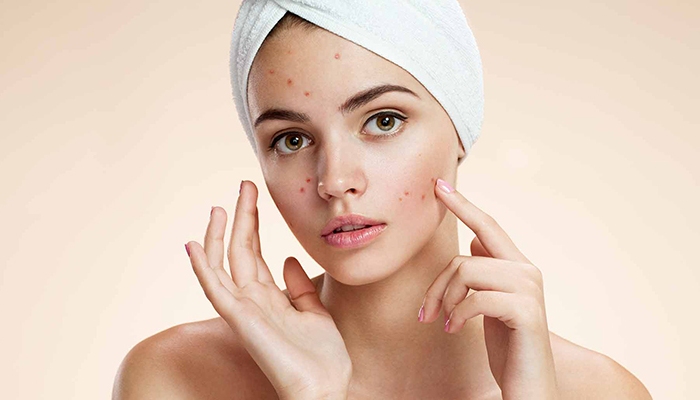
Acne is a common problem that we have all had while growing up or continue to have it. It’s irritating, we hate it and have also tried to beat it with the numerous types of skin care treatments. For a few these treatments have proved good but, for many the acne burst returns back may be at the same spot as before even after taking the utmost care.

One tends to wonder what is the cause for acne to keep occurring and re-occurring? The heightened cause of acne is a complex interaction of changing hormones, sebum, overgrowth of bacteria and inflammation.

To get a better understanding of this, let’s get deep into the skin structure,

We all individuals have a small sebaceous glands which lie just under the skin surface. These glands make the oil (sebum) that keeps the skin supple and smooth. Tiny pores on the skin allow the sebum to come on to the skin surface. Some of these pores get blocked due to the skin on top of the pores get thicker by combining with the dead skin cells that are shed into the pores. Thereafter, we notice tiny spots known as blackheads and whiteheads that block the pores.

As a rule, the more sebum that you create, the greasier your skin feels and the worse acne is likely to be trapped and this is an ideal situation for a germ (bacterium) to live and multiply on that. If a large number develop in the trapped sebum, the immune system may react and cause inflammation.

Often in women, the acne will break out in the exact same area mostly around their menstrual cycle. This may be related to hormones. This may be called as ‘stress’ area – a certain area on your face where whenever your immune system is compromised due to stress or illness, acne occurs. That pore may be damaged from picking or squeezing it in the past or a ‘natural’ weakness in the pore walls. It is unable to keep oil and infection out as easily and inflammation takes place frequently. Sometimes, a recurring pimple is because there is inflammation still very deep within the skin. While the surface may disappear temporarily, it is still there under the surface.

We can’t do much when it comes to the hormonal changes but, the other causes of acne is food intake. Certain foods like bad fats in fast foods and junk foods, processed and refined foods especially sugar, white bread, processed breakfast cereals, white rice, chips, cookies and cakes, full fat dairy products causes spike in blood sugar levels and lead to acne.

The key is to eat foods that keep your blood sugar and body pH alkaline steady. Here are few tips…

*Vegetables namely cucumbers, peas, cauliflower,beetroot, broccoli, lemons, leafy vegetables. The more vegetables you have the clearer skin you get.

*Omega 3 oils namely walnuts, flaxseeds, chia seeds, sesame seeds, fish and fish oils.

*Antioxidants mainly like VitA, Vit E and zinc like pumpkins, sweet potatoes, carrots, papaya, nuts like almonds, peanuts, shellfish, avocados and mushrooms.

*Water and High Fiber Foods for adequate hydration and detoxifying the body.

It never happens that one plan suits all, so you can experiment to find a perfect balance between the skin and body changes, maintain a diary, observe the changes, track them and carve out the best suitable food plan for a healthy and clear skin.

There are many factors that contribute to acne and diet is just one of them. Along with eating clean and avoiding acne triggers, a good skin care routine like using correct face wash, sporting a sunscreen daily and moisturizing your skin  is vital to maintaining a clear complexion.

June 17, 2016 By Sushma Tharanth 2 Comments

The 6 tastes- the balanced nutrition in your diet

How to have a balanced diet

Did you know that the taste has a direct energetic effect on digestion?

The sense of tasteis a natural guide towards proper nutrition.For ages, humans relied largely upon taste to discover healthy foods in nature and avoid toxicity. Every taste has a long term effect on our metabolism after digestion is complete, and all the nutrients have been assimilated in the tissue. There are six tastes in nature by which all foods can be categorized. These are sweet,salty,bitter, pungent and astringent. These six tastes are unique and naturally guide us towards body’s nutritional needs. Each taste has its own therapeutic effects and changing impact on our body from the time it enters the body till it is absorbed.

taste 2

Let us know these tastes in detail…….

Sweet- The sweet taste is highly nourishing, infact the most nourishing of all tastes. Sweet food is excellent for building the bodies seven vital tissuesplasma, blood, fat, muscles, bones, marrow and reproductive fluids. Sweet food also increases the saliva, soothes mucous membranes and burning sensations, relieves thirst and has beneficial effects on skin, hair, voice and fertility. Sweet taste is found in milk and milk products, legumes like beans and lentils, sweet fruits like mango, banana, and certain cooked vegetables such as carrots, sweet potatoes and beets. The source being carbohydrates, protein and fat.

Sour- The sour taste wakes people up and ensures their thoughts and emotions become clear. Sour food stimulates and boosts digestion, helps circulation and elimination, strengthens the heart, maintains acidity, sharpens the senses, and helps to extract the iron from food.Sour taste is commonly found in citrus fruits like lemon and oranges, yoghurt, cheese and sour creams and fermented foods like wine and vinegar. The source being organic acids, ascorbic acid, citric acid and acetic acid.

Salty-The salty taste provides solidity and structure to people, improves digestion, liquefies the mucous, maintains mineral balance, aids in elimination of waste and calms the nerves. It also improves the radiance of the skin and promotes overall growth in the body. Salt is mainly found in minerals and not in plants, such as sea salt, rock salt, sea vegetables like sea weed and kelp. The source being mineral salt.

Pungent- The pungent tasteis the hottest of all six tastes. The pungent taste in food stimulates our digestion, boosts food intake and makes sure our waste products are burnt. Pungent food ensures that we think quickly and clears the sinuses, promotes sweating, aids circulation, improves metabolism and relieves muscle pain. The pungent taste is found in certain vegetables such as chilly peppers, garlic and onions, and in spices like black pepper, ginger and cayenne. The source being essential oils.

Bitter- Bitter is a dehydrating taste, thus increasing the strength and vigor in an individual. Though the bitter taste is often not an appealing one, it stimulates the appetite and helps to bring out the flavor of other tastes. It is a powerful detoxification agent, and has antibiotic, anti-parasitic and antiseptic qualities. It is also helpful in reducing the weight, skin rashes, burning sensation and nausea. Bitter taste is found in green leafy vegetables such as spinach, green cabbage, bitter guard, herbs and spices like fenugreek and turmeric, coffee, tea, and certain fruits such as grapefruit, olives and bitter melon. The source being alkaloids.

Astringent-Astringent taste is classified more in relation to its effect on the tongue than its actual taste. It has a very cooling effect on the body. Astringent taste is found in legumes like beans and lentils, fruits such as cranberries, pomegranate, pears, vegetables such asbroccoli, cauliflower, asparagus andturnip. Grains such as rye and quinoa, spices such as turmeric, coffee and tea. The source being Tannins.

One should incorporate all these six tastes in each meal, which keeps one balanced and satisfy each of the major dietary building blocks. This can thus avoid food cravings and over consumption of certain foods.

  • « Previous Page
  • 1
  • …
  • 60
  • 61
  • 62
  • 63
  • 64
  • …
  • 78
  • Next Page »

Search

Recent Posts

  • The Longevity Bank Account: Daily Deposits, Daily Withdrawals
  • 7 Nutrition Tips For A Healthy Winter
  • 5 Interesting Ways To Include Citrus Fruits In Your Diet
  • Muscle: Your Body’s Most Powerful Tool for Longevity and Healthy Ageing
  • Ideal Weekly Workout Routine For Beginners

Stay Updated

Archives

  • January 2026 (9)
  • December 2025 (19)
  • November 2025 (15)
  • October 2025 (20)
  • September 2025 (6)
  • August 2025 (6)
  • July 2025 (12)
  • June 2025 (18)
  • May 2025 (16)
  • April 2025 (22)
  • March 2025 (23)
  • February 2025 (22)
  • January 2025 (25)
  • December 2024 (22)
  • November 2024 (25)
  • October 2024 (22)
  • September 2024 (24)
  • August 2024 (31)
  • July 2024 (21)
  • June 2024 (26)
  • May 2024 (31)
  • April 2024 (27)
  • March 2024 (29)
  • February 2024 (26)
  • January 2024 (23)
  • December 2023 (15)
  • November 2023 (11)
  • October 2023 (19)
  • September 2023 (22)
  • August 2023 (20)
  • July 2023 (22)
  • June 2023 (24)
  • May 2023 (24)
  • April 2023 (24)
  • March 2023 (23)
  • February 2023 (20)
  • January 2023 (15)
  • December 2022 (11)
  • November 2022 (15)
  • October 2022 (15)
  • September 2022 (12)
  • August 2022 (10)
  • July 2022 (17)
  • June 2022 (11)
  • May 2022 (10)
  • April 2022 (6)
  • March 2022 (6)
  • February 2022 (13)
  • January 2022 (12)
  • December 2021 (7)
  • November 2021 (3)
  • October 2021 (6)
  • September 2021 (3)
  • August 2021 (8)
  • July 2021 (7)
  • June 2021 (15)
  • May 2021 (16)
  • April 2021 (10)
  • March 2021 (7)
  • February 2021 (4)
  • January 2021 (4)
  • December 2020 (3)
  • November 2020 (4)
  • October 2020 (10)
  • September 2020 (3)
  • August 2020 (3)
  • July 2020 (2)
  • June 2020 (4)
  • May 2020 (10)
  • April 2020 (12)
  • March 2020 (10)
  • February 2020 (4)
  • January 2020 (4)
  • December 2019 (3)
  • November 2019 (7)
  • October 2019 (5)
  • September 2019 (4)
  • August 2019 (9)
  • July 2019 (9)
  • June 2019 (11)
  • May 2019 (4)
  • April 2019 (9)
  • March 2019 (8)
  • February 2019 (9)
  • January 2019 (8)
  • December 2018 (9)
  • November 2018 (3)
  • October 2018 (3)
  • September 2018 (5)
  • August 2018 (10)
  • July 2018 (6)
  • June 2018 (13)
  • May 2018 (8)
  • April 2018 (18)
  • March 2018 (9)
  • February 2018 (8)
  • January 2018 (15)
  • December 2017 (12)
  • November 2017 (19)
  • October 2017 (13)
  • September 2017 (15)
  • August 2017 (4)
  • July 2017 (8)
  • June 2017 (7)
  • May 2017 (6)
  • April 2017 (8)
  • March 2017 (6)
  • February 2017 (7)
  • January 2017 (9)
  • December 2016 (10)
  • November 2016 (7)
  • October 2016 (7)
  • September 2016 (7)
  • August 2016 (11)
  • July 2016 (9)
  • June 2016 (9)
  • May 2016 (12)
  • April 2016 (17)
  • March 2016 (17)
  • February 2016 (8)
  • January 2016 (6)
  • December 2015 (2)
  • November 2015 (9)
  • October 2015 (7)
  • September 2015 (9)
  • August 2015 (11)
  • July 2015 (9)
  • June 2015 (12)
  • May 2015 (9)
  • April 2015 (13)
  • March 2015 (8)
  • February 2015 (5)
  • January 2015 (12)
  • December 2014 (14)
  • November 2014 (11)
  • October 2014 (6)
  • September 2014 (13)
  • August 2014 (12)
  • July 2014 (6)
  • June 2014 (2)
  • May 2014 (7)
  • April 2014 (5)

From “Laddu Nawin” to Fit and Fierce: How a 25-Year-Old Insurance Advisor Shed 20 Kilos and Gained His Life Back

When 25-year-old Nawin Yadav from Hyderabad walked into his office every morning, he carried more than just his files and policy papers. He had the weight of fatigue, sluggish energy, and an ever-growing belly that was becoming the butt of jokes. “People … [Read More...]

“I’ve Challenged Myself to Live 100 Years” – The Story of Chandubhai Savani’s Second Chance at Life

At 67, most people start slowing down. Not Chandubhai Savani. A resident of Surat, Chandubhai, thought life was on track. “My life was going well till I had my bypass surgery,” he says. That surgery, back in 2021, was a wake-up call.  Medication was routine, but exercise wasn’t. His diet? What he calls ‘normal.’ “I […]

From Shimla’s Slopes to Chandigarh’s Sidewalks: Surinder Kaur Bhalla’s Journey from Chaos to Control

Some journeys start with a plan. Others begin with a stumble literally. Surinder Bhalla, a government professional, born and raised in the scenic hill town of Shimla, had always lived a life of movement. “In Shimla, you walked everywhere,” she reflects. “Walking was never an exercise. It was just life.” But after shifting to Chandigarh, […]

Ananda Mukherjee Health Story

From Terminal Illness To Complete Wellness! Ananda Mukherjee Health Story

As we observe World Cancer Day under the powerful theme ‘United by Unique’ (2025-2027)**, we are reminded that every individual’s journey with cancer is distinct, yet united by shared resilience, hope, and the collective fight against this disease. This theme places people at the centre of care and their stories at the heart of the […]

  • HOME
  • HEALTHY LIVING
  • FITNESS
  • HEALTHY RECIPES
  • USER STORIES
  • KARMA
  • BUY GOQii

Copyright ©2016 GOQii