GOQii

Blog

  • HOME
  • HEALTHY LIVING
  • FITNESS
  • HEALTHY RECIPES
  • USER STORIES
  • KARMA
  • BUY GOQii

February 17, 2017 By Dr Darshana Salve 2 Comments

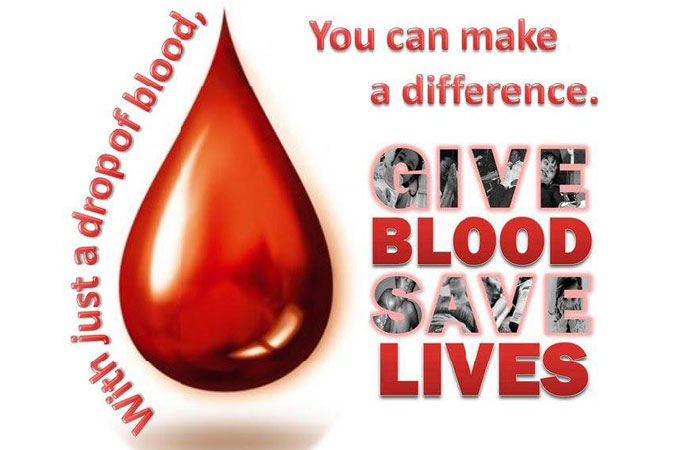
Blood should circulate – Donate Blood!

blood-donation

We only understand the importance of blood donation when someone close to us is in need of it. A few days back my cousin contacted me to know the availability of blood for her friend’s father who met with an accident. Unfortunately, we lost him due to excess blood loss. We know of this incident because it’s a dear friend’s father but, on a daily basis there are so many such cases where there is loss of death due to non-availability of blood.

Statistics show that roughly every year in India there are 234 million major operations, 63 million trauma-induced surgeries, 31 million cancer-related procedures and 10 million pregnancy related complications which require blood transfusions.

Apart from these there are also disorders like sickle cell anemia, thalassemia and hemophilia that require repeated blood transfusions.

One of the main reasons for lack of blood is, many people are skeptical about blood donation. They have fears of contracting infections during blood donation, fear of the needle or feeling weak after blood donation. Human body approximately has 4.7-5.5 L of blood, out of it only 350/ 450 ml of blood is withdrawn during blood donation drives and it takes only a day or two to replenish the fluid volume in the body and three months for the regeneration of red cells to donate more blood.

There is no substitute for human blood. Blood cannot be manufactured – it can only come from
volunteer donors like you and me. One blood donation can save 3 lives. But, unfortunately only 1 % of volunteer donors come forward to donate blood and majority of the blood donation comes from replacement donors.

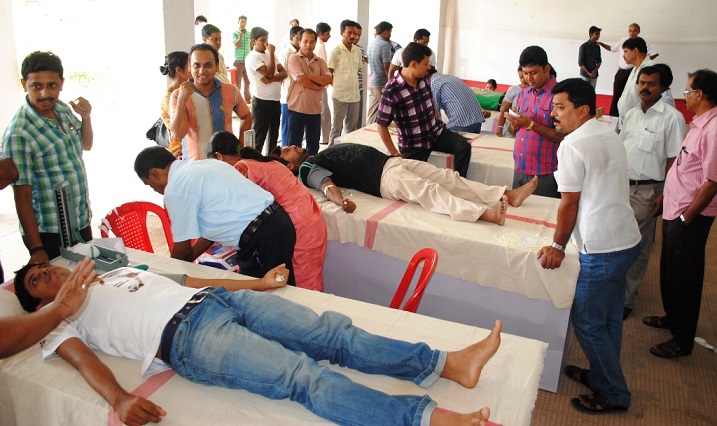
Blood Donation Camp

Replacement donors are friends and relatives of a patient who donate blood as replacement for the blood given to the patient.

At times, these replacement donors (friends and relatives) are more likely to harm the recipients by hiding or overlooking the many don’ts of donation.

Though voluntary self-referral to donate without citing reasons is widely accepted, replacement donors rarely adhere to it either to hide their high-risk behavior or due to pressure to meet the immediate demand for certain units of blood. As a result, the prevalence of HIV, hepatitis B, and hepatitis C is much higher among family donors when compared to voluntary donors, according to a 2012 study published in the Asian Journal of Transfusion Science.

Donation of safe blood can be achieved only when replacement donors are replaced by healthy volunteer donors to meet ‘over 95 per cent of blood requirement’. This can be done through increased awareness, providing appropriate facilities for people to donate blood, and improved donor retention.

While donating blood always be truthful about your health status!

Do not donate blood if you have any of these conditions

  • Cold / fever in the past 1 week.
  • Under treatment with antibiotics or any other medication.
  • Cardiac problems, hypertension, epilepsy, diabetes (on insulin therapy), history of cancer, chronic kidney or liver disease, bleeding tendencies, venereal disease etc.
  • Major surgery in the last 6 months.
  • Vaccination in the last 24 hours.
  • Miscarriage in the last 6 months or have been pregnant / lactating in the last one year.
  • Had fainting attacks during last donation.
  • Have regularly received treatment with blood products.
  • Shared a needle to inject drugs/ have history of drug addiction.
  • Had sexual relations with different partners or with a high risk individual.
  • Tested positive for antibodies to HIV.
  • If you are Underweight ( below 50 KGs)

Pregnancy and Menstrual Cycle

  • Females should not donate blood during pregnancy and lactation.
  • Females should not donate blood if they are having heavy menstrual flow or menstrual cramps.

Do donate blood if…

  • You are between age group of 18-60 years.
  • Weight is 50 kgs or more.
  • Hemoglobin is 12.5 gm% minimum.
  • Last blood donation was 3 months earlier.
  • You are healthy and have not suffered from malaria, typhoid or other transmissible disease in the recent past.

It’s time that we take up the responsibility to do voluntary blood donation. Donate Blood without waiting for a call.

February 10, 2017 By Anusha Subramanian Leave a Comment

How to train for High Altitude Trekking?

high-altitude-trekking

Almost a decade ago when I started trekking in the Himalayas, it was just a few enthusiasts who did this. It was not considered normal and people were under the impression that this is meant for only those who were super fit. Trekking is normally associated with arduous trudging on some hard and uneven ground, climbing and walking on moraines and all that’s associated with laborious tasks amidst hostile environments with bare shelter, food and clothing essentials.

While trekking you might come across situations where you are stuck and most times hit by the sheer untouched beauty of a picture perfect image that embeds itself permanently in your memory as you are exposed to the wilderness for a longer duration in a day. This beauty can be seldom enjoyed while in a car.

Having said this, trekking is not tough. If you know to walk then you can trek as well. But, this does not mean that one ventures into unknown territories on their own to explore the unknown. Walking along a trail around with a backpack does not require exceptional skills but does require certain amount of physical fitness, planning, the right clothes, shoes and above all old common sense.

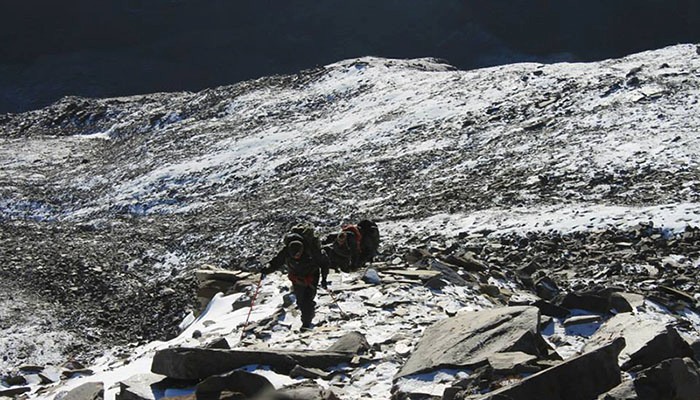
For high altitude trekking it requires much more physical and mental preparation. At higher altitudes, the air is thinner, there is less available oxygen and it becomes more difficult to breathe. There are serious risks involved with high-altitude hiking, including altitude sickness, acute mountain syndrome that can lead to pulmonary or cerebral edema, all of which can result in death.

Therefore, before you go on a high-altitude hike, you need to train your body to work efficiently and effectively in environments with less oxygen.

How to Train for High Altitude Hiking

Here are few steps that will help train for high altitude:

** Begin training at least four tosix months in advance. This is especially important if you plan to hike at altitudes of more than 14,000 feet.

**See a doctor for a medical checkup in the early stages of training to ensure that high-altitude hiking is a safe and recommended activity for your age and physical condition.

** Hike as often as possible. The best thing you can do to prepare for higher-altitude hikes is to hike closer home as often as you can and at higher altitudes if available. Start gradually, increasing the distance and altitude of your treks with each week of training so that your body and lungs can become accustomed to functioning at increasing levels of altitude.

** Participate in interval training. Interval training is a method of training the cardiovascular system by elevating the heart rate significantly and then allowing it to recover for a period before elevating it again.

** Interval training could consist of running sprints, running hills or using the interval setting on a treadmill or exercise bike. Choose one day of the week for interval training and doing six repetitions of whatever exercise you have chosen. Each week, increase the intensity by running a faster sprint or a steeper hill. You also can train with your back pack with about 6 kgs in it to add weight and simulate the weight that you might be carrying during the high-altitude hike.

** For trekking you should work on developing a breathing rhythm and deep breathing. Your ability to control and conserve your breath and expand your breathing capacity will come in handy when the oxygen supply is reduced. Developing a breathing/stepping rhythm will prevent you from overexerting yourself at higher elevations. It also recommends practicing deep breathing on training hikes.Whenever you begin to feel breathless, concentrate on taking deep breaths and smaller steps until a more normal breathing pattern returns.Yoga asanas such as Kapalbhati, Vastrika, Anulom Vilom all of which entail breathing exercises.

** Lastly, you could also train with professionals who are trained in mountaineering to learn few basic techniques and nuances that may help while trekking.

My final advice: Try not to skip your work out if you can help it. Your safety and success depends on an how fit you are.

January 9, 2017 By Dr Ashwin Nanda 1 Comment

You are as ‘Old’ as your Prostate

Untitled-1Mr Rebello, sitting in front of me recalled his plight of waking up 2-3 times every night to void urine instead of only once as before. Initially, he assumed it was due to winter but, when the problem persisted in summer as well, he blamed it on his poorly controlled diabetes. He was 65 yrs of age when he began to experience this. He didn’t bother visiting his physician since he had made peace with his high blood sugars as he had no control over his eating habits.

How he wished he hadn’t assumed and instead consulted his physician. After 2 yrs he moved to another city and didn’t feel up to the task of finding a new physician to follow up with. Five years down the line, after his 70th birthday, he began experiencing lower back pain which he again concluded was due to ageing. Only when the pain became persistent and unbearable, he met an Orthopedic who after examination and X-rays diagnosed him with a collapsed vertebral fracture. He was crestfallen when the cause of his vertebral fracture was pinned down to ‘PROSTATE CANCER’.

Going back to the time when Mr Rebello was 65 yrs old, he overlooked the fact that the frequency of urination was normal during the day. Had high sugar been the cause, the issue would have bothered him during the day as well. Actually, this was the first symptom that his prostate gland was enlarged. Undiagnosed and untreated over 5 yrs the non-cancerous enlargement of the prostate had turned cancerous and spread to his backbone.

Let’s try to make sense about what the prostate gland is, its enlargement and when does it translate into cancer.

The Prostate Gland: Location in the body and function.

The image below shows the location of the prostate gland in the body which is present only in males. It is located below the urinary bladder. The prostate secretes the fluid that nourishes and protects sperms. During ejaculation, the prostate squeezes this fluid into the urethra, and it’s expelled with sperms as semen. In the prostatic cells, the male sex hormone testosterone gets converted to dihydrotestosterone (DHT) which causes the cells to grow resulting in an increase in its size.

Normally, the prostate gland is approximately the size of a walnut. As the size increases with age (which can start as early as 40 yrs) it starts to obstruct the urine outflow as shown in the image.

prostrate cancer-image 1


Symptoms of Prostatic enlargement:

  • A weak or slow urinary stream.
  • A feeling of incomplete bladder emptying.
  • Difficulty starting urination.
  • Frequent urination.
  • The urgency to urinate.
  • Getting up frequently at night to urinate.
  • A urinary stream that starts and stops.
  • Straining to urinate.

Medically enlarged prostate which is not cancerous is called Benign Prostatic Hyperplasia (BPH).

As the gland keeps getting enlarged, there are mutations in the DNA of its cells causing it to grow uncontrolled and abnormally resulting in cancer.

The saving grace in this entire process is that prostatic enlargement can be diagnosed early and controlled thereby preventing cancer.

DIAGNOSTIC MODALITIES:

  1. Sonography of the prostate gland is advised once a man turns 50 yrs to establish if enlargement has started. If there is a family history of prostate cancer then it should be done as early as 40 yrs.
  2. A blood test called Prostate Specific Antigen(PSA) should be done. Very high values are suggestive of cancer whereas in the enlargement phase the values remain < 4 units.

If you are facing any of the above symptoms, you must visit a Urologist who will diagnose and prescribe medication for the same. Incase medicines are not effective, one might have to opt for surgery.

In Mr Rebello’s case, since cancer had already developed, radiotherapy was first given to shrink the size of the prostate, post which surgery was performed to remove the cancerous gland. Cancer which had spread to his backbone was controlled by a combination of chemo and hormonal therapy.

Risk Factors for prostatic enlargement and cancer:

Age – prevalence increases markedly with age. The gland grows at a rate of 2 – 2.5 % annually in older men.

Genetics – 50% men undergoing surgery for BPH < 60 yrs of age have inheritable form of the disease.

PREVENTION:

Apart from timely diagnosis and treatment, being physically active, controlling Diabetes and weight are known to reduce enlargement of the gland. Diet rich in antioxidants and vitamins is also beneficial in prevention along with avoiding red meat.

Image credit – prostate.net

January 5, 2017 By Divita Bhatt 2 Comments

All you want to know about NEUROBICS?

iStock_000002720953_Small-smell

Medical science is working wonders on a daily basis to make one healthier. And, health does not really mean just physical well-being but, includes being stress free with a healthy mind. To be healthy, regular exercise is a must. There are various ways you can exercise. Some take to running ( cardio) , some take to gyming or playing a sport and some take to Yoga or Aerobics.

Everyone is aware of the benefits of Aerobic exercises on our body but, how much do we know of – Neurobics?

Neurobics is a term coined by Lawrence Katz and Manning Rubin to describe exercises that help the brain stay fit. Its primary goal is to help you remember, along with the ability to learn new information.

Neurobics has basic 3 concepts namely:

  1. Involve one or more senses in a new context.
  2. Involve your full attention.
  3. Break your routine in a significant way.

Here are few examples of this super interesting exercise form:

  • Use your non-dominant hand for your daily tasks like brushing your teeth, holding a glass, writing, combing your hair or holding your phone.
  • Visit unusual shops/parks or places or take a new route to reach to the same destination.
  • Change order of your meals – Start with dal – rice and then go for chapatti and veggies.
  • Keep your eyes closed while doing activities like dressing up, reaching to your cupboard/chair, sitting in the car and wearing your seat belt.
  • Add some new odours in your day. For example, start your day with mint tea rather than your usual tea/coffee.
  • Visit some park, sit at a place, close your eyes and try to visualise what is happening around.
  • Go on a drive with a friend or any family member without having any destination in mind. Let them tell you when to take left or right.
  • Change interiors of your room – if it is not possible to move bigger furniture, just play with the smaller things like painting/wall piece/photo frame.
  • Choose entirely new curtains/bed sheets for your room and make yourself notice them every day.
  • Listen to some new language and try some of the pronunciations.
  • Make it a family activity – everyone eating with their non-dominant hand/everyone writing their own names with the non-dominant hand.
  • Try tongue twisters. They train a lot.

Try with activities which you don’t do generally – balancing a book on head/juggling/making toys or shapes from clay/identify things from your drawer while your eyes closed.

These activities are challenging as well as fun at the same time. Your kids and elderly at home– all can train their minds for better memory and co-ordination and keep several neurological conditions away like memory loss. Do these regularly, invent some similar exercises and have a super brain workout!

  • « Previous Page
  • 1
  • …
  • 57
  • 58
  • 59
  • 60
  • 61
  • …
  • 78
  • Next Page »

Search

Recent Posts

  • Navigating the Maze of Nutrition: Finding Clarity Amidst Confusion
  • Get children active and keep them healthy
  • What Gestational Diabetes Can Do To You & Your Unborn Child
  • Breathing – A Forgotten Art
  • The Incredible Benefits Of Milk You Might Not Know

Stay Updated

Archives

  • December 2025 (3)
  • November 2025 (15)
  • October 2025 (20)
  • September 2025 (6)
  • August 2025 (6)
  • July 2025 (12)
  • June 2025 (18)
  • May 2025 (16)
  • April 2025 (23)
  • March 2025 (23)
  • February 2025 (22)
  • January 2025 (26)
  • December 2024 (26)
  • November 2024 (25)
  • October 2024 (22)
  • September 2024 (24)
  • August 2024 (31)
  • July 2024 (21)
  • June 2024 (26)
  • May 2024 (31)
  • April 2024 (27)
  • March 2024 (29)
  • February 2024 (26)
  • January 2024 (25)
  • December 2023 (15)
  • November 2023 (11)
  • October 2023 (22)
  • September 2023 (22)
  • August 2023 (20)
  • July 2023 (22)
  • June 2023 (24)
  • May 2023 (24)
  • April 2023 (24)
  • March 2023 (23)
  • February 2023 (20)
  • January 2023 (16)
  • December 2022 (12)
  • November 2022 (15)
  • October 2022 (15)
  • September 2022 (12)
  • August 2022 (10)
  • July 2022 (17)
  • June 2022 (11)
  • May 2022 (10)
  • April 2022 (6)
  • March 2022 (6)
  • February 2022 (13)
  • January 2022 (12)
  • December 2021 (7)
  • November 2021 (3)
  • October 2021 (6)
  • September 2021 (3)
  • August 2021 (8)
  • July 2021 (7)
  • June 2021 (15)
  • May 2021 (16)
  • April 2021 (10)
  • March 2021 (7)
  • February 2021 (4)
  • January 2021 (4)
  • December 2020 (3)
  • November 2020 (4)
  • October 2020 (10)
  • September 2020 (3)
  • August 2020 (3)
  • July 2020 (2)
  • June 2020 (4)
  • May 2020 (10)
  • April 2020 (12)
  • March 2020 (10)
  • February 2020 (4)
  • January 2020 (4)
  • December 2019 (3)
  • November 2019 (7)
  • October 2019 (5)
  • September 2019 (4)
  • August 2019 (9)
  • July 2019 (9)
  • June 2019 (11)
  • May 2019 (4)
  • April 2019 (9)
  • March 2019 (8)
  • February 2019 (9)
  • January 2019 (8)
  • December 2018 (9)
  • November 2018 (3)
  • October 2018 (3)
  • September 2018 (5)
  • August 2018 (10)
  • July 2018 (6)
  • June 2018 (13)
  • May 2018 (8)
  • April 2018 (18)
  • March 2018 (9)
  • February 2018 (8)
  • January 2018 (15)
  • December 2017 (12)
  • November 2017 (19)
  • October 2017 (13)
  • September 2017 (15)
  • August 2017 (4)
  • July 2017 (8)
  • June 2017 (7)
  • May 2017 (6)
  • April 2017 (8)
  • March 2017 (6)
  • February 2017 (7)
  • January 2017 (9)
  • December 2016 (10)
  • November 2016 (7)
  • October 2016 (7)
  • September 2016 (7)
  • August 2016 (11)
  • July 2016 (9)
  • June 2016 (9)
  • May 2016 (12)
  • April 2016 (17)
  • March 2016 (17)
  • February 2016 (8)
  • January 2016 (6)
  • December 2015 (2)
  • November 2015 (9)
  • October 2015 (7)
  • September 2015 (9)
  • August 2015 (11)
  • July 2015 (9)
  • June 2015 (12)
  • May 2015 (9)
  • April 2015 (13)
  • March 2015 (8)
  • February 2015 (5)
  • January 2015 (12)
  • December 2014 (14)
  • November 2014 (11)
  • October 2014 (6)
  • September 2014 (13)
  • August 2014 (12)
  • July 2014 (6)
  • June 2014 (2)
  • May 2014 (7)
  • April 2014 (5)

From “Laddu Nawin” to Fit and Fierce: How a 25-Year-Old Insurance Advisor Shed 20 Kilos and Gained His Life Back

When 25-year-old Nawin Yadav from Hyderabad walked into his office every morning, he carried more than just his files and policy papers. He had the weight of fatigue, sluggish energy, and an ever-growing belly that was becoming the butt of jokes. “People … [Read More...]

“I’ve Challenged Myself to Live 100 Years” – The Story of Chandubhai Savani’s Second Chance at Life

At 67, most people start slowing down. Not Chandubhai Savani. A resident of Surat, Chandubhai, thought life was on track. “My life was going well till I had my bypass surgery,” he says. That surgery, back in 2021, was a wake-up call.  Medication was routine, but exercise wasn’t. His diet? What he calls ‘normal.’ “I […]

From Shimla’s Slopes to Chandigarh’s Sidewalks: Surinder Kaur Bhalla’s Journey from Chaos to Control

Some journeys start with a plan. Others begin with a stumble literally. Surinder Bhalla, a government professional, born and raised in the scenic hill town of Shimla, had always lived a life of movement. “In Shimla, you walked everywhere,” she reflects. “Walking was never an exercise. It was just life.” But after shifting to Chandigarh, […]

Ananda Mukherjee Health Story

From Terminal Illness To Complete Wellness! Ananda Mukherjee Health Story

As we observe World Cancer Day under the powerful theme ‘United by Unique’ (2025-2027)**, we are reminded that every individual’s journey with cancer is distinct, yet united by shared resilience, hope, and the collective fight against this disease. This theme places people at the centre of care and their stories at the heart of the […]

  • HOME
  • HEALTHY LIVING
  • FITNESS
  • HEALTHY RECIPES
  • USER STORIES
  • KARMA
  • BUY GOQii

Copyright ©2016 GOQii