GOQii

Blog

  • HOME
  • HEALTHY LIVING
  • FITNESS
  • HEALTHY RECIPES
  • USER STORIES
  • KARMA
  • BUY GOQii

November 6, 2019 By Dr. Viral Thakkar Leave a Comment

Stroke: A Few Untouched Aspects

stroke

Stroke is the sudden death of some brain cells due to lack of oxygen when the blood flow to the brain is lost by blockage or rupture of an artery to the brain. According to the WHO, it is the second leading cause of death and the third leading cause of disability. Stroke is also a leading cause of dementia and depression. For commonly known causes of stroke, please refer to the article “Stroke: Straight Dive or Pavilion” published earlier. While you might have read a number of reasons which lead to stroke, this article focuses on the importance of emotional health to prevent stroke.

 There Are 2 Main Types of Stroke  

  1. Hemorrhagic Stroke: is caused by bleeding in the brain due to a weak spot in the wall of the vessel, which can cause an aneurysm (bulging of the vessel wall). The vessels can also be weakened by chronic or very high blood pressure and break from force. When the vessel breaks, blood leaks into surrounding tissue, and the brain doesn’t get the oxygen and nutrients it needs.
  2. Ischemic Stroke: results from blocked arteries, which often occur from cholesterol build-up, called plaque. Plaques on the inside of the vessel can be fragile when blood flows past, causing the plaque to lift.  But in the blood vessel, when a plaque lifts-up and the body tries to heal it, like it would scab on your arm, it makes a clot where that plaque lifted up, which blocks blood flow and can lead to ischemic stroke.

The human body is magical. When the mind perceives a threat or stress, the body releases cortisol and adrenaline to cope with it. These hormones impact the homeostasis of the body; the other parameters get deranged and affect the healing processes of the body. Now, if your personality is to take constant stress, cortisol and level of other stress hormones will be high to ensure the body deals with stress. This could cause retention of salt which might increase blood pressure. Stress also causes an increase in blood sugar, which means the vessels can’t dilate or contract to better control blood flow. Increased cortisol is also known to disrupt sleep cycles leading to fatigue.

Anyone Can Be At Risk…

…for many reasons, not just stress. Sometimes, it just how your body responds.

While there is no concrete reason to state that positive emotions, a stress-free life or a balanced psychological state will not lead to stroke. However, there are numerous research studies to indicate that there might be a relationship between negative emotions, stress & stroke. In my practice, I have usually seen stressed people holding negative emotions fall prey to issues like stress, heart ailments, etc.  A University of Michigan study found that men who were more physiologically reactive to stress were 72% more likely to suffer a stroke.

Regardless of how your life or your job is, if you feel you are stressed, you most probably are.

If you’re still unsure, ask yourself these questions:

  • Does your significant other tell you, you seem stressed?
  • You tend to pick up fights and arguments with your family and co-workers more than normal?
  • You resort to alcohol, drugs, smoking to alleviate stress?
  • Do you find less joy in things that normally make you happy?
  • Do you find it difficult to fall or stay asleep compared to normal?
  • You don’t like to get up in the morning, especially on days you know you will come across stress causing situations

If the answer to the above is yes, then it’s time for you to work on yourself. Contemplate on the reason, give attention to the little things in life… It is the little things which lead to bigger changes! Some attitude changes like acceptance and forgiveness make a lot of difference!

Quick tip: Whenever you feel stress, start taking deep breaths. Mentally count till 5 & inhale, count another 5 and exhale. Make it as slow and steady as possible. Taking in more oxygen allows more oxygen to be available to the brain tissues. Some research suggests that deep breathing helps to rehabilitate the brain after a stroke. This style of breathing also helps to relax and calm the mind and whole being.

While everyone faces issues in life, it is the ability to cope with it, be in sync with one’s body which determines health!

#BeTheForce

October 23, 2019 By Vickel Dubey Leave a Comment

Understanding Patient Behaviour Towards Digital Therapeutics

Are we, as patients ready to pay for an app which is intended for Therapeutic Purpose & Helping us manage our lifestyle better?

Digital Therapeutics

What a Patient Thinks

Ideation of this whole article took a shape while having a discussion with my father who is a Type 2 Diabetes patient. I was actually insisting him to install an app to better manage his lifestyle specifically the dietary recommendation (Since he is a banker by profession and also manages family business, day to day life is a complete mess) given by his doctor. Initially he was in agreement but when he asked me if there is any cost associated, I nodded yes. His decision changed immediately. According to him, he knows what to eat, what not to eat and on top of it, he is taking his medication (which he often forgets) so there is no need of a digital intervention. I tried to explain to him multiple times thereafter but all in vain. According to him, it’s just a waste of money.

Patient Compliance Behaviour: Medication vs Lifestyle Recommendation

This is the story of most Chronic Disease patients for whom managing their lifestyle is a crucial need. But it’s really sad to see the poor grades when it comes to be compliant of various lifestyle aspects. According to a study conducted among Indian diabetes patients, only 24.1% were aware and have been following self-blood glucose monitoring appropriately. Similarly, only 37% of the patients are adhered to the dietary prescription made by their physicians and only 35% follow up the physical exercise recommendations.

Why is it important to talk about “Patient’s Compliance Behaviour” before getting into the “Patient’s Commercial Behaviour”? The reason is that patients need a push specifically in case of chronic diseases because it’s all about care, whether it’s done by the patient himself or by a caregiver. In case of medication, the weightage is higher since it’s coming from doctors (with serious words) while in case of lifestyle, it comes as a recommendation rather than a prescription which defines the seriousness.

So, if a patient is serious enough about his disease condition and strictly follows the testing, medication and lifestyle modification, he/she doesn’t need any intervention, traditional or digital to manage his/her lifestyle but the statistics don’t reflect the same. Hence, it becomes important for patients who are not serious or moderately serious to keep engaged and motivated to adhere with the doctor’s recommendation via a push. Digital gives that push.

Now comes the commercial behaviour. There are hundreds of apps available in the market to manage your disease conditions. Some are freely available; some are coming complementary with the devices/treatment and for some, you have to lighten your pockets. Definitely the skewness is higher towards the free ones. Most of us preferred the free apps and uninstall any paid app when it asks for a payment after the trial period. But free apps have their own limitation and for better services/attributes or features, you have to pay. Same goes with the apps which are offering lifestyle management solutions for patients.

A Preliminary Investigation

To get a deeper understanding of patient’s behaviour, I conducted a small survey among diabetes patients. The survey designed on SurveyMonkey consists of 10 questions (5 open ended, 5 close ended) and shared on a few social media & chatting platforms such as Facebook, WhatsApp etc. The key questions are:

  1. Patient’s Name
  2. Age
  3. Is he a diabetic patient?
  4. If yes, is he using any online application to manage his Lifestyle?
  5. Name of the app he is currently using
  6. Is it a paid app?
  7. Approximate cost of the app.
  8. Will he pay for an app which promises to better manage lifestyle (in case the answer of Q6 is no)?
  9. If yes, what is the approximate cost he will pay?
  10. If no, why?

There were 43 responses received in total out of which 32 were diabetics. The outcome of the survey are as follows:

  • ~80% of the total respondents are within the age group of 30 to 60 years
  • Out of total diabetes patients, only 36% are using one or another app to manage their lifestyle
  • Majority of the patients are using MySugar (45%) followed by Apollo Sugar (27%), GOQii (18%) and Wellthy (9%).
  • Only 2 out of the total patients with diabetes who are using an app have paid some amount
  • The approximate cost which they have paid is ~INR 2500
  • 77% of the patients who are using an app (and answered no for Q6) are not ready to pay even if it provides a better solution, while only 23% are ready to pay.
  • The approximate cost which most of the patients feel comfortable to pay is INR 100-200 per month.
  • Free availability, YouTube videos, Advice by friends and family, waste of money etc. are some of the major reasons why people don’t want to pay for an app.

So, if we look closely, patients are quite ignorant when it comes to pay for an app. Reason, they consider it as a waste of money. This outlook needs to be changed. This perception needs to be changed. And it can only be changed when it comes as a prescription and not just a simple recommendation.

Conclusion

If a patient can spend ~INR 9,000 (from an analysis conducted by Lady Hardinge Medical College) annually for his diabetes treatment, he can definitely spend few hundred bucks to manage his lifestyle for better outcomes. But the patient also needs support from other industry stakeholders such as Pharma, Devices and payers so that the cost can be shared and patient will have to bear minimum cost burden.

August 12, 2019 By Anu Acharya 1 Comment

Nutrigenomics and You!

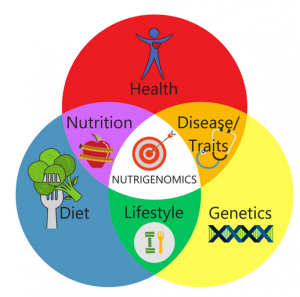
NutrigenomicsThere are many people who feel that they are not able to achieve their health goals in spite of a conscientious diet and fitness routine. Even regular health checks do not seem to help. Is there any method to identify and bridge the gap? Nutrigenomics is the science that looks at the interaction between our diet and lifestyle habits and how they affect our DNA in terms of regulating genes responsible for metabolism, development, and overall wellness.

Why is it Important to Understand Nutrigenomics?

  • Common dietary elements can act on our DNA, either directly or indirectly, to alter gene expression or structure. For example, dietary fat/carbohydrate intake affects genetic activity, metabolism rates, adiposity and thereby, a likelihood of weight gain (obesity).
  • Sometimes, for some of us, diet can be a serious risk factor for many diseases. For example, carriers of MTHFR gene variants may have lower enzyme activity and hence a higher risk for developing folate deficiency. In such instances, a reduced intake of Vitamin B6-containing foods may trigger clinical manifestation — screening can help implement dietary changes to manage health better.
  • The impact of diet on the balance between healthy and diseased states depends on our DNA. For example, variation in the SOD2 gene can alter the the antioxidant activity and increase the risk for excessive oxidative damage. Individuals who carry such variants need to ensure richer portions of antioxidants in their diet. Exercise routines can be planned with adequate rest between heavy workouts for repair/recovery.
  • Some diet-regulated genes (and their common variants) can affect the onset, incidence, progression, and/or severity of chronic diseases.
  • Chronic diseases can be prevented, mitigated, or addressed through dietary intervention based on the knowledge of nutritional requirement, nutritional status, and genotype. For example, certain gene variants can increase the likelihood of developing gluten intolerance. Genetic screening can help identify such risk factors for dietary intervention if required. This can have a positive impact on health, overall wellness, as well as athletic performance.

What Can You Learn From Nutrigenomics?

  • Your power to absorb vital nutrients required for a healthy body and mind
  • The impact of nutrients on various organs and pathways
  • Nutritional factors that can protect your genome from damage
  • Impact of genes on your lifestyle, diet, fitness, habits, etc.

When Is The Best Time To Get A Test?

The answer is NOW! Nutrigenomics are once-in-a-lifetime tests that are noninvasive. From newborns to nonagenarians, anyone can take this test. Whether you are starting your wellness journey or a veteran health and fitness expert, these tests can help you get to know yourself better.

How Can You Use It To Improve Quality Of Life?

Nutrigenomics can be the game-changer that empowers you on your wellness journey or enables you to achieve your fitness goals. Here’s how it works:

  1. Genetic tests are available online — you order one and receive the sample collection kit, along with a health history questionnaire.
  2. Once you send the sample, your DNA is extracted and analyzed for several key markers associated with diet, fitness, well-being, disease risk, and more.
  3. The genetic counselor correlates genetic findings with health history to offer personalized nutrition, fitness, and wellness advice.
  4. Your nutritionists and personal trainers can also be part of the genetic counseling session in order to design diet plans and fitness routines that work for you.

Sharing her views on the importance of Nutrigenomics, Pooja Ramachandran, India’s pioneering genetic counselor says, “The need for personalizing nutrition was seen soon after the conclusion of the Human Genome Project and the ensuing impact of personalized medicine. Nutrigenomics is poised to be a powerful tool for nutritionists, dietitians, doctors as well as any healthcare professional in using nutrition therapy for the treatment of disease. More importantly, Nutrigenomics may facilitate the prevention of diet-related diseases, and help design individualized nutritional strategies based on anticipated adverse or beneficial impacts of specific food or nutrients for a particular individual.”

August 10, 2019 By GOQii Leave a Comment

Why Fake Health News is Dangerous For Your Mind and Body!

fake health news

“Eating 30 mangoes a day can cure diabetes”

“Eating 1 tsp of Methi Seeds every day for 30 days can cure diabetes”

These were some of the claims made by patients to GOQii’s very own Dr. Akshat Chadha. In fact, we even came across a 2016 article that received around 1.4 million shares on Facebook that was titled, “Dandelion Weed Can Boost Your Immune System and Cure Cancer”.

Now before you begin stuffing yourself with mangoes and Methi Seeds or begin a quest to get a hold of Dandelion Weed, take a step back and analyse these claims.

Dr. Chadha asks a very valid question, “If it is that simple, why is the world suffering from diabetes?”

How Fake Health News Works 

What is the first thing you do when you experience an unusual fever, intense pain in a body part or several of them? You turn to Dr. Google! At some point, we all have typed in “Quick ways to lose weight” or “How to build muscle quickly”.

While this may be out of general curiosity or to find an easier way out, it is certainly not the right thing to do. Most of Google searches related to illnesses end with either cancer or some other godforsaken illness that no one has heard of. Is Google even reliable?

On the other hand, fake health news forwarded via WhatsApp or shared on Facebook are mostly prevalent because people are looking for an easier way out. Eating Banana Peels or a spoonful of Methi seems easier to do than to actually eat the right food and exercise.

Even the allure of alternate medication over traditional medication seems intriguing for the simple fact that someone would rather experiment with something as absurd as Dandelion Weed, than go through Chemotherapy for Cancer treatment.

Is the tone of authority that claims – “Cure <insert illness here> instantly”, “100% guaranteed weight loss”, or “Build a 6 pack in 3 days” to be blamed or is it our willingness to click on something like this without asking questions to be blamed? At the end of it, these articles only lead you to a website where someone is trying to sell you something or keep you from buying something else.

Apart from the reasons above, why fake articles get so much traction is simply because they deliver quick and easy to read content and headlines as opposed to research documents which are full of tables and scientific jargon that provide evidence.

More so, there’s this crushing need to believe something we wish were true. If someone who loves sweets were to come across an article that read, “Eating a lot of sweets is good for your health”, wouldn’t you click on it even if the claim isn’t backed by a legitimate study?

The Need to Eliminate Fake Health News 

With more people buying into these fake health news and tips, it becomes difficult for doctors as most of their consultation time goes in myth-busting rather than treatment. If an expert is to reject fake news or tip, the patient is often not convinced.

Fake articles and our willingness to believe in them can do more harm than good. Especially if you go for alternate or self-medication cited from these fake articles which can make your condition worse!

Fortunately, the anti-vaccine brigade hasn’t made its way to India with their disputable content. Thanks to them, Measles made its return in 2016 in the United States. Who knows, if we begin here, we’d be welcoming Polio with open arms.

How to Identify Them

Keep an open mind but not open enough to passively accept any false piece of information which claims to be true. Here’s what you can do:

  1. Check the Source: Always check if the article is backed by proper study. If the giant breakthrough in cancer treatment hasn’t been spoken about by the American Cancer Society or other reputable sources consisting of experts on the subject, it probably isn’t true.
  2. Look for More Sources: Don’t rush to the fields to pick out Dandelion Weeds based on a single article. Always look for more sources, more studies have reached the same conclusion. If you can ask multiple people how you look in your new dress, taking multiple opinions on medication and health shouldn’t be that difficult.
  3. Be Sceptic: If you watched WWE in the 90s, the legendary Stone Cold Steve Austin probably gave the most genuine advice ever – “Don’t Trust Anybody!” If it is too good to be true, it probably is. Just because a “research”, “Study” or “Claim” falls in line with what you’re already doing, doesn’t make it authentic. Awaken your inner sceptic and doubt everything! There is no shortcut to getting healthy and fit.
  4. Talk to Your Doctor: If you tell your doctor or even your nutritionist about eating banana peels to lose weight, we’re sure they’d crack up! Any credible data, analysis or information is useless if not interpreted by an expert. Verify these so-called “facts” with your doctor, nutritionist or expert. The person on the other side of the table didn’t spend years of their life getting a degree in medicine or certification just for show.
  5. Get a Second Opinion: Not convinced with what your doctor, nutritionist or trainer has to say? Get a second opinion. No one is 100% accurate all the time. They are human, they can make errors. It’s best to get a second opinion if you’re not convinced. Just avoid Googling your issue because search engines and social media channels aren’t allotted degrees on healthcare, medicine, nutrition and fitness.

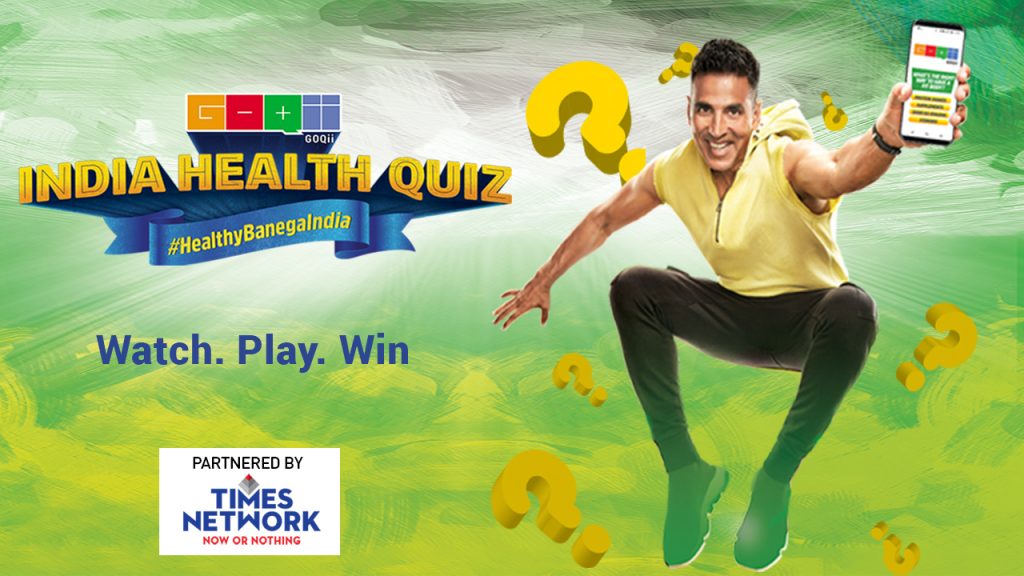
It is imperative to bust fake health news, tips and myths to avoid injury, illness and in a worst-case scenario – death. Be well-informed with the right knowledge from the right people. In an attempt to curb the epidemic of false news, GOQii in association with Akshay Kumar and a team of experts is out to bust these myths for good with the GOQii India Health Quiz (IHQ). fake health news 2

The GOQii India Health Quiz aims to elevate over 130cr Indians by giving them the right knowledge and busting myths via live hourly quizzes within the GOQii App. All you need to do is download the app, watch LIVE classes on GOQii Play, participate in the quiz and earn points. These points can be redeemed for prizes such as Cellphones, Fitness Trackers and a grand cash prize of Rs. 5 lakh.

Remember, that the first step towards a healthy lifestyle begins in the mind. Train yours and until then, in the words of Akshay Kumar, “Gadhe Mat Bano!”

#BeTheForce 

  • « Previous Page
  • 1
  • …
  • 25
  • 26
  • 27
  • 28
  • 29
  • …
  • 78
  • Next Page »

Search

Recent Posts

  • The Longevity Bank Account: Daily Deposits, Daily Withdrawals
  • 7 Nutrition Tips For A Healthy Winter
  • 5 Interesting Ways To Include Citrus Fruits In Your Diet
  • Muscle: Your Body’s Most Powerful Tool for Longevity and Healthy Ageing
  • Ideal Weekly Workout Routine For Beginners

Stay Updated

Archives

  • January 2026 (9)
  • December 2025 (19)
  • November 2025 (15)
  • October 2025 (20)
  • September 2025 (6)
  • August 2025 (6)
  • July 2025 (12)
  • June 2025 (18)
  • May 2025 (16)
  • April 2025 (22)
  • March 2025 (23)
  • February 2025 (22)
  • January 2025 (25)
  • December 2024 (22)
  • November 2024 (25)
  • October 2024 (22)
  • September 2024 (24)
  • August 2024 (31)
  • July 2024 (21)
  • June 2024 (26)
  • May 2024 (31)
  • April 2024 (27)
  • March 2024 (29)
  • February 2024 (26)
  • January 2024 (23)
  • December 2023 (15)
  • November 2023 (11)
  • October 2023 (19)
  • September 2023 (22)
  • August 2023 (20)
  • July 2023 (22)
  • June 2023 (24)
  • May 2023 (24)
  • April 2023 (24)
  • March 2023 (23)
  • February 2023 (20)
  • January 2023 (15)
  • December 2022 (11)
  • November 2022 (15)
  • October 2022 (15)
  • September 2022 (12)
  • August 2022 (10)
  • July 2022 (17)
  • June 2022 (11)
  • May 2022 (10)
  • April 2022 (6)
  • March 2022 (6)
  • February 2022 (13)
  • January 2022 (12)
  • December 2021 (7)
  • November 2021 (3)
  • October 2021 (6)
  • September 2021 (3)
  • August 2021 (8)
  • July 2021 (7)
  • June 2021 (15)
  • May 2021 (16)
  • April 2021 (10)
  • March 2021 (7)
  • February 2021 (4)
  • January 2021 (4)
  • December 2020 (3)
  • November 2020 (4)
  • October 2020 (10)
  • September 2020 (3)
  • August 2020 (3)
  • July 2020 (2)
  • June 2020 (4)
  • May 2020 (10)
  • April 2020 (12)
  • March 2020 (10)
  • February 2020 (4)
  • January 2020 (4)
  • December 2019 (3)
  • November 2019 (7)
  • October 2019 (5)
  • September 2019 (4)
  • August 2019 (9)
  • July 2019 (9)
  • June 2019 (11)
  • May 2019 (4)
  • April 2019 (9)
  • March 2019 (8)
  • February 2019 (9)
  • January 2019 (8)
  • December 2018 (9)
  • November 2018 (3)
  • October 2018 (3)
  • September 2018 (5)
  • August 2018 (10)
  • July 2018 (6)
  • June 2018 (13)
  • May 2018 (8)
  • April 2018 (18)
  • March 2018 (9)
  • February 2018 (8)
  • January 2018 (15)
  • December 2017 (12)
  • November 2017 (19)
  • October 2017 (13)
  • September 2017 (15)
  • August 2017 (4)
  • July 2017 (8)
  • June 2017 (7)
  • May 2017 (6)
  • April 2017 (8)
  • March 2017 (6)
  • February 2017 (7)
  • January 2017 (9)
  • December 2016 (10)
  • November 2016 (7)
  • October 2016 (7)
  • September 2016 (7)
  • August 2016 (11)
  • July 2016 (9)
  • June 2016 (9)
  • May 2016 (12)
  • April 2016 (17)
  • March 2016 (17)
  • February 2016 (8)
  • January 2016 (6)
  • December 2015 (2)
  • November 2015 (9)
  • October 2015 (7)
  • September 2015 (9)
  • August 2015 (11)
  • July 2015 (9)
  • June 2015 (12)
  • May 2015 (9)
  • April 2015 (13)
  • March 2015 (8)
  • February 2015 (5)
  • January 2015 (12)
  • December 2014 (14)
  • November 2014 (11)
  • October 2014 (6)
  • September 2014 (13)
  • August 2014 (12)
  • July 2014 (6)
  • June 2014 (2)
  • May 2014 (7)
  • April 2014 (5)

From “Laddu Nawin” to Fit and Fierce: How a 25-Year-Old Insurance Advisor Shed 20 Kilos and Gained His Life Back

When 25-year-old Nawin Yadav from Hyderabad walked into his office every morning, he carried more than just his files and policy papers. He had the weight of fatigue, sluggish energy, and an ever-growing belly that was becoming the butt of jokes. “People … [Read More...]

“I’ve Challenged Myself to Live 100 Years” – The Story of Chandubhai Savani’s Second Chance at Life

At 67, most people start slowing down. Not Chandubhai Savani. A resident of Surat, Chandubhai, thought life was on track. “My life was going well till I had my bypass surgery,” he says. That surgery, back in 2021, was a wake-up call.  Medication was routine, but exercise wasn’t. His diet? What he calls ‘normal.’ “I […]

From Shimla’s Slopes to Chandigarh’s Sidewalks: Surinder Kaur Bhalla’s Journey from Chaos to Control

Some journeys start with a plan. Others begin with a stumble literally. Surinder Bhalla, a government professional, born and raised in the scenic hill town of Shimla, had always lived a life of movement. “In Shimla, you walked everywhere,” she reflects. “Walking was never an exercise. It was just life.” But after shifting to Chandigarh, […]

Ananda Mukherjee Health Story

From Terminal Illness To Complete Wellness! Ananda Mukherjee Health Story

As we observe World Cancer Day under the powerful theme ‘United by Unique’ (2025-2027)**, we are reminded that every individual’s journey with cancer is distinct, yet united by shared resilience, hope, and the collective fight against this disease. This theme places people at the centre of care and their stories at the heart of the […]

  • HOME
  • HEALTHY LIVING
  • FITNESS
  • HEALTHY RECIPES
  • USER STORIES
  • KARMA
  • BUY GOQii

Copyright ©2016 GOQii