GOQii

Blog

  • HOME
  • HEALTHY LIVING
  • FITNESS
  • HEALTHY RECIPES
  • USER STORIES
  • KARMA
  • BUY GOQii

April 7, 2025 By GOQii Leave a Comment

Building a Healthier Future: Why Maternal and Infant Health Must Be a Global Priority

When a mother embraces her infant for the first time, it is the most profound moment and a delight that every woman should be able to feel. The mother and her baby should have the opportunity to flourish rather than just survive. Strong families and resilient communities are built on the foundation of maternal and infant health. In India and other parts of the world, protecting mothers’ and infants’ health is not only a medical concern but also a fundamental human right.
It’s time to consider the tragic fact that far too many mothers and infants continue to perish from preventable causes as we commemorate World Health Day today on April 7th, 2025.

The Stark Numbers We Cannot Ignore

As per the World Health Organisation (WHO), pregnancy and delivery problems claim the lives of about 300,000 women annually. In the first month of life, more than 2 million babies pass away, and another 2 million are stillborn. That is around one avoidable death every seven seconds.

The stories of a lady with hope and a child whose destiny was never given a chance lie behind each of these figures.

Though awareness has grown and medical technology has advanced, improvement has been too slow. Four out of five nations will fall short of their 2030 maternal survival improvement goals if present trends continue.

One in three nations will not meet their targets for lowering the number of neonatal fatalities.

India’s Progress and Remaining Challenges

India has made noteworthy progress in improving maternal health as per a UNICEF India programme. The programme report suggests that the Maternal Mortality Ratio (MMR) declined from 130 per 100,000 live births in 2014–16 to 97 in 2018–20, reflecting stronger healthcare systems, better antenatal care, and dedicated policy interventions.

Yet, significant challenges remain. There are persistent disparities in access to healthcare and nutrition, particularly across rural and marginalized communities. Many maternal deaths are still due to preventable causes such as severe bleeding, infections, and complications during delivery that can be managed with timely and appropriate care.

Helping Every Woman and Baby Survive and Thrive

This is an important—and completely doable—task. We can easily solve the problems.

We must make sure that every woman and her family receive respectful, high-quality care before, during, and after childbirth. This entails treating mental health, noncommunicable diseases, and family planning access in addition to direct obstetric difficulties.

Listening to Women, Supporting Families

A dedication to listening to women must be at the core of this movement. Their opinions are much too frequently ignored when choices about their health and welfare are being made. To raise new lives in secure, healthy settings, families also require financial, emotional, and physical support.

Health systems need to change to become more people-centred and responsive. We must make investments in maternity and neonatal care that enhance quality of life while lowering mortality.

This World Health Day, we join the global movement to:

  • Raise awareness about the gaps in maternal and newborn survival—and the urgent need to close them.
  • Advocate for investments that prioritise the health and long-term well-being of women and babies.
  • Encourage collective action, supporting both families and health workers who provide critical care under challenging conditions.
  • Provide vital information about pregnancy, childbirth, and the postnatal period, empowering individuals to make informed health choices.

Maternal and infant deaths are not inevitable—they are preventable. With the right care, policies, and support systems, we can change the story for millions of women and children around the world.

On this World Health Day, let’s commit to building a world where every birth is safe, every life is valued, and every mother and baby has the opportunity to thrive.

#BeTheForce

March 7, 2025 By Anuja Mohile 1 Comment

Which breakfast cereal should you choose?

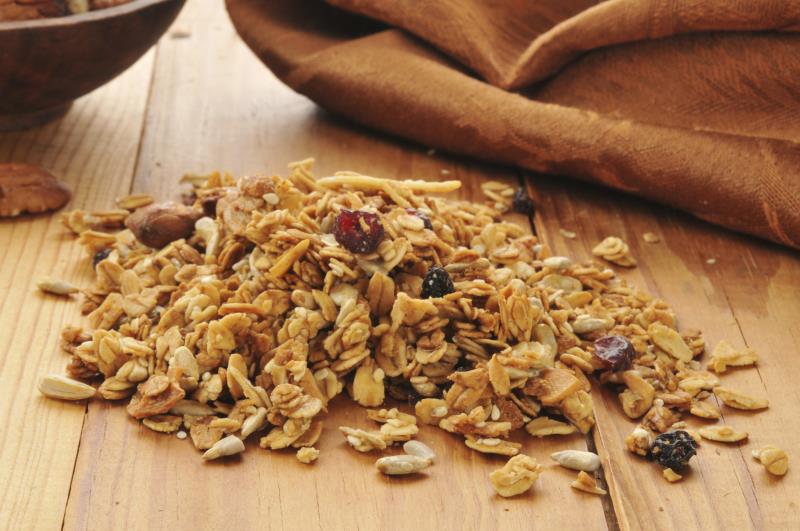
482477031_XSImagine walking into the supermarket cereal aisle—rows of colourful boxes promising to be ‘high in fibre,’ ‘low in sugar,’ or ‘fortified with vitamins.’ But how do you know which one is actually good for you? With so many brands and labels, making a healthy choice can be confusing.



Breakfast is meant to break the overnight fast, providing sustained energy and essential nutrients to start the day. However, many cereals that appear healthy may actually contain hidden sugars, excessive salt, or low fibre content. Let’s break down what really matters when choosing your ideal breakfast cereal.

Key Ingredients to Check on a Cereal Box

1. Sugar: Is Your Cereal Too Sweet?

Many breakfast cereals contain added sugars to enhance flavour. While carbohydrates are essential for energy, excess sugar can lead to spikes in blood sugar levels, increased cravings, and long-term health risks such as obesity and diabetes.

✅ Best Choice: Choose cereals with 5g of sugar or less per serving.

❌ Avoid: Cereals with over 10g of sugar per serving, especially those labelled as frosted, honey-coated, or flavoured—these often contain more sugar than nutrition.

⭐ Tip: Sweeten plain cereals naturally by adding fresh fruits, dates, or a drizzle of natural honey.

2. Fibre: The More, The Better!

Dietary fibre is essential for digestion, gut health, and keeping you full longer. A fibre-rich breakfast helps stabilise energy levels and prevent mid-morning cravings.

✅ Best Choice: Look for cereals with at least 3-6g of fibre per serving or 20g per 100g. Wholegrain cereals like bran flakes, shredded wheat, and oats are great choices.

❌ Avoid: Low-fibre cereals with less than 2g per serving—these will leave you feeling hungry soon after eating.

⭐ Tip: Add chia seeds, flaxseeds, or nuts to boost your fibre intake.

3. Salt: The Hidden Ingredient You Overlook

Many processed cereals contain added salt to enhance flavour and shelf life. Too much sodium can contribute to high blood pressure and heart disease.

✅ Best Choice: Opt for cereals with 0.3g of salt or less per 100g (0.1g of sodium or less).

❌ Avoid: Cereals with over 1.5g of salt per 100g (0.5g of sodium or more).

⭐ Tip: If sodium isn’t mentioned on the label, check for ingredients like sodium bicarbonate or preservatives, which indicate hidden salt content.

4. Fat: Watch Out for Unnecessary Additions

Most breakfast cereals are naturally low in fat. However, some granola, muesli, and nut-based cereals contain added oils that can increase caloric intake.

✅ Best Choice: Cereals with 5g of fat or less per 100g.

❌ Avoid: Those with excessive added oils, trans fats, or palm oil.

⭐ Tip: If you enjoy granola, opt for lightly roasted options with minimal added oil.

5. Added Nutrients: Do You Really Need Fortification?

Many cereals are fortified with Iron, Calcium, Vitamin D, and B Vitamins, especially for children and adults who may have nutrient deficiencies.

✅ Best Choice: If you struggle with nutrient intake, choose a cereal with fortified vitamins and minerals.

❌ Avoid: Highly processed cereals with artificial additives and preservatives.

⭐ Tip: Pair your cereal with milk, nuts, or yoghurt to enhance its nutritional value.

How to Build the Perfect Breakfast Bowl

A healthy breakfast isn’t just about cereal—it’s about balancing macronutrients for a more filling, nourishing start to your day:

🥣 Base: Choose a wholegrain cereal like oats, bran flakes, or shredded wheat.

🥛 Protein: Add Greek yoghurt, low-fat milk, or a plant-based alternative.

🥜 Healthy Fats: Sprinkle chia seeds, flaxseeds, or a handful of nuts.

🍓 Natural Sweetness: Fresh berries, banana slices, or dried fruits.

Navigating the cereal aisle doesn’t have to be overwhelming. By reading food labels carefully and making informed decisions, you can choose a nutritious breakfast that supports your energy, digestion, and overall health.

💡 Takeaway: Look for low sugar, high fibre, moderate salt, and avoid unnecessary additives for a balanced start to your day.

Which breakfast cereal do you enjoy the most? Share your favourites in the comments!

#BeTheForce

March 1, 2025 By Dr Ashwin Nanda 2 Comments

Tension or HYPERTENSION

hypertensionI can’t count how many times in my 12 years of medical practice a patient with just a headache has eventually been diagnosed with high blood pressure (hypertension). Whenever a patient complains of a headache, I always make it a point to check their blood pressure (BP), as it is a very common symptom of fluctuating BP. This often presents around the temples but can also be felt at the back of the head (occipital region).

What is Blood Pressure?

The pressure exerted by the column of blood flowing in the arteries once it has been pumped by the heart is called systolic (higher value) blood pressure. Diastolic (lower value) BP refers to the resistance in the arteries, which is always present due to their elastic tone.

Blood Pressure Categories:

  • Normal: Up to 120/80 mmHg
  • Pre-Hypertensive: 130/90 to 140/90 mmHg
  • Hypertension: Above 140/90 mmHg

A person is diagnosed with high BP if three readings taken on separate days are consistently high.

BP - HypertensionSigns & Symptoms of Hypertension

If I have to look for signs of high BP, these symptoms should raise suspicion

  1. Headache
  2. Feeling of tiredness.
  3. Difficulty breathing
  4. Heaviness in the eyes / blurred vision.
  5. Irritability
  6. Severe cases: Heart attack or haemorrhagic stroke

What Causes High BP?

High BP is common in adults over 50 but is increasingly being diagnosed in younger people due to poor lifestyle choices, such as:

  • Lack of sleep—Irregular sleep cycles disrupt the circadian rhythm.
  • High salt intake—Excess salt from processed foods, snacks, pickles, and sauces.
  • Smoking—Nicotine constricts blood vessels, increasing BP.
  • Obesity—Being overweight adds strain to the heart.
  • Lack of exercise—Sedentary lifestyle leads to poor heart health.
  • Stress—From chaotic city traffic, financial strain, and work pressure.
  • Other Causes: BP can also rise due to secondary conditions like thyroid disorders and narrowing of arteries supplying the kidneys (Renal Artery Stenosis).

Why is it Important to Maintain Normal BP?

Persistently high BP damages the internal lining of blood vessels, gradually affecting the brain, kidneys, and eyes. This can lead to serious complications such as:

  • Stroke (brain damage due to reduced blood flow)
  • Kidney failure
  • Hypertensive retinopathy (damage to the eyes)

All of these complications can be prevented by keeping BP within the normal range.

Managing High BP Naturally

Since lifestyle choices are the single most important factor in controlling BP, here’s how you can manage hypertension without medication:

  • Sleep Better:
    • Aim to sleep by 11 PM and wake up by 6-7 AM to regulate your circadian rhythm.
    • Avoid using screens before bedtime to improve sleep quality.
  • Diet Adjustments:
    • Reduce salty foods such as crisps, salted nuts, pickles, and processed sauces.
    • Eat more potassium-rich foods like bananas, spinach, and lentils.
  • Exercise Regularly:
    • Engage in 45 minutes of brisk walking, 30 minutes of swimming or cycling, or 30 minutes of aerobics at least 5 days a week.
    • Strength training also helps improve circulation and heart health.
  • Manage Your Weight: 
    • If overweight, aim to lose 1-2 kg per month until you reach a healthy BMI (Body Mass Index) of 25.
  • Reduce Stress: 
    • Practise deep breathing or meditation daily.
    • Set realistic personal and professional goals to avoid unnecessary stress.
  • Stay Socially Connected:
    • Engage in social activities and maintain a healthy support system. A positive social life can improve mental health and reduce stress-induced BP spikes.

When to Consider Medication?

If lifestyle modifications do not lower BP within 6 months, it’s time to consult a doctor to explore medical options.

Additionally, if hypertension is caused by an underlying condition (such as thyroid disease or renal artery stenosis), treating the root cause can help normalise BP.

Even the word HyperTENSION (high BP) has ‘TENSION’ in it! Managing stress and adopting healthier lifestyle choices can significantly improve your heart health.

Have you successfully managed your BP through lifestyle changes? Share your experiences in the comments below!

#BeTheForce

Disclaimer: The information provided in this blog is for general awareness and educational purposes only. It is not intended to replace professional medical advice, diagnosis, or treatment. Always consult a qualified healthcare provider for personalised medical guidance or concerns related to your health.

February 6, 2025 By GOQii Leave a Comment

Revolutionizing Post-Transplant Care: How GrafCare is Changing Lives with AI and Genomics

Receiving an organ transplant is often described as a second chance at life. But what happens after the surgery is just as crucial as the procedure itself. The journey doesn’t end in the operating room; it begins there.

Post-transplant care is a lifelong commitment—one that involves constant monitoring, medication management, and the looming risk of organ rejection. Patients often face a multitude of challenges, including the financial burden of long-term medication, emotional stress, and the need for regular diagnostic tests. Unfortunately, traditional healthcare systems are not always equipped to provide the proactive, personalized support that transplant recipients need to ensure the success of their grafts.

Recognizing these challenges, GOQii and Acrannolife Genomics have joined forces to launch GrafCare, a revolutionary AI-powered program designed to redefine post-transplant care.

GrafCare: AI & Genomics for Smarter Health Monitoring

The GrafCare Program combines cutting-edge genomic diagnostics, artificial intelligence (AI), and personalized health tracking to improve patient outcomes and quality of life.

Unlike traditional methods that react to complications after they occur, GrafCare predicts and prevents issues before they become life-threatening. Here’s how:

1. Early Detection with the Trunome Test

At the heart of GrafCare is Acrannolife’s US-patented Trunome test, a non-invasive blood test that detects early signs of organ rejection or infection. This AI-powered genomic diagnostic tool provides precise, real-time insights, allowing doctors to intervene before complications arise.

2. AI-Powered Health Monitoring

Every patient enrolled in GrafCare receives a GOQii Smart Vital Device—a wearable that continuously tracks heart rate, blood pressure, oxygen levels, and more. AI-driven analytics process this data to detect anomalies and send early alerts, ensuring that healthcare providers can step in proactively.

3. Personalized Recovery Plans & Expert Coaching

GrafCare goes beyond technology—it focuses on holistic patient well-being. The program offers:
*  Access to expert nutritionists and counsellors to design personalized recovery plans based on the patient’s genetic profile.
*  Preventive care strategies to minimize long-term health risks and dependency on emergency interventions.

4. Financial Support for Patients

One of the biggest barriers to successful post-transplant care is cost. GrafCare tackles this by offering:
* Interest-free loans for up to one year
*  Discounts on immunosuppressants (lifesaving medications that prevent organ rejection)
* Free diagnostic tests (Tacrolimus monitoring, kidney/liver function tests)

These benefits ease the financial burden on patients, allowing them to focus on what truly matters—healing and thriving.

Shaping the Future of Preventive Medicine

The GrafCare Program marks a paradigm shift in healthcare, moving from a reactive to a predictive and preventive model. This is not just a healthcare initiative—it’s a lifeline for transplant recipients.

Vishal Gondal, Founder & CEO of GOQii, emphasized the significance of this approach:

“With GrafCare, we’re harnessing the power of AI and genomics to empower patients and clinicians alike, offering a new level of care that was previously unattainable.”

Similarly, Agragesh Ramani, Co-founder of Acrannolife Genomics, highlighted the personal inspiration behind this initiative:

“Having personally experienced the transplant journey within my own family, I understand the emotional and physical challenges patients face. The GrafCare Program offers early and accurate detection of organ rejection, giving patients the best chance to protect their graft.”

A Vision for Global Healthcare

With over 20,000 transplants performed annually in India alone, and a rising global demand for advanced post-transplant care, GrafCare is poised to transform patient outcomes worldwide. Plans include expanding into Southeast Asia and the Middle East, ensuring more transplant recipients benefit from AI-driven, precision medicine.

By integrating genomics, AI, and preventive care, GrafCare is not just redefining post-transplant healthcare—it is setting a new global standard.

For those who have undergone an organ transplant, the future just got a little brighter.

Watch this video on GrafCare: Click here

#BeTheForce

  • « Previous Page
  • 1
  • 2
  • 3
  • 4
  • …
  • 78
  • Next Page »

Search

Recent Posts

  • Best Foods To Alleviate Irritable Bowel Syndrome
  • ALL ABOUT VERTIGO!
  • PCOS and Anxiety: Discover Relief with the 54321 Technique
  • Navigating the Maze of Nutrition: Finding Clarity Amidst Confusion
  • Get children active and keep them healthy

Stay Updated

Archives

  • December 2025 (6)
  • November 2025 (15)
  • October 2025 (20)
  • September 2025 (6)
  • August 2025 (6)
  • July 2025 (12)
  • June 2025 (18)
  • May 2025 (16)
  • April 2025 (23)
  • March 2025 (23)
  • February 2025 (22)
  • January 2025 (26)
  • December 2024 (26)
  • November 2024 (25)
  • October 2024 (22)
  • September 2024 (24)
  • August 2024 (31)
  • July 2024 (21)
  • June 2024 (26)
  • May 2024 (31)
  • April 2024 (27)
  • March 2024 (29)
  • February 2024 (26)
  • January 2024 (25)
  • December 2023 (15)
  • November 2023 (11)
  • October 2023 (22)
  • September 2023 (22)
  • August 2023 (20)
  • July 2023 (22)
  • June 2023 (24)
  • May 2023 (24)
  • April 2023 (24)
  • March 2023 (23)
  • February 2023 (20)
  • January 2023 (16)
  • December 2022 (12)
  • November 2022 (15)
  • October 2022 (15)
  • September 2022 (12)
  • August 2022 (10)
  • July 2022 (17)
  • June 2022 (11)
  • May 2022 (10)
  • April 2022 (6)
  • March 2022 (6)
  • February 2022 (13)
  • January 2022 (12)
  • December 2021 (7)
  • November 2021 (3)
  • October 2021 (6)
  • September 2021 (3)
  • August 2021 (8)
  • July 2021 (7)
  • June 2021 (15)
  • May 2021 (16)
  • April 2021 (10)
  • March 2021 (7)
  • February 2021 (4)
  • January 2021 (4)
  • December 2020 (3)
  • November 2020 (4)
  • October 2020 (10)
  • September 2020 (3)
  • August 2020 (3)
  • July 2020 (2)
  • June 2020 (4)
  • May 2020 (10)
  • April 2020 (12)
  • March 2020 (10)
  • February 2020 (4)
  • January 2020 (4)
  • December 2019 (3)
  • November 2019 (7)
  • October 2019 (5)
  • September 2019 (4)
  • August 2019 (9)
  • July 2019 (9)
  • June 2019 (11)
  • May 2019 (4)
  • April 2019 (9)
  • March 2019 (8)
  • February 2019 (9)
  • January 2019 (8)
  • December 2018 (9)
  • November 2018 (3)
  • October 2018 (3)
  • September 2018 (5)
  • August 2018 (10)
  • July 2018 (6)
  • June 2018 (13)
  • May 2018 (8)
  • April 2018 (18)
  • March 2018 (9)
  • February 2018 (8)
  • January 2018 (15)
  • December 2017 (12)
  • November 2017 (19)
  • October 2017 (13)
  • September 2017 (15)
  • August 2017 (4)
  • July 2017 (8)
  • June 2017 (7)
  • May 2017 (6)
  • April 2017 (8)
  • March 2017 (6)
  • February 2017 (7)
  • January 2017 (9)
  • December 2016 (10)
  • November 2016 (7)
  • October 2016 (7)
  • September 2016 (7)
  • August 2016 (11)
  • July 2016 (9)
  • June 2016 (9)
  • May 2016 (12)
  • April 2016 (17)
  • March 2016 (17)
  • February 2016 (8)
  • January 2016 (6)
  • December 2015 (2)
  • November 2015 (9)
  • October 2015 (7)
  • September 2015 (9)
  • August 2015 (11)
  • July 2015 (9)
  • June 2015 (12)
  • May 2015 (9)
  • April 2015 (13)
  • March 2015 (8)
  • February 2015 (5)
  • January 2015 (12)
  • December 2014 (14)
  • November 2014 (11)
  • October 2014 (6)
  • September 2014 (13)
  • August 2014 (12)
  • July 2014 (6)
  • June 2014 (2)
  • May 2014 (7)
  • April 2014 (5)

From “Laddu Nawin” to Fit and Fierce: How a 25-Year-Old Insurance Advisor Shed 20 Kilos and Gained His Life Back

When 25-year-old Nawin Yadav from Hyderabad walked into his office every morning, he carried more than just his files and policy papers. He had the weight of fatigue, sluggish energy, and an ever-growing belly that was becoming the butt of jokes. “People … [Read More...]

“I’ve Challenged Myself to Live 100 Years” – The Story of Chandubhai Savani’s Second Chance at Life

At 67, most people start slowing down. Not Chandubhai Savani. A resident of Surat, Chandubhai, thought life was on track. “My life was going well till I had my bypass surgery,” he says. That surgery, back in 2021, was a wake-up call.  Medication was routine, but exercise wasn’t. His diet? What he calls ‘normal.’ “I […]

From Shimla’s Slopes to Chandigarh’s Sidewalks: Surinder Kaur Bhalla’s Journey from Chaos to Control

Some journeys start with a plan. Others begin with a stumble literally. Surinder Bhalla, a government professional, born and raised in the scenic hill town of Shimla, had always lived a life of movement. “In Shimla, you walked everywhere,” she reflects. “Walking was never an exercise. It was just life.” But after shifting to Chandigarh, […]

Ananda Mukherjee Health Story

From Terminal Illness To Complete Wellness! Ananda Mukherjee Health Story

As we observe World Cancer Day under the powerful theme ‘United by Unique’ (2025-2027)**, we are reminded that every individual’s journey with cancer is distinct, yet united by shared resilience, hope, and the collective fight against this disease. This theme places people at the centre of care and their stories at the heart of the […]

  • HOME
  • HEALTHY LIVING
  • FITNESS
  • HEALTHY RECIPES
  • USER STORIES
  • KARMA
  • BUY GOQii

Copyright ©2016 GOQii