 One of the most remarkable things about GLP-1 therapy is how it slows down “gastric emptying.” This is the magic behind the feeling of fullness it keeps food in your stomach longer, sending a constant signal to your brain that you are satisfied. However, a slower stomach means your digestive tract needs a different kind of support to keep things moving.
In the world of nutrition, fiber is usually the hero. But when your system is moving at a slower pace, not all fiber is your friend. This is what we call the “Fiber Gap.”
Soluble vs. Insoluble: Know the Difference
On a standard diet, we are told to eat lots of “roughage” think raw kale, bran, and heavy seeds. This is insoluble fiber. It’s like a broom that sweeps through your system. However, when digestion is slowed by GLP-1, too much “broom” can lead to bloating, gas, and discomfort.
Instead, you need to prioritize soluble fiber. This type of fiber dissolves in water to create a gel-like substance. It’s much gentler on a slow-moving gut and helps maintain a healthy microbiome without causing a “traffic jam” in your intestines.
Closing the Gap Safely
To keep your gut happy while on GLP-1 therapy, follow these digestive guidelines:
- Peeled and Cooked: Raw vegetable skins can be tough to break down. Try peeling your apples and carrots, and steam your greens instead of eating them raw. This “pre-digests” the fiber, making it easier for your stomach to handle.
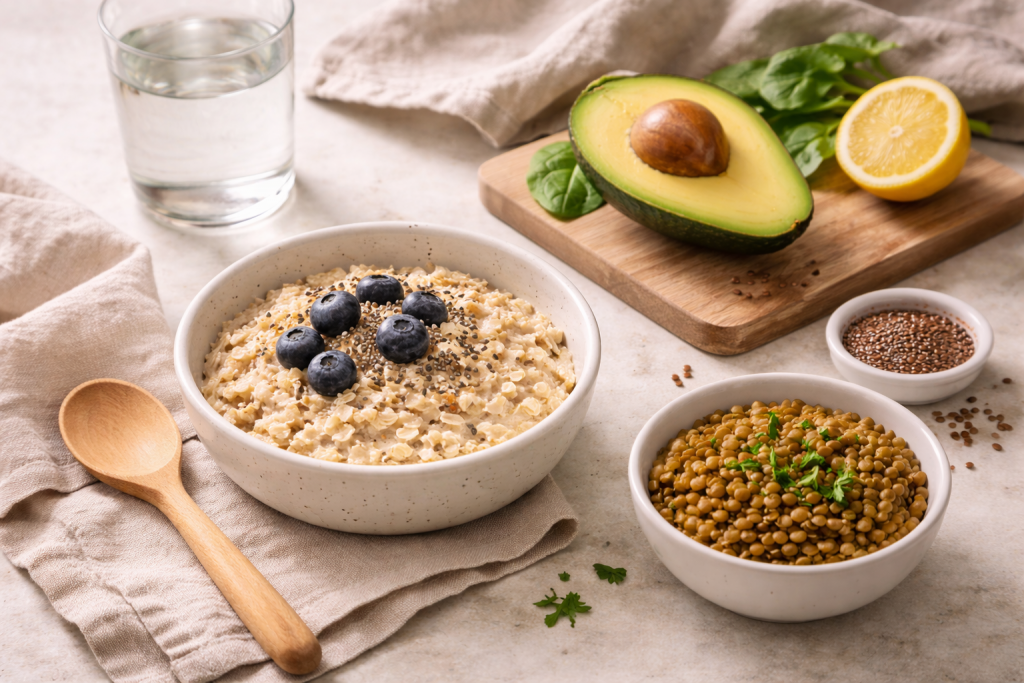
- Focus on the “Gel” Builders: Incorporate oats, chia seeds, lentils, and avocados. These provide soluble fiber that moves smoothly through the digestive tract.
- The Hydration Equation: Fiber is a sponge. If you eat fiber without drinking enough water, it will sit in your gut and harden. For every extra gram of fiber you add, make sure you’re adding an extra glass of water.
- Natural Movement: Gentle movement, like a 15-minute post-meal walk, works in tandem with fiber to encourage “peristalsis” the natural contractions of your intestines.
Tip: If you experience significant slowing, try adding a tablespoon of ground flaxseeds to your morning yogurt. It’s a gentle, natural way to bridge the fiber gap without the bloat.
#BeTheForce
Disclaimer: GOQii is committed to providing accurate, up-to-date, and comprehensive health information. This article is intended for informational purposes only and should not be used as a substitute for professional medical advice, diagnosis, or treatment. Always consult a qualified healthcare professional before starting or changing any medication. Individual responses to treatment may vary.
 Wrinkles! Those fine lines which tell you, “You’re getting old!” If you’re worried about them, you’re in the right place. Here, we’ll guide you on how you can prevent wrinkles naturally with food!
 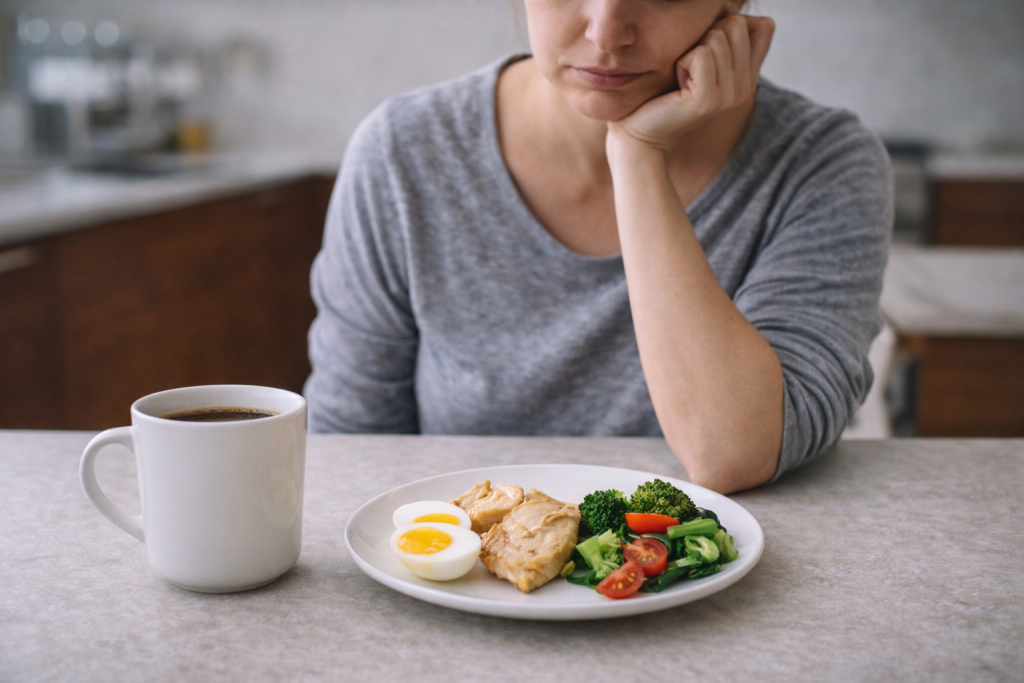 Have you noticed that your morning cup of coffee, once the highlight of your day, now tastes metallic or overly bitter? Or perhaps the thought of a juicy steak something you used to love now makes you feel slightly uneasy?
 The most challenging case for a Dietitian is perhaps – Weight Loss! Why – because, each case is unique and the most important task is to find out the root cause of weight gain (which, contrary to popular belief, is not always overeating or lack of physical activity). It is prudent that the underlying cause be identified and targeted, not only to ensure sustainable weight loss but also because these reasons are linked to diseases in waiting as well. Genetic predisposition, low BMR, stress, lack of sleep, hormonal disturbance, chronic mild dehydration, lack of certain dietary minerals, etc. are few recognized causes of weight gain.


