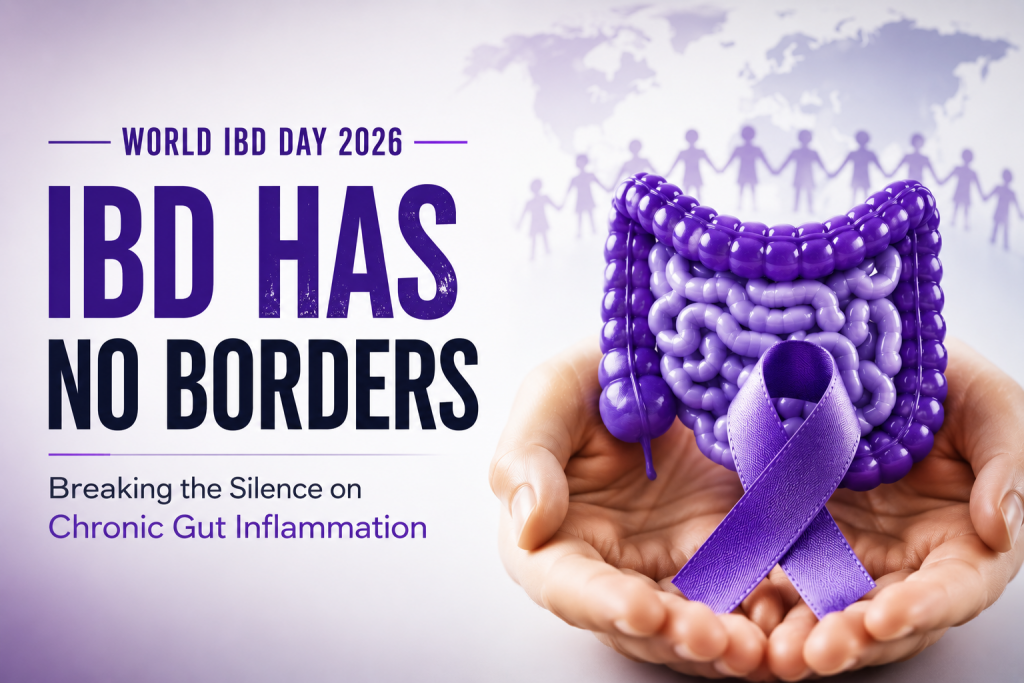
 We often hear conversations around “gut health” today – probiotics, digestion, bloating, and healthy eating have become part of mainstream wellness culture. But for millions of people living with Inflammatory Bowel Disease (IBD), gut health is not a trend. It is a lifelong medical condition that affects nearly every aspect of daily life.
Observed every year on May 19th, World IBD Day aims to raise awareness about chronic inflammatory bowel diseases like Crohn’s disease and Ulcerative Colitis, conditions that are often misunderstood, misdiagnosed, or ignored because their symptoms are largely invisible to others.
The official World IBD Day 2026 theme, “IBD Has No Borders: Access to IBD Care,” highlights an important global reality: everyone deserves timely diagnosis, quality treatment, and long-term support regardless of where they live.
And while medical care remains the foundation of IBD treatment, managing the condition daily also depends heavily on lifestyle, stress management, recovery, movement, and sustainable health habits.
What Exactly Is IBD?
Inflammatory Bowel Disease (IBD) is a chronic autoimmune condition in which the immune system mistakenly attacks healthy tissue in the digestive tract, causing ongoing inflammation and damage.
The two most common forms of IBD are:
- Crohn’s Disease: Can affect any part of the digestive tract, from the mouth to the intestines.
- Ulcerative Colitis: Primarily affects the lining of the large intestine (colon) and rectum.
Unlike occasional digestive discomfort, IBD involves chronic inflammation that can significantly impact nutrient absorption, energy levels, immunity, and overall quality of life.
Common symptoms may include:
- Persistent diarrhoea
- Abdominal pain or cramping
- Fatigue
- Unexplained weight loss
- Rectal bleeding
- Reduced appetite
- Nutritional deficiencies
For many individuals, flare-ups can be unpredictable and physically exhausting.
IBD vs IBS: Understanding the Difference
IBD and IBS (Irritable Bowel Syndrome) are often confused, but they are not the same condition.
IBS is a functional digestive disorder, meaning the digestive system does not function optimally despite there being no visible inflammation or structural damage.
IBD, however, is a structural inflammatory disease. It causes visible damage to the digestive tract, including ulcers and tissue inflammation, and requires specialised medical care and long-term monitoring.
Understanding this difference is important because symptoms may overlap, but the long-term health implications are very different.
IBD Is More Than a Digestive Condition
One of the biggest misconceptions about IBD is that it only affects the stomach or intestines.
In reality, chronic inflammation can affect the entire body.
Many people living with IBD also experience:
- Severe fatigue
- Joint pain
- Sleep disturbances
- Anxiety and emotional stress
- Nutrient deficiencies
- Reduced immunity
- Skin or eye inflammation
This is why managing IBD requires a more holistic approach that supports both physical and mental wellbeing—not just symptom control.
5 Lifestyle Habits That Can Support IBD Management
While IBD requires medical treatment and professional supervision, daily habits can play a major role in reducing flare triggers, supporting recovery, and improving overall quality of life.
-
Identify Personal Food Triggers
There is no universal “IBD diet.”
Foods that work well for one person may worsen symptoms for another. Common triggers may include spicy foods, high-fat meals, dairy, caffeine, excessive processed foods, or artificial sweeteners.
The Action Step:
Keep a detailed food and symptom journal. Tracking meals alongside symptoms can help identify patterns and trigger foods more effectively over time.
During remission phases, focusing on balanced nutrition and overall gut health may help support microbiome diversity and digestive recovery.
-
Support the Gut-Brain Connection
The gut and brain are deeply connected through the gut-brain axis. Chronic stress can directly influence inflammation, digestion, bowel sensitivity, and flare severity.
According to the GOQii India Fit Report 2026, 21% of women and 10% of men reported feeling chronic stress “always or very often.” Persistent stress keeps the body in a prolonged fight-or-flight state, which may aggravate inflammatory conditions over time.
The Action Step:
Prioritise nervous system recovery daily. Deep breathing, meditation, restorative yoga, journaling, nature walks, or simply disconnecting from screens can help calm the body and support digestive health.
Managing stress is not optional in chronic inflammatory conditions—it is part of the treatment ecosystem. Learn more about effective stress management techniques that can support long-term wellbeing.
-
Stay Hydrated During Flare-Ups
IBD-related diarrhoea can increase the risk of dehydration and electrolyte imbalance, especially during active flare periods.
The Action Step:
Sip fluids consistently throughout the day instead of consuming large amounts at once. Coconut water, homemade oral rehydration solutions (ORS), and electrolyte-rich fluids may help replenish sodium and potassium levels more effectively.
-
Avoid a Completely Sedentary Lifestyle
Movement plays an important role in circulation, digestion, mood, insulin sensitivity, and inflammation management.
The GOQii India Fit Report 2026 revealed that nearly 50% of Indians spend 5–8 hours sitting daily, while another 26% remain sedentary for even longer durations. Prolonged inactivity may worsen fatigue, digestive sluggishness, and systemic inflammation.
The Action Step:
Focus on gentle, sustainable movement. Walking, stretching, cycling, swimming, or light yoga can help support recovery without placing excessive physical stress on the body.
During flare-ups, the goal is not intense performance—it is maintaining mobility and supporting overall wellbeing.
-
Prioritise Sleep and Recovery
Sleep is one of the most overlooked pillars of inflammatory health.
Poor sleep increases stress hormones, disrupts immune regulation, and may worsen inflammatory responses throughout the body. Many people living with IBD already struggle with interrupted sleep due to pain, discomfort, or fatigue.
The Action Step:
Create a consistent sleep routine. Reduce screen exposure before bed, avoid heavy late-night meals, and prioritise recovery habits that allow the body to rest and repair more effectively.
The Bigger Goal: Protecting Your Healthspan
Living with IBD can feel physically exhausting, emotionally isolating, and unpredictable. But awareness, support, and proactive management can significantly improve long-term quality of life.
The GOQii India Fit Report 2026 highlighted a growing concern: while average life expectancy in India has increased to 70.4 years, Healthy Life Expectancy (HALE) remains only 59 years. This means many people spend over a decade managing chronic health conditions that affect daily functioning and wellbeing.
World IBD Day is not just about awareness. It is about recognising that chronic inflammation, stress, sedentary lifestyles, poor recovery, and delayed diagnosis all influence long-term healthspan.
Supporting gut health is not simply about digestion—it is about protecting energy, immunity, resilience, and quality of life for the future.
Pro Tip: Use the GOQii App to track meals, hydration, symptoms, movement, sleep, and stress levels. Sharing this data with your GOQii Personalised Health Coach can help identify flare triggers faster and support more personalised lifestyle management.
Frequently Asked Questions (FAQs)
- Is there a cure for IBD?
Currently, there is no cure for Crohn’s disease or Ulcerative Colitis. However, many individuals successfully manage symptoms and achieve long-term remission through a combination of medical treatment, nutrition, stress management, and lifestyle support.
- Can stress worsen IBD symptoms?
Yes. While stress does not directly cause IBD, chronic stress may aggravate inflammation and trigger flare-ups through the gut-brain connection.
- What foods should people with IBD avoid?
Triggers vary from person to person. Common trigger foods may include spicy foods, high-fat meals, caffeine, alcohol, dairy, processed foods, or high-fibre foods during active flare-ups.
- Why is fatigue so common in IBD?
Ongoing inflammation, poor nutrient absorption, disrupted sleep, and immune system stress can all contribute to severe fatigue in people living with IBD.
#BeTheForce
Disclaimer: This article is intended for educational purposes only. IBD is a serious chronic medical condition. Always consult your gastroenterologist or healthcare provider before making changes to your diet, medication, or exercise routine.




Leave a Reply