GOQii

Blog

  • HOME
  • HEALTHY LIVING
  • FITNESS
  • HEALTHY RECIPES
  • USER STORIES
  • KARMA
  • BUY GOQii

Archives for June 2025

June 17, 2025 By GOQii Leave a Comment

Why Longevity Must Be India’s Next Health Mission

For the first time in human history, living to 90 or even 100 is no longer a rare feat—it’s becoming the norm. But behind this celebration of longer life lies a sobering truth: we’re living longer, but not necessarily better.

Across the world, people are spending more of their later years grappling with chronic illness, frailty, and declining independence. This trend, often called the “decompression of morbidity,” is stretching health systems, straining economies, and impacting quality of life on a massive scale.

We are standing at the edge of a demographic revolution. The core challenge facing us today isn’t how to extend lifespan—we’ve already done that. The real question is: How do we extend health span?

What Is Healthspan – and Why Does It Matter

Healthspan refers to the years a person lives in good health, free from serious illness, mental decline, and disability. It’s about not just how long you live, but how well you live.

Imagine reaching the age of 80 and still being physically active, mentally sharp, and emotionally fulfilled. That’s the promise of healthy longevity—and it’s not just a dream anymore. Thanks to advances in medicine, genomics, artificial intelligence, and preventive healthcare, we now know that ageing is not fixed. It’s flexible. Malleable. Even reversible in some areas.

Science has shown that the processes that cause ageing—cellular damage, inflammation, loss of muscle and cognitive function—can be slowed, delayed, and in some cases, restored. But to turn this knowledge into reality, we need a complete shift in how we approach health.

A System Built for Sickness, Not for Longevity

Most healthcare systems today are reactive. They wait for the disease to appear, then scramble to treat it. But by the time symptoms show up, the damage is often already done.

A longevity-focused approach flips this model. It emphasises early detection, continuous monitoring, lifestyle interventions, and personalised care. Instead of simply treating illness, we need to start managing ageing itself—tracking biological age, not just the number on a birth certificate.

This requires investment not only in technology, but in rethinking everything from urban planning and public health policies to diet, exercise, and social connection. Longevity is not a pill or a procedure—it’s a lifestyle supported by a system that enables it.

The Global Wake-Up Call

The urgency is clear. Several research papers on longevity indicate that by 2050, nearly 20% of the global population of estimated 8.2 billion will be over 65, double the percentage from just a few decades ago. This isn’t a challenge for the future, it’s one we must face today.

While ageing populations have long been associated with wealthier countries, the reality has changed. The majority of the world’s older adults now live in low- and middle-income countries. Places like India, with a rapidly growing elderly population, are on the frontlines of this shift.

And yet, this is also where the greatest opportunity lies.

Why India Can Lead the Longevity Movement

India has a unique advantage in the global longevity landscape. We are a young nation, demographically speaking, but also home to over 140 million people over the age of 60, a number expected to double by 2050. This duality gives us the urgency and the scale to build solutions for both present and future generations.

But more importantly, India brings something few other countries do: a culture that already values holistic well-being. For centuries, our traditions have emphasised the balance of mind, body, and spirit through yoga, Ayurveda, meditation, and community living. These aren’t just cultural practices; they are pillars of a longevity lifestyle.

Combined with our digital innovation, scientific talent, and entrepreneurial energy, India is well-positioned to develop, test, and export models of healthy ageing that are affordable, scalable, and rooted in prevention.

The XPRIZE Signal: A $101 Million Push Toward Longevity

The global focus on healthy ageing has never been stronger, and leading this momentum is the XPRIZE Healthspan competition, a groundbreaking $101 million initiative challenging innovators worldwide to rethink what’s possible in longevity science. The mission is bold: to develop solutions that can rejuvenate the body and mind of people aged 50–80, restoring muscle strength, cognitive abilities, and immune function by at least a decade, all within just 12 months.

It’s a call to the world’s brightest minds to not just extend life, but to meaningfully turn back the biological clock.  Among the 40 global semifinalists—and the only one representing India – is GOQii’s Project Sanjeevini, an advanced health platform that seamlessly integrates artificial intelligence, genomics, and behavioural science to deliver deeply personalised, real-time care. Designed to adapt to each individual’s unique biology and lifestyle, Sanjeevini represents a bold new approach to healthy ageing on a global scale. Unlike typical wellness tools, Sanjeevini operates as a living, learning system—tracking biological markers in real time and delivering targeted interventions based on user behaviour and biology.

This kind of bold thinking is what we need more of—urgently. The longevity movement is not about extending elite access to anti-ageing tools. It’s about creating systems and environments where everyone, regardless of income or geography, can thrive in later life.

Redefining Ageing, Globally and Personally

We need to rewrite the story of ageing—from a period of decline to a time of continued growth, contribution, and vitality. A 70-year-old should not be seen as someone winding down, but as someone potentially hitting a new stride, with the support of an intelligent, personalised health system.

This isn’t science fiction. It’s a global health strategy whose time has come. India can—and must—be a leader in this transformation. Not just for its people, but for the world. Because when we invest in longevity, we’re not just adding years to life—we’re adding life to years.

#BeTheForce
June 14, 2025 By Alfana Khatri 5 Comments

Unable to Lose Weight? 7 Secrets for Sustainable Weight Loss

lose weightHave you ever found yourself doubting whether you’ll ever reach your weight loss goal? How many times have you been tempted to give up? Despite your best efforts—following exercise routines, eating right, controlling cravings—the results just don’t seem to show.

If that sounds familiar, you’re not alone. Many people struggle with weight loss even when they feel they’re doing everything right. But here’s the truth: there’s more to it than just diet and exercise.

Let’s uncover 7 powerful yet practical secrets to sustainable weight loss.

1. Focusing on a Single Number

Do you check your weight often and feel disappointed?

Weight loss isn’t only about the number on the scale – it’s about fat loss and muscle gain. Your body composition, ethnic background, and muscle mass all affect the number you see. That’s why tools like Body Composition Analysis (BCA) give a more accurate picture. Aim to do one every month, and track waist and hip measurements every 15 days for better insights.

 2. Setting Unrealistic Goals

Aim for slow and steady weight loss – about 1.5 to 2 kg per month. It’s easier to achieve and maintain. Crash diets and short-term fixes may give quick results, but they’re rarely sustainable.

Set tangible, measurable goals, and back them with a clear plan. If you’re unsure, seek guidance from a certified coach to help you track progress effectively.

 3. Sitting for Too Long

Exercising for an hour daily but not seeing results? The culprit might be your sitting time.

Research suggests that sitting continuously for long periods can slow metabolism, stiffen joints, and lead to back pain—similar in risk to smoking! Break the cycle: stand, stretch, or walk every 30 minutes. It adds up over the day.

 4. Poor Sleep Habits

Adults need 7-9 hours of sleep per night. It’s when your body repairs tissues, processes information, and balances hormones.

Inadequate sleep not only makes you crave junk food, but it also disrupts your circadian rhythm, leading to weight gain. For best results, try to sleep between 10 pm and 6 am – your body responds best during these “golden hours”.

 5. Stress Management

Are you stressed about not losing weight? Ironically, that stress might be the reason.

Stress raises cortisol levels, which promotes fat storage – especially around the belly. It also interferes with sleep and triggers ghrelin, the hormone that increases hunger even when you’re not truly hungry.

Chronic stress can also lead to emotional eating, fatigue, and even anxiety or depression. Managing it through meditation, breathing exercises, or time outdoors can do wonders.

 6. Low Water Intake

Many people mistake thirst for hunger. A simple glass of water may be all you need instead of a snack.

Set a habit: drink one glass of water before every meal. Stay well hydrated throughout the day, especially before, during, and after workouts.

7. Nutrient Deficiencies

Deficiencies in Vitamin B12 and Vitamin D3 can hinder fat loss.

  • Vitamin B12 helps convert fat, protein, and carbohydrates into usable energy.
  • Vitamin D3 plays a role in limiting fat storage and improving mood and muscle function by increasing serotonin and testosterone.

Shockingly, up to 50% of the global population may be deficient in Vitamin D. It’s worth testing and supplementing if needed.

Still searching for that “magic pill”? The truth is, there’s no quick fix – but combining these 7 steps can create real, lasting change. Stay consistent, stay patient, and stay kind to your body.

For more tips, visit our Healthy Reads section or get expert guidance by subscribing to GOQii’s Personalised Health Coaching here.

#BeTheForce

Disclaimer: The information provided in this blog is for general awareness and educational purposes only. It is not intended to replace professional medical advice, diagnosis, or treatment. Always consult a qualified healthcare provider for personalised medical guidance or concerns related to your health. Images shown are for representation purposes only and may not depict the exact recommendations or outcomes.

June 13, 2025 By Urvi Gohil 3 Comments

5 Fat Loss Mistakes You Might Be Making

fat loss mistakes

The internet can be useful – there’s no denying that. Those fun DIY tricks and tutorials that help you pick up a new skill-set are pretty brilliant, aren’t they? But, like all things, the internet has a downside. While it helps you discover something new every day, it can also lead you down a rabbit hole of misinformation – particularly when it comes to health.

Take for example: Quick Fat Loss Tips or Lose Fat in 10 Days. While these headlines grab attention, they often promote unrealistic, unsustainable, and even harmful methods. So if you’re on a fat loss journey, here are 5 common mistakes you might be making – along with why it’s time to ditch the myths.

1. Starving for Fat Loss 

Research shows that chronic starvation reduces muscle mass and organ size by up to 20%. Weight loss through starvation can also lead to lower bone density, making you more injury-prone.

It doesn’t stop there. Starving slows down your metabolism and hampers overall body function. Worst of all, once you return to eating normally, your body may store more calories as fat—undoing all your efforts.

Golden rule: Eat healthy, balanced meals at the right time. Nourishment, not restriction, is key.

2. No Rest Day 

Think over-training equals faster fat loss? Think again.

Rest days are crucial to avoid muscle overuse and allow your body to recover. Lifting weights causes tiny muscle tears that can only repair – and grow – during rest. Over-training can actually stall fat loss, disturb your hormonal balance, and even cause amenorrhoea (loss of menstrual periods).

Tip: Take one rest day a week. Try light activity like walking, yoga, or deep breathing exercises.

3. Excess Protein Doesn’t Mean Better Fat Loss

Yes, protein helps you feel fuller and supports muscle maintenance – but more is not always better.

A high-protein diet alone won’t do the trick. Too much protein can strain digestion. What you really need is balance – enough fruits, vegetables, and complex carbs alongside your protein to support healthy fat loss.

4. Lack of Optimum Sleep

Getting fewer than six hours of sleep reduces leptin (the satiety hormone) and increases ghrelin (the hunger hormone). Translation? You’ll feel hungrier and less satisfied.

Studies show that people who sleep 7+ hours a night lose more fat and preserve more muscle mass. Lack of sleep also spikes cortisol – body’s stress hormone – which hinders fat breakdown and increases muscle loss.

So if you’re waking up early to squeeze in a workout but skipping sleep, it might be time to rethink your schedule.

5. Keeping Unrealistic Expectations

Setting tangible goals is great – but aiming too high, too soon, can backfire.

Studies show that people with overly ambitious expectations, especially those who are overweight or obese, are more likely to drop out of fat loss programmes within 6–12 months due to disappointment.

Instead: Set modest, achievable goals with the guidance of a certified coach. Progress that’s steady is progress that sticks.

Want to stop guessing and start getting real results? Speak to a GOQii Coach by subscribing to Personalised Health Coaching here.

Did this article help you? Share your thoughts in the comments! And for more tips, check out our Healthy Reads on weight loss here.

#BeTheForce 

Disclaimer: The information provided in this blog is for general awareness and educational purposes only. It is not intended to replace professional medical advice, diagnosis, or treatment. Always consult a qualified healthcare provider for personalised medical guidance or concerns related to your health. Images shown are for representation purposes only and may not depict the exact recommendations or outcomes.

June 12, 2025 By Roopa Tandur 5 Comments

11 Fat Burning Foods You Should Try For Weight Loss!

fat burning foodsYou’ve been exercising, eating in measured quantities, counting your calorie intake, controlling cravings, and drinking plenty of water. Yet, even after 5–6 weeks of doing everything right, the scale refuses to budge. You start to wonder—could it be your food choices? Quite possibly. But don’t worry—try these fat-burning foods which may boost your metabolism and support your weight loss journey.



Fat Burning Foods For Weight Loss

  1. Eggs:
    Often called a nutritional powerhouse, eggs top the list as a complete food. High in protein and healthy fats, they keep you fuller for longer. People who include eggs in their breakfast tend to experience fewer cravings throughout the day, along with improved waist circumference and body fat reduction.
  2. Green Tea:
    A potent antioxidant, green tea triggers fat cells to release stored fat for energy. It may also reduce body fat and lower cholesterol. Its flavonoids and phytochemicals are known to boost metabolism and aid recovery after intense workouts.
  3. Nuts & Seeds:
    Almonds, walnuts, flaxseeds, and pumpkin seeds are rich in micronutrients like magnesium, selenium, and zinc. These healthy fats curb hunger and may help reduce belly fat. Flaxseeds are particularly high in fibre and mucilage, creating a sense of satiety when soaked in water.
  4. Fatty Fish:
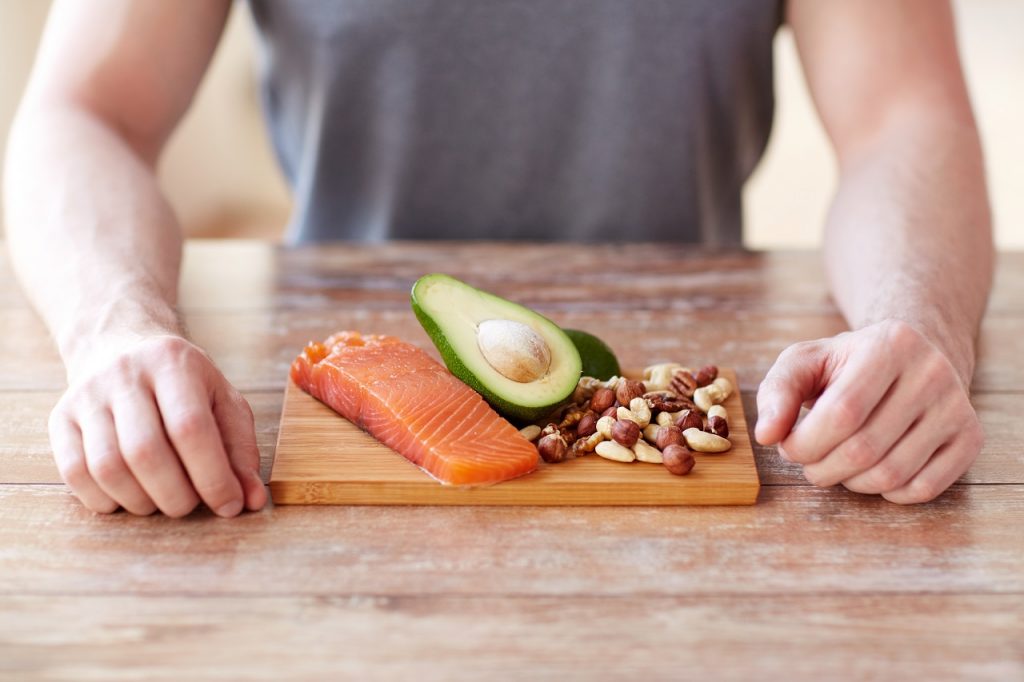
    Fish like salmon, herring, sardines, and mackerel are rich in omega-3 fatty acids, which help reduce inflammation. Their high-quality protein supports lean muscle mass, increases metabolism, and enhances fat burning—even at rest.
  5. Avocados:
    Packed with monounsaturated fats and minerals like potassium and magnesium, avocados reduce bloating, aid nutrient absorption, and support digestion. Their healthy fats and fibre also help you feel full for longer.
     
  6. Leafy Greens:
    Kale, spinach, and collard greens are loaded with magnesium and iron, which reduce stress and aid oxygen flow. Stress is often linked with weight gain, so leafy greens can indirectly support weight loss while being easy to incorporate into your meals.
  7. Probiotics like Yoghurt:
    Probiotics improve gut health, reduce bloating, enhance immunity, and promote better nutrient absorption. A balanced gut may lead to a faster metabolism. Natural yoghurt (unsweetened) is a widely available probiotic option in the UK.
     
  8. Spices (Pepper & Cinnamon):
    Pepper contains capsaicin, which burns belly fat and boosts energy conversion. Cinnamon helps cells absorb glucose more efficiently. Both may help reduce water retention and salt cravings while supporting fat metabolism.
  9. Apple Cider Vinegar (ACV):
    Taking ACV before meals may slow carb digestion and reduce blood sugar spikes—one of the causes of fat storage. It also supports digestion and helps you feel full sooner.
  10. Legumes:
    Beans, peas, chickpeas, and lentils offer protein, fibre, and complex carbs. They support muscle formation and slow the release of sugars into the bloodstream, promoting sustained energy and fat loss.
  11. Healthy Oils (Coconut & Olive Oil):
    Coconut oil contains MCTs that suppress hunger and aid fat burning, while olive oil improves insulin sensitivity and helps regulate blood sugar levels. Both can support metabolism and satiety when used in moderation.

Add these foods to your weight loss plan mindfully. Always consult your GP, dietitian, or nutritionist—especially if you have any allergies or pre-existing health conditions.

Want more tips on sustainable weight loss? Explore our articles here or subscribe to GOQii’s Personalised Health Coaching here.

#BeTheForce 

Disclaimer: The information provided in this blog is for general awareness and educational purposes only. It is not intended to replace professional medical advice, diagnosis, or treatment. Always consult a qualified healthcare provider for personalised medical guidance or concerns related to your health. Images shown are for representation purposes only and may not depict the exact recommendations or outcomes.

  • « Previous Page
  • 1
  • 2
  • 3
  • 4
  • 5
  • Next Page »

Search

Recent Posts

  • PCOS and Anxiety: Discover Relief with the 54321 Technique
  • Navigating the Maze of Nutrition: Finding Clarity Amidst Confusion
  • Get children active and keep them healthy
  • What Gestational Diabetes Can Do To You & Your Unborn Child
  • Breathing – A Forgotten Art

Stay Updated

Archives

  • December 2025 (4)
  • November 2025 (15)
  • October 2025 (20)
  • September 2025 (6)
  • August 2025 (6)
  • July 2025 (12)
  • June 2025 (18)
  • May 2025 (16)
  • April 2025 (23)
  • March 2025 (23)
  • February 2025 (22)
  • January 2025 (26)
  • December 2024 (26)
  • November 2024 (25)
  • October 2024 (22)
  • September 2024 (24)
  • August 2024 (31)
  • July 2024 (21)
  • June 2024 (26)
  • May 2024 (31)
  • April 2024 (27)
  • March 2024 (29)
  • February 2024 (26)
  • January 2024 (25)
  • December 2023 (15)
  • November 2023 (11)
  • October 2023 (22)
  • September 2023 (22)
  • August 2023 (20)
  • July 2023 (22)
  • June 2023 (24)
  • May 2023 (24)
  • April 2023 (24)
  • March 2023 (23)
  • February 2023 (20)
  • January 2023 (16)
  • December 2022 (12)
  • November 2022 (15)
  • October 2022 (15)
  • September 2022 (12)
  • August 2022 (10)
  • July 2022 (17)
  • June 2022 (11)
  • May 2022 (10)
  • April 2022 (6)
  • March 2022 (6)
  • February 2022 (13)
  • January 2022 (12)
  • December 2021 (7)
  • November 2021 (3)
  • October 2021 (6)
  • September 2021 (3)
  • August 2021 (8)
  • July 2021 (7)
  • June 2021 (15)
  • May 2021 (16)
  • April 2021 (10)
  • March 2021 (7)
  • February 2021 (4)
  • January 2021 (4)
  • December 2020 (3)
  • November 2020 (4)
  • October 2020 (10)
  • September 2020 (3)
  • August 2020 (3)
  • July 2020 (2)
  • June 2020 (4)
  • May 2020 (10)
  • April 2020 (12)
  • March 2020 (10)
  • February 2020 (4)
  • January 2020 (4)
  • December 2019 (3)
  • November 2019 (7)
  • October 2019 (5)
  • September 2019 (4)
  • August 2019 (9)
  • July 2019 (9)
  • June 2019 (11)
  • May 2019 (4)
  • April 2019 (9)
  • March 2019 (8)
  • February 2019 (9)
  • January 2019 (8)
  • December 2018 (9)
  • November 2018 (3)
  • October 2018 (3)
  • September 2018 (5)
  • August 2018 (10)
  • July 2018 (6)
  • June 2018 (13)
  • May 2018 (8)
  • April 2018 (18)
  • March 2018 (9)
  • February 2018 (8)
  • January 2018 (15)
  • December 2017 (12)
  • November 2017 (19)
  • October 2017 (13)
  • September 2017 (15)
  • August 2017 (4)
  • July 2017 (8)
  • June 2017 (7)
  • May 2017 (6)
  • April 2017 (8)
  • March 2017 (6)
  • February 2017 (7)
  • January 2017 (9)
  • December 2016 (10)
  • November 2016 (7)
  • October 2016 (7)
  • September 2016 (7)
  • August 2016 (11)
  • July 2016 (9)
  • June 2016 (9)
  • May 2016 (12)
  • April 2016 (17)
  • March 2016 (17)
  • February 2016 (8)
  • January 2016 (6)
  • December 2015 (2)
  • November 2015 (9)
  • October 2015 (7)
  • September 2015 (9)
  • August 2015 (11)
  • July 2015 (9)
  • June 2015 (12)
  • May 2015 (9)
  • April 2015 (13)
  • March 2015 (8)
  • February 2015 (5)
  • January 2015 (12)
  • December 2014 (14)
  • November 2014 (11)
  • October 2014 (6)
  • September 2014 (13)
  • August 2014 (12)
  • July 2014 (6)
  • June 2014 (2)
  • May 2014 (7)
  • April 2014 (5)

From “Laddu Nawin” to Fit and Fierce: How a 25-Year-Old Insurance Advisor Shed 20 Kilos and Gained His Life Back

When 25-year-old Nawin Yadav from Hyderabad walked into his office every morning, he carried more than just his files and policy papers. He had the weight of fatigue, sluggish energy, and an ever-growing belly that was becoming the butt of jokes. “People … [Read More...]

“I’ve Challenged Myself to Live 100 Years” – The Story of Chandubhai Savani’s Second Chance at Life

At 67, most people start slowing down. Not Chandubhai Savani. A resident of Surat, Chandubhai, thought life was on track. “My life was going well till I had my bypass surgery,” he says. That surgery, back in 2021, was a wake-up call.  Medication was routine, but exercise wasn’t. His diet? What he calls ‘normal.’ “I […]

From Shimla’s Slopes to Chandigarh’s Sidewalks: Surinder Kaur Bhalla’s Journey from Chaos to Control

Some journeys start with a plan. Others begin with a stumble literally. Surinder Bhalla, a government professional, born and raised in the scenic hill town of Shimla, had always lived a life of movement. “In Shimla, you walked everywhere,” she reflects. “Walking was never an exercise. It was just life.” But after shifting to Chandigarh, […]

Ananda Mukherjee Health Story

From Terminal Illness To Complete Wellness! Ananda Mukherjee Health Story

As we observe World Cancer Day under the powerful theme ‘United by Unique’ (2025-2027)**, we are reminded that every individual’s journey with cancer is distinct, yet united by shared resilience, hope, and the collective fight against this disease. This theme places people at the centre of care and their stories at the heart of the […]

  • HOME
  • HEALTHY LIVING
  • FITNESS
  • HEALTHY RECIPES
  • USER STORIES
  • KARMA
  • BUY GOQii

Copyright ©2016 GOQii