GOQii

Blog

  • HOME
  • HEALTHY LIVING
  • FITNESS
  • HEALTHY RECIPES
  • USER STORIES
  • KARMA
  • BUY GOQii

Archives for September 2024

September 14, 2024 By Sunita Arora Leave a Comment

Top 10 Foods For Diabetics

Foods For DiabeticsYour food choices matter a lot when you’re facing Diabetes. While it is difficult to find foods which prevent diabetes complications like heart disease, kidney disease, spiking blood sugar levels, etc. there are some foods for diabetics which can help reduce carbohydrate intake, which in turn keeps blood sugar in check. Let’s take a look at these foods for diabetes. 

Top 10 Foods For Diabetics 

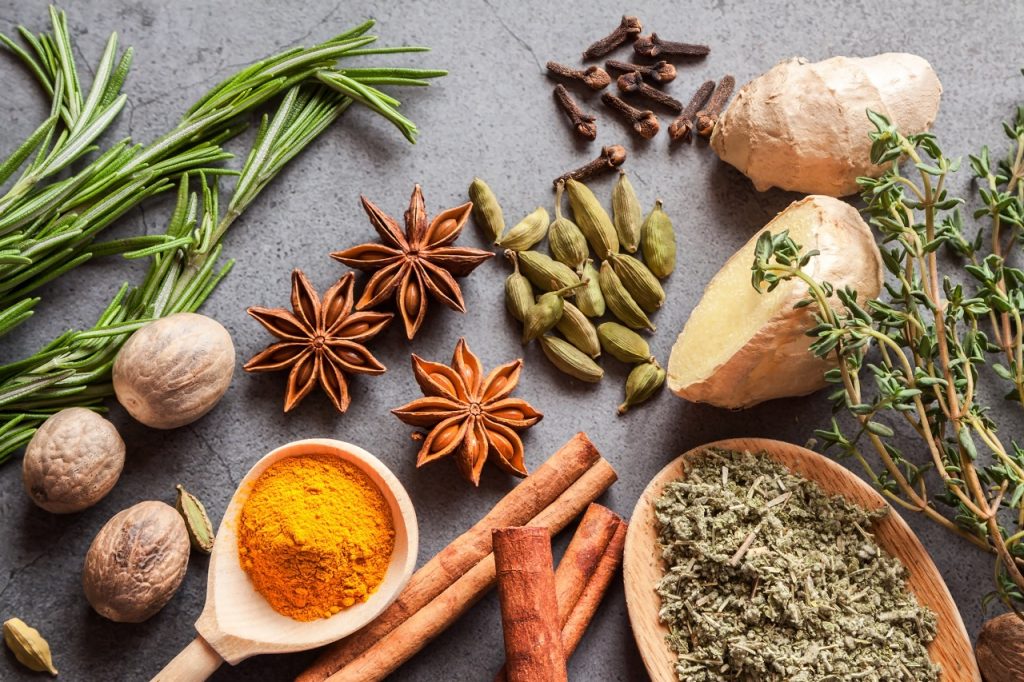
  1. Cinnamon: This fragrant golden spice helps in controlling sugar, cholesterol and triglyceride levels in Type 2 Diabetes. It adds flavour to food, can be sprinkled on tea, coffee, oatmeal and smoothies, etc. Studies have shown just ¼ teaspoon of cinnamon daily can improve fasting blood sugar and improve insulin sensitivity.
  2. Extra Virgin Olive Oil: Extra-virgin olive oil contains antioxidants called polyphenols which are extremely beneficial for heart health. Olive oil is the best option for  MUFA source when it comes to managing diabetes. Several studies have shown that MUFA helps to keep blood sugar in check by lowering insulin resistance and it keeps you full, minimizes blood sugar spikes, and helps in good absorption of nutrients. Daily healthy intake for a Diabetic person can be 1-2 tsp (5ml-10 ml) to manage sugar levels.
  3. Nuts: are the best snacking foods for diabetics as they are delicious and nutritious. Nuts like walnuts, almonds, cashews, pistachios are a boon for diabetics as they are low in carbohydrates and high in protein and fat, which makes them good for stabilizing blood sugar. Due to high in protein and low in digestible carbs they help to reduce blood sugar and LDL levels. A Diabetic person can have a small handful of approx. 20-30 gm daily. But be sure to avoid salted varieties of nuts.
  4. Beans: are complex carbs loaded with fiber and rich in protein which gives a feeling of satiety. Beans are not expensive at all, easily available and they are incredibly versatile. Having beans in the diet regularly can control blood sugar and lower blood pressure. You can add beans in your salads, soups, veggies and sandwiches or use soaked/boiled beans in various recipes. Include one bowl daily which is approximately  25-30 gm of beans to regulate blood sugar levels.
  5. Quinoa: is considered as a complete protein because it contains all nine essential amino acids needed to build muscle and it is rich in minerals such as iron and magnesium. This protein-rich whole grain is a great substitute for white rice. It is rich in fiber and gets digested slowly, which keeps the stomach full and prevents blood sugar spikes. It is a healthy option for breakfast, snacks and effective in weight loss too. Daily  20-30 gm of Quinoa can be taken in different ways like salad, or mixed with vegetables, etc.
  6. Fenugreek Seeds: are very effective in treating people with diabetes. It is rich in soluble fiber which lowers the sugar levels by slowing down the digestion and absorption of carbohydrates. Studies have shown a daily dose of 10 gm of fenugreek seeds soaked in water helps to control Type 2 Diabetes.
  7. Oatmeal: is one of the best foods for diabetics as they can fit into any healthy meal plan. They are high in fiber and low in glycemic index. It does the miraculous job in regulating blood sugar levels and increases energy levels. Steel-cut oats approx. 20 gm-30 gm daily with low-fat milk or vegetables are best for Type 2 Diabetes because they are least processed.
  8. Garlic: is a herb which reduces inflammation, blood sugar, LDL Cholesterol in people who have Type 2 Diabetes. It also reduces blood pressure and boosts immunity. 1-2 cloves of Garlic can be crushed and taken raw with water early morning or can be used while cooking.
  9. Turmeric is a very powerful spice with numerous health benefits. It helps to lower inflammation, reduce blood sugar and boost immunity. It has curcumin which benefits kidney and heart health in diabetics. It is an important ingredient in Indian cuisines, around ½ to ¼ tsp can be added in water or milk to reduce inflammation, boost immunity and regulate blood sugar levels.
  10. Chia seeds: are the powerhouse of nutrients and are one of the wonderful foods for Diabetics. They are high in fiber which lowers blood sugar in diabetics and helps maintain healthy weight. It also decreases blood pressure and inflammation in the body. Take 10gm of soaked chia seeds daily, can be also added in a smoothie, shake, curd etc.

We hope these 10 foods for diabetics helps you make a wonderful and positive shift to a healthier life but before you try them out, do consult with your doctor, nutritionist or dietitian. 

For more help to manage diabetes, and get the right guidance and motivation by certified experts, join the GOQii Diabetes Care program. It’s India’s only diabetes program that is driven by Smart Science and Personal Coaching to improve Fasting Blood Sugar (FBS), Postprandial Blood Sugar (PP), reduce HbA1c levels and let you win gold! You can subscribe here: https://store.goqii.com/diabetescare.

#BeTheForce 
September 12, 2024 By Pradnya Shinde Leave a Comment

Dealing with Menopausal Hot Flushes and Night Sweats

“A sharp sensation of heat suddenly rises to my head. I go red in my face, but after a few minutes, its gone”.
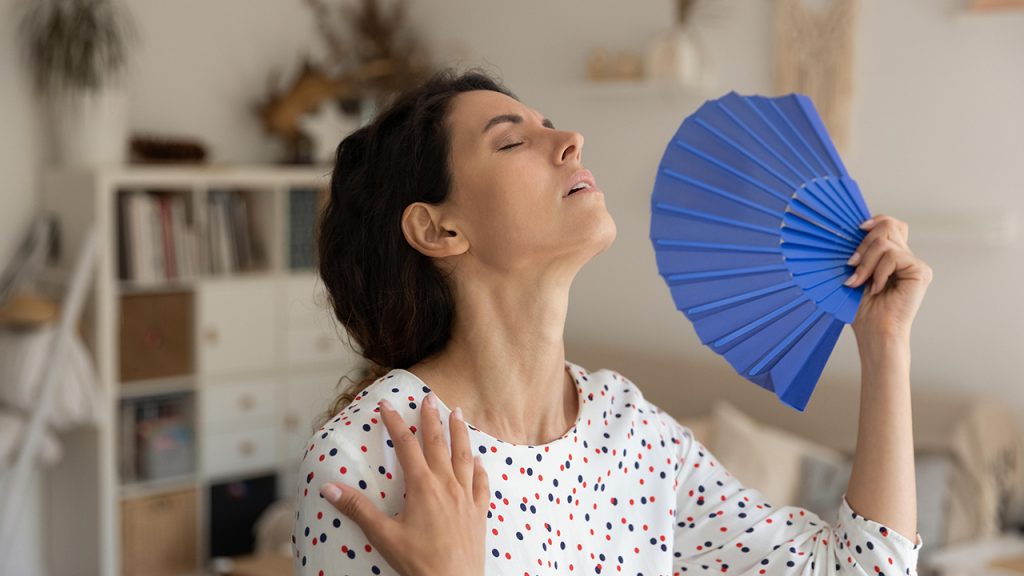
“I begin to perspire. My clothes and hair start to get drenched as though I’ve just run few kms. Suddenly, after a while, it vanishes. Then, I’m not sure when this will occur again.

The above are statements made to me by women who experienced hot flashes for a long time. It is ANNOYING and EMBARRASSING.

This is a typical problem that women face during menopause. In order to escape this awkward circumstance, a lot of women even have a tendency to quit their jobs. Let us understand this issue a little more better.

Understanding Hot Flushes

A hot flush, commonly experienced as a sudden and intense sensation of heat affecting the upper body, primarily impacts the face, neck, chest, back, and arms. This phenomenon is characterized by visible redness and can lead to heavy perspiration. In some cases, the sensation may extend throughout the entire body.

The duration of a hot flush can vary significantly, lasting from a few seconds to as long as ten minutes. The frequency of these episodes also varies widely among individuals, occurring several times within an hour, a few times daily, or even just once weekly.

Hot flushes that occur during the night are referred to as night sweats. These can significantly disrupt sleep and are often troublesome. Typically beginning at the onset of menopause, hot flushes may persist for a decade or longer, affecting each individual differently.

Understanding Hot Flushes: Causes, Triggers, and Management

What Causes a Hot Flush?
Hot flushes commonly occur during perimenopause, a phase marked by the onset of irregular menstrual cycles. This period is characterized by significant fluctuations in estrogen levels, which disrupt the brain’s temperature regulation system. As a result, the body attempts to cool down through sweating.

What Triggers a Hot Flush?
Several factors can trigger hot flushes, including dietary and environmental influences, as well as lifestyle habits. Common triggers include:

  • Spicy foods
  • Caffeine
  • Smoking
  • Alcohol consumption
  • Wearing tight clothing
  • Obesity
  • Stress
  • Exposure to warm environments or consuming warm or icy foods

Managing Hot Flushes:

It is essential to consult a healthcare provider annually for reproductive health issues. During these consultations, doctors can offer guidance on managing symptoms of perimenopause, including hot flushes. Treatment options may include hormonal therapies, which help stabilize hormone levels, or non-hormonal strategies, which can alleviate symptoms without using hormone replacement therapies.

Lifestyle Adjustments to Manage Hot Flushes Effectively

To reduce the frequency and intensity of hot flushes, consider making several key lifestyle changes:

Avoid Triggers: Steer clear of known triggers like spicy foods, caffeine, and tobacco. Opt for decaffeinated coffee, limit alcohol intake to one drink at a time, and control smoking habits to minimize occurrences.

Increase Omega-3 Intake: Omega-3 fatty acids, known for their anti-inflammatory properties, may help alleviate hot flushes. Sources include fatty fish like salmon, tuna, and mackerel, as well as vegan options such as flax seeds, chia seeds, and hemp seeds.

Incorporate Plant-Based Estrogens: Consuming foods rich in isoflavones and phytoestrogens, such as soy, tofu, chickpeas, and lentils, may help manage symptoms by mimicking estrogen.

Try Seed Cycling: This technique involves consuming specific seeds at different times of the month to balance hormone levels. For the first 14 days, eat two tablespoons of pumpkin and flax seeds, followed by two tablespoons of sesame and sunflower seeds for the next 15 days. These seeds also offer healthy fats, fiber, and nutrients.

Opt for Natural Fabrics: Wear comfortable undergarments and clothing made from natural fibers like cotton, linen, and bamboo, which are breathable. Dress in layers to easily adjust to temperature changes, and consider light, loose-fitting clothing for additional comfort.

Manage Body Temperature: Start your day with a cold shower to decrease the likelihood of hot flushes. Carry a portable or neck fan when outdoors. For night sweats, use breathable cotton bedding, cooling blankets, or cooling pillows, and keep your sleeping environment cool with air conditioning or fans.

Maintain a Healthy Weight: Address obesity by adhering to a nutritious diet and regular exercise routine. Aim for 30 minutes of mild exercise daily to help manage weight and reduce hot flush occurrences.

Practice Stress-Relief Techniques: Engage in relaxation practices such as yoga, mindfulness, and meditation. Simple deep breathing exercises can also be effective—inhale slowly through the nose, hold your hand on your belly to feel it rise, and exhale slowly through the mouth.

Consider Cognitive Behavioral Therapy (CBT): CBT can be beneficial for reducing anxiety related to hot flushes. It helps in identifying and reforming anxiety-triggering thoughts. Discuss the possibility of CBT with your therapist for tailored advice.

Implementing these strategies can significantly improve your management of hot flushes, enhancing comfort and overall quality of life.

Embracing Menopause with Confidence
Now that you have a better understanding of how to manage and mitigate hot flushes and night sweats, it’s important to remember that menopause is a natural phase of life, not a disease. With the right strategies and care, you can continue to lead a fulfilling and normal life.

We hope this article provides valuable insights for managing menopausal hot flushes and night sweats, helping you maintain a comfortable and balanced life. If you found this information useful, share your thoughts in the comments below. For personalised guidance and support, connect with our certified experts by subscribing to GOQii’s Personalised Health Coaching here.

#BeTheForce

Disclaimer: The information provided in this blog is for general awareness and educational purposes only. It is not intended to replace professional medical advice, diagnosis, or treatment. Always consult a qualified healthcare provider for personalised medical guidance or concerns related to your health.

September 11, 2024 By GOQii Leave a Comment

Cancer Anxiety in India: A Growing Epidemic

– 60% of respondents reported moderate to extreme worry about developing cancer.
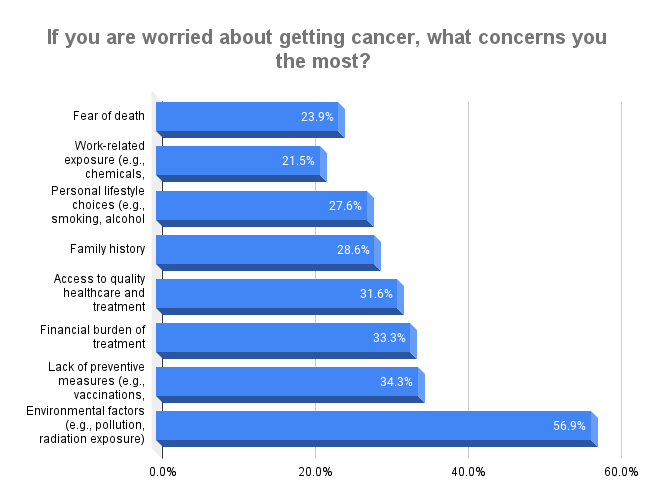
– 33% expressed significant concerns over the financial burden of cancer treatment.
– 24% feared death as a result of cancer, underscoring its perception as a terminal illness.
– 70% had not undergone any form of cancer screening in the past five years, despite awareness of its importance.
– 56% worried about environmental factors like pollution and radiation contributing to cancer risks.
– 27.6% expressed anxiety related to poor lifestyle choices such as smoking and unhealthy diets.

Discussing cancer, though difficult, is crucial given the rising anxiety about the disease in India. GOQii’s recent Cancer report titled – “Living in Fear: The Hidden Epidemic of Cancer Anxiety Among the Public” reveals alarming statistics: over 60% of Indians experience significant fear of developing cancer, driven not only by the disease itself but also by the overwhelming treatment costs and feared mortality.

Despite this awareness, an astonishing 70% have not undergone any cancer screenings in the last five years, indicating a serious lag in preventive healthcare. This discrepancy highlights the urgent need for better public health strategies focused on enhancing screening access and educating the public about the benefits of early detection.

Recognizing the deep connection between lifestyle and health outcomes, experts emphasize the need for preventive approaches to mitigate these financial and health burdens.

Dr Anurag Agrawal, Head, of Koita Center for Digital Health, Dean of BioSciences and Health Research, Trivedi School of Biosciences, Ashoka University shared his insights: “As longevity increases, particularly when accompanied by unhealthy living, the risk of cancer, unfortunately, rises as well. It has become imperative that we focus on promoting preventive measures and fostering healthy habits to address this growing concern.”

Luke Coutinho, a Holistic Lifestyle Coach in Integrative Medicine, remind us that the integration of knowledge, science, lifestyle medicine, and epigenetics with traditional treatments can dramatically change our approach to this disease. “Now is the time to awaken and make the change with faith, belief, action, and science,” says Coutinho.

The financial aspect of cancer treatment is another grave concern. With 33% of respondents anxious about the economic burden of cancer treatment, it’s clear that the cost is not just financial but also emotional and psychological. Families fear being pushed to financial ruin, with the extensive costs of diagnostics, surgeries, chemotherapy, and ongoing medication looming large over their heads.

The report highlights the overwhelming fear of cancer as a death sentence among 24% of Indians, exacerbated by late detection and inadequate screening. This perception is often due to delayed diagnosis, making cancer seem incurable. It calls for significant improvements in India’s healthcare system, emphasizing the need for early detection and better access to treatment, especially in under-resourced rural areas.

Stressing the critical need to address this hidden epidemic, Vishal Gondal, Founder & CEO of GOQii says: “Cancer fear and anxiety is for real, and it’s affecting millions of people across India in ways that go beyond physical health. People are living in constant fear of not only the disease but also the potential financial and emotional toll it could take on them and their loved ones. This report serves as a wake-up call. We need to shift our focus to prevention, early detection, and providing people with the right tools and resources to manage both their health and their anxiety.”

GOQii is taking proactive steps to integrate mental health support with cancer care. Chronic stress, anxiety, and depression compound the fear of cancer, making it crucial to address these psychological impacts alongside the physical aspects of the disease.

Rajashree Menon – CBO Digital Health GOQii, says, “The GOQii Health Ecosystem supports cancer patients by integrating preventive care with treatment, screening, and post-treatment rehabilitation. We aim to reduce the anxiety of a cancer diagnosis by empowering patients throughout their journey, providing seamless care that enhances confidence and improves outcomes”

GOQii is also one of the partners with Universal Health Token (UHT), an initiative designed to promote and incentivize healthy living, and unites the technology and healthcare industries, signifying a change in the approach to health and well-being. The UHT rewards integrate a data-centric approach, empowering users with deep insights and valuable analysis to enhance their well-being and take charge of their health journey. This approach forms the bedrock of an immersive user experience, merging technology and preventive care to foster a healthier, more fulfilling life.

“The Universal Health Token helps alleviate cancer anxiety by encouraging preventive care. By rewarding healthy behaviours and regular screenings, we aim to reduce the fear and burden associated with cancer,” says Agastya Samat, Director – Force of Good Foundation.

The 2024 GOQii Cancer Report isn’t just a collection of statistics; it’s a clarion call for robust public health strategies. It’s time for all stakeholders—government agencies, healthcare providers, and individuals—to come together and address this unseen epidemic of cancer anxiety. By enhancing access to preventive care and integrating comprehensive health strategies, we can begin to alleviate the immense burden that cancer places on millions across India. Let’s not wait for the fear to consume us; let’s act now, for a healthier tomorrow.

#BeTheForce

September 10, 2024 By Anusha Subramanian Leave a Comment

The Easiest & Healthiest Way to Get Active!

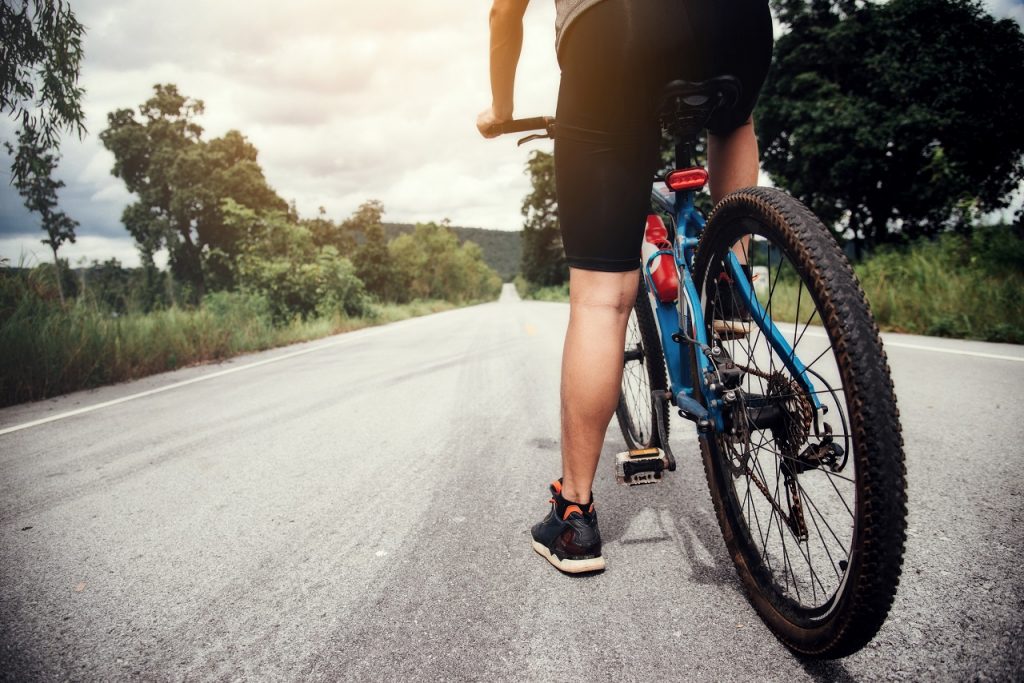
World Bicycle DayEver wondered why we do what we do? Why we get up at dawn on any given day, including Sundays? The reason is simple for many of us: it’s either for running or cycling. It’s like a ritual and a moment for ourselves. If you’re into running or cycling, you’ll connect well with what I’m saying. It’s an addiction—and a good one to have!
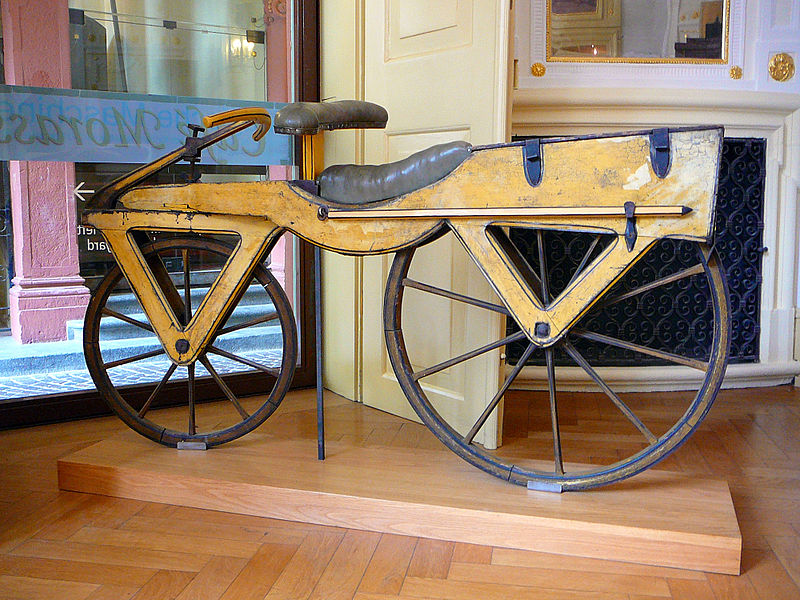


I have always been interested in history and like to delve deep into understanding how a particular concept evolved. As I was researching a bit on cycling, I came across the fact that the concept of cycling was invented by Baron Karl von Drais, a prolific German inventor way back in the year 1817. Interestingly, what he invented was not exactly the bicycle which we know and use. He invented the walking machine that helped him walk in the royal gardens faster. This device had wheels but didn’t have any gears, chains, and pedals. Also, it moved ahead by pushing his feet against the ground. With an improvement in this technology, this crude device was eventually transformed into the modern-day bicycle.

World Bicycle Day

Source: Wikipedia

Riding a bicycle is a good aerobic and cardio activity. If cycling is done on a regular basis, it can deliver lots of health benefits.

This simple form of physical exercise helps in bettering your physical and mental health. It is a low impact form of exercise that helps all ages.

Some Benefits of Riding a Bicycle

  • Improves cardio health by strengthening heart muscles
  • Lowers resting pulse rate
  • Reduces blood fat levels
  • Tones muscles and increases flexibility
  • Uses both upper body muscles such as chest, shoulders, arms, abs and the back as well as leg muscles such as quadriceps (front thighs), hamstrings (rear thighs), glutes, calf muscles and your hip
  • Better blood circulation due to flexibility brings about good joint mobility

Having talked of some of the basic health benefits a simple cycling activity can offer, it also acts as a cheap mode of transport and is environmentally friendly.

In today’s time where we are fraught with terrible environment damages and increased carbon footprint due to many vehicles on the roads, cycling is one way we personally can resort to, to be environmentally conscious. It is reported that Cycling 10 km every day can prevent the emission of at least 1.3 tonnes of greenhouses gases annually.

For beginners who want to take up cycling for regular fitness, start slow as we always say for every other athletic sports such as running. On you first day of cycling, you should not ride for more than 20 minutes. Slowly and steadily get used to the cycle as well as the body movements and then increase the intensity as you go along.

Few Things to Follow When You Take Up Cycling

  • Safety Measures: Safety is the first and foremost thing to adhere to while taking up cycling either for health, as a regular sport or as a mode of transport. Never ride a cycle in the outdoor without a proper cycling helmet. Helmet prevents a head injury in case of an accident.
  • Proper Clothing: It is important to wear well-fitting clothes. Loose clothes may get stuck during cycling and cause serious problems. Especially if you are riding in the outdoors
  • Be Hydrated: Always have plenty of water at hand. Drink water frequently to make up for the possible dehydration caused due to physical activity.
  • Stretching: Stretching your muscles is important because it warms up the body and prepares it for the intense physical activity of cycling.

Cycling is an interesting way to keep you healthy physically, mentally and environmentally.

We hope this blog inspires you to hop on a bicycle and start pedaling your way to better health! Share your cycling experiences with us in the comments below. For more fitness tips, speak to a certified expert by subscribing to GOQii’s Personalised Health Coaching here.

#BeTheForce

  • « Previous Page
  • 1
  • 2
  • 3
  • 4
  • 5
  • 6
  • Next Page »

Search

Recent Posts

  • Navigating the Maze of Nutrition: Finding Clarity Amidst Confusion
  • Get children active and keep them healthy
  • What Gestational Diabetes Can Do To You & Your Unborn Child
  • Breathing – A Forgotten Art
  • The Incredible Benefits Of Milk You Might Not Know

Stay Updated

Archives

  • December 2025 (3)
  • November 2025 (15)
  • October 2025 (20)
  • September 2025 (6)
  • August 2025 (6)
  • July 2025 (12)
  • June 2025 (18)
  • May 2025 (16)
  • April 2025 (23)
  • March 2025 (23)
  • February 2025 (22)
  • January 2025 (26)
  • December 2024 (26)
  • November 2024 (25)
  • October 2024 (22)
  • September 2024 (24)
  • August 2024 (31)
  • July 2024 (21)
  • June 2024 (26)
  • May 2024 (31)
  • April 2024 (27)
  • March 2024 (29)
  • February 2024 (26)
  • January 2024 (25)
  • December 2023 (15)
  • November 2023 (11)
  • October 2023 (22)
  • September 2023 (22)
  • August 2023 (20)
  • July 2023 (22)
  • June 2023 (24)
  • May 2023 (24)
  • April 2023 (24)
  • March 2023 (23)
  • February 2023 (20)
  • January 2023 (16)
  • December 2022 (12)
  • November 2022 (15)
  • October 2022 (15)
  • September 2022 (12)
  • August 2022 (10)
  • July 2022 (17)
  • June 2022 (11)
  • May 2022 (10)
  • April 2022 (6)
  • March 2022 (6)
  • February 2022 (13)
  • January 2022 (12)
  • December 2021 (7)
  • November 2021 (3)
  • October 2021 (6)
  • September 2021 (3)
  • August 2021 (8)
  • July 2021 (7)
  • June 2021 (15)
  • May 2021 (16)
  • April 2021 (10)
  • March 2021 (7)
  • February 2021 (4)
  • January 2021 (4)
  • December 2020 (3)
  • November 2020 (4)
  • October 2020 (10)
  • September 2020 (3)
  • August 2020 (3)
  • July 2020 (2)
  • June 2020 (4)
  • May 2020 (10)
  • April 2020 (12)
  • March 2020 (10)
  • February 2020 (4)
  • January 2020 (4)
  • December 2019 (3)
  • November 2019 (7)
  • October 2019 (5)
  • September 2019 (4)
  • August 2019 (9)
  • July 2019 (9)
  • June 2019 (11)
  • May 2019 (4)
  • April 2019 (9)
  • March 2019 (8)
  • February 2019 (9)
  • January 2019 (8)
  • December 2018 (9)
  • November 2018 (3)
  • October 2018 (3)
  • September 2018 (5)
  • August 2018 (10)
  • July 2018 (6)
  • June 2018 (13)
  • May 2018 (8)
  • April 2018 (18)
  • March 2018 (9)
  • February 2018 (8)
  • January 2018 (15)
  • December 2017 (12)
  • November 2017 (19)
  • October 2017 (13)
  • September 2017 (15)
  • August 2017 (4)
  • July 2017 (8)
  • June 2017 (7)
  • May 2017 (6)
  • April 2017 (8)
  • March 2017 (6)
  • February 2017 (7)
  • January 2017 (9)
  • December 2016 (10)
  • November 2016 (7)
  • October 2016 (7)
  • September 2016 (7)
  • August 2016 (11)
  • July 2016 (9)
  • June 2016 (9)
  • May 2016 (12)
  • April 2016 (17)
  • March 2016 (17)
  • February 2016 (8)
  • January 2016 (6)
  • December 2015 (2)
  • November 2015 (9)
  • October 2015 (7)
  • September 2015 (9)
  • August 2015 (11)
  • July 2015 (9)
  • June 2015 (12)
  • May 2015 (9)
  • April 2015 (13)
  • March 2015 (8)
  • February 2015 (5)
  • January 2015 (12)
  • December 2014 (14)
  • November 2014 (11)
  • October 2014 (6)
  • September 2014 (13)
  • August 2014 (12)
  • July 2014 (6)
  • June 2014 (2)
  • May 2014 (7)
  • April 2014 (5)

From “Laddu Nawin” to Fit and Fierce: How a 25-Year-Old Insurance Advisor Shed 20 Kilos and Gained His Life Back

When 25-year-old Nawin Yadav from Hyderabad walked into his office every morning, he carried more than just his files and policy papers. He had the weight of fatigue, sluggish energy, and an ever-growing belly that was becoming the butt of jokes. “People … [Read More...]

“I’ve Challenged Myself to Live 100 Years” – The Story of Chandubhai Savani’s Second Chance at Life

At 67, most people start slowing down. Not Chandubhai Savani. A resident of Surat, Chandubhai, thought life was on track. “My life was going well till I had my bypass surgery,” he says. That surgery, back in 2021, was a wake-up call.  Medication was routine, but exercise wasn’t. His diet? What he calls ‘normal.’ “I […]

From Shimla’s Slopes to Chandigarh’s Sidewalks: Surinder Kaur Bhalla’s Journey from Chaos to Control

Some journeys start with a plan. Others begin with a stumble literally. Surinder Bhalla, a government professional, born and raised in the scenic hill town of Shimla, had always lived a life of movement. “In Shimla, you walked everywhere,” she reflects. “Walking was never an exercise. It was just life.” But after shifting to Chandigarh, […]

Ananda Mukherjee Health Story

From Terminal Illness To Complete Wellness! Ananda Mukherjee Health Story

As we observe World Cancer Day under the powerful theme ‘United by Unique’ (2025-2027)**, we are reminded that every individual’s journey with cancer is distinct, yet united by shared resilience, hope, and the collective fight against this disease. This theme places people at the centre of care and their stories at the heart of the […]

  • HOME
  • HEALTHY LIVING
  • FITNESS
  • HEALTHY RECIPES
  • USER STORIES
  • KARMA
  • BUY GOQii

Copyright ©2016 GOQii

