GOQii

Blog

  • HOME
  • HEALTHY LIVING
  • FITNESS
  • HEALTHY RECIPES
  • USER STORIES
  • KARMA
  • BUY GOQii

Archives for August 2024

August 10, 2024 By Urvi Gohil Leave a Comment

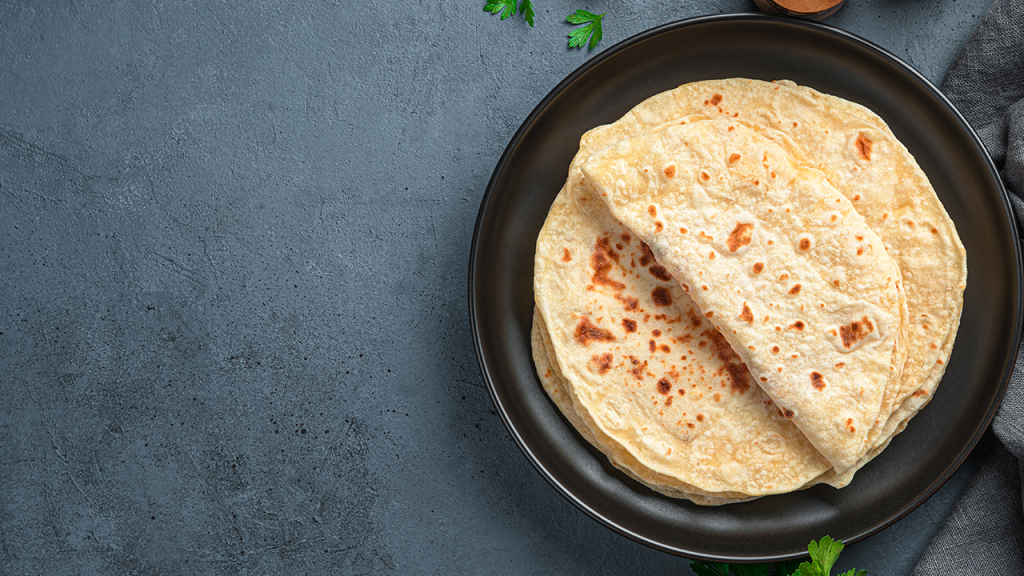
2 Healthy Snacks Using Leftover Chapati

Looking for a way to turn your leftover chapatis into something tasty and nutritious? We’ve got you covered with two quick and healthy snack recipes. These easy-to-make dishes are not only a great way to minimize food waste but also provide essential nutrients, making them perfect for a satisfying snack between meals.

1. Chapati Chilla 

As the name suggests, it is a quick version of chilla or a roll for an evening snack. 

What You Will Need 

  • Chapatis – 2
  • Gram flour (besan) – 4 tbsp
  • Onion (finely chopped) – 2 tsp
  • Green chillies (finely chopped) – 1 small
  • Turmeric, salt, red chilli powder as per taste
  • Oil

Method:

  1. In a small bowl, add gram flour, onions and the spices. Then, add some water and whisk the contents well to make a medium thick batter.
  2. Now take a chapati and apply the batter on it.
  3. Heat a pan and place the batter-coated chapati on it. Cook well on both sides and enjoy with green chutney.

This recipe is rich in protein and makes for a health snack!

 2. Chapati Khakhra 

Crisp and topped with fresh veggies, this makes for a great snack option.

What You Will Need

  • Chapati – 1
  • Onion (finely chopped) – 2 tbsp
  • Tomato (finely chopped) – 2 tbsp
  • Cucumber (finely chopped) – 2 tbsp
  • Coriander (finely chopped) – 2 tbsp
  • Salt and chilli powder to taste

Method:

  1. Heat a pan and toast the chapati.
  2. Press it against the pan using a spatula or cloth, roasting both sides until it becomes crisp.
  3. On the freshly made khakhra, add onion, tomato, cucumber and coriander. Sprinkle salt and chilli powder over it and enjoy!

This recipe is high in fiber and tastes great! 

We hope you try these healthy snacks using leftover chapati. Do let us know your experience in the comments below. For more healthy recipes, check our Healthy Reads or you can also get customized recipes and diet plans tailored to your health goal, directly from a GOQii Coach, by subscribing for Personalised Health Coaching here.

#BeTheForce 
August 9, 2024 By GOQii Leave a Comment

Probiotics & Atopic Dermatitis

Are bacteria and microbes always bad and harmful

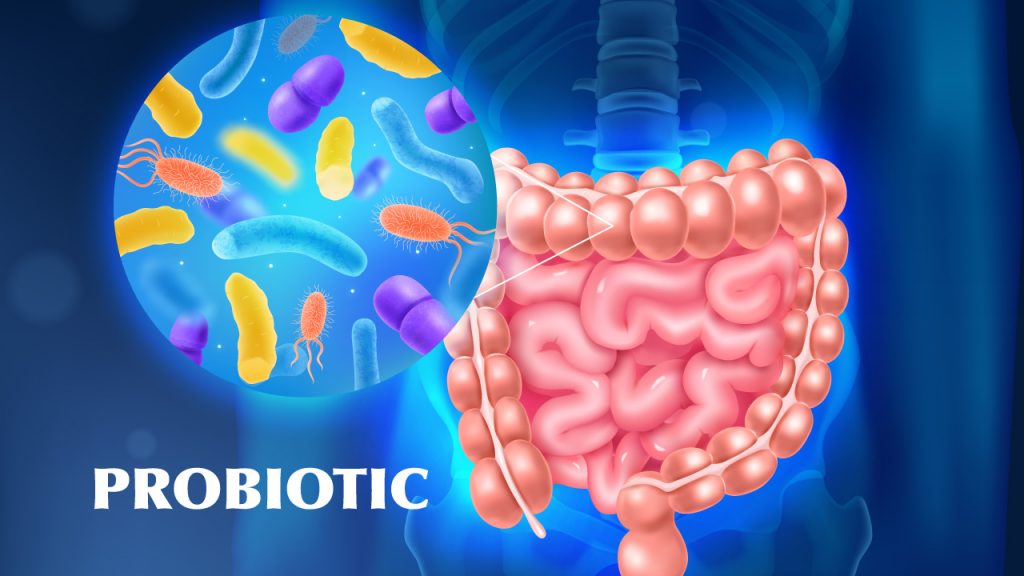
Bacteria and microbes often get a bad rap, but the truth is, they are not always harmful. In fact, many bacteria and microbes play essential roles in maintaining our health and the environment. While some can cause diseases and infections, the vast majority are considered good and helpful for our body. These good ones are living microbes that are part of our intestine’s normal microbial flora, commonly known as probiotics.

Did you know that our gut is home to millions of microbes that play a crucial role in regulating inflammation and promoting good gut health? These beneficial microbes, or probiotics, aid in timely digestion and excretion, facilitate the intestinal absorption of nutrients, and protect our gut from harmful microbes. Regular intake of probiotics, whether through natural foods like curd or yogurt or as oral supplements, supports healthy skin and gut health.

But are probiotics related to AD? Can they help treat AD?

It is important to understand that probiotics help control the body’s immune response and inflammation, thereby regulating the release of inflammatory factors that aggravate AD. By managing inflammation, probiotics can help reduce the redness and inflammation associated with the disease. Moreover, probiotics not only limit inflammation but also help prevent flares in AD. Therefore, it can be concluded that probiotics promote good gut health, which in turn helps keep inflammation at bay, making them beneficial for managing AD.

So inclusion of probiotics in our daily routine can indeed be life changing!

We hope this article helps you. For further information or guidance, reach out to your GOQii Skin Coach.

#BeTheForce

Reference –

Rusu E, Enache G, Cursaru R, Alexescu A, Radu R, Onila O, Cavallioti T, Rusu F, Posea M, Jinga M, Radulian G. Prebiotics and probiotics in atopic dermatitis. Exp Ther Med. 2019 Aug;18(2):926-931. doi: 10.3892/etm.2019.7678. Epub 2019 Jun 14. PMID: 31384325; PMCID: PMC6639913.

Disclaimer: The information provided in this blog is for general awareness and educational purposes only. It is not intended to replace professional medical advice, diagnosis, or treatment. Always consult a qualified healthcare provider for personalised medical guidance or concerns related to your health.

August 8, 2024 By Mubasheera Chaiwala Leave a Comment

Mastering Hypertension: A Comprehensive Guide to Lifestyle Management

HypertensionHypertension, commonly known as high blood pressure, is largely influenced by lifestyle factors. By understanding and making adjustments to five key aspects of daily life — diet, exercise, stress management, sleep quality, and hydration— you can effectively manage this condition and improve overall well-being.

Dietary Adjustments: Sodium plays a crucial role in the body’s fluid balance, but excessive intake can be harmful. A moderate salt intake is essential, particularly by reducing hidden sodium sources found in processed, preserved, and packaged foods (Avoid 3Ps). To naturally support heart health and lower blood pressure, incorporate foods that boost nitric oxide production, such as beetroot, garlic, dark chocolate (in moderation), nuts, seeds, and berries. These foods contain beneficial compounds that help relax blood vessels, promoting better circulation and supporting long-term heart health.

Regular Exercise: A sedentary lifestyle contributes to arterial stiffness and plaque buildup, increasing hypertension risk. Regular cardiovascular activity can prevent these complications and enhance heart function.

Recommended activity levels: 150 minutes of moderate-intensity cardio per week or 75 minutes of vigorous-intensity cardio, Strength training at least twice a week to improve circulation and overall heart health.

Exercise not only improves physical health but also reduces stress by triggering the release of endorphins—the body’s natural mood boosters.

Stress Reduction: Stress is a natural response to daily challenges, but chronic stress can lead to sustained high blood pressure, increasing the risk of heart complications. Implementing stress management techniques can help reduce this burden and support cardiovascular health.

Effective Stress Reduction Strategies: Engage in activities you enjoy, Maintain social connections and positive relationships, Practise deep breathing and relaxation techniques, Incorporate yoga and meditation for mindfulness and balance, Laugh often—yes, laughter can lower stress hormones!

Optimizing Sleep: The quality of sleep plays a vital role in blood pressure regulation. Creating a relaxing sleep environment and healthy bedtime habits can significantly improve sleep and prevent disruptions linked to hypertension.

Sleep Tips for Blood Pressure Control: Reserve the bedroom for rest—avoid working or using electronic devices in bed, Elevate your legs before sleeping to promote circulation, Maintain a quiet, dark, and cool environment for deeper sleep, Practise deep breathing exercises before bedtime, Avoid abrupt awakenings—opt for a gentle alarm tone

Adequate Hydration: Dehydration can increase sodium concentration in the blood, leading to a rise in blood pressure. Ensuring consistent hydration throughout the day supports heart function and helps regulate blood pressure.

Hydration Tips: Drink small amounts of water regularly rather than consuming large amounts at once, Include herbal teas and water-rich fruits & vegetables in your diet, Avoid excessive caffeine and sugary drinks, which can contribute to dehydration.

By embracing these lifestyle modifications, you can take proactive steps towards managing hypertension naturally while enhancing overall health and well-being. Small, consistent changes in diet, exercise, stress management, sleep, and hydration can have a big impact on your heart health.

#BeTheForce

Disclaimer: The information provided in this blog is for general awareness and educational purposes only. It is not intended to replace professional medical advice, diagnosis, or treatment. Always consult a qualified healthcare provider for personalised medical guidance or concerns related to your health.

August 7, 2024 By Urvi Gohil Leave a Comment

Improve Sleep and Sleep Quality with these Lifestyle Changes

Improve sleep and sleep qualityWhile sleep requirements vary slightly from person to person, most healthy adults need between 7-9 hours of sleep per night to function at best. It has been estimated that more than half of the working population in India have experienced some or the other form of sleep deprivation or alteration during their lifetime.



Globally, the prevalence of insomnia ranges from 10-15%.

Sleep deprivation reduces your cognitive processes like thinking, learning, attention, concentration, etc. Chronic sleep deprivation increases the risk of heart disease, high blood pressure, diabetes, irregular heartbeat, etc. Over time, lack of sleep can contribute to symptoms of depression and kills your sex drive. And yes, lack of optimum sleep can make you gain weight.

How to Improve Sleep and Sleep Quality

1. Stay away from gadgets
Using electronic devices before bedtime can be physiologically and psychologically stimulating in ways that can adversely affect your sleep. The more electronic devices a person uses in the evening, the harder it is to fall asleep or stay asleep. Using TV, tablets, smartphones, laptops or other electronic devices before bed delays your body’s internal clock, suppresses the release of sleep-inducing hormones & makes it difficult to fall asleep. Along, with increase in alertness at the time you should sleep, it, in turn, delays the onset of REM (Rapid Eye Movement) sleep and compromises energy levels the next morning. Over time, these effects can add up to a significant chronic deficiency in sleep.

2. Take a Lukewarm Bath Before Bed
Taking a bath or shower before bedtime is a well-known sleep remedy. This is because a warm bath can help us relax. Our body temperature tends to drop after a warm bath, which can induce better sleep. Research suggests that the best time for taking a shower is 1-2 hours before going to bed. The duration of the bath does not need to be longer than 10 min. This will improve blood circulation and stimulate “temperature circadian rhythm” helping you fall asleep, improving sleep and sleep quality.

3. Perform Deep Breathing Before Sleep
Breathing strongly influences physiology and thought processes including moods. By simply focusing your attention on your breathing and without doing anything to change it, you can move in the direction of relaxation. The 4-7-8 breathing exercise also called “the relaxing breath” promotes better sleep. Here are the steps:

  1. Exhale completely through your mouth, making a whoosh sound.
  2. Close your mouth and inhale quietly through your nose to a mental count of four.
  3. Hold your breath for a count of seven.
  4. Exhale completely through your mouth making a whoosh sound to a count of eight.
  5. This is one breath. Repeat 20 times.

4. Sleep Inducing Foods
There are certain foods which can help induce better sleep.

  • A glass of warm milk is a perfect beverage to induce sound sleep. Milk contains tryptophan, an amino acid that converts into serotonin. Serotonin is known to have soothing effects in the brain and helps you sleep well. Adding a pinch of nutmeg, cardamom and some crushed almonds will improve taste and sleep.
  • Chamomile tea: Refreshing, revitalizing and fragrant chamomile tea has soothing effects on nerves and helps induce sleep.
  • Almonds could help you support sound sleep. Almonds also contain tryptophan and magnesium which are helpful in keeping your heart rhythm steady.
  • Avoid tea, coffee, alcohol and other stimulating foods after dusk.

5. Eat Your Dinner Early
When you eat late, you are unable to sleep because of improper digestion. An early dinner is good for digestion, helps in reaching your satiety value earlier and the body is able to utilize the food better and induce sleep. Eating late at night leaves the body on a high alert state which interferes with the circadian rhythm. Minimum 2-3 hours of gap between Dinner and sleep is good.

We hope these tips help you improve sleep and sleep quality! Do leave your thoughts in the comments below.

For more on sleep, check out Healthy Reads or get these tips directly from your GOQii Coach, by subscribing for Personalised Health Coaching here.

#BeTheForce

Disclaimer: The information provided in this blog is for general awareness and educational purposes only. It is not intended to replace professional medical advice, diagnosis, or treatment. Always consult a qualified healthcare provider for personalised medical guidance or concerns related to your health.

  • « Previous Page
  • 1
  • …
  • 4
  • 5
  • 6
  • 7
  • 8
  • Next Page »

Search

Recent Posts

  • Healthy Eating: The Ultimate Healthy Chivda
  • Nutrition Guidelines For Seniors During Winter
  • Unleashing the Power of Polyphenols: A Vital Ally for Cancer Survivors
  • The Longevity Plate: A Guide to Assembling a Functional Diet at 80 Years Old
  • Carrots, Beetroots and Tomatoes For Good Health!

Stay Updated

Archives

  • February 2026 (4)
  • January 2026 (14)
  • December 2025 (19)
  • November 2025 (15)
  • October 2025 (20)
  • September 2025 (6)
  • August 2025 (6)
  • July 2025 (12)
  • June 2025 (18)
  • May 2025 (16)
  • April 2025 (22)
  • March 2025 (23)
  • February 2025 (22)
  • January 2025 (25)
  • December 2024 (22)
  • November 2024 (24)
  • October 2024 (22)
  • September 2024 (24)
  • August 2024 (30)
  • July 2024 (21)
  • June 2024 (26)
  • May 2024 (31)
  • April 2024 (27)
  • March 2024 (29)
  • February 2024 (26)
  • January 2024 (21)
  • December 2023 (15)
  • November 2023 (11)
  • October 2023 (19)
  • September 2023 (22)
  • August 2023 (19)
  • July 2023 (22)
  • June 2023 (24)
  • May 2023 (24)
  • April 2023 (24)
  • March 2023 (23)
  • February 2023 (19)
  • January 2023 (15)
  • December 2022 (11)
  • November 2022 (15)
  • October 2022 (15)
  • September 2022 (12)
  • August 2022 (10)
  • July 2022 (17)
  • June 2022 (11)
  • May 2022 (10)
  • April 2022 (6)
  • March 2022 (6)
  • February 2022 (13)
  • January 2022 (12)
  • December 2021 (7)
  • November 2021 (3)
  • October 2021 (6)
  • September 2021 (3)
  • August 2021 (8)
  • July 2021 (7)
  • June 2021 (15)
  • May 2021 (16)
  • April 2021 (10)
  • March 2021 (7)
  • February 2021 (4)
  • January 2021 (4)
  • December 2020 (3)
  • November 2020 (4)
  • October 2020 (10)
  • September 2020 (3)
  • August 2020 (3)
  • July 2020 (2)
  • June 2020 (4)
  • May 2020 (10)
  • April 2020 (12)
  • March 2020 (10)
  • February 2020 (4)
  • January 2020 (4)
  • December 2019 (3)
  • November 2019 (7)
  • October 2019 (5)
  • September 2019 (4)
  • August 2019 (9)
  • July 2019 (9)
  • June 2019 (11)
  • May 2019 (4)
  • April 2019 (8)
  • March 2019 (8)
  • February 2019 (9)
  • January 2019 (8)
  • December 2018 (9)
  • November 2018 (3)
  • October 2018 (3)
  • September 2018 (5)
  • August 2018 (10)
  • July 2018 (6)
  • June 2018 (13)
  • May 2018 (8)
  • April 2018 (18)
  • March 2018 (9)
  • February 2018 (8)
  • January 2018 (15)
  • December 2017 (12)
  • November 2017 (19)
  • October 2017 (13)
  • September 2017 (15)
  • August 2017 (4)
  • July 2017 (8)
  • June 2017 (7)
  • May 2017 (6)
  • April 2017 (8)
  • March 2017 (6)
  • February 2017 (7)
  • January 2017 (9)
  • December 2016 (10)
  • November 2016 (7)
  • October 2016 (7)
  • September 2016 (7)
  • August 2016 (11)
  • July 2016 (9)
  • June 2016 (9)
  • May 2016 (12)
  • April 2016 (17)
  • March 2016 (17)
  • February 2016 (8)
  • January 2016 (6)
  • December 2015 (2)
  • November 2015 (9)
  • October 2015 (7)
  • September 2015 (9)
  • August 2015 (11)
  • July 2015 (9)
  • June 2015 (12)
  • May 2015 (9)
  • April 2015 (13)
  • March 2015 (8)
  • February 2015 (5)
  • January 2015 (12)
  • December 2014 (14)
  • November 2014 (11)
  • October 2014 (6)
  • September 2014 (13)
  • August 2014 (12)
  • July 2014 (6)
  • June 2014 (2)
  • May 2014 (7)
  • April 2014 (5)

From “Laddu Nawin” to Fit and Fierce: How a 25-Year-Old Insurance Advisor Shed 20 Kilos and Gained His Life Back

When 25-year-old Nawin Yadav from Hyderabad walked into his office every morning, he carried more than just his files and policy papers. He had the weight of fatigue, sluggish energy, and an ever-growing belly that was becoming the butt of jokes. “People … [Read More...]

“I’ve Challenged Myself to Live 100 Years” – The Story of Chandubhai Savani’s Second Chance at Life

At 67, most people start slowing down. Not Chandubhai Savani. A resident of Surat, Chandubhai, thought life was on track. “My life was going well till I had my bypass surgery,” he says. That surgery, back in 2021, was a wake-up call.  Medication was routine, but exercise wasn’t. His diet? What he calls ‘normal.’ “I […]

From Shimla’s Slopes to Chandigarh’s Sidewalks: Surinder Kaur Bhalla’s Journey from Chaos to Control

Some journeys start with a plan. Others begin with a stumble literally. Surinder Bhalla, a government professional, born and raised in the scenic hill town of Shimla, had always lived a life of movement. “In Shimla, you walked everywhere,” she reflects. “Walking was never an exercise. It was just life.” But after shifting to Chandigarh, […]

Ananda Mukherjee Health Story

From Terminal Illness To Complete Wellness! Ananda Mukherjee Health Story

As we observe World Cancer Day under the powerful theme ‘United by Unique’ (2025-2027)**, we are reminded that every individual’s journey with cancer is distinct, yet united by shared resilience, hope, and the collective fight against this disease. This theme places people at the centre of care and their stories at the heart of the […]

  • HOME
  • HEALTHY LIVING
  • FITNESS
  • HEALTHY RECIPES
  • USER STORIES
  • KARMA
  • BUY GOQii

Copyright ©2016 GOQii
