GOQii

Blog

  • HOME
  • HEALTHY LIVING
  • FITNESS
  • HEALTHY RECIPES
  • USER STORIES
  • KARMA
  • BUY GOQii

Archives for June 2024

June 8, 2024 By Pallavi Barnwal Leave a Comment

The Joy Of Complaining

The joy of complaining

I have grown up to believe that happy couples do not fight, do not complain, and most of my life in almost all of my relationships, I have borne the brunt of this misconception. In my marriage, when differences accrued I thought it’s over, other than that it had become stale. Until recently, I carried this belief or rather misbelief cursing myself for complaining, regretting that why I could not compromise enough, adjusted enough since I was made to feel guilty for my disagreements. I agree, sometimes I went all ballistic, hurting the man for paltry reasons and those incidents could have been avoided. But to say one cannot complain at all is idealism!

Complaining is Healthy! Complaining is Juicy! Complaining is Catharsis!

You’re allowed to complain; it feels good sometimes! We can’t be grateful all the time. Gratitude is deeply important and healing, but we also have to make room for complaints. There’s a reason we have ten words for “complaining” in Yiddish. It’s a valve release. It’s a way to still feel like you have a say over your life when you don’t control squat. 

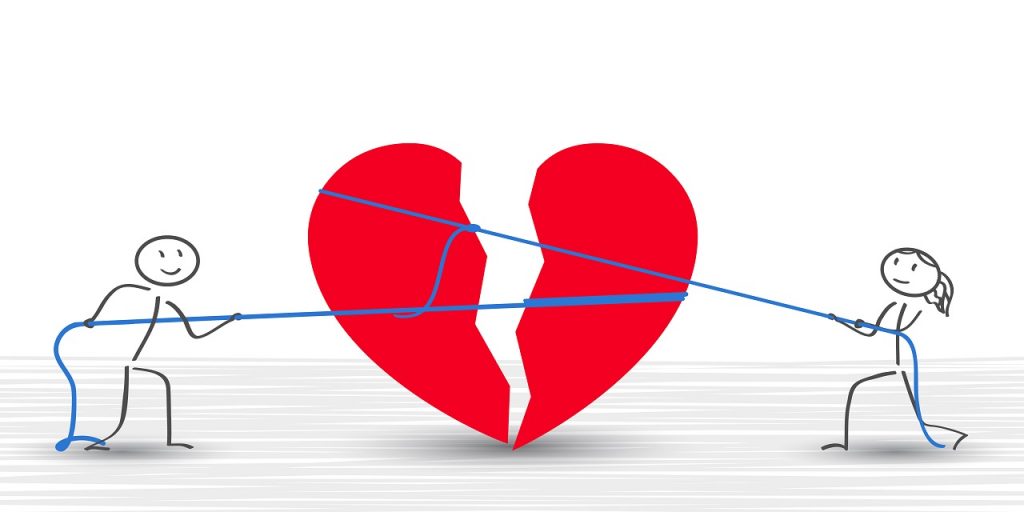
But a lot of us try to control our urge to complain about the fear of starting an argument. But holding in our relationship dissatisfactions over time creates a build-up of frustration and resentment that is toxic to our relationship. And then, when we finally do blurt out our complaints we do so in tones and words that are too harsh for our partner to absorb, leading them to become defensive and angry, a response that only convinces us to continue holding back our relationship-related complaints going forward, creating even more frustration, resentment, and negativity in our relationship.

To avoid this vicious cycle – to hold back – explode – backfire – hold back again, we should not stop complaining but instead, learn the art of complaining. Yes! We can be grateful and complain. We can be accountable and slack off. We can be peaceful and loving and we can talk shit and blow off steam. Complaining is a survival tool. Use it wisely. It will help us cope during the uneven phases of relationships. Complaining is juicy. So make your complaints good.

Complaint Sandwich – The Tool For Complaining The Right Way! 

We all love sandwiches right! How about turning your complaint into a delicious homemade grilled cheese sandwich? 

  • The first slice of bread in the Complaint Sandwich is a positive statement called The Ear Opener. Its goal is to lower the recipient’s defensiveness and allow them to absorb the complaint to follow.
  • The filling of the Complaint Sandwich is the actual complaint. The ‘filling’ should be lean like a slice—that is, keep it to a single incident and single complaint.
  • The second slice of bread in the Complaint Sandwich is another positive statement called The Digestive. Its goal is to motivate the recipient to respond positively to our complaint by assuring them that this complaint is for the betterment of our relationship, for the betterment of us.

Okay, you got the complaint sandwich ready, but do not spoil it by serving these small mistakes alongside it. There are reasons our complaints don’t get us what we want. We don’t think about what we want to achieve.

We complain because we want something, right? So before complaining, take 5 deep breaths, pause and think through what it is we want to achieve before we speak up. Figuring out what we want might be obvious when we call a customer service executive to remove a late charge on our credit card. It’s much less obvious when we’re complaining to our spouse/ partner. Take a moment to figure out what will make you feel satisfied through complaining.

We Allow Anger To Distract Us From Our Message

We usually complain when we are frustrated, hurt, or irritated. Feeling angry is fine if we are in control of our emotions and communicate reasonably. But when our voice gets too loud, our tone too harsh, or when we start cursing and accusing, the recipient’s attention will go to our anger and not to our actual message. As a result, we are more likely to encounter a counter-argument or resistance than a satisfactory resolution.

We Include More Than One Complaint At A Time

Hearing complaints always makes people defensive, so we have to voice our problems in ways that do not overwhelm them. It is far more effective to voice one complaint and get a result than to voice three and get nowhere. Tempting as it might be to air all your accumulated irritations at once, don’t! It doesn’t work.

We Don’t Complain To The Right Person

Surprisingly, we rarely voice our complaints to the person who can actually do something about them. We vent to our friends about our partner. If a complaint really irritates us, we owe it to our own peace of mind to address it to the person who can do something about it.

Make Your Complaint As Specific As Possible

Do not generalize it into a criticism. Complaining is about a situation, criticism is an ad nauseum attached on the character of the person. For example, “You forgot to call my sister this evening” will make the same point and be far easier for your partner to hear than “You said that you will speak to my sister but you never give any importance to my feelings”.

Remember!

Make space for other people to vent aloud. It often expresses their feelings of loss and longing. They know that they are powerless and they have to accept the situation; venting gives them the illusion that they have a say. It’s best to just let it pass and not try to reason with it.

We hope this article helps you to complain and heal your relationship the right way! Do leave your thoughts in the comments below. For more articles by our Sexual Wellness Expert Pallavi Barnwal, check out Healthy Reads or tune in to her sessions on GOQii Play.

#BeTheForce
June 7, 2024 By Neha Morche 3 Comments

Hypertension: Cause for all heart issues

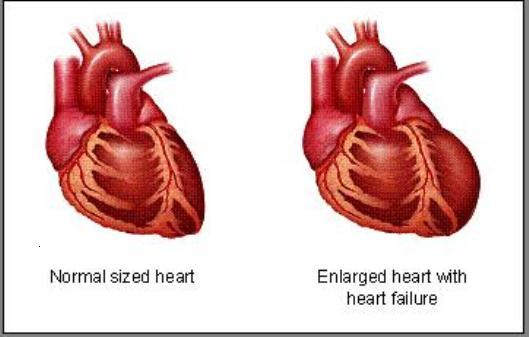
heart-failure2

Heart is one of the most important organs of our body, and keeping it healthy is important. Heart connects the entire body through its vital functions.

What does the heart exactly do? Why is it related to blood pressure?

This small fist like structure works hard to maintain blood flow to our body day and night. Fundamentally, it takes all the impure blood from the body, makes it pure with lots of Oxygen (fresh air), and sends it back. While doing this, it also contracts and relaxes (medically termed it as systolic and diastolic, respectively) in between a single beat. In normal course, if the person is healthy this happens smoothly without much pressure on it. Normal blood pressure levels should be 120/80 mm/hg.

Blood pressure is the culprit to heart issues. It’s natural to increase our blood pressure due to certain unpleasant situations, but if the blood pressure stays elevated for longer periods, then it turns into hypertension.

Causes for increased blood pressure:

  • Stress
  • Smoking
  • Alcohol
  • Obesity
  • Less water intake
  • High salt intake
  • Intake of more processed or bakery food.
  • Junk food or less fibrous food Intake
  • Less activity
  • Less sleep
  • Kidney disorders
  • Heredity
  • High fat food intake

All of these lead to plaque formation in the tiny blood vessels, due to which heart has to put more pressure than usual for a smooth blood flow. When it goes beyond the heart’s limit (it has muscles, after all) it stops pumping blood (which carries water, nutrients, and oxygen) thus it results in heart attack.

The good news is that one can avoid high blood pressure and avert heart attacks by just taking care of our daily meals, activities, water, sleep, stress etc. in short keeping a check on our lifestyle.

We need to improve all micro habits which set into our routine. Once you set yourself a routine, it’s difficult to break it.

Salt is the crucial factor that can lead to high blood pressure. Salt is a combination of sodium and chloride. Daily requirement of sodium is 1500mg to 2300mg, which means we can include approximately 1 teaspoon of salt. Sodium is also found in baking soda, monosodium glutamate (MSG), various seasonings, additives, condiments, meat, fish, poultry, dairy foods, eggs, smoked meats, olives, and pickled foods. High sodium directly contributes to high blood pressure.

Here are some heart friendly food options I have listed down for you

Antioxidants (green tea, red wine)

Fiber and Vitamin K (green leafy vegetables, whole grains, beans, whole pulses)

Whole Fruits

Omega 3 and Omega 6 fats (Almonds, walnuts, flax seeds, fish like salmon, sardines, mackerel, herring, tuna, avocado)

Ample amount of water intake.

Doing regular breathing exercises help us increase our Oxygen uptake.

Yoga, meditation or giving time to your hobbies keeps stress at bay.

Staying active through the entire day or indulging in any type of activity or game you enjoy can keep stress levels under check.

Maintaining heart health starts with managing your blood pressure. By making mindful choices in your diet, staying active, managing stress, and staying hydrated, you can significantly reduce the risk of hypertension and heart disease. Share your thoughts and experiences in the comments below. For more health tips and personalised guidance,speak to a certified expert by subscribing to GOQii’s Personalised Health Coaching here. Take control of your heart health today!

#BeTheForce

June 6, 2024 By Divya Thampi Leave a Comment

What I Learned About Bringing A Real Change In Self

It wasn’t long ago that two of us friends visited a common friend and her family. As we all got chatting on a particularly interesting topic, I grew excited and participated enthusiastically. Everyone seemed to have a good time and I went back in good spirits pondering about some of the things we spoke about.



A few weeks later the friend who had accompanied me for the visit, gently pointed out to me that I had dominated the conversation that evening; chiming in more often than was necessary, cutting off others in my enthusiasm. As he shared his observation, I could feel the blood rushing to my head. Every cell in my body demanded that I put this friend in his place by giving free reign to the hurtful words that awaited their release from the tip of my tongue.

All through the din of my internal battle drums, a very quiet voice from somewhere close to my heart, stopped me. It calmly pointed out that may be this friend was not so completely wrong. But I still hadn’t reached a place of unconditional self-acceptance so as to receive such feedback with grace and gratitude. I was foaming at the mouth instead.

Just about managing to hold back the venom that was ready to spew through my words, I sat through the next 5 minutes in stoic silence letting my loving friend squirm in discomfort, though he deserved better for his courage and honesty. With the passing of minutes I managed to calm down sufficiently to be decent to him. We even managed to finish our coffee and share a few smiles before going off our different ways.

That evening I sat with my journal painfully writing down an honest account of what had happened on that particular evening — the evening of the get-together, when I was supposed to have been behaving like a self-centred loud mouth. As I sifted through the scenes, it became clear that my friend had been spot on in his feedback.

As all of us had engaged in discussing and debating on an interesting topic, I had kept pushing my point of view, expressing my thoughts and increasing my volume just a wee bit, enough to suppress any attempts by others to oppose me, not pausing for breath; almost as if I was scared that if I paused someone may take my place as the Prima donna.

I remembered observing and ignoring fleeting expressions of frustration and impatience on the listeners faces, as they experienced themselves being cut off half way through their sentences. I recalled the grace with which they chose to listen to me rather than express their irritation. I even remember having the nagging feeling that I should stop, slow down, pause and let others participate, but something kept egging me on. This “something” is what I was scared to confront. Because according to my judgment this “something” — the need to feel important, made me a pathetic person.

I felt embarrassment and anger course through me — Embarrassment about my appalling behaviour and anger towards myself for not doing better. After a few hours of internal battle, I came out relatively unscathed, resolving to work on changing my behaviour. I am glad to say that I have made progress since then.

As I looked back on that evening of introspection and asked – why was the experience so painful? What was it that helped me come out a better person, through it? This is what I learnt.

I had experienced shame and anger at the beginning because I had been judgmental about myself, telling myself that I was expected to be thoughtful and considerate at all times. Effectively I was holding myself up to standards that I may never be able to live up to — of not making mistakes. However after calming down with a few deep breaths, I had told myself what I tell many of my clients, who are trying to bring about change in themselves — You are more than your words and actions; acknowledging a flaw in a behaviour does not imply that you are a bad person. I had practiced with great difficulty what I preach to my clients — self-compassion and self-love.

I had held myself lovingly through the pain of knowing that in those moments I must have behaved like a selfish inconsiderate idiot, but had also assured myself that I still wasn’t any of that; that it was a behaviour demonstrated in a moment of ignorance and poor judgment; that I was capable of bringing about change. I had reminded myself that pain is the strongest indicator of growth.

Self-compassion and self-love had saved the day. And I will admit that it is not always easy to practice these. I had help — help in the form of all those friends and family who, in my life journey, not only showed me compassion but also let me know that I was loved, through my moments of weakness and strength; help in the form of those masters and authors who made themselves the instrument of change and generously laid out their life experiments for others like me, to learn from; help in the form of clients who dug deep into their being, to come up with the courage to care for themselves despite their flaws. I was grateful to them for allowing me to witness the transformation they brought in themselves with such love, for instilling in me the confidence that true personal growth needs a mix of honesty, courage, love and self-compassion and for giving me the inspiration to grow.

As I write this I wish and hope that more of us can practice self-compassion and self-love because we need it, we deserve it and because I am convinced that the only way we can bring about substantial change and growth in ourselves, is through love and compassion.

#BeTheForce 

June 5, 2024 By Trishala Chopra 17 Comments

Is DOMS stopping you from workout?

powercouple_rotatorThe moment I recommend intense workout to my players, they start saying this:-


“My body is paining, the workout which we did yesterday was not for me”

“I guess I did wrong workout, my body is paining today”

“I guess I pushed it beyond my capacity, is that the way it should be?”

In none of the above cases my players said, let me workout today and see if it is still there. Everyone says that I just cannot do the workout today, I need a break. So a question arises here is, should you workout with so called post workout pain?

Let me clear out some facts!

Technically, Soreness is of 2 types:-

(1) Acute muscle soreness

– Which is felt shortly after the workout but it disappears in few hours.

(2) The pain or the numbness which you feel post workout is not a pain. It is DOMS!

DOMS – Delayed onset muscle soreness.

– DOMS is typically begins within 12-24 hours after exercise and it can last up to 72 hours.

couple-workout

What happens during DOMS?

DOMS develop as a result of microscopic damage to muscle fibers which are involved in the type of exercise you are doing.

This damage can be because of the excess stress on particular part of the body during the exercise regime. DOMS is basically a side effect because of damage to the repairing process of the body.

Does lactic acid play an important role in DOMS?

Well, I have heard this quite often that the pain in my body is because of lactic acid accumulation. Just to get the facts out lactic acid does have an important role in acute soreness but not DOMS.

It has absolutely nothing to with your DOMS.

What causes DOMS?

Activities which leads to lengthening of muscles with excessive force leads to DOMS.

These are the most common examples of activities causing DOMS :-

– Jumping exercises

– Aerobic exercises

– Jogging

– Crossfit

– Strength training exercises

– High intensity interval training

Severity of DOMS completely depends upon the type and intensity of force applied on that muscle during that activity. Higher number of repetitions causes more DOMS then lower number of repetitions.

Can DOMS occur to everyone?

Well, yes DOMS can occur to everyone who is exercising. It is a myth that DOMS can occur to only those people who are new to exercises.

It can happen to people who are working out since ages as well but, the only difference will be the severity of DOMS.

If you are exercising since long time, your body gets adapted to it as a result your performance will not be affected completely.

If you keep training yourself for the same activity for years, you become less susceptible to DOMS in that particular exercise or activity.

Is soreness the only cause of DOMS?

Well no. Here are some most common symptoms of DOMS other than soreness:-

– Swelling in the area of extreme pain

– Stiffness of joints

– Tenderness

– Reduced strength

Should you workout the next day with soreness?

Most of players say, they just can’t workout because of the pain. If the pain is extreme and unbearable it is okay not to do extreme exercise but, it completely okay to do some light workouts or something as simple as stretching.

If you try and workout the next day, the symptoms of DOMS will start vanishing while you are performing the activity but there are chances that they might reoccur post workout (In your recovery process).

Don’t work out on the same muscle groups after DOMS. For example, if you are having severe soreness post jogging then you can workout on your upper body the next day. There is absolutely no need for – NO WORKOUT!

If the symptoms are extremely unbearable and excruciating then yes, do not workout.

How to ease DOMS?

  • To reduce the symptoms, apply ice pack on the area where it is paining
  • Gentle massage

These are just to reduce the symptoms but the complete healing can take place only after the exact diagnosis.

How to prevent DOMS?

If you undergo severe DOMS on your first day of your workout you probably have might done something wrong.

Check for these points before doing your next workout:-

* Proper form:- You need to be extremely careful while doing exercises especially the one with weights.

* Progression should be extremely personalised:- It should always be started at a slow pace and it should be light with least repetitions (2 different people cannot do the same intensity exercises – It should be personalised)

* Intensity plays a very important role:- It should be started with low intensity depending upon the muscle strength and then it should be gradually increased.

Once you start taking care about these points and train yourself, your body will start preparing itself for the same exercise in future.

Remember the old adage that says there is NO GAIN, WITHOUT PAIN!

DOMS cannot be completely avoided but, the severity can be reduced by taking care about the points mentioned above!

– Light pain cannot stop you from working out.

– Sometimes working out the next day makes you to recover faster!

So the crux of this entire article is, please do not skip workouts because of your soreness! Go ahead and do some light exercises or target a different set of exercises!

We hope this article helps you better understand DOMS and how to manage it. Do you have any tips for dealing with post-workout soreness? Let us know in the comments below. For more interesting tips on fitness and recovery, check out Healthy Reads or speak to a certified expert by subscribing to GOQii’s Personalised Health Coaching here.

#BeTheForce

  • « Previous Page
  • 1
  • …
  • 4
  • 5
  • 6
  • 7
  • Next Page »

Search

Recent Posts

  • PCOS and Anxiety: Discover Relief with the 54321 Technique
  • Navigating the Maze of Nutrition: Finding Clarity Amidst Confusion
  • Get children active and keep them healthy
  • What Gestational Diabetes Can Do To You & Your Unborn Child
  • Breathing – A Forgotten Art

Stay Updated

Archives

  • December 2025 (4)
  • November 2025 (15)
  • October 2025 (20)
  • September 2025 (6)
  • August 2025 (6)
  • July 2025 (12)
  • June 2025 (18)
  • May 2025 (16)
  • April 2025 (23)
  • March 2025 (23)
  • February 2025 (22)
  • January 2025 (26)
  • December 2024 (26)
  • November 2024 (25)
  • October 2024 (22)
  • September 2024 (24)
  • August 2024 (31)
  • July 2024 (21)
  • June 2024 (26)
  • May 2024 (31)
  • April 2024 (27)
  • March 2024 (29)
  • February 2024 (26)
  • January 2024 (25)
  • December 2023 (15)
  • November 2023 (11)
  • October 2023 (22)
  • September 2023 (22)
  • August 2023 (20)
  • July 2023 (22)
  • June 2023 (24)
  • May 2023 (24)
  • April 2023 (24)
  • March 2023 (23)
  • February 2023 (20)
  • January 2023 (16)
  • December 2022 (12)
  • November 2022 (15)
  • October 2022 (15)
  • September 2022 (12)
  • August 2022 (10)
  • July 2022 (17)
  • June 2022 (11)
  • May 2022 (10)
  • April 2022 (6)
  • March 2022 (6)
  • February 2022 (13)
  • January 2022 (12)
  • December 2021 (7)
  • November 2021 (3)
  • October 2021 (6)
  • September 2021 (3)
  • August 2021 (8)
  • July 2021 (7)
  • June 2021 (15)
  • May 2021 (16)
  • April 2021 (10)
  • March 2021 (7)
  • February 2021 (4)
  • January 2021 (4)
  • December 2020 (3)
  • November 2020 (4)
  • October 2020 (10)
  • September 2020 (3)
  • August 2020 (3)
  • July 2020 (2)
  • June 2020 (4)
  • May 2020 (10)
  • April 2020 (12)
  • March 2020 (10)
  • February 2020 (4)
  • January 2020 (4)
  • December 2019 (3)
  • November 2019 (7)
  • October 2019 (5)
  • September 2019 (4)
  • August 2019 (9)
  • July 2019 (9)
  • June 2019 (11)
  • May 2019 (4)
  • April 2019 (9)
  • March 2019 (8)
  • February 2019 (9)
  • January 2019 (8)
  • December 2018 (9)
  • November 2018 (3)
  • October 2018 (3)
  • September 2018 (5)
  • August 2018 (10)
  • July 2018 (6)
  • June 2018 (13)
  • May 2018 (8)
  • April 2018 (18)
  • March 2018 (9)
  • February 2018 (8)
  • January 2018 (15)
  • December 2017 (12)
  • November 2017 (19)
  • October 2017 (13)
  • September 2017 (15)
  • August 2017 (4)
  • July 2017 (8)
  • June 2017 (7)
  • May 2017 (6)
  • April 2017 (8)
  • March 2017 (6)
  • February 2017 (7)
  • January 2017 (9)
  • December 2016 (10)
  • November 2016 (7)
  • October 2016 (7)
  • September 2016 (7)
  • August 2016 (11)
  • July 2016 (9)
  • June 2016 (9)
  • May 2016 (12)
  • April 2016 (17)
  • March 2016 (17)
  • February 2016 (8)
  • January 2016 (6)
  • December 2015 (2)
  • November 2015 (9)
  • October 2015 (7)
  • September 2015 (9)
  • August 2015 (11)
  • July 2015 (9)
  • June 2015 (12)
  • May 2015 (9)
  • April 2015 (13)
  • March 2015 (8)
  • February 2015 (5)
  • January 2015 (12)
  • December 2014 (14)
  • November 2014 (11)
  • October 2014 (6)
  • September 2014 (13)
  • August 2014 (12)
  • July 2014 (6)
  • June 2014 (2)
  • May 2014 (7)
  • April 2014 (5)

From “Laddu Nawin” to Fit and Fierce: How a 25-Year-Old Insurance Advisor Shed 20 Kilos and Gained His Life Back

When 25-year-old Nawin Yadav from Hyderabad walked into his office every morning, he carried more than just his files and policy papers. He had the weight of fatigue, sluggish energy, and an ever-growing belly that was becoming the butt of jokes. “People … [Read More...]

“I’ve Challenged Myself to Live 100 Years” – The Story of Chandubhai Savani’s Second Chance at Life

At 67, most people start slowing down. Not Chandubhai Savani. A resident of Surat, Chandubhai, thought life was on track. “My life was going well till I had my bypass surgery,” he says. That surgery, back in 2021, was a wake-up call.  Medication was routine, but exercise wasn’t. His diet? What he calls ‘normal.’ “I […]

From Shimla’s Slopes to Chandigarh’s Sidewalks: Surinder Kaur Bhalla’s Journey from Chaos to Control

Some journeys start with a plan. Others begin with a stumble literally. Surinder Bhalla, a government professional, born and raised in the scenic hill town of Shimla, had always lived a life of movement. “In Shimla, you walked everywhere,” she reflects. “Walking was never an exercise. It was just life.” But after shifting to Chandigarh, […]

Ananda Mukherjee Health Story

From Terminal Illness To Complete Wellness! Ananda Mukherjee Health Story

As we observe World Cancer Day under the powerful theme ‘United by Unique’ (2025-2027)**, we are reminded that every individual’s journey with cancer is distinct, yet united by shared resilience, hope, and the collective fight against this disease. This theme places people at the centre of care and their stories at the heart of the […]

  • HOME
  • HEALTHY LIVING
  • FITNESS
  • HEALTHY RECIPES
  • USER STORIES
  • KARMA
  • BUY GOQii

Copyright ©2016 GOQii