GOQii

Blog

  • HOME
  • HEALTHY LIVING
  • FITNESS
  • HEALTHY RECIPES
  • USER STORIES
  • KARMA
  • BUY GOQii

Archives for April 2024

April 22, 2024 By Arooshi Garg 2 Comments

Plastics in food and its health hazards

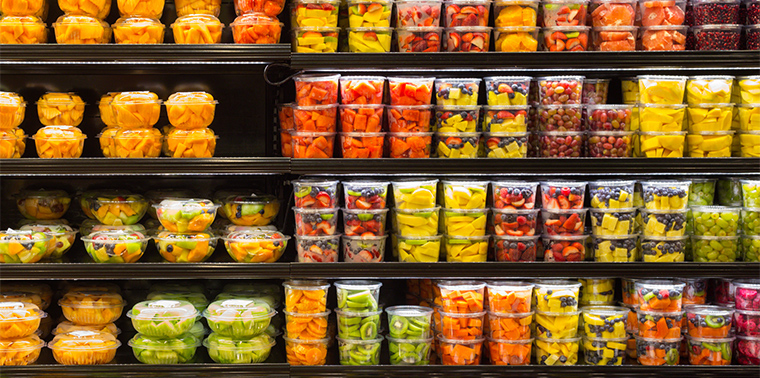
feature_food_packaging_mainHave you ever given a thought to all the plastic in your home/kitchen? What could be the reason for alarming concern over usage of plastics in storing/serving/eating food?

You probably have an entire cupboard full of stuff, including reusable plastic containers that you use to store and reheat leftovers. After all, plastics are handy, lightweight, they store easily, and they’re cheap. We have been enslaved to plastic usage for the last few decades, and it is a useful material with many important uses. But, food storage, reheating, and serving is not among these uses. To reduce the risk that plastic chemicals will leach into food avoid cooking, eating, storing in plastic containers, even if the label says ‘microwave safe,’ or ‘oven safe’.

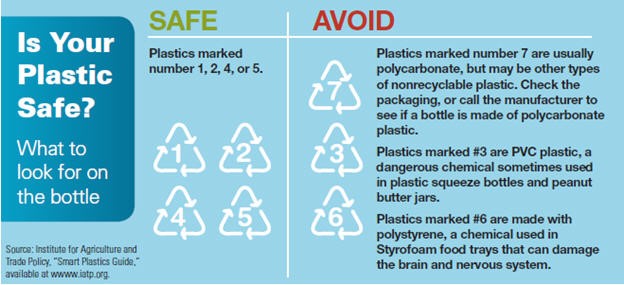
When it comes to plastic food containers, some are safer than others. You can tell what kind of plastic you have by looking at the ‘resin identification number’ located in a triangle on the product (check details in pic). Note that the triangle by itself does not mean that the plastic is recyclable. You need to look at the number in the triangle and check whether that plastic grade is safe for using or not.
  plastics in food

What is PLASTIC?

There’s no single substance called ‘plastic’. That term covers many materials made from an array of organic and inorganic compounds. Substances are often added to plastic to help shape or stabilize it. Two of these plasticizers are:

Bisphenol-A (BPA), added to make clear, hard plastic

Phthalates added to make plastic soft and flexible

BPA and phthalates are believed to be Endocrine disrupters. These are substances that mimic human hormones, and not for the good. When food is wrapped in plastic or placed in a plastic container and microwaved, BPA and phthalates may leak into the food. Any migration is likely to be greater with fatty foods such as meats and oils than with other foods. Whenever hot food or liquid is packed in a plastic bag there is an exchange of toxic chemicals into the food. Many restaurants, small food kiosks, food delivery systems still use plastic boxes, covers and cups unsuited for keeping food as it may lead to food poisoning. These should be avoided at all costs.

The toxins and chemicals that leach from plastics into our food have shown to mimic hormones and cause diseases like – hormonal imbalances, infertility, early onset of diabetes, hypertension, cancers, especially breast cancer. Thus, it’s important to try to make reasonable efforts to replace plastic in our kitchens.

As we know plastic does not last forever. The more it’s heated and cooled, the more the chemicals in that container begin to break down. And when they start to break down, they break down into the food inside. As a result, detrimental and expensive health issues can arise.

fast-food-74324_640

Realistically speaking, eating hot food from a plastic bag one time will probably have no effect on a person’s health, but those who make a habit out of it may be putting themselves at risk. There is no set rule on how many times a person can eat food that has touched hot plastic without getting sick. The safest solution is to avoid eating this food whenever possible. The price of a ceramic/steel plate may higher than that of a plastic plate, but compared to the long-term financial and emotional costs associated with conditions like diabetes and infertility, it’s a small price to pay.

How to Create a Safer Kitchen

It’s almost impossible to have a 100% plastic-free kitchen. It wraps our bread, it stores our oils, bread, groceries, packaged foods etc. After all, plastic is everywhere. But we can surely try to remove it from wherever possible!

However, there are steps you can take to create a safer, plastic-free kitchen.

  1. If you do use plastic, never heat it – When plastic is heated, it leaches chemicals 55 times faster than normal. So, never ever heat food in a plastic container in the microwave, or pour hot food (especially liquid) into a plastic container. Even if it says “microwave safe” on it, it’s still going to leach chemicals. Microwave Safe simply means the container won’t warp in the heat. Also for baby foods/milk – always use designated glass bottles/steel containers for storing food/feeding the baby.

If you still plan to use plastic, stick to numbers 1, 2, 4, and 5. Those are safest.

  1. Use glass or stainless steel containers – The best step you can take to cut down on your use of plastic is to recycle all the plastic storage containers you have and use glass or stainless steel instead.
  2. Buy Fresh foods – BPA is in the lining of almost all canned food because it helps prevent corrosion and food contamination. Whenever you can, buy fresh or frozen food rather than canned food. For us Indians, most of the canned food consumption is limited to Cherries, Pineapple, Corn, Condensed Milk and some other stuff. Always try to buy fresh fruit/veggies over can stuff.
  3. Use a stainless steel water bottle/glass jars – Many plastic bottles available are not safe to use. Always check for the mark under the bottle and see if it is safe for storing water on a daily basis. If you can best avoid using plastic bottles and stick to stainless steel bottles available in various sizes. For storing water in fridges – good quality glass bottles or jugs can be used.

Only bottles specifically made to be reused should be refilled. Wear and tear on the bottle can form cracks that could harbour bacteria. An additional concern is that harmful chemicals can leach out of single-use plastic bottles and into your drinking water.

  1. Also leaving water bottles in cars for extended periods of time can raise the BPA levels. Do not drink bottled water that has been left in a car. The heat reacts with the chemicals in the plastic of the bottle which releases dioxin into the water. Dioxin is a toxin increasingly found in breast cancer tissue. So please be careful and do not drink bottled water that has been left in a car. Use glass, stainless steel, and copper bottles for storing and carrying water.
  2. Ditch the plastic wrap/cling film – Do you know the plastic that wraps your paneer, meats, cakes, bread and other bakery stuff equally harmful? Avoid that and instead, ask your bakery stuff to be wrapped in food wrapping paper.
  3. Plastic tiffin boxes – If possible do check the plastic grade of boxes, containers that you use to store/put hot food into. Replace all plastic tiffin boxes with the good old time stainless steel tiffins for kids, for adults as well. Also for adults, a lot of Borosil/glass tiffins are available. To prevent the glass from breaking they have good silicone/foam coverings!

Tupperware/Silicone and similar plastics

While the vast majority of Tupperware products are considered safe, for example, some of its food storage containers use polycarbonate (plastic #7), which has been shown to leach the harmful hormone-disrupting chemical Bisphenol A (BPA) into food items after repeated uses.

However, as a safety precaution: Don’t ever heat, or microwave food in plastic or Tupperware, don’t even pour hot liquid. Wear, tear and repeated washings may lead harmful chemicals leaching into the food.

Silicone: Silicone, a synthetic rubber made of bonded silicon. Food-grade silicone is a non-toxic polymer mostly made from silica (sand). It can withstand heating and freezing without leaching or off-gassing, hazardous chemicals – unlike plastics, which contaminate food in these environments.

According to food regulatory authorities, silicone appears to be safe. It is an inert material – nothing used in its manufacture will leach into foods. Also, Silicone bakeware is tolerant of both heat and cold. However, reports of dyes or silicone oil oozing out of overheated silicone cookware keep on coming on internet posts, as do reports of odours lingering after repeated washings. So while most of us will probably not have a problem with silicone cookware, those with chemical sensitivities might want to stay away until more definitive research has been conducted. In the meantime, cast iron and stainless steel cookware remain top choices for those concerned about harmful elements leaching into their cooked foods.

All this information will help you make better choices for storing, serving and cooking food and replacing plastics from our kitchens and our lives! Implement the suggested alternatives and safety measures to create a healthier environment in your kitchen. For further information or guidance, reach out to our certified experts by subscribing to GOQii’s Personalised Health Coaching here.

#BeTheForce

April 21, 2024 By Vaishali Khanna 2 Comments

Sleep Apnea, its symptoms and how you can prevent it?

Sleep-Apnea-700x400

Has anyone ever told you that you have a tendency to snore? Or maybe you don’t…but you have a partner or family member who does? Do you find that you tend to wake up throughout the night? Or maybe you think you get good sleep, but you consistently find yourself with a dry mouth in the morning?

These are all signs that could suggest that you (or…your beloved snoring family member) may have something called “Sleep Apnea.” Well, there are people who cannot sleep without a machine and that is because they suffer from a medical condition called ‘Sleep Apnea’.

Let’s actually break this down. What is Sleep Apnea?

The most common type of Sleep Apnea is ‘Obstructive Sleep Apnea’ (OSA). OSA is a potentially life-altering and life-threatening breathing disorder that occurs during sleep.

The upper airway repeatedly collapses, causing cessation of breathing (apnea) or inadequate breathing (hypopnea) and sleep fragmentation. The breathing stops during sleep for 10 seconds to a minute or longer. Oxygen levels in the blood decrease.

One challenge with something like this is that you may not necessarily wake up entirely. So it’s not always easy to self-diagnose. BUT – Sleep fragmentation results in chronic daytime sleepiness (which you would expect if you’re constantly getting interrupted throughout the night). This disrupts healthy sleep and causes a number of short-term and long-lasting effects that threaten the health and well-being of those who suffer from the condition.

How many people have OSA? The prevalence of OSA in the general population is still unclear. Several epidemiological studies have attempted to examine this issue. Epidemiological data from Young, Palta, Dempsey, et. Al (1993) in a study paper titled:- Obstructive sleep apnea syndrome: natural history, diagnosis, and emerging treatment options, estimated that in a group of 602 middle-aged individuals 2% of women and 4% of men meet the minimal diagnostic criteria for sleep apnea with excessive daytime sleepiness.

People most likely to have or develop OSA may have any of the following:

  • Obesity, especially in the upper body
  • Small upper airway due to excess throat tissue or abdominal jaw structure
  • Nasal Obstruction
  • High Blood Pressure
  • Family History of OSA
  • Overweight Obese individuals

Obesity, particularly abdominal and upper body obesity is the most significant risk factor for obstructive sleep apnea. Excess body fat on the neck and chest constricts the air passageways and sometimes the lungs – thus setting the stage for interrupted breathing during the night. And according to the research…The more obese a person, the greater the risk of apnea.

The good news is that there are some general things that can make a big difference.

This includes:

Losing some weight, if you are overweight or obese (even as little as 5% of your body weight can make a change)

Avoid alcohol, sedatives, and hypnotics (as they can sedate the very muscles we need to breathe)

Sleeping on your side or in a semi propped position

If you have sleep apnea, do not take sleep medicines or sedatives. These chemicals will increase the relaxation in the tissues of the upper airway and make the obstruction worse. The specific treatment for obstructive sleep apnea is usually a mask worn at night to keep the airway open or using a sleep machine that can help you breathe and sleep properly.

If OSA is left untreated, it can increase the risk of developing:

  • Hypertension
  • Cardiac Arrhythmias
  • Myocardial Ischemia
  • Stroke Pre-diabetes
  • Decreased quality of life (because who wants to feel sleep deprived?)

Weight loss is frequently recommended to improve OSA among obese patients. Not only does sustained weight loss improve OSA, it also improves many other independently linked comorbidities such as Hypertension, High Cholesterol, and Diabetes. The greater the change in body weight or waist circumference, the greater is the improvement in OSA

Prioritize your sleep health by recognizing the symptoms of sleep apnea and implementing preventative measures. Share your experiences and insights on managing sleep apnea in the comments below. For personalised advice and support, consult a healthcare professional specializing in sleep disorders or reach out to our certified experts by subscribing to GOQii’s Personalised Health Coaching here.

#BeTheForce

April 20, 2024 By Ami Shah 2 Comments

Health Benefits of Garlic‎

health benefits of garlic
What is the first thing that comes to your mind when you think of garlic? It’s a herb having a strong odour and pungent flavour that leaves behind a bad odour after having it. It is used by many cuisines around the world to add flavour to food. But, it enhances the flavour of the food, making it more scrumptious!

There are many who do not eat tubers and root for varied reasons including religious. But, I really feel they are losing out on such an important food ingredient!

Garlic has many medicinal, therapeutic and culinary uses. Most of the health benefits of garlic are attributed to the compound allicin. So, cooking garlic destroys allicin which in return destroys the health benefits. One should try and use garlic in a raw form wherever possible. This can be done by finely chopped in salads/buttermilk to avoid the pungent flavour.

There are ample of health benefits and other advantages…here are a few advantages

Boosts immunity:  This herb could help keep those colds and flu at bay. Try steeping garlic into a tea by steeping chopped garlic in hot water. Add a bit of natural honey to soothe your throat and cut some of the intense garlic taste.

Full of antioxidants: You can add few garlic cloves (finely chopped) to your salads as it is very rich in anti-oxidants. These antioxidants can kill the bacteria that cause acne. Next time you have a pimple, try rubbing a sliced clove of raw garlic.

Heart friendly: It helps in reducing hypertension, coronary heart diseases.

Anti-inflammatory: Garlic has anti-inflammatory properties. If you have psoriasis, a skin condition related to inflammation try rubbing garlic oil directly on the affected area for relief.

Embrace the multifaceted advantages of garlic for your health and wellness journey. Share your experiences and tips for incorporating garlic into your diet in the comments below. For more insights on nutrition and holistic health practices, check out Healthy Reads or speak to a certified expert by subscribing to GOQii’s Personalised Health Coaching here.

#BeTheForce
April 19, 2024 By Roopa Tandur Leave a Comment

12 Low Glycemic Index Fruits For Diabetics

glycemic indexDiabetes is a condition that impairs the body’s ability to process blood glucose, also called blood sugar. Blood glucose, which is sugar concentration, is our main source of energy and comes from the food we eat. Insulin, a hormone made by the pancreas, helps glucose from food get into our cells to be used for energy. Absence or insufficient production of insulin, or an inability of the body to properly use insulin causes diabetes. The glycemic index (GI) tells us how quickly foods containing carbohydrates affect our blood sugar level when eaten



  • Low GI foods: 55 or below
  • Moderate GI foods: 56 to 69
  • High GI foods: 70 and above

Fruits With Low Glycemic Index 

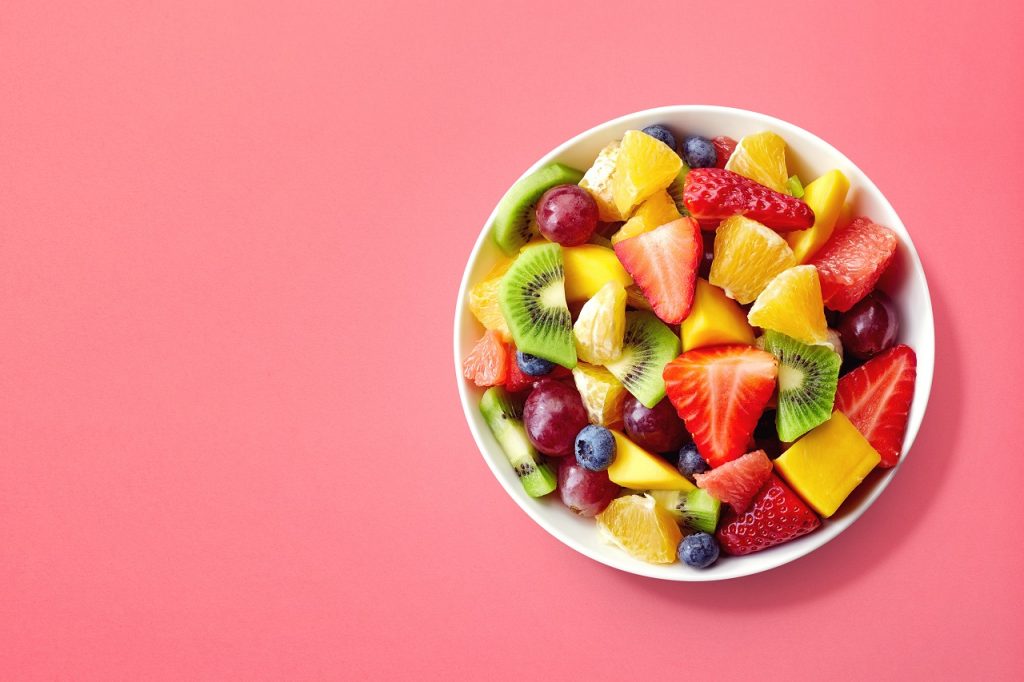
The lower the GI score, the more slowly the rise in blood sugar, which can help the body manage post-meal changes better. Most whole fruits have low to moderate GI levels. Many fruits are also packed with antioxidants, micronutrients and fiber as well. Here are a few low GI fruits which diabetics can have without worrying about the sudden rise in blood sugar levels post consumption:

  1. Cherries: are high in potassium and packed with antioxidants, which will give your immune system a boost. Because cherries are not available fresh all round the year, they can be processed before storing them for a long time. Cherries contain anthocyanins that give the cherries its colour, also boost cells insulin production by 50%.
  2. Pears: are a good source of fiber and provide 20% of our daily recommended fiber intake. Pears can be enjoyed as fresh fruit or gently baked. More interesting is they can also be included in salads for a good twist.
  3. Oranges: are good sources of Vitamin C, folate and potassium. There is also plenty of healthy fiber in an orange which takes longest to break down and digest. This enables slow release of sugar into the bloodstream, which would further ensure that your blood glucose levels are stable for a long period of time
  4. Strawberries: Strawberries are a good source of Vitamin C, they help in improving immunity, fight against certain types of cancer and improve metabolism, promoting weight loss. Strawberries give you more Vitamin C than an orange when taken in the same quantity. They also have a low glycemic index, hence, it is slowly released in the bloodstream as glucose.
  5. Grapefruits: are citrus-based fruits with a glycemic index of 25. They are packed with a range of vitamins and minerals. They have a bitter to sour taste and can be taken as whole fruit or made into juice. Grape fruit is a very good source of Vitamin A and C. It helps improve immunity and helps maintain healthy functioning of the heart and is good for digestion. 
  6. Guava: is a very healthy food choice for diabetics, as it can easily be included in snacks without the fear of sudden raise in blood sugar levels. It is a very good source of fiber which helps relieve constipation, which is a common complaint of many diabetics. Having this fruit regularly can easily lower the chance of developing Type II Diabetes.
  7. Watermelon: is a good source of Potassium. Foods high in potassium improves functioning of vital organs like the heart and kidney. People with diabetes easily observe that their uric acid levels are higher. This can be prevented by including watermelon in their diet which improves kidney functioning and reduces uric acid levels and further damage of the kidneys. Water melons are also a good source of lycopene which prevents nerve damage which is a common complaint of people with diabetes.
  8. Papaya: is a great fruit choice for diabetics as it is available round the year and can be incorporated in the diet very easily. Papayas have a host of nutrients and antioxidants, which when consumed, reduce the risk of heart disease, cancer, lowers BP and also aids good digestion. Papaya is also a good source of fiber and helps lower blood glucose levels and manage diabetes.
  9. Grapes: are a good choice of fruit for diabetes as it helps reduce blood sugar levels easily. They come in many colours and varieties, you can have them easily between meals as snacks and can be included in many dishes for its tangy taste. Grapes are a rich source of a phytochemical called Resveratrol which keeps a check on how the body secretes and uses insulin in response to blood glucose levels.
  10. Avocado: Adding a serving of avocado to your diet may help you lose weight, lower cholesterol, and increase insulin sensitivity. Avocados are low in carbohydrates, which mean they have little effect on blood sugar levels. One half of a small avocado contains about 5.9 grams of carbohydrate and 4.6 grams of fiber. They are also packed with healthy fats which give you a feeling of fullness for a longer time, thereby supporting weight loss and increasing insulin sensitivity. 
  11. Kiwi: Many researchers have proved that including Kiwi in your diet helps lower blood sugar levels. Kiwis are loaded with Vitamin A, C, E and fiber which makes it a good choice of fruits for diabetics. Kiwi also helps relieve insomnia which many people with diabetes complain due to long term diabetes and anxiety. 
  12. Black Jamun: This fruit has a bitter taste and is one of the best fruits for people suffering from diabetes. It not only controls your blood sugar level but also enhances the insulin activity and sensitivity. This fruit can be included in the form of juice or powder as well, which is equally beneficial in managing blood sugar levels.

No matter which fruit one includes, portion control is important. While it can vary depending on the size and type of the fruit, in general, one portion of fruit which is one piece of whole fruit or 1/2 cup of sliced fruit contains around 15 grams of carbohydrates, which is considered as one carbohydrate serving. 

We hope this article on Low Glycemic Index Fruits for Diabetics helps you! Do leave your thoughts in the comments below. For more on Diabetes, check out our other articles on Healthy Reads. To help you manage Diabetes and get expert advice on nutrition, exercise, sleep and well being – all aimed at reducing your HbA1C Levels, subscribe for the GOQii Diabetes Care Program here.

#BeTheForce 

  • « Previous Page
  • 1
  • 2
  • 3
  • 4
  • 5
  • …
  • 7
  • Next Page »

Search

Recent Posts

  • Navigating the Maze of Nutrition: Finding Clarity Amidst Confusion
  • Get children active and keep them healthy
  • What Gestational Diabetes Can Do To You & Your Unborn Child
  • Breathing – A Forgotten Art
  • The Incredible Benefits Of Milk You Might Not Know

Stay Updated

Archives

  • December 2025 (3)
  • November 2025 (15)
  • October 2025 (20)
  • September 2025 (6)
  • August 2025 (6)
  • July 2025 (12)
  • June 2025 (18)
  • May 2025 (16)
  • April 2025 (23)
  • March 2025 (23)
  • February 2025 (22)
  • January 2025 (26)
  • December 2024 (26)
  • November 2024 (25)
  • October 2024 (22)
  • September 2024 (24)
  • August 2024 (31)
  • July 2024 (21)
  • June 2024 (26)
  • May 2024 (31)
  • April 2024 (27)
  • March 2024 (29)
  • February 2024 (26)
  • January 2024 (25)
  • December 2023 (15)
  • November 2023 (11)
  • October 2023 (22)
  • September 2023 (22)
  • August 2023 (20)
  • July 2023 (22)
  • June 2023 (24)
  • May 2023 (24)
  • April 2023 (24)
  • March 2023 (23)
  • February 2023 (20)
  • January 2023 (16)
  • December 2022 (12)
  • November 2022 (15)
  • October 2022 (15)
  • September 2022 (12)
  • August 2022 (10)
  • July 2022 (17)
  • June 2022 (11)
  • May 2022 (10)
  • April 2022 (6)
  • March 2022 (6)
  • February 2022 (13)
  • January 2022 (12)
  • December 2021 (7)
  • November 2021 (3)
  • October 2021 (6)
  • September 2021 (3)
  • August 2021 (8)
  • July 2021 (7)
  • June 2021 (15)
  • May 2021 (16)
  • April 2021 (10)
  • March 2021 (7)
  • February 2021 (4)
  • January 2021 (4)
  • December 2020 (3)
  • November 2020 (4)
  • October 2020 (10)
  • September 2020 (3)
  • August 2020 (3)
  • July 2020 (2)
  • June 2020 (4)
  • May 2020 (10)
  • April 2020 (12)
  • March 2020 (10)
  • February 2020 (4)
  • January 2020 (4)
  • December 2019 (3)
  • November 2019 (7)
  • October 2019 (5)
  • September 2019 (4)
  • August 2019 (9)
  • July 2019 (9)
  • June 2019 (11)
  • May 2019 (4)
  • April 2019 (9)
  • March 2019 (8)
  • February 2019 (9)
  • January 2019 (8)
  • December 2018 (9)
  • November 2018 (3)
  • October 2018 (3)
  • September 2018 (5)
  • August 2018 (10)
  • July 2018 (6)
  • June 2018 (13)
  • May 2018 (8)
  • April 2018 (18)
  • March 2018 (9)
  • February 2018 (8)
  • January 2018 (15)
  • December 2017 (12)
  • November 2017 (19)
  • October 2017 (13)
  • September 2017 (15)
  • August 2017 (4)
  • July 2017 (8)
  • June 2017 (7)
  • May 2017 (6)
  • April 2017 (8)
  • March 2017 (6)
  • February 2017 (7)
  • January 2017 (9)
  • December 2016 (10)
  • November 2016 (7)
  • October 2016 (7)
  • September 2016 (7)
  • August 2016 (11)
  • July 2016 (9)
  • June 2016 (9)
  • May 2016 (12)
  • April 2016 (17)
  • March 2016 (17)
  • February 2016 (8)
  • January 2016 (6)
  • December 2015 (2)
  • November 2015 (9)
  • October 2015 (7)
  • September 2015 (9)
  • August 2015 (11)
  • July 2015 (9)
  • June 2015 (12)
  • May 2015 (9)
  • April 2015 (13)
  • March 2015 (8)
  • February 2015 (5)
  • January 2015 (12)
  • December 2014 (14)
  • November 2014 (11)
  • October 2014 (6)
  • September 2014 (13)
  • August 2014 (12)
  • July 2014 (6)
  • June 2014 (2)
  • May 2014 (7)
  • April 2014 (5)

From “Laddu Nawin” to Fit and Fierce: How a 25-Year-Old Insurance Advisor Shed 20 Kilos and Gained His Life Back

When 25-year-old Nawin Yadav from Hyderabad walked into his office every morning, he carried more than just his files and policy papers. He had the weight of fatigue, sluggish energy, and an ever-growing belly that was becoming the butt of jokes. “People … [Read More...]

“I’ve Challenged Myself to Live 100 Years” – The Story of Chandubhai Savani’s Second Chance at Life

At 67, most people start slowing down. Not Chandubhai Savani. A resident of Surat, Chandubhai, thought life was on track. “My life was going well till I had my bypass surgery,” he says. That surgery, back in 2021, was a wake-up call.  Medication was routine, but exercise wasn’t. His diet? What he calls ‘normal.’ “I […]

From Shimla’s Slopes to Chandigarh’s Sidewalks: Surinder Kaur Bhalla’s Journey from Chaos to Control

Some journeys start with a plan. Others begin with a stumble literally. Surinder Bhalla, a government professional, born and raised in the scenic hill town of Shimla, had always lived a life of movement. “In Shimla, you walked everywhere,” she reflects. “Walking was never an exercise. It was just life.” But after shifting to Chandigarh, […]

Ananda Mukherjee Health Story

From Terminal Illness To Complete Wellness! Ananda Mukherjee Health Story

As we observe World Cancer Day under the powerful theme ‘United by Unique’ (2025-2027)**, we are reminded that every individual’s journey with cancer is distinct, yet united by shared resilience, hope, and the collective fight against this disease. This theme places people at the centre of care and their stories at the heart of the […]

  • HOME
  • HEALTHY LIVING
  • FITNESS
  • HEALTHY RECIPES
  • USER STORIES
  • KARMA
  • BUY GOQii

Copyright ©2016 GOQii
