GOQii

Blog

  • HOME
  • HEALTHY LIVING
  • FITNESS
  • HEALTHY RECIPES
  • USER STORIES
  • KARMA
  • BUY GOQii

July 14, 2026 By GOQii 11 Comments

Planks: The Quick and Easy Way to Stay Fit!

Benefits of PlanksThe Big Question: Can one simple exercise strengthen your core, improve posture, build full-body stability, and fit into even the busiest schedule?

Between work deadlines, family commitments, and daily responsibilities, finding time to exercise isn’t always easy. While many people believe they need long gym sessions to stay fit, the truth is that a few minutes of focused movement can make a meaningful difference.

One exercise that consistently delivers excellent results is the plank. It requires no equipment, very little space, and can be performed almost anywhere. More importantly, it engages multiple muscle groups simultaneously, making it one of the most effective bodyweight exercises for improving strength, stability, and overall fitness. Whether you’re just beginning your fitness journey or looking to level up your workouts, planks deserve a permanent place in your routine.

Why Are Planks So Effective?

Unlike standard crunches or sit-ups, which mainly target the front abdominal muscles, planks activate your entire core while recruiting muscles throughout your entire body to fight against gravity. A correctly performed plank works your:

  • Rectus abdominis: The front abdominal muscles.
  • Transverse abdominis: The deep core muscles that wrap around your spine.
  • Obliques: The side abdominal muscles.
  • Lower back and Glutes: The posterior chain that supports your pelvis.
  • Shoulders and Chest: For upper body stability.
  • Quadriceps and Hip Stabilizers: To keep your lower body rigid and aligned.

These muscles work seamlessly together to stabilize your spine, improve your movement efficiency, and support everyday activities—from safely lifting heavy groceries to climbing a steep flight of stairs.

8 Powerful Benefits of Planks

  1. Builds Foundational Core Strength

Your core acts as the body’s foundation. A stronger core supports better physical movement, protects your spine, and improves performance during everyday activities and sports.

  1. Improves Posture naturally

Weak core muscles often contribute to slouching and poor posture. Regular planks strengthen the specific muscles that keep your shoulders, back, and hips properly aligned, helping you stand taller and sit more comfortably.

  1. Supports Spinal Stability

Strong core muscles help distribute forces more evenly across your spine, reducing unnecessary strain on your lower back. While planks are not a medical treatment for chronic back pain, they are a vital part of a balanced exercise program for improving spinal stability.

  1. Improves Balance and Coordination

Maintaining a plank challenges your body’s ability to remain stable. This improves your baseline balance, coordination, and body awareness—skills that become increasingly important as we age.

  1. Enhances Athletic Performance

Whether you run, cycle, swim, play sports, or lift weights, a stronger core improves the transfer of force between your upper and lower body, making all movement more efficient and powerful.

  1. Increases Muscular Endurance

Unlike explosive, high-impact exercises, planks build endurance by training your muscles to maintain tension over a sustained period of time. This helps you perform daily physical activities with far less fatigue.

  1. Requires Zero Equipment

One of the biggest advantages of planks is their universal accessibility. You don’t need a gym membership, a bench, or expensive equipment—just enough floor space to stretch out.

  1. Saves Valuable Time

A focused plank routine lasting just 5 to 10 minutes can engage nearly every major muscle group in your body, making it the ideal workout for busy lifestyles.

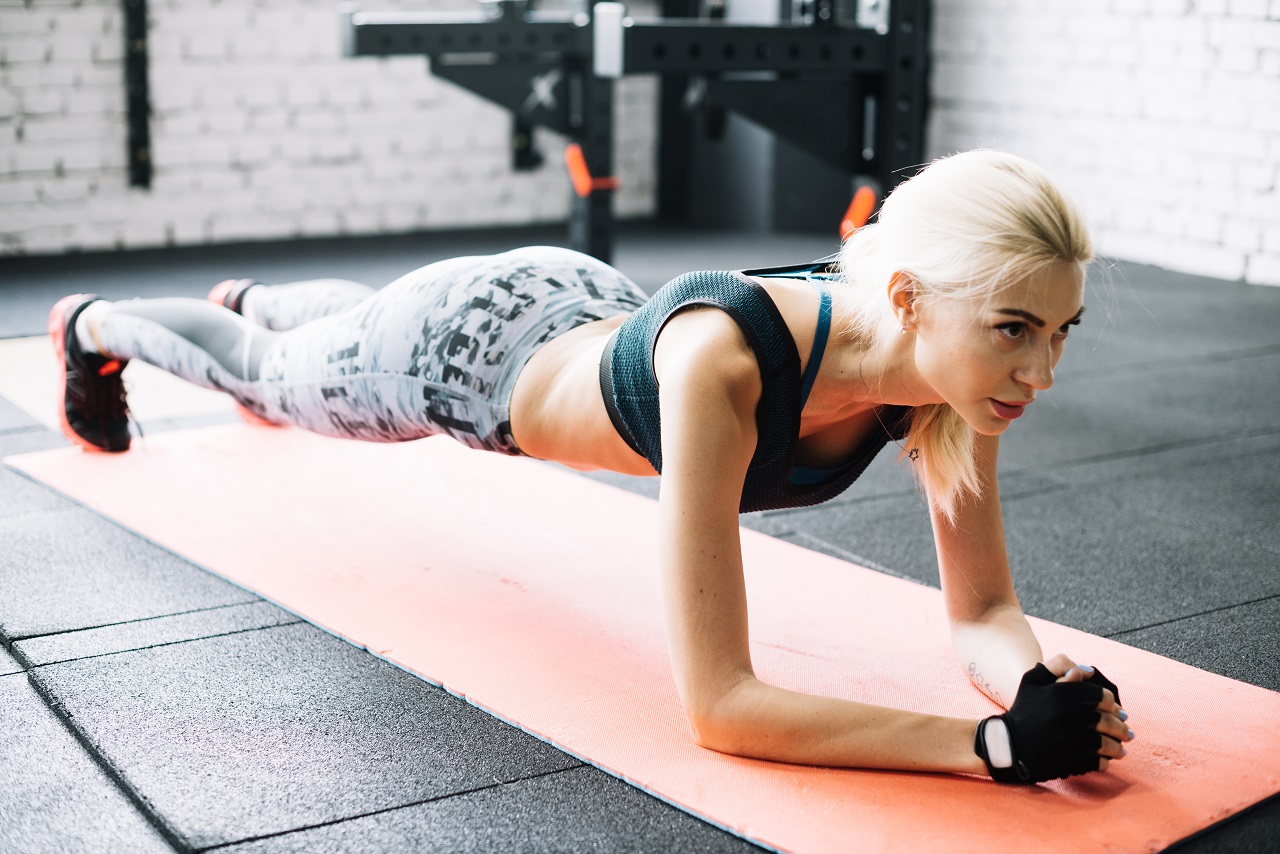
How to Perform the Perfect Forearm Plank

Proper form is infinitely more important than how long you can hold the position. Follow these structural steps to get it right:

  • Lie face down on a yoga mat or comfortable floor surface.
  • Position your elbows directly beneath your shoulders.
  • Keep your forearms parallel to each other or gently clasp your hands together.
  • Extend your legs straight out behind you and lift up onto your toes.
  • Tighten your abdominal muscles intensely, as though preparing for a punch.
  • Squeeze your glutes tightly to stabilize your pelvis.
  • Keep your ribs pulled down and avoid arching your lower back.
  • Maintain one straight, rigid line from your head down to your heels.
  • Keep your neck neutral by looking at the floor slightly ahead of your hands.
  • Breathe normally throughout the exercise—do not hold your breath!

Remember: Good form for 20 seconds always beats a 2-minute hold with poor technique.

5 Plank Variations to Challenge Yourself

As your core gets stronger, you need to challenge it in new planes of motion. Here are five excellent variations to incorporate:

Plank Variation Difficulty Primary Target Area Execution
Side Plank Intermediate Obliques, shoulders, and hip stabilizers. Support yourself on one forearm with feet stacked. Lift hips to form a straight line.
Reverse Plank Intermediate Glutes, hamstrings, shoulders, and upper back. Sit with legs extended, place palms behind you, and lift hips up into a straight line.
Dynamic Plank Intermediate Core control and shoulder mobility. From a forearm plank, push hips high into an inverted “V”, then slowly lower back down.
Plank to Push-Up Advanced Upper-body strength and anti-rotational stability. Move from forearms to hands (high plank) one arm at a time, then back down.
Plank Jacks Advanced Core training combined with cardiovascular conditioning. In a high plank, jump your feet wide apart and back together, keeping your torso stable.

New to Planks? Your 4-Week Starter Plan

If you’re new to planks, do not worry about holding the position for a full minute on your first attempt. Try this simple, progressive schedule:

Timeline Goal per Set Sets to Complete
Week 1 15–20 seconds 3 Sets
Week 2 20–30 seconds 3 Sets
Week 3 30–45 seconds 3 Sets
Week 4 45–60 seconds 3 Sets

Progress gradually and only move to the next week if you can maintain excellent, pain-free technique.

Reality Check: Can Planks Help You Lose Belly Fat?

One of the biggest fitness myths in the industry is that planks specifically burn belly fat. The reality is different.

Planks strengthen your abdominal muscles and massively improve core stability, but they cannot spot-reduce fat from one specific area of the body. Fat loss only occurs when you combine regular physical activity with balanced nutrition to maintain a calorie deficit over time. Think of planks as the tool that builds and strengthens the muscles beneath the fat, while your overall diet and lifestyle determine how much body fat you actually lose.

Common Plank Mistakes to Avoid

Even seasoned athletes make these structural errors. Check your form and avoid:

❌ Holding your breath during the isometric hold.

❌ Letting your hips sag toward the floor (strains the lower back).

❌ Raising your hips too high into the air (removes tension from the core).

❌ Looking straight up or ahead instead of keeping your neck neutral.

❌ Positioning your elbows too far in front of your shoulders.

❌ Prioritizing a longer hold time over proper structural alignment.

Who Should Modify or Avoid Planks?

While planks are generally safe and highly effective for most healthy individuals, you should consult your healthcare provider or a physiotherapist before performing them if you have:

  • Recent shoulder or wrist injuries.
  • An active hernia.
  • Severe or chronic lower back pain.
  • Recent abdominal surgery.
  • Pregnancy (certain modified variations are required for safety).

Stop immediately if you experience sharp, shooting pain during the exercise.

You don’t need an hour-long, exhausting workout to become a stronger, healthier version of yourself. Planks are one of the simplest, most effective, and most accessible exercises for improving core strength, posture, balance, and functional fitness. The key isn’t holding the longest plank possible—it is maintaining proper form and practicing consistently. Just a few minutes several times a week can make a highly noticeable difference to your overall strength and stability!

Pro Tip: Consistency builds results. Use the GOQii App to track your workouts, activity levels, and progress over time. Your GOQii Personalised Health Coach can recommend exercises suited to your fitness level and help you build a sustainable routine.

Frequently Asked Questions (FAQs)

  1. Are planks better than traditional crunches?

Both exercises have their place, but planks engage multiple muscle groups simultaneously (including the back, glutes, and shoulders) and improve overall functional core stability, whereas crunches strictly isolate the front abdominal muscles.

  1. How long should absolute beginners hold a plank?

Most beginners should start with 15 to 30 seconds while focusing entirely on maintaining proper form. Gradually increase the duration by 5–10 seconds as your core strength improves.

  1. Can doing planks every day reduce my belly fat?

No. Planks strengthen your core muscles but cannot specifically burn fat from your belly. Fat loss depends on your overall nutrition, daily physical activity, and sustaining a healthy calorie balance.

  1. Is it safe to do planks every single day?

Many people can safely perform planks daily if they use proper technique and do not overtrain. However, your muscles need time to recover, so if you experience deep muscle soreness, take a rest day or alternate with other forms of exercise. Listen to your body!

Disclaimer: This article is intended for educational and informational purposes only and should not be considered medical advice. Consult a qualified healthcare provider or certified fitness professional before beginning a new exercise program, particularly if you have an existing medical condition, injury, or concerns about your physical health.

#BeTheForce
July 3, 2026 By Mrinali Dwivedi 2 Comments

Pre & Post Workout Shots You Can Try At Home

pre & post workout shotsWhether you’re working out indoors or outdoors, hydration is imperative throughout a workout and especially before and after! Here’s how you can improve your hydration game to the optimum benefits on your performance and outcomes of exercising with these pre & post workout shots! 
Pre & Post Workout Shots For Home! 

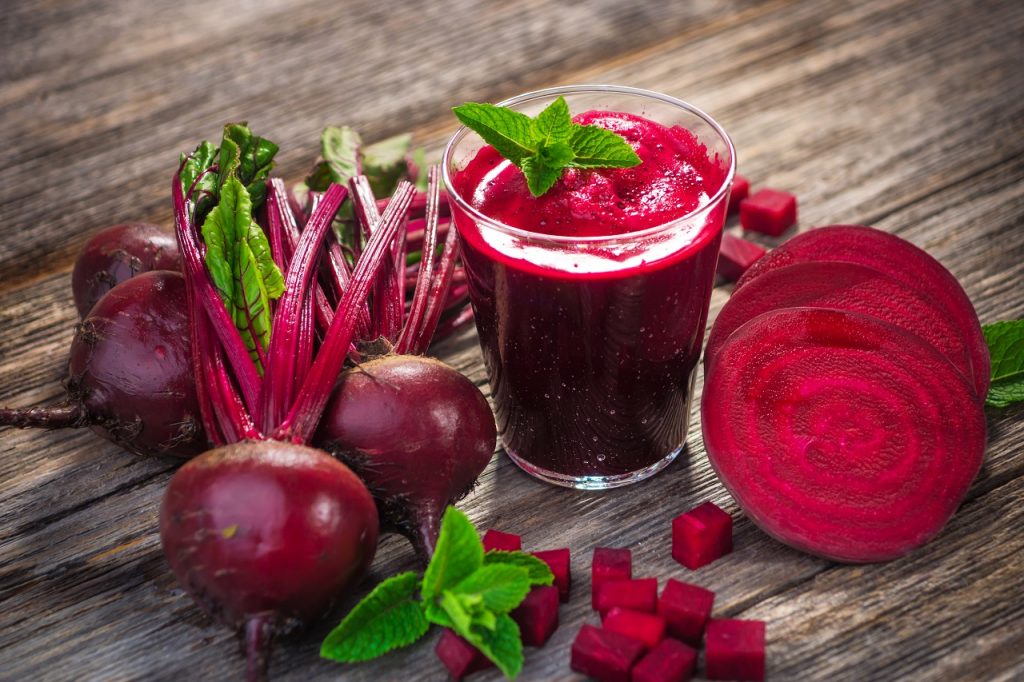
1. Shot of Beetroot Juice for Pre Workout
Beetroot Juice is a supplement with a high nitrate content, that is said to improve physical performance secondary to nitric oxide, which is a component of human blood that helps dilate your blood vessels and aid faster blood circulation, as to provide greater oxygen supply. Supplementation or dietary ingestion of nitrates is known to reduce oxygen requirements during exercise and reduce VO2 max (which indicates better stamina). In measures of time taken to reach exhaustion, beetroot juice showed an association with a fatigue delay effect and exercise performance enhancement.

A short term supplementation with beetroot juice may reduce VO2, giving an ergogenic effect, at less than or equal to VO2 max intensity that makes it possible to enable increased time-to-exhaustion. In addition to improving efficiency and performance, chronic supplementation with beetroot juice may improve cardiorespiratory performance as well. Consumption of Beetroot juice should be initiated in a period of 90 minutes before athletic effort, since the peak value of nitrates occurs within 2-3 hour after ingestion. At least 6-8 mmol of nitrate i.e. juice of 5 medium sized beetroots intake is required to observe an improvement in athletic performance.

2. Shot of Amla (Indian Gooseberry) Juice for Post Workout
Amla Juice is a reservoir of Vitamin C and essential electrolytes that are of utmost importance for post workout recovery. Post workout is an immunocompromised state where the body is concentrating more on muscle recovery and storage. This makes it imperative to supplement with immune boosting nutrients and electrolytes that may be lost due to sweating, right after a workout session.

Supplementing with amla juice has shown to reduce infection rate in athletes and heavy working out individuals. It also lowers down duration of muscle soreness significantly, which aids early mitigation of muscle cramps. Vitamin C being an antioxidant, reduces inflammation in the body, which is a common after effect of exercising. Chronic supplementation with amla juice is shown to build stronger immunity and improve gut health as well as strengthening the respiratory system.

Intake of amla juice should be initiated within 20 minutes of finishing physical activity as that is when the recovery and restorative activities of the body begin. Juice of 4 medium sized amlas ensures the supply of adequate amounts of Vitamin C and electrolytes.

We hope these pre & post workout shots help you get the most out of your exercises! Do let us know your experience in the comments below.

#BeTheForce 

Disclaimer: The information provided in this blog is for general awareness and educational purposes only. It is not intended to replace professional medical advice, diagnosis, or treatment. Always consult a qualified healthcare provider for personalised medical guidance or concerns related to your health.

January 6, 2026 By Dr. Naina Sudarshan 1 Comment

Ideal Weekly Workout Routine For Beginners

weekly workout routine for beginners

As health is among the top priorities in our life, being healthy, immune to all types of infections, diseases and getting fit are the avenues for the same now. If you’re thinking about getting fit, and as we have stepped into the new year, don’t just take up a gym membership but work on consistency and have a plan.

As per the American College of Sports Medicine recommendation, a healthy person needs at least 30 mins of exercise every day to maintain physical health, mental health, immunity, and prevent chronic diseases for all age groups. So, here’s an ideal weekly workout routine for beginners you can follow and stick to!

Get Motivated For Your Weekly Workout Routine 

Every day of the week may not go as we plan. But if we are determined to be fit, we can set aside some time for exercise every day. If you are a beginner, creating a workout schedule for every week would be a better choice than just having a vague idea about staying active every day. Find out a strong reason for yourself as to why you need to workout every day. This should be a reminder to maintain consistency in order to achieve your goal.

Getting Started On Your Weekly Workout Routine 

Beginning a workout can be confusing and intimidating as to where and how to start. Once you find out the ideal time, duration, and location for you to exercise, think about the obstacles that can come your way. Slot a backup time to avoid missing the workout.

For example, if you set a goal to walk for 30 mins, completing about 5-6k steps, and that doesn’t happen due to some unplanned situations, walk more at work, take the steps instead of the elevator, walk while you talk over the phone just to complete the intended number of steps for the day.

Here are some points to remember before you begin:

  • Start with short duration but be consistent: It can be 15-20 mins workout rather than an hour of workout at a stretch in a day. Make sure to plan your workout for at least 5 days in a week with a short term specific, measurable goal.
  • Keep a track of how your energy levels are getting better: Notice what other benefits you are getting out of exercise like improved quality of sleep, reduced stress, and increased appetite instead of just keeping a track of numbers on your weighing scale or inch loss.
  • Plan your workout: Schedule it according to your entire week’s schedule taking into consideration your work, personal life and family time, etc.
  • Choose different types of workouts: Pick activities that you are interested in and you are comfortable doing. Make a list of physical activities that you enjoy. It can be dance, running, walking, sports like football, badminton, tennis, volleyball, basketball, cricket, weight training, or yoga.

Week 1

weekly workout routine for beginnersDay 1: Cardio exercises

  • Start with 5 minutes warm-up exercises at a slow to moderate pace to slowly increase the heart rate 
  • Switch to 20 mins of cardio exercise. It can include aerobic exercises, brisk walk, interval running outside, cycling, stationary bike, swimming, Zumba or any type of dance, or any type of sport. Pay attention to your energy level and breath. You should ideally be able to talk without going out of breath while exercising to know your comfortability. People who want to do running can begin with 1 min of running and 3 mins of walking initially. 
  • Stretch for 5 mins to cool down to gradually bring down the heart rate back to normal 

Day 2: Strength training

  • Warm-up exercises for 5 Minutes 
  • Easy Strength training exercises for 25 mins: As a beginner, it’s better, to begin with, bodyweight training initially. Some of the exercises that come under this can be jumping jacks, push-ups, squats, lunges, burpees, mountain climbers, shoulder bridge, crunches, planks and reverse lunges with just one set each and about 10 repetitions each. There can be 10 seconds of rest in between each set. 
  • Cooldown workout for 5 mins

Day 3: Yoga/Dance

  • Warm-up with 5 Surya namaskars/ jumping jacks
  • Easy Standing and sitting Yoga postures or Dance of your choice for 25 mins. It’s always better to learn yoga postures through a trainer to learn about breathing patterns and the correct postures.
  • Cooldown workout for 5 mins  

Day 4: Strength training

  • Warm-up exercises for 5 Minutes 
  • Easy Strength training exercises for 25 mins. This can be repeated the same as day 2.
  • Cooldown workout for 5 mins 

Day 5: Cardio exercises

  • Warm-up exercises for 5 Minutes 
  • Easy Cardio exercise for 25 mins. This can be repeated the same as day 1. 
  • Cooldown workout for 5 mins 

Day 6: Strength training

  • Warm-up exercises for 5 Minutes 
  • Easy Strength training exercises for 25 mins. This can be repeated the same as day 2
  • Cooldown workout for 5 mins

Day 7: Rest day 

Active rest, which means low-intensity exercise like stretching and casual walking, are suggested on this day to stay active, increase the blood flow to the muscles for good healing, and reduce soreness. 

Week 2

workout The routine of week 1 can be repeated on week 2 as well. People who are training for running can increase the duration of running to 3 mins of running and 1 min of walk.
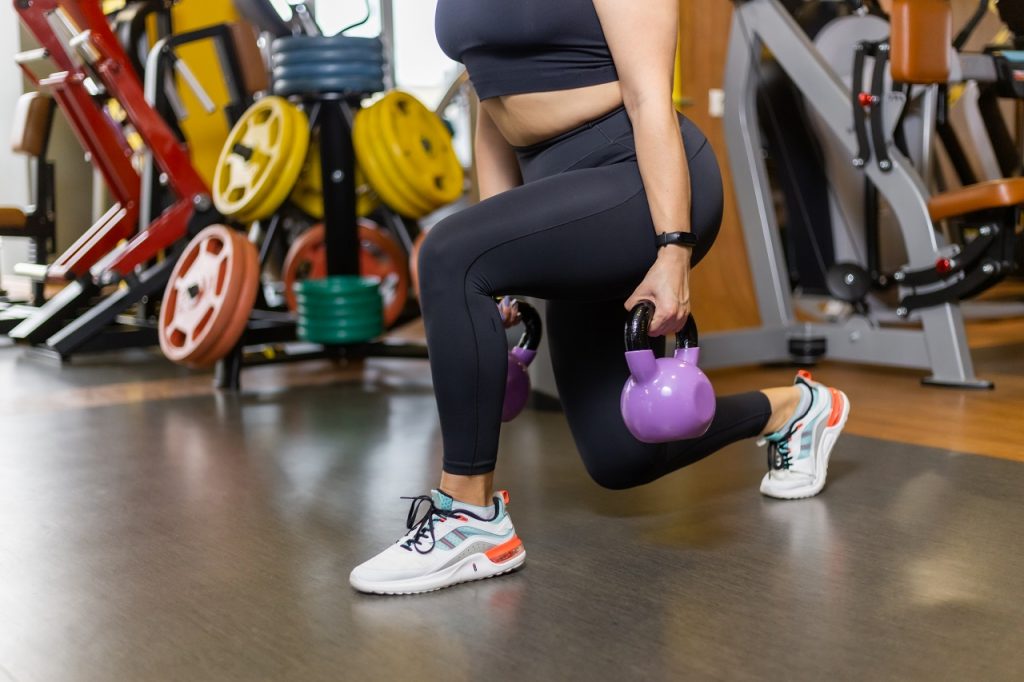
  • Day 1: Cardio exercise for 25 mins with warm-up and cool down 
  • Day 2: Strength training exercise for 25 mins (15 reps of 1 set each) with warm-up and cool down
  • Day 3: Yoga, Pilates, dance, or stretching for 25 mins with warm-up and cool down
  • Day 4: Strength training exercises for 25 mins (15 reps of 1 set each) with warm-up and cool down
  • Day 5: Cardio exercise for 25 mins with warm-up and cool down
  • Day 6: Strength training exercise for 25 mins (15 reps of 1 set each) with warm-up and cool down
  • Day 7: Rest day

Week 3 and Week 4

kettlebellRepeat the same routine for week 3 while increasing the duration, speed, and intensity of the workout this week. Small changes can be made with your workout to keep it interesting. For strength training, 2 sets can be done with 12 repetitions. If you feel this routine is easy one can also try other workouts like HIIT, kettlebell, resistance band workout, and weight training depending on their energy level and comfortability. This can include exercises that involve different muscle groups of the body like shoulder, arms, chest, abdomen, back, hips, glutes, thigh, and legs. 

These workouts have to be done again with the combination of cardio workouts on alternate days with one day as a Rest day. People who are running can switch to 4 mins running and 1 min walking, if they are comfortable. The idea here is to gradually increase the intensity of the workout so that the body is getting adjusted to the workouts easily without any injuries and exhaustion. 

  • Day 1: Cardio exercise for 25 mins with warm-up and cool down 
  • Day 2: Strength training exercise for 25 mins (15 reps of 2 set each) with warm-up and cool down
  • Day 3: Yoga, Pilates, dance, or stretching for 25 mins with warm-up and cool down
  • Day 4: Strength training exercise/HIIT for 25 mins (15 reps of 2 sets each) with warm-up and cool down
  • Day 5: Cardio exercise for 25 mins with warm-up and cool down
  • Day 6: Strength training exercise  for 25 mins (15 reps of 2 sets each) with warm-up and cool down
  • Day 7: Rest day

Proper warm-up and cool-down exercises are critical here to prevent injuries and for better healing. Muscle soreness can be common during the first week of exercise. But don’t give up. You will slowly get over it as you continue the workouts. 

One needs to pay attention to their diet with good protein, complex carbs, and fibers. Not to forget good hydration and quality sleep. If you have any health conditions like heart problems, diabetes, back pain, neck pain, knee pain, vertigo, arthritis, post-COVID or balance-related issues, get the clearance from your doctor. Certain types of exercises can be contraindicated in some of the conditions. It’s always ideal to have a personal coach or fitness trainer to learn how to go about a proper exercise routine, balanced diet, and healthy lifestyle tailored for your health condition and body type. 

For any additional help on getting started from the comfort of your home, you can sign up for our live, interactive GOQii Pro Classes where our fitness experts will guide and motivate you. You can book a class now from the GOQii App. 

Hope this weekly workout routine for beginners helps you. Do let us know your thoughts in the comments below!  

#BeTheForce 

Disclaimer: The information provided in this blog is for general awareness and educational purposes only. It is not intended to replace professional medical advice, diagnosis, or treatment. Always consult a qualified healthcare provider for personalised medical guidance or concerns related to your health. Images shown are for representation purposes only and may not depict the exact recommendations or outcomes.

October 3, 2025 By Nilakhi Nath Leave a Comment

4 Reasons Why Rest Is As Important As Training

4 Reasons Why Rest Is As Important As TrainingOur world is becoming healthier with people opting for a healthier lifestyle that involves clean eating and staying active. The first attempt to keep ourselves healthy begins by being active. However, being active also means taking good rest after any physical activity. Our body requires a rest period between our workout days. But, there are a few who tend to overdo it. You may see this group of people working out all seven days intensely without a rest day.

Why Is Rest So Important?

Rest means a state when the body is inactive. Inactivity helps the body relax and gives it time to recover strength after any kind of exertion. Our body requires rest because every time we workout, we are tearing our muscles and continuous workout without a rest period may cause further injury to the muscles.

Why Is It Important To Rest After Training?

Resting your body helps in repairing and healing of the torn muscle fibers and enhances the performance. If you don’t rest, you could be prone to facing any of the issues below:

  1. Injuries & drop in performance: Muscle sustains tiny tears when we workout. Rest after training helps in healing those tears. When we do not give rest to the muscle and over-train, then it leads to serious injuries. What happens when you do not sleep for more than 24 hours? You are drowsy, concentration drops and so does your performance. This is exactly what happens with your body when you over train it. The performance drops due to injuries and inadequate rest of the muscles.
  2. Longer recovery time: Due to over training of a muscle, the amount of time taken for recovery increases. If you are working out 4-5 days a week and taking rest for 2-3 days, the time taken to recover is shorter. Whereas, when you do not take rest, the body needs extra time to repair the damages caused by over training. Bigger the damage, longer the recovery time. You can keep your rest period short by taking adequate rest in between your training sessions.
  3. Loss of motivation to train: As you over train the muscles, the performance drops and it also affects your motivation level. Due to inadequate rest, the muscle loses the capacity to grow and instead bear severe injuries. These negative changes in the body affect a person’s motivation levels and leads to loss of interest in the training program. With low interest, one might feel forced to do the workout instead of looking forward to it.
  4. Immunity: When your muscles are over trained and injured, the energy reserved for the proper functioning of your immune system is directed towards the repair of the damaged muscles and bones. As a result your immune system doesn’t function optimally.

To train at your optimum level, take a break and relax your muscles. If this article helped you, let us know your thoughts in the comments below. You can find more articles on fitness and training here. You can also speak to our experts to develop a training schedule as per your needs by subscribing to GOQii’s Personalised Health Coaching here.

Train Smart and #BeTheForce 

Disclaimer: The information provided in this blog is for general awareness and educational purposes only. It is not intended to replace professional medical advice, diagnosis, or treatment. Always consult a qualified healthcare provider for personalised medical guidance or concerns related to your health. Images shown are for representation purposes only and may not depict the exact recommendations or outcomes.

  • 1
  • 2
  • 3
  • …
  • 5
  • Next Page »

Search

Recent Posts

  • Foods to Manage Blood Sugar Naturally: A Complete Guide to Better Blood Sugar Control
  • The Lazy Person’s Guide to Staying Healthy: 5 Micro-Habits That Take Less Than 2 Minutes
  • Healthy Eating: Comforting Chilli Bean Soup Recipe for the Monsoon
  • The Truth About the ‘Beer Belly’: What Alcohol Really Does to Your Metabolism
  • Benefits of Meditation: How One Daily Habit Can Transform Your Mental Wellbeing

Stay Updated

Archives

  • August 2026 (7)
  • July 2026 (25)
  • June 2026 (22)
  • May 2026 (20)
  • April 2026 (24)
  • March 2026 (18)
  • February 2026 (14)
  • January 2026 (14)
  • December 2025 (19)
  • November 2025 (15)
  • October 2025 (20)
  • September 2025 (6)
  • August 2025 (6)
  • July 2025 (9)
  • June 2025 (18)
  • May 2025 (16)
  • April 2025 (22)
  • March 2025 (26)
  • February 2025 (21)
  • January 2025 (25)
  • December 2024 (22)
  • November 2024 (22)
  • October 2024 (20)
  • September 2024 (22)
  • August 2024 (28)
  • July 2024 (15)
  • June 2024 (23)
  • May 2024 (26)
  • April 2024 (27)
  • March 2024 (27)
  • February 2024 (23)
  • January 2024 (21)
  • December 2023 (14)
  • November 2023 (10)
  • October 2023 (19)
  • September 2023 (21)
  • August 2023 (16)
  • July 2023 (16)
  • June 2023 (21)
  • May 2023 (20)
  • April 2023 (19)
  • March 2023 (23)
  • February 2023 (19)
  • January 2023 (15)
  • December 2022 (11)
  • November 2022 (15)
  • October 2022 (15)
  • September 2022 (12)
  • August 2022 (9)
  • July 2022 (17)
  • June 2022 (11)
  • May 2022 (10)
  • April 2022 (6)
  • March 2022 (6)
  • February 2022 (13)
  • January 2022 (11)
  • December 2021 (7)
  • November 2021 (3)
  • October 2021 (6)
  • September 2021 (3)
  • August 2021 (8)
  • July 2021 (7)
  • June 2021 (15)
  • May 2021 (16)
  • April 2021 (10)
  • March 2021 (7)
  • February 2021 (4)
  • January 2021 (4)
  • December 2020 (3)
  • November 2020 (4)
  • October 2020 (10)
  • September 2020 (3)
  • August 2020 (3)
  • July 2020 (2)
  • June 2020 (4)
  • May 2020 (10)
  • April 2020 (12)
  • March 2020 (10)
  • February 2020 (4)
  • January 2020 (4)
  • December 2019 (3)
  • November 2019 (7)
  • October 2019 (5)
  • September 2019 (4)
  • August 2019 (9)
  • July 2019 (9)
  • June 2019 (11)
  • May 2019 (4)
  • April 2019 (8)
  • March 2019 (8)
  • February 2019 (9)
  • January 2019 (8)
  • December 2018 (9)
  • November 2018 (3)
  • October 2018 (3)
  • September 2018 (5)
  • August 2018 (10)
  • July 2018 (6)
  • June 2018 (13)
  • May 2018 (8)
  • April 2018 (18)
  • March 2018 (9)
  • February 2018 (8)
  • January 2018 (15)
  • December 2017 (12)
  • November 2017 (19)
  • October 2017 (13)
  • September 2017 (15)
  • August 2017 (4)
  • July 2017 (8)
  • June 2017 (7)
  • May 2017 (6)
  • April 2017 (8)
  • March 2017 (6)
  • February 2017 (7)
  • January 2017 (9)
  • December 2016 (10)
  • November 2016 (7)
  • October 2016 (7)
  • September 2016 (7)
  • August 2016 (11)
  • July 2016 (9)
  • June 2016 (9)
  • May 2016 (12)
  • April 2016 (17)
  • March 2016 (17)
  • February 2016 (8)
  • January 2016 (6)
  • December 2015 (2)
  • November 2015 (9)
  • October 2015 (7)
  • September 2015 (9)
  • August 2015 (11)
  • July 2015 (9)
  • June 2015 (11)
  • May 2015 (9)
  • April 2015 (13)
  • March 2015 (8)
  • February 2015 (5)
  • January 2015 (12)
  • December 2014 (14)
  • November 2014 (11)
  • October 2014 (6)
  • September 2014 (13)
  • August 2014 (12)
  • July 2014 (6)
  • June 2014 (2)
  • May 2014 (7)
  • April 2014 (4)

From Burnout to Balance: How Dr. Ranjit Reclaimed His Health

Dr Ranjit Bhatt has spent years tending to others. A practising doctor in Odisha, his days were packed with patients, surgeries, and emergencies. From the outside, it looked like a life lived in service. But on the inside, something wasn’t right. “I had no … [Read More...]

From Shimla’s Slopes to Chandigarh’s Sidewalks: Surinder Kaur Bhalla’s Journey from Chaos to Control

Some journeys start with a plan. Others begin with a stumble literally. Surinder Bhalla, a government professional, born and raised in the scenic hill town of Shimla, had always lived a life of movement. “In Shimla, you walked everywhere,” she reflects. “Walking was never an exercise. It was just life.” But after shifting to Chandigarh, […]

“I’ve Challenged Myself to Live 100 Years” – The Story of Chandubhai Savani’s Second Chance at Life

At 67, most people start slowing down. Not Chandubhai Savani. A resident of Surat, Chandubhai, thought life was on track. “My life was going well till I had my bypass surgery,” he says. That surgery, back in 2021, was a wake-up call.  Medication was routine, but exercise wasn’t. His diet? What he calls ‘normal.’ “I […]

Ananda Mukherjee Health Story

From Terminal Illness To Complete Wellness! Ananda Mukherjee Health Story

As we observe World Cancer Day under the powerful theme ‘United by Unique’ (2025-2027)**, we are reminded that every individual’s journey with cancer is distinct, yet united by shared resilience, hope, and the collective fight against this disease. This theme places people at the centre of care and their stories at the heart of the […]

  • HOME
  • HEALTHY LIVING
  • FITNESS
  • HEALTHY RECIPES
  • USER STORIES
  • KARMA
  • BUY GOQii

Copyright ©2016 GOQii