GOQii

Blog

  • HOME
  • HEALTHY LIVING
  • FITNESS
  • HEALTHY RECIPES
  • USER STORIES
  • KARMA
  • BUY GOQii

October 26, 2024 By Kusum Soni 8 Comments

5 Common Habits that Cause Obesity!

obesityYou might have been trying hard to lose that stubborn weight with sincere healthy food habits and sweating hard through physical activities. Despite your efforts, that scale doesn’t seem to budge. You might be wondering why. To understand why, you will need to understand what Obesity is.

What is Obesity?

As per WHO, Obesity is a medical condition in which excess body fat has accumulated to an extent that it may have a negative effect on health. Various studies and meta-analysis have demonstrated that it increases the likelihood of various diseases and conditions, particularly cardiovascular diseases, Type2 diabetes, obstructive sleep-apnea, certain types of cancer, osteoarthritis, and depression. And Obesity is most commonly caused by a combination of excessive food intake, lack of physical activity, and genetic susceptibility.

Here are 5 common habits that eventually lead to obesity.

1. Eating Quickly

How many times have you quickly eaten your food while on a call or before rushing for a meeting or a chore without so much as even tasting the food?

This practice of eating quickly & unmindfully could be making you gain fat. Studies among middle-aged men and women have suggested that eating fast leads to obesity. Eating fast has been associated with childhood, general and abdominal obesity as well as greater consumption of food.

It takes approx. 20 minutes for the satiety signal/hormones to reach the brain from the stomach. And eating hurriedly overrides this mechanism of stimulating the satiety centre in the brain. Thus, eating too quickly makes you overeat, paving the way for obesity and related disorders. Eating slowly helps in portion control, makes you aware of when your stomach gets full and you also know how much to serve yourself and when to stop. Plus, chewing well promotes the release of salivary enzymes in the mouth and digestive juices in the stomach, which in turn starts-off the digestion process. Hence, eating slowly metabolizes food faster and more efficiently.

Be conscious while eating and take smaller bites. Eating slowly is associated with enhanced Postprandial Thermogenic Effect of Food, elevated serum adiponectin (a hormone which increases fatty acid oxidation and inhibition of hepatic glucose production) and suppressed Non Esterified Fatty Acid (major component of triglycerides/body fat). Try planning your meal timings along with the official meetings, not only for yourself but also for your subordinates and colleagues. This will not only improve your health but also the productivity. Be mindful when you eat.

2. Not Drinking Enough Water

I have seen people during my practice, who drink less than 1L of water and are still overweight despite eating healthy and being active throughout the day.

Water is critical to proper physiological and cognitive functioning. An average human adult is approximately 55-60% water by weight, whereas some obese people are as little as 15% water by weight. This is because fat tissues do not retain water as well as lean tissues do. Adipose tissue contains about 10% of water, while muscle tissue contains about 75% water. Plain water helps you have healthy muscle mass which is responsible for improving metabolic rate which eventually helps in fat loss.

Combined with physical activity, drinking water helps increase fat oxidation. Another study establishes the role of drinking 1.5L of excessive water in weight reduction, body fat reduction, and appetite suppression in overweight female participants. This is because water fills you up in zero calories and even suppresses appetite thus it acts as a natural appetite suppressant.

So go for plain water instead of too many milky teas/coffees, fruit juices, soft drinks and other so-called healthy energy drinks. If you find plain water boring, try adding slices of cucumber, lemon or your favourite fruit, any condiments/spices to add a dash of flavour and enjoy the drink.

3. Not Getting Enough Sleep

Sleep deprivation has become a hallmark of modern societies. There are many factors such as frequent travel to different time zones, social and tech changes, internet, social media and so on that contribute to inadequate sleep.

Sleep deprivation increases obesity or weight gain because of the metabolic and endocrine alterations, including decreased glucose tolerance/insulin sensitivity, increased evening concentrations of cortisol, deranged hunger hormones, and the individuals who are awake longer will be exposed to food stimuli resulting in wider waist circumferences, which are proven in various studies.

Good sleep helps you to eat better, exercise better, keeps hormone levels in balance and stay healthier. Try these tips to sleep better.

4. Kitchen Grocery

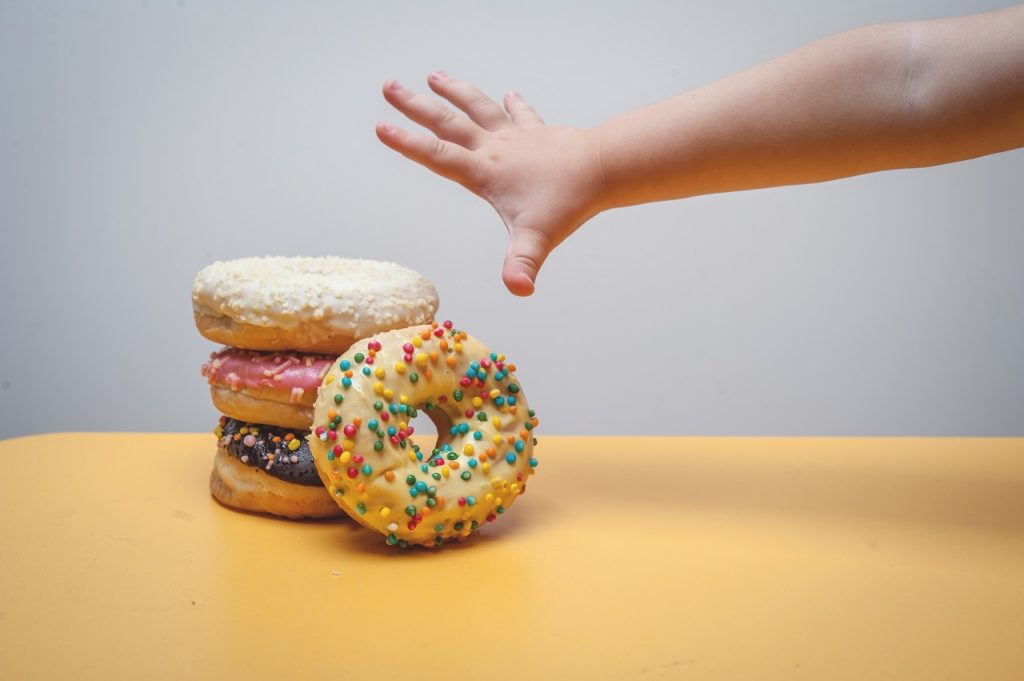
Have you ever looked at the kind of food you have in your kitchen cabinets? I am sure there you will find all sorts of processed foods in colourful packets of biscuits, cereals, toast, cookies, beverages, fruit juices, etc.

Such food tends to cause major spikes in blood sugar levels, which leads to a subsequent crash in blood sugar which can then trigger hunger and cravings for more high-carb foods. This is the “blood sugar roller coaster” that many people experience. Such foods lack essential nutrients. In other words, they are “empty” calories. The added white sugar is another story altogether, it’s the absolute worst and linked to all sorts of chronic diseases.

Whole foods are loaded with nutrients and fiber, and don’t cause the same spikes and dips in blood sugar levels as the processed food. Remember: A low-fat cookie is still a cookie! So, aim to store whole grains, healthy fats, lean proteins, fruits and vegetables in your kitchen grocery. This would naturally balance out your diet and lower your daily calorie intake.

5. Long Sitting Hours

As per WHO, more than 50% of the world’s population lives in urban areas. Most urban jobs revolve around electronic gadgets/devices which require long sitting hours. Traditionally, obesity has been thought to have been caused by the lack of a healthy diet and physical exercise. However, researchers have found that one hour of intense physical exercise does not make up for the negative effects of inactivity when rest of the hours of the day are spent sitting.

So don’t throw away all that hard work at the gym or park in the morning by hitting the couch for the rest of the day in office or at home. Try to work on your sedentary levels. It makes a big difference by being active throughout the day.  Try these tips to remain active:

  • Stand up and move after every 30 mins for 3 mins or for 5 mins every hour
  • Walk around in your office
  • Walk when you are talking over mobile
  • Use stairs or park your vehicle at a distance from your office
  • Keep water bottle away from your table, so get up every hour to get water
  • Go to your colleagues to discuss something or share a document
  • Swap TV time with hobbies or a sport or household chores

We hope this article helps you understand what causes obesity and take necessary measures to curb it. For more on obesity and how to reduce weight, check out Healthy Reads.

To get the right guidance on how to lose weight and sustain it in a healthy way, speak to a certified expert by subscribing to GOQii’s Personalised Health Coaching here.

#BeTheForce

Disclaimer: The information provided in this blog is for general awareness and educational purposes only. It is not intended to replace professional medical advice, diagnosis, or treatment. Always consult a qualified healthcare provider for personalised medical guidance or concerns related to your health.
October 14, 2024 By Megna Khanna Leave a Comment

Effective Tips To Motivate Your Child To Exercise

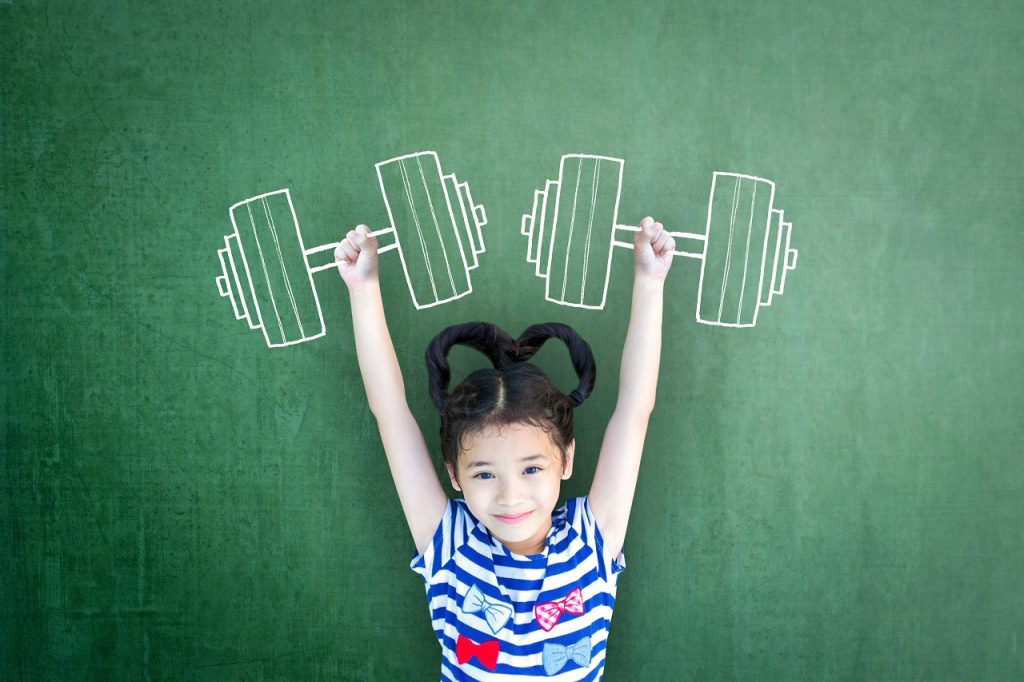
motivate your child to exerciseObesity in children has become a common occurrence. At an age when the body needs to be built in a healthy way, diseases like obesity become a risk for a healthy future. As per Indian culture, till the child comes of age, practically all the decisions of their life are taken by their parents. In such a scenario, if the parents themselves do not know the importance of a healthy lifestyle, how will they encourage their children to follow it? So, before children, parents need to be educated regarding the importance of exercise for children. As these formative years are the building blocks for a healthy lifestyle, it is important to guide and motivate your child to exercise. 
How Does Exercise Help Children? 

Physical activity helps children sleep better and handle physical as well as emotional challenges more effectively resulting in control/check of weight, hypertension, cholesterol, sugar and also chronic diseases like cancer and anxiety. It further improves psychological well being, self-confidence and self-esteem. Training children to exercise regularly at an early age helps them grow up to be disciplined adults. 

Tips To Motivate Your Child To Exercise 

The most effective way to train children to exercise is by practicing what we preach and be a role model by including regular physical activity in our own lives. 

  • Besides arranging family picnics, hiking expeditions, morning/evening walks and other sports and games, one can also add activity by walking or riding bicycles instead of driving, using stairs instead of elevators, helping in housework and gardening.
  • Another effective way to encourage children to get active is by praising them for their efforts. Instead of making them compete, they should be encouraged to cooperate with others and excel in their own records, as competition with others can lead to teasing, bullying and a sense of public failure and embarrassment. Children are more sensitive than average grownups and need all the support and encouragement to try again once they fumble or fail, which is a common phenomenon in case of children. Instead of nagging or negative comments, parents should become their cheerleaders. 
  • Children love the company of their friends; it is a good idea to encourage them to invite their like minded friends over for a game or an excursion. If a child likes a team sport, they should be encouraged for the same. But here too, the focus should be on fitness, fun and learning new skills and not on competition as this can remove the fun from the activity and many children get discouraged by it.
  • Exercise and activity should come as a reward after a homework well done rather than as punishment by forcing a child to run laps or do pushups after a mistake or some mischief played by them as this may backfire and the child may start hating exercise and activity. 
  • Often children are so overburdened with homework, private tuitions, and other planned activities that they do not have time for physical activity of their own choice. So think of adding some activity of their choice as an informal fun game rather than a training session. 
  • A variety of games and sports equipment should be left on hand, like an assortment of balls, hula-hoops, and jump ropes, etc. this can make children enjoy the games and activities for hours. 
  • If a child is lazy, they should be given incentives like a favorite food or book for an hour’s activity on a regular basis as this could be a great motivating factor.  

We hope the above suggestions help you motivate your child to exercise. As an incentive to exercise and to monitor their health, you can also gift them the GOQii Smart Vital Jr. which could be a huge motivational factor for your child to take their health seriously. With a personal coach and a pediatrician on board, you can rest assured that your child’s health is in safe hands!

For more tips of kid’s health and nutrition, check out Healthy Reads or tune in to sessions by experts on GOQii Play. For more effective tips on kid’s health, weight loss, home workouts, etc. speak directly to your GOQii Coach by subscribing for Personalised Health Coaching here.

#BeTheForce 

October 6, 2024 By GOQii Leave a Comment

Attain Freedom From Illness With Lifestyle Coaching!

lifestyle coaching

Have you ever accidentally stubbed your toe on the edge of some furniture in your house and writhed in pain, contemplating all the ways you could have avoided this agonizing experience? While nursing that bruised toe, we think about all the ways in which we could have been mindful or aware and how we could have prevented this mishap. We never realize what could have been unless it is too late. More often than not, this is the case with health too. 

During the pandemic, people realized the importance of health and the need to build and maintain a strong immune system. As per the India Fit Report, we saw that a majority of people followed different methods to build their immunity. Some of these methods included drinking lemon water, trying Kadhas, immunity supplements and Ayurveda among other home remedies. While there is nothing wrong with using nutrition to improve your health, are you taking the right quantities? Do you really need vitamin supplements? What kind of food does your body need if you have certain health conditions? How much exercise is good for you? Are you monitoring your sleep and managing your stress?

The Need For Health and Lifestyle Coaching 

If the above questions got you thinking, it’s time to connect with an expert, and we’ve got a few reasons why that might be a good idea. 

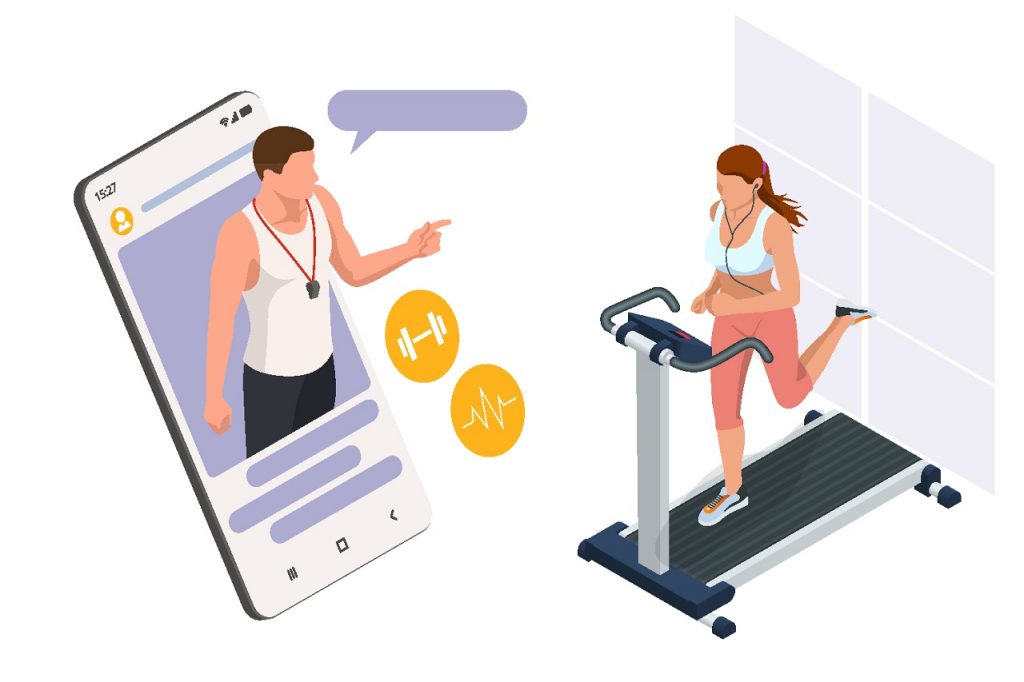
  1. Modifications Based On Need: Is your goal to lose weight or gain weight? Do you want to strengthen your immunity? At this point, we’ve got to realize that one shoe doesn’t fit everyone. Each person is unique and requires a different approach to improve their health. This is where a lifestyle coach or an expert comes in and guides you based on your health goals. 
  2. Save Time On Scrolling: There’s nothing wrong with taking accountability for your health by trying to be your own coach, but mindlessly scrolling through different websites trying to figure out the best way to improve your health can be a dicey affair. A coach interacts with you and guides you in real-time, while being aware of any pre-existing conditions. This helps you avoid eating the wrong food or performing the wrong exercise and assist you in making better decisions for your health. 
  3. Making Sense Of Data: Using trackers and fitness bands help you monitor your health. They let you know your heart rate, step count, blood pressure and with GOQii devices you can track various parameters. But once you get that data, how do you make sense of it? You need someone to analyze your data, interpret it, and find solutions to any existing problems. That someone is your Lifestyle Coach! 
  4. Improve Knowledge and Accountability: Don’t know how to deal with a persistent headache? Confused about mid-meals? How much of a portion should you be consuming? Which exercise can you perform to strengthen your back? A Coach can help you answer all these questions and more! Since you have a Personal Coach, you’ll be accountable to that person, which means visible changes once you follow the modifications they suggest. 
  5. Setting Realistic Goals: The most important point! The number one reason most people fail to stick to their health goal is because they set unrealistic numbers. For instance, trying to lose 30kg in 2 months is not realistic and is definitely not healthy. A coach can help you understand why and how you can gradually lose weight and suggest the best practices for sustainable weight management. With correct and achievable goals as well as visible results, you’ll always be motivated!   

It’s always better to rely on a Coach and have the right guidance to avoid making mistakes with your health. It is always better to follow the right practices, stay at the peak of your health, and free yourself from illness! 

If you’re in need of a Coach to guide and motivate you, then subscribe to GOQii’s Personalized Health Coaching here. You can also find more articles on improving your health and lifestyle here.

#BeTheForce 

September 2, 2024 By Vandana Juneja 1 Comment

Strength Training Benefits For Aging Bodies

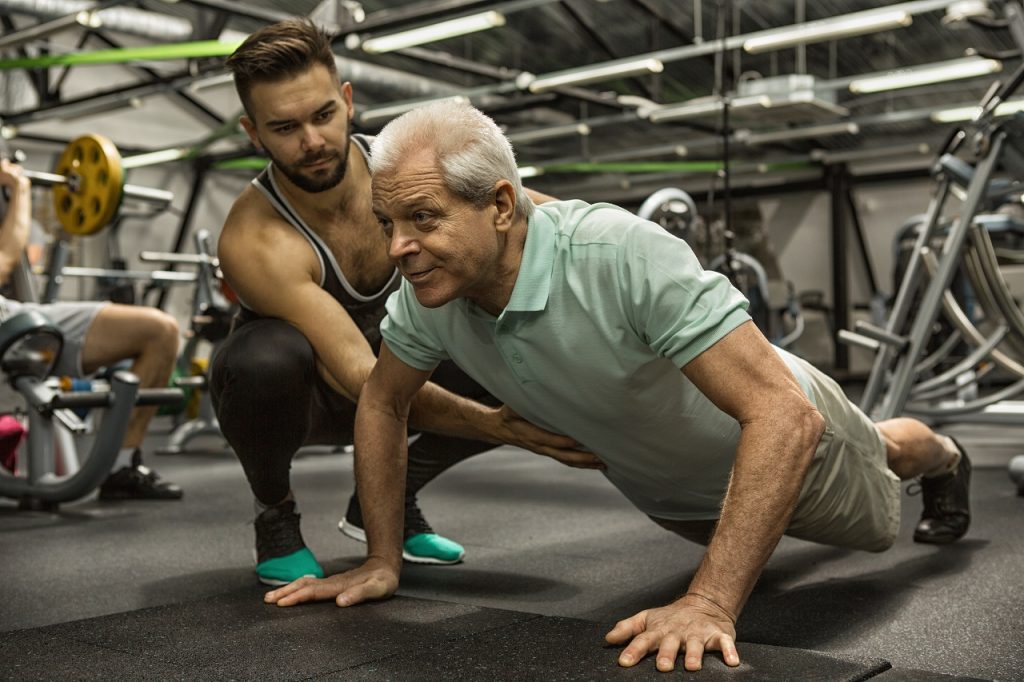
strength trainingStrength training is essential for everyone, serving not just to enhance muscle strength but also to bolster overall health regardless of age. Whether you are 25 or 65, incorporating some form of strength training into your daily routine is beneficial, though the specifics of the exercises may vary depending on one’s age group.

In this blog post, I will discuss the changes that begin to occur in our bodies as we enter our thirties and forties—changes that are often less than welcome. More importantly, I’ll explore how strength training plays a crucial role in counteracting these changes and significantly enhancing the quality of our lives.

I have experienced the positive changes, that my body has undergone over the last 4-5 years, just by incorporating a strength training routine in the form of workouts with weights, and using my own body weight, as I do in my yoga practice. One can even use resistance bands, the various gym equipment, or own body weight for resistance, by doing push-ups, pull-ups, crunches, leg squats or push-ups against a wall etc.

What Happens As We Age?

The human body goes through changes as we age, and some of the effects are obvious, as we cross middle age. Even healthy, normal ageing includes:

  • A Slower metabolism
  • Decreased muscle mass and strength
  • Increased body fat
  • Reduced bone density
  • Increased bone porosity
  • Stiff joints
  • Slower reflexes and reaction times
  • Decreased aerobic capacity

These are normal changes that we may experience as we age, though the severity varies from person to person. One of the most important reasons to exercise, and specifically include strength training, is to slow and minimize these changes.  

Benefits of Strength Training

1. Increases Muscle Mass
As you age, muscle mass gradually decreases – a condition known as Sarcopenia. Individuals who are less active can expect to lose between 3% to 5% of their muscle mass each decade after turning 30, with this rate accelerating after age 65. By age of 70, the average adult may have lost up to 25% of their muscle mass primarily due to disuse and inactivity. However, this loss isn’t irreversible. Engaging in any form of exercise can help regain muscle mass and strength, but weight lifting, strength training, and resistance training are particularly effective. Research shows that after just six months of strength training twice a week, the biochemical, physiological, and genetic characteristics of older muscles can be rejuvenated by nearly 15 to 20 years.

2. Improves Bone Health
Bone fractures and breaks are quite prevalent among older adults due to decreased bone density and osteoporosis. While there are various causes of osteoporosis that may require medical intervention, substantial evidence suggests that exercise can significantly enhance bone density. Moreover, osteoporosis can be both prevented and managed through strength training. Just as muscles grow stronger with activity, bones also gain strength when engaged in physical exercise. Weight-bearing exercises, in particular, bolster bone health by stimulating the production of new cells.

3. Improves Functional Ability/Movement
Increasing strength through training is crucial for enhancing everyday functionality. Regular strength training enables older adults to enhance their mobility, walk longer distances, and potentially decrease their reliance on assistive devices such as canes and walkers.

Additionally, building strength supports a variety of functional movements, including walking, sitting down and standing up from chairs or beds, climbing stairs or escalators, and carrying groceries. These improvements in physical capabilities make daily life more manageable and empower individuals to engage in a wider range of activities that they desire to pursue.

4. Increases Metabolism
Strength training is highly effective for enhancing your metabolism, which is the rate at which your body burns calories while at rest. Engaging in strength training causes your body to require more energy based on the intensity of the exercise. This not only leads to calories being burned during the workout but also increases calorie burn after the workout as your body returns to a resting state. Additionally, hormones like Testosterone and DHEA, which are vital for strength and energy, naturally decrease with age. However, regular strength training can significantly boost these hormone levels within 8-12 weeks.

5. Improves Brain Health
Aging can increase the risk of loneliness, social isolation, depression, and other mental health challenges. However, building strength enhances mobility and functionality, which can significantly improve overall health, elevate mood, and enhance the quality of life. Additionally, resistance training has been shown to slow cognitive decline associated with aging. Studies indicate that lifting weights can improve memory, attention span, and conflict resolution skills.

6. Improves Health Conditions
Type 2 Diabetes: Strength training effectively lowers blood sugar levels and enhances insulin sensitivity. This improvement helps facilitate the transport of blood sugar into cells, thereby optimizing how the body utilizes glucose.

Cardiovascular Health: When properly executed, strength training benefits both the muscular and cardiovascular systems. Strengthened muscles reduce the workload on the heart, enabling the lungs to process oxygen more efficiently with less effort. This efficiency leads to the heart pumping more blood with fewer beats, which in turn increases the blood supply to the muscles.

How Often Should You Do It? 

It is recommended to engage in strength training three to five times per week for 20 to 30 minutes at a moderate intensity or two to three times per week for 15 to 20 minutes at a high intensity. However, always consult your doctor before starting any workout regimen, particularly if you have any pre-existing medical conditions, and seek professional guidance to ensure the correct technique. This helps in preventing injuries and maximizing the benefits of your workouts, especially when focusing on larger muscle groups which offer greater returns.

Let’s move beyond using age as an excuse and start prioritizing muscle health to enhance both our physical health and psychological well-being!

We hope this article helps you care for your muscles a little more and helps you improve your physical and psychological well-being as well. If you’re about to begin your strength training routine or need help, speak to a certified expert by subscribing to GOQii’s Personalised Health Coaching here.

Want to explore more articles on fitness? Click here.

#BeTheForce

  • « Previous Page
  • 1
  • …
  • 4
  • 5
  • 6
  • 7
  • 8
  • …
  • 17
  • Next Page »

Search

Recent Posts

  • India Leads in Longevity: GOQii Sanjeevini Named Top 40 in $101M XPRIZE
  • The Importance Of Knowing If You’re Thirsty Or Hungry
  • Best Foods To Alleviate Irritable Bowel Syndrome
  • ALL ABOUT VERTIGO!
  • PCOS and Anxiety: Discover Relief with the 54321 Technique

Stay Updated

Archives

  • December 2025 (8)
  • November 2025 (15)
  • October 2025 (20)
  • September 2025 (6)
  • August 2025 (6)
  • July 2025 (12)
  • June 2025 (18)
  • May 2025 (16)
  • April 2025 (23)
  • March 2025 (23)
  • February 2025 (22)
  • January 2025 (26)
  • December 2024 (26)
  • November 2024 (25)
  • October 2024 (22)
  • September 2024 (24)
  • August 2024 (31)
  • July 2024 (21)
  • June 2024 (26)
  • May 2024 (31)
  • April 2024 (27)
  • March 2024 (29)
  • February 2024 (26)
  • January 2024 (25)
  • December 2023 (15)
  • November 2023 (11)
  • October 2023 (20)
  • September 2023 (22)
  • August 2023 (20)
  • July 2023 (22)
  • June 2023 (24)
  • May 2023 (24)
  • April 2023 (24)
  • March 2023 (23)
  • February 2023 (20)
  • January 2023 (16)
  • December 2022 (12)
  • November 2022 (15)
  • October 2022 (15)
  • September 2022 (12)
  • August 2022 (10)
  • July 2022 (17)
  • June 2022 (11)
  • May 2022 (10)
  • April 2022 (6)
  • March 2022 (6)
  • February 2022 (13)
  • January 2022 (12)
  • December 2021 (7)
  • November 2021 (3)
  • October 2021 (6)
  • September 2021 (3)
  • August 2021 (8)
  • July 2021 (7)
  • June 2021 (15)
  • May 2021 (16)
  • April 2021 (10)
  • March 2021 (7)
  • February 2021 (4)
  • January 2021 (4)
  • December 2020 (3)
  • November 2020 (4)
  • October 2020 (10)
  • September 2020 (3)
  • August 2020 (3)
  • July 2020 (2)
  • June 2020 (4)
  • May 2020 (10)
  • April 2020 (12)
  • March 2020 (10)
  • February 2020 (4)
  • January 2020 (4)
  • December 2019 (3)
  • November 2019 (7)
  • October 2019 (5)
  • September 2019 (4)
  • August 2019 (9)
  • July 2019 (9)
  • June 2019 (11)
  • May 2019 (4)
  • April 2019 (9)
  • March 2019 (8)
  • February 2019 (9)
  • January 2019 (8)
  • December 2018 (9)
  • November 2018 (3)
  • October 2018 (3)
  • September 2018 (5)
  • August 2018 (10)
  • July 2018 (6)
  • June 2018 (13)
  • May 2018 (8)
  • April 2018 (18)
  • March 2018 (9)
  • February 2018 (8)
  • January 2018 (15)
  • December 2017 (12)
  • November 2017 (19)
  • October 2017 (13)
  • September 2017 (15)
  • August 2017 (4)
  • July 2017 (8)
  • June 2017 (7)
  • May 2017 (6)
  • April 2017 (8)
  • March 2017 (6)
  • February 2017 (7)
  • January 2017 (9)
  • December 2016 (10)
  • November 2016 (7)
  • October 2016 (7)
  • September 2016 (7)
  • August 2016 (11)
  • July 2016 (9)
  • June 2016 (9)
  • May 2016 (12)
  • April 2016 (17)
  • March 2016 (17)
  • February 2016 (8)
  • January 2016 (6)
  • December 2015 (2)
  • November 2015 (9)
  • October 2015 (7)
  • September 2015 (9)
  • August 2015 (11)
  • July 2015 (9)
  • June 2015 (12)
  • May 2015 (9)
  • April 2015 (13)
  • March 2015 (8)
  • February 2015 (5)
  • January 2015 (12)
  • December 2014 (14)
  • November 2014 (11)
  • October 2014 (6)
  • September 2014 (13)
  • August 2014 (12)
  • July 2014 (6)
  • June 2014 (2)
  • May 2014 (7)
  • April 2014 (5)

From “Laddu Nawin” to Fit and Fierce: How a 25-Year-Old Insurance Advisor Shed 20 Kilos and Gained His Life Back

When 25-year-old Nawin Yadav from Hyderabad walked into his office every morning, he carried more than just his files and policy papers. He had the weight of fatigue, sluggish energy, and an ever-growing belly that was becoming the butt of jokes. “People … [Read More...]

“I’ve Challenged Myself to Live 100 Years” – The Story of Chandubhai Savani’s Second Chance at Life

At 67, most people start slowing down. Not Chandubhai Savani. A resident of Surat, Chandubhai, thought life was on track. “My life was going well till I had my bypass surgery,” he says. That surgery, back in 2021, was a wake-up call.  Medication was routine, but exercise wasn’t. His diet? What he calls ‘normal.’ “I […]

From Shimla’s Slopes to Chandigarh’s Sidewalks: Surinder Kaur Bhalla’s Journey from Chaos to Control

Some journeys start with a plan. Others begin with a stumble literally. Surinder Bhalla, a government professional, born and raised in the scenic hill town of Shimla, had always lived a life of movement. “In Shimla, you walked everywhere,” she reflects. “Walking was never an exercise. It was just life.” But after shifting to Chandigarh, […]

Ananda Mukherjee Health Story

From Terminal Illness To Complete Wellness! Ananda Mukherjee Health Story

As we observe World Cancer Day under the powerful theme ‘United by Unique’ (2025-2027)**, we are reminded that every individual’s journey with cancer is distinct, yet united by shared resilience, hope, and the collective fight against this disease. This theme places people at the centre of care and their stories at the heart of the […]

  • HOME
  • HEALTHY LIVING
  • FITNESS
  • HEALTHY RECIPES
  • USER STORIES
  • KARMA
  • BUY GOQii

Copyright ©2016 GOQii