GOQii

Blog

  • HOME
  • HEALTHY LIVING
  • FITNESS
  • HEALTHY RECIPES
  • USER STORIES
  • KARMA
  • BUY GOQii

September 3, 2024 By Sheryl Afonso Leave a Comment

What’s Good For Health: Packaged Cereals or a Traditional Indian Breakfast?

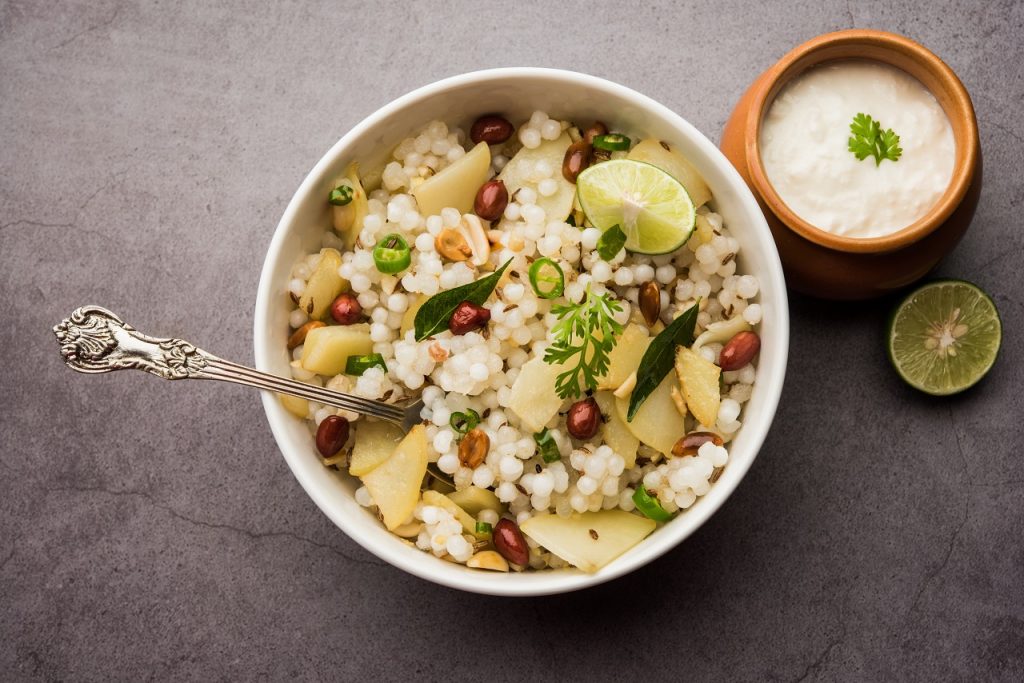
traditional indian breakfastThe global food industry has made preparing meals a breeze. No longer do families need to stress about time-consuming, skillful cooking and the intricate assembling of cereals, pulses, veggies, spices, and herbs to put on a wholesome meal on the table. The array of packaged breakfast cereals available in supermarkets has spoiled us for choice in terms of variety and taste. There’s one for each day of the week and plenty to choose from for special occasions when friends stay over too! Gone are the days when you had to slog it out in your kitchen – chopping, slicing, dicing, soaking, grinding, mixing, fermenting, steaming, and plating – not only to satiate hungry tummies but also to earn compliments on your culinary skills! Oats, muesli, wheat flakes, corn flakes, oatmeal, Weetabix, rice krispies, and the like have replaced uttapams, poha, upma, sabudana khichdi, theplas, appams, chillas, paniyarams, dalia, teezan, and other wholesome delights in Indian homes. 

Why Shouldn’t You Opt For Packaged Cereals? 

While “time is of essence” is the mantra that dual-income families often use to justify their breakfast choice, long-term health is an unconscious sacrifice they may be making. Here’s why breakfast cereals may not deliver all that the package label promises:

  1.  Refined Grains: Refining is an industrial polishing process that cereals undergo to extend their shelf life. It strips away the nutrient-rich bran and germ portions of the cereal, leaving you with a grain that’s missing essential B-vitamins, fibre, magnesium, and vitamin E. 
  2. Sugar overload: The addictive taste of breakfast cereals often comes from added sugar. A quick glance at the ingredient list will show that sugar is frequently the second or third ingredient. Starting your day with a sugar-laden breakfast can cause your energy levels to crash within an hour, leading to early snacking, overeating, and potential weight issues.
  3. Misleading labels: Terms like “low-fat,” “multigrain,” “added bran,” “fortified with vitamins,” and “whole wheat” can be misleading. Each of these terms may hide the fact that the cereal has been stripped of nutrition and then minimally replenished. For example, a “low-fat” option may actually be a “high-carbohydrate” disaster, and “multigrain” may be just a blend of refined grains.

Nutritionists and researchers emphasize the benefits of breakfast, including weight management, improved concentration at school and work, better academic performance, healthier food choices throughout the day, and superior nutritional status.

These outcomes are enhanced when you follow established nutritional guidelines of complex carbohydrate-protein-fat combination meals to start your day. However, commercial breakfast cereals often lack dietary fiber – a complex carbohydrate that keeps you full longer, reduces cholesterol absorption, and prevents spikes in blood glucose levels. The preservatives, colors, flavors, and additives in these packaged boxes bring their own set of concerns.

Why Should You Opt for a Traditional Indian Breakfast? 

A traditional Indian breakfast, on the other hand, offers good-quality complete protein through cereal-pulse combination items (dosas, idlis), fiber (carrots and beans added to upma), healthy monounsaturated fats (groundnuts in poha and sabudana khichdi), iron and calcium (ragi in teezan), and probiotics (dhokla, idlis, and lassi/curd with parathas). The spices used in these dishes are increasingly recognized for their health benefits and contribute antioxidant and anti-inflammatory properties.

Tempted nutritionally? So, what’s stopping you from exploring the myriad ways to tickle your family’s taste buds by whipping out your grandma’s recipe and, in the process, living as robustly as she did? While time constraints may make you hesitant to switch to a healthier Indian breakfast menu, don’t be disheartened—planning is all it takes to sneak in a nutritious meal at the start of your day! Make a menu plan for the next day or the week ahead, and you’ll be on your way to a healthier you in no time! It’s worth the effort. Desi is the way to go… Breakfast like a king!

We hope this article helps you switch to a healthy traditional Indian breakfast! If you enjoyed reading this article, let us know in the comments below. For more on nutrition, check out Healthy Reads.

To get these nutritional tips or recipes directly from your GOQii Coach, subscribe for Personalised Health Coaching here.

Eat healthy and #BeTheForce 

September 1, 2024 By GOQii 39 Comments

Health Benefits Of Eating A Bowl Of Salad Daily

bowl of saladTraditionally, salads are prepared with raw vegetables like cucumber, tomatoes, cabbage and onions, which are cut into slices and sprinkled with a pinch of salt and lemon. They were either served as the smallest portion of the meal or totally ignored. If you’ve been doing the same, it’s time to change! Adding a bowl of salad to your meals is important, and that’s what we’re going to tell you in this article.

Why Should You Eat A Bowl Of Salad Daily? 

  • Firstly, starting your meals with a bowl of salad will help you lose weight. It’s true because salads are low in calories, high in fiber and rich in other nutrients. Fiber helps you feel full, so you eat less of the rest of your meal. Eating less but healthy = sustainable weight loss! Eating a high fiber salad aids in lowering cholesterol and also is known to prevent constipation.
  • Eating a little healthy fat (like the monounsaturated fat found in olive oil, avocado and nuts) with your vegetables in salads helps your body absorb protective phytochemicals  (known to protect against cancer and heart disease), like lycopene from tomatoes and lutein from dark green vegetables.
  • Best way to skip croutons (deep fried pieces of wheat bread) which are low in nutrients and have a high glycemic load, is to replace them with nuts and seeds to maintain the salad’s crunchiness.
  • To balance it with proper carbohydrates and proteins to make it a whole meal, you can add brown rice or protein packed Quinoa, Grilled Chicken, low fat Paneer (Cottage Cheese), Tofu or Sprouts.
  • People, who do not like to eat fruits, can relish salads which combine fruits and vegetables and eat it as a whole meal or as a snack. This provides a host of powerful antioxidants, which protect the body from damage caused by harmful molecules called free radicals.

Tips To Prepare Healthy Salads

  • Salads are known to be rich in Vitamins. Fat soluble vitamins A, D, E and K cannot be absorbed and used by the body without the presence of some fat. So go for the unsaturated fats (good fats) like olive oil or canola oil. Toss the oil with vinegar to help to prevent blood sugar spikes after meals.
  • The best way to include greens like romaine, radicchio, iceberg and spinach in your daily diet is to mix them all up or use one at a time in salads.
  • Add medicinal herbs like basil, garlic, lemon juice or parsley to the salad for that strong punch of flavor and loads of disease fighting antioxidants. The more flavorful your salad is naturally, the fewer high calorie ingredients like extra cheese and cream you’ll need to add for taste.
  • Pack your salads with as many other veggies or fruits as possible to get the synergetic effects. Carrots, cucumbers, different colored peppers, broccoli, peas, artichokes, strawberries, raspberries, or pears are great choices to add different textures as well as plenty of filling fiber.

We hope this article encourages you to make a habit of adding a bowl of salad to your meals! Get creative with your salad, make it colorful or crunchy and share a pic on social media or the GOQii Arena and tag us! For more on healthy living and nutrition, check out Healthy Reads.

To get more advice and guidance from experts on nutrition, weight loss, diet tips and healthy recipes! Subscribe to GOQii’s Personalised Health Coaching here.

Eat Healthy and #BeTheForce

Disclaimer: The information provided in this blog is for general awareness and educational purposes only. It is not intended to replace professional medical advice, diagnosis, or treatment. Always consult a qualified healthcare provider for personalised medical guidance or concerns related to your health.

August 22, 2024 By Shagufta Raza 4 Comments

This Is How Stress Affects Your Waistline

stress affects your waistline

Have you been regular with your daily exercises and have maintained a healthy diet but you’re still not able to get rid of those extra inches on your waistline? Much to your surprise, the major reason for this may be stress! Yes! Stress! This can be the criminal putting those extra notches on your belt. Well you would say who doesn’t have stress these days? And you are right! Feeling stressed is an increasingly common problem. As long as the graph is small in height, it is fine. But how is it that stress affects your waistline? Let’s find out! 

What happens when we feel Stressed?

When we are stressed, our body goes into “fight or flight mode”. Stress hormones, including adrenaline and cortisol, are released to help us respond to the ‘danger’, our heart pumps faster, muscles contract and our senses become sharper. Too much stress can constantly have our body in fight or flight mode and that can be a problem.

In limited doses, stress helps us stay focused, energetic and alert. But high levels of stress can lead to feeling anxious, depressed and result in many medical concerns like cardiovascular issues, damage to the immune system, Type 2 Diabetes and cause weight issues as well, to name a few.

How Stress Affects Your Waistline 

Glycogen is the energy stored in our liver, primarily sourced from carbohydrates. When cortisol is released, glycogen is released to give us extra energy to ‘get away from stressful situations’.

We have glycogen receptors in our body and they are increased when we face high levels of stress, especially the ones located around our abdomen to protect our vital organs. Glycogen is being released to provide energy, but if not utilized, it is stored around our waistline, causing the inches to rise.

When stress levels increase, so does the production of the stress hormone, cortisol.

And you unknowingly start facing the following:

  • Making bad food choices and increasing the fat cells in the body.
  • The stress hormone cortisol can lead to sugar levels dropping down and makes you less sensitive to insulin.
  • Increases the appetite which gives you those hunger pangs. Which means you are more likely to reach out to burgers or pizzas which are calorie dense junk foods that quickly satisfy your hunger and you feel good. Hence, stress can cause you to eat more than required.
  • Constant high levels of stress can cause increased levels of fat cells and the rate at which the body stores fat also goes up which leads to weight gain.

How Can You Control It? 

  • Indulge in Exercise: It’s the best way to relax your body and mind
  • Take a few deep breaths: It can take the pressure off you right away
  • Balanced meal: Consult your GOQii Coach to help you make right food choices. Never skip a meal as it can actually worsen the situation 
  • Say no to caffeine: Since it increases the production of the stress hormone.
  • Drink plenty of water: Dehydration can cause increased production of cortisol 
  • Avoid processed foods: They can affect your gut microbiome, stress response and energy levels
  • Sleep well: Sleep deprivation and chronic stress can play havoc with the production of the stress hormone.

We hope this article on how stress affects your waistline helps you! Do leave your thoughts in the comments below. For more on stress management, check out Healthy Reads or ask a GOQii Coach by subscribing for Personalised Health Coaching here.

#BeTheForce 

Disclaimer: The information provided in this blog is for general awareness and educational purposes only. It is not intended to replace professional medical advice, diagnosis, or treatment. Always consult a qualified healthcare provider for personalised medical guidance or concerns related to your health.

August 12, 2024 By Vandana Juneja 3 Comments

Natural Bodybuilding vs Steroid Bodybuilding

natural bodybuilding vs steroid bodybuildingThis topic is one of the most discussed in the bodybuilding community and is very controversial too. Both natural bodybuilding and steroid bodybuilding have been practiced since long and each group feels that their method of body building is “right”. Before coming to a conclusion, let’s first understand the difference between the two and then decide which one is better.

Natural Bodybuilding 

  • Naturally bodybuilders do not use any sort of synthetic steroids or other drugs in order to build more muscle mass or get leaner. They entirely rely on lifting heavy weights, consuming a healthy diet and getting plenty of rest.
  • Natural bodybuilders may not be able to put on as much muscle mass as steroid users but they build muscles that are long lasting and sustainable.
  • Besides building muscles that last, they have a better overall health and faster metabolism.
  • It reduces blood pressure, increases bone density and keeps cholesterol levels under control. It improves your metabolism, reduces your fat percentage and is a great stress buster.

Steroid Bodybuilding

  • These builders use Anabolic-androgenic steroids. These drugs are a synthetic form of testosterone (the male hormone), are injected into the body for quick benefits but are illegal in most competitions.
  • Steroids may give you the pump to train at a higher level than you could possibly do naturally. Your recovery rate would be faster, you would be able to train for longer and build more muscle mass but all of this comes with several side effects and are potentially dangerous, in the long run!
  • Some of the serious side-effects of taking steroids for bodybuilding include:
    • Hormonal Imbalances – Suppressed Testosterone Production 
    • Infertility, low libido, testicular atrophy, Gynecomastia (breast tissue growth in a man) 
    • Accelerated Hair loss
    • Skin issues – Acne/Oily Skin
    • Increased heart rate
    • Increased LDL Cholesterol, Hypertension, Increased risk of Stroke/Heart attack
    • Liver Toxicity
    • Kidney Damage, Fluid retention
    • Mental Health Issues, Insomnia, Mood Swings
    • Increased risk of premature DEATH. 

Which is Better?

After reading the potential side effects of steroids, I’m sure you understand why going the natural way is the better choice! If you are looking to improve your appearance and increase overall health without any negative side effects, then you should stick to natural bodybuilding.

The best way to stay healthy and maintain a muscular body for long is finding ways to increase the natural testosterone production rather than counting on steroids that have dangerous health risks and eventually lose your muscles. If you are willing to train hard, have a proper plan, you will surely achieve your goal without any artificial/synthetic drug support. So, just set your goal and go after it!

To learn more about the natural ways to increase testosterone levels and bodybuilding, check out Healthy Reads or consult a GOQii Coach by subscribing for Personalised Health Coaching here.

#BeTheForce 
  • « Previous Page
  • 1
  • …
  • 11
  • 12
  • 13
  • 14
  • 15
  • …
  • 53
  • Next Page »

Search

Recent Posts

  • ALL ABOUT VERTIGO!
  • PCOS and Anxiety: Discover Relief with the 54321 Technique
  • Navigating the Maze of Nutrition: Finding Clarity Amidst Confusion
  • Get children active and keep them healthy
  • What Gestational Diabetes Can Do To You & Your Unborn Child

Stay Updated

Archives

  • December 2025 (5)
  • November 2025 (15)
  • October 2025 (20)
  • September 2025 (6)
  • August 2025 (6)
  • July 2025 (12)
  • June 2025 (18)
  • May 2025 (16)
  • April 2025 (23)
  • March 2025 (23)
  • February 2025 (22)
  • January 2025 (26)
  • December 2024 (26)
  • November 2024 (25)
  • October 2024 (22)
  • September 2024 (24)
  • August 2024 (31)
  • July 2024 (21)
  • June 2024 (26)
  • May 2024 (31)
  • April 2024 (27)
  • March 2024 (29)
  • February 2024 (26)
  • January 2024 (25)
  • December 2023 (15)
  • November 2023 (11)
  • October 2023 (22)
  • September 2023 (22)
  • August 2023 (20)
  • July 2023 (22)
  • June 2023 (24)
  • May 2023 (24)
  • April 2023 (24)
  • March 2023 (23)
  • February 2023 (20)
  • January 2023 (16)
  • December 2022 (12)
  • November 2022 (15)
  • October 2022 (15)
  • September 2022 (12)
  • August 2022 (10)
  • July 2022 (17)
  • June 2022 (11)
  • May 2022 (10)
  • April 2022 (6)
  • March 2022 (6)
  • February 2022 (13)
  • January 2022 (12)
  • December 2021 (7)
  • November 2021 (3)
  • October 2021 (6)
  • September 2021 (3)
  • August 2021 (8)
  • July 2021 (7)
  • June 2021 (15)
  • May 2021 (16)
  • April 2021 (10)
  • March 2021 (7)
  • February 2021 (4)
  • January 2021 (4)
  • December 2020 (3)
  • November 2020 (4)
  • October 2020 (10)
  • September 2020 (3)
  • August 2020 (3)
  • July 2020 (2)
  • June 2020 (4)
  • May 2020 (10)
  • April 2020 (12)
  • March 2020 (10)
  • February 2020 (4)
  • January 2020 (4)
  • December 2019 (3)
  • November 2019 (7)
  • October 2019 (5)
  • September 2019 (4)
  • August 2019 (9)
  • July 2019 (9)
  • June 2019 (11)
  • May 2019 (4)
  • April 2019 (9)
  • March 2019 (8)
  • February 2019 (9)
  • January 2019 (8)
  • December 2018 (9)
  • November 2018 (3)
  • October 2018 (3)
  • September 2018 (5)
  • August 2018 (10)
  • July 2018 (6)
  • June 2018 (13)
  • May 2018 (8)
  • April 2018 (18)
  • March 2018 (9)
  • February 2018 (8)
  • January 2018 (15)
  • December 2017 (12)
  • November 2017 (19)
  • October 2017 (13)
  • September 2017 (15)
  • August 2017 (4)
  • July 2017 (8)
  • June 2017 (7)
  • May 2017 (6)
  • April 2017 (8)
  • March 2017 (6)
  • February 2017 (7)
  • January 2017 (9)
  • December 2016 (10)
  • November 2016 (7)
  • October 2016 (7)
  • September 2016 (7)
  • August 2016 (11)
  • July 2016 (9)
  • June 2016 (9)
  • May 2016 (12)
  • April 2016 (17)
  • March 2016 (17)
  • February 2016 (8)
  • January 2016 (6)
  • December 2015 (2)
  • November 2015 (9)
  • October 2015 (7)
  • September 2015 (9)
  • August 2015 (11)
  • July 2015 (9)
  • June 2015 (12)
  • May 2015 (9)
  • April 2015 (13)
  • March 2015 (8)
  • February 2015 (5)
  • January 2015 (12)
  • December 2014 (14)
  • November 2014 (11)
  • October 2014 (6)
  • September 2014 (13)
  • August 2014 (12)
  • July 2014 (6)
  • June 2014 (2)
  • May 2014 (7)
  • April 2014 (5)

From “Laddu Nawin” to Fit and Fierce: How a 25-Year-Old Insurance Advisor Shed 20 Kilos and Gained His Life Back

When 25-year-old Nawin Yadav from Hyderabad walked into his office every morning, he carried more than just his files and policy papers. He had the weight of fatigue, sluggish energy, and an ever-growing belly that was becoming the butt of jokes. “People … [Read More...]

“I’ve Challenged Myself to Live 100 Years” – The Story of Chandubhai Savani’s Second Chance at Life

At 67, most people start slowing down. Not Chandubhai Savani. A resident of Surat, Chandubhai, thought life was on track. “My life was going well till I had my bypass surgery,” he says. That surgery, back in 2021, was a wake-up call.  Medication was routine, but exercise wasn’t. His diet? What he calls ‘normal.’ “I […]

From Shimla’s Slopes to Chandigarh’s Sidewalks: Surinder Kaur Bhalla’s Journey from Chaos to Control

Some journeys start with a plan. Others begin with a stumble literally. Surinder Bhalla, a government professional, born and raised in the scenic hill town of Shimla, had always lived a life of movement. “In Shimla, you walked everywhere,” she reflects. “Walking was never an exercise. It was just life.” But after shifting to Chandigarh, […]

Ananda Mukherjee Health Story

From Terminal Illness To Complete Wellness! Ananda Mukherjee Health Story

As we observe World Cancer Day under the powerful theme ‘United by Unique’ (2025-2027)**, we are reminded that every individual’s journey with cancer is distinct, yet united by shared resilience, hope, and the collective fight against this disease. This theme places people at the centre of care and their stories at the heart of the […]

  • HOME
  • HEALTHY LIVING
  • FITNESS
  • HEALTHY RECIPES
  • USER STORIES
  • KARMA
  • BUY GOQii

Copyright ©2016 GOQii