GOQii

Blog

  • HOME
  • HEALTHY LIVING
  • FITNESS
  • HEALTHY RECIPES
  • USER STORIES
  • KARMA
  • BUY GOQii

February 8, 2025 By Monika Raj Leave a Comment

Foods for Better Sleep: Natural Remedies for a Restful Night

foods for sleepHow many hours do you spend in bed, tossing and turning, unable to fall asleep? You close your eyes, but peaceful, quality sleep seems to evade you every time. Sound familiar? We’ve all been there. While factors like stress and lifestyle play a role, the solution might be simpler than you think—your diet. Let’s explore some foods that can help you achieve the restful sleep you’ve been dreaming of.

Why Food Matters for Sleep

What you eat can significantly impact your sleep quality. Certain foods contain nutrients that promote relaxation, regulate sleep hormones, and help you fall asleep faster. By incorporating these foods into your evening routine, you can create the perfect environment for a good night’s rest.

Top Foods For Better Sleep

  1. Warm Milk
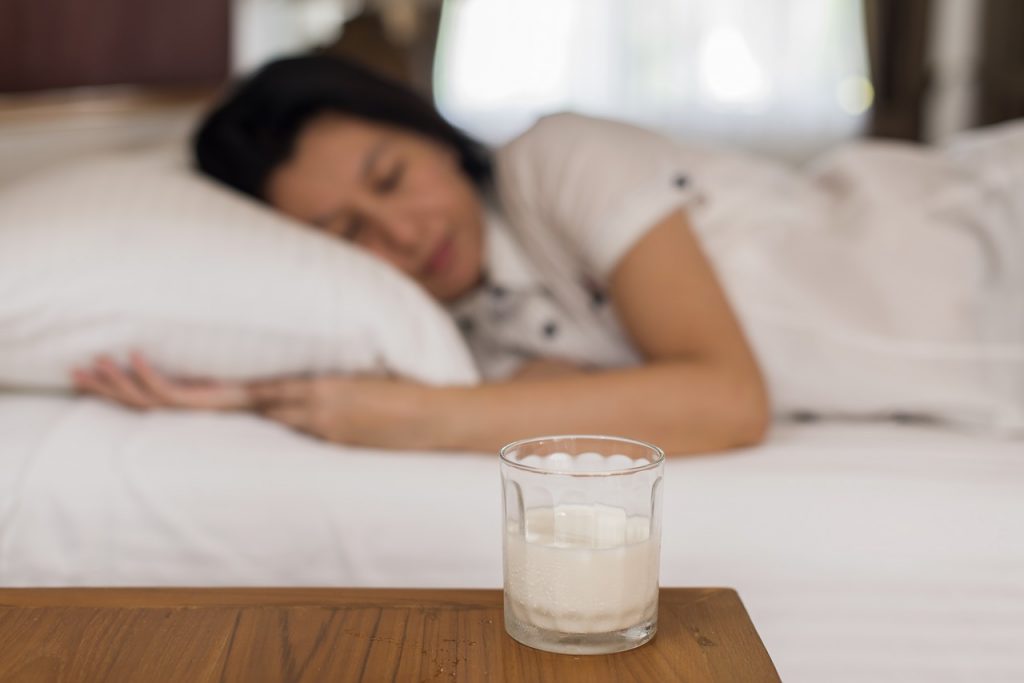
    Warm milk in general, contains ingredients that are known to help people sleep. For instance, milk contains tryptophan – an amino acid that can help the human body produce serotonin – a brain chemical which can induce deeper and more restful sleep by creating melatonin. If you have sleep issues, some warm milk with a little bit of jaggery and turmeric 15-30 minutes before going to bed should do the trick.

  2. AlmondsHealth Benefits Of AlmondsAlmonds contain high doses of melatonin, a hormone that helps regulate the sleeping and waking cycle. Around 5-6 whole almonds contain a good amount of magnesium and of calcium – two minerals that help promote muscle relaxation and sleep especially in people who lose sound sleep due to muscle tetany or leg pain. These can be consumed in the evening or even before bedtime. It’s great for people who sleep late as they can munch on these for a good night’s rest.

  3. Chamomile Tea:
    For years, chamomile tea has been used as a natural remedy to reduce inflammation, anxiety and treat insomnia as well. In fact, chamomile is commonly regarded as a mild tranquilizer or sleep inducer. Chamomile tea contains an antioxidant called apigenin, which may help initiate sleep. You can brew 1 tea bag/ fresh chamomile tea with hot water and drink it before bed or late evening.

  4. Walnuts
    Walnuts contain a few compounds that promote and regulate sleep, including melatonin and serotonin. Each serving of walnuts also contains other nutrients that can help induce sleep such as magnesium. You can munch them along with almonds for combined benefits late in the evening for snacks.  

Foods to Avoid Before Bed

While some foods can help you sleep, others can disrupt your rest. Avoid these before bedtime:

  • Caffeinated Beverages: Tea, coffee, and energy drinks can keep you awake and cause acidity.
  • Spicy or Heavy Meals: These can lead to indigestion and discomfort, making it harder to fall asleep.
  • Sugary Snacks: High sugar intake can cause energy spikes and crashes, disrupting your sleep cycle.

Achieving restful sleep doesn’t have to be complicated. By incorporating sleep-friendly foods like warm milk, almonds, chamomile tea, and walnuts into your evening routine, you can create the perfect environment for a good night’s rest. Remember, consistency is key—make these foods a regular part of your diet for long-term benefits.

Have you tried any of these foods for better sleep? Share your experiences in the comments below! For more tips on improving sleep and overall wellness, explore our Healthy Reads or consult a GOQii Coach for personalised health advice. Subscribe now to start your wellness journey!

#BeTheForce

November 13, 2024 By Dr. Viral Thakkar 3 Comments

Sleep Well Without Electronics

Sleep Well Without ElectronicsI am not here to quote articles to tell you that radiation from electronics wrecks sleep. I am here to tell you that it really does. Period. And for the current generation, it is a bad scenario!

Why Should You Believe Me?

Well, after reading this article, put off your WiFi, network and call connection for 2 hours before going to bed. Try and gauge the quality of your sleep. Ask yourself, if you slept deep or if you were disturbed during bedtime? It’s tried and tested, you sleep much deeper and better.

Using TVs, tablets, smartphones, laptops or other electronic devices before bed delays the body’s internal clock & might suppress the release of melatonin which induces sleep.

Radiation from mobile phones delays reduces sleep and causes headaches and confusion. The “glow” from electronics is at work against quality shut-eye. The small amounts of light from these devices pass through the retina into a part of the hypothalamus (the area of the brain that controls several sleep activities) and delay the release of the sleep-inducing hormone, melatonin.

Many of us are into binge-watching television shows. Research shows that those who are identified as binge-watchers report more fatigue, symptoms of insomnia, poorer sleep quality and greater alertness prior going to bed. Further analysis found that binge-watchers had a 98% higher likelihood of having poor sleep quality compared to those who did not consider themselves to be binge-watchers.

Gaming is the worst of all for all age groups. Video games appeared to contribute to sleep problems as well, even if the kids watched or played them during the daytime. Activities like TV, gaming, etc. gets you excited, and in many cases, you end up sleeping late, with disturbed sleeping patterns. In case you’re in your 20s and 30s and manage to sleep well with this scenario, my suggestion is to stop now. TV and computer monitors can keep melatonin levels from rising normally because of the brightness of the screens. Around bedtime, adults and the young should be winding down.

 Why Should Anyone Bother About Good Quality Sleep?

Sleep is important because it enables the body to repair, be fit and ready for another day. Getting adequate rest may also help prevent excess weight gain, heart disease, and increased illness duration. It is extremely essential part of healing well. 

Am I suggesting that we all stop using electronics? Hell No! However, you can do the following

  1. Put your WiFi off 4-5 hours before sleeping
  2. Try to decrease and eventually stop using all electronic items 4-5 hours before bed. Get back to the landline maybe!
  3. Gaming & play outside the house is a YES, and on the phone is a NO for all age groups
  4. Read a book, a newspaper or chat up with friends
  5. Meditating is one of the best options before bed as it induces your healing process and recuperates your body, mind and emotions.

If you really want to experience perfect sleep try to be away from technology for those 6 to 8 hours so you spend 16-18 hours of the other part of the day where you really need it!

We hope this article helps you sleep well. Do leave your thoughts in the comments below! For more on sleep, check out Healthy Reads or ask a GOQii Coach directly by subscribing for Personalized Health Coaching here.

#BeTheForce

Disclaimer: The information provided in this blog is for general awareness and educational purposes only. It is not intended to replace professional medical advice, diagnosis, or treatment. Always consult a qualified healthcare provider for personalised medical guidance or concerns related to your health.

July 28, 2023 By GOQii 1 Comment

How To Improve Sleep and Sleep Quality

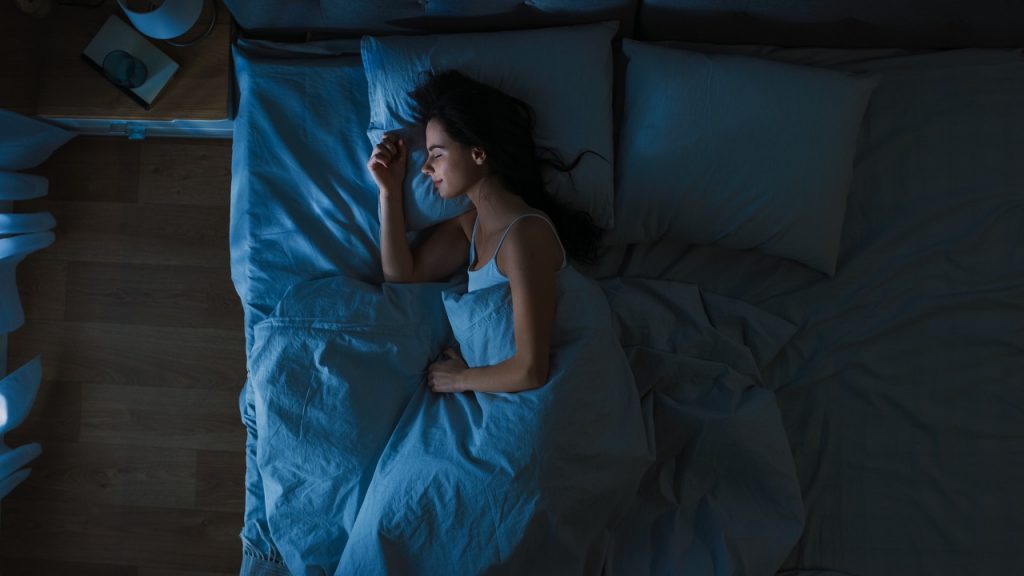
sleepThere’s no denying that a healthy diet, exercise and stress management play an important role in living a healthy life. But, there’s one aspect that most of us miss and that’s getting adequate sleep! Why exactly is adequate and good quality sleep necessary for the body? 

Benefits Of Good Quality Sleep 

Good quality sleep is essential for overall health and well-being. Here are some of the key benefits of getting enough restful sleep:

  1. Improved Cognitive Function: Sleep plays a crucial role in consolidating memories and enhancing cognitive functions such as learning, problem-solving, and decision-making. It helps with information processing and improves focus and attention.
  2. Enhanced Mood: Quality sleep is linked to better emotional regulation and a more positive outlook. Lack of sleep can lead to irritability, mood swings, and an increased risk of developing mood disorders like depression and anxiety. It also helps reduce stress and promotes a sense of calmness. It allows the body to recover from the day’s stressors and prepares it to cope better with future challenges.
  3. Physical Health: Adequate sleep is associated with better physical health. It can help maintain a healthy immune system, reduce the risk of chronic illnesses like heart disease and diabetes, and promote a healthy metabolism and weight management.
  4. Increased Energy and Productivity: Good sleep provides the body with the necessary rest and rejuvenation, leading to increased energy levels and higher productivity during waking hours.
  5. Cellular Repair and Growth: While sleeping, the body undergoes important restorative processes. Tissues and muscles are repaired, and the body releases growth hormones, essential for overall growth and development.
  6. Cardiovascular Health: Sufficient sleep is associated with a lower risk of heart disease and stroke. It helps regulate blood pressure and reduces inflammation in the cardiovascular system.

Now that you know why you need it, let’s look at how to improve sleep and sleep quality.

How to Improve Sleep Quality

In case you are not getting adequate rest or aren’t getting any quality sleep or are facing issues falling asleep, we have some tips to help you out: 

  1. Bedtime and wake up time should be the same: Go to bed at the same time and wake up at the same time daily. Practice the same routine on weekends too. 
  2. Maintain Sleep Hygiene: Do not consume alcohol 6 hours before bedtime. Also, avoid caffeine 4 hours before sleeping and do not smoke before going to bed.  
  3. Limit Screen Time: Stay away from your gadgets and mobile phones at least an hour before sleeping. Put your phones on DND mode for uninterrupted rest.
  4. Environment Is Everything: Keep your bedroom environment clean, calm, dark and quiet. Make sure that your mattress and pillows are comfortable. 
  5. Eat a Light Dinner: Strictly avoid heavy meals at night and finish your dinner 2-3 hours before going to bed. If possible, go for a light walk after dinner every day. 
  6. Try Music: In case you find it difficult to fall asleep, you can listen to light, soothing music 45 minutes before bedtime. Music generally soothes our nerves, reduces stress levels, and helps us fall asleep faster. 
  7. Deep Breathing: It is a very effective tool for inducing good quality sleep. Perform deep breathing 10 minutes before bedtime daily to improve your sleep and reduce stress levels. You can also try these breathing techniques: https://goqii.com/blog/breathing-techniques-for-better-sleep/  
  8. Take a Shower: A Lukewarm Shower 1-2 hours before bed is a well-known remedy for sleeplessness. It significantly improves sleep quality and reduces anxiety.
  9. Lavender oil: It is used for aromatherapy which improves sleep quality, especially for people who are fighting with insomnia, depression, and anxiety. You can put  2-3 drops of lavender oil on your wrist or pillow at night, it will soothe your nerves and help you fall asleep easily.

If you’ve tried the above techniques and still face issues with sleeping, start drinking warm milk with a pinch of nutmeg or turmeric 30 minutes before bedtime. It should help. If sleeplessness issues persist, consider consulting a doctor. 

Making sleep a priority and striving for good quality sleep is crucial for overall health, cognitive function, emotional well-being, and physical performance. Developing healthy sleeping habits and maintaining a consistent schedule can significantly improve your quality of life.

You can find more techniques on how to sleep and to learn about sleep-related issues here. If you’re facing issues and need guidance to improve your health and lifestyle, speak to a certified expert by subscribing to GOQii’s Personalised Health Coaching here. 

#BeTheForce  

February 23, 2023 By Trupti Hingad 4 Comments

Which Is The Best Sleep Position?

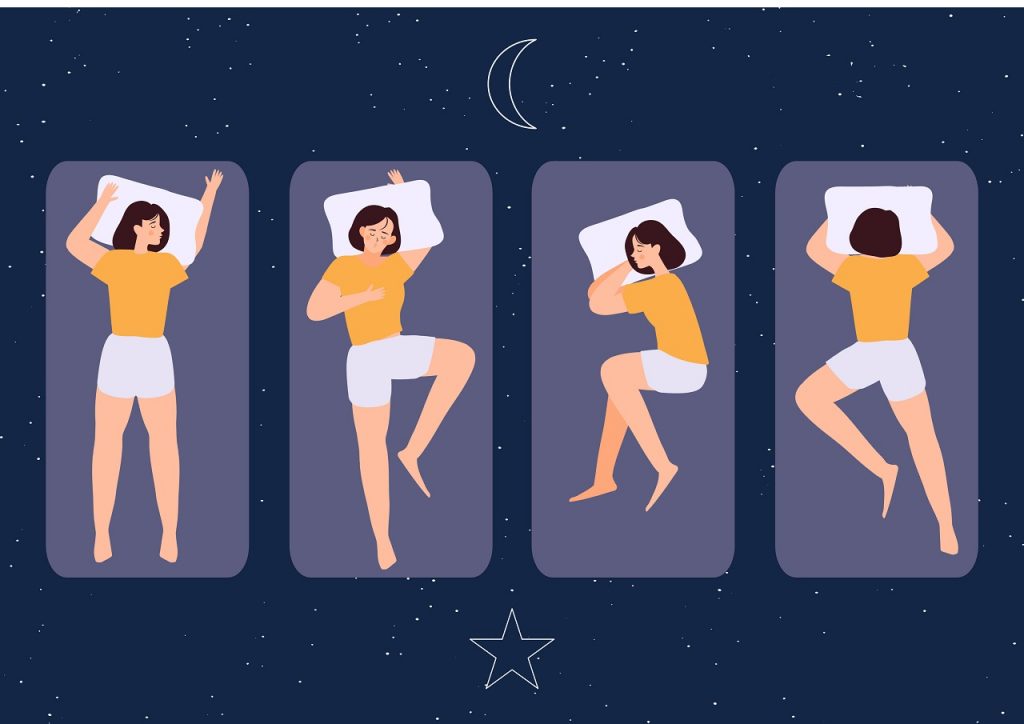
Best Sleep PositionEvery wondered which is the best sleep position? The position you sleep in plays a vital role in improving the quality of your sleep. How do you sleep? Do you prefer sleeping on your back, side or stomach? Sleeping in the wrong position can have detrimental effects on your health. Let’s take a deeper look into these problems. Poor sleep posture could potentially cause back and neck pain, fatigue, sleep apnea, muscle cramping, impaired circulation, headaches, heartburn, tummy troubles, and even premature wrinkles.



What Is The Best Sleep Position? 

  1. Sleeping On Your Stomach: About 7% of people sleep on their stomach. In this position, the neck and spine are not in a neutral position and this can put pressure on nerves and cause numbness, tingling, and nerve pain. It is best to choose another sleep position if you are a stomach sleeper. If you can’t break the habit, prop your forehead up on a pillow, so your head and spine remain in a neutral position and you have room to breathe.
  2. Sleeping On Your Back: on a regular basis may lead to lower back pain. If you have any existing pain, it can make the pain worse. Sleeping on your back if you suffer from snoring or sleep apnea may aggravate these conditions. Snoozing on your back can cause the tongue to block the breathing tube, making it a dangerous position for those who suffer from sleep apnea. Sleeping on your back with your head slightly elevated is the best sleep position for people suffering from heartburn. Also, this position does not lead to neck pain, like your neck, back and spine is in a neutral position.
  3. Soldier Position: In this position, the person sleeps on his/her back with hands close to the body. Approximately 8% of people sleep this way and this is not a good position to sleep in for people who snore. This position may also prevent you from getting a restful night’s sleep.
  4. Starfish Position: People who sleep in a starfish position sleep on their backs with their arms up over their head. Approximately 5% of people sleep this way. Compared to people who sleep on their backs, people who sleep in the starfish position are more prone to snoring and sleep problems.
  5. Sleeping On The Side: Approximately 41% of people sleep this way, curled up on their sides with their knees bent. This is one of the best positions, also good for pregnant women because it facilitates circulation to both mom and the fetus. The position may be good for those who snore and also helps decrease acid reflux since your spine is elongated. It also wards off back and neck pain. This position may lead to wrinkles because half of your face pushes against a pillow, so use soft, silken pillows to avoid wrinkles on the face.
  6. Fetal Position: Side sleepers who sleep with their legs bent and curled toward their torsos are the ones who sleep in the so-called fetal position. If sleeping this way hurts your hips, placing a pillow between your knees may help relieve the pressure. This position can leave you feeling a bit sore in the morning, particularly if you have arthritis in your joints or back. Prevent these woes by straightening out your body as much as you can, instead of tucking your chin into your chest and pulling your knees up high.

Sleeping positions which might help if you have sleeping issues

  • Do you snore? If you do, it is best to sleep on your side to minimize the risk of snoring. Sleeping on your back may aggravate snoring. If you can’t break the habit and want to sleep on your back, stack a few pillows underneath your head to reduce the risk of snoring.
  • Does your back hurt? Sleeping on your stomach or back, may aggravate your pain. Switch to side sleeping to minimize your risk of back pain. For further relief, put a pillow between your knees to keep your hips in alignment.
  • Are you pregnant? Sleeping on your stomach or back will be uncomfortable or impossible. You will be most comfortable sleeping on your side. Favour your left side to maximize circulation for both you and your baby. Placing a pillow under your belly can help relieve back pain.

So choose your sleeping position wisely and have a good mattress accompanied by soft pillows to wake up fresh and healthy! We hope this article helps you. Share your favorite sleeping position in the comments below! For more on sleep, click here or speak to an expert by subscribing for GOQii’s Personalised Health Coaching here: https://goqiiapp.page.link/bsr

#BeTheForce 

  • 1
  • 2
  • Next Page »

Search

Recent Posts

  • Best Foods To Alleviate Irritable Bowel Syndrome
  • ALL ABOUT VERTIGO!
  • PCOS and Anxiety: Discover Relief with the 54321 Technique
  • Navigating the Maze of Nutrition: Finding Clarity Amidst Confusion
  • Get children active and keep them healthy

Stay Updated

Archives

  • December 2025 (6)
  • November 2025 (15)
  • October 2025 (20)
  • September 2025 (6)
  • August 2025 (6)
  • July 2025 (12)
  • June 2025 (18)
  • May 2025 (16)
  • April 2025 (23)
  • March 2025 (23)
  • February 2025 (22)
  • January 2025 (26)
  • December 2024 (26)
  • November 2024 (25)
  • October 2024 (22)
  • September 2024 (24)
  • August 2024 (31)
  • July 2024 (21)
  • June 2024 (26)
  • May 2024 (31)
  • April 2024 (27)
  • March 2024 (29)
  • February 2024 (26)
  • January 2024 (25)
  • December 2023 (15)
  • November 2023 (11)
  • October 2023 (22)
  • September 2023 (22)
  • August 2023 (20)
  • July 2023 (22)
  • June 2023 (24)
  • May 2023 (24)
  • April 2023 (24)
  • March 2023 (23)
  • February 2023 (20)
  • January 2023 (16)
  • December 2022 (12)
  • November 2022 (15)
  • October 2022 (15)
  • September 2022 (12)
  • August 2022 (10)
  • July 2022 (17)
  • June 2022 (11)
  • May 2022 (10)
  • April 2022 (6)
  • March 2022 (6)
  • February 2022 (13)
  • January 2022 (12)
  • December 2021 (7)
  • November 2021 (3)
  • October 2021 (6)
  • September 2021 (3)
  • August 2021 (8)
  • July 2021 (7)
  • June 2021 (15)
  • May 2021 (16)
  • April 2021 (10)
  • March 2021 (7)
  • February 2021 (4)
  • January 2021 (4)
  • December 2020 (3)
  • November 2020 (4)
  • October 2020 (10)
  • September 2020 (3)
  • August 2020 (3)
  • July 2020 (2)
  • June 2020 (4)
  • May 2020 (10)
  • April 2020 (12)
  • March 2020 (10)
  • February 2020 (4)
  • January 2020 (4)
  • December 2019 (3)
  • November 2019 (7)
  • October 2019 (5)
  • September 2019 (4)
  • August 2019 (9)
  • July 2019 (9)
  • June 2019 (11)
  • May 2019 (4)
  • April 2019 (9)
  • March 2019 (8)
  • February 2019 (9)
  • January 2019 (8)
  • December 2018 (9)
  • November 2018 (3)
  • October 2018 (3)
  • September 2018 (5)
  • August 2018 (10)
  • July 2018 (6)
  • June 2018 (13)
  • May 2018 (8)
  • April 2018 (18)
  • March 2018 (9)
  • February 2018 (8)
  • January 2018 (15)
  • December 2017 (12)
  • November 2017 (19)
  • October 2017 (13)
  • September 2017 (15)
  • August 2017 (4)
  • July 2017 (8)
  • June 2017 (7)
  • May 2017 (6)
  • April 2017 (8)
  • March 2017 (6)
  • February 2017 (7)
  • January 2017 (9)
  • December 2016 (10)
  • November 2016 (7)
  • October 2016 (7)
  • September 2016 (7)
  • August 2016 (11)
  • July 2016 (9)
  • June 2016 (9)
  • May 2016 (12)
  • April 2016 (17)
  • March 2016 (17)
  • February 2016 (8)
  • January 2016 (6)
  • December 2015 (2)
  • November 2015 (9)
  • October 2015 (7)
  • September 2015 (9)
  • August 2015 (11)
  • July 2015 (9)
  • June 2015 (12)
  • May 2015 (9)
  • April 2015 (13)
  • March 2015 (8)
  • February 2015 (5)
  • January 2015 (12)
  • December 2014 (14)
  • November 2014 (11)
  • October 2014 (6)
  • September 2014 (13)
  • August 2014 (12)
  • July 2014 (6)
  • June 2014 (2)
  • May 2014 (7)
  • April 2014 (5)

From “Laddu Nawin” to Fit and Fierce: How a 25-Year-Old Insurance Advisor Shed 20 Kilos and Gained His Life Back

When 25-year-old Nawin Yadav from Hyderabad walked into his office every morning, he carried more than just his files and policy papers. He had the weight of fatigue, sluggish energy, and an ever-growing belly that was becoming the butt of jokes. “People … [Read More...]

“I’ve Challenged Myself to Live 100 Years” – The Story of Chandubhai Savani’s Second Chance at Life

At 67, most people start slowing down. Not Chandubhai Savani. A resident of Surat, Chandubhai, thought life was on track. “My life was going well till I had my bypass surgery,” he says. That surgery, back in 2021, was a wake-up call.  Medication was routine, but exercise wasn’t. His diet? What he calls ‘normal.’ “I […]

From Shimla’s Slopes to Chandigarh’s Sidewalks: Surinder Kaur Bhalla’s Journey from Chaos to Control

Some journeys start with a plan. Others begin with a stumble literally. Surinder Bhalla, a government professional, born and raised in the scenic hill town of Shimla, had always lived a life of movement. “In Shimla, you walked everywhere,” she reflects. “Walking was never an exercise. It was just life.” But after shifting to Chandigarh, […]

Ananda Mukherjee Health Story

From Terminal Illness To Complete Wellness! Ananda Mukherjee Health Story

As we observe World Cancer Day under the powerful theme ‘United by Unique’ (2025-2027)**, we are reminded that every individual’s journey with cancer is distinct, yet united by shared resilience, hope, and the collective fight against this disease. This theme places people at the centre of care and their stories at the heart of the […]

  • HOME
  • HEALTHY LIVING
  • FITNESS
  • HEALTHY RECIPES
  • USER STORIES
  • KARMA
  • BUY GOQii

Copyright ©2016 GOQii