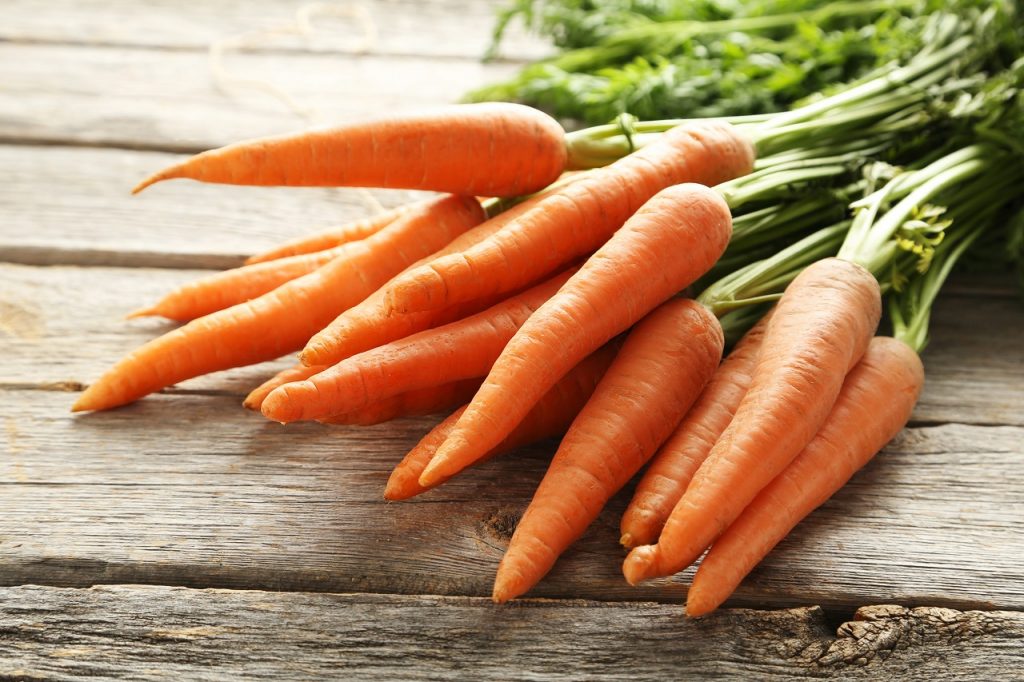
 We’ve often advised people to eat seasonal fruits and for good reason! Seasonal veggies are a good source of vitamins, minerals and antioxidants which are required by the body during winter. There are many vegetables but one of them, which is a must-have during these chilly days is the carrot! Carrots are one of the most loved vegetables not only in India but all over the world. The reason is very evident, it not only serves as a salad but a lot more than that. This orange-coloured root is an ultimate health food with many health benefits. Let’s explore the health benefits of carrots during winter!
Why You Should Eat Carrots During Winter
- Carrots help you get beautiful skin and can help in protecting you from cancer, especially lung cancer. As the temperature drops, this crunchy & colourful vegetable gives you a boost of antioxidants too.
- As a rich source of Vitamin A, it helps treat vision loss. So during winter, you can definitely ditch your Vitamin A pills.
- The Vitamin A in carrots also help the liver secrete bile and flush out toxins in the body, acting as a Natural Detox.
- Carrots contain high amounts of soluble fibers, which indirectly helps in managing cholesterol levels. No more guilt! You can easily binge on your favorite carrot cake during winter.
- Carrots are infused with natural pesticides, Falcarcinol, which is anti-fungal in nature. It protects you from any kind of fungal diseases. If your kids eat carrots, you don’t need to worry about them catching any kind of fungal infection.
- Carrots aren’t boring! There are many variations you can try with this root – be it dips, juices or soups – carrots are definitely a hit with your taste buds!
- Carrot tops are enriched in nutrients such as potassium, phytonutrients and they also contain around 6 times more Vitamin C than what the root does.
- Carrots have reserved their place in the list of the World’s Healthiest Foods. Undoubtedly, this crunchy root deserves it too.
Tips to Add Carrots To Your Diet
- Soup It: Add grated carrots to your soups and clear broths to add roughage in diet
- Crunch It: Raw carrots are enjoyed the best while soaking under the Sun during winters. Great way to boost up the vitamin quotient.
- Lick It Up: Our very own Gajar ka Achar or Gajar ka Paani is every grandmother’s special recipe.
- Bake It: The versatility of carrots gets it added even in bakery products. Add shredded carrot while baking muffins, cakes or breads to make a delightful dessert.
DO NOT throw away the carrot tops. Surprisingly, these carrot tops can be replaced with all the herbs in all kinds of dishes adding taste and Nutrition adequately.
We hope you’re all set to enjoy the crunch this season. Any more queries in mind? Please feel free to type them down in the comments section below, because, We Carrot about You!
For more topics on the health benefits of foods, check out Healthy Reads or ask a GOQii Coach by subscribing for Personalised Health Coaching here.
Eat Health and #BeTheForce
 Skin is the largest organ of our body and the one that is directly exposed to the outer environment every day. External factors like sunlight, wind, dust, cold weather, alcohol, and smoking, as well as internal factors like dehydration, aging, poor nutrition, stress, and lack of sleep, can damage the skin. When we feel that our skin is damaged or to prevent skin damage, many of us tend to fall for the plethora of skincare products available in the market. But in reality, we need to work on fixing our damaged skin internally rather than relying on external products that may contain harmful chemicals. So, what do we do for skin repair? The answer is simple—it’s the vitamins in our diet!
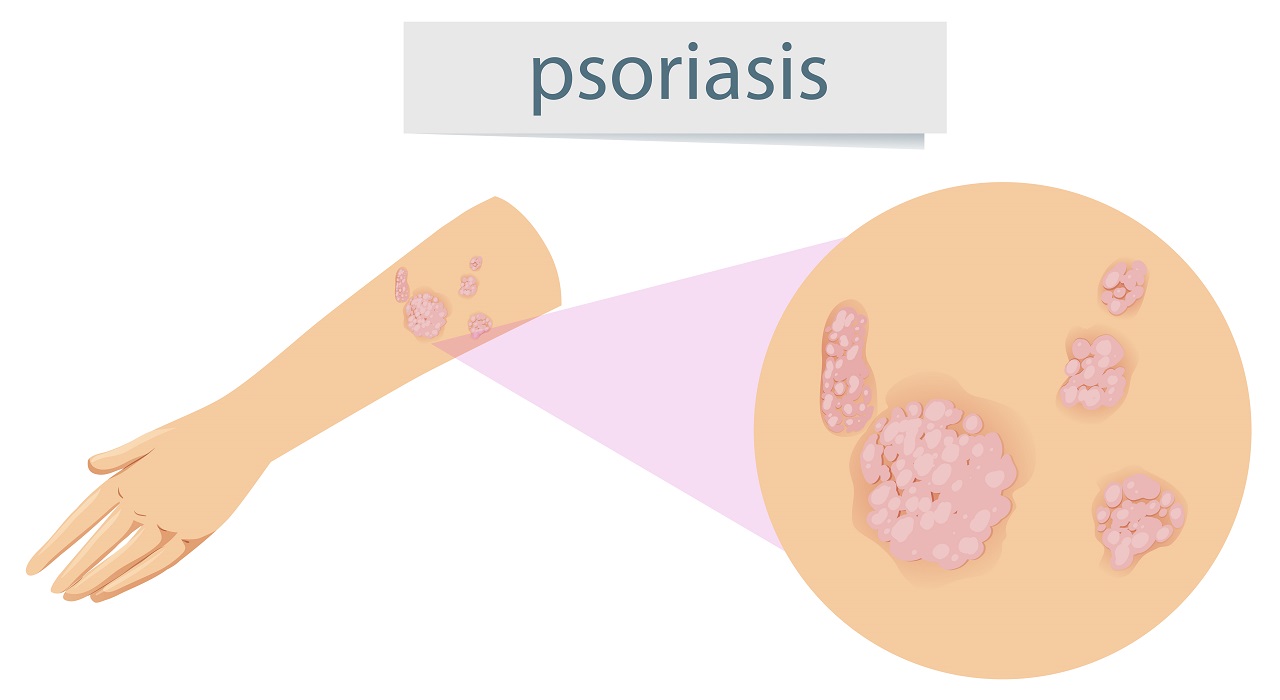 Psoriasis is a chronic skin disease characterized by red patches covered with white scales. The disease most commonly affects the skin of the elbows, knees, scalp, feet, and lumbosacral areas. It is a long-term autoimmune condition that accelerates the growth cycle of skin cells and causes inflammation due to immune system dysfunction.
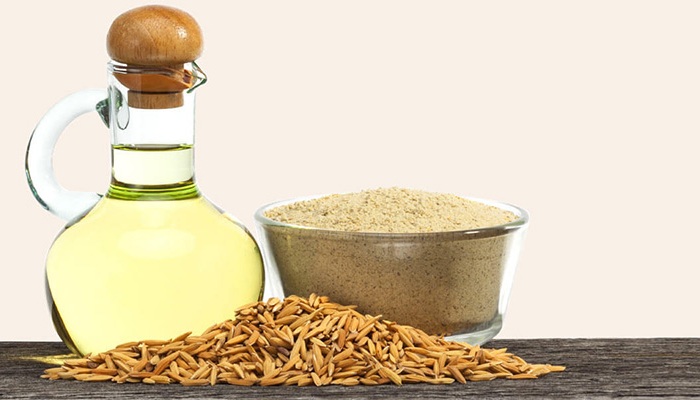 ‘Good health is a boon’ According to the World Health Organisation (WHO), Health is “a state of mental, physical and social well-being, not merely the absence of any disease or infirmity”. What we eat, how it’s prepared, and when we consume it all play vital roles in our health. Oil, a key ingredient in Indian cuisine, greatly influences our health depending on the type and amount used. Choosing the right oil is especially important for those with busy lifestyles. As the second-largest rice producer globally, India produces around 100 MMT of rice annually. Rice bran oil, extracted from rice husk and germ, has a high smoke point of 232°C (450°F), a long shelf life, and a mild flavor, making it ideal for high-temperature cooking like stir-frying and deep-frying. According to the latest recommendations by the National Institute of Nutrition (NIN) and the Indian Council of Medical Research (ICMR), the ideal oil composition is 27-33% saturated fat, 33-40% monounsaturated fat, and 27-33% polyunsaturated fat. Rice bran oil closely matches this recommendation with a composition of SFA (24%), MUFA (42%), and PUFA (34%), offering a balanced fatty acid profile.


