GOQii

Blog

  • HOME
  • HEALTHY LIVING
  • FITNESS
  • HEALTHY RECIPES
  • USER STORIES
  • KARMA
  • BUY GOQii

January 26, 2024 By Dr Akshat Chadha 2 Comments

When Was The Last Time You Had A Complete Health Check?

complete health checkThe week began on a sad note. Monday morning was a morning, I would like to erase out of my memory as soon as possible. I was sitting at the breakfast table with my wife when I got a call from my mom saying that one of my cousins-Raj had suffered a major heart attack and had passed away even before reaching the hospital. It was an untimely death. He was barely 40 years of age, young and happy with no major worries. Nobody in the family had seen this coming, not even his wife.
He displayed no signs of stress, worry or any kind of illness. He was not fat nor did he lead a sedentary lifestyle. Then what happened? This thought kept bothering me ever since I heard of what had happened. Being a Doctor, I was determined to delve deep to find the root cause of the problem. After probing some of the family members, I found that there was a family history of heart disease and diabetes. Despite this, he had not done a single blood check in the last 3 years. Whenever I would enquire about getting a health checkup, he would brush it aside and say, “I am healthy and I do not see a need to get pricked unnecessarily”.

What upsets me more is that we are a family of doctors and within my own family, I have people who think otherwise about health check-ups and feel it is unnecessary to have one done regularly, more so, when you do not display any symptoms of illness. The importance of health checkups is highlighted only when you encounter health problems you really can’t predict. Isn’t it better to be safe than sorry later?

Let me be loud and clear when I say, there is a reason why blood tests have been invented and have a huge diagnostic value. Unfortunately, getting a blood test today, is considered as a money making a source for the Doctor. I don’t want to talk about blood tests today, I just want to emphasize the importance of getting a whole body check-up done once a year, especially if you are over 30 years old. Timely medical checkups could make all the difference between prevention and cure; especially when each decade comes with its own set of lifestyle ailments.

What is the harm I ask? What do you have to lose? If it’s the money, then maybe you can cut down on eating out one weekend or reduce your shopping one month and instead utilize that money to get to know about your health?

A lot changes in 30 days leave alone in 365 days. We go through several ups and downs and our body goes through a lot of wear and tear process be it physical or mental. Our internal organs such as the heart, liver, kidneys are designed to work non-stop and there is no harm in knowing the state of our organs and bones in real time so that the necessary lifestyle changes can be made if needed.

One does not have to necessarily pop pills, more often than not, lifestyle changes can make a huge difference. If a machine works well with regular maintenance and check-ups, then why do we leave the most important machine (our body) to chance? You need to listen to your body, feel the pain when it happens, and address the breakdown in a way to avoid its re-occurrence. You need to give your body a good fighting chance by living a good healthy life which is supported by well-functioning internal organs.

Personally, a good comprehensive screening package including CBC ( Complete Blood Count), Lipids, Renal (Kidney) and Liver profile, Sugar tests, Thyroid and basic Vitamins like D and B12 is a must for every individual once a year even if he or she is absolutely healthy. The Thyrocare Aarogyam C package covers all these tests and is available on the GOQii Health Store here.

Age is not a factor. Anybody at the age of 30 years and above should get their blood tests done once a year at least. This is an excellent comprehensive screening of your entire body including heart, liver, and kidney along with important vitamins. We are putting in a lot of effort taking care of our bodies but, if our organs don’t support it then we will always fall short of results.

The prerequisite for leading a healthy life is a comprehensive health check-up once a year. You don’t even need to step out to get a test done. You can even do it from the convenience of your home! So hurry up, get a complete health check now and stay safe.

#BeTheForce 

January 21, 2024 By Vandana Juneja 6 Comments

Remedies For Leg Pain During Winter

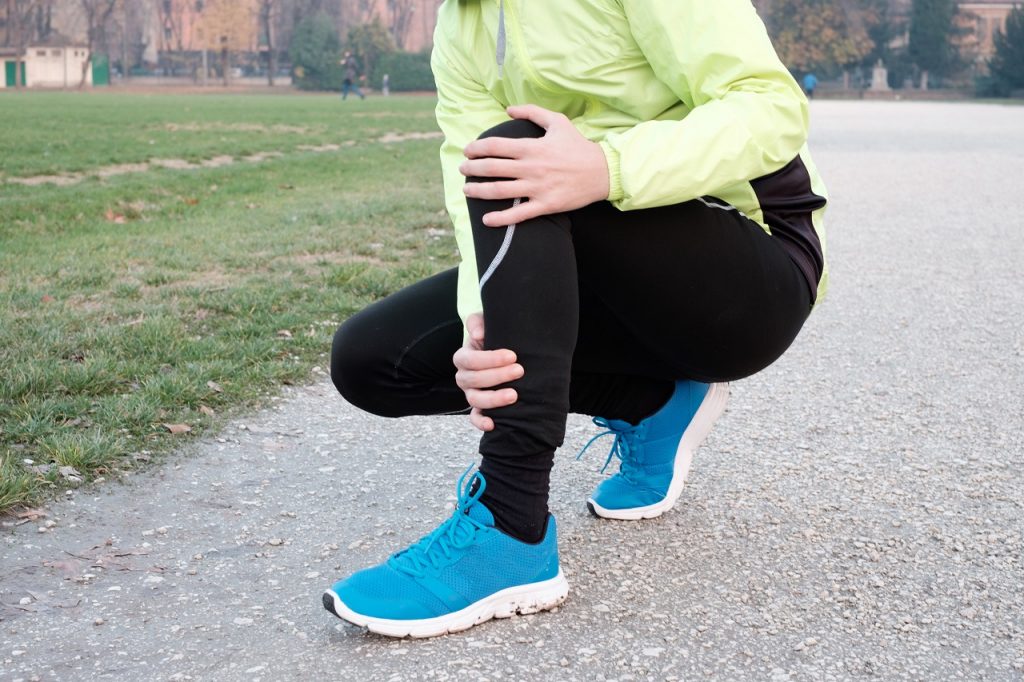
leg pain during winterAs winter sets in, there are many health issues that some people face, and one of them is feeling immense stiffness and soreness in the legs leading to being less active. Is it normal to feel these aches and pain? or is it a serious health concern? Let’s find out the reason for leg pain during winter. 

Why do we feel pain and stiffness in Winter?

According to various studies, the cold causes your muscles to lose heat and contract, this makes you feel tight especially around the joints, and eventually you tend to lose range of motion and your nerves can also be easily pinched.

Another theory says a drop in barometric pressure in winters, cause the tendons, muscles and surrounding tissues to expand. Because of the confined space within the body, this can cause pain, especially in joints affected by arthritis.

In general, during winters, we limit our movement due to the cold weather, don’t exercise much, and keep ourselves wrapped up in blankets to stay warm, eat calorie dense food and put on a few extra kilos! All these factors also attribute to increased sensation of pain and stiffness in the legs.

Whatever the reason, it is a fact that many people have “flare ups” or aggravated symptoms of aches and pains in their body especially the lower limbs. Though you may not take it as a serious health concern, one should work towards preventing and dealing with it, so that the aches and pain do not aggravate and restrict your mobility in winters.

Tips to Reduce Leg Pain During Winter

1. Keep Yourself Warm with Proper Clothing
Use cotton, wool or fleece long-sleeved clothing since these materials work the best at maintaining body heat. Wear slim-fitting clothes for your underlayer, so that you don’t look bulky and can easily move your limbs. Don’t forget to wear your woolen cap, gloves, scarf and overcoat (if really cold); with a warm pair of socks and shoes while going out for a walk or even for an outing. Long woolen socks are advised to keep your legs warm. There are woolen thermals available that cover your legs from mid thigh to ankle and are very comfortable. Keeping your muscles warm is important to feel good and comfortable. The right kind of shoe will prevent any kind of injury from a fall or slip.

2. Stay Active
It is important to stay active and exercise your joints and muscles to reduce pain and stiffness during winters. Exercise increases blood circulation, boosts production of your body’s synovial fluid, which lubricates your joints and makes movement easy and comfortable. Plus, a good workout releases your body’s natural feel-good compounds (happy hormones: endorphins, dopamine and serotonin), resulting in reduced perception of pain and boosting your mood and overall sense of well-being. Walking and stationary cycling are good low-impact options to improve blood flow and leg strength. Just remember to warm-up a bit first and skip high-impact exercises if they bother your joints.

Some exercises you should be doing at regular intervals are:

  • Ankle Circles: This exercise is great to warm the muscles in the lower legs before starting a full exercise routine. Ankle circles also increase joint flexibility. The technique can easily be performed while sitting or standing and holding a chair or railing for support.
  • Leg Raises While Sitting: This exercise will improve your quadriceps strength and can be easily done while watching T.V. or sitting with friends/ family. Sit with your thighs well placed on a chair, back touching the backrest and then raise your foot up till it is in line with the thigh. Repeat both sides, 10 times each, twice a day.
  • Calf Raises: By strengthening the calf muscles, you can comfortably climb up and down stairs or walk on elevated terrain. Use a chair for support, and stand on a large book or small stool. Rise up on the toes and hold for five seconds, then lower, repeat five to ten times. Drop the heels to the floor to stretch the calves. Hold for five seconds and relax.
  • Standing Leg Raises: This exercise strengthens the muscles in the lower back, buttocks, hips, and thighs. Stand sideways behind a chair while holding the chair back for support. Lift the outer leg to the side while keeping it straight from the hip to the heel. Keeping the back straightened, hold for five seconds, and lower. With the same leg, stand straight and move the leg back while keeping it straightened. Hold for five seconds and relax. Repeat the process with the other leg. Perform 10 repetitions with each leg, then repeat.
  • Knee Ups: High Knees are a cardio-intensive exercise performed at a fast pace. It engages your core, strengthens all the muscles in your legs, gets your heart rate up and improves momentum, coordination and flexibility. Stand with your feet hip-width apart. Lift up your left knee to your chest. Switch to lift your right knee to your chest. Continue the movement, alternating legs and moving at a sprinting or walking pace for 4-5 minutes.

Similarly there are many other exercises that you can do at home to avoid leg pain during winter, depending upon your current physical health. For instance, squats/wall squats, straight leg raises, prone leg raises, lunges, etc.

3. Add Anti-Inflammatory Components to your Daily Diet
It is important to include anti-inflammatory foods in your daily diet, to reduce inflammation, pain and stiffness in the joints and muscles. You can include super foods such as Ginger, Turmeric, Chilly Peppers, Mint and Virgin Olive Oil. Choose colourful foods like blueberries, blackberries, cherries, spinach, kale and broccoli. Opt for Salmon, Tuna, Sardines, nuts and seeds. Avoid processed foods, excess sugar and salt; high intake of alcohol.

4. Get Enough Vitamin D
During winter, Vitamin D levels naturally dip as we get less exposure to sunlight. Low levels of Vitamin D increase sensitivity to pain. Vitamin D-rich foods such as salmon, tuna, mackerel, cheese and egg yolks are important since Vitamin D helps your body absorb calcium from food, which is another important mineral for bone health that can help reduce pain. Get your levels checked and ask your doctor about supplements if your levels are low.

5. Hydrate Well
We tend to drink less water during winter, leading to dehydration and even the slightest of dehydration can cause increased sensitivity to pain. Drink at least 2-2.5 litres of water daily. You can have lukewarm water if not comfortable with water at room temperature.

6. Treat Yourself to a Massage
Massaging the legs increases the blood and lymphatic circulation, relaxes and normalises the soft tissues (muscle, connective tissue, tendons, ligaments), which releases nerves and deeper connective tissues; hence reducing spasm in the muscles and overall pain sensation. There are many essential oils that you can use to massage gently on your muscles as they have anti-inflammatory and analgesic properties, like lavender oil, eucalyptus oil, peppermint oil, rosemary oil. Other commonly used oils for massage include – coconut oil, sesame oil, mustard oil, almond oil and olive oil.

The mentioned tips, should keep the leg pain during winter away! So leave the quilts and start moving! Eat right, hydrate well, stay active, enjoy and level up this beautiful winter weather! But if your symptoms aggravate, despite all precautions, do consult your doctor.

Do you have a special remedy you use for aches and pains during winter? Share them with us in the comments below. For more winter tips, check out Healthy Reads or ask a GOQii Coach by subscribing for Personalised Health Coaching here.

#BeTheForce 

August 16, 2023 By Prachi Aggarwal 2 Comments

4 Immunity Boosting Kadhas For The Monsoon

Immunity Boosting KadhasIt is common knowledge that bacteria and germs spread more during monsoons and a strong immune system becomes our first line of defense against any infection. To help you build up that defense, here are 4 immunity boosting kadhas to help you stay safe and healthy during monsoons. 

1. Tulsi & Black Pepper Kadha

Ingredients:

  • Water – 2 cups
  • Crushed black pepper – 1 tsp 
  • Finely chopped ginger – 1 tsp 
  • Desi ghee – ½ tsp 
  • Cloves – 2pc 
  • Few tulsi leaves 

Method:

  1. Heat the ghee in a saucepan. Add cloves, black pepper, ginger and tulsi leaves
  2. Once the crackling of the spices stops, add water
  3. For the next 15-20 minutes, cook the mixture on a medium flame and stir it occasionally
  4. Have the kadha while it is hot 

Benefits: This immunity boosting kadha improves the energy levels in the body. Tulsi and pepper are used to treat common cold and flu. It also helps reduce the inflammation of the chest and helps to expel mucus. 

2. Turmeric and Cinnamon Kadha

Ingredients:

  • Black cardamom (badi elaichi) – 2 pc (you may use green elaichi if you don’t have black elaichi)
  • Kacchi haldi – 1 inch
  • Cloves – 2 pc
  • Kali Mirch (according to taste)
  • Tulsi (few leaves)
  • Cinnamon -1 inch
  • Ginger – ½ inch
  • Small piece of jaggery (optional)

Method:

  1. Peel the turmeric and ginger and crush them 
  2. Bring the water to boil and add all the spices
  3. Let it boil for 20-30 minutes till you get a nice yellow-coloured and aromatic drink
  4. Jaggery can be added for sweet taste. 

Benefits: This kadha is packed with antioxidants and anti-inflammatory properties, thus, it helps in relieving sore throat and cold.

3. Triphala Kadha

Ingredients

  • Triphala powder – ½ tsp
  • Lemon – few drops
  • Honey – ½ tsp

Method: 

  1. In a pan, add 1 cup water and triphala powder
  2. Bring it to boil and simmer for 5 minutes
  3. Let it cool down for a few minutes and add a few drops of lemon and honey to it. 

Benefits: The antioxidative properties of three fruits i.e haritaki, bibhitaki and amla are there in kadha and the presence of vitamins like vitamin A and vitamin C are helpful for booting immunity. 

4. Minty Herbal Kadha

Ingredients:

  • Fresh neem leaves – 5-6
  • Mint leaves – ½ bunch 
  • Methi leaves – 4-5 
  • Fresh turmeric – 2 inch 
  • Cumin powder – ½ tsp 
  • Jaggery powder – ¼ tsp 
  • Water – 1 cup 

Method: 

  1. Pour water in a pan. Then add the neem leaves, mint leaves, methi leaves, raw turmeric and cumin powder to it and keep it on medium flame 
  2. Let it cook for about 10 minutes, till some liquid vaporizes and the concentrate is formed 
  3. Turn off the cooktop and allow the decoction to cool down a bit
  4. Strain the brew, blend jaggery powder and consume it warm. 

Benefits: Neem is renowned for its antimicrobial traits and also purifies the blood.  The herbs present in this kadhas are good for immunity as they guard against a host of bacteria and other viral ailments.  

To ensure that our body remains fit and healthy, it’s important to build up its first line of defense. Natural immunity boosting herbs are easily available at home, convenient to incorporate in your daily routine and highly effective! So try out these immunity boosting kadhas. If there’s a special kadha you make at home, share it with us in the comments below! 

Find more articles on building immunity and staying healthy during the monsoon here. You can also get these tips directly from a GOQii Coach by subscribing to Personalised Health Coaching here.

#BeTheForce 

July 17, 2023 By Trishala Chopra 1 Comment

Effects Of Different Medications On Exercise

Effects of Different Medications on Exercise Either you or somebody you know might be on some kind of long term medications! I am not talking about somebody who takes an aspirin or a paracetamol or some antipyretic. When I say long term medications, I am talking about cholesterol, blood pressure and blood sugar lowering drugs. When a patient usually gets on any of these drugs there are high chances that they are on them forever!

Each one of these medications has a tremendous impact on the body which comes as a blow if you’re an exercise person! Every medication has a different set of action, so here are some points for you to keep in mind.

1. Cholesterol Medications

The most commonly used cholesterol medication is statin. The generic names of these drugs available are usually Rosuvastatin, Atorvastatin, Fluvastatin, Lovastatin, Pravastatin, Simvastatin and Pitavastatin.

Note: To check which statin is your medication, check behind the tablet. If it is not mentioned, check it on the company’s site

Effects Of Cholesterol Medications On Exercise 

Statins deplete CoEnzyme Q10 in the body, which is very important for muscles to produce energy. This will affect your strength training routine and your post strength training recovery will be slow. It might also lead to rhabdomyolysis which means muscle death – it is definitely not good.

What Can You Do?

  • The first thing which you should always try is getting off statins as soon as possible with some changes in your diet and exercise routine. You can ask your coach to help you with this! Let your doctor change your medicines and your coach can guide you with the diet and exercise routine.
  • While you are on a statin, you should always try a gradual progress. Do not rush into any kind of exercise routine. Give your body enough time to get adapted.
  • Take longer recovery time. Instead of having a 1-day gap between your strength training schedules, you can take a 2 day gap which will give your muscles more time to recover. You can do light workouts on the day when you don’t plan to do strength training.

2. Beta Blockers

This is a group of medications is used to lower high blood pressure. The most commonly used beta blockers are atenolol, bisoprolol, propranolol and metroporolol.

Note: To check which beta blocker is your medication, check behind the tablet. Salt name is always mentioned. If in case it is not mentioned, check it on the company’s website.

Effects Of Beta Blockers On Exercise

People who are on beta blockers see that their heart rate is always less no matter what form of exercise they do. Maintaining a proper heart rate during different activities is very important for having good cardiac health. People taking beta blockers witness that their heart rate after a sprint and after moderate jogging is exactly the same. In fact, this shouldn’t be the case. It has to be more while sprinting than jogging.

What Can You Do?

  • Instead of checking your heart rate for your exercise progress, start checking your exertion timing
  • If you start panting very soon, note that time. Work on your stamina and then go ahead. Beta blockers will always keep your heart rate low.

3. ACE Inhibitors

These are another set of medications which are used to lower high blood pressure. The most commonly used ACE Inhibitors are fosinopril, lisinopril, quinapril.

Note: To check which ACE Inhibitor is your medication, check behind the tablet. Salt name is always mentioned. If in case it is not mentioned, check it on the company’s website.

Effects Of ACE Inhibitors On Exercise 

There are 2 types of people – One who has high blood pressure and is not taking any medication and another one who has high blood pressure and is on either a Beta Blocker or an ACE Inhibitor.

If the person without the medication exercises, his blood pressure will come down automatically post exercise. This is called as post exercise hypotension.

This even happens with someone who is on blood pressure medication, but then it can go really very low! That’s the reason people feel dizzy, shaky, nauseous, and experience blurred vision post exercise. Sometimes, the person can faint as well.

What Can You Do? 

  • For obvious reasons, you cannot skip the medications and neither can you skip your workout but you can definitely manage it
  • For people on BP medications, you should cool down a bit longer than an average person. Instead of a 5-minute cooldown, do a 10-minute cooldown
  • Use your tracker effectively. For example, if your heart rate is 140 beats per minute- Post workout it can drop to 110 which is ok. After another minute it might fall further to 90. Hold on. Breathe it. Stretch yourself. Your targeted heart beat should be only 10% more than your RHR (Resting Heart Rate) which is around 60-70 beats per minute.

4. Blood Sugar Lowering Medications

There are different blood sugar lowering medications which affect the body in different ways. Either they increase the insulin function or remove excess sugar out through urine or they decrease the amount of carbohydrate absorption in the body.

For a non-diabetic person, while exercising, there are different hormonal fluctuations which happen. Adrenaline is released followed by a surge in cortisol levels and these hormones raise blood sugar levels. To bring this down, pancreas secretes another hormone called insulin which brings the elevated sugars down. So, the fluctuation is not seen, whereas this is not the case in people with diabetes.

Some medications can cause hypoglycemia (Blood sugars below 70) in diabetics.

What Can You Do? 

  • In this case, nothing can be done apart from monitoring
  • Check your blood sugar levels before exercising, middle of the exercise and post workout
  • Keep half a glass of fruit juice or 1 glass of milk with you always! If the sugar drops, please consume either of the two.
  • Do strength training, reduce your carbohydrates, add enough proteins to your routine and ask your doctor to reduce your medication.

If this article helped, let us know in the comments below. You can find more articles on fitness here.

If you need help or have any queries regarding the information above, drop us a comment or speak to a certified expert directly by subscribing to GOQii’s Personalised Health Coaching here.

#BeTheForce

  • « Previous Page
  • 1
  • 2
  • 3
  • 4
  • 5
  • 6
  • …
  • 14
  • Next Page »

Search

Recent Posts

  • ALL ABOUT VERTIGO!
  • PCOS and Anxiety: Discover Relief with the 54321 Technique
  • Navigating the Maze of Nutrition: Finding Clarity Amidst Confusion
  • Get children active and keep them healthy
  • What Gestational Diabetes Can Do To You & Your Unborn Child

Stay Updated

Archives

  • December 2025 (5)
  • November 2025 (15)
  • October 2025 (20)
  • September 2025 (6)
  • August 2025 (6)
  • July 2025 (12)
  • June 2025 (18)
  • May 2025 (16)
  • April 2025 (23)
  • March 2025 (23)
  • February 2025 (22)
  • January 2025 (26)
  • December 2024 (26)
  • November 2024 (25)
  • October 2024 (22)
  • September 2024 (24)
  • August 2024 (31)
  • July 2024 (21)
  • June 2024 (26)
  • May 2024 (31)
  • April 2024 (27)
  • March 2024 (29)
  • February 2024 (26)
  • January 2024 (25)
  • December 2023 (15)
  • November 2023 (11)
  • October 2023 (22)
  • September 2023 (22)
  • August 2023 (20)
  • July 2023 (22)
  • June 2023 (24)
  • May 2023 (24)
  • April 2023 (24)
  • March 2023 (23)
  • February 2023 (20)
  • January 2023 (16)
  • December 2022 (12)
  • November 2022 (15)
  • October 2022 (15)
  • September 2022 (12)
  • August 2022 (10)
  • July 2022 (17)
  • June 2022 (11)
  • May 2022 (10)
  • April 2022 (6)
  • March 2022 (6)
  • February 2022 (13)
  • January 2022 (12)
  • December 2021 (7)
  • November 2021 (3)
  • October 2021 (6)
  • September 2021 (3)
  • August 2021 (8)
  • July 2021 (7)
  • June 2021 (15)
  • May 2021 (16)
  • April 2021 (10)
  • March 2021 (7)
  • February 2021 (4)
  • January 2021 (4)
  • December 2020 (3)
  • November 2020 (4)
  • October 2020 (10)
  • September 2020 (3)
  • August 2020 (3)
  • July 2020 (2)
  • June 2020 (4)
  • May 2020 (10)
  • April 2020 (12)
  • March 2020 (10)
  • February 2020 (4)
  • January 2020 (4)
  • December 2019 (3)
  • November 2019 (7)
  • October 2019 (5)
  • September 2019 (4)
  • August 2019 (9)
  • July 2019 (9)
  • June 2019 (11)
  • May 2019 (4)
  • April 2019 (9)
  • March 2019 (8)
  • February 2019 (9)
  • January 2019 (8)
  • December 2018 (9)
  • November 2018 (3)
  • October 2018 (3)
  • September 2018 (5)
  • August 2018 (10)
  • July 2018 (6)
  • June 2018 (13)
  • May 2018 (8)
  • April 2018 (18)
  • March 2018 (9)
  • February 2018 (8)
  • January 2018 (15)
  • December 2017 (12)
  • November 2017 (19)
  • October 2017 (13)
  • September 2017 (15)
  • August 2017 (4)
  • July 2017 (8)
  • June 2017 (7)
  • May 2017 (6)
  • April 2017 (8)
  • March 2017 (6)
  • February 2017 (7)
  • January 2017 (9)
  • December 2016 (10)
  • November 2016 (7)
  • October 2016 (7)
  • September 2016 (7)
  • August 2016 (11)
  • July 2016 (9)
  • June 2016 (9)
  • May 2016 (12)
  • April 2016 (17)
  • March 2016 (17)
  • February 2016 (8)
  • January 2016 (6)
  • December 2015 (2)
  • November 2015 (9)
  • October 2015 (7)
  • September 2015 (9)
  • August 2015 (11)
  • July 2015 (9)
  • June 2015 (12)
  • May 2015 (9)
  • April 2015 (13)
  • March 2015 (8)
  • February 2015 (5)
  • January 2015 (12)
  • December 2014 (14)
  • November 2014 (11)
  • October 2014 (6)
  • September 2014 (13)
  • August 2014 (12)
  • July 2014 (6)
  • June 2014 (2)
  • May 2014 (7)
  • April 2014 (5)

From “Laddu Nawin” to Fit and Fierce: How a 25-Year-Old Insurance Advisor Shed 20 Kilos and Gained His Life Back

When 25-year-old Nawin Yadav from Hyderabad walked into his office every morning, he carried more than just his files and policy papers. He had the weight of fatigue, sluggish energy, and an ever-growing belly that was becoming the butt of jokes. “People … [Read More...]

“I’ve Challenged Myself to Live 100 Years” – The Story of Chandubhai Savani’s Second Chance at Life

At 67, most people start slowing down. Not Chandubhai Savani. A resident of Surat, Chandubhai, thought life was on track. “My life was going well till I had my bypass surgery,” he says. That surgery, back in 2021, was a wake-up call.  Medication was routine, but exercise wasn’t. His diet? What he calls ‘normal.’ “I […]

From Shimla’s Slopes to Chandigarh’s Sidewalks: Surinder Kaur Bhalla’s Journey from Chaos to Control

Some journeys start with a plan. Others begin with a stumble literally. Surinder Bhalla, a government professional, born and raised in the scenic hill town of Shimla, had always lived a life of movement. “In Shimla, you walked everywhere,” she reflects. “Walking was never an exercise. It was just life.” But after shifting to Chandigarh, […]

Ananda Mukherjee Health Story

From Terminal Illness To Complete Wellness! Ananda Mukherjee Health Story

As we observe World Cancer Day under the powerful theme ‘United by Unique’ (2025-2027)**, we are reminded that every individual’s journey with cancer is distinct, yet united by shared resilience, hope, and the collective fight against this disease. This theme places people at the centre of care and their stories at the heart of the […]

  • HOME
  • HEALTHY LIVING
  • FITNESS
  • HEALTHY RECIPES
  • USER STORIES
  • KARMA
  • BUY GOQii

Copyright ©2016 GOQii