GOQii

Blog

  • HOME
  • HEALTHY LIVING
  • FITNESS
  • HEALTHY RECIPES
  • USER STORIES
  • KARMA
  • BUY GOQii

April 17, 2025 By Uzma Salam Leave a Comment

Role of Plant-Based Diets for Chronic Kidney Disease

Chronic Kidney Disease (CKD) affects millions globally and is one of the leading contributors to long-term health complications and premature deaths. CKD is marked by a gradual loss of kidney function, and in advanced stages, it can result in the build-up of fluids, toxins, and electrolytes—putting immense strain on the body.

While medication and medical monitoring are essential, diet plays a pivotal role in preventing and managing the progression of CKD. Emerging research points to the power of a plant-based diet, especially plant-based proteins, in helping slow down kidney damage and supporting overall well-being. Here’s how making some intentional dietary shifts can positively impact kidney health.

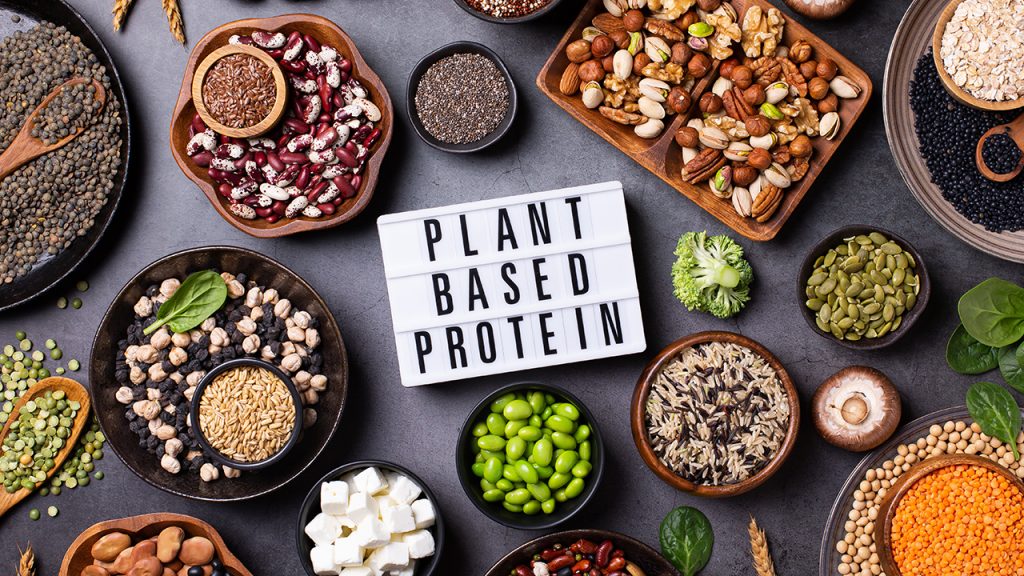
What Counts as Plant-Based Protein?

When most people think of protein, their minds go straight to animal sources like meat, fish, or eggs. But there’s a wide variety of plant-based foods rich in protein that offer just as much (if not more) benefit—without the downsides of saturated fat and cholesterol.

Common Plant-Based Protein Sources:

  • Lentils, chickpeas, green peas
  • Quinoa, oats, barley, rice with beans
  • Almonds, walnuts, peanuts
  • Chia seeds, pumpkin seeds
  • Potatoes

These foods are not only nutrient-dense but are also packed with fibre, antioxidants, vitamins and minerals.

Why Consider Plant-Based Proteins for CKD?

Proteins are essential for everything from muscle repair and hormone production to immune function. However, the source of your protein matters a great deal, especially for those with kidney conditions.

Animal proteins—particularly processed meats and red meats—are associated with:

  • Increased inflammation
  • Higher acid load
  • Elevated risk of heart disease and CKD progression

Plant-based proteins, on the other hand:

  • Are low in saturated fat
  • Contain natural antioxidants
  • Provide fibre, which supports gut health and blood sugar regulation
  • May improve blood pressure and cholesterol levels

Contribute to lowering the risk of diabetes—a major contributor to CKD

Pros and Cons of a Plant-Based Diet for CKD

Pros:

  • Reduces inflammation and acid load on kidneys
  • Helps manage blood pressure, blood sugar, and cholesterol
  • Supports gut health and overall digestive function
  • Associated with lower risk of CKD-related mortality
  • High in beneficial nutrients like magnesium, calcium, and vitamin C

Cons:

  • Many plant proteins are incomplete (they may lack one or more essential amino acids)
  • Risk of Vitamin B12 deficiency, which can lead to anaemia or neurological issues
  • Lower absorption rates than animal proteins—so quantity and variety matter
  • Some individuals may need supplementation or careful meal planning to meet protein needs

Kidneys work silently in the background—filtering blood, regulating blood pressure, and supporting vital body functions. With CKD, even small lifestyle shifts like embracing more plant-based proteins can delay progression, reduce complications, and improve quality of life.

If you’re exploring plant-based eating:

  • Diversify your sources (e.g., combine legumes with whole grains to get complete proteins)
  • Be mindful of any deficiencies, especially B12
  • Monitor portion sizes and nutrients—not all plant-based options are equally kidney-friendly

You don’t have to go fully vegan—but a gradual move towards plant-forward meals can make a real difference.

#BeTheForce

Disclaimer: The information provided in this blog is for general awareness and educational purposes only. It is not intended to replace professional medical advice, diagnosis, or treatment. Always consult a qualified healthcare provider for personalised medical guidance or concerns related to your health.
March 12, 2025 By GOQii Leave a Comment

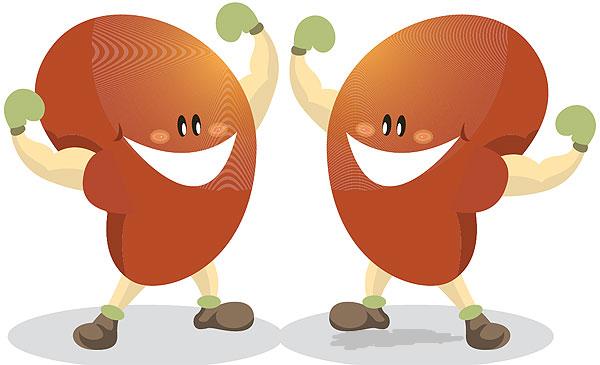
Early Detection & Prevention: Protecting Your Kidneys for Life

Your kidneys work tirelessly behind the scenes, filtering waste, balancing fluids, and keeping your body in check. But how often do you think about your kidney health? With chronic kidney disease (CKD) on the rise and many cases going undiagnosed until it’s too late, early detection is key to preventing serious complications.



On World Kidney Day, the theme “Are Your Kidneys OK? Detect Early, Protect Kidney Health” reminds us that simple lifestyle choices and regular screenings can make all the difference in maintaining kidney health and preventing long-term damage.

Why Early Detection Matters

Kidney disease is often called a “silent killer” because symptoms may not appear until significant damage has already occurred. This is why early screening and awareness are crucial. Here’s how you can detect potential kidney issues early:

  • Monitor Blood Pressure & Sugar Levels – High blood pressure and diabetes are the leading causes of kidney disease. Regular monitoring can help prevent complications.
  • Check for Warning Signs – Symptoms like swollen feet, frequent urination, foamy urine, persistent fatigue, or lower back pain could indicate kidney trouble.
  • Go for Regular Kidney Function Tests – Simple blood (creatinine & eGFR) and urine tests can detect kidney issues early before they become serious.
  • Know Your Risk Factors – If you have a family history of kidney disease, diabetes, hypertension, or obesity, prioritise regular check-ups.

How to Protect Your Kidney Health

While early detection is crucial, prevention is even better. Follow these kidney-friendly habits to support long-term health:

  1. Stay Hydrated 💧

Drinking enough water helps your kidneys flush out toxins and prevent kidney stones. Aim for 8-10 glasses per day, adjusting based on your activity levels and climate.

  1. Limit Salt & Processed Foods 🧂

Excess sodium leads to high blood pressure, which strains the kidneys. Avoid processed snacks, canned foods, and ready-to-eat meals. Instead, use natural herbs and spices for flavour.

  1. Eat a Balanced, Kidney-Friendly Diet 🥦

Focus on whole foods rich in antioxidants and fibre:
✅ Leafy greens (spinach, kale, cabbage) – Nutrient-rich and low in potassium.
✅ Berries (blueberries, strawberries, raspberries) – High in antioxidants to protect kidney cells.
✅ Fatty fish (salmon, mackerel, sardines) – Omega-3s help reduce inflammation.
✅ Garlic & Turmeric – Natural anti-inflammatory properties support kidney function.
✅ Whole grains & legumes – Maintain steady blood sugar levels.
❌ Avoid excess red meat, processed foods, and sugary drinks, which burden kidney function.

  1. Keep Blood Pressure & Sugar in Check 🩸

High blood pressure and diabetes damage kidney blood vessels over time. A combination of exercise, healthy eating, and regular monitoring can help keep these levels stable.

  1. Exercise Regularly 🏃‍♂️

Physical activity improves heart health, blood circulation, and metabolic balance, all of which support kidney function. Aim for at least 30 minutes of moderate exercise, 5 times a week.

  1. Avoid Overuse of Painkillers 💊

Excessive use of NSAIDs (like ibuprofen) can cause kidney damage over time. Always consult a doctor before prolonged use.

  1. Quit Smoking & Limit Alcohol 🚭🍷

Both smoking and heavy drinking increase the risk of kidney disease, high blood pressure, and kidney damage. Cutting down can significantly improve kidney health.

Your kidneys play a vital role in keeping your body functioning smoothly, but they need your support to stay healthy. Regular check-ups, a balanced diet, hydration, and an active lifestyle can go a long way in preventing kidney disease.

This World Kidney Day, ask yourself: “Are Your Kidneys OK?” Take action today to detect issues early and protect your kidney health for life.

💬 How do you take care of your kidneys? Share your tips in the comments!

#BeTheForce

Disclaimer: The information provided in this blog is for general awareness and educational purposes only. It is not intended to replace professional medical advice, diagnosis, or treatment. Always consult a qualified healthcare provider for personalised medical guidance or concerns related to your health.

September 23, 2024 By Hardika Vira 180 Comments

Uric acid and seven ways to reduce it

uric acid

You may have heard people mention they suffer from ‘Gout.’ Gout is a condition marked by abnormal metabolism of uric acid, leading to excessive amounts of uric acid in the tissues and blood.

Uric acid is a byproduct of the metabolic breakdown of purine nucleotides. High levels of uric acid in the bloodstream can result in gout. It is also linked to other health issues, such as kidney stones and diabetes.

Normal uric acid levels range between 3.5 and 7.2 milligrams per deciliter of blood (mg/dL).

Here are seven tips to help reduce uric acid levels:

  1. Increase Water Intake – Staying hydrated is key to flushing out uric acid. When your body is well-hydrated, uric acid crystals are less likely to form. Drink at least 3-4 liters of water daily to help eliminate uric acid from your system. You can also include buttermilk, coconut water, lemon water, and green tea to boost your overall fluid intake.
  2. Reduce Purine-Rich Foods – Uric acid is formed by the breakdown of purines, a type of protein. While purines are naturally produced by the body, they are also found in foods like red meat, mushrooms, baked goods containing yeast, and fermented products. Opt for foods like lentils, split dals, milk, and egg whites to maintain healthy protein intake.
  3. Eat High Fiber Food – Fiber helps absorb uric acid in the bloodstream, allowing it to be easily eliminated through the kidneys. Good sources of fiber include fruits, vegetables, whole grains, and whole grain products, which should be chosen over refined products.
  4. Avoid Caffeine and Alcohol – Caffeine (found in coffee, tea, and certain soft drinks) and alcohol hinder the excretion of uric acid by binding to it. Reducing your intake of these can improve uric acid removal from your system.
  5. Consume Vitamin C-Rich Foods – Vitamin C aids in the excretion of uric acid. Citrus fruits, bell peppers, cabbage, amla (Indian gooseberry), and guava are excellent sources of Vitamin C and can help lower uric acid levels.
  6. Limit Sugar Intake – Excess sugar can interfere with the excretion of uric acid. Studies have shown that drinking 300 ml of sweetened beverages daily can increase the risk of gout by 13%.
  7. Try Apple Cider Vinegar – Apple cider vinegar contains acetic acid, which turns alkaline in the body, helping to dissolve uric acid crystals and preventing them from recurring. It also reduces joint inflammation and swelling, improving joint flexibility.

Reducing uric acid levels is crucial for managing gout and preventing associated health issues like kidney stones and diabetes. By making these simple lifestyle adjustments, you can lower your uric acid naturally and maintain better overall health. Do try these tips and share your thoughts in the comments below! For more health tips, speak to a certified expert by subscribing to GOQii’s Personalised Health Coaching here.

#BeTheForce

Disclaimer: The information provided in this blog is for general awareness and educational purposes only. It is not intended to replace professional medical advice, diagnosis, or treatment. Always consult a qualified healthcare provider for personalised medical guidance or concerns related to your health.

June 26, 2024 By Trupti Hingad 10 Comments

Urine Colour – Can be a good indicator of health

1 (2)

In my previous blog, I discussed how your poop describes your health status. In this blog, I shall tell you how your pee says a lot about your health.

In a day, we all visit the bathroom many times to pee, but seldom does it cross our mind to check our pee colour before we flush it out of sight.

Urine, or pee, is the body’s way of expelling waste products in a liquid form, mainly composed of water, salt, and chemicals called urea and uric acid.

The kidney creates urine by flushing out toxins and other bad substances from the blood. Various factors such as medications, food, and illness can affect urine colour or odour.When there is a malfunction, the urine may contain clues to the problem. The colour of the urine can be a helpful indicator.

Ideally, the colour of urine should be pale yellow, indicating you are well hydrated. The pale yellow colour is due to a pigment produced by the body called – UROCHROME and UROBILIN.

Let’s understand how the colour of the urine describes your health. There are three main causes for abnormal urine colour

  • Food that you eat
  • Drugs or Medication that you take
  • Health Issues

What does the colour of Urine Indicate?

Transparent: If the pee colour is completely clear, its sign of over hydration. Sometimes excess hydration may lead to dilution of salts in the body.

Brown colour: Shades of brown in your urine may indicate dehydration. It can also signal liver disease, where bile salts that should be processed and eliminated through stool end up in the urine.

Note: If you eat a lot of aloe, fava beans, or rhubarb, these foods can also turn your urine brown.

Red colour: Foods like beets and blackberries can cause red urine. If the red color persists, it could be a sign of blood in the urine, which may be due to kidney disease, urinary tract infections (UTI), or cancers. In such cases, consult a doctor immediately.

Blue or Green colour: Consumption of asparagus can lead to green urine. Certain medications, genetic diseases, and UTIs can also cause blue or green urine.

Orange: An orange color may be due to medications such as high-dose vitamin B2, the UTI drug phenazopyridine, or the antibiotic isoniazid.

Dark yellow: Dark yellow urine indicates significant dehydration. It can also be linked to high intake of B vitamins, especially B12, resulting in this dramatic hue change.

Cloudy or milky: Cloudy or milky urine most often indicates the presence of white blood cells, suggesting an infection.

Bubbles/frothy urine: Excessive bubbles or frothing that occurs every time you urinate can indicate an excess of protein in your urine.

Does your urine smell?

Pee doesn’t usually have a strong smell. However, some foods, especially asparagus, contain a smelly sulfur compound that can change the odor. Vitamin B-6 supplements can also affect the smell. When you’re dehydrated and your pee gets very concentrated, it can smell strongly of ammonia. A strong ammonia smell may indicate a UTI, and a sweet smell could be a sign of excess sugar and diabetes.

How often should you urinate?

It varies for everyone, but normally people need to empty their bladder up to 8 times a day. If you suddenly need to pee more often than usual, it could be a sign of a health problem such as a UTI, diabetes, an enlarged prostate in men, vaginitis in women, or interstitial cystitis.

Urine is something that most of us must take a look and prevent any conditions by prevailing. By understanding what your urine color indicates, you can take steps to maintain your health and seek medical advice when necessary.

Keep yourself well hydrated and stay healthy!!

We hope this article helps you. Understanding the color and characteristics of your urine can provide valuable insights into your health. By paying attention to these signs, you can take proactive steps to maintain your well-being. Keep yourself well-hydrated and consult a healthcare professional if you notice any unusual changes in your urine or speak to a certified expert by subscribing to GOQii’s Personalised Health Coaching here.

#BeTheForce

  • 1
  • 2
  • Next Page »

Search

Recent Posts

  • India Leads in Longevity: GOQii Sanjeevini Named Top 40 in $101M XPRIZE
  • The Importance Of Knowing If You’re Thirsty Or Hungry
  • Best Foods To Alleviate Irritable Bowel Syndrome
  • ALL ABOUT VERTIGO!
  • PCOS and Anxiety: Discover Relief with the 54321 Technique

Stay Updated

Archives

  • December 2025 (8)
  • November 2025 (15)
  • October 2025 (20)
  • September 2025 (6)
  • August 2025 (6)
  • July 2025 (12)
  • June 2025 (18)
  • May 2025 (16)
  • April 2025 (23)
  • March 2025 (23)
  • February 2025 (22)
  • January 2025 (26)
  • December 2024 (26)
  • November 2024 (25)
  • October 2024 (22)
  • September 2024 (24)
  • August 2024 (31)
  • July 2024 (21)
  • June 2024 (26)
  • May 2024 (31)
  • April 2024 (27)
  • March 2024 (29)
  • February 2024 (26)
  • January 2024 (25)
  • December 2023 (15)
  • November 2023 (11)
  • October 2023 (20)
  • September 2023 (22)
  • August 2023 (20)
  • July 2023 (22)
  • June 2023 (24)
  • May 2023 (24)
  • April 2023 (24)
  • March 2023 (23)
  • February 2023 (20)
  • January 2023 (16)
  • December 2022 (12)
  • November 2022 (15)
  • October 2022 (15)
  • September 2022 (12)
  • August 2022 (10)
  • July 2022 (17)
  • June 2022 (11)
  • May 2022 (10)
  • April 2022 (6)
  • March 2022 (6)
  • February 2022 (13)
  • January 2022 (12)
  • December 2021 (7)
  • November 2021 (3)
  • October 2021 (6)
  • September 2021 (3)
  • August 2021 (8)
  • July 2021 (7)
  • June 2021 (15)
  • May 2021 (16)
  • April 2021 (10)
  • March 2021 (7)
  • February 2021 (4)
  • January 2021 (4)
  • December 2020 (3)
  • November 2020 (4)
  • October 2020 (10)
  • September 2020 (3)
  • August 2020 (3)
  • July 2020 (2)
  • June 2020 (4)
  • May 2020 (10)
  • April 2020 (12)
  • March 2020 (10)
  • February 2020 (4)
  • January 2020 (4)
  • December 2019 (3)
  • November 2019 (7)
  • October 2019 (5)
  • September 2019 (4)
  • August 2019 (9)
  • July 2019 (9)
  • June 2019 (11)
  • May 2019 (4)
  • April 2019 (9)
  • March 2019 (8)
  • February 2019 (9)
  • January 2019 (8)
  • December 2018 (9)
  • November 2018 (3)
  • October 2018 (3)
  • September 2018 (5)
  • August 2018 (10)
  • July 2018 (6)
  • June 2018 (13)
  • May 2018 (8)
  • April 2018 (18)
  • March 2018 (9)
  • February 2018 (8)
  • January 2018 (15)
  • December 2017 (12)
  • November 2017 (19)
  • October 2017 (13)
  • September 2017 (15)
  • August 2017 (4)
  • July 2017 (8)
  • June 2017 (7)
  • May 2017 (6)
  • April 2017 (8)
  • March 2017 (6)
  • February 2017 (7)
  • January 2017 (9)
  • December 2016 (10)
  • November 2016 (7)
  • October 2016 (7)
  • September 2016 (7)
  • August 2016 (11)
  • July 2016 (9)
  • June 2016 (9)
  • May 2016 (12)
  • April 2016 (17)
  • March 2016 (17)
  • February 2016 (8)
  • January 2016 (6)
  • December 2015 (2)
  • November 2015 (9)
  • October 2015 (7)
  • September 2015 (9)
  • August 2015 (11)
  • July 2015 (9)
  • June 2015 (12)
  • May 2015 (9)
  • April 2015 (13)
  • March 2015 (8)
  • February 2015 (5)
  • January 2015 (12)
  • December 2014 (14)
  • November 2014 (11)
  • October 2014 (6)
  • September 2014 (13)
  • August 2014 (12)
  • July 2014 (6)
  • June 2014 (2)
  • May 2014 (7)
  • April 2014 (5)

From “Laddu Nawin” to Fit and Fierce: How a 25-Year-Old Insurance Advisor Shed 20 Kilos and Gained His Life Back

When 25-year-old Nawin Yadav from Hyderabad walked into his office every morning, he carried more than just his files and policy papers. He had the weight of fatigue, sluggish energy, and an ever-growing belly that was becoming the butt of jokes. “People … [Read More...]

“I’ve Challenged Myself to Live 100 Years” – The Story of Chandubhai Savani’s Second Chance at Life

At 67, most people start slowing down. Not Chandubhai Savani. A resident of Surat, Chandubhai, thought life was on track. “My life was going well till I had my bypass surgery,” he says. That surgery, back in 2021, was a wake-up call.  Medication was routine, but exercise wasn’t. His diet? What he calls ‘normal.’ “I […]

From Shimla’s Slopes to Chandigarh’s Sidewalks: Surinder Kaur Bhalla’s Journey from Chaos to Control

Some journeys start with a plan. Others begin with a stumble literally. Surinder Bhalla, a government professional, born and raised in the scenic hill town of Shimla, had always lived a life of movement. “In Shimla, you walked everywhere,” she reflects. “Walking was never an exercise. It was just life.” But after shifting to Chandigarh, […]

Ananda Mukherjee Health Story

From Terminal Illness To Complete Wellness! Ananda Mukherjee Health Story

As we observe World Cancer Day under the powerful theme ‘United by Unique’ (2025-2027)**, we are reminded that every individual’s journey with cancer is distinct, yet united by shared resilience, hope, and the collective fight against this disease. This theme places people at the centre of care and their stories at the heart of the […]

  • HOME
  • HEALTHY LIVING
  • FITNESS
  • HEALTHY RECIPES
  • USER STORIES
  • KARMA
  • BUY GOQii

Copyright ©2016 GOQii


