GOQii

Blog

  • HOME
  • HEALTHY LIVING
  • FITNESS
  • HEALTHY RECIPES
  • USER STORIES
  • KARMA
  • BUY GOQii

March 1, 2025 By Dr Ashwin Nanda 2 Comments

Tension or HYPERTENSION

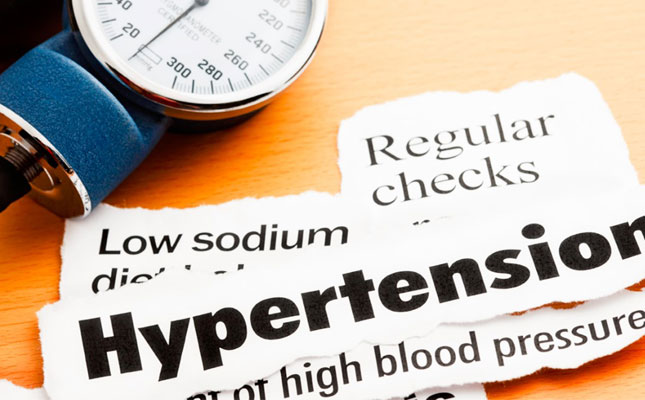
hypertensionI can’t count how many times in my 12 years of medical practice a patient with just a headache has eventually been diagnosed with high blood pressure (hypertension). Whenever a patient complains of a headache, I always make it a point to check their blood pressure (BP), as it is a very common symptom of fluctuating BP. This often presents around the temples but can also be felt at the back of the head (occipital region).

What is Blood Pressure?

The pressure exerted by the column of blood flowing in the arteries once it has been pumped by the heart is called systolic (higher value) blood pressure. Diastolic (lower value) BP refers to the resistance in the arteries, which is always present due to their elastic tone.

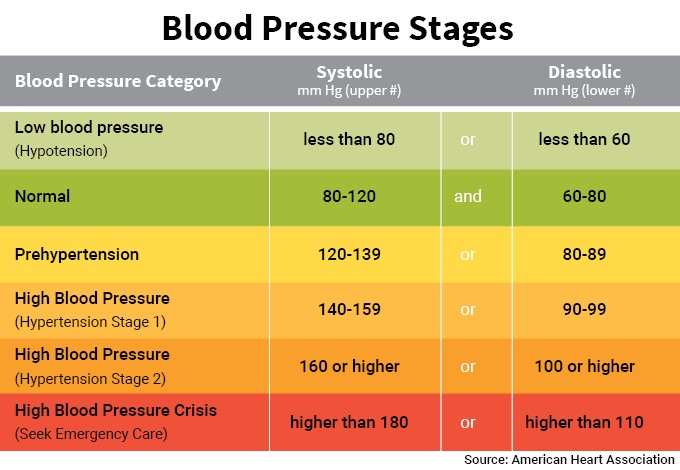
Blood Pressure Categories:

  • Normal: Up to 120/80 mmHg
  • Pre-Hypertensive: 130/90 to 140/90 mmHg
  • Hypertension: Above 140/90 mmHg

A person is diagnosed with high BP if three readings taken on separate days are consistently high.
BP - HypertensionSigns & Symptoms of Hypertension

If I have to look for signs of high BP, these symptoms should raise suspicion

  1. Headache
  2. Feeling of tiredness.
  3. Difficulty breathing
  4. Heaviness in the eyes / blurred vision.
  5. Irritability
  6. Severe cases: Heart attack or haemorrhagic stroke

What Causes High BP?

High BP is common in adults over 50 but is increasingly being diagnosed in younger people due to poor lifestyle choices, such as:

  • Lack of sleep—Irregular sleep cycles disrupt the circadian rhythm.
  • High salt intake—Excess salt from processed foods, snacks, pickles, and sauces.
  • Smoking—Nicotine constricts blood vessels, increasing BP.
  • Obesity—Being overweight adds strain to the heart.
  • Lack of exercise—Sedentary lifestyle leads to poor heart health.
  • Stress—From chaotic city traffic, financial strain, and work pressure.
  • Other Causes: BP can also rise due to secondary conditions like thyroid disorders and narrowing of arteries supplying the kidneys (Renal Artery Stenosis).

Why is it Important to Maintain Normal BP?

Persistently high BP damages the internal lining of blood vessels, gradually affecting the brain, kidneys, and eyes. This can lead to serious complications such as:

  • Stroke (brain damage due to reduced blood flow)
  • Kidney failure
  • Hypertensive retinopathy (damage to the eyes)

All of these complications can be prevented by keeping BP within the normal range.

Managing High BP Naturally
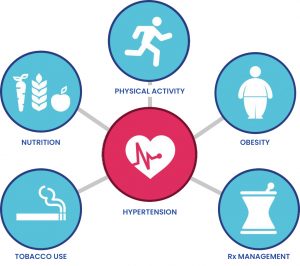
Since lifestyle choices are the single most important factor in controlling BP, here’s how you can manage hypertension without medication:

  • Sleep Better:
    • Aim to sleep by 11 PM and wake up by 6-7 AM to regulate your circadian rhythm.
    • Avoid using screens before bedtime to improve sleep quality.
  • Diet Adjustments:
    • Reduce salty foods such as crisps, salted nuts, pickles, and processed sauces.
    • Eat more potassium-rich foods like bananas, spinach, and lentils.
  • Exercise Regularly:
    • Engage in 45 minutes of brisk walking, 30 minutes of swimming or cycling, or 30 minutes of aerobics at least 5 days a week.
    • Strength training also helps improve circulation and heart health.
  • Manage Your Weight: 
    • If overweight, aim to lose 1-2 kg per month until you reach a healthy BMI (Body Mass Index) of 25.
  • Reduce Stress: 
    • Practise deep breathing or meditation daily.
    • Set realistic personal and professional goals to avoid unnecessary stress.
  • Stay Socially Connected:
    • Engage in social activities and maintain a healthy support system. A positive social life can improve mental health and reduce stress-induced BP spikes.

When to Consider Medication?

If lifestyle modifications do not lower BP within 6 months, it’s time to consult a doctor to explore medical options.

Additionally, if hypertension is caused by an underlying condition (such as thyroid disease or renal artery stenosis), treating the root cause can help normalise BP.

Even the word HyperTENSION (high BP) has ‘TENSION’ in it! Managing stress and adopting healthier lifestyle choices can significantly improve your heart health.

Have you successfully managed your BP through lifestyle changes? Share your experiences in the comments below!

#BeTheForce

Disclaimer: The information provided in this blog is for general awareness and educational purposes only. It is not intended to replace professional medical advice, diagnosis, or treatment. Always consult a qualified healthcare provider for personalised medical guidance or concerns related to your health.
February 20, 2025 By Sindhu Ashwin 4 Comments

Interesting facts about Salt you should know

SaltWe all know that salt is an essential ingredient in our food. It’s hard to imagine a meal without it! But what exactly is salt, and why is it so important? While most of us are familiar with table salt, there are some fascinating facts about salt that you might not know. Let’s dive into the world of salt and uncover its role in our lives.

What is Salt?

Salt is made from sodium, a naturally occurring mineral, and is a major ingredient used worldwide. Most of the sodium we consume is in the form of sodium chloride, commonly known as table salt. But salt is more than just a seasoning—it plays a vital role in our health and daily lives.

Interesting facts about Salt

  1. Widely used Additive
    • Salt is one of the first food additives and seasonings used by humans. Today, it’s one of the most widely used additives, second only to sugar in the amount added to food.
  2. Too much salt is harmful
    • While salt is necessary for human life, over consumption can lead to health issues like high blood pressure, hypertension, and heart disease. On the other hand, consuming too little salt can cause hypotension.
    • High blood pressure is a major risk factor for heart disease, stroke, and kidney disease. However, sodium intake alone isn’t the sole cause—factors like family history, weight, race, physical fitness, and smoking also play a role.
  3. How Much Salt Should You Consume?
    • Under normal conditions, a person needs about 2500 milligrams of sodium daily, which is roughly half a teaspoon of salt.
  4. Replenishing Salt
    • During conditions like excessive sweating (from workouts, sports, or trekking), diarrhea, or vomiting, sodium is lost, and the body’s need for it increases. This increased need can usually be met through diet, as the average diet already contains more sodium than required.

Sources of Sodium

  1. Table salt and seasoning:
    • Sodium is often added to foods during preparation in the form of table salt, monosodium glutamate (MSG), sea salt, black salt, or rock salt. One level teaspoon of salt contains about 2000 milligrams of sodium.
  2. Processed foods:
    • Salt and sodium-containing additives are commonly found in processed foods like chips, salted nuts, pickles, sauces, and ketchup. These additives also help preserve food.
  3. Natural sources:
    • All animal-based foods naturally contain sodium. Most fresh fruits and vegetables also have small amounts of sodium.
  4. Medicines:
    • Some over-the-counter drugs and medications contain sodium, so it’s important to check labels if you’re monitoring your sodium intake.

The Role of Salt in Health

Experts believe that while cutting down on salt may not prevent high blood pressure, it can help lower blood pressure for people who are “salt-sensitive.” A low-salt diet, combined with weight loss, medication, or other lifestyle changes, can effectively control high blood pressure.

Salt is a tasty and essential ingredient in our daily cooking, but moderation is key. Use it wisely to stay healthy. For instance, switching to rock salt can help keep blood pressure in check.

We hope this article equips you with valuable insights into the role of salt in your life. If you found this information helpful, we’d love to hear your thoughts in the comments below.

#BeTheForce

Disclaimer: The information provided in this blog is for general awareness and educational purposes only. It is not intended to replace professional medical advice, diagnosis, or treatment. Always consult a qualified healthcare provider for personalised medical guidance or concerns related to your health.

August 8, 2024 By Mubasheera Chaiwala Leave a Comment

Mastering Hypertension: A Comprehensive Guide to Lifestyle Management

HypertensionHypertension, commonly known as high blood pressure, is largely influenced by lifestyle factors. By understanding and making adjustments to five key aspects of daily life — diet, exercise, stress management, sleep quality, and hydration— you can effectively manage this condition and improve overall well-being.


Dietary Adjustments: Sodium plays a crucial role in the body’s fluid balance, but excessive intake can be harmful. A moderate salt intake is essential, particularly by reducing hidden sodium sources found in processed, preserved, and packaged foods (Avoid 3Ps). To naturally support heart health and lower blood pressure, incorporate foods that boost nitric oxide production, such as beetroot, garlic, dark chocolate (in moderation), nuts, seeds, and berries. These foods contain beneficial compounds that help relax blood vessels, promoting better circulation and supporting long-term heart health.

Regular Exercise: A sedentary lifestyle contributes to arterial stiffness and plaque buildup, increasing hypertension risk. Regular cardiovascular activity can prevent these complications and enhance heart function.

Recommended activity levels: 150 minutes of moderate-intensity cardio per week or 75 minutes of vigorous-intensity cardio, Strength training at least twice a week to improve circulation and overall heart health.

Exercise not only improves physical health but also reduces stress by triggering the release of endorphins—the body’s natural mood boosters.

Stress Reduction: Stress is a natural response to daily challenges, but chronic stress can lead to sustained high blood pressure, increasing the risk of heart complications. Implementing stress management techniques can help reduce this burden and support cardiovascular health.

Effective Stress Reduction Strategies: Engage in activities you enjoy, Maintain social connections and positive relationships, Practise deep breathing and relaxation techniques, Incorporate yoga and meditation for mindfulness and balance, Laugh often—yes, laughter can lower stress hormones!

Optimizing Sleep: The quality of sleep plays a vital role in blood pressure regulation. Creating a relaxing sleep environment and healthy bedtime habits can significantly improve sleep and prevent disruptions linked to hypertension.

Sleep Tips for Blood Pressure Control: Reserve the bedroom for rest—avoid working or using electronic devices in bed, Elevate your legs before sleeping to promote circulation, Maintain a quiet, dark, and cool environment for deeper sleep, Practise deep breathing exercises before bedtime, Avoid abrupt awakenings—opt for a gentle alarm tone

Adequate Hydration: Dehydration can increase sodium concentration in the blood, leading to a rise in blood pressure. Ensuring consistent hydration throughout the day supports heart function and helps regulate blood pressure.

Hydration Tips: Drink small amounts of water regularly rather than consuming large amounts at once, Include herbal teas and water-rich fruits & vegetables in your diet, Avoid excessive caffeine and sugary drinks, which can contribute to dehydration.

By embracing these lifestyle modifications, you can take proactive steps towards managing hypertension naturally while enhancing overall health and well-being. Small, consistent changes in diet, exercise, stress management, sleep, and hydration can have a big impact on your heart health.

#BeTheForce

Disclaimer: The information provided in this blog is for general awareness and educational purposes only. It is not intended to replace professional medical advice, diagnosis, or treatment. Always consult a qualified healthcare provider for personalised medical guidance or concerns related to your health.

June 7, 2024 By Neha Morche 3 Comments

Hypertension: Cause for all heart issues

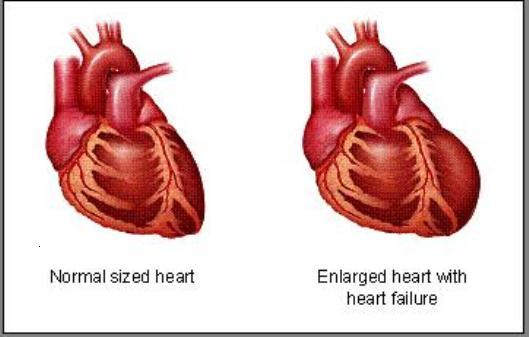
heart-failure2

Heart is one of the most important organs of our body, and keeping it healthy is important. Heart connects the entire body through its vital functions.

What does the heart exactly do? Why is it related to blood pressure?

This small fist like structure works hard to maintain blood flow to our body day and night. Fundamentally, it takes all the impure blood from the body, makes it pure with lots of Oxygen (fresh air), and sends it back. While doing this, it also contracts and relaxes (medically termed it as systolic and diastolic, respectively) in between a single beat. In normal course, if the person is healthy this happens smoothly without much pressure on it. Normal blood pressure levels should be 120/80 mm/hg.

Blood pressure is the culprit to heart issues. It’s natural to increase our blood pressure due to certain unpleasant situations, but if the blood pressure stays elevated for longer periods, then it turns into hypertension.

Causes for increased blood pressure:

  • Stress
  • Smoking
  • Alcohol
  • Obesity
  • Less water intake
  • High salt intake
  • Intake of more processed or bakery food.
  • Junk food or less fibrous food Intake
  • Less activity
  • Less sleep
  • Kidney disorders
  • Heredity
  • High fat food intake

All of these lead to plaque formation in the tiny blood vessels, due to which heart has to put more pressure than usual for a smooth blood flow. When it goes beyond the heart’s limit (it has muscles, after all) it stops pumping blood (which carries water, nutrients, and oxygen) thus it results in heart attack.

The good news is that one can avoid high blood pressure and avert heart attacks by just taking care of our daily meals, activities, water, sleep, stress etc. in short keeping a check on our lifestyle.

We need to improve all micro habits which set into our routine. Once you set yourself a routine, it’s difficult to break it.

Salt is the crucial factor that can lead to high blood pressure. Salt is a combination of sodium and chloride. Daily requirement of sodium is 1500mg to 2300mg, which means we can include approximately 1 teaspoon of salt. Sodium is also found in baking soda, monosodium glutamate (MSG), various seasonings, additives, condiments, meat, fish, poultry, dairy foods, eggs, smoked meats, olives, and pickled foods. High sodium directly contributes to high blood pressure.

Here are some heart friendly food options I have listed down for you

Antioxidants (green tea, red wine)

Fiber and Vitamin K (green leafy vegetables, whole grains, beans, whole pulses)

Whole Fruits

Omega 3 and Omega 6 fats (Almonds, walnuts, flax seeds, fish like salmon, sardines, mackerel, herring, tuna, avocado)

Ample amount of water intake.

Doing regular breathing exercises help us increase our Oxygen uptake.

Yoga, meditation or giving time to your hobbies keeps stress at bay.

Staying active through the entire day or indulging in any type of activity or game you enjoy can keep stress levels under check.

Maintaining heart health starts with managing your blood pressure. By making mindful choices in your diet, staying active, managing stress, and staying hydrated, you can significantly reduce the risk of hypertension and heart disease. Share your thoughts and experiences in the comments below. For more health tips and personalised guidance,speak to a certified expert by subscribing to GOQii’s Personalised Health Coaching here. Take control of your heart health today!

#BeTheForce

  • « Previous Page
  • 1
  • 2
  • 3
  • 4
  • 5
  • Next Page »

Search

Recent Posts

  • PCOS and Anxiety: Discover Relief with the 54321 Technique
  • Navigating the Maze of Nutrition: Finding Clarity Amidst Confusion
  • Get children active and keep them healthy
  • What Gestational Diabetes Can Do To You & Your Unborn Child
  • Breathing – A Forgotten Art

Stay Updated

Archives

  • December 2025 (4)
  • November 2025 (15)
  • October 2025 (20)
  • September 2025 (6)
  • August 2025 (6)
  • July 2025 (12)
  • June 2025 (18)
  • May 2025 (16)
  • April 2025 (23)
  • March 2025 (23)
  • February 2025 (22)
  • January 2025 (26)
  • December 2024 (26)
  • November 2024 (25)
  • October 2024 (22)
  • September 2024 (24)
  • August 2024 (31)
  • July 2024 (21)
  • June 2024 (26)
  • May 2024 (31)
  • April 2024 (27)
  • March 2024 (29)
  • February 2024 (26)
  • January 2024 (25)
  • December 2023 (15)
  • November 2023 (11)
  • October 2023 (22)
  • September 2023 (22)
  • August 2023 (20)
  • July 2023 (22)
  • June 2023 (24)
  • May 2023 (24)
  • April 2023 (24)
  • March 2023 (23)
  • February 2023 (20)
  • January 2023 (16)
  • December 2022 (12)
  • November 2022 (15)
  • October 2022 (15)
  • September 2022 (12)
  • August 2022 (10)
  • July 2022 (17)
  • June 2022 (11)
  • May 2022 (10)
  • April 2022 (6)
  • March 2022 (6)
  • February 2022 (13)
  • January 2022 (12)
  • December 2021 (7)
  • November 2021 (3)
  • October 2021 (6)
  • September 2021 (3)
  • August 2021 (8)
  • July 2021 (7)
  • June 2021 (15)
  • May 2021 (16)
  • April 2021 (10)
  • March 2021 (7)
  • February 2021 (4)
  • January 2021 (4)
  • December 2020 (3)
  • November 2020 (4)
  • October 2020 (10)
  • September 2020 (3)
  • August 2020 (3)
  • July 2020 (2)
  • June 2020 (4)
  • May 2020 (10)
  • April 2020 (12)
  • March 2020 (10)
  • February 2020 (4)
  • January 2020 (4)
  • December 2019 (3)
  • November 2019 (7)
  • October 2019 (5)
  • September 2019 (4)
  • August 2019 (9)
  • July 2019 (9)
  • June 2019 (11)
  • May 2019 (4)
  • April 2019 (9)
  • March 2019 (8)
  • February 2019 (9)
  • January 2019 (8)
  • December 2018 (9)
  • November 2018 (3)
  • October 2018 (3)
  • September 2018 (5)
  • August 2018 (10)
  • July 2018 (6)
  • June 2018 (13)
  • May 2018 (8)
  • April 2018 (18)
  • March 2018 (9)
  • February 2018 (8)
  • January 2018 (15)
  • December 2017 (12)
  • November 2017 (19)
  • October 2017 (13)
  • September 2017 (15)
  • August 2017 (4)
  • July 2017 (8)
  • June 2017 (7)
  • May 2017 (6)
  • April 2017 (8)
  • March 2017 (6)
  • February 2017 (7)
  • January 2017 (9)
  • December 2016 (10)
  • November 2016 (7)
  • October 2016 (7)
  • September 2016 (7)
  • August 2016 (11)
  • July 2016 (9)
  • June 2016 (9)
  • May 2016 (12)
  • April 2016 (17)
  • March 2016 (17)
  • February 2016 (8)
  • January 2016 (6)
  • December 2015 (2)
  • November 2015 (9)
  • October 2015 (7)
  • September 2015 (9)
  • August 2015 (11)
  • July 2015 (9)
  • June 2015 (12)
  • May 2015 (9)
  • April 2015 (13)
  • March 2015 (8)
  • February 2015 (5)
  • January 2015 (12)
  • December 2014 (14)
  • November 2014 (11)
  • October 2014 (6)
  • September 2014 (13)
  • August 2014 (12)
  • July 2014 (6)
  • June 2014 (2)
  • May 2014 (7)
  • April 2014 (5)

From “Laddu Nawin” to Fit and Fierce: How a 25-Year-Old Insurance Advisor Shed 20 Kilos and Gained His Life Back

When 25-year-old Nawin Yadav from Hyderabad walked into his office every morning, he carried more than just his files and policy papers. He had the weight of fatigue, sluggish energy, and an ever-growing belly that was becoming the butt of jokes. “People … [Read More...]

“I’ve Challenged Myself to Live 100 Years” – The Story of Chandubhai Savani’s Second Chance at Life

At 67, most people start slowing down. Not Chandubhai Savani. A resident of Surat, Chandubhai, thought life was on track. “My life was going well till I had my bypass surgery,” he says. That surgery, back in 2021, was a wake-up call.  Medication was routine, but exercise wasn’t. His diet? What he calls ‘normal.’ “I […]

From Shimla’s Slopes to Chandigarh’s Sidewalks: Surinder Kaur Bhalla’s Journey from Chaos to Control

Some journeys start with a plan. Others begin with a stumble literally. Surinder Bhalla, a government professional, born and raised in the scenic hill town of Shimla, had always lived a life of movement. “In Shimla, you walked everywhere,” she reflects. “Walking was never an exercise. It was just life.” But after shifting to Chandigarh, […]

Ananda Mukherjee Health Story

From Terminal Illness To Complete Wellness! Ananda Mukherjee Health Story

As we observe World Cancer Day under the powerful theme ‘United by Unique’ (2025-2027)**, we are reminded that every individual’s journey with cancer is distinct, yet united by shared resilience, hope, and the collective fight against this disease. This theme places people at the centre of care and their stories at the heart of the […]

  • HOME
  • HEALTHY LIVING
  • FITNESS
  • HEALTHY RECIPES
  • USER STORIES
  • KARMA
  • BUY GOQii

Copyright ©2016 GOQii

