GOQii

Blog

  • HOME
  • HEALTHY LIVING
  • FITNESS
  • HEALTHY RECIPES
  • USER STORIES
  • KARMA
  • BUY GOQii

August 8, 2024 By Mubasheera Chaiwala Leave a Comment

Mastering Hypertension: A Comprehensive Guide to Lifestyle Management

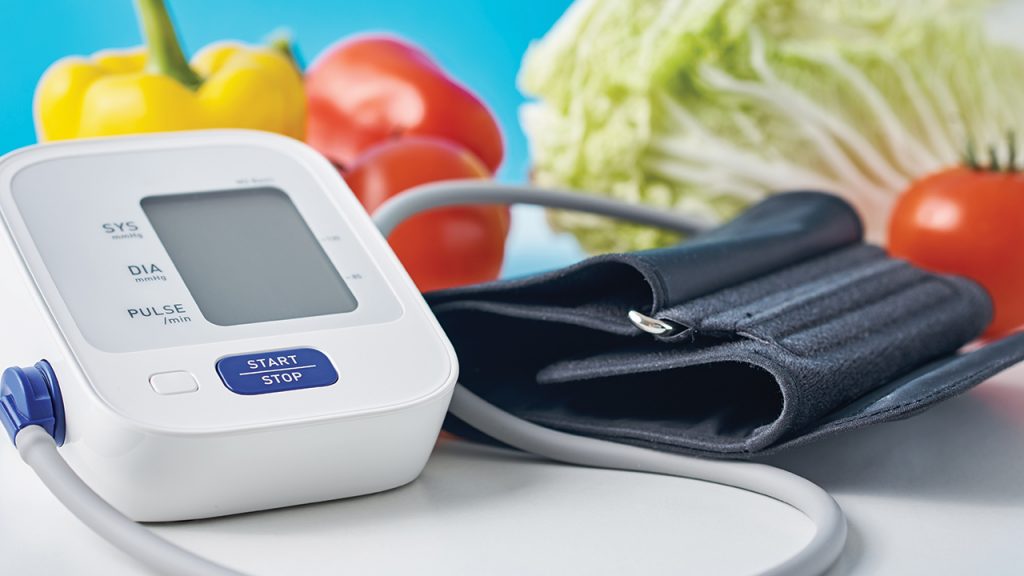
HypertensionHypertension, commonly known as high blood pressure, is largely influenced by lifestyle factors. By understanding and making adjustments to five key aspects of daily life — diet, exercise, stress management, sleep quality, and hydration— you can effectively manage this condition and improve overall well-being.

Dietary Adjustments: Sodium plays a crucial role in the body’s fluid balance, but excessive intake can be harmful. A moderate salt intake is essential, particularly by reducing hidden sodium sources found in processed, preserved, and packaged foods (Avoid 3Ps). To naturally support heart health and lower blood pressure, incorporate foods that boost nitric oxide production, such as beetroot, garlic, dark chocolate (in moderation), nuts, seeds, and berries. These foods contain beneficial compounds that help relax blood vessels, promoting better circulation and supporting long-term heart health.

Regular Exercise: A sedentary lifestyle contributes to arterial stiffness and plaque buildup, increasing hypertension risk. Regular cardiovascular activity can prevent these complications and enhance heart function.

Recommended activity levels: 150 minutes of moderate-intensity cardio per week or 75 minutes of vigorous-intensity cardio, Strength training at least twice a week to improve circulation and overall heart health.

Exercise not only improves physical health but also reduces stress by triggering the release of endorphins—the body’s natural mood boosters.

Stress Reduction: Stress is a natural response to daily challenges, but chronic stress can lead to sustained high blood pressure, increasing the risk of heart complications. Implementing stress management techniques can help reduce this burden and support cardiovascular health.

Effective Stress Reduction Strategies: Engage in activities you enjoy, Maintain social connections and positive relationships, Practise deep breathing and relaxation techniques, Incorporate yoga and meditation for mindfulness and balance, Laugh often—yes, laughter can lower stress hormones!

Optimizing Sleep: The quality of sleep plays a vital role in blood pressure regulation. Creating a relaxing sleep environment and healthy bedtime habits can significantly improve sleep and prevent disruptions linked to hypertension.

Sleep Tips for Blood Pressure Control: Reserve the bedroom for rest—avoid working or using electronic devices in bed, Elevate your legs before sleeping to promote circulation, Maintain a quiet, dark, and cool environment for deeper sleep, Practise deep breathing exercises before bedtime, Avoid abrupt awakenings—opt for a gentle alarm tone

Adequate Hydration: Dehydration can increase sodium concentration in the blood, leading to a rise in blood pressure. Ensuring consistent hydration throughout the day supports heart function and helps regulate blood pressure.

Hydration Tips: Drink small amounts of water regularly rather than consuming large amounts at once, Include herbal teas and water-rich fruits & vegetables in your diet, Avoid excessive caffeine and sugary drinks, which can contribute to dehydration.

By embracing these lifestyle modifications, you can take proactive steps towards managing hypertension naturally while enhancing overall health and well-being. Small, consistent changes in diet, exercise, stress management, sleep, and hydration can have a big impact on your heart health.

#BeTheForce

Disclaimer: The information provided in this blog is for general awareness and educational purposes only. It is not intended to replace professional medical advice, diagnosis, or treatment. Always consult a qualified healthcare provider for personalised medical guidance or concerns related to your health.
June 26, 2024 By Trupti Hingad 10 Comments

Urine Colour – Can be a good indicator of health

1 (2)

In my previous blog, I discussed how your poop describes your health status. In this blog, I shall tell you how your pee says a lot about your health.

In a day, we all visit the bathroom many times to pee, but seldom does it cross our mind to check our pee colour before we flush it out of sight.

Urine, or pee, is the body’s way of expelling waste products in a liquid form, mainly composed of water, salt, and chemicals called urea and uric acid.

The kidney creates urine by flushing out toxins and other bad substances from the blood. Various factors such as medications, food, and illness can affect urine colour or odour.When there is a malfunction, the urine may contain clues to the problem. The colour of the urine can be a helpful indicator.

Ideally, the colour of urine should be pale yellow, indicating you are well hydrated. The pale yellow colour is due to a pigment produced by the body called – UROCHROME and UROBILIN.

Let’s understand how the colour of the urine describes your health. There are three main causes for abnormal urine colour

  • Food that you eat
  • Drugs or Medication that you take
  • Health Issues

What does the colour of Urine Indicate?

Transparent: If the pee colour is completely clear, its sign of over hydration. Sometimes excess hydration may lead to dilution of salts in the body.

Brown colour: Shades of brown in your urine may indicate dehydration. It can also signal liver disease, where bile salts that should be processed and eliminated through stool end up in the urine.

Note: If you eat a lot of aloe, fava beans, or rhubarb, these foods can also turn your urine brown.

Red colour: Foods like beets and blackberries can cause red urine. If the red color persists, it could be a sign of blood in the urine, which may be due to kidney disease, urinary tract infections (UTI), or cancers. In such cases, consult a doctor immediately.

Blue or Green colour: Consumption of asparagus can lead to green urine. Certain medications, genetic diseases, and UTIs can also cause blue or green urine.

Orange: An orange color may be due to medications such as high-dose vitamin B2, the UTI drug phenazopyridine, or the antibiotic isoniazid.

Dark yellow: Dark yellow urine indicates significant dehydration. It can also be linked to high intake of B vitamins, especially B12, resulting in this dramatic hue change.

Cloudy or milky: Cloudy or milky urine most often indicates the presence of white blood cells, suggesting an infection.

Bubbles/frothy urine: Excessive bubbles or frothing that occurs every time you urinate can indicate an excess of protein in your urine.

Does your urine smell?

Pee doesn’t usually have a strong smell. However, some foods, especially asparagus, contain a smelly sulfur compound that can change the odor. Vitamin B-6 supplements can also affect the smell. When you’re dehydrated and your pee gets very concentrated, it can smell strongly of ammonia. A strong ammonia smell may indicate a UTI, and a sweet smell could be a sign of excess sugar and diabetes.

How often should you urinate?

It varies for everyone, but normally people need to empty their bladder up to 8 times a day. If you suddenly need to pee more often than usual, it could be a sign of a health problem such as a UTI, diabetes, an enlarged prostate in men, vaginitis in women, or interstitial cystitis.

Urine is something that most of us must take a look and prevent any conditions by prevailing. By understanding what your urine color indicates, you can take steps to maintain your health and seek medical advice when necessary.

Keep yourself well hydrated and stay healthy!!

We hope this article helps you. Understanding the color and characteristics of your urine can provide valuable insights into your health. By paying attention to these signs, you can take proactive steps to maintain your well-being. Keep yourself well-hydrated and consult a healthcare professional if you notice any unusual changes in your urine or speak to a certified expert by subscribing to GOQii’s Personalised Health Coaching here.

#BeTheForce

May 28, 2024 By Prachi Aggarwal 1 Comment

Have A Healthy Summer With These Safety Tips!

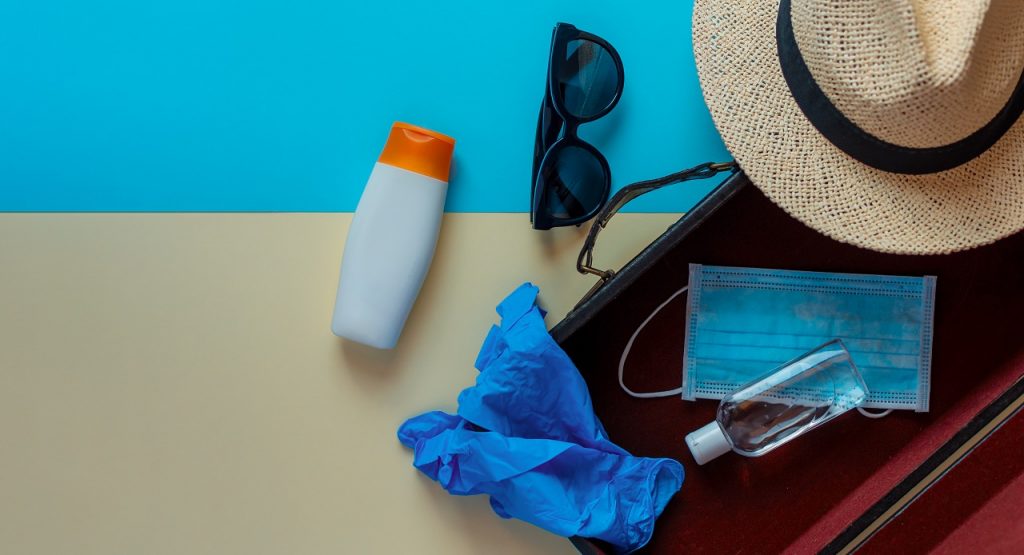
healthy summerSummer is officially here and it often indicates fun and sunshine. Unfortunately, that also brings unbearable heat induced illnesses such as sunburn, heat exhaustion, stroke, etc. Therefore, a variation in weather calls for the change in our routine, dietary habits and activity that suits the weather. So, here are some tips to help you enjoy a healthy summer! 
Safety Tips For a Healthy Summer

  1. Hydration: Heat and sweat in summers may lead to dehydration causing sleep issues, and headaches. So, no matter what time of the day it is, water is very important to prevent dehydration. Keep the body hydrated and drink a minimum of 2-3 litres (8-12 glasses) per day. In addition to water, buttermilk, lemon juice, aloe vera juice, mint and amla (Indian Gooseberry) juice with rock salt can also be included (prefer fresh ingredients). 
  2. Have healthy and light meals: One’s appetite decreases in summers because of the excessive heat but it is important to provide nutrition to the body. Prefer light, small and frequent meals which can be easily digested by the body. Prefer more fresh fruits and veggies with high water content such as melons, oranges, cucumber and tomatoes. 
  3. Avoid caffeine and fizzy drinks: Caffeine (tea, coffee) and fizzy drinks (soft drinks) dehydrate the body and also cause gastritis. Try to reduce the consumption of these products for a healthy summer! If you do have them, pair them with nuts, unsalted popcorn, plain peanuts, fox nuts, etc. 
  4. Wear the right clothes: Always prefer to wear loose and light clothes in summers as they allow the free flow of air, speed up the evaporation process and carry off the excess heat from the body, keeping it cool. 
  5. Be active: Exercise for a minimum of 30 minutes, 5 times a week. It’s the best way to keep the body active. It also improves blood circulation in the body, preventing headaches and migraine attacks during summer. One can opt for indoor activities like swimming, yoga, dancing, aerobics or outdoor activities like walking, jogging, running or cycling. The best time for outdoor activities is before 8.00 am or after 6.00 pm 

We hope this article helps you have a healthy summer! Do leave your thoughts in the comments below! For more summer tips, check out Healthy Reads or speak to a certified expert by subscribing to GOQii’s Personalised Health Coaching here.

Beat the heat and #BeTheForce 

May 17, 2024 By Trupti Hingad 8 Comments

Combat Constipation Naturally: Causes, Symptoms, and Remedies

bowel-movement

After reading my blog on Poop…most of my blog reader’s reaction was Ewww!! Most of us feel the same way when we talk about shit or pee. But we forget that its part of our own body and we are only responsible for how it turns out. In my years of experience. I have noticed that many of them have issue related to clear bowel movement – medically termed as CONSTIPATION and is one of the reason for not losing weight too.

In Bollywood.too….many films are made on this – like Toilet—Ek Prem Katha, Piku, Delhi Belly. The over or under use of toilet is always an issue!

Constipation is defined as lesser than three stools per week and Chronic constipation means once or less per week.

Most of us have gone through this phase sometime or other in our life. Have you ever wondered why? Well, I know this topic is not that which eases our mind but it’s important to know about it.

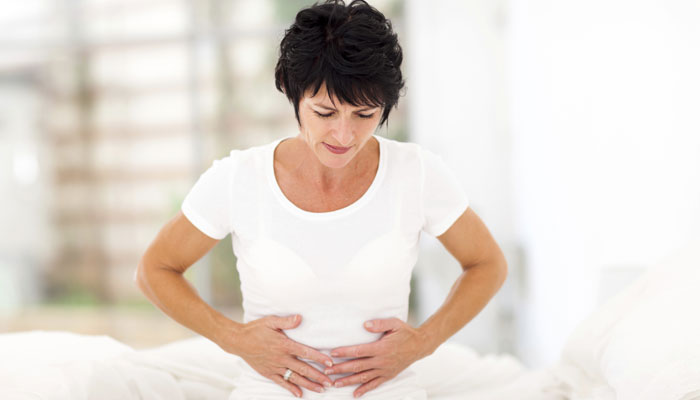
Constipation can results into symptoms like abdominal discomfort, feeling of incomplete evacuation, hard stools, rectal or anal bleeding.

Constipation occurs where the food in the stomach and intestine is taking an inconsistently long time to be digested. The contractions that push the food forward is called the peristalsis movement. When the chyme (semi-digested food) is not pushed forward but remains in the intestine it starts fermenting, causing gases and bloating to occur. The water content has all been absorbed so it becomes dry and peristalsis becomes even more difficult and even painful at times. 

When we travel our eating, sleeping habits become irregular, bringing with it changes in our digestive system which can sometimes cause constipation. It can also happen due to some medications, low fibre diet, hormonal disorders, stress, pelvic disorder, less water intake. When that happens we must increase our water intake immediately so as to keep the colon well hydrated to make sure that the chyme doesn’t dry out.

Another reason could also be a sedentary lifestyle. It is important to keep up with moderate activity as we grow older our metabolism gradually slows down and with it the digestive process. Our body is like a machine that we need to keep well-oiled in all departments to keep working properly.

Here are Simple solutions that can help to prevent and cure it.

1. Good Fibre: Increase fiber intake so that there is sufficient fibre for bile to mix with and digest the food. Soluble fibre softens the stools and insoluble fibre adds bulk and roughage to the stools. E.g. Legumes, Oats, Rice Bran, Whole Fruits, Green Vegetables, Figs, Nuts and Seeds. etc. Apple and Guava works best as per my personal experience.

2. Adequate hydration is must: Increase your water intake makes possible for the insoluble fibre in the colon to move forward more effectively. Water ensure a good production of digestive juices in the stomach and intestine and smooth passage of food thorough the intestine. It even makes stools softer to ensure they are passed out easily. Drink about 3-3.5 ltrs per day to keep cells hydrated.

Use the bathroom as and when needed. Do not hold back.

3. Regularize lifestyle and eating and sleeping patterns. Have good sound sleep and avoid stress. De-stress yourself with some meditation or deep breathing techniques

4. Avoid all the packaged foods, and foods loaded with refined flour. Trans fat, sodium and other preservatives are low in fibre or lack fibre completely.

5. One of the best home remedy is to soak 2 figs or 4-5 raisins overnight and then have it in the morning with a glass of luke warm water. Prunes also acts as a great laxative.

6. One tbsp of castor oil or cold pressed virgin coconut oil works best if had before going to bed. It helps in smooth passage of stools next morning.

7. Our ancient study says – Triphala powder—one tbsp in glass of luke warm water helps in detoxifying and cleansing the colon and rectum.

8. Exercise about 30-45 min daily. This improves blood circulation which promotes better digestion and hence clear bowel movement. Avoid exercise immediately after meals.

Let me share some basic yoga asanas which can be done daily to regularize your bowel movement. Yoga helps revitalise your body and also increases the flow of blood and oxygen in the system, thereby, improving your digestive system.

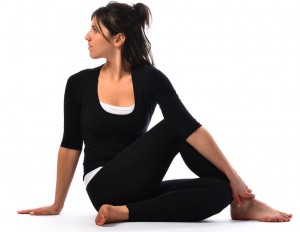
Ardha-Matsyendrasana (Sitting Half Spinal Twist Pose)

Half-spinal-twist-Ardha-matsyendrasana-300x232

How to do it:
* Sit down on the ground with your legs extended in front of you; toes pointed toward the ceiling.
* Bend your left leg, under your right one, placing your foot next to your right buttock.
* Place the right foot firm on the ground, near the left knee.
* Extend both your arms, and twist your upper body to the right. Place the right arm on the ground behind the back, and your left hand on the right ankle in front of your body.
* Sustain the pose for at least 30 seconds. Gradually, increase the time to 1 minute.
* Release and repeat on the other side.

Benefits: This pose stimulates the pancreas, liver, spleen, kidneys, stomach, and ascending and descending colons, hence, improving bowel movements and providing relief from constipation.

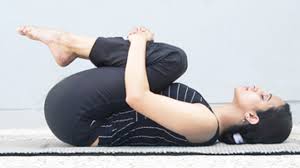
Pavanmuktasana (Wind-Relieving Pose)

Pavanmuktasana
This is one of the easiest and most effect Yoga pose if you are felling gassy.

How to do it:
* Recline on your back and hug your legs into your chest.
* Pull the head up and try to put your nose in between the knees.
* You may rock gently if you wish too. Release after 10 to 15 seconds.
* Alternatively, you can extend one leg out.

Benefits: As the name suggests, this posture helps release gas from the body, a common trouble of constipation. The posture can help cure several digestive disorders, including dyspepsia. It also helps in relieving acid reflux which is caused by indigestion.

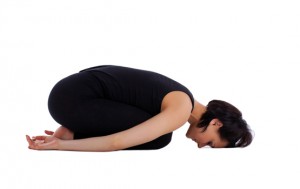
Shishuasana/Balasana (Child Pose)

childs pose
This position means that you crouch down over your knees on the floor, pushing onto your lower abdomen.

How to do it:
* Start by kneeling on your knees, with your knees touching.
* Sit down so your bottom is touching your feet and your hands are on your knees.
* Place your hands on the floor in front of you and slowly start to move them forward, lowering your body down until your stomach is on your knees and your arms are stretched out in front of you. Your hands stay touching the floor or you can take them back to hold your feet.
* Now relax, taking slow deep breaths in and out of your nose.
* Hold for about 30 seconds and let the weight of your body go so that you are relaxed in this pose, and your knees push into the abdomen to provide relief.
* Then slowly work your way back up.

Benefits: Relieve any pain that you may get when constipated.

Malasana (Garland Pose)

malasana1
How to do it:
* Squat down with your feet as close together as possible, and slightly pigeon-toed or pointing outwards.
* Your heels should be on the floor – you can always place a folded towel underneath them if this isn’t possible at first.
* Separate your thighs so that they are slightly wider than your body, and then lean forward between your thighs.
* As you do so, place your elbows on the inside of your knees with your palms together in a prayer position and gently push against your knees, which helps to lengthen the abdomen.
* Hold for 30 seconds, breathing gently through the nose before releasing.

Benefits: This pose will help you to relax and stretch the intestines.

So, in case your bowel movements are irregular stop worrying and start practising! Just give few minutes of your daily time, along with healthy diet and good sleep and you can actually look forward to a healthy digestive system and a happier you!!

If this article helped you, let us know your thoughts in the comments below. You can find more articles like this on Gut Health here. If you want expert advice or further guidance on improving digestive or gut health, speak to a GOQii Coach by subscribing for Personalised Health Coaching here.

#BeTheForce

  • « Previous Page
  • 1
  • 2
  • 3
  • 4
  • Next Page »

Search

Recent Posts

  • Best Foods To Alleviate Irritable Bowel Syndrome
  • ALL ABOUT VERTIGO!
  • PCOS and Anxiety: Discover Relief with the 54321 Technique
  • Navigating the Maze of Nutrition: Finding Clarity Amidst Confusion
  • Get children active and keep them healthy

Stay Updated

Archives

  • December 2025 (6)
  • November 2025 (15)
  • October 2025 (20)
  • September 2025 (6)
  • August 2025 (6)
  • July 2025 (12)
  • June 2025 (18)
  • May 2025 (16)
  • April 2025 (23)
  • March 2025 (23)
  • February 2025 (22)
  • January 2025 (26)
  • December 2024 (26)
  • November 2024 (25)
  • October 2024 (22)
  • September 2024 (24)
  • August 2024 (31)
  • July 2024 (21)
  • June 2024 (26)
  • May 2024 (31)
  • April 2024 (27)
  • March 2024 (29)
  • February 2024 (26)
  • January 2024 (25)
  • December 2023 (15)
  • November 2023 (11)
  • October 2023 (20)
  • September 2023 (22)
  • August 2023 (20)
  • July 2023 (22)
  • June 2023 (24)
  • May 2023 (24)
  • April 2023 (24)
  • March 2023 (23)
  • February 2023 (20)
  • January 2023 (16)
  • December 2022 (12)
  • November 2022 (15)
  • October 2022 (15)
  • September 2022 (12)
  • August 2022 (10)
  • July 2022 (17)
  • June 2022 (11)
  • May 2022 (10)
  • April 2022 (6)
  • March 2022 (6)
  • February 2022 (13)
  • January 2022 (12)
  • December 2021 (7)
  • November 2021 (3)
  • October 2021 (6)
  • September 2021 (3)
  • August 2021 (8)
  • July 2021 (7)
  • June 2021 (15)
  • May 2021 (16)
  • April 2021 (10)
  • March 2021 (7)
  • February 2021 (4)
  • January 2021 (4)
  • December 2020 (3)
  • November 2020 (4)
  • October 2020 (10)
  • September 2020 (3)
  • August 2020 (3)
  • July 2020 (2)
  • June 2020 (4)
  • May 2020 (10)
  • April 2020 (12)
  • March 2020 (10)
  • February 2020 (4)
  • January 2020 (4)
  • December 2019 (3)
  • November 2019 (7)
  • October 2019 (5)
  • September 2019 (4)
  • August 2019 (9)
  • July 2019 (9)
  • June 2019 (11)
  • May 2019 (4)
  • April 2019 (9)
  • March 2019 (8)
  • February 2019 (9)
  • January 2019 (8)
  • December 2018 (9)
  • November 2018 (3)
  • October 2018 (3)
  • September 2018 (5)
  • August 2018 (10)
  • July 2018 (6)
  • June 2018 (13)
  • May 2018 (8)
  • April 2018 (18)
  • March 2018 (9)
  • February 2018 (8)
  • January 2018 (15)
  • December 2017 (12)
  • November 2017 (19)
  • October 2017 (13)
  • September 2017 (15)
  • August 2017 (4)
  • July 2017 (8)
  • June 2017 (7)
  • May 2017 (6)
  • April 2017 (8)
  • March 2017 (6)
  • February 2017 (7)
  • January 2017 (9)
  • December 2016 (10)
  • November 2016 (7)
  • October 2016 (7)
  • September 2016 (7)
  • August 2016 (11)
  • July 2016 (9)
  • June 2016 (9)
  • May 2016 (12)
  • April 2016 (17)
  • March 2016 (17)
  • February 2016 (8)
  • January 2016 (6)
  • December 2015 (2)
  • November 2015 (9)
  • October 2015 (7)
  • September 2015 (9)
  • August 2015 (11)
  • July 2015 (9)
  • June 2015 (12)
  • May 2015 (9)
  • April 2015 (13)
  • March 2015 (8)
  • February 2015 (5)
  • January 2015 (12)
  • December 2014 (14)
  • November 2014 (11)
  • October 2014 (6)
  • September 2014 (13)
  • August 2014 (12)
  • July 2014 (6)
  • June 2014 (2)
  • May 2014 (7)
  • April 2014 (5)

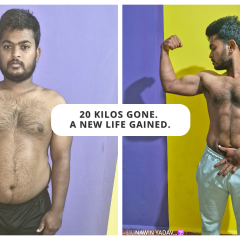
From “Laddu Nawin” to Fit and Fierce: How a 25-Year-Old Insurance Advisor Shed 20 Kilos and Gained His Life Back

When 25-year-old Nawin Yadav from Hyderabad walked into his office every morning, he carried more than just his files and policy papers. He had the weight of fatigue, sluggish energy, and an ever-growing belly that was becoming the butt of jokes. “People … [Read More...]

“I’ve Challenged Myself to Live 100 Years” – The Story of Chandubhai Savani’s Second Chance at Life

At 67, most people start slowing down. Not Chandubhai Savani. A resident of Surat, Chandubhai, thought life was on track. “My life was going well till I had my bypass surgery,” he says. That surgery, back in 2021, was a wake-up call.  Medication was routine, but exercise wasn’t. His diet? What he calls ‘normal.’ “I […]

From Shimla’s Slopes to Chandigarh’s Sidewalks: Surinder Kaur Bhalla’s Journey from Chaos to Control

Some journeys start with a plan. Others begin with a stumble literally. Surinder Bhalla, a government professional, born and raised in the scenic hill town of Shimla, had always lived a life of movement. “In Shimla, you walked everywhere,” she reflects. “Walking was never an exercise. It was just life.” But after shifting to Chandigarh, […]

Ananda Mukherjee Health Story

From Terminal Illness To Complete Wellness! Ananda Mukherjee Health Story

As we observe World Cancer Day under the powerful theme ‘United by Unique’ (2025-2027)**, we are reminded that every individual’s journey with cancer is distinct, yet united by shared resilience, hope, and the collective fight against this disease. This theme places people at the centre of care and their stories at the heart of the […]

  • HOME
  • HEALTHY LIVING
  • FITNESS
  • HEALTHY RECIPES
  • USER STORIES
  • KARMA
  • BUY GOQii

Copyright ©2016 GOQii