GOQii

Blog

  • HOME
  • HEALTHY LIVING
  • FITNESS
  • HEALTHY RECIPES
  • USER STORIES
  • KARMA
  • BUY GOQii

Search Results for: summer

May 29, 2026 By Tabassum Parveen Leave a Comment

Healthy & Refreshing Summer Coolers!

summer coolersGetting out of the house has been a task because of the heat. Venturing out means sweating profusely or being dehydrated due to lack of drinking water at continuous intervals. Want to take some extra precautions to keep your body cool and healthy? Try these healthy and refreshing summer coolers to keep you cool and ward off the heat!

1. Strawberry Pineapple Lemonade

Ingredients:

  • Strawberry – 2 cup fresh small size
  • Pineapple – 3 cup slices
  • Lemon – 1 or ½ cup
  • Ice – Optional
  • Honey – ½ cup
  • Water – 3 ½ cup

Method:

  • Place the strawberries, pineapple and water in a blender and prepare a puree
  • Strain the puree to remove seeds
  • Add lemon juice and honey
  • Add ice cubes and enjoy the drink

Benefits: This healthy, refreshing summer cooler is loaded with antioxidant properties. It supports the immune system, fights diseases and enhances your skin complexion. Its anti-inflammatory properties will help you deal with arthritis, gout, reduced blood pressure and stroke. Adding lemon will enhance its nutritive value by giving a dose of important vitamins to run body functions normally.

2. Mango, Raspberry & Basil Seed Popsicle

Ingredients:

  • Mango    – 3 cup
  • Chia Seed – 2 cup
  • Raspberry – 2 cup
  • Cinnamon Powder – 1 teaspoon
  • Brown Sugar – 1 tablespoon

Method:

  • In a blender, mix the mangoes until it is smooth
  • Pour it in a bowl and add Chia seeds
  • Mix well and let it rest in a refrigerator for 30 minutes
  • In a blender mix raspberries, brown sugar and cinnamon powder until smooth
  • Let it rest for 5 minutes
  • In a popsicle mold, pour 1 tablespoon of mango and chia seed mix. Then 1 tablespoon of raspberry mix.
  • Place in the freezer for at least 2 hrs

Benefits: This Popsicle is one of the best nutrient-rich summer coolers! Mango and Raspberry are packed with nutrients that support the heart, digestion, eye, hair and skin health. Adding Basil Seeds will reduce body heat and boost metabolism. It can relieve constipation and improve the respiratory system.

3. Ginger Cucumber Summer Cooler

Ingredients:

  • Ginger    – ½ Ginger
  • Cucumber – ½ Cucumber
  • Lemon – Few drops
  • Honey – 1 tsp
  • Water – 1 cup

Method:

  • Peel and grate the cucumber and Ginger
  • Blend it well by adding water
  • Strain it and add Honey and lemon
  • Decorate the glass with a slice of Cucumber and enjoy the drink

Benefits: Ginger improves digestive health and blood circulation. Along with Lemon, Ginger acts as an antibiotic. The combination of Cucumber, Ginger and Lemon act as a summer thirst quencher and also helps you lose weight by reducing water retention. It also boosts metabolism and keeps you hydrated!

4. Lemon Barley Water

Ingredients:

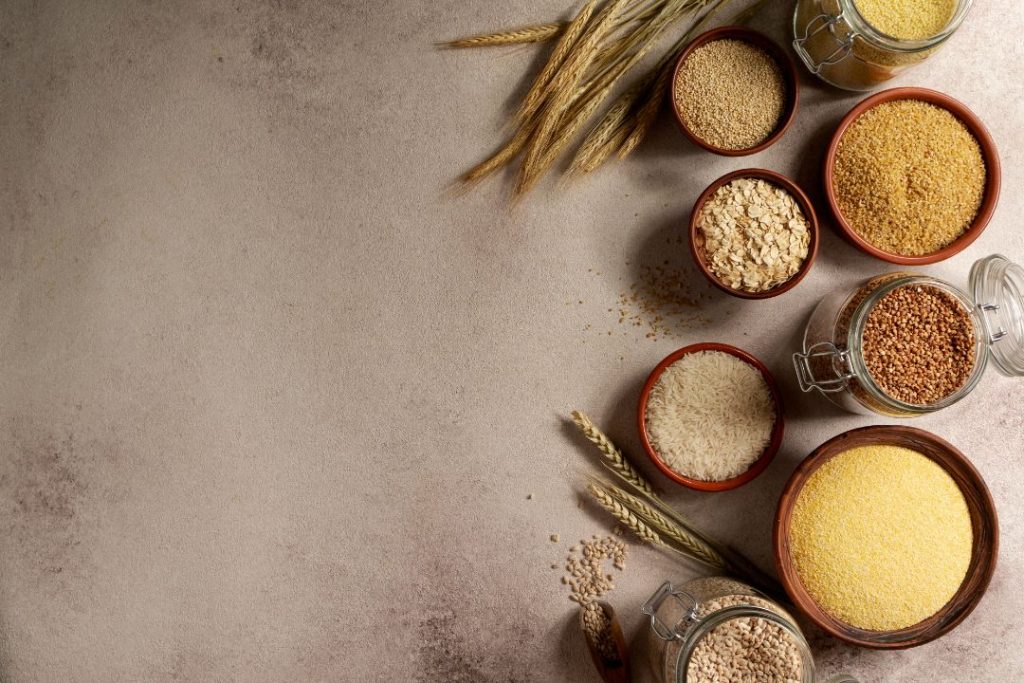
  • Barley – 3 cup
  • Lemon    Zest – 2 Lemons
  • Honey – ½ cup
  • Water – 3 cup

Method:

  • Place the barley in a bowl and wash it properly
  • Place it in a pan and add lemon zest and water
  • Bring the mixture to boil and let it simmer for 5-10 minutes
  • Strain the mixture then add honey and stir it well
  • Let the water cool down, transfer it into bottles and refrigerate until it is chilled
  • Serve it and enjoy the drink.

Benefits: It is one of the oldest drinks used by ancient Egyptians to cool their bodies during summer. This summer cooler helps maintain body temperature. It also acts as a natural remedy to reduce kidney stones and clear off Urinary Tract Infection. Due to its fiber content, it aids weight loss, improves metabolism and keeps the digestive system healthy.

5. Gur Sherbet (Jaggery and Chia Seed Drink)

Ingredients:

  • Gur (Jaggery ) – Few pieces
  • Water – 1 liter or 1 cup
  • Lemon – 1 or 2 slices
  • Salt – Optional ( ½ Tea spoon )
  • Ice – Optional
  • Chia seeds – 1 or 2 tsp

Method:

  • Soak chia seeds and jaggery in water for about half an hour or overnight
  • Add few lemon pieces  and serve chilled
  • Carry this drink to the office or if you are going out to stay hydrated

Benefits: One of the traditional summer coolers to replenish oneself. Jaggery is well known for its iron content. It also boosts immunity and reduces constipation. Adding chia seeds to it enhances this drink’s nutritive content by becoming a good source of fats that protect the heart and improve brain functioning.

Do try these healthy and refreshing summer coolers and let us know about your experience. Do you have recipes of your own? Share them with us in the comments below!

If you enjoyed these recipes, you can find more here. You can also get them directly from a GOQii Coach by subscribing for Personalised Health Coaching here.

#BeTheForce

May 28, 2026 By GOQii Leave a Comment

The Science of Staying Healthy During Extreme Summer Heat

The Big Question: How does extreme summer heat affect the body, and how can I stay healthy?

Extreme summer heat does more than simply make you sweat; it places intense systemic stress on your circulation, digestion, and cellular recovery. During heatwaves, the body rapidly loses water, sodium, potassium, and trace electrolytes, which can impair cognitive function and physical performance. Clinical data shows that supporting the body with electrolyte-rich fluids, gut-friendly probiotics, water-dense seasonal fruits, and light movement helps maintain hydration efficiency and drastically reduces the risk of heat-induced fatigue, bloating, and dehydration.

Indian summers are becoming increasingly intense, and the physiological effects go far beyond mere discomfort.

Extreme heat places significant stress on the body’s cooling systems. As temperatures rise, the body works overtime to regulate its internal temperature through sweating, increased circulation, and fluid redistribution. This creates a ripple effect that impacts your hydration, digestion, sleep quality, appetite, energy levels, and mental focus.

During severe heatwaves, many individuals notice they feel unusually tired, bloated, irritable, and lightheaded. Yet, the most common responses skipping meals, consuming excessive ice-cold drinks, or relying heavily on sugary packaged juices actually worsen the problem.

Staying healthy during extreme summer heat requires more than just drinking plain water. The body needs proper electrolyte balance, gut-friendly nutrition, and smarter hydration strategies to cope with thermal stress effectively. Here is how you can support your body naturally during peak summer months.

Why Summer Heat Exhausts the Body Faster Than You Realise

During hot weather, the body prioritizes cooling itself down. Blood circulation shifts closer to the skin surface to release heat, while sweating increases fluid and electrolyte loss throughout the day.

This creates several physiological challenges simultaneously:

  • Rapid sodium and potassium depletion
  • Sluggish digestion and reduced appetite
  • Severe tension headaches and brain fog
  • Poor sleep architecture and reduced recovery capacity

In fact, losing just 2% of your total body water volume can measurably impair concentration, physical performance, circulation, and cognitive function. This is why summer fatigue often feels much deeper than simple thirst.

The goal is not just “drinking more water.” It is helping the body maintain hydration efficiency and internal balance.

  1. Hydrate Smarter – Not Just More

One of the biggest hydration mistakes during summer is consuming massive amounts of plain water without replenishing electrolytes. Excessive sweating causes the body to lose sodium, potassium, magnesium, and trace minerals. Without replacing these minerals, cellular hydration drops, leading to dizziness and muscle cramps.

  • Coconut Water (Natural Electrolyte Support): Coconut water naturally contains high levels of potassium and electrolytes that help support hydration balance. It is especially useful after prolonged outdoor exposure or physical activity.
  • Sabja/Sweet Basil Seeds (Cooling and Hydrating): Often confused with chia seeds, Sabja seeds absorb massive amounts of water and improve hydration retention while creating a natural cooling effect in the body.
  • The Action Step: Soak Sabja seeds in water for 15 minutes before adding them to buttermilk, curd, lemon water, or smoothies.
  1. Support Your Gut During Heatwaves

Summer heat can significantly affect your gastrointestinal tract. As blood circulation shifts toward the skin to release heat, digestive efficiency temporarily slows down. This is why many people experience bloating, acidity, and constipation during the summer.

  • Add Probiotic-Rich Foods: Curd and buttermilk help support beneficial gut bacteria and improve digestive comfort. Adding roasted jeera (cumin), mint, or a pinch of hing (asafoetida) to buttermilk further reduces bloating naturally. Healthy digestion is deeply connected to overall good gut health, immunity, and energy levels.
  • The Action Step (Jeera Water): Cumin contains compounds that stimulate digestive enzyme activity. Boil 1 teaspoon of jeera in water, strain it, and consume it warm after meals to support gastric comfort.
  1. Eat Water-Rich Seasonal Foods

Summer fruits help replenish both hydration and antioxidants naturally. Water-rich fruits support skin health, cellular recovery, and sustained energy levels.

✅ Best Seasonal Choices to Eat

❌ Drinks to Avoid
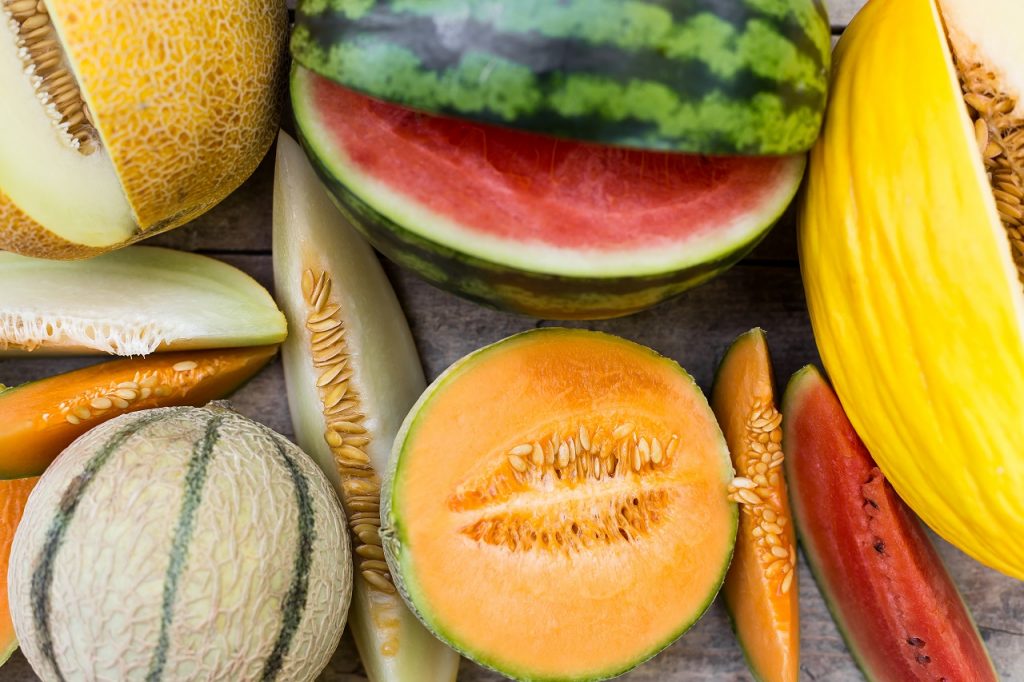
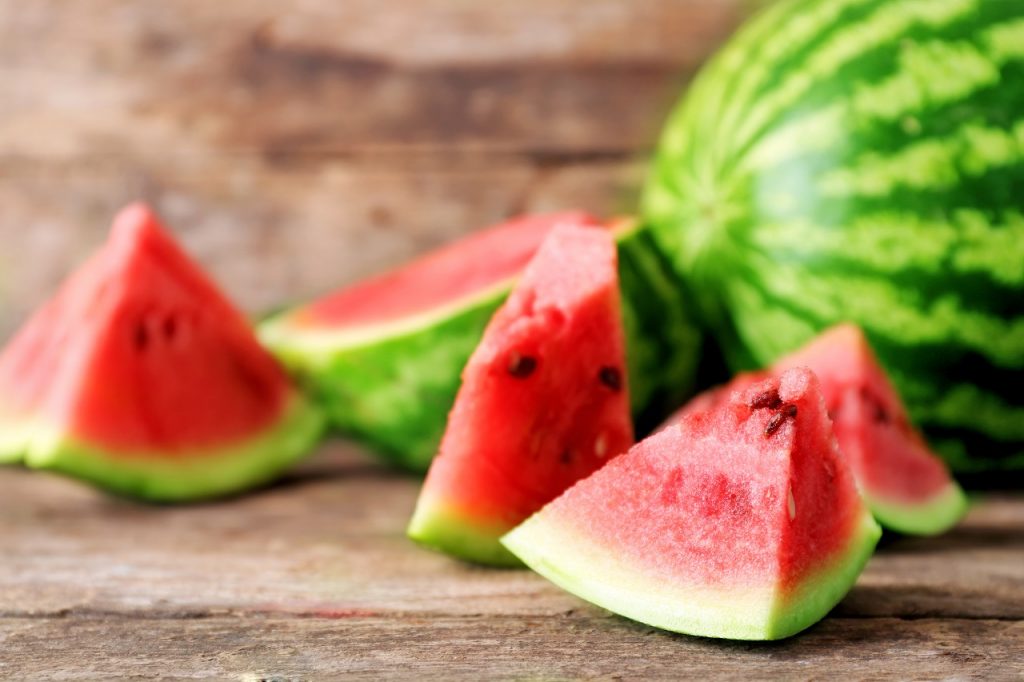
Watermelon & Muskmelon Packaged fruit juices
Litchi & Grapes Sugary sodas and colas
Jamun Heavy dairy-based milkshakes
Mangoes (Soaked in water first) Caffeinated energy drinks

Mango Tip: Soaking mangoes in water for 20-30 minutes before consumption reduces their surface heat (phytic acid) and drastically improves digestive comfort.

  1. Avoid Heavy, Greasy Meals

Digesting large, oily, or heavily spiced meals generates additional metabolic heat inside the body (the thermic effect of food). This often increases sluggishness, acidity, and fatigue.

  • The Action Step: Focus on lighter meals, seasonal water-rich vegetables (like bottle gourd), curd-based dishes, and balanced fiber portions. Jowar and barley-based (sattu) preparations also exert a cooling effect on the body.
  1. Keep Moving – Even During Summer

Many people become completely sedentary during extreme heat, but prolonged inactivity worsens circulation, joint stiffness, and metabolic sluggishness. Regular movement helps improve heat regulation, insulin sensitivity, and energy production. It also supports metabolic flexibility, helping the body adapt more efficiently to environmental stress.

  • The Action Step: Aim for early morning walks, light stretching, yoga, swimming, or moderate indoor workouts. Strictly avoid exercising outdoors during peak afternoon heat hours (12 PM to 4 PM).
  1. Prioritise Sleep and Recovery

Summer heat often disrupts sleep quality, especially when the body struggles to regulate its core temperature overnight. Poor sleep worsens fatigue, dehydration, and hormonal balance, impairing the body’s natural recovery systems.

  • The Action Step: Improve sleep quality by keeping the bedroom cool, reducing screen exposure at night, and avoiding excessively heavy dinners. Managing heat stress naturally helps support overall stress regulation and nervous system recovery.

The Bigger Picture: Summer Health Is About Recovery

Protecting your health during heatwaves is not about restrictive dieting or avoiding food entirely. It is about supporting the body’s natural cooling and recovery systems intelligently. Small daily habits—like smarter hydration, electrolyte balance, gut-friendly foods, and light movement can make a massive difference in how your body handles thermal stress.

Pro Tip: Use the GOQii App to track your hydration, meals, activity levels, sleep quality, and recovery patterns during the summer. Your GOQii Personalised Health Coach can help you create a customised summer nutrition and hydration strategy suited specifically to your lifestyle and body type!

Frequently Asked Questions (FAQs)

  1. Why does appetite decrease during summer?

During extreme heat, the body reduces appetite temporarily to minimise additional heat generation during digestion (known as the thermic effect of food). This is a natural protective mechanism.

  1. Are Sabja seeds and chia seeds the same?

No. Sabja (sweet basil) seeds absorb water much faster and are traditionally known in Ayurveda for their extreme cooling properties, while chia seeds have a different nutritional profile and do not naturally cool the body.

  1. Why are electrolytes important during summer?

Sweating causes the loss of sodium, potassium, and other trace minerals essential for cellular hydration, muscle function, and energy levels. Drinking only plain water cannot replace these lost minerals.

  1. Why do I feel more tired during hot weather?

Heat stress increases dehydration, elevates circulation demands (as the heart pumps harder to cool the skin), depletes electrolytes, and disrupts sleep. All of these factors combined contribute to profound summer fatigue.

#BeTheForce

Disclaimer: This article is intended for educational purposes only. If you experience severe dehydration, heat exhaustion, dizziness, or persistent gastrointestinal symptoms, consult a healthcare professional immediately.

May 14, 2026 By GOQii Leave a Comment

The Great Summer Mango Debate: Can You Eat Mangoes While Trying to Lose Weight?

Summer in India brings soaring temperatures, afternoon cravings, and of course the king of fruits: the mango.

But for anyone trying to lose weight or manage diabetes, mango season also brings guilt.

“Are mangoes fattening?”

“Will mangoes spike my sugar?”

“Should I avoid them completely?”

These are some of the most common questions GOQii coaches receive every summer.

The good news? You do not need to give up mangoes to stay healthy.

Mangoes themselves are not the problem. Overeating them is. No single fruit causes weight gain. Weight gain happens when your total calorie intake consistently exceeds what your body burns. And when eaten mindfully, mangoes can absolutely fit into a healthy lifestyle.

In fact, mangoes are naturally rich in:

  • Vitamin C
  • Vitamin A
  • Dietary fibre
  • Antioxidants

So before you remove mangoes from your plate completely, let’s separate the myths from the facts.

Mangoes: Myth vs. Fact

The Myth The Reality
“Mangoes make you gain weight.” Mangoes are naturally fat-free and cholesterol-free. One medium mango contains roughly 150–200 calories. Weight gain happens from an overall calorie surplus—not from one fruit alone.
“People with diabetes should avoid mangoes completely.” Mangoes have a medium Glycaemic Index (GI) of around 51–56. Controlled portions can still fit into a balanced diabetic diet, especially when paired with protein or healthy fats.
“Mangoes are best eaten after meals.” Eating mangoes immediately after a heavy lunch or dinner can increase blood sugar spikes. They work better as a standalone snack.
“Aamras is as healthy as eating whole mangoes.” Juicing or blending mangoes removes much of the fibre, causing sugars to absorb faster. Whole mangoes are always the better option.

The Biggest Mango Mistake People Make

The issue is usually not the mango itself. It is:

  • Eating multiple mangoes in one sitting
  • Pairing them with heavy meals
  • Consuming sugary mango shakes or aamras regularly
  • Mindless overeating

A mango eaten mindfully is very different from a mango overload.

3 Smart Rules for Eating Mangoes the Right Way

You can absolutely enjoy mangoes this summer—as long as you eat them strategically.

  1. Practice Portion Control

This is the most important rule. Instead of eating multiple mangoes at once, stick to:

👉 ½ to 1 medium-sized mango per serving (roughly 100–150g).

This gives you the taste and nutrients without excessive sugar or calories. Portion size matters more than complete restriction.

  1. Time It Right

The worst time to eat mangoes:

  • Immediately after a heavy meal
  • Late at night

The better option:

  • Mid-morning snack
  • Afternoon snack
  • Pre-workout fuel

At these times, your body is more likely to use the natural sugars for energy.

  1. Soak Mangoes Before Eating Them

There is a reason older generations soaked mangoes before eating them. Soaking may help:

  • Reduce surface impurities
  • Lower excess heat-producing compounds
  • Improve digestion for some people

Even soaking them for 30 minutes to 1 hour can help.

Can People With Diabetes Eat Mangoes?

Yes, in moderation.

The key is portion control, timing, and pairing mangoes with protein or healthy fats. Try combining mangoes with:

  • Nuts
  • Seeds
  • Greek yogurt
  • Protein-rich snacks

This slows sugar absorption and improves blood sugar response. Managing diabetes is about balance not fear.

Note: If you have uncontrolled diabetes or insulin resistance, consult your doctor or nutritionist regarding portion sizes.

Whole Mango vs. Aamras: Which Is Better?

Whole mangoes are the healthier choice. Why? Because fibre slows sugar absorption and helps you feel fuller for longer. Aamras, juices, and shakes contain less fibre, are easier to overconsume, and can spike blood sugar much faster. Drinking calories is always easier than eating them.

You do not need to fear seasonal fruit to stay healthy. Mangoes can absolutely fit into a balanced lifestyle even during weight loss when eaten with awareness and moderation.

Health is not built through restriction alone. It is built through sustainable choices.

So yes:

👉 Enjoy the mango.

👉 Just don’t lose control around it.

You can enjoy mangoes guilt-free if you control portions, avoid overeating, eat them at the right time, and choose whole fruit over sugary preparations. Because healthy eating should feel sustainable not restrictive.

Frequently Asked Questions (FAQs)

  1. Can mangoes cause weight gain?

Not on their own. Weight gain occurs when overall calorie intake consistently exceeds calorie expenditure.

  1. Can people with diabetes eat mangoes?

Yes, in moderation. Portion control and proper food pairing can help manage blood sugar response.

  1. Is aamras healthier than whole mangoes?

No. Whole mangoes contain more fibre, which slows sugar absorption and improves satiety.

  1. What is the best time to eat mangoes?

Mid-morning or afternoon as a standalone snack is generally better than eating them after heavy meals or late at night.

  1. Should mangoes be soaked before eating?

Soaking mangoes may help reduce impurities and make them easier to digest for some people.

#BeTheForce

Disclaimer: This article is intended for educational purposes only. If you have diabetes, insulin resistance, or specific dietary restrictions, consult your doctor or a qualified nutritionist before making dietary changes.

April 28, 2026 By Aruna Bhatia 4 Comments

Summer Health Hazards You Need To Be Aware Of (And How to Prevent Them)

summer health hazardsIndian summers were always hot, but they are increasingly turning lethal. Studies indicate that average temperatures across many districts in India are projected to rise by two degrees Celsius over the next few decades.

With the heat index climbing, our population is exposed to a much higher risk of seasonal illnesses. Surviving the summer is no longer just about staying indoors; it is about actively managing your body’s response to extreme heat.

Here are the 3 most common summer health hazards you need to watch out for, along with practical ways to prevent and manage them.

  1. Dehydration: The Silent Energy Killer

Dehydration occurs when more water and fluids leave the body (through sweat and urine) than enter it. Because the human body is roughly 75% water, even a slight drop in hydration levels can disrupt your entire system.

  • Symptoms to Watch For: Increased thirst, profound fatigue, blurred vision, sudden headaches, dark-colored urine, and muscle cramps.

How can you prevent it?

  • The Hydration Formula: Always make sure you drink enough water. A good rule of thumb is to drink approximately 35ml per kilogram of your body weight daily during these scorching months.
  • Smart Replenishments: Plain water is great, but replacing lost electrolytes is even better. Opt for coconut water, aloe vera juice, amla juice, vegetable juice, buttermilk (chaas), or sugarcane juice.
  • Dilute Your Sugars: If you are drinking fruit juices or commercial electrolyte drinks, dilute them to half-strength with water to moderate your sugar and salt intake.
  • What to Avoid: Limit drinks containing alcohol or high amounts of caffeine (like strong coffee or energy drinks), as these act as diuretics and actually dehydrate the body further.

2. Heat Stroke: A True Medical Emergency

Heat stroke (or sunstroke) occurs from extreme, prolonged exposure to heat and sunlight. Your body loses its ability to regulate its core temperature, which can spike to dangerous levels in a matter of minutes.

  • Symptoms to Watch For: Dizziness, nausea, a throbbing headache, vomiting, flushed/dry skin (lack of sweating), rapid breathing, and fainting.

How can you prevent it?

  • Dress Smart: Choose lightweight, light-colored, loose-fitting, and breathable cotton clothing.
  • Time Your Outings: Stay indoors during peak sunlight hours (typically 12:00 PM to 4:00 PM). Schedule your outdoor activities or workouts for the early morning or late evening.
  • Pre-Hydrate: Take a good amount of fluids and hydrate well before stepping out into the sun, not just after.
  • Natural Coolants: If you feel mildly overheated, settling teas like chamomile, peppermint, or fennel seeds work wonders. Traditional Indian coolers like Aam Panna are exceptional for rapidly cooling the body and restoring lost electrolytes.

3. Food Poisoning: The Heat Breeds Bacteria

Summer heat drastically raises the risk of food-borne diseases. Food poisoning cases peak during these months because bacteria multiply much faster in warm, humid weather.

  • Symptoms to Watch For: Severe stomach cramps, nausea, vomiting, diarrhea, and a low-grade fever.

How can you prevent it?

  • Mind What You Eat Raw: Eat only freshly cut salads and fruits. Do not consume raw food that has been sitting out in the open for hours at a buffet or street vendor.
  • The 2-Hour Rule: Do not leave cooked food outside for long. Try to refrigerate all leftovers as soon as the steam stops rising from them (ideally within two hours of cooking).
  • Consume Quickly: Make sure you eat only well-cooked food and try to consume it as soon as possible once it’s prepared.

Ample rest, rigorous hydration, eating light, and moving your body safely are your best defenses against summer health hazards. Prevention remains the absolute key, as a lack of awareness is the primary reason these easily preventable hazards turn near-fatal.

Takeaway: Don’t wait until you are thirsty to drink water, avoid the midday sun, and refrigerate your food promptly. A little preparation guarantees a safe and healthy summer!

Want us to cover more seasonal hazards? Did we miss out on your favorite summer health tip? Let us know in the comments below!

Get more summer safety tips here or speak directly to a GOQii Coach by subscribing for Personalised Health Coaching here. 

Frequently Asked Questions (FAQs)

  1. How much water should I drink during the Indian summer?
    While 8 glasses a day is a common baseline, a more accurate formula during extreme heat is to drink approximately 35ml of water per kilogram of your body weight. For example, if you weigh 60 kg, you should aim for at least 2.1 liters of hydrating fluids, increasing this amount if you are sweating heavily outdoors.
  2. What is the difference between heat exhaustion and heat stroke?
    Heat exhaustion is the precursor to a heat stroke and involves heavy sweating, weakness, and a rapid pulse. If left untreated, it progresses to a heat stroke, where the body completely stops sweating, the skin becomes hot and dry, and the person may lose consciousness. Heat stroke is a severe medical emergency requiring immediate hospitalization.
  3. Why is food poisoning more common in the summer?
    Bacteria thrive in warm, moist environments. During the summer, the “danger zone” for food (the temperature range where bacteria multiply fastest) is easily reached if food is left un-refrigerated. Food left on a counter can spoil rapidly, making prompt refrigeration essential.

#BeTheForce 

Disclaimer: The content provided in this blog is for educational and informational purposes only and should not be construed as professional medical advice, diagnosis, or treatment. Heat stroke and severe dehydration are medical emergencies. If you or someone else experiences fainting, extreme confusion, or an inability to keep fluids down, seek emergency medical assistance immediately. Always consult with a qualified healthcare provider for personalized medical advice.

  • 1
  • 2
  • 3
  • …
  • 19
  • Next Page »

Search

Recent Posts

  • Sitting for Hours? Try These Simple Office Workouts to Stay Active!
  • Planks: The Quick and Easy Way to Stay Fit!
  • World Population Day 2026: Building Healthier Populations for a Sustainable Future
  • Heal Naturally From Monsoon Illnesses: A Scientific Guide to Seasonal Recovery
  • The Joy of Complaining: How to Use the “Complaint Sandwich” for Relationship Success

Stay Updated

Archives

  • July 2026 (12)
  • June 2026 (22)
  • May 2026 (20)
  • April 2026 (24)
  • March 2026 (18)
  • February 2026 (14)
  • January 2026 (14)
  • December 2025 (19)
  • November 2025 (15)
  • October 2025 (20)
  • September 2025 (6)
  • August 2025 (6)
  • July 2025 (10)
  • June 2025 (18)
  • May 2025 (16)
  • April 2025 (22)
  • March 2025 (26)
  • February 2025 (21)
  • January 2025 (25)
  • December 2024 (22)
  • November 2024 (22)
  • October 2024 (20)
  • September 2024 (22)
  • August 2024 (29)
  • July 2024 (18)
  • June 2024 (23)
  • May 2024 (26)
  • April 2024 (27)
  • March 2024 (27)
  • February 2024 (23)
  • January 2024 (21)
  • December 2023 (14)
  • November 2023 (10)
  • October 2023 (19)
  • September 2023 (22)
  • August 2023 (17)
  • July 2023 (19)
  • June 2023 (21)
  • May 2023 (20)
  • April 2023 (19)
  • March 2023 (23)
  • February 2023 (19)
  • January 2023 (15)
  • December 2022 (11)
  • November 2022 (15)
  • October 2022 (15)
  • September 2022 (12)
  • August 2022 (9)
  • July 2022 (17)
  • June 2022 (11)
  • May 2022 (10)
  • April 2022 (6)
  • March 2022 (6)
  • February 2022 (13)
  • January 2022 (11)
  • December 2021 (7)
  • November 2021 (3)
  • October 2021 (6)
  • September 2021 (3)
  • August 2021 (8)
  • July 2021 (7)
  • June 2021 (15)
  • May 2021 (16)
  • April 2021 (10)
  • March 2021 (7)
  • February 2021 (4)
  • January 2021 (4)
  • December 2020 (3)
  • November 2020 (4)
  • October 2020 (10)
  • September 2020 (3)
  • August 2020 (3)
  • July 2020 (2)
  • June 2020 (4)
  • May 2020 (10)
  • April 2020 (12)
  • March 2020 (10)
  • February 2020 (4)
  • January 2020 (4)
  • December 2019 (3)
  • November 2019 (7)
  • October 2019 (5)
  • September 2019 (4)
  • August 2019 (9)
  • July 2019 (9)
  • June 2019 (11)
  • May 2019 (4)
  • April 2019 (8)
  • March 2019 (8)
  • February 2019 (9)
  • January 2019 (8)
  • December 2018 (9)
  • November 2018 (3)
  • October 2018 (3)
  • September 2018 (5)
  • August 2018 (10)
  • July 2018 (6)
  • June 2018 (13)
  • May 2018 (8)
  • April 2018 (18)
  • March 2018 (9)
  • February 2018 (8)
  • January 2018 (15)
  • December 2017 (12)
  • November 2017 (19)
  • October 2017 (13)
  • September 2017 (15)
  • August 2017 (4)
  • July 2017 (8)
  • June 2017 (7)
  • May 2017 (6)
  • April 2017 (8)
  • March 2017 (6)
  • February 2017 (7)
  • January 2017 (9)
  • December 2016 (10)
  • November 2016 (7)
  • October 2016 (7)
  • September 2016 (7)
  • August 2016 (11)
  • July 2016 (9)
  • June 2016 (9)
  • May 2016 (12)
  • April 2016 (17)
  • March 2016 (17)
  • February 2016 (8)
  • January 2016 (6)
  • December 2015 (2)
  • November 2015 (9)
  • October 2015 (7)
  • September 2015 (9)
  • August 2015 (11)
  • July 2015 (9)
  • June 2015 (11)
  • May 2015 (9)
  • April 2015 (13)
  • March 2015 (8)
  • February 2015 (5)
  • January 2015 (12)
  • December 2014 (14)
  • November 2014 (11)
  • October 2014 (6)
  • September 2014 (13)
  • August 2014 (12)
  • July 2014 (6)
  • June 2014 (2)
  • May 2014 (7)
  • April 2014 (4)

From Shimla’s Slopes to Chandigarh’s Sidewalks: Surinder Kaur Bhalla’s Journey from Chaos to Control

Some journeys start with a plan. Others begin with a stumble literally. Surinder Bhalla, a government professional, born and raised in the scenic hill town of Shimla, had always lived a life of movement. “In Shimla, you walked everywhere,” she reflects. … [Read More...]

From “Laddu Nawin” to Fit and Fierce: How a 25-Year-Old Insurance Advisor Shed 20 Kilos and Gained His Life Back

When 25-year-old Nawin Yadav from Hyderabad walked into his office every morning, he carried more than just his files and policy papers. He had the weight of fatigue, sluggish energy, and an ever-growing belly that was becoming the butt of jokes. “People had even started calling me Laddu Nawin,” he says with a laugh, but […]

Ananda Mukherjee Health Story

From Terminal Illness To Complete Wellness! Ananda Mukherjee Health Story

As we observe World Cancer Day under the powerful theme ‘United by Unique’ (2025-2027)**, we are reminded that every individual’s journey with cancer is distinct, yet united by shared resilience, hope, and the collective fight against this disease. This theme places people at the centre of care and their stories at the heart of the […]

Mayur Sutar Health Transformation

Mayur Sutar’s Journey to a Healthier Life

At 26, Mayur Sutar was deeply entrenched in the corporate whirlwind. His days were a blur of quick, unsatisfying meals, fitful sleep, and relentless deadlines. This vicious cycle was draining him, fueling a constant state of fatigue and frustration. Health had become a forgotten chapter in the book of his life. In every story, however, […]

  • HOME
  • HEALTHY LIVING
  • FITNESS
  • HEALTHY RECIPES
  • USER STORIES
  • KARMA
  • BUY GOQii

Copyright ©2016 GOQii