
GOQii

Blog

  • HOME
  • HEALTHY LIVING
  • FITNESS
  • HEALTHY RECIPES
  • USER STORIES
  • KARMA
  • BUY GOQii

June 12, 2026 By GOQii Leave a Comment

Yoga and Hormonal Health: What the Science Says

The Big Question: Can stepping onto a yoga mat truly influence your body’s complex chemical messengers?
Your endocrine system is an intricate biological network of glands responsible for manufacturing and releasing hormones that dictate cellular metabolism, tissue recovery, reproductive function, sleep architecture, mood stability, and daily energy levels. While yoga does not directly “cure” endocrine disorders or mechanically force specific glands to produce more hormones, clinical research demonstrates that it heavily supports the body’s overall hormonal environment. By downregulating chronic stress axes, enhancing sleep depth, optimizing insulin sensitivity through movement, and restoring autonomic nervous system equilibrium, a consistent yoga practice works as a powerful, non-invasive stabilizer for your internal biochemical landscape.

Modern life places relentless, compounding demands on both our minds and bodies. From strict workplace deadlines and financial pressures to family caregiving responsibilities and constant digital hyper-stimulation, psychological stress has transitioned into a daily companion for millions. Over time, this chronic mental fatigue degrades your sleep quality, alters your mood, drops your baseline energy, slows down your metabolic rate, and severely compromises your long-term cellular health.

This is precisely where the clinical application of yoga becomes invaluable. Rather than viewing it purely as an exercise for flexibility, sports science and lifestyle medicine recognize yoga as a multi-modal practice that combines structured physical movement, conscious breathing techniques (pranayama), and mindfulness. Increasingly, neuroscientists and endocrinologists are mapping out the exact pathways through which these practices indirectly optimize endocrine function and help your body maintain internal systemic balance.

Understanding the Human Endocrine System

The endocrine system serves as your body’s primary chemical communications network. It is composed of a specialized cluster of glands that synthesize regulatory hormones and secrete them directly into the bloodstream. These hormones function as molecular messengers, binding to targeted cell receptors to instruct your organs on how to behave.

The major endocrine glands working in tandem include:

  • The Hypothalamus & Pituitary Gland: Located in the brain, this pair acts as the command center, governing global hormone release.
  • The Thyroid & Parathyroid Glands: Found in the throat, they establish your baseline metabolic speed and calcium balance.
  • The Adrenal Glands: Sitting atop the kidneys, they dictate your acute and chronic stress adaptation.
  • The Pancreas: Positioned in the abdomen, it regulates blood sugar via insulin and glucagon.
  • The Ovaries & Testes: The reproductive glands responsible for sex hormone synthesis.

When this complex chemical web functions optimally, your body achieves a state of homeostasis – the ideal internal equilibrium required to defend against disease and slow down premature cellular aging.

The Neuroendocrine Axis: The Stress-Hormone Connection

The primary mechanism through which yoga optimizes your hormonal landscape is its direct, calming impact on your stress pathways. When your brain registers a psychological or physical threat, it activates the Hypothalamic-Pituitary-Adrenal (HPA) axis. This activation triggers an immediate, survival-driven surge of catecholamines and glucocorticoids, specifically adrenaline and cortisol.

[Chronic Modern Stressors] ──► Hyperactive HPA Axis ──► Non-Stop Cortisol Release

│

[Sustained Parasympathetic Mode via Yoga] ──► Vagus Stimulation ──► Hormonal Equilibrium

In short, acute bursts, this fight-or-flight response is an evolutionary marvel that provides the focus and glucose needed to survive immediate danger. However, in our modern environment, stressors do not disappear; they linger for months or years. When the HPA axis is kept permanently turned on, chronically high levels of cortisol begin to damage your tissues, leading to:

  • Fragmented sleep architecture and a lack of deep, restorative rest
  • Persistent daytime fatigue and chronic mental fog
  • Severe disruptions to your hunger-regulating hormones (leptin and ghrelin), sparking intense sugar and processed food cravings
  • Reduced rates of physical muscle and joint recovery
  • An accumulation of visceral lower abdominal fat due to localized insulin resistance

5 Science-Backed Ways Yoga Restores Hormonal Balance

Rather than manipulating an isolated hormone pathway, yoga targets the underlying lifestyle and neurological triggers that disrupt your endocrine health.

  1. Shifts the Nervous System into Parasympathetic Dominance

One of the most clinically verified benefits of yoga is its capacity to downregulate a hyper-reactive sympathetic nervous system and stimulate the parasympathetic nervous system the body’s natural “rest-and-digest” mechanism. Activating this state instantly instructs your adrenal glands to dial back the overproduction of cortisol. Because chronic stress can negatively alter multiple peripheral hormone pathways, learning to master stress management techniques is a foundational requirement for entire endocrine health.

  1. Upgrades Sleep Architecture for Hormonal Repair

Deep, uninterrupted sleep is the primary physiological window during which your body repairs cells and balances hormones. Critical processes, such as human growth hormone (HGH) release and thyroid-stimulating hormone (TSH) regulation, are deeply dependent on your sleep cycles. Clinical research shows that a regular yoga practice dramatically decreases nighttime awakenings, making a major case for why quality sleep matters if you are trying to overcome hormonal exhaustion.

  1. Improves Insulin Sensitivity Through Mindful Movement

Yoga serves as a sustainable, low-impact form of physical activity that builds muscular strength, flexibility, mobility, and balance. From a metabolic perspective, contracting your skeletal muscles during yoga poses encourages your cells to pull glucose from your bloodstream much more efficiently. This mechanical action drastically optimizes your insulin sensitivity, lowers your cardiovascular risk, and supports long-term metabolic health.

  1. Cultivates Mindful Living and Metabolic Awareness

Yoga is inherently an internal practice that builds deep interoceptive awareness the capacity to accurately feel and interpret your body’s inner signals. By teaching you to slow down and observe your breathing patterns and muscle tension, yoga helps you become highly aware of your emotional triggers, sleep deficits, and true hunger cues. This mental clarity directly translates into cleaner dietary choices and supportive daily routines, which are essential for repairing the gut-brain connection.

  1. Supports Critical Hormonal Transitions Across Life Stages

Because yoga systematically lowers systemic inflammation and tones the nervous system, it functions as an exceptional, natural lifestyle aid during major hormonal transitions:

  • Menopause: Yoga helps mitigate the physical and emotional impact of dropping estrogen levels. By emphasizing strength training and balance, it works hand-in-hand with clinical strategies for menopause and bone health to combat premature bone thinning.
  • Polycystic Ovary Syndrome (PCOS): While yoga is not a medical cure for PCOS, the lifestyle improvements it delivers—specifically reducing stress-induced cortisol and lowering insulin resistance—help create a calm internal environment that supports ovarian health.
  • Healthy Ageing: As the body grows older, preserving muscle mass, protective joint stability, and stress resilience is non-negotiable for staying independent. Yoga provides a safe framework for sustaining your vitality through fluid movement.

The Biological Power of Pranayama and Yoga Nidra

To truly maximize your endocrine recovery, you must look past the physical poses and incorporate the deeper breath and meditative elements of yoga.

Pranayama (Conscious Breath Modulation)

Pranayama involves the deliberate, rhythmic modification of your breath. Exercises like deep diaphragmatic breathing, alternate nostril breathing (Nadi Shodhana), and slow-paced exhalations physically stimulate your vagus nerve—the main highway of your parasympathetic nervous system. Vagal stimulation instantly slows down your heart rate, lowers blood pressure, reduces cognitive anxiety, and creates an internal environment where your endocrine glands can safely recalibrate.

Yoga Nidra (Conscious Yogic Sleep)

Yoga Nidra is a highly structured, guided meditation that leads your mind into the deep borderland between wakefulness and sleep. Unlike normal sleep, you maintain crisp, internal awareness while your physical body rests deeply. For individuals battling severe emotional exhaustion or professional burnout, Yoga Nidra allows your brain waves to drop from frantic Beta frequencies into healing Alpha and Theta frequencies, offering an exceptional neurological reset for an overworked hypothalamus.

Postures that Promote Physical Relaxation

While the primary goal of any yoga program is global nervous system regulation rather than stimulating an isolated organ, integrating these specific postures into your weekly routine can help release deep physical tension and improve local blood circulation:

Asana (Pose) Execution Strategy Primary Physiological Target
Balasana (Child’s Pose) Rest forehead on the mat, breathe into the lower back Softens the adrenal region and calms the mind.
Bhujangasana (Cobra Pose) Lift chest gently using upper back strength, keep shoulders down Opens the chest and dynamically stretches the anterior torso.
Setu Bandhasana (Bridge Pose) Press through heels to lift hips, engage glutes and thighs Improves pelvic circulation and builds spinal tracking awareness.
Uttanasana (Forward Fold) Softly bend knees, let head and neck hang completely loose Reverses gravity to increase rich blood flow toward the brain.
Viparita Karani (Legs-Up-The-Wall) Rest hips near a wall, extend legs straight upward, close eyes Drastically accelerates venous lymphatic drainage and restores the heart.

Yoga is not a magical cure for clinical endocrine disorders, nor should it ever replace a necessary, prescribed medical treatment plan. However, when viewed through the lens of modern medicine, yoga is a world-class supportive tool that optimizes the precise lifestyle and neurological factors that dictate your hormone behaviors. By systematically managing your stress, improving sleep architecture, and embedding deep mindfulness into your days, a consistent yoga practice becomes a reliable ally for maintaining long-term resilience and physical vitality.

Pro Tip: Successfully balancing your endocrine system requires consistent lifestyle alignment. Use the GOQii App to log your daily yoga sessions, record your meditation and pranayama minutes, and evaluate your nightly sleep quality. You can seamlessly share this holistic wellness overview with your GOQii Personalised Health Coach to build a practical, customized nutrition and mindfulness plan designed exactly to support your unique metabolic goals!

Frequently Asked Questions (FAQs)

  1. Can yoga help balance hormones naturally?

Yes, but it does so indirectly. Yoga does not physically force a specific gland to secrete more or less of a chemical. Instead, it systematically lowers chronic stress hormones (like cortisol and adrenaline), improves sleep architecture, and boosts insulin sensitivity through movement. Balancing these core lifestyle factors allows your endocrine system to naturally return to homeostasis.

  1. Can yoga cure thyroid disorders like hypothyroidism or hyperthyroidism?

No. Yoga cannot replace thyroid hormone replacement medications or medical therapies for diagnosed clinical conditions. However, it serves as an excellent complementary therapy. The regular practice of stress reduction and physical asanas can help manage common secondary symptoms of thyroid issues, such as chronic fatigue, muscle stiffness, poor circulation, and elevated anxiety.

  1. How often do I need to practice yoga to experience real improvements in my stress hormones?

When it comes to regulating your nervous system, consistency is significantly more important than duration. Practicing yoga mindfully for just 15 to 30 minutes, three to five times per week, is highly effective for maintaining a low baseline cortisol level and supporting metabolic health.

  1. Is Yoga Nidra just a fancy term for taking a nap?

No, they are biologically distinct. During a standard nap, your mind loses consciousness and enters a state of sleep. In contrast, Yoga Nidra is a state of conscious, guided relaxation. Your physical body enters a deeply restful state similar to deep sleep, but your mind remains fully awake and aware, allowing for rapid neurological recovery and stress decompression.

#BeTheForce

Disclaimer: This article is intended for educational and informational purposes only. It is not intended to replace professional medical advice, diagnosis, or treatment. Always consult a qualified endocrinologist or your primary healthcare provider before altering your medical plan or beginning a new physical routine to manage a hormonal condition.

June 2, 2025 By Meenakshi Sharma 2 Comments

What Is Visceral Fat & Why It Is Dangerous

visceral fat

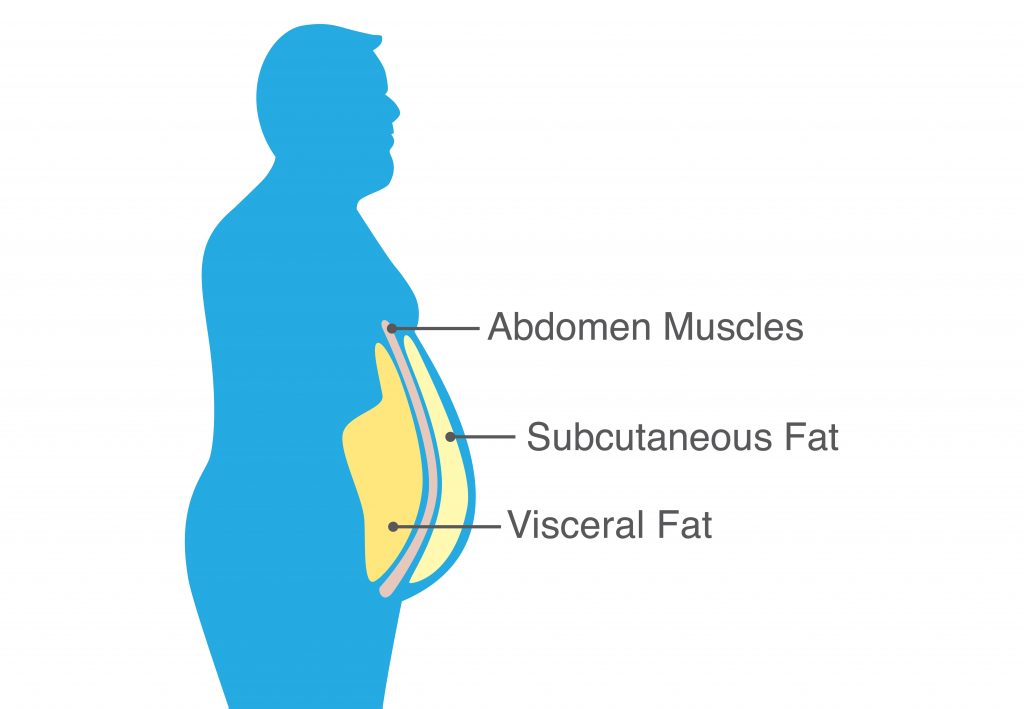
You might have heard of the term belly fat, but you might not be aware of terms like subcutaneous and visceral fat. Subcutaneous fat is the kind you can grasp with your hand on any part of your body. It sits under the skin. Belly fat, or what experts call visceral fat, is a particularly dangerous type of fat that forms inside the abdomen. It surrounds internal organs like the liver and intestines, and is also known as ‘active fat’ because it influences how hormones function in the body.

You can have too much belly fat even with a normal BMI. So, pay attention to your waist circumference rather than the number on the scale.

How To Measure It

  1. Waist size: This is an easy way to get a rough estimate. Wrap a tape measure around your waist over your belly button (don’t suck in your stomach). For women, 35 inches or more is a sign of visceral fat. For men, it’s 40 inches.
  2. BMI: Body mass index is a formula for how much you weigh relative to your height. A BMI of 30 or higher is overweight. That could be a sign of visceral fat. In Asia, a BMI of 23 or higher could be a concern.
  3. Waist-to-hip ratio: Divide your waist size by your hip size. Some doctors think this gives a good indication of your risk for visceral fat. But studies suggest it may be no better than a simple waist measurement.
  4. Body shape: Look in the mirror. If you’re an apple – a big trunk and slimmer legs – it often means more visceral fat, which is more common among men. Women are more likely to be pears with bigger hips and thighs. Research shows that upper body fat is more dangerous to your health, which might be one reason why women usually live longer than men.
  5. Imaging tests: These scans are the only way to check the exact amount of visceral fat you have. If your doctor orders a CT scan or an MRI for another medical condition, they can also assess your visceral fat.

Risks & Dangers Of Excess Visceral Fat

  • Increased Inflammation: If you have more fat stored than needed, especially around visceral organs like the liver, heart, kidneys, pancreas, and intestines, your body becomes inflamed. This fat stores inflammatory white blood cells and is linked with cognitive decline, arthritis, diabetes, and more.
  • Higher Risk of Diabetes: Visceral fat plays a significant role in insulin resistance, heightening the risk of developing diabetes. Abdominal fat is viewed as a bigger health risk than hip or thigh fat. While men are more likely to store visible visceral fat, women are also at risk.
  • Makes It Harder to Lose Weight: Stored body fat, especially visceral fat, affects hunger levels. Leptin, a hormone released by stored fat, regulates appetite, metabolism, and weight. When you eat refined carbs such as white flour and sugar, fat-storing hormones are produced in excess, raising your body’s “set point” and making it hard to follow a moderate, healthy diet.
  • Higher Risk for Heart Disease and Strokes: Inflammatory cytokines produced by fat contribute to heart disease and other inflammatory disorders. Visceral fat is linked to cardiovascular risk factors like high triglycerides, high blood pressure, and high cholesterol.
  • More Likely to Battle Dementia: Studies show that people with larger waistlines have a higher risk of dementia. In fact, many experts believe visceral fat levels (rather than BMI) are a more relevant risk factor in dementia development.
  • Increased Risk of Depression and Mood Disorders: Visceral fat is metabolically active and can interfere with hormones and neurotransmitter function. Depression is especially associated with greater fat storage in women. In one study, visceral fat – not subcutaneous belly fat or waist circumference – was linked with depressive symptoms in women over 50.

How Can You Reduce Visceral Fat? 

  • Exercise: A mix of cardiovascular exercise (e.g. running, cycling, swimming, aerobics, circuit training) and strength training (e.g. squats, weights, push-ups) helps reduce visceral fat.
  • Manage Stress: Chronic stress raises cortisol, which increases fat storage around the abdomen. Relaxation techniques like meditation, deep breathing, and other stress management practices can support fat loss.
  • Balance Diet: Focus on whole foods—fruits, vegetables, whole grains (quinoa, millets, oats), and lean proteins (skinless chicken, fish, eggs, beans). Calcium and Vitamin D are also associated with lower visceral fat. Include leafy greens, tofu, sardines, and low-fat dairy products.

Boiling, steaming, baking, and grilling are healthier cooking methods. Avoid trans fats (often found in processed foods and deep-fried items) and reduce sugar intake. Check labels for ingredients like “partially hydrogenated oils” or “high-fructose corn syrup.”

We hope this article helps you! If you are keen on losing weight in a healthy, sustainable way, you can reach out to an expert by subscribing for Personalised Health Coaching here.

For more articles on weight loss, check out Healthy Reads.

#BeTheForce 

Disclaimer: The information provided in this blog is for general awareness and educational purposes only. It is not intended to replace professional medical advice, diagnosis, or treatment. Always consult a qualified healthcare provider for personalised medical guidance or concerns related to your health. Images shown are for representation purposes only and may not depict the exact recommendations or outcomes.

March 25, 2025 By GOQii Leave a Comment

Understanding PCOS: Symptoms & Solutions

Polycystic Ovary Syndrome (PCOS) is more common than you might think. Affecting 1 in 10 women of reproductive age globally, it’s a hormonal condition that can often go undiagnosed for years—leaving many to silently struggle with irregular periods, weight gain, acne, or mood swings, without truly knowing why.



If you’ve ever felt that your body is working against you, or if your health concerns have been dismissed as “normal” or “just stress,” you’re not alone. PCOS can be complex, but with the right knowledge, support, and lifestyle changes, it is manageable—and many women go on to live healthy, balanced lives.

Let’s break it down together and explore what PCOS really is, its symptoms, and the steps you can take to regain control of your health.

What Is PCOS?

PCOS is a hormonal imbalance that affects how the ovaries work. It’s called “polycystic” because many women with PCOS have multiple small cysts on their ovaries—but not always.

At its core, PCOS involves excess androgen levels (male hormones like testosterone), insulin resistance, and irregular ovulation. These disrupt your menstrual cycle, metabolism, and can even impact fertility.

Common Symptoms of PCOS

PCOS affects each woman differently, but here are some common signs to look out for:

  • Irregular periods or no periods at all
  • Excessive hair growth on the face, chest, or back (hirsutism)
  • Acne that’s hard to control
  • Thinning hair or hair loss from the scalp
  • Weight gain, particularly around the abdomen
  • Difficulty losing weight
  • Mood swings, anxiety, or depression
  • Fatigue and low energy levels
  • Fertility challenges

If you identify with some of these symptoms, it’s worth consulting a GP or gynaecologist who can carry out blood tests and scans to confirm a diagnosis.

What Causes PCOS?

The exact cause of PCOS isn’t fully understood, but several factors are believed to play a role:

  • Genetics – If your mother or sister has PCOS, your chances increase.
  • Insulin resistance – When the body’s cells become resistant to insulin, blood sugar levels rise, triggering the ovaries to produce more androgens.
  • Inflammation – Chronic low-grade inflammation can increase androgen production.
  • Lifestyle factors – Sedentary living, poor diet, and stress can aggravate symptoms.

How PCOS Can Affect Long-Term Health

If left unmanaged, PCOS can increase the risk of:

  • Type 2 Diabetes
  • High blood pressure
  • Heart disease
  • Endometrial cancer
  • Sleep apnoea
  • Anxiety and depression

The good news? Early diagnosis and lifestyle changes can significantly reduce these risks and help you take back control of your health.

Natural Solutions for Managing PCOS

There’s no one-size-fits-all cure, but small, sustainable changes can make a big difference. Here’s how you can manage PCOS naturally:

  1. Nourish Your Body with the Right Foods

Focus on a balanced, low-GI diet to regulate blood sugar and manage insulin levels:

  • Whole grains (quinoa, oats, brown rice)
  • Lean proteins (fish, chicken, tofu, lentils)
  • Healthy fats (avocados, nuts, olive oil)
  • Plenty of vegetables and berries
  • Limit refined carbs, sugars, and processed foods

Tip: Don’t skip meals—this can cause blood sugar crashes and worsen fatigue.

  1. Stay Active, Your Way

Regular exercise helps manage weight, insulin resistance, and boosts mood:

  • Aim for 30 minutes of movement, 5 days a week
  • Mix it up—try walking, cycling, yoga, strength training, or dancing

Tip: Start small and stay consistent. Even daily walks make a difference.

  1. Prioritise Stress Management

Chronic stress affects hormones and can worsen symptoms. Try:

  • Deep breathing or meditation
  • Journaling or gratitude practice
  • Spending time in nature
  • Mindful movement like yoga or tai chi
  1. Improve Sleep Quality

PCOS can disrupt sleep, but quality rest is essential for hormone balance:

  • Stick to a regular sleep schedule
  • Limit screens before bed
  • Create a calm, dark sleep environment
  1. Seek Medical Support

Depending on your symptoms, a doctor may recommend medications like:

  • Metformin for insulin resistance
  • Hormonal birth control for regulating cycles
  • Fertility treatments, if needed

Note: Lifestyle changes can often reduce the need for medication over time.

PCOS may feel overwhelming, but you’re not alone. With the right approach and support, you can manage symptoms, boost your energy, improve your mood, and reclaim your well-being.

Small steps matter. Whether it’s preparing a nourishing meal, taking a walk, or simply resting when needed, every choice adds up to better health.

💬 Have you been managing PCOS? Share your tips and journey in the comments—we’d love to hear from you!

#BeTheForce

Disclaimer: The information provided in this blog is for general awareness and educational purposes only. It is not intended to replace professional medical advice, diagnosis, or treatment. Always consult a qualified healthcare provider for personalised medical guidance or concerns related to your health.

Search

Recent Posts

  • From Shimla’s Slopes to Chandigarh’s Sidewalks: Surinder Kaur Bhalla’s Journey from Chaos to Control
  • Yoga and Hormonal Health: What the Science Says
  • Are You Overtraining? 6 Signs Your Body Needs More Recovery
  • Cortisol and Chronic Stress: What Your Body Is Trying to Tell You
  • Menopause and Bone Health: How to Prevent Osteoporosis Before It’s Too Late

Stay Updated

Archives

  • June 2026 (12)
  • May 2026 (20)
  • April 2026 (24)
  • March 2026 (18)
  • February 2026 (14)
  • January 2026 (14)
  • December 2025 (19)
  • November 2025 (15)
  • October 2025 (20)
  • September 2025 (6)
  • August 2025 (6)
  • July 2025 (11)
  • June 2025 (18)
  • May 2025 (16)
  • April 2025 (22)
  • March 2025 (27)
  • February 2025 (21)
  • January 2025 (25)
  • December 2024 (22)
  • November 2024 (23)
  • October 2024 (21)
  • September 2024 (23)
  • August 2024 (30)
  • July 2024 (20)
  • June 2024 (25)
  • May 2024 (28)
  • April 2024 (27)
  • March 2024 (27)
  • February 2024 (23)
  • January 2024 (21)
  • December 2023 (14)
  • November 2023 (10)
  • October 2023 (19)
  • September 2023 (22)
  • August 2023 (18)
  • July 2023 (22)
  • June 2023 (23)
  • May 2023 (20)
  • April 2023 (19)
  • March 2023 (23)
  • February 2023 (19)
  • January 2023 (15)
  • December 2022 (11)
  • November 2022 (15)
  • October 2022 (15)
  • September 2022 (12)
  • August 2022 (10)
  • July 2022 (17)
  • June 2022 (11)
  • May 2022 (10)
  • April 2022 (6)
  • March 2022 (6)
  • February 2022 (13)
  • January 2022 (11)
  • December 2021 (7)
  • November 2021 (3)
  • October 2021 (6)
  • September 2021 (3)
  • August 2021 (8)
  • July 2021 (7)
  • June 2021 (15)
  • May 2021 (16)
  • April 2021 (10)
  • March 2021 (7)
  • February 2021 (4)
  • January 2021 (4)
  • December 2020 (3)
  • November 2020 (4)
  • October 2020 (10)
  • September 2020 (3)
  • August 2020 (3)
  • July 2020 (2)
  • June 2020 (4)
  • May 2020 (10)
  • April 2020 (12)
  • March 2020 (10)
  • February 2020 (4)
  • January 2020 (4)
  • December 2019 (3)
  • November 2019 (7)
  • October 2019 (5)
  • September 2019 (4)
  • August 2019 (9)
  • July 2019 (9)
  • June 2019 (11)
  • May 2019 (4)
  • April 2019 (8)
  • March 2019 (8)
  • February 2019 (9)
  • January 2019 (8)
  • December 2018 (9)
  • November 2018 (3)
  • October 2018 (3)
  • September 2018 (5)
  • August 2018 (10)
  • July 2018 (6)
  • June 2018 (13)
  • May 2018 (8)
  • April 2018 (18)
  • March 2018 (9)
  • February 2018 (8)
  • January 2018 (15)
  • December 2017 (12)
  • November 2017 (19)
  • October 2017 (13)
  • September 2017 (15)
  • August 2017 (4)
  • July 2017 (8)
  • June 2017 (7)
  • May 2017 (6)
  • April 2017 (8)
  • March 2017 (6)
  • February 2017 (7)
  • January 2017 (9)
  • December 2016 (10)
  • November 2016 (7)
  • October 2016 (7)
  • September 2016 (7)
  • August 2016 (11)
  • July 2016 (9)
  • June 2016 (9)
  • May 2016 (12)
  • April 2016 (17)
  • March 2016 (17)
  • February 2016 (8)
  • January 2016 (6)
  • December 2015 (2)
  • November 2015 (9)
  • October 2015 (7)
  • September 2015 (9)
  • August 2015 (11)
  • July 2015 (9)
  • June 2015 (11)
  • May 2015 (9)
  • April 2015 (13)
  • March 2015 (8)
  • February 2015 (5)
  • January 2015 (12)
  • December 2014 (14)
  • November 2014 (11)
  • October 2014 (6)
  • September 2014 (13)
  • August 2014 (12)
  • July 2014 (6)
  • June 2014 (2)
  • May 2014 (7)
  • April 2014 (4)

From Shimla’s Slopes to Chandigarh’s Sidewalks: Surinder Kaur Bhalla’s Journey from Chaos to Control

Some journeys start with a plan. Others begin with a stumble literally. Surinder Bhalla, a government professional, born and raised in the scenic hill town of Shimla, had always lived a life of movement. “In Shimla, you walked everywhere,” she reflects. … [Read More...]

From “Laddu Nawin” to Fit and Fierce: How a 25-Year-Old Insurance Advisor Shed 20 Kilos and Gained His Life Back

When 25-year-old Nawin Yadav from Hyderabad walked into his office every morning, he carried more than just his files and policy papers. He had the weight of fatigue, sluggish energy, and an ever-growing belly that was becoming the butt of jokes. “People had even started calling me Laddu Nawin,” he says with a laugh, but […]

From Burnout to Balance: How Dr. Ranjit Reclaimed His Health

Dr Ranjit Bhatt has spent years tending to others. A practising doctor in Odisha, his days were packed with patients, surgeries, and emergencies. From the outside, it looked like a life lived in service. But on the inside, something wasn’t right. “I had no control over my schedule. I’d sleep late, eat at odd hours, […]

Ananda Mukherjee Health Story

From Terminal Illness To Complete Wellness! Ananda Mukherjee Health Story

As we observe World Cancer Day under the powerful theme ‘United by Unique’ (2025-2027)**, we are reminded that every individual’s journey with cancer is distinct, yet united by shared resilience, hope, and the collective fight against this disease. This theme places people at the centre of care and their stories at the heart of the […]

  • HOME
  • HEALTHY LIVING
  • FITNESS
  • HEALTHY RECIPES
  • USER STORIES
  • KARMA
  • BUY GOQii

Copyright ©2016 GOQii