GOQii

Blog

  • HOME
  • HEALTHY LIVING
  • FITNESS
  • HEALTHY RECIPES
  • USER STORIES
  • KARMA
  • BUY GOQii

March 3, 2025 By Jyoti Sawant 4 Comments

Eat Healthy At Work: Quick & Easy Snacks You Can Eat In The Office

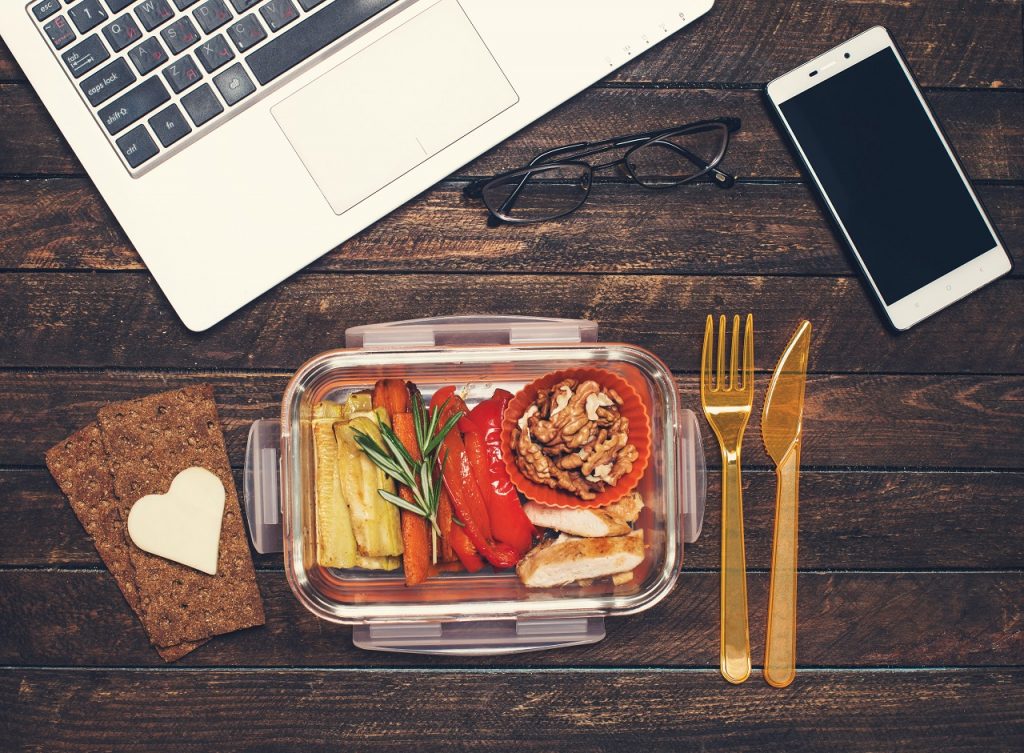
eat healthy at workSnacking is an important part of a balanced diet. However, when it comes to snacking at work, many of us find ourselves staring at a vending machine or scrolling through food delivery apps, unsure of what to eat. One of the main reasons people struggle to maintain healthy eating habits in the office is a lack of time. In today’s fast-paced world, fast food seems like the easiest solution. Fortunately, there are plenty of quick, easy, and affordable healthy snacks that can keep you on track.

How to Eat Healthy At Work 

Swap fast food and unhealthy snacks with these healthier alternatives while at work:

1. Fat-Free Yogurt
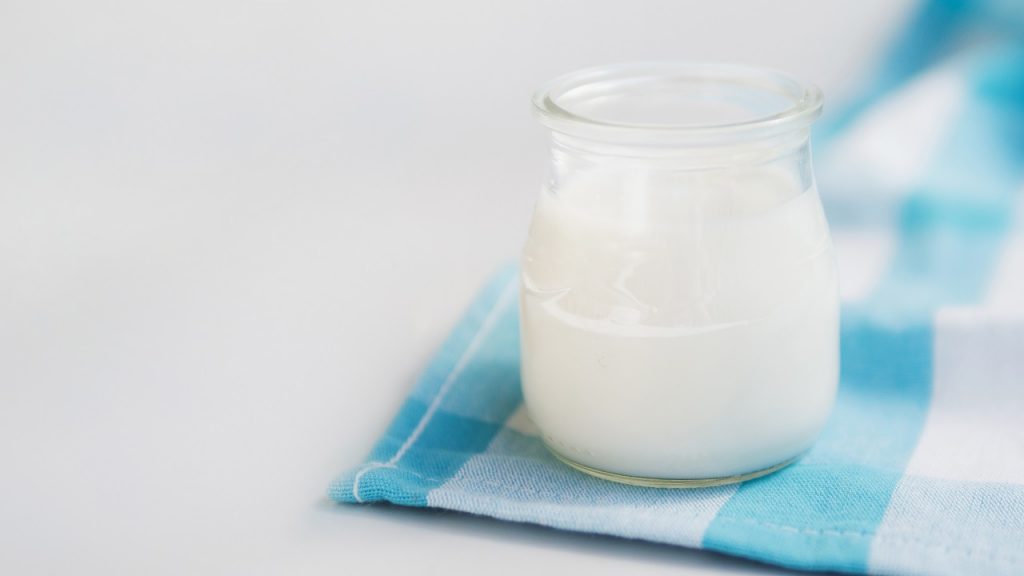
Greek yoghurt is a nutritious and satisfying option. Opt for low-fat or skimmed milk versions for a healthier choice. You can enhance the flavour with a drizzle of honey or a sprinkle of jaggery. Adding fresh berries, apple slices, or bananas makes it even more nutritious!

2. Wholewheat Crackers & Peanut Butter

Pair multigrain wheat crackers with natural peanut butter for a filling and nutrient-dense snack. This combination provides complex carbohydrates and protein, keeping you energised and full for longer.

3. Nuts and Seeds
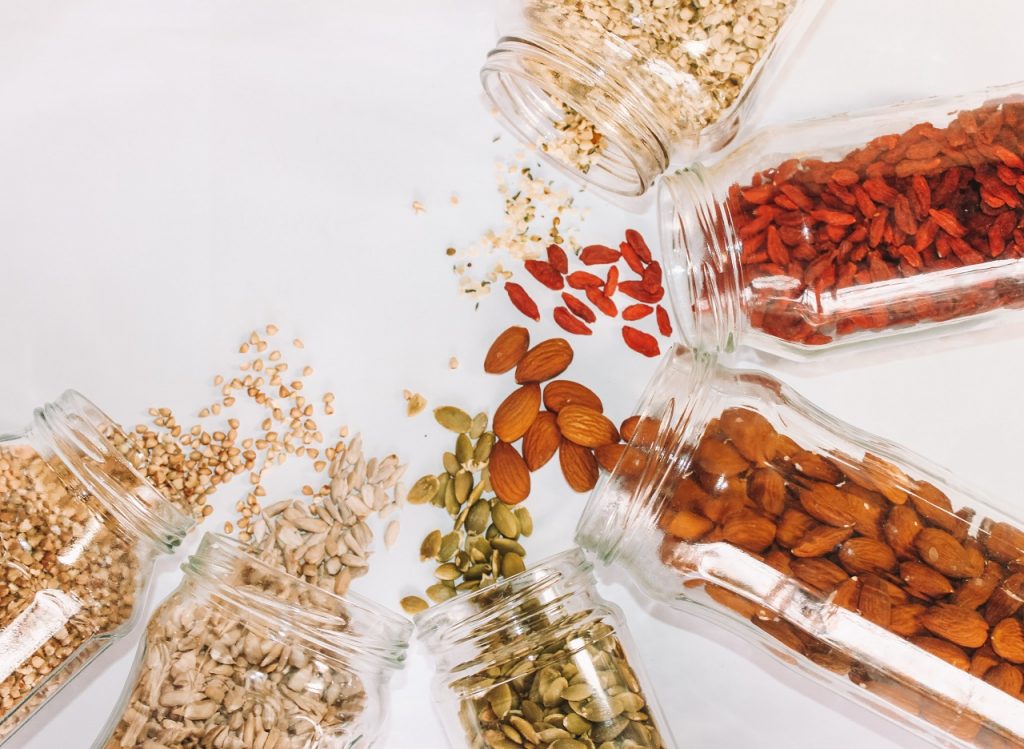
Instead of reaching for crisps or chocolate bars, opt for nuts and seeds. These are packed with protein, fibre, and healthy fats, making them a far better choice than snacks high in refined sugars and empty calories.

4. Fresh Fruits
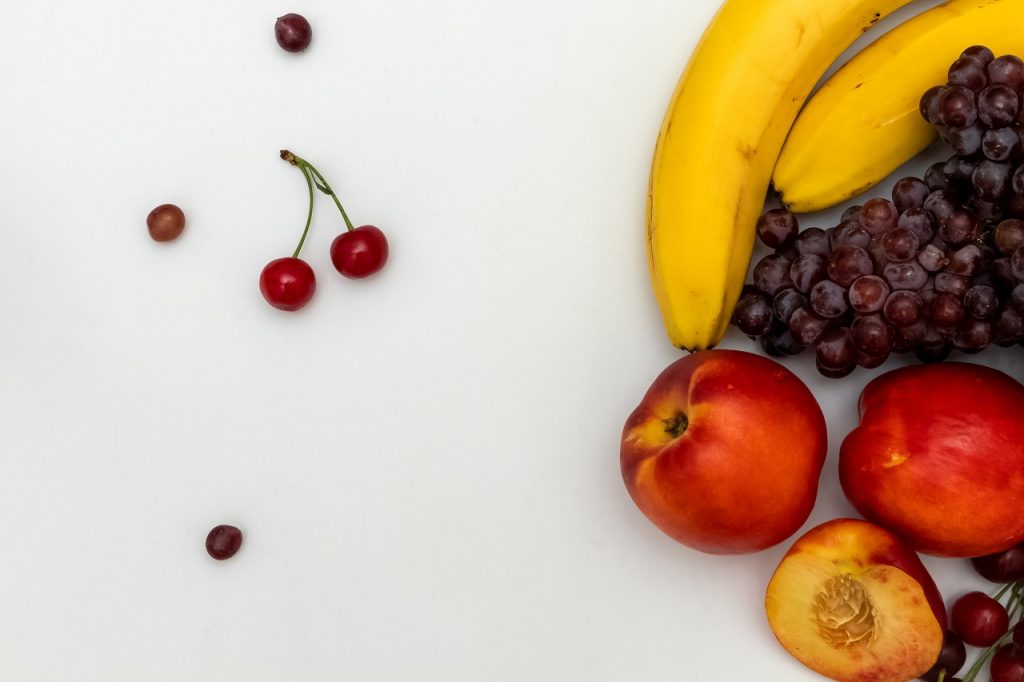
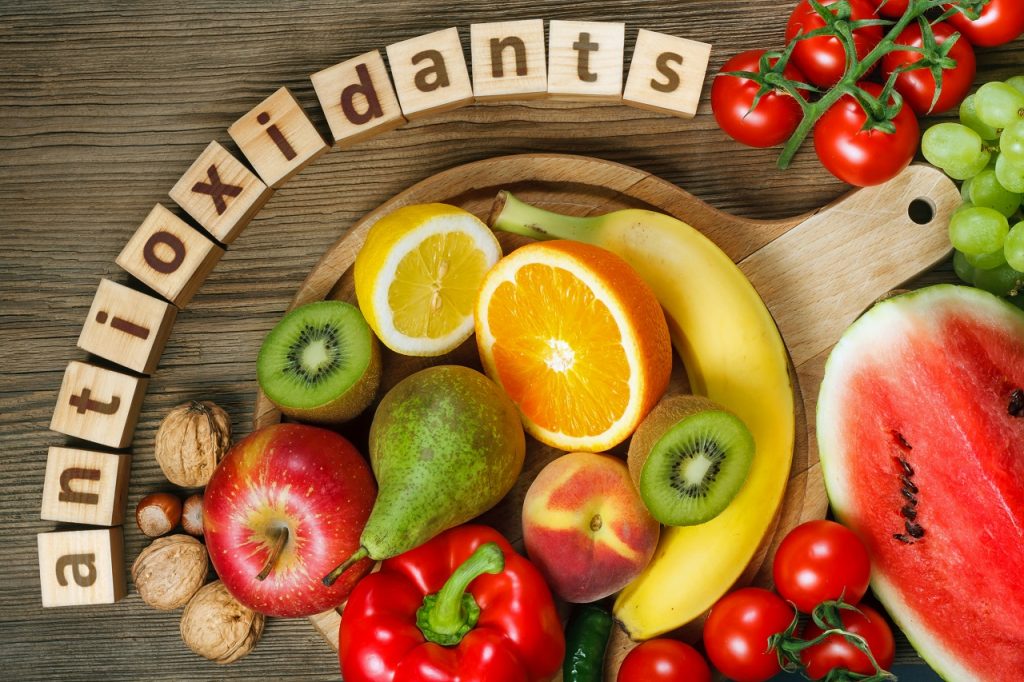
Fruits offer natural sugars that provide a quick energy boost. Options like strawberries, oranges, apples, bananas, and melons are packed with antioxidants, vitamins, and fibre—perfect for keeping you refreshed and focused.

5. Instant Oatmeal
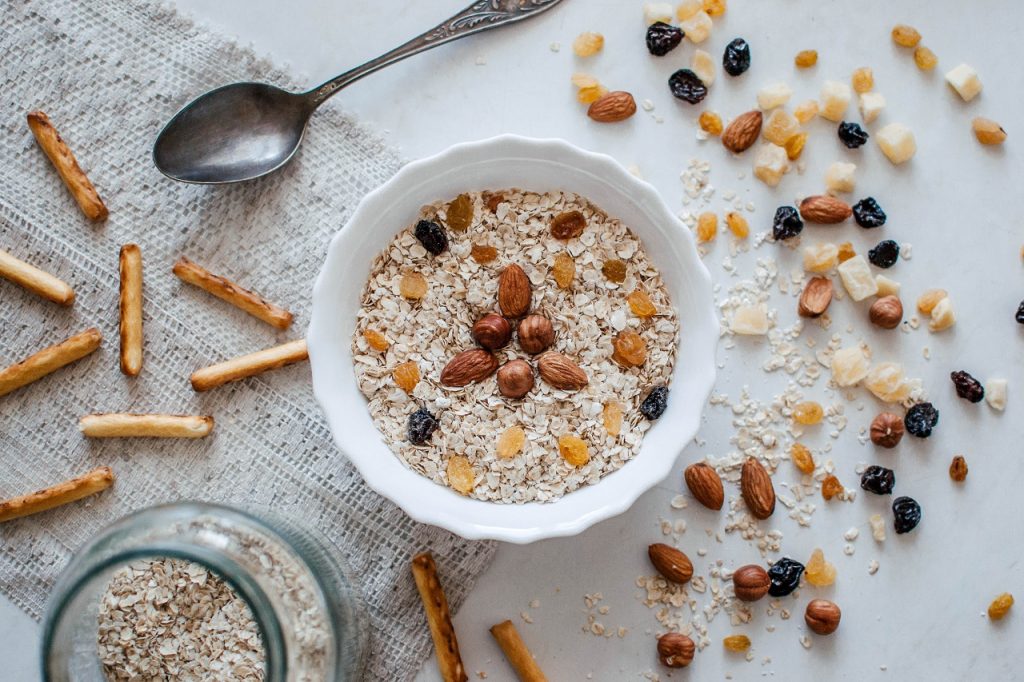
A plain instant oatmeal packet makes for a comforting yet healthy snack. Add your own raisins, cinnamon, or nutmeg to enhance the flavour while keeping sugar levels in check. Oats are known to reduce the risk of heart disease and provide long-lasting energy.

6. Stir-Fried Veggies

Pack a portion of stir-fried fresh vegetables like cherry tomatoes, celery, carrots, and green beans. These are rich in vitamins, minerals, and fibre, keeping you full and nourished throughout the day.

7. Boiled Egg With Seasoning

Hard-boiled eggs are an excellent source of protein and help stabilise blood sugar levels. Simply slice a boiled egg in half, sprinkle some salt, pepper, or a pinch of smoked paprika, and enjoy a flavourful, protein-rich snack.

8. Low-Fat Popcorn

Popcorn isn’t just for movies! This low-calorie, high-fibre snack can satisfy cravings for something crunchy and salty—just be sure to choose a low-fat version without excessive butter or salt.

9. Protein Bars
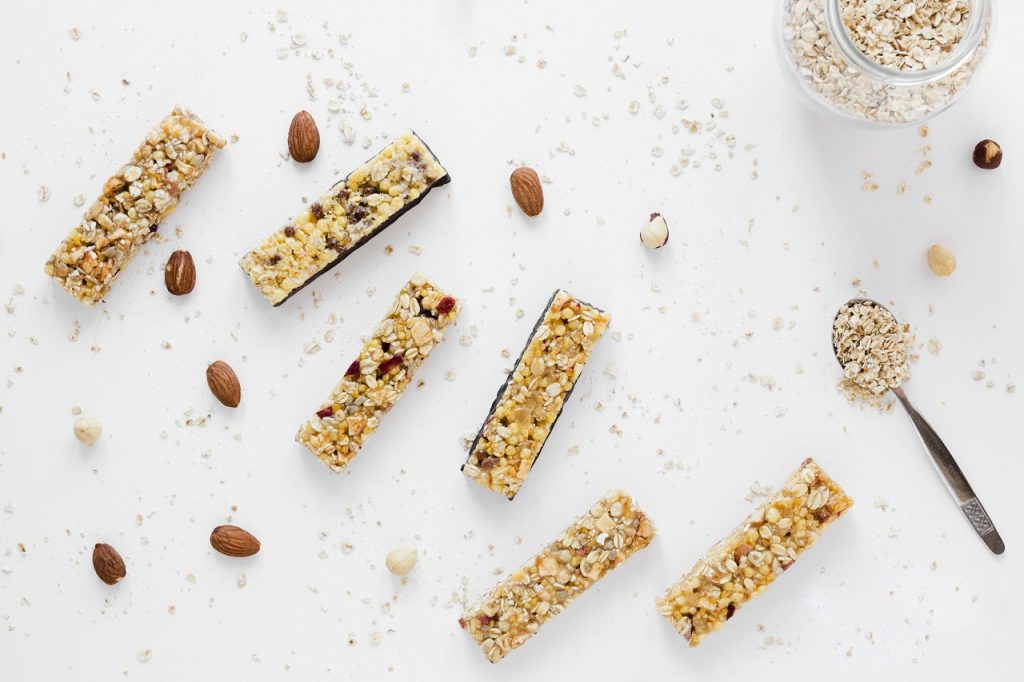
Not all protein bars are created equal—some are packed with sugar and calories. Look for bars that contain fruit, nuts, and fewer than 200 calories. You can also make homemade protein bars using healthy ingredients like oats, nuts, and seeds.

It’s time to ditch vending machines and food delivery apps in favour of healthier choices. By preparing quick, easy, and nutritious snacks, you can stay energised, focused, and productive at work.

Which healthy office snack is your favourite? Let us know in the comments!

#BeTheForce
February 27, 2025 By Shikha Singh 28 Comments

Why Does Your Body Need Antioxidants?

antioxidantsAntioxidants—also known as “free radical fighters”—have been making waves in the health and wellness industry. But what exactly do they do? Are they genuinely beneficial, or are they just another marketing buzzword? More importantly, is it better to get them from food or supplements? Let’s break it down.
Why Do We Need Antioxidants?

Free radicals are natural by-products produced by the body when processing food, particularly refined and processed foods, trans fats, artificial sweeteners, and certain additives. They are also generated due to environmental factors like pollution, smoking, exposure to pesticides, and even medical treatments such as chemotherapy.

If free radicals build up faster than the body can remove them, they cause oxidative stress, which can lead to cell damage, inflammation, and long-term health issues. This is where antioxidants come in—they help neutralise free radicals and protect cells from damage.

Best Natural Sources of Antioxidants

Different antioxidants serve different functions, so eating a varied diet is key. The best sources come from plant-based foods, particularly brightly coloured fruits and vegetables.

To naturally boost your antioxidant intake, try these simple dietary changes:

  • Eat a variety of fruit and veg – Include a portion in every meal and snack.
  • Sip on green or matcha tea – Packed with polyphenols that support cell health.
  • Spice it up – Turmeric, cumin, oregano, ginger, cloves, and cinnamon enhance flavour and antioxidant content.
  • Snack wisely – Opt for unsalted nuts and seeds, especially Brazil nuts, sunflower seeds, and almonds.
  • Don’t forget protein sources – Eggs, dairy, liver, and mushrooms contain key antioxidants such as selenium and vitamin A.

Should You Take Antioxidant Supplements?

While supplements may seem like a quick fix, they aren’t always necessary—and in some cases, they can do more harm than good.

The National Institutes of Health (NIH) advises caution with high doses, as they can be harmful or interfere with medications. If you’re considering supplements, it’s essential to consult a healthcare professional first.

There are some potential benefits for people at risk of age-related macular degeneration, but again, this should be discussed with a doctor. The best way to get antioxidants is through food. If your diet is lacking in fruit and veg, try starting with two servings of fruit and three servings of vegetables daily before considering supplements.

Antioxidants play a crucial role in cell protection and overall health, but balance is key. Instead of relying on supplements, aim to eat a colourful, whole-food diet that provides a wide range of natural antioxidants.

Do you prioritise antioxidant-rich foods in your diet? Share your thoughts in the comments below!

#BeTheForce 

Disclaimer: The information provided in this blog is for general awareness and educational purposes only. It is not intended to replace professional medical advice, diagnosis, or treatment. Always consult a qualified healthcare provider for personalised medical guidance or concerns related to your health.

February 22, 2025 By Urvi Gohil 2 Comments

Healthy Eating: Vegetable Masoor Rice

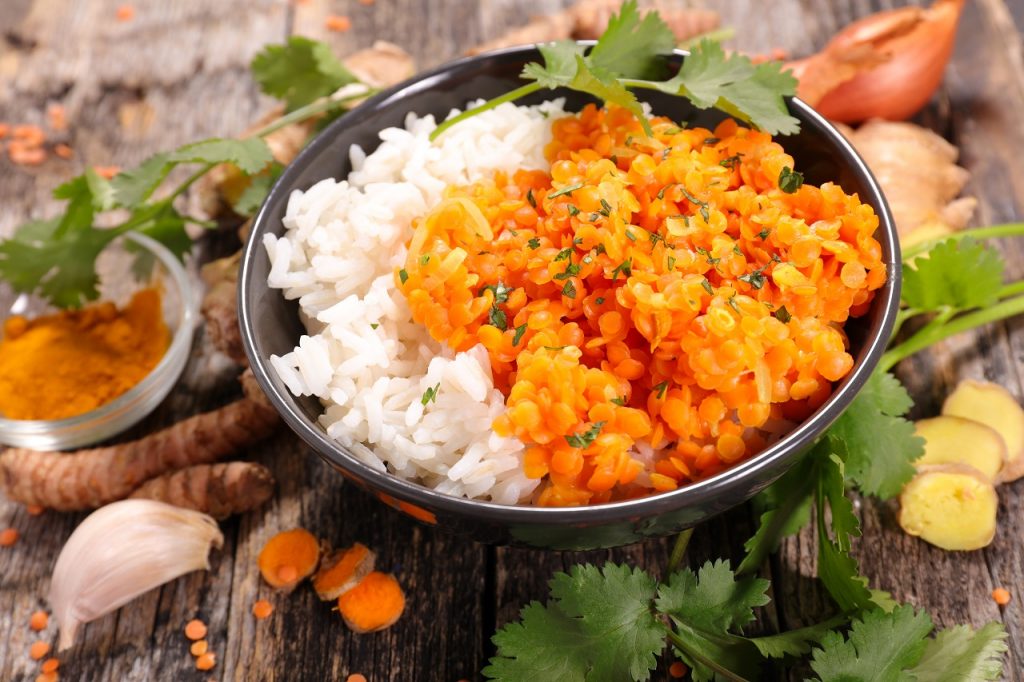
vegetable masoor riceCan there be this one quick and easy meal which can fulfill all your nutritional needs? What if we told you there is! It is a personal favorite called the Vegetable Masoor Rice! This pot recipe gives you all the required nutrients such as carbohydrates and proteins. Thanks to the veggies, it also has fiber, antioxidants and essential vitamins! This meal can be enjoyed by all members of your family.
Ingredients for the Vegetable Masoor Rice

  • Overnight Soaked Masoor – 1 cup
  • Soaked Rice (2hr) – 1.5 cup
  • Finely Chopped Onion, Carrot, French Beans – ½ Cup Each
  • Green Peas – ½ Cup
  • Finely Chopped Coriander – 2 tbsp
  • Ginger Garlic Paste – 1 tbsp
  • Mustard Seeds, Cumin Seeds – ½ tsp each
  • Bay Leaf – 1
  • Small Cinnamon Stick
  • Red Chilly Powder – 1 tbsp
  • Turmeric – 1 tsp
  • Garam Masala – 1 tsp
  • Oil – 1 tbsp

How to Prepare

  1. Heat oil in a pan on a medium flame.
  2. Add bay leaf, cinnamon, mustard seeds and cumin seeds in the oil. Once the seeds crackle, add onion to the pan now and sauté.
  3. After the onions turn golden brown, add ginger garlic paste and sauté for few seconds.
  4. Add drained Masoor dal, carrot, beans and green peas to the mixture.
  5. Next, you add turmeric, red chilly powder, garam masala, salt and mix them well.
  6. Add the soaked rice and mix well.
  7. Follow it up with 3 cups of water and allow it to cook in the pan till the water evaporates on medium flame.
  8. Once the water evaporates, cover it with a lid and allow it to cook for another 5-7 minutes.
  9. When cooked, garnish the rice with coriander and serve hot!

Please Note: you can also use sprouted mung or Spilt Chana dal instead of Masoor.

Highlights of the Recipe

  • It is the best main meal ever! Eat this rice along with tomato, onion and cucumber raita. It tastes amazing.
  • It is extremely satiating and a good way to make your family eat vegetables and a rarely used pulse like Masoor.
  • This is your best pick for lunch and dinner!

Did you enjoy this healthy Vegetable Masoor Rice recipe? Do try it out and leave your thoughts in the comments below!

For more Healthy Recipes, check out Healthy Reads. You can also get these delicious recipes directly from your GOQii Coach by subscribing for Personalised Health Coaching here.

#BeTheForce

February 20, 2025 By Sindhu Ashwin 4 Comments

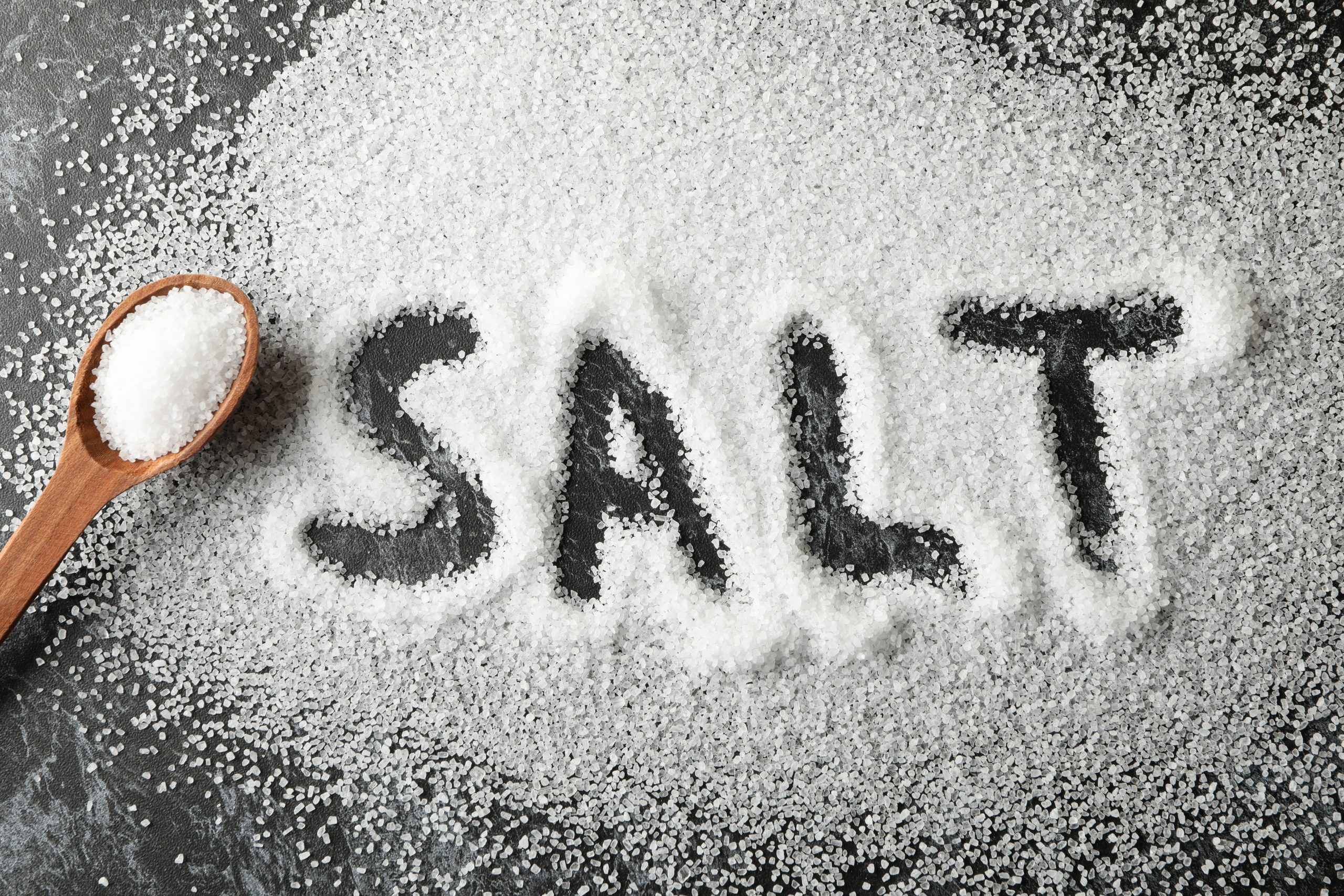
Interesting facts about Salt you should know

SaltWe all know that salt is an essential ingredient in our food. It’s hard to imagine a meal without it! But what exactly is salt, and why is it so important? While most of us are familiar with table salt, there are some fascinating facts about salt that you might not know. Let’s dive into the world of salt and uncover its role in our lives.



What is Salt?

Salt is made from sodium, a naturally occurring mineral, and is a major ingredient used worldwide. Most of the sodium we consume is in the form of sodium chloride, commonly known as table salt. But salt is more than just a seasoning—it plays a vital role in our health and daily lives.

Interesting facts about Salt

  1. Widely used Additive
    • Salt is one of the first food additives and seasonings used by humans. Today, it’s one of the most widely used additives, second only to sugar in the amount added to food.
  2. Too much salt is harmful
    • While salt is necessary for human life, over consumption can lead to health issues like high blood pressure, hypertension, and heart disease. On the other hand, consuming too little salt can cause hypotension.
    • High blood pressure is a major risk factor for heart disease, stroke, and kidney disease. However, sodium intake alone isn’t the sole cause—factors like family history, weight, race, physical fitness, and smoking also play a role.
  3. How Much Salt Should You Consume?
    • Under normal conditions, a person needs about 2500 milligrams of sodium daily, which is roughly half a teaspoon of salt.
  4. Replenishing Salt
    • During conditions like excessive sweating (from workouts, sports, or trekking), diarrhea, or vomiting, sodium is lost, and the body’s need for it increases. This increased need can usually be met through diet, as the average diet already contains more sodium than required.

Sources of Sodium

  1. Table salt and seasoning:
    • Sodium is often added to foods during preparation in the form of table salt, monosodium glutamate (MSG), sea salt, black salt, or rock salt. One level teaspoon of salt contains about 2000 milligrams of sodium.
  2. Processed foods:
    • Salt and sodium-containing additives are commonly found in processed foods like chips, salted nuts, pickles, sauces, and ketchup. These additives also help preserve food.
  3. Natural sources:
    • All animal-based foods naturally contain sodium. Most fresh fruits and vegetables also have small amounts of sodium.
  4. Medicines:
    • Some over-the-counter drugs and medications contain sodium, so it’s important to check labels if you’re monitoring your sodium intake.

The Role of Salt in Health

Experts believe that while cutting down on salt may not prevent high blood pressure, it can help lower blood pressure for people who are “salt-sensitive.” A low-salt diet, combined with weight loss, medication, or other lifestyle changes, can effectively control high blood pressure.

Salt is a tasty and essential ingredient in our daily cooking, but moderation is key. Use it wisely to stay healthy. For instance, switching to rock salt can help keep blood pressure in check.

We hope this article equips you with valuable insights into the role of salt in your life. If you found this information helpful, we’d love to hear your thoughts in the comments below.

#BeTheForce

Disclaimer: The information provided in this blog is for general awareness and educational purposes only. It is not intended to replace professional medical advice, diagnosis, or treatment. Always consult a qualified healthcare provider for personalised medical guidance or concerns related to your health.

  • « Previous Page
  • 1
  • 2
  • 3
  • 4
  • 5
  • 6
  • …
  • 66
  • Next Page »

Search

Recent Posts

  • PCOS and Anxiety: Discover Relief with the 54321 Technique
  • Navigating the Maze of Nutrition: Finding Clarity Amidst Confusion
  • Get children active and keep them healthy
  • What Gestational Diabetes Can Do To You & Your Unborn Child
  • Breathing – A Forgotten Art

Stay Updated

Archives

  • December 2025 (4)
  • November 2025 (15)
  • October 2025 (20)
  • September 2025 (6)
  • August 2025 (6)
  • July 2025 (12)
  • June 2025 (18)
  • May 2025 (16)
  • April 2025 (23)
  • March 2025 (23)
  • February 2025 (22)
  • January 2025 (26)
  • December 2024 (26)
  • November 2024 (25)
  • October 2024 (22)
  • September 2024 (24)
  • August 2024 (31)
  • July 2024 (21)
  • June 2024 (26)
  • May 2024 (31)
  • April 2024 (27)
  • March 2024 (29)
  • February 2024 (26)
  • January 2024 (25)
  • December 2023 (15)
  • November 2023 (11)
  • October 2023 (22)
  • September 2023 (22)
  • August 2023 (20)
  • July 2023 (22)
  • June 2023 (24)
  • May 2023 (24)
  • April 2023 (24)
  • March 2023 (23)
  • February 2023 (20)
  • January 2023 (16)
  • December 2022 (12)
  • November 2022 (15)
  • October 2022 (15)
  • September 2022 (12)
  • August 2022 (10)
  • July 2022 (17)
  • June 2022 (11)
  • May 2022 (10)
  • April 2022 (6)
  • March 2022 (6)
  • February 2022 (13)
  • January 2022 (12)
  • December 2021 (7)
  • November 2021 (3)
  • October 2021 (6)
  • September 2021 (3)
  • August 2021 (8)
  • July 2021 (7)
  • June 2021 (15)
  • May 2021 (16)
  • April 2021 (10)
  • March 2021 (7)
  • February 2021 (4)
  • January 2021 (4)
  • December 2020 (3)
  • November 2020 (4)
  • October 2020 (10)
  • September 2020 (3)
  • August 2020 (3)
  • July 2020 (2)
  • June 2020 (4)
  • May 2020 (10)
  • April 2020 (12)
  • March 2020 (10)
  • February 2020 (4)
  • January 2020 (4)
  • December 2019 (3)
  • November 2019 (7)
  • October 2019 (5)
  • September 2019 (4)
  • August 2019 (9)
  • July 2019 (9)
  • June 2019 (11)
  • May 2019 (4)
  • April 2019 (9)
  • March 2019 (8)
  • February 2019 (9)
  • January 2019 (8)
  • December 2018 (9)
  • November 2018 (3)
  • October 2018 (3)
  • September 2018 (5)
  • August 2018 (10)
  • July 2018 (6)
  • June 2018 (13)
  • May 2018 (8)
  • April 2018 (18)
  • March 2018 (9)
  • February 2018 (8)
  • January 2018 (15)
  • December 2017 (12)
  • November 2017 (19)
  • October 2017 (13)
  • September 2017 (15)
  • August 2017 (4)
  • July 2017 (8)
  • June 2017 (7)
  • May 2017 (6)
  • April 2017 (8)
  • March 2017 (6)
  • February 2017 (7)
  • January 2017 (9)
  • December 2016 (10)
  • November 2016 (7)
  • October 2016 (7)
  • September 2016 (7)
  • August 2016 (11)
  • July 2016 (9)
  • June 2016 (9)
  • May 2016 (12)
  • April 2016 (17)
  • March 2016 (17)
  • February 2016 (8)
  • January 2016 (6)
  • December 2015 (2)
  • November 2015 (9)
  • October 2015 (7)
  • September 2015 (9)
  • August 2015 (11)
  • July 2015 (9)
  • June 2015 (12)
  • May 2015 (9)
  • April 2015 (13)
  • March 2015 (8)
  • February 2015 (5)
  • January 2015 (12)
  • December 2014 (14)
  • November 2014 (11)
  • October 2014 (6)
  • September 2014 (13)
  • August 2014 (12)
  • July 2014 (6)
  • June 2014 (2)
  • May 2014 (7)
  • April 2014 (5)

From “Laddu Nawin” to Fit and Fierce: How a 25-Year-Old Insurance Advisor Shed 20 Kilos and Gained His Life Back

When 25-year-old Nawin Yadav from Hyderabad walked into his office every morning, he carried more than just his files and policy papers. He had the weight of fatigue, sluggish energy, and an ever-growing belly that was becoming the butt of jokes. “People … [Read More...]

“I’ve Challenged Myself to Live 100 Years” – The Story of Chandubhai Savani’s Second Chance at Life

At 67, most people start slowing down. Not Chandubhai Savani. A resident of Surat, Chandubhai, thought life was on track. “My life was going well till I had my bypass surgery,” he says. That surgery, back in 2021, was a wake-up call.  Medication was routine, but exercise wasn’t. His diet? What he calls ‘normal.’ “I […]

From Shimla’s Slopes to Chandigarh’s Sidewalks: Surinder Kaur Bhalla’s Journey from Chaos to Control

Some journeys start with a plan. Others begin with a stumble literally. Surinder Bhalla, a government professional, born and raised in the scenic hill town of Shimla, had always lived a life of movement. “In Shimla, you walked everywhere,” she reflects. “Walking was never an exercise. It was just life.” But after shifting to Chandigarh, […]

Ananda Mukherjee Health Story

From Terminal Illness To Complete Wellness! Ananda Mukherjee Health Story

As we observe World Cancer Day under the powerful theme ‘United by Unique’ (2025-2027)**, we are reminded that every individual’s journey with cancer is distinct, yet united by shared resilience, hope, and the collective fight against this disease. This theme places people at the centre of care and their stories at the heart of the […]

  • HOME
  • HEALTHY LIVING
  • FITNESS
  • HEALTHY RECIPES
  • USER STORIES
  • KARMA
  • BUY GOQii

Copyright ©2016 GOQii
