GOQii

Blog

  • HOME
  • HEALTHY LIVING
  • FITNESS
  • HEALTHY RECIPES
  • USER STORIES
  • KARMA
  • BUY GOQii

May 7, 2023 By Sanjana Shah 1 Comment

Kokum – The Wonder Fruit That Can Keep You Cool!

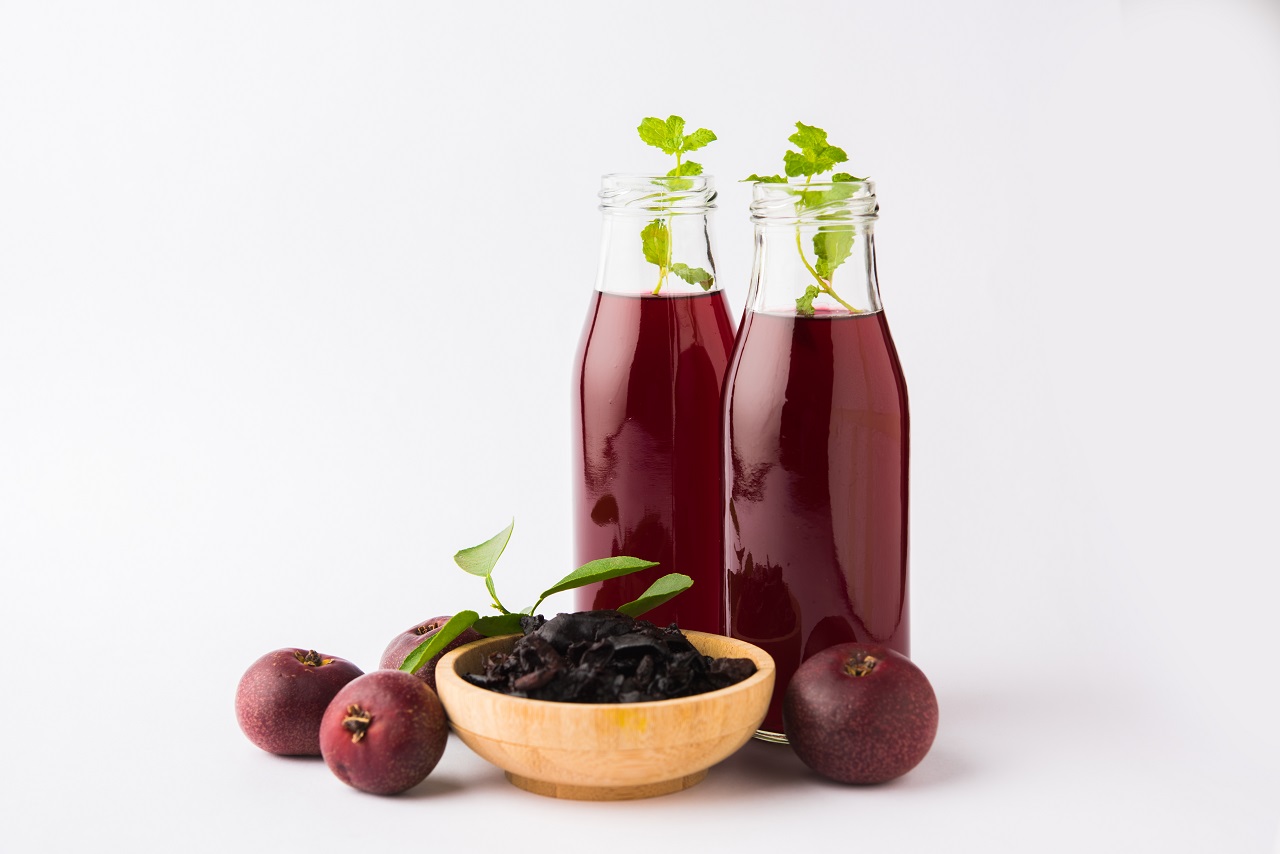
Kokum BenefitsWe have all been experiencing the brunt of the unbearable heat this month. With temperatures soaring high, even a walk under the sun can be a strenuous experience. What if we told you that there was a way to cool your body naturally? Would you try it? This fruit, grown only in the coastal regions of South India, has powerful cooling abilities. You are all familiar with it. We are in fact talking about Kokum!

It’s scientific name is Garcinia Indica, and is mostly used in Gujarat, Maharashtra and other Southern regions. The Indian Spice Board has classified it both as a spice as well as a fruit. As a fruit, it is usually broken into half and dried. Colour ranges from purple to dark black. The darker the colour, the better it is. Dried Kokum usually stays for a year if placed in an airtight container.

How Do You Use It?

  • Culinary purpose: It is known for its sour taste. It can be replaced for tamarind in dishes like Sambhar, coconut curries, fish curries, regular yellow Gujarati style dal. Two or three small dried kokums are enough to prepare a single dish.
  • As a coolant in summers: Kokum Sherbet and Solkadhi

1. Kokum Sherbet

A glass of Kokum Sherbet before you step out in the sun or once you come indoors will do wonders. Usually, you get ready-made pulp which needs to be diluted with water OR you can prepare this pulp at home. Here is the short method on how to prepare it at home:

  1. Soak a cup of Kokum in water for 3-4 hours
  2. Once soft, mash them and strain the liquid
  3. In a pan, take the leftover pulp, add sugar (same amount as kokum), 1tsp of cumin seeds powder and salt as per taste
  4. Stir and cook this mixture until sugar melts.
  5. Add the strained Kokum water and cook for 5 more minutes
  6. Let it cool and store the Kokum concentrate in a container

2. Solkadhi

This drink is made from coconut milk and Kokum. It is usually consumed with a rice preparation or it is drunk after meals. Here’s the method to prepare it at home:

  • Soak a cup of Kokum and keep it aside for 30 mins
  • Once soft, mash them and strain the liquid
  • Add half a glass of coconut milk to the liquid and stir well
  • Temper it with cumin seeds if you like

3. Kokum Butter

Used for cosmetic purposes only, Kokum Butter helps to unclog pores, kills bacteria, reduces acne and smoothens skin. It as a whole or its products like Kokum powder, oil, butter or Kokum rinds are all available.

Health Benefits 

  • Ayurvedic Uses: Eases the episodes of diarrhoea, dysentery and piles by fighting against bacteria like E. Coli. The cooling effect of Kokum helps in getting relief from burning sensations due to stomach ulcers. It fights against ulcer-causing bacteria Helicobacter Pylori.
  • Weight Management: Want to lose those extra kilos? Hydroxycitric Acid found in Kokum is an anti-obesity agent. It gives you a feeling of fullness and you end up eating less.
  • Anti-Cancer Effect: Garcinol, an antioxidant found in Kokum inhibits the growth of cancer cells.
  • Relieves Anxiety and Depression: Serotonin is a  hormone. Hydroxycitric Acid in it increases the level of this feel-good hormone, thereby reduces the anxiety.
  • Slows Down Skin Ageing: Kokum butter helps to smoothen the skin. It is found in various lip balms, creams and moisturizers. Ageing happens when an enzyme, Elastase breaks down the Elastin of skin (Elastin keeps your skin supple and intact). It inhibits the action of Elastase and thereby stops the breaking of the pigment Elastin.

What are you waiting for? Go out there and stock up on this wonder Spice! If you found this information helpful, let us know in the comments below!

You can find more articles on beating the summer heat here.  You can also get more great tips from experts by subscribing to GOQii’s Personalised Health Coaching here.

#BeTheForce
March 30, 2023 By GOQii 3 Comments

Breaking the Ramadan Fast with Healthy Bites

Ramadan Fast

The holy month of Ramadan is auspicious for the Islamic Community across the world. During this period, one practices restraint by fasting from sunrise till sunset, eating one meal before dawn i.e. the ‘suhoor’ or ‘sehri’ and breaking the fast with a meal after sunset i.e. Iftar.

While this sort of fasting comes with a plethora of health benefits, it is important to do it the right way! Balancing nutrition and exercising portion control is key to staying healthy while observing a fast during Ramadan. Here are some foods that will help you do just that!

Foods You Should Eat

  • Drinks: Ideally, the best way to break a fast is by consuming plenty of fluids to replenish your body. You can opt for smoothies, fruit juices or even water which provides hydration without extra calories or sugars. You can also opt for a soup, which is considered traditional in many Arab countries.
  • Fruits and Vegetables: Fruits provide your body with the much needed natural sugars loaded with vitamins and minerals that will boost your energy levels. In addition, adding a serving of vegetables with high fiber content will help you digest your food better and feel full for a longer period of time.
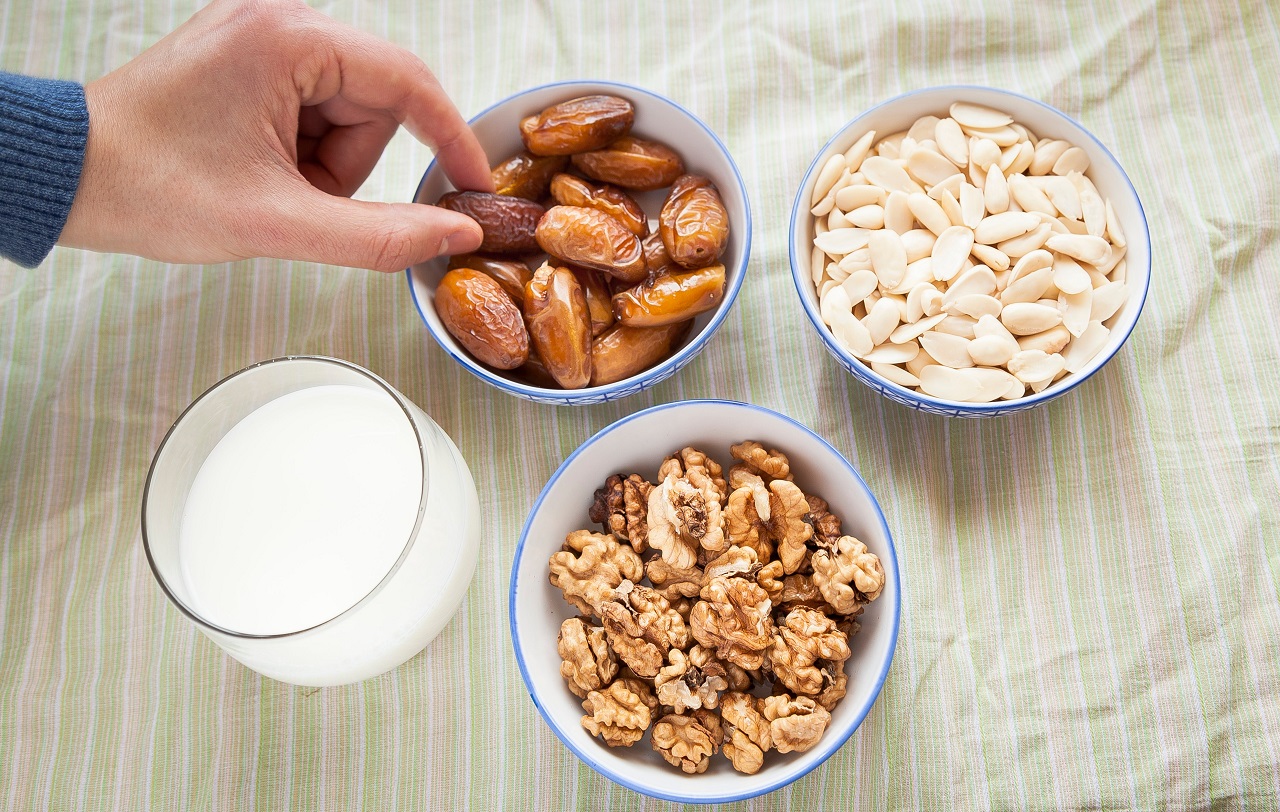
  • Dates & Dry Fruits: have been traditionally eaten to break a fast. You can follow this up with dry fruits.  You can try Jagger Bombs by WeDesi for a healthy and fun twist to dry fruits! Each Jagger Bomb contains dry fruits such as pistas, almonds, foxnuts, cashews bound with organic jaggery, gondh and pure cow ghee to give you all the essential nutrients you need while breaking a fast. You can get them at a discount from the GOQii Health Store within the GOQii App.
  • Rice & Alternatives: Brown rice, black rice, wholegrain noodles, wholegrain pasta or wholemeal bread are complex carbohydrates that provide a slow, stable and sustainable release of energy. Plus, they replenish your body with essential fibers and minerals after fasting.
  • Meat: Choose protein-rich sources such as lean meat, chicken, fish, eggs, etc. Proteins are the building blocks for healthy bones, muscles, cartilage, skin and blood. They also aid to build and repair tissues. It’s a must have when you have fasted for around 18 hours.

Foods You Should Avoid

The foods listed above will help you stay healthy during Ramadan but it is imperative to maintain caution with what you eat. Here are a few foods you can exclude from your meals.

  • Processed/Oily Foods: These contain less nutrients and more fat. This can lead to acidity, nausea, heartburn and indigestion. Consume food with lesser oil and avoid packaged or junk food at all costs.
  • Salty Foods: Avoid anything that is too salty especially during Suhoor. Salty foods increase thirst and can leave you dehydrated.
  • High-Sugar Foods: We all know by now that excess sugar in the body is stored as fat. Consuming high-sugar foods and drinks can lead to weight gain, sluggishness and fatigue.

Caution & Safety

Fasting is good but fasting the right way is equally important. Here are some things you need to watch out for while fasting during Ramadan.

  • Don’t Miss Sehri or Suhoor: Think of this as your breakfast. It is the most important meal of the day as it keeps your energy levels high throughout. This meal stores important nutrients in your body and keeps you going through the day. Skipping this meal can cause digestive discomfort, making your body sluggish. Moreso, it may compel you to overeat while breaking your fast which may lead to acidity, heartburn, bloating and weight gain.
  • If you experience dizziness, are unable to stand or feel disoriented, hydrate yourself immediately. Not doing so may lead to fainting, constipation, or splitting headaches. Dehydration can adversely affect your health.
  • Eat in Moderation: It is easy to get carried after while breaking a fast and overindulging with large portions. Avoid this and keep a constant check on your portion size. Remember to eat and not feast.
  • Limit Exercise: If you have been fasting, doing intense exercises may not be the wisest of choices. Perform extremely light workouts and don’t go overboard as your body needs to conserve energy.

What do you break your fast with? What’s your favorite meal during Ramadan? Did we miss out on anything? Do let us know in the comments below!

If you found these tips useful and want to learn more, speak to a GOQii Coach by subscribing for Personalized Health Coaching here.

#BeTheForce

July 11, 2021 By GOQii 4 Comments

7 Foods To Build Immunity Against the Coronavirus

immunityWith the ongoing second-wave of the pandemic and the expected third-wave, it has become increasingly important to protect ourselves against it. Apart from all of the other safety measures which we can take, including wearing a mask while traveling to crowded places, avoiding crowded places or washing our hands with soap at regular intervals, one should also focus on building their immunity. A good immune system can help you fight off any virus or infection. One of the best ways to build your immunity is nutrition but before we get into that, let’s understand what Immunity is.
What Is Immunity?

As the old adage goes, ‘Prevention is better than Cure’. Build a good immune system to prevent disease. The Immune system is an amazing protection mechanism situated inside every human body. It is designed to defend you against millions of bacteria, microbes, viruses, toxins and parasites that love to invade the body. To understand the power of the immune system, all that one needs to do is to look at what happens to a living being when it dies. This might sound gross but it does tell us all something very important about our immune system.

When something dies, its immune system (along with everything else) shuts down. In a matter of hours, the body is invaded by all sorts of bacteria, microbes, and parasites. None of these things are able to get in when the immune system is strong, but the moment the immune system stops, the door is wide open for diseases to breed. Once you die, it only takes a few weeks for these organisms to completely dismantle your body and carry it away, until all that’s left is a skeleton. So safely, one can conclude that a strong immune system keeps all of that dismantling from happening when one is alive.

The immune system is complex, intricate and interesting. And there are at least two good reasons for every individual to know more about it. First, it is just plain fascinating to understand where things like fever, hives, inflammation, etc. come from when they happen inside your own body. You also hear a lot about the immune system in the news as new parts of it are understood and new drugs come in the market — knowing about the immune system makes these news stories understandable.

Now that we have understood what the Immune System is, I would like to take you through how the immune system works and how the immune system can be boosted with a proper diet.

Foods That Can Help You Build Your Immune System

It takes at least more than an apple a day to keep the doctor away. One should ensure that your body and the immune system function smoothly by rounding out your food plate with plenty of colorful servings of fruits and veggies, plus 8 to 10 glasses of water a day, at the very least. The following ingredients can add that extra virus-fighting punch to your meal plan.

1. Yogurt
Probiotics, or the “live active cultures” found in Yogurts are the healthy bacteria that keep the gut and intestinal tract free of disease-causing germs, although they’re available in supplement form. A study from the University of Vienna in Austria found that a daily 7 ounce dose of yogurt was just as effective in boosting immunity as popping pills.

Your optimal dose: 2 servings of 150gm each in a day. 

2. Oats and Barley
These grains contain beta-glucan, a type of fiber with antimicrobial and antioxidant capabilities more potent than Echinacea, reports a Norwegian study. When animals eat this compound, they’re less likely to contract influenza, herpes, even anthrax; in humans, it boosts immunity, speeds wound healing, and may help antibiotics work better.

Your optimal dose: At least one in your three daily servings of whole grains.

3. Garlic
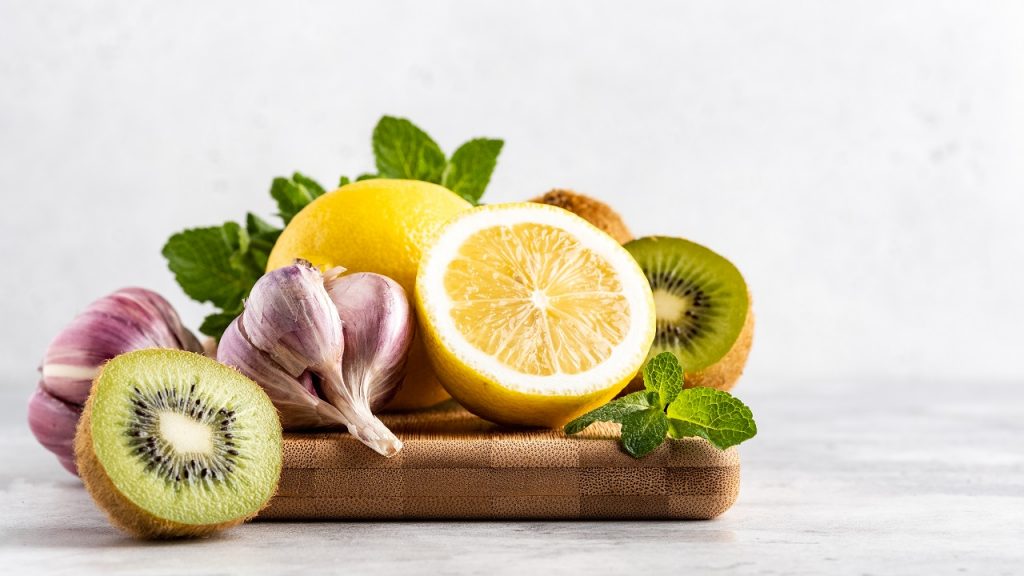
This potent onion relative contains the active ingredient Allicin, which fights infection and bacteria. British researchers gave 146 people either a placebo or a garlic extract for 12 weeks; the garlic takers were two-thirds less likely to catch a cold. Other studies suggest that garlic lovers who chew more than six cloves a week have a 30 per cent lower rate of colorectal cancer and a 50 per cent lower rate of stomach cancer.

Your optimal dose: Two raw garlic cloves a day and add crushed garlic to your cooking several times a week.

4. Tea
People who drank 5 cups a day of black tea for 2 weeks had 10 times more virus-fighting interferon in their blood than others who drank a placebo hot drink, according to a Harvard study. The amino acid that’s responsible for this immune boost, L-theanine, is abundant in both black and green tea—decaf versions have it too.

Your optimal dose: Drink in moderation. Recommended 2 cups a day. To get more antioxidants from your tea bags, bob them up and down while you brew.

5. Fish
Selenium, plentiful in shellfish such as oysters, lobsters, crabs, and clams, helps white blood cells produce cytokines—proteins that help clear flu viruses out of the body. Salmon, mackerel, and herring are rich in omega-3 fats, which reduce inflammation, increasing airflow and protecting lungs from colds and respiratory infections.

Your optimal dose: Two servings a week (unless you’re pregnant or planning to be).

6. Mushrooms
For centuries, people around the world have turned to mushrooms for a healthy immune system. According to experts and several studies, mushrooms increase the production and activity of white blood cells, making them more aggressive. This is a good thing when you have an infection.

Your optimal dose: Shiitake, Maitake, and Reishi mushrooms appear to pack the biggest immunity punch; experts recommend at least ¼ ounce to an ounce a few times a day for maximum immune benefits. Add a handful to pasta sauce, or sauté with a little oil and add to eggs

7. Citrus Fruits :

When you catch a cold, it is recommended that we should have Vitamin C. as it helps build up your immune system. Vitamin C increases the production of white blood cells and these are key to fighting infections. Some popular citrus fruits include oranges, grapefruit, Kiwi and lemons. Because your body doesn’t produce or store it, you need daily vitamin C for continued health. Almost all citrus fruits are high in vitamin C. With such a variety to choose from, it’s easy to add a squeeze of this vitamin to any meal. Doctors have been recommending Vitamin C during this time of widespread infections

Your Optional Dose: Vitamin C supplement is recommended. But, before taking any supplement consult your doctor. 

The above foods have proven to have boosted individuals’ immune system and produce more white cells in the body. Eat healthy and build your immune system. It will help you fight against all illnesses including the Coronavirus (COVID-19). So what are you waiting for? Get on the path of healthy eating and keep your immune system active and more energetic than ever.

For more tips and preventive measures against COVID-19, check out Healthy Reads or tune in to classes by experts on GOQii Play. To get these tips directly from a GOQii Coach, subscribe to personalized coaching here: https://goqiiapp.page.link/bsr  

#BeTheForce 

August 28, 2019 By Pradnya Shinde Leave a Comment

Should You Go Grain-Free?

grain-free

In the past few years, imperical evidence emerged, coaxing us to stay away from all the foods we enjoyed so much in order to live a strong, healthy and disease-free life. Now, along with sugar, fats and diary, you even have grains joining the list of dietary outcasts. How did this happen? Is it necessary? Let’s find out if you should go grain-free!

What is Grain-Free?

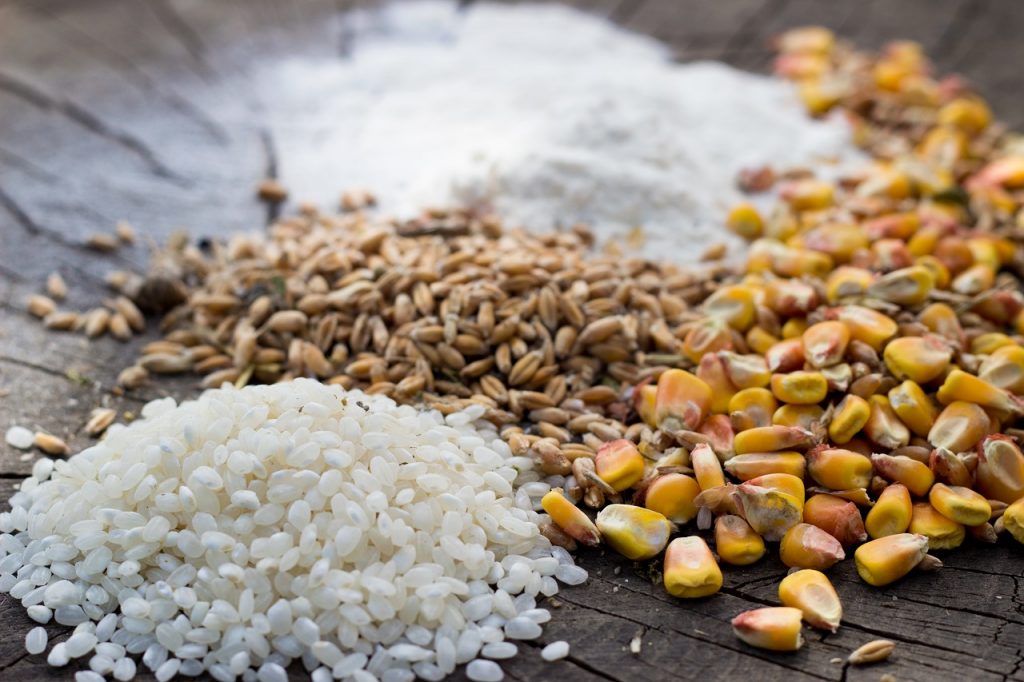
Have you ever thought about skipping rice, chapati or your favorite rotis for losing weight quickly? Ever skipped all grains which includes wheat and its products, corn, rice, jowar, ragi, and bajra? That is called going grain-free. It is when you eliminate all grains from your diet.

If you have followed a specific diet like Keto or Paleo, you know that they involve skipping grains. Another reason people avoid grains is the discomfort in digesting them. The specific known culprit is Wheat! But there is hardly any reason enough that suggests grains are unhealthy or promote weight gain.

Are There Any Benefits of Going Grain-Free?

The immediate benefit of going grain-free is that you will notice some weight loss and reduction in bloating. 80% of dry matter of grains is carbohydrates. Reduced intake of excess carbohydrates helps in reducing weight quickly as it also reduces water retention. Hence, skipping grains makes you feel light. It works for short-term weight loss.

However, if you want to go for long-term weight loss, skipping grains might not be such a great idea as it may lead to nutritional deficiency. Whole grains are a major source of Vitamin B in our diet. Restricting it for a long time may lead to deficiency and cause problems. Going grain-free is not for every person. You can get the same benefits by skipping sugar and processed foods. For long term weight loss, go for grains!

What to Watch Out For!

If you are insistent on going grain-free, then plan your diet in such a way that you can cope with the vitamin loss. For instasnce, include green vegetables in your diet. You can go grain-free for a specific period but avoid going long term. Remember that eating whole grains is good for your heart and it reduces the risk of cancer as well.

If you are skipping grains due to digestive discomfort, then take the IgA anti-gliadin antibodies test to see if you have gluten sensitivity followed by endoscopy to check for celiac disease.

Gluten is a protein present in wheat and it will cause you discomfort if you have gluten sensitivity or celiac disease. If you have either of these conditions, avoid wheat, rye and barley. You can safely eat other grains.

To sum it up, you can enjoy eating rice, idli and parathas in moderation. Avoid refined cereal!

We hope this article helps you come to a conclusion on whether you should go grain-free or not! Do let us know your thoughts in the comments below!

#BeTheForce

  • « Previous Page
  • 1
  • …
  • 3
  • 4
  • 5
  • 6
  • 7
  • Next Page »

Search

Recent Posts

  • PCOS and Anxiety: Discover Relief with the 54321 Technique
  • Navigating the Maze of Nutrition: Finding Clarity Amidst Confusion
  • Get children active and keep them healthy
  • What Gestational Diabetes Can Do To You & Your Unborn Child
  • Breathing – A Forgotten Art

Stay Updated

Archives

  • December 2025 (4)
  • November 2025 (15)
  • October 2025 (20)
  • September 2025 (6)
  • August 2025 (6)
  • July 2025 (12)
  • June 2025 (18)
  • May 2025 (16)
  • April 2025 (23)
  • March 2025 (23)
  • February 2025 (22)
  • January 2025 (26)
  • December 2024 (26)
  • November 2024 (25)
  • October 2024 (22)
  • September 2024 (24)
  • August 2024 (31)
  • July 2024 (21)
  • June 2024 (26)
  • May 2024 (31)
  • April 2024 (27)
  • March 2024 (29)
  • February 2024 (26)
  • January 2024 (25)
  • December 2023 (15)
  • November 2023 (11)
  • October 2023 (22)
  • September 2023 (22)
  • August 2023 (20)
  • July 2023 (22)
  • June 2023 (24)
  • May 2023 (24)
  • April 2023 (24)
  • March 2023 (23)
  • February 2023 (20)
  • January 2023 (16)
  • December 2022 (12)
  • November 2022 (15)
  • October 2022 (15)
  • September 2022 (12)
  • August 2022 (10)
  • July 2022 (17)
  • June 2022 (11)
  • May 2022 (10)
  • April 2022 (6)
  • March 2022 (6)
  • February 2022 (13)
  • January 2022 (12)
  • December 2021 (7)
  • November 2021 (3)
  • October 2021 (6)
  • September 2021 (3)
  • August 2021 (8)
  • July 2021 (7)
  • June 2021 (15)
  • May 2021 (16)
  • April 2021 (10)
  • March 2021 (7)
  • February 2021 (4)
  • January 2021 (4)
  • December 2020 (3)
  • November 2020 (4)
  • October 2020 (10)
  • September 2020 (3)
  • August 2020 (3)
  • July 2020 (2)
  • June 2020 (4)
  • May 2020 (10)
  • April 2020 (12)
  • March 2020 (10)
  • February 2020 (4)
  • January 2020 (4)
  • December 2019 (3)
  • November 2019 (7)
  • October 2019 (5)
  • September 2019 (4)
  • August 2019 (9)
  • July 2019 (9)
  • June 2019 (11)
  • May 2019 (4)
  • April 2019 (9)
  • March 2019 (8)
  • February 2019 (9)
  • January 2019 (8)
  • December 2018 (9)
  • November 2018 (3)
  • October 2018 (3)
  • September 2018 (5)
  • August 2018 (10)
  • July 2018 (6)
  • June 2018 (13)
  • May 2018 (8)
  • April 2018 (18)
  • March 2018 (9)
  • February 2018 (8)
  • January 2018 (15)
  • December 2017 (12)
  • November 2017 (19)
  • October 2017 (13)
  • September 2017 (15)
  • August 2017 (4)
  • July 2017 (8)
  • June 2017 (7)
  • May 2017 (6)
  • April 2017 (8)
  • March 2017 (6)
  • February 2017 (7)
  • January 2017 (9)
  • December 2016 (10)
  • November 2016 (7)
  • October 2016 (7)
  • September 2016 (7)
  • August 2016 (11)
  • July 2016 (9)
  • June 2016 (9)
  • May 2016 (12)
  • April 2016 (17)
  • March 2016 (17)
  • February 2016 (8)
  • January 2016 (6)
  • December 2015 (2)
  • November 2015 (9)
  • October 2015 (7)
  • September 2015 (9)
  • August 2015 (11)
  • July 2015 (9)
  • June 2015 (12)
  • May 2015 (9)
  • April 2015 (13)
  • March 2015 (8)
  • February 2015 (5)
  • January 2015 (12)
  • December 2014 (14)
  • November 2014 (11)
  • October 2014 (6)
  • September 2014 (13)
  • August 2014 (12)
  • July 2014 (6)
  • June 2014 (2)
  • May 2014 (7)
  • April 2014 (5)

From “Laddu Nawin” to Fit and Fierce: How a 25-Year-Old Insurance Advisor Shed 20 Kilos and Gained His Life Back

When 25-year-old Nawin Yadav from Hyderabad walked into his office every morning, he carried more than just his files and policy papers. He had the weight of fatigue, sluggish energy, and an ever-growing belly that was becoming the butt of jokes. “People … [Read More...]

“I’ve Challenged Myself to Live 100 Years” – The Story of Chandubhai Savani’s Second Chance at Life

At 67, most people start slowing down. Not Chandubhai Savani. A resident of Surat, Chandubhai, thought life was on track. “My life was going well till I had my bypass surgery,” he says. That surgery, back in 2021, was a wake-up call.  Medication was routine, but exercise wasn’t. His diet? What he calls ‘normal.’ “I […]

From Shimla’s Slopes to Chandigarh’s Sidewalks: Surinder Kaur Bhalla’s Journey from Chaos to Control

Some journeys start with a plan. Others begin with a stumble literally. Surinder Bhalla, a government professional, born and raised in the scenic hill town of Shimla, had always lived a life of movement. “In Shimla, you walked everywhere,” she reflects. “Walking was never an exercise. It was just life.” But after shifting to Chandigarh, […]

Ananda Mukherjee Health Story

From Terminal Illness To Complete Wellness! Ananda Mukherjee Health Story

As we observe World Cancer Day under the powerful theme ‘United by Unique’ (2025-2027)**, we are reminded that every individual’s journey with cancer is distinct, yet united by shared resilience, hope, and the collective fight against this disease. This theme places people at the centre of care and their stories at the heart of the […]

  • HOME
  • HEALTHY LIVING
  • FITNESS
  • HEALTHY RECIPES
  • USER STORIES
  • KARMA
  • BUY GOQii

Copyright ©2016 GOQii