GOQii

Blog

  • HOME
  • HEALTHY LIVING
  • FITNESS
  • HEALTHY RECIPES
  • USER STORIES
  • KARMA
  • BUY GOQii

April 12, 2024 By Divya Thampi 6 Comments

The Secret To Connecting With Others And Healing

HealingAn Act of Courage

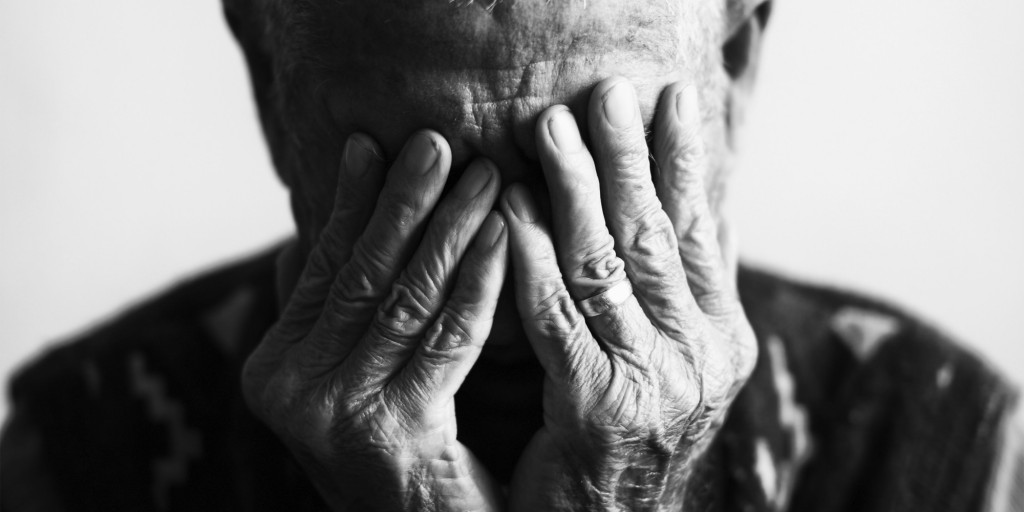
Rishabh’s body trembled almost imperceptibly, lips quivered and tears brimmed over.  He was telling his friend about the time, two years ago, when he found out that he had failed his semester exams. The friend who was listening to him, looked somber and sighed, seeing how devastating the incident had been for Rishabh. “That must have been really hard for you. I am trying to imagine what it must have been like for you to handle the burden of it, all by yourself. I wish I had spoken to you and told you that failing a semester didn’t change the way I see you and how much you mean to me as a friend,” he said, his eyes mirroring his friend’s pain.

This is an example of an interaction between one person choosing to be vulnerable with another, who in turn, chose to respond with understanding, care and compassion. It doesn’t need a doctorate degree for one to recognize that it must have taken a lot of courage for the speaker to open up about something that brought on feelings of shame, sadness and isolation. At the same time his friend’s response was honoring of Rishabh’s experience of pain. And such a conversation could mark the beginning of a healing process.

What Does it Mean to be Vulnerable?

In her book, ‘Daring Greatly’, Dr. Brené Brown describes vulnerability as “uncertainty, risk, and emotional exposure.” It is that feeling of going out of your comfort zone, opening yourself up to the risk of being judged, and letting go of control to some extent. One of the biggest myths about vulnerability is that it is a sign of weakness. Our society propagates the idea that being strong means not being scared, hurt, confused or jealous. We are told that being strong is about not feeling fear and being in total control. This idea has been drilled into our minds and hearts for very long. But is that true? Does being strong mean being perfect? Does it mean pretending to be okay at all times? Or managing all our life problems independently and not taking support?

The answer is a big NO! It is a myth that most of us have been reeled into. Not feeling fear would require us to numb every other feeling along with it; every feeling that makes us human.

But Dr Brown says “When we think of times that we have felt vulnerable or emotionally exposed, we are actually recalling times of great courage”. She adds that, “Vulnerability is the birthplace of love, belonging, joy, courage, empathy, and creativity.” We make the assumption that the things that make us feel distressed and ashamed, are things that should be hidden and kept a secret. But not talking about them reinforces the voice in our heads that tells us that we are not good enough. That clearly is of no help and could aggravate the feelings of alienation & disconnection.

Like in the example at the beginning of this blog, when Rishabh chose to be vulnerable, it opened up an opportunity for a significant person in his life to witness important parts of him, thus validating his feelings and making him feel whole again. And it is that wholeness that allows us to understand and accept that making mistakes, going through challenges, or struggling in relationships, is not shameful, rather, it is what makes us human. Acceptance of our fragility, accelerates the healing process.

Trying Out Vulnerability

If practicing vulnerability feels like too much of a leap for you, here are a few things that can help you begin:

  1. Start with something really small, like telling a friend or colleague about devouring 4 mangoes in one go or not having a shower all day or feeling anxious about an upcoming meeting.
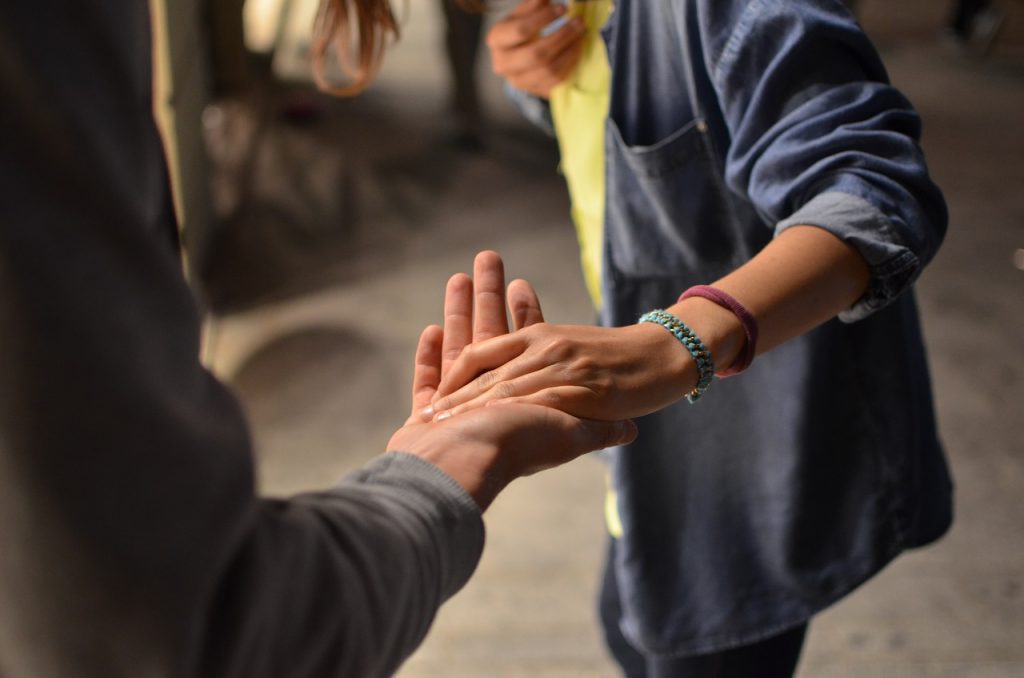
  2. Whenever someone shares something with you, that makes them vulnerable, acknowledge their courage in sharing it with you and provide support with your listening and presence, without offering solutions or advice.

The Way Ahead

Let’s start one small step at a time in our own lives, because when you open yourself up to others and allow them to support and help you, you are also inspiring others around you to open up and thus helping the world to heal. As the famous author Haruki Murakami says “What happens when people open their hearts? They get better!”

We hope this article helps you. For more topics on mental health and emotional well-being, check out Healthy Reads or tune in to experts on GOQii Play.

Go get tips on improving mental and emotional health, connect with your GOQii Coach by subscribing for Personalised Health Coaching here.

#BeTheForce 
February 29, 2024 By Divya Thampi 2 Comments

Embracing Tears: The Healing Power of Sadness

Tears need to be shed -Divya

Her voice quivered as she spoke over the phone and slowly but surely tears emerged. First gradually, then in quick succession, until they became a steady stream. By now she had disconnected the call but her body shook in uncontrollable sobs. I gently put my hand on her shoulder and checked if she was okay. She looked at me through her teary eyes, shaken out of her reverie and gave me an embarrassed nod indicating that she would manage without my help. I sat there next to her on the train, feeling pained, wondering why a stranger’s grief caused me so much suffering.

Sadness is one of the longer lasting emotions and we feel it when we have experienced loss. The loss could be anything – a breakup, death of a loved one, loss of financial security, loss of respect in the eyes of others, feeling rejected, loss of a job, regret about opportunities lost, loss of a body part or loss of health, to mention a few. We not only feel saddened but also feel the need to reach out and help, when we see someone in pain (like I did with the girl in the train), especially if it’s a loved one. According to Dr Paul Ekman, the reputed psychologist who studies emotions, this impulse is fundamental to the sense of community. This feeling is motivated by the suffering we experience when we see someone else’s suffering.

tears

However, expressing sadness and especially doing so through tears is not something that comes easily to a lot of us.

The main reasons why people may try to suppress sadness are:

       1. The fear that if we start crying or expressing sadness, we may get engulfed and may not be able to stop – This is a misconception. The reality is that strong emotions like sadness, when unaddressed, distort our thinking, prevent us from being reasonable and may drive us to make poor judgments. Hence, it is critical that we process these feelings through healthy expression. It is true that sometimes when we feel sad about a particular event, it may trigger off unexpressed pain from earlier times, making us revisit unresolved hurt. It is okay for that to happen. This may become a doorway to re-examine earlier unacknowledged losses of our lives. A good cry allows us to release the hurt and sadness through tears. It lets out the painful emotional energy and makes room for positive thoughts and feelings in our heart.

      2. Sadness can be a difficult and painful emotion to experience and one wants to avoid going through it – The best way to overcome any emotion is to acknowledge and process it, rather than trying to reject or bury it. Trying to reject sadness may lead to additional feelings of anger, shame and helplessness. Every emotion has a role to play in human life. It would help us to remember that experiencing emotions, even the painful ones, is a sign of the compassionate human heart that beats in our chest and that experiencing a healthy dose of any difficult emotion is the pathway to growth.

      3. The Social stigma attached to shedding tears – There is this idea that feeling hurt and crying is a sign of weakness. Crying is often accompanied by feelings of shame and embarrassment because many of us worry about appearing helpless, dependent and powerless. The cultural stigma around men shedding tears explains (to a certain extent) the frequency with which men turn to, substance abuse, angry outbursts, violence, bullying, isolation or emotional numbness. This is not to say that all women are comfortable with expressing sadness. Often women who cry openly are ridiculed or may be treated with indifference, making one feel weak and inferior. This makes women wary of crying as well.

While the first two reasons are something for each of us to work through individually or with a therapist, however, the third one is far more complex than it appears on the surface. Most times when we think of social stigma, we do not think of ourselves as contributors to it, but unfortunately, almost all of us may be contributing to this stigma not just in the way we treat others but more importantly in the way we treat ourselves. When children grow up watching adults shaming each other for crying or adults shying away from shedding tears and/or when they are repeatedly told that strong people don’t cry, the message becomes deeply ingrained, making its way into their words and actions as they grow into adults.

People who try to bury their feelings of sadness are not the only ones who pay the price for doing so. Deep sadness that goes unexpressed could result in long-lasting suffering. It could result in unhealthy behaviours like substance abuse, misplaced anger and may also pave the way for depression, anxiety disorders, obsessive-compulsive disorders (OCD) or mood swings, to name a few. We may withdraw, make ourselves emotionally unavailable, thus reducing our capability to form authentic meaningful relationships and shrinking our ability to experience positive emotions like joy and passion. Our loved ones would invariably feel the distance this creates. We may at times end up behaving inappropriately because these unresolved feelings may be pulling us in different directions, thus leading us away from our goals. Buried feelings lead to health issues that include high blood pressure, increased incidents of diabetes, heart diseases, stiff joints and frequent infections due to lowered immunity.

Though undoing this social stigma can take time, each one of us has the power and choice to start this process of change. Here are a few things we can do towards bringing this much-needed change:

  • Allow yourself to have a good cry when you feel sad and pained, and instead of criticizing, talk compassionately to yourself when you feel sad.
  • When your loved ones shed tears, let them know through a hug, gentle touch or just your quiet presence, that you feel their pain and that you honour their feelings.
  • Become aware of any comments you may be making or any gestures you may be displayed, which implies that crying is a sign of weakness and consciously make an effort to change them.
  • Be an ambassador of healthy expression of emotions by starting off conversations about the social stigma of shedding tears, within your family, workplaces and social circles.

In conclusion, the main function of involuntary expression of sadness through tears is to signal the need for help, so others are moved to help. But that’s not the only purpose. Acknowledging and experiencing our sadness fully, allows us to honour the thing we have lost and acknowledged the importance of what the loss signified. It helps us to process the grief in a healthy way, such that the body can rebalance and heal itself. It is an opportunity for us to connect with ourselves, to hold our experiences sacred and honour our valuable existence as individuals and as part of a community.

#BeTheForce

January 20, 2024 By Aaishwarya Haldule 2 Comments

Meditation and it’s healing powers

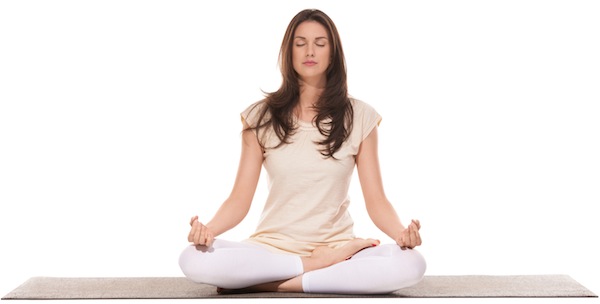
meditation-pose

Meditation as we all know is one of the most ancient stress relieving and healing techniques used in India and now even in the Western world. It however has its roots buried in the centuries old science of medicine in India. Now one may think, meditation is only to sit with eyes closed and breathe, to be practiced by saints and yogis.

MEDITATION- the true meaning is to make peace with oneself mentally and physically.But, this is not easy as one may think and needs practice or even training for some period.

The term meditation refers to a variety of practices, such as techniques designed to promote relaxation and build internal energy or life force which is also PRANA in Sanskrit. This enables the individuals to develop love, compassion, patience, effortless single pointed concentration, thus enabling the person to enjoy the well being while engaging in any life activity.

In the recent times meditation is often suggested as a treatment to ease health concerns such as hypertension/ blood pressure, depression, anxiety, insomnia, fear and phobias, control emotions such as anger or hatred. Meditation has a calming effect on the body as well as mind. It directs awareness inward until pure awareness is achieved which is rightly described as “Being awake inside without being aware of anything except awareness itself”

Now one may ask how to achieve the state of awareness and peace? Here is how you can.

  • Sit comfortably wearing comfortable clothes.
  • Starting with your head working downwards feel the vibrations in your body.
  • Focus on your breath; follow the sensation of inhaling and exhaling. With each inhalation the tummy will blow out and with each exhalation the tummy will go back in.
  • Once you achieve this state, you will face thoughts, the key here is to not hold on to any thought. Instead make it a slide show, let all the thoughts come and go as if it is a photo gallery.
  • Once you are able to achieve this, you can begin with mantra repetition such as OM for 5- 6 times.

It has been proven that practicing meditation; has numerous benefits and accelerates the process of healing of many health conditions, as well as delay the ageing.

To highlight a few prominent benefits, let’s look further.

  • Increase immunity:

Relaxation appears to boost the immunity in recovering cancer patients. Progressive muscular relaxation when practiced daily has shown to reduce the risk of breast cancer and its recurrence. A study at Ohio state university has shown that practicing meditation and relaxation for a month boosted the immunity cells in the elderly giving them more resistance to viruses.

  • Emotional Balance:

As we discussed earlier, meditation helps to achieve control over emotions such as anger, hatred.

Emotional balance means to be free of ego. Though this is very difficult to achieve fully, meditation does help to lessen the outbursts due to ego. As the consciousness is cleansed of emotions and memories, one not only achieves a full freedom but also great balance in actions and words.

  • Increases Fertility:

It has been found that women are more likely to conceive when emotionally balanced and stress free. Being stress free also helps improve male fertility in many ways.

  • Relieves Digestive Ailments:

People who suffer anxiety related acidity, or other digestive complaints get great relief with regular meditation and breathing exercises.

Hence, it is widely recommended as an effective treatment.

  • Lowers Blood Pressure:

Similar to exercise meditation also helps to secrete “happiness hormones such as endorphins”, making the body less responsive to stress hormones. These effects are also seen with regular cardio exercise and blood pressure lowering medications as well.

  • Inflammation:

Stress; of all kinds’ leads to inflammation, which is widely related to heart disease, arthritis, asthma and many skin conditions. Practicing regular meditation can prevent and help in treating these conditions by reducing the stress response.

  • Calmness and Sleep:

The simple difference between the people who meditate and those who do not, is that for a meditative mind the thought occurs is witnessed, while for an ordinary mind, the thought occurs and is governed by ego. In case in both minds, an upsetting thought occurs, but for those who meditate it is just another thought which is seen, allowed to blossom, and let go, while in a non meditating mind, such thoughts can instigates a storm which rages on and on. This can lead to sleep disturbances. Hence meditation helps to improve sleep.

In short, Meditation is a way to celebrate being at peace with oneself and celebrating it with silence.

We hope this article helps you. For further information or guidance, reach out to our certified experts by subscribing to GOQii’s Personalised Health Coaching here.

Happy Meditating!

#BeTheForce 

August 22, 2023 By Arooshi Garg 2 Comments

4 Ways to Naturally Heal Common Cold and Flu

4 Ways to Natural Heal Common Colds and FluIt’s that time of the year again when the ‘change in weather’ hits us all! Immunity levels suddenly drop, paving the way for cold, cough, flu, and body aches, which hamper our daily activities, work and physical well-being. What exactly is cold? Can you naturally heal common cold and flu? Let’s find out!



What is Common Cold?

You get a cold when a tiny living thing called a virus gets into your body. There are a hundred different types of viruses that can get you sick. Once a cold virus gets inside you, your immune system – the body’s defense against germs, launches a counter-attack. Your body’s response to the virus is what brings on the classic symptoms such as cough or a stuffed nose. The common cold is a viral, infectious disease that infects the upper respiratory system. It is also known as Acute Viral Rhinopharyngitis and Acute Coryza.

The viruses that cause common cold are contagious. You can contract them when someone who is infected sneezes, coughs, or shakes your hand. It can be spread by air droplets from coughs and sneezes and by touching infected surfaces. There are over 200 sub-types of viruses that can cause a cold with the Rhinovirus being the most common. Although colds occur more commonly during monsoon and winter, they can develop any time of the year. After a couple of weeks, at the most, your immune system fights off the illness and you should stop having symptoms.

Because there are more than 200 viruses that cause common cold, the human body can never build resistance to all of them. This is why colds are so common and often return. According to the CDC (Center for Disease Control and Prevention), adults get 2–3 colds per year, and children may have up to 12 per year.

How Can You Naturally Heal Common Cold and Flu? 

The symptoms of common cold are the body’s reaction to the cold virus. It triggers the release of chemicals, making the blood vessels leak, causing the mucous glands to work harder. So what’s the solution? With no long-term solution to this issue, the only way is to either avoid it or treat it! Here are 4 ways to naturally heal common cold and flu.

1. Steam Therapy

Steam therapy is absolutely natural.  Our bodies are made up of 50-60% water and steam is just droplets of water.  Quite simply put, you are renewing one of your body’s natural biochemical elements.

Steam therapy or steam inhalation, is the method of introducing warm, moist air into the lungs via the nose and throat. The prime benefit of breathing in moist, warm steam is that it may help ease the feeling of irritation and swollen blood vessels in the nasal passages. The moisture may also help thin the mucus in your sinuses, which allows them to empty more easily. This can return your breathing to normal.

Ways to Use Steam Therapy

  • Traditional: Boil a few cups of water, then pour the steaming water into a large bowl.  Place gently on a firm flat surface such as a kitchen table. Put a towel over your head to form a ‘tent’. Lean over with your face 15-20cm from the steam and inhale. Eucalyptus Oil, Lavender Oil and Holy Basil Leaves can be added for extra benefit.
  • Shower: Run a hot shower and inhale the steam – you can even use few drops of essential oils to help refresh and revitalize.
  • Personal Inhalers: An easy and portable way to enjoy steam therapy on the go. A great idea for the office or holidays, inhalers are also popular with public speakers, actors and singers to help open up the airways before a performance.

2. Gargle

Gargling several times a day with warm salt water can reduce swelling in the throat and loosen mucus. This helps in flushing out irritants or bacteria. Salt water creates a high-salt barrier and pulls out a lot of fluids from the tissues in the throat area. This helps in washing the virus out. The salt functions as a magnet for water. It’s good for symptomatic relief.

It’s best to use pure water because tap water often includes chlorine. One can also add Turmeric juice or powder to have an antiseptic effect. One can gargle every 4 hours if the cough/cold is troublesome.

3. Maintain Hydration Levels

Drinking plenty of fluids is one of the most important things you can do when you have a cold or flu. Because cold and flu symptoms like runny noses and sweating, which often accompanies fever, increase the amount of water your body loses. Dehydration might occur if your fluid intake is not increased to compensate.

Keeping your body hydrated also helps loosen mucus in your nose and relieve congestion. Staying hydrated ensures that the body can function properly and can defend itself more effectively against the cold or flu.

When you have a cold or flu, drink a minimum of 2 liters of fluid each day. Drink water or other healthy fluids whenever you are thirsty. Use your thirst as a guide to when and how much you should drink. If you are caring for a child who is over one year, ensure they drink a minimum of 90–120ml of fluid per hour. Babies under one year require at least 30–60ml fluid per hour. Pregnant women should increase their fluid intake to up to 2.50L per day.

Try these herbal concoctions:

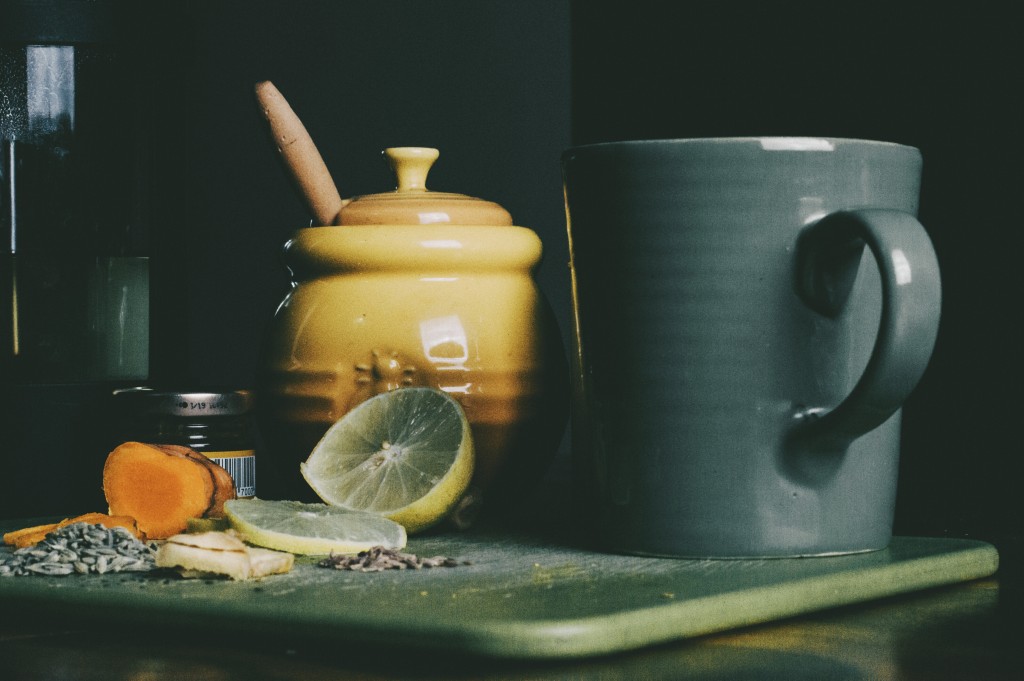
  • Herbal Tea: In a glass of boiling water, add a pinch of cinnamon, a few holy basil leaves, crushed ginger and a few crushed black peppercorns. Add honey and drink while hot.
  • Carom  Seeds Infused Water: Boil Carom Seeds in water. Strain and add Jaggery powder. This helps in relieving cough and congestion.
  • Garlic Concoction: Combine 2-4 cloves, chopped garlic and 3-4 slices of fresh ginger with 1 cup of water. Cover and let it steep for at least 20 minutes. Add honey and lemon to taste. Drink it while it is lukewarm.
  • Licorice Tea: Boil a 1/2inch piece of licorice + 1/2 tsp grated ginger and 1/2 spoon of cinnamon in 1 cup water for 10 mins. Strain and drink.
  • Raw Turmeric Drink: Boil a 1 inch piece of raw Turmeric or a 1/4 tsp of turmeric powder for 5 minutes. Add ginger juice/honey and consume.
  • Green Tea and Chamomile Tea
  • Soups: Vegetable soup/chicken soup/clear soup/chicken broth, lemon coriander soup, garlic spinach soup, tomato fennel soup or veg broth – all work well. A hot bowl of soup helps break up the congestion associated with both common cold and flu. The salt in the soup and its warmth can soothe a sore throat.

4. Rest

Rest is the best treatment! When you have a cold or flu, doctors recommend plenty of bed rest. When you limit mobility/take rest, your body has more resources to fight off your illness. Your body temperature goes up if you remain very active. Flu and cold organisms replicate at a faster rate when the body gets hotter. Also, if you head to the office when you are sick, the stress of work can make it hard for your body to attack the illness.

Do not over-exert yourself. You can do light intensity workout if you have the energy, your symptoms are mild such as just a runny nose, or if you have been fever free for more than 48 hours.

  • Avoid Exercise: When you have fever, body aches, cough, vomiting, diarrhea or chronic health concerns such as asthma /heart diseases.
  • Best Exercises: Walking, yoga or a light jog. All these stimulate you to take deep breaths and can help open up clogged passages.
  • Worst Exercises: Endurance runs, machines at gym and weight lifting.

We hope this information helps you naturally heal common cold and flu symptoms! Find more home remedies and articles on staying healthy during monsoon here. You can also get these tips, and more, directly from a GOQii Coach by subscribing for GOQii’s Personalized Health Coaching here.

Have a personal remedy of your own? Share it with us in the comments below!

#BeTheForce

  • 1
  • 2
  • Next Page »

Search

Recent Posts

  • India Leads in Longevity: GOQii Sanjeevini Named Top 40 in $101M XPRIZE
  • The Importance Of Knowing If You’re Thirsty Or Hungry
  • Best Foods To Alleviate Irritable Bowel Syndrome
  • ALL ABOUT VERTIGO!
  • PCOS and Anxiety: Discover Relief with the 54321 Technique

Stay Updated

Archives

  • December 2025 (8)
  • November 2025 (15)
  • October 2025 (20)
  • September 2025 (6)
  • August 2025 (6)
  • July 2025 (12)
  • June 2025 (18)
  • May 2025 (16)
  • April 2025 (23)
  • March 2025 (23)
  • February 2025 (22)
  • January 2025 (26)
  • December 2024 (26)
  • November 2024 (25)
  • October 2024 (22)
  • September 2024 (24)
  • August 2024 (31)
  • July 2024 (21)
  • June 2024 (26)
  • May 2024 (31)
  • April 2024 (27)
  • March 2024 (29)
  • February 2024 (26)
  • January 2024 (25)
  • December 2023 (15)
  • November 2023 (11)
  • October 2023 (20)
  • September 2023 (22)
  • August 2023 (20)
  • July 2023 (22)
  • June 2023 (24)
  • May 2023 (24)
  • April 2023 (24)
  • March 2023 (23)
  • February 2023 (20)
  • January 2023 (16)
  • December 2022 (12)
  • November 2022 (15)
  • October 2022 (15)
  • September 2022 (12)
  • August 2022 (10)
  • July 2022 (17)
  • June 2022 (11)
  • May 2022 (10)
  • April 2022 (6)
  • March 2022 (6)
  • February 2022 (13)
  • January 2022 (12)
  • December 2021 (7)
  • November 2021 (3)
  • October 2021 (6)
  • September 2021 (3)
  • August 2021 (8)
  • July 2021 (7)
  • June 2021 (15)
  • May 2021 (16)
  • April 2021 (10)
  • March 2021 (7)
  • February 2021 (4)
  • January 2021 (4)
  • December 2020 (3)
  • November 2020 (4)
  • October 2020 (10)
  • September 2020 (3)
  • August 2020 (3)
  • July 2020 (2)
  • June 2020 (4)
  • May 2020 (10)
  • April 2020 (12)
  • March 2020 (10)
  • February 2020 (4)
  • January 2020 (4)
  • December 2019 (3)
  • November 2019 (7)
  • October 2019 (5)
  • September 2019 (4)
  • August 2019 (9)
  • July 2019 (9)
  • June 2019 (11)
  • May 2019 (4)
  • April 2019 (9)
  • March 2019 (8)
  • February 2019 (9)
  • January 2019 (8)
  • December 2018 (9)
  • November 2018 (3)
  • October 2018 (3)
  • September 2018 (5)
  • August 2018 (10)
  • July 2018 (6)
  • June 2018 (13)
  • May 2018 (8)
  • April 2018 (18)
  • March 2018 (9)
  • February 2018 (8)
  • January 2018 (15)
  • December 2017 (12)
  • November 2017 (19)
  • October 2017 (13)
  • September 2017 (15)
  • August 2017 (4)
  • July 2017 (8)
  • June 2017 (7)
  • May 2017 (6)
  • April 2017 (8)
  • March 2017 (6)
  • February 2017 (7)
  • January 2017 (9)
  • December 2016 (10)
  • November 2016 (7)
  • October 2016 (7)
  • September 2016 (7)
  • August 2016 (11)
  • July 2016 (9)
  • June 2016 (9)
  • May 2016 (12)
  • April 2016 (17)
  • March 2016 (17)
  • February 2016 (8)
  • January 2016 (6)
  • December 2015 (2)
  • November 2015 (9)
  • October 2015 (7)
  • September 2015 (9)
  • August 2015 (11)
  • July 2015 (9)
  • June 2015 (12)
  • May 2015 (9)
  • April 2015 (13)
  • March 2015 (8)
  • February 2015 (5)
  • January 2015 (12)
  • December 2014 (14)
  • November 2014 (11)
  • October 2014 (6)
  • September 2014 (13)
  • August 2014 (12)
  • July 2014 (6)
  • June 2014 (2)
  • May 2014 (7)
  • April 2014 (5)

From “Laddu Nawin” to Fit and Fierce: How a 25-Year-Old Insurance Advisor Shed 20 Kilos and Gained His Life Back

When 25-year-old Nawin Yadav from Hyderabad walked into his office every morning, he carried more than just his files and policy papers. He had the weight of fatigue, sluggish energy, and an ever-growing belly that was becoming the butt of jokes. “People … [Read More...]

“I’ve Challenged Myself to Live 100 Years” – The Story of Chandubhai Savani’s Second Chance at Life

At 67, most people start slowing down. Not Chandubhai Savani. A resident of Surat, Chandubhai, thought life was on track. “My life was going well till I had my bypass surgery,” he says. That surgery, back in 2021, was a wake-up call.  Medication was routine, but exercise wasn’t. His diet? What he calls ‘normal.’ “I […]

From Shimla’s Slopes to Chandigarh’s Sidewalks: Surinder Kaur Bhalla’s Journey from Chaos to Control

Some journeys start with a plan. Others begin with a stumble literally. Surinder Bhalla, a government professional, born and raised in the scenic hill town of Shimla, had always lived a life of movement. “In Shimla, you walked everywhere,” she reflects. “Walking was never an exercise. It was just life.” But after shifting to Chandigarh, […]

Ananda Mukherjee Health Story

From Terminal Illness To Complete Wellness! Ananda Mukherjee Health Story

As we observe World Cancer Day under the powerful theme ‘United by Unique’ (2025-2027)**, we are reminded that every individual’s journey with cancer is distinct, yet united by shared resilience, hope, and the collective fight against this disease. This theme places people at the centre of care and their stories at the heart of the […]

  • HOME
  • HEALTHY LIVING
  • FITNESS
  • HEALTHY RECIPES
  • USER STORIES
  • KARMA
  • BUY GOQii

Copyright ©2016 GOQii