GOQii

Blog

  • HOME
  • HEALTHY LIVING
  • FITNESS
  • HEALTHY RECIPES
  • USER STORIES
  • KARMA
  • BUY GOQii

September 29, 2026 By Gitanjali Bahl 5 Comments

Choose the right activity to stay fit

fitness-trainingThe Big Question

Who doesn’t want to look good, feel energetic, and stay fit? Recently, there has been a massive shift in awareness, with more people obsessed with losing weight and staying active.

But true fitness is not an overnight transformation, and randomly forcing yourself to exercise can often backfire. Exercising regularly is one of the healthiest choices you can make—lowering your risk of heart disease, diabetes, stroke, and high blood pressure, while easing depression and boosting self-esteem.

The problem? Many people think fitness requires spending long, boring hours in a gym. It doesn’t. Whether you view physical activity as a structured program or simply a lifestyle choice, the secret to long-term success lies in choosing the right activity for your unique body and schedule.

Quick Answer: How do you choose the right exercise?

The right exercise aligns with your purpose, age, weight, and medical background. Rather than forcing yourself into a gym, focus on mild-to-moderate activities that fit your daily routine and interest you—whether that’s brisk walking, yoga, home stretches, or playing a sport.

Why Making the “Right” Choice Matters

Making a random choice of exercise can actually become a deterrent to getting fit, and in some cases, it can cause genuine harm.

Consider these two common instances of choosing the wrong exercise:

  • The Overweight Runner: A person who is on the extreme heavy side should ideally not opt for running right away. Running requires expending more energy and places undue pressure on the joints, which can quickly lead to joint damage and injuries.
  • The Osteoporotic Weightlifter: Imagine a man over 50 with osteoporosis going to the gym to lift heavy weights. While it is commendable that he is trying to stay active, lifting heavy weights despite compromised bone density is just straining his joints and risking severe injury.

The Power of Moderate Activity (Don’t Overdo It)

You do not have to sweat buckets or run a marathon to reap the benefits of exercise. Research shows that mild to moderate activity is enough to change your life for the better.

But what exactly does “moderate activity” mean?

  • The Talk Test: You are breathing a little heavier than normal, but you are not out of breath. For example, you should be able to chat with your walking partner, but you would not easily be able to sing a song.
  • The Temperature Test: Your body feels warmer as you move, but you are not overheated or excessively sweaty.

7 Essential Factors for Choosing Your Exercise

Before jumping into a new routine, evaluate your personal parameters. The factors that are essential for choosing the right exercise include:

  1. Purpose of exercise: (Are you trying to lose weight, build strength, or improve mental health?)
  2. Age: (Different life stages require different mobility and impact levels.)
  3. Weight: (High-impact vs. low-impact needs.)
  4. Interest: (If you don’t enjoy it, you won’t stick with it.)
  5. Medical conditions: (Pre-existing joint issues, heart conditions, bone density, etc.)
  6. Daily Routine: (How much realistic time you can spare.)
  7. Nutritional Intake: (Are you fueling your body enough for the activity you are choosing?)

You Don’t Need a Gym: Ways to Stay Active

If you are not ready to commit to a structured exercise program, think about physical activity as a lifestyle choice. Look at your daily routine and sneak in small activities.

There are plenty of exercises that can be done at home, in the office, or outdoors:

  • Going for a simple or brisk walk
  • Yoga
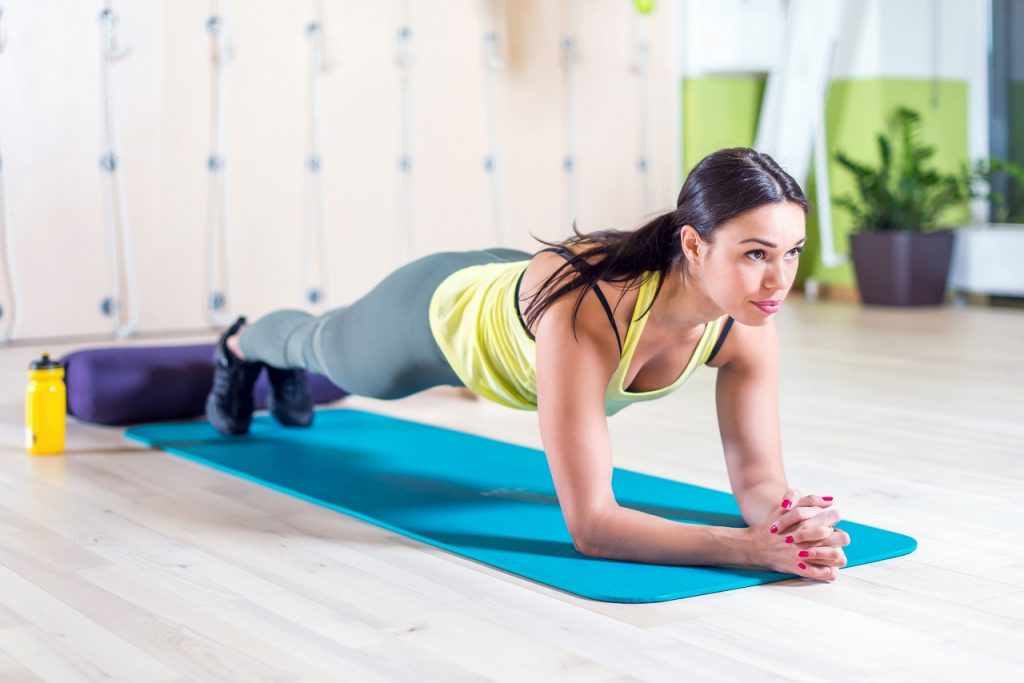
  • Simple strength and stretch exercises (push-ups, planks, abdomen exercises at home)
  • Aerobics
  • Cycling and Hiking
  • Playing a sport such as Badminton, Tennis, etc.
  • Playing actively with your kids
  • Dancing the night away
  • Martial Arts
  • Running (if appropriate for your fitness level)

Once you understand your purpose and physical parameters, choosing the right exercise becomes automatic.

Pro Tip: Always prefer getting professional advice before starting any new exercise regime. Use the GOQii App to track your daily steps, sleep, and habits, and speak to a GOQii Coach by subscribing for Personalised Health Coaching to find the perfect fitness routine for your unique body type.

Frequently Asked Questions (FAQs)

  1. Do I need to join a gym to stay fit?

No. You don’t have to spend long hours in a gym to reap the benefits of exercise. Walking, doing household chores, doing home workouts, or playing a sport are all highly effective ways to stay active.

  1. How do I know if I am exercising at a “moderate” level?

Use the talk test. During moderate activity, you should be breathing heavier than normal but still able to hold a conversation. If you can sing, you need to work harder; if you can’t speak, you are working too hard.

  1. Why shouldn’t someone who is heavily overweight start with running?

Running is a high-impact exercise that places significant stress on the knees and ankles. For individuals carrying excess weight, this puts undue pressure on the joints and increases the risk of severe injuries. Low-impact activities like brisk walking or swimming are much safer starting points.

  1. What are the mental benefits of regular exercise?

Beyond physical fitness, exercise is incredibly good for your mind, mood, and memory. It has been proven to ease depression, relieve stress and anxiety, enhance self-esteem, and improve your overall outlook on life.

  1. How do I choose the right activity if I have a medical condition?

You should always factor in your medical history (like osteoporosis or heart conditions) when choosing an activity. It is highly recommended to consult a healthcare professional or a GOQii Health Coach before beginning a new fitness program to ensure it is safe for you.

#BeTheForce
August 5, 2026 By GOQii 2 Comments

Quick No-Equipment Indoor Workout to Stay Active During the Monsoon

Indoor HIITThe Big Question – Has the rainy season disrupted your workout routine?
Monsoon weather often makes it difficult to head outdoors. Waterlogged roads, cancelled gym sessions, slippery parks and unpredictable showers can quickly derail even the most consistent fitness habits.

The good news? You don’t need a gym or any equipment to stay active.

A short bodyweight workout performed at home can elevate your heart rate, strengthen your muscles and help you maintain your fitness until the weather clears.

Whether you’re a beginner or already exercise regularly, this quick indoor workout can help you stay on track throughout the rainy season.

Quick Answer – What is the best indoor workout without equipment?

A simple 15–20 minute bodyweight HIIT (High-Intensity Interval Training) workout combining movements like jumping jacks, squats, planks, mountain climbers and high knees can improve cardiovascular fitness, build muscular endurance and burn calories all without leaving your living room.

Why Indoor Workouts Matter During the Monsoon

Rain shouldn’t become an excuse to stop moving.

Indoor workouts help you:

  • Stay consistent with your fitness routine
  • Avoid slippery roads and outdoor injuries
  • Reduce exposure to mosquitoes and waterborne infections
  • Maintain cardiovascular fitness
  • Improve mood and energy on gloomy days

Remember, consistency beats perfection.

Even 20 minutes of movement is far better than doing nothing.

What Is HIIT?

HIIT (High-Intensity Interval Training) alternates short bursts of higher-intensity exercise with brief recovery periods.

This style of training can help:

  • Improve cardiovascular fitness
  • Increase calorie expenditure
  • Build muscular endurance
  • Save time compared to longer workouts

The best part?

HIIT can easily be adapted for beginners by reducing speed, intensity or impact.

Before You Begin

A few minutes of preparation can reduce your risk of injury and improve workout quality.

Warm Up (3–5 Minutes)

Spend a few minutes preparing your muscles and joints with:

  • Neck rolls
  • Shoulder circles
  • Hip rotations
  • Ankle mobility exercises
  • Marching in place
  • Bodyweight squats
  • Arm swings

A proper warm-up gradually increases your heart rate and prepares your body for exercise.

Wear Proper Footwear

Supportive training shoes help absorb impact and reduce stress on your ankles and knees, especially during jumping exercises.

Prioritise Good Technique

Move with control.

Proper form is always more important than speed or repetitions.

Choose Your Workout Level

The workout takes approximately 15–20 minutes, depending on your chosen level and rest periods.

Level

  Workout Time  

  Sets  

  Rest Between Sets   

Beginner

10–15 min

3–4

Up to 1 minute

 Intermediate

15–20 min

2–3

Up to 2 minutes

Advanced

15–20 min

2–3

Up to 2 minutes

Beginner Workout

Focus on learning proper movement patterns and maintaining steady breathing.

Exercise            Duration Coaching Tip
Jumping Jacks 20 sec Land softly and keep your core engaged.
Marching in Place 20 sec Lift your knees comfortably without rushing.
Spot Jogging 20 sec Stay light on your feet.
Wide Squats 20 sec Keep your chest lifted and knees aligned with your toes.
Jumping Jacks 20 sec Maintain a comfortable rhythm.

Rest: Up to 1 minute

Repeat: 3–4 rounds

Intermediate Workout

Increase intensity while improving core stability.

Exercise Duration Coaching Tip
Jumping Jacks 20 sec Maintain steady breathing.
Plank 20 sec Keep your body in a straight line from head to heels.
Jumping Jacks 20 sec Stay light on your feet.
Plank 20 sec Avoid letting your hips sag.
High Knees 20 sec Lift knees toward hip height while pumping your arms.
Plank 20 sec Keep shoulders directly above wrists.
Mountain Climbers 20 sec Drive your knees forward without bouncing your hips.
Plank 20 sec Engage your core throughout.
Mountain Climbers 20 sec Maintain a controlled pace.

Rest: Up to 2 minutes

Repeat: 2–3 rounds

Advanced Workout

Challenge your strength, endurance and coordination.

Exercise Duration Coaching Tip
Jump Squats 20 sec Land softly with bent knees.
Shadow Boxing 20 sec Rotate through your torso rather than only your arms.
Jump Squats 20 sec Drive through your heels.
Burpees 20 sec Maintain control throughout each repetition.
Plank Crunches 20 sec Keep your hips level.
Burpees 20 sec Move smoothly without rushing.
High Knees 20 sec Maintain quick but controlled steps.
Shadow Boxing 20 sec Keep your core engaged.
High Knees 20 sec Finish strong while maintaining good posture.

Rest: Up to 2 minutes

Repeat: 2–3 rounds

Cool Down (5 Minutes)

Recovery is just as important as the workout itself.

Spend 5 minutes:

  • Walking slowly around the room
  • Stretching your calves
  • Stretching your hamstrings
  • Stretching your quadriceps
  • Stretching your chest and shoulders
  • Practising slow, deep breathing

Cooling down helps your heart rate gradually return to normal and reduces muscle stiffness.

Recovery Tips

To maximise the benefits of your workout:

  • Drink water after exercising.
  • Eat a balanced meal containing protein and complex carbohydrates within a couple of hours.
  • Aim for 7–9 hours of quality sleep each night.
  • Allow your muscles time to recover between HIIT sessions.

Recovery is where your body adapts and becomes stronger.

Who Should Modify or Avoid HIIT?

HIIT may not be suitable for everyone.

Speak with your healthcare provider before starting if you:

  • Are pregnant
  • Have uncontrolled high blood pressure
  • Have severe arthritis
  • Have a recent injury or surgery
  • Have uncontrolled heart disease
  • Experience dizziness during exercise

If any movement causes pain, stop immediately and choose a lower-impact alternative.

Rainy weather doesn’t have to interrupt your fitness journey.

A quick indoor bodyweight workout can help maintain your strength, improve cardiovascular fitness and keep your momentum going even when stepping outside isn’t an option.

Remember, fitness isn’t built through occasional intense workouts it’s built through consistency.

Move a little every day, and your body will thank you.

Pro Tip: Want expert guidance without leaving home? Join live GOQii PRO fitness classes through the GOQii App and work out alongside certified trainers who can help you improve your technique, stay motivated and safely progress your fitness journey.

Frequently Asked Questions (FAQs)

  1. How often should I do HIIT?

Most adults benefit from 2–3 HIIT sessions per week, allowing at least one recovery day between sessions.

  1. Can beginners do HIIT?

Yes. Beginners should start with shorter sessions, lower-impact modifications and focus on proper technique rather than speed.

  1. Does sweating more mean I’m burning more fat?

No. Sweat is your body’s cooling mechanism and does not accurately reflect calorie or fat burn.

  1. Which burns more calories walking or HIIT?

HIIT generally burns more calories per minute due to its higher intensity. However, both walking and HIIT contribute to overall health, and the best exercise is the one you can perform consistently.

  1. Can I combine this workout with other activities?

Absolutely. On non-HIIT days, consider walking, yoga, mobility exercises or strength training to maintain an active lifestyle.

#BeTheForce! 

Disclaimer: This workout is intended for educational purposes only and should not replace personalised medical or fitness advice. Consult your healthcare provider before starting a new exercise programme, particularly if you have an underlying medical condition, are pregnant or are recovering from an injury. Stop exercising immediately if you experience chest pain, dizziness, severe breathlessness or sharp pain.

March 1, 2025 By Dr Ashwin Nanda 2 Comments

Tension or HYPERTENSION

hypertensionI can’t count how many times in my 12 years of medical practice a patient with just a headache has eventually been diagnosed with high blood pressure (hypertension). Whenever a patient complains of a headache, I always make it a point to check their blood pressure (BP), as it is a very common symptom of fluctuating BP. This often presents around the temples but can also be felt at the back of the head (occipital region).
What is Blood Pressure?

The pressure exerted by the column of blood flowing in the arteries once it has been pumped by the heart is called systolic (higher value) blood pressure. Diastolic (lower value) BP refers to the resistance in the arteries, which is always present due to their elastic tone.

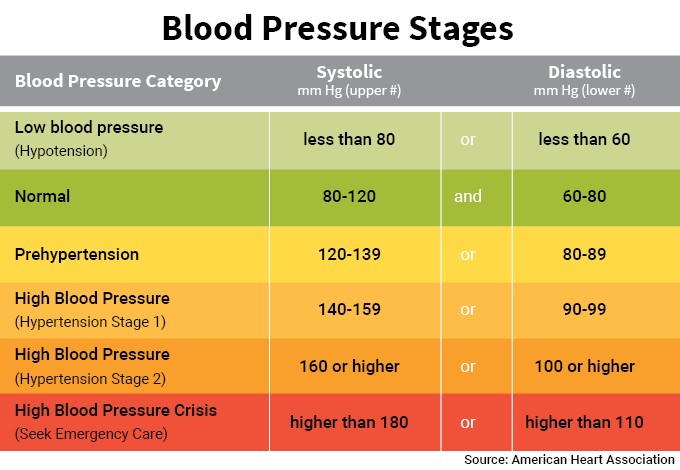
Blood Pressure Categories:

  • Normal: Up to 120/80 mmHg
  • Pre-Hypertensive: 130/90 to 140/90 mmHg
  • Hypertension: Above 140/90 mmHg

A person is diagnosed with high BP if three readings taken on separate days are consistently high.

BP - HypertensionSigns & Symptoms of Hypertension

If I have to look for signs of high BP, these symptoms should raise suspicion

  1. Headache
  2. Feeling of tiredness.
  3. Difficulty breathing
  4. Heaviness in the eyes / blurred vision.
  5. Irritability
  6. Severe cases: Heart attack or haemorrhagic stroke

What Causes High BP?

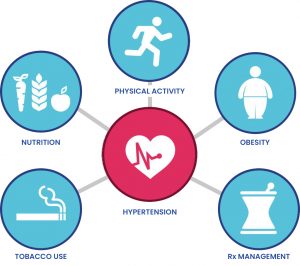
High BP is common in adults over 50 but is increasingly being diagnosed in younger people due to poor lifestyle choices, such as:

  • Lack of sleep—Irregular sleep cycles disrupt the circadian rhythm.
  • High salt intake—Excess salt from processed foods, snacks, pickles, and sauces.
  • Smoking—Nicotine constricts blood vessels, increasing BP.
  • Obesity—Being overweight adds strain to the heart.
  • Lack of exercise—Sedentary lifestyle leads to poor heart health.
  • Stress—From chaotic city traffic, financial strain, and work pressure.
  • Other Causes: BP can also rise due to secondary conditions like thyroid disorders and narrowing of arteries supplying the kidneys (Renal Artery Stenosis).

Why is it Important to Maintain Normal BP?

Persistently high BP damages the internal lining of blood vessels, gradually affecting the brain, kidneys, and eyes. This can lead to serious complications such as:

  • Stroke (brain damage due to reduced blood flow)
  • Kidney failure
  • Hypertensive retinopathy (damage to the eyes)

All of these complications can be prevented by keeping BP within the normal range.

Managing High BP Naturally

Since lifestyle choices are the single most important factor in controlling BP, here’s how you can manage hypertension without medication:

  • Sleep Better:
    • Aim to sleep by 11 PM and wake up by 6-7 AM to regulate your circadian rhythm.
    • Avoid using screens before bedtime to improve sleep quality.
  • Diet Adjustments:
    • Reduce salty foods such as crisps, salted nuts, pickles, and processed sauces.
    • Eat more potassium-rich foods like bananas, spinach, and lentils.
  • Exercise Regularly:
    • Engage in 45 minutes of brisk walking, 30 minutes of swimming or cycling, or 30 minutes of aerobics at least 5 days a week.
    • Strength training also helps improve circulation and heart health.
  • Manage Your Weight: 
    • If overweight, aim to lose 1-2 kg per month until you reach a healthy BMI (Body Mass Index) of 25.
  • Reduce Stress: 
    • Practise deep breathing or meditation daily.
    • Set realistic personal and professional goals to avoid unnecessary stress.
  • Stay Socially Connected:
    • Engage in social activities and maintain a healthy support system. A positive social life can improve mental health and reduce stress-induced BP spikes.

When to Consider Medication?

If lifestyle modifications do not lower BP within 6 months, it’s time to consult a doctor to explore medical options.

Additionally, if hypertension is caused by an underlying condition (such as thyroid disease or renal artery stenosis), treating the root cause can help normalise BP.

Even the word HyperTENSION (high BP) has ‘TENSION’ in it! Managing stress and adopting healthier lifestyle choices can significantly improve your heart health.

Have you successfully managed your BP through lifestyle changes? Share your experiences in the comments below!

#BeTheForce

Disclaimer: The information provided in this blog is for general awareness and educational purposes only. It is not intended to replace professional medical advice, diagnosis, or treatment. Always consult a qualified healthcare provider for personalised medical guidance or concerns related to your health.

June 20, 2024 By Tasneem Jawadwala 16 Comments

Healthy Weight Gain Tips

Weight Gain

We’ve heard one too many instances of people having great success with weight loss! In fact, every time I visit the gym, I come across many such success stories. However, I can’t help this sinking feeling that the real strugglers are the ones who want to gain weight and build muscles.

Are you one of them? Ever wondered what you’re doing wrong despite indulging in healthy food, doing every possible workout, and trying to increase your appetite? Let’s see how you can gain healthy weight. But before that…

Let’s See What You’re Doing Wrong

1. Protein: Gym trainers and dieticians often suggest including more protein, some in the form of powders and others suggest natural sources such as eggs, Sattu, curd, cottage cheese, and the likes. However, calculating the right amount of protein required is often missed. One requires around 1.25g/kg ideal body weight proteins to build up muscles. For example, if you are 60kg, then the required amount of protein required by you on a daily basis to build muscles is 75g.

If you aren’t having enough or the required amount of protein, you will not see a difference. Hence, take some time out and consult professionals who can help you calculate. To gain healthy weight and build muscles, you also need to watch your carbs, antioxidants, and workouts.

2. Carbohydrates: I’ve noticed this as a trend. Most people place so much emphasis on proteins that they forget about carbs. Did you know that if approximately 60% of your diet isn’t from carbohydrate sources, your body will utilize protein to supply energy? Which means your body will not have enough proteins for tissue building.

3. Antioxidants: Fruits and salads are often flawed to be used as a weight-loss diet. Vegetables and fruits are the best source of antioxidants that help in tissue repairs, prevent injuries and inflammation. So, include vegetables and fruits with Selenium, Zinc, Vitamin C, and Vitamin E in your diet on a daily basis.

4. Workout: Your workout should focus more on strength training; however, ensure that you still do some cardio. Cardio will help your heart and lungs function better, which in turn will prevent you from falling ill during your program.

Foods That Help in Healthy Weight Gain and Muscle Building

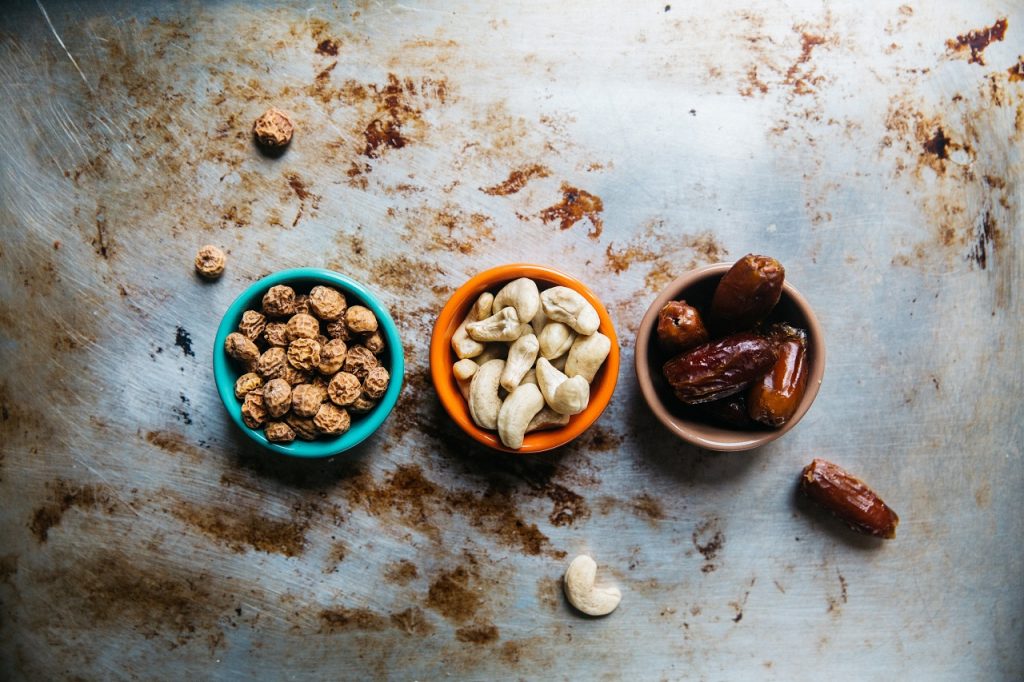
  • Dates: They are loaded with iron, natural sugar and antioxidants. Eat 4-5 dates before your workout as dates provide you with instant energy and prevent muscle damage.
  • Sweet Nuts or Pulse balls (Chikkis): This is a sweet dish made up of pulses, nuts or seeds. It is nothing but roasted whole gram, peanuts or sesame seeds and jaggery. It’s a perfect combination of proteins and carbohydrates. Munching on them as mid-meal snacks work as an energy booster.
  • Nut Shakes: A big serving of dry fruits is difficult to consume at a time, but having them in a powdered form with milk will supply your body with good amounts of protein.
  • Fruit Smoothie: Eating fruits with curd will help add some antioxidants to your protein dose. This is probably the tastiest and most delicious way to consume fruits!
  • Combination of Cereals and Pulses: Just eating a pulse at a time will really not help as it doesn’t provide us with good quality proteins. But, when combined with a cereal, it will provide the benefits of both protein and carbohydrates. Options like Dal Paratha (Pulse Flat Breads), Puranpoli (Sweet Jaggery Flat Breads), Khichdi (mix of pulses, rice and vegetables cooked together), and Idli (steamed rice pan cakes) should be considered.
  • Adding Vegetables to Meat: Eating a separate serving of vegetable becomes difficult. The meal size may exceed if we have 1 serving of vegetable for vitamins & minerals and 1 serving of non-veg preparation for proteins. The best option in my opinion is to combine a non-vegetarian source with vegetables. For instance, Spinach (Palak) Chicken, Tomato Omelet, and Capsicum Stuffed with Mince.
  • Peanut Butter: People often go overboard with regular butter and get major changes in lipid profile but no change in weight. Ideally, one should apply peanut butter on their bread slices for the right fats and protein combination.

The key rule for healthy weight gain is to go for nutrient-dense meals. These healthy compact meals do not require an extreme appetite boost. Focus on healthy weight gain and be patient while you are in a weight gain program as it’s easy to cut on fats but takes time to add on muscles. Remember, it took 9 months to give you around 3kg of weight at birth. Stay at it and be patient.

We hope this article helps you! For more, check out Healthy Reads or you can speak to a GOQii Coach directly for expert guidance and motivation. Subscribe for Personalised Health Coaching here.

#BeTheForce

  • 1
  • 2
  • 3
  • Next Page »

Search

Recent Posts

  • 9 Hidden Benefits of Coffee You May Not Know
  • Best Foods to Support Liver Health & Reduce Fatty Liver Risk
  • Choose the right activity to stay fit
  • Prevent Workplace Injuries: Simple Tips to Stay Pain-Free at Work
  • Healthy Eating: Oats Sprouts and Vegetable Uttapam

Stay Updated

Archives

  • October 2026 (1)
  • September 2026 (5)
  • August 2026 (8)
  • July 2026 (25)
  • June 2026 (22)
  • May 2026 (20)
  • April 2026 (24)
  • March 2026 (18)
  • February 2026 (14)
  • January 2026 (14)
  • December 2025 (19)
  • November 2025 (15)
  • October 2025 (20)
  • September 2025 (6)
  • August 2025 (5)
  • July 2025 (9)
  • June 2025 (18)
  • May 2025 (16)
  • April 2025 (22)
  • March 2025 (25)
  • February 2025 (21)
  • January 2025 (25)
  • December 2024 (22)
  • November 2024 (22)
  • October 2024 (16)
  • September 2024 (22)
  • August 2024 (27)
  • July 2024 (15)
  • June 2024 (23)
  • May 2024 (26)
  • April 2024 (27)
  • March 2024 (27)
  • February 2024 (23)
  • January 2024 (21)
  • December 2023 (14)
  • November 2023 (10)
  • October 2023 (18)
  • September 2023 (20)
  • August 2023 (16)
  • July 2023 (16)
  • June 2023 (21)
  • May 2023 (20)
  • April 2023 (19)
  • March 2023 (23)
  • February 2023 (19)
  • January 2023 (15)
  • December 2022 (11)
  • November 2022 (15)
  • October 2022 (15)
  • September 2022 (12)
  • August 2022 (9)
  • July 2022 (17)
  • June 2022 (11)
  • May 2022 (10)
  • April 2022 (6)
  • March 2022 (6)
  • February 2022 (13)
  • January 2022 (11)
  • December 2021 (7)
  • November 2021 (3)
  • October 2021 (6)
  • September 2021 (3)
  • August 2021 (8)
  • July 2021 (7)
  • June 2021 (15)
  • May 2021 (16)
  • April 2021 (10)
  • March 2021 (7)
  • February 2021 (4)
  • January 2021 (4)
  • December 2020 (3)
  • November 2020 (4)
  • October 2020 (10)
  • September 2020 (3)
  • August 2020 (3)
  • July 2020 (2)
  • June 2020 (4)
  • May 2020 (10)
  • April 2020 (12)
  • March 2020 (10)
  • February 2020 (4)
  • January 2020 (4)
  • December 2019 (3)
  • November 2019 (7)
  • October 2019 (5)
  • September 2019 (4)
  • August 2019 (9)
  • July 2019 (9)
  • June 2019 (11)
  • May 2019 (4)
  • April 2019 (8)
  • March 2019 (8)
  • February 2019 (9)
  • January 2019 (8)
  • December 2018 (9)
  • November 2018 (3)
  • October 2018 (3)
  • September 2018 (5)
  • August 2018 (10)
  • July 2018 (6)
  • June 2018 (13)
  • May 2018 (8)
  • April 2018 (17)
  • March 2018 (9)
  • February 2018 (8)
  • January 2018 (15)
  • December 2017 (12)
  • November 2017 (19)
  • October 2017 (13)
  • September 2017 (15)
  • August 2017 (4)
  • July 2017 (8)
  • June 2017 (7)
  • May 2017 (6)
  • April 2017 (8)
  • March 2017 (6)
  • February 2017 (7)
  • January 2017 (9)
  • December 2016 (10)
  • November 2016 (7)
  • October 2016 (7)
  • September 2016 (7)
  • August 2016 (11)
  • July 2016 (9)
  • June 2016 (9)
  • May 2016 (12)
  • April 2016 (17)
  • March 2016 (17)
  • February 2016 (8)
  • January 2016 (6)
  • December 2015 (2)
  • November 2015 (9)
  • October 2015 (7)
  • September 2015 (9)
  • August 2015 (11)
  • July 2015 (9)
  • June 2015 (11)
  • May 2015 (9)
  • April 2015 (13)
  • March 2015 (8)
  • February 2015 (5)
  • January 2015 (12)
  • December 2014 (14)
  • November 2014 (11)
  • October 2014 (6)
  • September 2014 (13)
  • August 2014 (12)
  • July 2014 (6)
  • June 2014 (2)
  • May 2014 (7)
  • April 2014 (4)

From Burnout to Balance: How Dr. Ranjit Reclaimed His Health

Dr Ranjit Bhatt has spent years tending to others. A practising doctor in Odisha, his days were packed with patients, surgeries, and emergencies. From the outside, it looked like a life lived in service. But on the inside, something wasn’t right. “I had no … [Read More...]

From Shimla’s Slopes to Chandigarh’s Sidewalks: Surinder Kaur Bhalla’s Journey from Chaos to Control

Some journeys start with a plan. Others begin with a stumble literally. Surinder Bhalla, a government professional, born and raised in the scenic hill town of Shimla, had always lived a life of movement. “In Shimla, you walked everywhere,” she reflects. “Walking was never an exercise. It was just life.” But after shifting to Chandigarh, […]

“I’ve Challenged Myself to Live 100 Years” – The Story of Chandubhai Savani’s Second Chance at Life

At 67, most people start slowing down. Not Chandubhai Savani. A resident of Surat, Chandubhai, thought life was on track. “My life was going well till I had my bypass surgery,” he says. That surgery, back in 2021, was a wake-up call.  Medication was routine, but exercise wasn’t. His diet? What he calls ‘normal.’ “I […]

Ananda Mukherjee Health Story

From Terminal Illness To Complete Wellness! Ananda Mukherjee Health Story

As we observe World Cancer Day under the powerful theme ‘United by Unique’ (2025-2027)**, we are reminded that every individual’s journey with cancer is distinct, yet united by shared resilience, hope, and the collective fight against this disease. This theme places people at the centre of care and their stories at the heart of the […]

  • HOME
  • HEALTHY LIVING
  • FITNESS
  • HEALTHY RECIPES
  • USER STORIES
  • KARMA
  • BUY GOQii

Copyright ©2016 GOQii