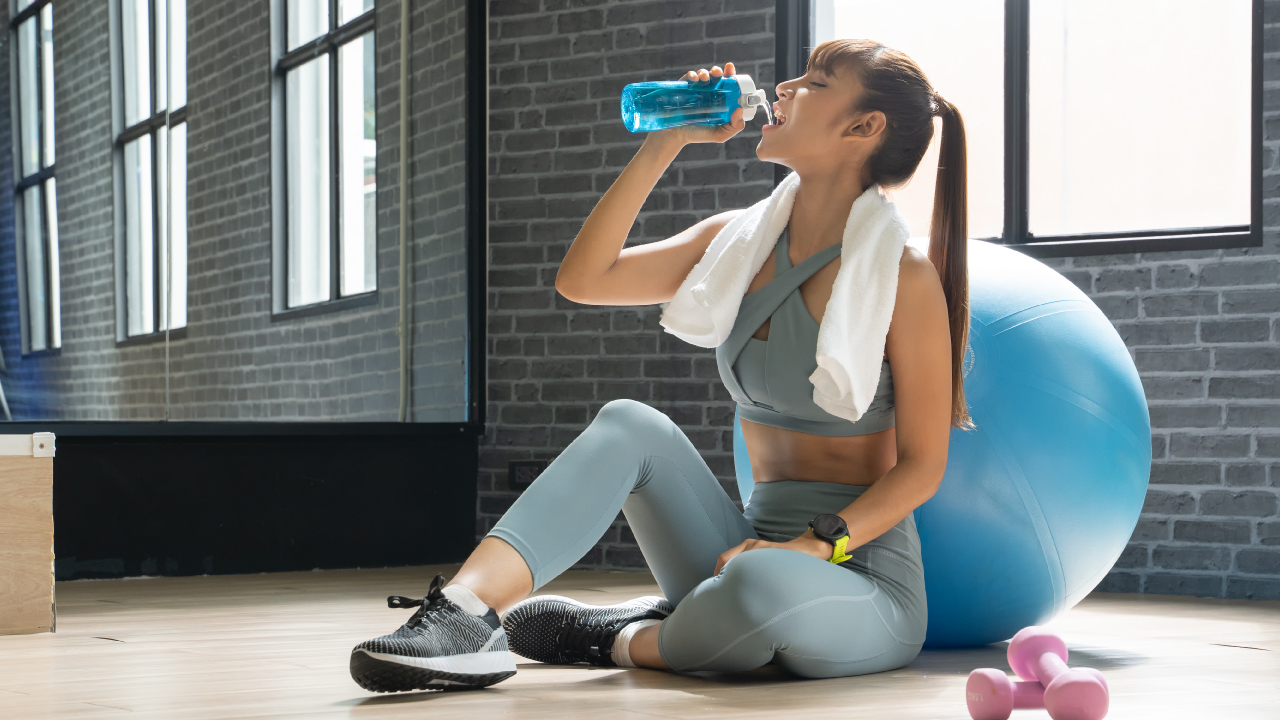
 Water is an indispensable part of our daily diet. It is a chemical component that makes up about 70% of our total body weight. It is also a component that is very easily taken for granted. Staying well hydrated is one of our body’s basic needs. In fact, for people who perform rigorous workouts and play a sport, optimum hydration is a must.
Thirst is a late indicator of dehydration; when thirsty, our body is already dehydrated at cellular level. The color of the urine can also determine our hydration status. Dark yellow urine indicates dehydration whereas clear urine indicates a well-hydrated body. Along with the diet, we must also pay attention to what and how much water we drink.
But, why is it so important?
- Pre-workout water intake: If we start our workout in a dehydrated state, it will adversely affect our performance. We would feel low on energy, stiff muscles and also get cramped easily. That is essential because water forms a major part of our muscles and also helps in keeping the joints well lubricated. The water intake must start well 2 to 3 hours before a workout or any sporting activity. The water intake also depends upon the intensity of activity and the individual’s own body condition.
If a person sweats too much or works out in scorching heat, he must have at least 500-600 ml of water 2-3 hours prior to exercise. This will ensure good hydration status. If the workout lasts for a longer time, like over an hour, then it would be advisable to consume a carbohydrate drink (up to 8% concentration). This will help to prevent fatigue and dehydration.
- Water intake during workout: The consumption here depends on the duration of the activity. If the exercise or sports event lasts for less than an hour, then there won’t be a chance to ingest too much fluid within the duration of the activity. Here, we can consume 1 small glass (180-200 ml) of plain cold water every 15-20 minutes. Cold water would make a better choice over water at room temperature because cold water has a faster gastric emptying time. Also, if the person has consumed enough dietary carbohydrates, the glycogen stores in his muscles and liver will suffice for providing energy to sustain the activity. In the case of a high-intensity workout or sports event (marathon, a game of football, etc) that goes for over 1 hour, the individual is at a risk of decreased performance due to dehydration, fatigue and hypoglycemia. Their fluid intake must include carbohydrates and electrolytes. Carbohydrate will prevent hypoglycemia. The electrolytes like sodium and chloride need to be replenished due to sweating. Also, sodium will help in water retention.
- Post-workout water intake: After exercise or any sports event, we need to pay good attention to eating and drinking right. There arises a need to replenish the carbohydrates, salts and water that are lost during the activity. Immediately after the exercise/event, for the next few hours work on improving your hydration status. Do not start with any new activity without attaining good hydration levels. Replenishing the salt reserves must be your top priority as sodium has good fluid retention capacity which keeps up the urge to drink water. Fluid consumption, containing carbohydrates, salts and water, must continue up to 5-6 hours after the activity. The best way to ensure that you are hydrating yourself well is, to weigh yourself before and after the exercise/event and drink at least 400-500 ml of water for every 1 pound lost. Fluid intake needs to be planned and distributed at regular intervals.
It would always be better to carry a bottle of water with you wherever you go and sip on it regularly. Many times, your performance in workouts and sports can be improved only with optimum hydration.
Lastly, whatever may be your goals, remember to consult a sports nutritionist about it.
We hope this article provides you with valuable insights into the importance of proper water intake for your workouts and overall health. If you found this information helpful, we’d love to hear your thoughts in the comments below. For personalised guidance on your fitness journey, reach out to our certified experts by subscribing to GOQii’s Personalised Health Coaching here.
Stay hydrated, stay healthy!
#BeTheForce
Disclaimer: The information provided in this blog is for general awareness and educational purposes only. It is not intended to replace professional medical advice, diagnosis, or treatment. Always consult a qualified healthcare provider for personalised medical guidance or concerns related to your health. Images shown are for representation purposes only and may not depict the exact recommendations or outcomes.
 Am I thirsty or hungry? That’s the question I have started asking myself when I get hunger pangs. This has happened to me quite often when I have just had a meal and I feel hungry within an hour. One day, I decided to conduct an experiment on myself wherein I just placed a glass of water and a bowl of almonds in front of me on my work desk and continued working. I had just finished my meal and was waiting for the hunger pang to hit me. I got the pang and before I reached out for the bowl of almonds, I grabbed the glass of water and gulped it down. Thereafter, I did not feel the need to eat the almonds.
 It came across as strange initially when I said that the world around me was spinning and that my entire room seemed to be in constant motion. Basically, I used to find the floor of my bedroom, the bed, and the room itself were in constant motion (not literally spinning or in constant motion, but I felt that way). I had to walk around supporting myself using the wall, furniture, anything that was close by, and if nothing was available, I literally had to crawl. Finally, I was diagnosed with something called Vertigo.


