
GOQii

Blog

  • HOME
  • HEALTHY LIVING
  • FITNESS
  • HEALTHY RECIPES
  • USER STORIES
  • KARMA
  • BUY GOQii

May 28, 2026 By GOQii Leave a Comment

The Science of Staying Healthy During Extreme Summer Heat

The Big Question: How does extreme summer heat affect the body, and how can I stay healthy?

Extreme summer heat does more than simply make you sweat; it places intense systemic stress on your circulation, digestion, and cellular recovery. During heatwaves, the body rapidly loses water, sodium, potassium, and trace electrolytes, which can impair cognitive function and physical performance. Clinical data shows that supporting the body with electrolyte-rich fluids, gut-friendly probiotics, water-dense seasonal fruits, and light movement helps maintain hydration efficiency and drastically reduces the risk of heat-induced fatigue, bloating, and dehydration.

Indian summers are becoming increasingly intense, and the physiological effects go far beyond mere discomfort.

Extreme heat places significant stress on the body’s cooling systems. As temperatures rise, the body works overtime to regulate its internal temperature through sweating, increased circulation, and fluid redistribution. This creates a ripple effect that impacts your hydration, digestion, sleep quality, appetite, energy levels, and mental focus.

During severe heatwaves, many individuals notice they feel unusually tired, bloated, irritable, and lightheaded. Yet, the most common responses skipping meals, consuming excessive ice-cold drinks, or relying heavily on sugary packaged juices actually worsen the problem.

Staying healthy during extreme summer heat requires more than just drinking plain water. The body needs proper electrolyte balance, gut-friendly nutrition, and smarter hydration strategies to cope with thermal stress effectively. Here is how you can support your body naturally during peak summer months.

Why Summer Heat Exhausts the Body Faster Than You Realise

During hot weather, the body prioritizes cooling itself down. Blood circulation shifts closer to the skin surface to release heat, while sweating increases fluid and electrolyte loss throughout the day.

This creates several physiological challenges simultaneously:

  • Rapid sodium and potassium depletion
  • Sluggish digestion and reduced appetite
  • Severe tension headaches and brain fog
  • Poor sleep architecture and reduced recovery capacity

In fact, losing just 2% of your total body water volume can measurably impair concentration, physical performance, circulation, and cognitive function. This is why summer fatigue often feels much deeper than simple thirst.

The goal is not just “drinking more water.” It is helping the body maintain hydration efficiency and internal balance.

  1. Hydrate Smarter – Not Just More

One of the biggest hydration mistakes during summer is consuming massive amounts of plain water without replenishing electrolytes. Excessive sweating causes the body to lose sodium, potassium, magnesium, and trace minerals. Without replacing these minerals, cellular hydration drops, leading to dizziness and muscle cramps.

  • Coconut Water (Natural Electrolyte Support): Coconut water naturally contains high levels of potassium and electrolytes that help support hydration balance. It is especially useful after prolonged outdoor exposure or physical activity.
  • Sabja/Sweet Basil Seeds (Cooling and Hydrating): Often confused with chia seeds, Sabja seeds absorb massive amounts of water and improve hydration retention while creating a natural cooling effect in the body.
  • The Action Step: Soak Sabja seeds in water for 15 minutes before adding them to buttermilk, curd, lemon water, or smoothies.
  1. Support Your Gut During Heatwaves

Summer heat can significantly affect your gastrointestinal tract. As blood circulation shifts toward the skin to release heat, digestive efficiency temporarily slows down. This is why many people experience bloating, acidity, and constipation during the summer.

  • Add Probiotic-Rich Foods: Curd and buttermilk help support beneficial gut bacteria and improve digestive comfort. Adding roasted jeera (cumin), mint, or a pinch of hing (asafoetida) to buttermilk further reduces bloating naturally. Healthy digestion is deeply connected to overall good gut health, immunity, and energy levels.
  • The Action Step (Jeera Water): Cumin contains compounds that stimulate digestive enzyme activity. Boil 1 teaspoon of jeera in water, strain it, and consume it warm after meals to support gastric comfort.
  1. Eat Water-Rich Seasonal Foods

Summer fruits help replenish both hydration and antioxidants naturally. Water-rich fruits support skin health, cellular recovery, and sustained energy levels.

✅ Best Seasonal Choices to Eat

❌ Drinks to Avoid
Watermelon & Muskmelon Packaged fruit juices
Litchi & Grapes Sugary sodas and colas
Jamun Heavy dairy-based milkshakes
Mangoes (Soaked in water first) Caffeinated energy drinks

Mango Tip: Soaking mangoes in water for 20-30 minutes before consumption reduces their surface heat (phytic acid) and drastically improves digestive comfort.

  1. Avoid Heavy, Greasy Meals

Digesting large, oily, or heavily spiced meals generates additional metabolic heat inside the body (the thermic effect of food). This often increases sluggishness, acidity, and fatigue.

  • The Action Step: Focus on lighter meals, seasonal water-rich vegetables (like bottle gourd), curd-based dishes, and balanced fiber portions. Jowar and barley-based (sattu) preparations also exert a cooling effect on the body.
  1. Keep Moving – Even During Summer

Many people become completely sedentary during extreme heat, but prolonged inactivity worsens circulation, joint stiffness, and metabolic sluggishness. Regular movement helps improve heat regulation, insulin sensitivity, and energy production. It also supports metabolic flexibility, helping the body adapt more efficiently to environmental stress.

  • The Action Step: Aim for early morning walks, light stretching, yoga, swimming, or moderate indoor workouts. Strictly avoid exercising outdoors during peak afternoon heat hours (12 PM to 4 PM).
  1. Prioritise Sleep and Recovery

Summer heat often disrupts sleep quality, especially when the body struggles to regulate its core temperature overnight. Poor sleep worsens fatigue, dehydration, and hormonal balance, impairing the body’s natural recovery systems.

  • The Action Step: Improve sleep quality by keeping the bedroom cool, reducing screen exposure at night, and avoiding excessively heavy dinners. Managing heat stress naturally helps support overall stress regulation and nervous system recovery.

The Bigger Picture: Summer Health Is About Recovery

Protecting your health during heatwaves is not about restrictive dieting or avoiding food entirely. It is about supporting the body’s natural cooling and recovery systems intelligently. Small daily habits—like smarter hydration, electrolyte balance, gut-friendly foods, and light movement can make a massive difference in how your body handles thermal stress.

Pro Tip: Use the GOQii App to track your hydration, meals, activity levels, sleep quality, and recovery patterns during the summer. Your GOQii Personalised Health Coach can help you create a customised summer nutrition and hydration strategy suited specifically to your lifestyle and body type!

Frequently Asked Questions (FAQs)

  1. Why does appetite decrease during summer?

During extreme heat, the body reduces appetite temporarily to minimise additional heat generation during digestion (known as the thermic effect of food). This is a natural protective mechanism.

  1. Are Sabja seeds and chia seeds the same?

No. Sabja (sweet basil) seeds absorb water much faster and are traditionally known in Ayurveda for their extreme cooling properties, while chia seeds have a different nutritional profile and do not naturally cool the body.

  1. Why are electrolytes important during summer?

Sweating causes the loss of sodium, potassium, and other trace minerals essential for cellular hydration, muscle function, and energy levels. Drinking only plain water cannot replace these lost minerals.

  1. Why do I feel more tired during hot weather?

Heat stress increases dehydration, elevates circulation demands (as the heart pumps harder to cool the skin), depletes electrolytes, and disrupts sleep. All of these factors combined contribute to profound summer fatigue.

#BeTheForce

Disclaimer: This article is intended for educational purposes only. If you experience severe dehydration, heat exhaustion, dizziness, or persistent gastrointestinal symptoms, consult a healthcare professional immediately.
May 19, 2025 By GOQii Leave a Comment

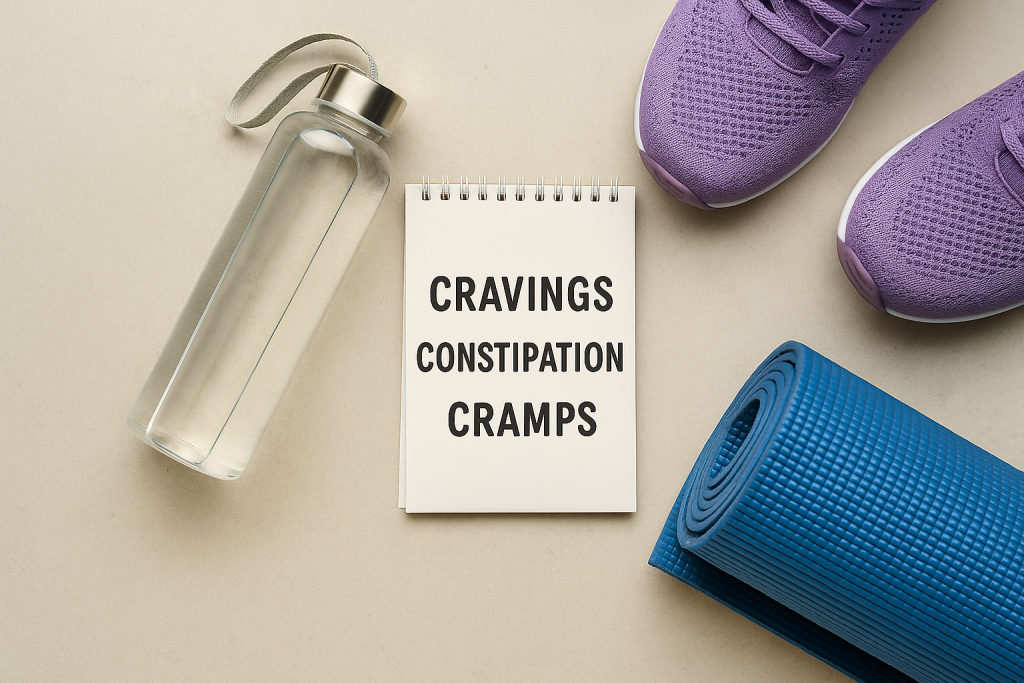
Low-Carb Woes? Here’s How to Tackle the 3 Cs: Cravings, Constipation & Cramps

Cravings, Constipation & CrampsStarting a low-carb diet can be a transformative step — especially if you’re aiming to reverse diabetes, improve metabolic health, or simply feel better overall. But the transition isn’t always smooth.

In the early days, it’s common to face a few challenges. Chief among them are cravings, constipation, and cramps — the “3 Cs” that often accompany your body’s adjustment to this new way of eating.

These symptoms are temporary, and they’re not a sign that something’s gone wrong. They simply reflect how your body is adapting. The good news? Each one can be managed effectively with a few simple strategies.

  1. Cravings

What’s happening:
When you cut down on carbohydrates — especially refined sugars and processed starches — your body initially struggles. It’s used to relying on quick sugars for energy, so when that source is removed, it signals hunger more aggressively. This can lead to strong cravings, particularly for high-carb comfort foods.

What helps:

  • Increase healthy fats: Include good fats like avocado, coconut, olive oil, and nuts in your meals. They promote satiety and help control hunger.
  • Eat balanced meals: Ensure your meals include a mix of protein, fibre, and fat. This helps stabilise blood sugar levels and reduces sudden hunger pangs.
  • Hydrate regularly: Often, what feels like a craving is actually dehydration. Aim to drink plenty of water throughout the day.

Distract and reset: A short walk, chewing gum, or even brushing your teeth can help shift your focus away from cravings.

  1. Constipation

What’s happening:
As your carbohydrate intake drops, you may also be eating less fibre — particularly if you’ve eliminated whole grains and haven’t replaced them with fibrous vegetables. This can slow down digestion.

What helps:

  • Prioritise vegetables: Load up on non-starchy vegetables like spinach, broccoli, cucumbers, and courgettes to boost fibre intake.
  • Add natural fibre sources: Chia seeds or ground flaxseeds (1–2 tablespoons a day) are excellent for digestive health.
  • Stay hydrated: Water supports smooth digestion and helps fibre do its job properly.
  • Keep moving: Gentle physical activity, like a daily walk, stimulates bowel movements and supports gut motility.
  1. Cramps

What’s happening:
Low-carb diets lead to reduced insulin levels, which cause the kidneys to excrete more water and, along with it, essential electrolytes like sodium, potassium, and magnesium. This can result in muscle cramps, especially at night. Also, cutting out processed foods often reduces sodium intake, leading to deficiency.

What helps:

  • Salt your food mindfully: A pinch of good-quality salt (sea salt or Himalayan salt) can help restore sodium levels. Aim for around 2 teaspoons per day (unless advised otherwise by your doctor).
  • Replenish magnesium: Include magnesium-rich foods like leafy greens, almonds, and pumpkin seeds. In some cases, a supplement may be useful — consult your doctor.
  • Boost potassium intake: Avocados, mushrooms, and spinach are excellent low-carb sources of potassium.
  • Hydration remains key: Continue drinking adequate fluids throughout the day to support overall electrolyte balance.

Stay the Course

These early side effects are not permanent. They’re part of your body’s natural shift from relying on carbohydrates to using fat as a primary energy source. With a little patience and the right nutritional adjustments, most people notice these symptoms ease within the first two weeks.

Once past this transition, many experience improved energy levels, reduced cravings, better digestion, and overall enhanced well-being.

So if you’re facing the 3 Cs right now — know that it’s temporary. Stay informed, take care of your body, and lean on the DIP principles. You’re on the right track.

#BeTheForce

Disclaimer: The information provided in this blog is for general awareness and educational purposes only. It is not intended to replace professional medical advice, diagnosis, or treatment. Always consult a qualified healthcare provider for personalised medical guidance or concerns related to your health.

April 25, 2024 By AMINA AZMI 1 Comment

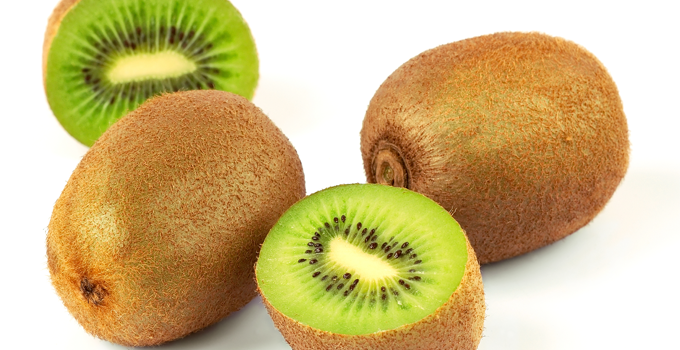
Kiwi – Berry of a woody vine-It’s health benefits

kiwi
I hear of Kiwi and my taste buds get active and when I heard of its nutritional benefits, I started loving it even more!! The colour and the look of the kiwi slice will definitely make you fall in love with it and its taste is an icing on the cake. Kiwi tastes just awesome.

A little history about the fruit tells us that Kiwi fruit, native to Northern China was first cultivated in New Zealand at the turn of the 20th Century and was known as Chinese Gooseberries. Later it was christened as Kiwi fruit in New Zealand because the fruit shares characteristics with New Zealand’s national bird Kiwi which is also small, brown and fuzzy.

Kiwis are rich in nutrients with low calories. It is packed with vital nutrients like Vitamin C, Vitamin E, Vitamin K, Copper, Choline, Magnesium and Phosphorous.

Who does not want to look and feel good? Everyone likes to and Kiwi helps you feel just as good, as it has a good source of Vitamin C and Vitamin E which are antioxidants that prevent from skin degeneration and keeps your skin wrinkle free and makes you look younger.

Antioxidants also boost immunity.

Kiwis are rich in fibre that binds to toxins and flushes them out of the body. Fiber also binds to cholesterol and removes them from the body and thus Kiwi also helps to reduce cholesterol.

Studies show that Kiwis have a mild laxative effect and hence good for constipation.

Fiber and Potassium in kiwis are good for heart health. Kiwi’s high level of potassium helps to keep the electrolytes in the body balanced thereby countering the effects of Sodium. Low sodium helps to reduce the risk of heart disease.

High potassium intake also helps to reduce the risk of stroke, loss of muscle mass. It also preserves the bone mineral density and there is a reduction in the formation of kidney stones.

Kiwi has a very low glycemic index i.e. it does not increase the blood sugar quickly which makes it a good fruit for diabetics as well.

Kiwi falls in the category of most alkaline fruits and thus helps in balancing acidic and alkaline food consumption. Few advantages of a properly acid/alkaline balanced body are youthful skin, deeper sleep, abundant physical energy, fewer colds, less arthritis and reduced osteoporosis.

Kiwi Fruit also protects from eye problems. Kiwi’s high level of lutein and zeaxanthin-both of which are natural chemicals found in a human eye prevents from eye problems Who ever knew this small fruit can be so beneficial. Truly said,” Big surprises come in small packages.”

I have made it a point to have at least one kiwi a day. What about you????

We hope this article helps you. For more informative articles such as this, check out Healthy Reads or you can get this information directly from a GOQii Coach by subscribing for personalized health coaching here.

#BeTheForce

December 2, 2023 By Jyoti Dhawan 2 Comments

Why Electrolytes are so important for our body?

067-healthy-food-4-health-benefits-of-milk-and-dairy-products

Ever wondered what to drink during and after an exercise session, more importantly if you are an athlete training intensely for your next run or next match or a practice session; well the options are galore like plain water, sports drinks, energy drinks, fruit juice?

Which among these is the best and why? Are sports drinks better than plain water? Do they have some super energy ingredient or a magic formula that boosts performance?

Well the answer is yes, they do contain, not a magic formula but, a balanced proportion of ELECTROLYTES! So what are these electrolytes…let us understand their role and function in the human body.

Electrolytes are minerals which when dissolved in water; break into small electrically-charged particles called ions. These can either be positively-charged (anode) or negatively-charged (cathode) ions. Our body needs a balanced number of cathodes and anodes to stay healthy.

The most important electrolytes required by the human body are sodium, potassium, magnesium, calcium, chloride and phosphate. These are present in all body cells and fluids and play a vital role in maintaining proper hydration and balance of water within and between body cells. Each electrolyte has certain specific functions-

  • Calcium is responsible for building and maintaining strong bones, also plays a vital role in muscle and nerve functions, especially muscle contraction and nerve impulse transmission i.e. transport of signals up and down the nerves which in turn directs the muscles to act
  • Sodium is the dominant positive ion which regulates body’s water content and also aids nerve communication.
  • Chloride is found in blood and fluid outer layer of cells; along with sodium it helps control body’s water content.
  • Potassium is needed to maintain normal functions of cells and muscles.
  • Magnesium helps convert blood sugar into energy, also supports over 300 enzyme reactions.
  • Phosphate facilitates absorption of calcium in bones as well as regulates the blood pH level.

As athletes train and perform. They sweat and lose fluids as well as electrolytes in the process. Drinking water replenishes hydration but, not electrolytes. In fact, drinking only water can sometimes dangerously dilute electrolytes in the body and worsen existing imbalance. This imbalance can manifest in form of symptoms like fatigue, muscle cramps, nausea, stomach cramps, stiff and achy joints, and even confusion and impaired judgement. In severe cases, seizures and even heart failure can occur. In other words, electrolyte depletion and imbalance can severely affect an athlete’s performance.

What can be done to prevent an electrolyte imbalance?

Sports drinks definitely play a role in reinstating electrolyte balance but, these are laden with sugar adding extra calories. A better way can be to indulge in foods rich in particular electrolytes like-

  • A salty meal like soup before a strenuous exercise session can help retain fluid and maintain hydration during exercise
  • Tomatoes, Olives, Lettuce help to replenish chloride
  • A large Banana contains 450-600 mg of Potassium
  • Melons, oranges, raisins or prunes, sweet potatoes, peas and beans are rich in sodium
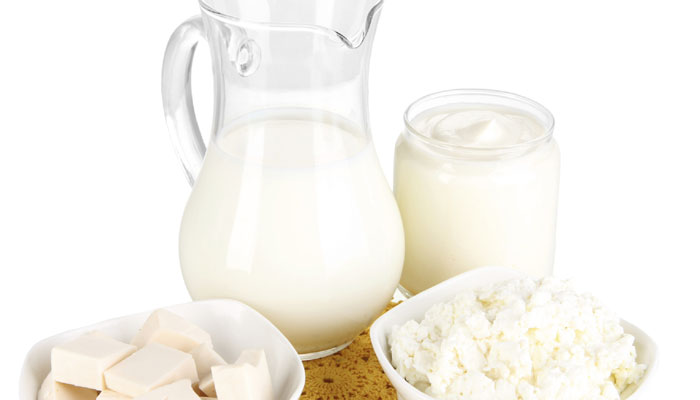
  • Research shows that milk contains a mix of carbohydrates, calcium, sodium, potassium and good protein which aids muscle recovery.

Inclusion of these calcium rich foods like milk and cereal, yoghurt or latte in your diet helps a lot in creating Electrolyte balance.

We hope these insights into the importance of electrolytes in our body shed light on their crucial role. If you found this information helpful, feel free to share your thoughts in the comments below. For a deeper understanding of nutrition and health, explore Healthy Reads. For further information or guidance, reach out to our certified experts by subscribing to GOQii’s Personalised Health Coaching here.

#BeTheForce

Search

Recent Posts

  • Immunity-Boosting Kadhas: Why Natural Defense Matters During the Monsoon
  • Healthy Eating: Crispy Monsoon Corn Tikkis
  • Antenatal Exercises: Your Guide to a Fit and Healthy Pregnancy
  • Managing Type 2 Diabetes: Dietary Choices and Lifestyle Adjustments for Better Blood Sugar Control
  • Hormones and Longevity: Why Midlife Health Depends on Hormonal Balance

Stay Updated

Archives

  • July 2026 (22)
  • June 2026 (22)
  • May 2026 (20)
  • April 2026 (24)
  • March 2026 (18)
  • February 2026 (14)
  • January 2026 (14)
  • December 2025 (19)
  • November 2025 (15)
  • October 2025 (20)
  • September 2025 (6)
  • August 2025 (6)
  • July 2025 (10)
  • June 2025 (18)
  • May 2025 (16)
  • April 2025 (22)
  • March 2025 (26)
  • February 2025 (21)
  • January 2025 (25)
  • December 2024 (22)
  • November 2024 (22)
  • October 2024 (20)
  • September 2024 (22)
  • August 2024 (28)
  • July 2024 (16)
  • June 2024 (23)
  • May 2024 (26)
  • April 2024 (27)
  • March 2024 (27)
  • February 2024 (23)
  • January 2024 (21)
  • December 2023 (14)
  • November 2023 (10)
  • October 2023 (19)
  • September 2023 (22)
  • August 2023 (16)
  • July 2023 (18)
  • June 2023 (21)
  • May 2023 (20)
  • April 2023 (19)
  • March 2023 (23)
  • February 2023 (19)
  • January 2023 (15)
  • December 2022 (11)
  • November 2022 (15)
  • October 2022 (15)
  • September 2022 (12)
  • August 2022 (9)
  • July 2022 (17)
  • June 2022 (11)
  • May 2022 (10)
  • April 2022 (6)
  • March 2022 (6)
  • February 2022 (13)
  • January 2022 (11)
  • December 2021 (7)
  • November 2021 (3)
  • October 2021 (6)
  • September 2021 (3)
  • August 2021 (8)
  • July 2021 (7)
  • June 2021 (15)
  • May 2021 (16)
  • April 2021 (10)
  • March 2021 (7)
  • February 2021 (4)
  • January 2021 (4)
  • December 2020 (3)
  • November 2020 (4)
  • October 2020 (10)
  • September 2020 (3)
  • August 2020 (3)
  • July 2020 (2)
  • June 2020 (4)
  • May 2020 (10)
  • April 2020 (12)
  • March 2020 (10)
  • February 2020 (4)
  • January 2020 (4)
  • December 2019 (3)
  • November 2019 (7)
  • October 2019 (5)
  • September 2019 (4)
  • August 2019 (9)
  • July 2019 (9)
  • June 2019 (11)
  • May 2019 (4)
  • April 2019 (8)
  • March 2019 (8)
  • February 2019 (9)
  • January 2019 (8)
  • December 2018 (9)
  • November 2018 (3)
  • October 2018 (3)
  • September 2018 (5)
  • August 2018 (10)
  • July 2018 (6)
  • June 2018 (13)
  • May 2018 (8)
  • April 2018 (18)
  • March 2018 (9)
  • February 2018 (8)
  • January 2018 (15)
  • December 2017 (12)
  • November 2017 (19)
  • October 2017 (13)
  • September 2017 (15)
  • August 2017 (4)
  • July 2017 (8)
  • June 2017 (7)
  • May 2017 (6)
  • April 2017 (8)
  • March 2017 (6)
  • February 2017 (7)
  • January 2017 (9)
  • December 2016 (10)
  • November 2016 (7)
  • October 2016 (7)
  • September 2016 (7)
  • August 2016 (11)
  • July 2016 (9)
  • June 2016 (9)
  • May 2016 (12)
  • April 2016 (17)
  • March 2016 (17)
  • February 2016 (8)
  • January 2016 (6)
  • December 2015 (2)
  • November 2015 (9)
  • October 2015 (7)
  • September 2015 (9)
  • August 2015 (11)
  • July 2015 (9)
  • June 2015 (11)
  • May 2015 (9)
  • April 2015 (13)
  • March 2015 (8)
  • February 2015 (5)
  • January 2015 (12)
  • December 2014 (14)
  • November 2014 (11)
  • October 2014 (6)
  • September 2014 (13)
  • August 2014 (12)
  • July 2014 (6)
  • June 2014 (2)
  • May 2014 (7)
  • April 2014 (4)

From Burnout to Balance: How Dr. Ranjit Reclaimed His Health

Dr Ranjit Bhatt has spent years tending to others. A practising doctor in Odisha, his days were packed with patients, surgeries, and emergencies. From the outside, it looked like a life lived in service. But on the inside, something wasn’t right. “I had no … [Read More...]

From Shimla’s Slopes to Chandigarh’s Sidewalks: Surinder Kaur Bhalla’s Journey from Chaos to Control

Some journeys start with a plan. Others begin with a stumble literally. Surinder Bhalla, a government professional, born and raised in the scenic hill town of Shimla, had always lived a life of movement. “In Shimla, you walked everywhere,” she reflects. “Walking was never an exercise. It was just life.” But after shifting to Chandigarh, […]

“I’ve Challenged Myself to Live 100 Years” – The Story of Chandubhai Savani’s Second Chance at Life

At 67, most people start slowing down. Not Chandubhai Savani. A resident of Surat, Chandubhai, thought life was on track. “My life was going well till I had my bypass surgery,” he says. That surgery, back in 2021, was a wake-up call.  Medication was routine, but exercise wasn’t. His diet? What he calls ‘normal.’ “I […]

Ananda Mukherjee Health Story

From Terminal Illness To Complete Wellness! Ananda Mukherjee Health Story

As we observe World Cancer Day under the powerful theme ‘United by Unique’ (2025-2027)**, we are reminded that every individual’s journey with cancer is distinct, yet united by shared resilience, hope, and the collective fight against this disease. This theme places people at the centre of care and their stories at the heart of the […]

  • HOME
  • HEALTHY LIVING
  • FITNESS
  • HEALTHY RECIPES
  • USER STORIES
  • KARMA
  • BUY GOQii

Copyright ©2016 GOQii


