GOQii

Blog

  • HOME
  • HEALTHY LIVING
  • FITNESS
  • HEALTHY RECIPES
  • USER STORIES
  • KARMA
  • BUY GOQii

December 17, 2022 By Aruna Bhatia 1 Comment

Healthy Eating: Black Sesame Seeds Chutney

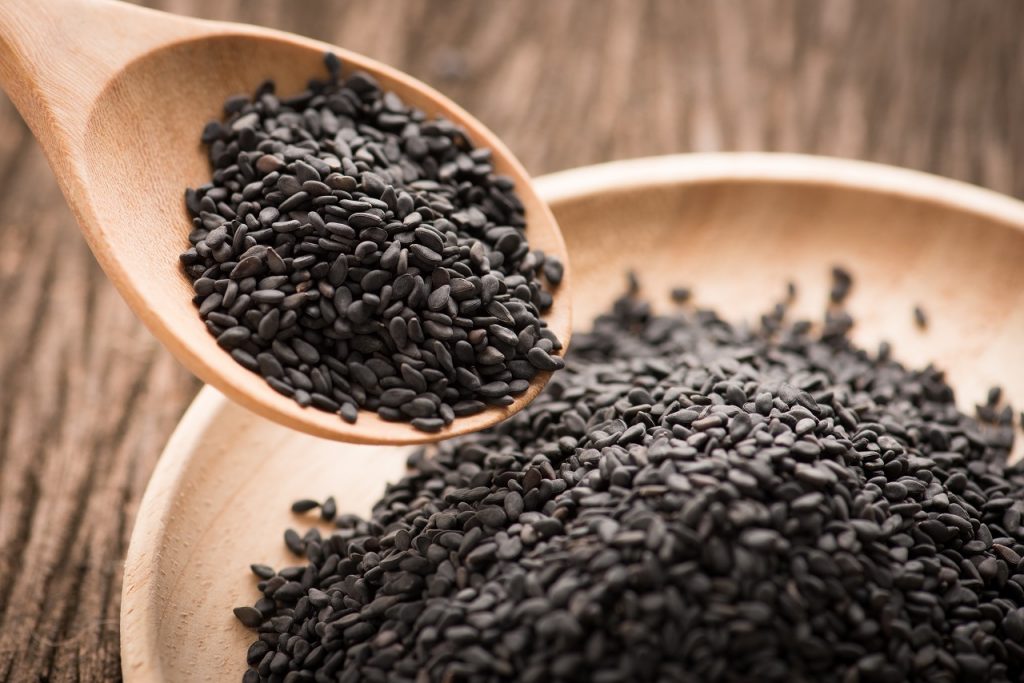
black sesame seeds chutney

There are mainly 3 types of sesame seeds – black, white and red or brown. Of these three, black sesame seeds rank the highest, white medium and red falls the lowest in nutritional qualities. Let’s look at a black sesame seeds chutney or a spice mix recipe which will be moist due to sesame oil from the seeds. We can store it in an airtight container and relish it with roti, bhakri, khakara, idli, dosa or even rice. This is a very easy way to include sesame seeds to your daily diet. 

What You Will Need 

  • Black sesame seeds – one small cup
  • Salt – to taste
  • Dry red chili – 7 to 8
  • Garlic pods – 7 to 8

How To Prepare

  1. Dry roast black sesame seeds on medium flame. Remove them after they start popping and get roasted. Let them cool. 
  2. Next, roast red dry chilies till the moisture in them dries up. Remove this and let it cool.
  3. Now, add sesame seeds and roasted chilly and grind it to a coarse powder in a mixer grinder. 
  4. Once it seems blended well, add the garlic pods and salt and grind them so that they blend together nicely. 
  5. Your black sesame seeds chutney is ready! 

Benefits of the Black Sesame Seeds Chutney 

  • Sesame seeds are an excellent source of copper, manganese, calcium, magnesium, iron, phosphorus, vitamin B1, B6, Niacin, zinc, molybdenum and selenium. They’re also rich in dietary fiber, proteins and carbohydrates. 
  • Sesame seeds can prevent and control diabetes. They also aid in reducing the risks of cancer.  
  • Improves and supports bone health. 
  • As a strong anti inflammatory agent, they are known to reduce cardiovascular diseases and hypertension. 
  • Reduces signs of premature aging and strengthens muscle tissue and hair.  
  • Sesame seeds also protects DNA from harmful effects of radiation either from accidental or natural sources or by chemotherapy or radiotherapy

We hope you enjoy this Black Sesame Seeds Chutney. Do try it out and leave your feedback in the comments below. For more Healthy Recipes, checkout Healthy Reads or speak to a GOQii Coach by subscribing for Personalised Health Coaching here: https://goqiiapp.page.link/bsr

#BeTheForce 
July 10, 2022 By GOQii 4 Comments

Nigella Seeds- A Remedy For Everything But Death

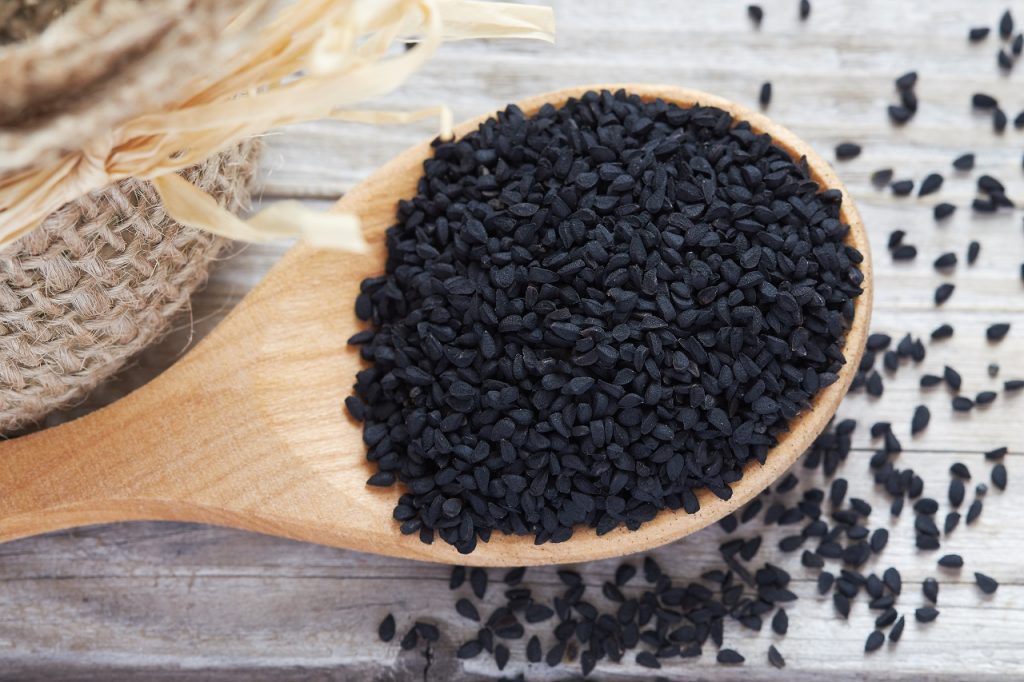
Nigella SeedsThere are innumerable seeds that can do wonders for our health due to their unique properties. We hear of a few of these on a day-to-day basis and there are some which we’re not aware of. One of these ‘least heard of’ seeds are Nigella Seeds!
Nigella Seeds are obtained from an annual flowering plant called ‘Nigella Sativus’. Speaking of origins, the oil of Nigella Seeds was found in the Egyptian tomb of Tutankhamun, dating back to approximately 3,300 years ago. It is believed that the Islamic prophet Mohammed declared these seeds as ‘a remedy for all diseases except death’. Isn’t that incredible?

Nigella Seeds are also known as kalonji, black caraway, black cumin, black seeds, fennel flower, nutmeg flower, roman coriander, and wild onion seed. They are loaded with phenomenal benefits, offering protection against several health conditions.

What Health Benefits Do Nigella Seeds Provide? 

These seeds provide massive health benefits. They have been known for their healing properties since time immemorial. From simple conditions to deadly diseases, these seeds can help alleviate several conditions. Here are some of their benefits:

  • Type 2 Diabetes: Nigella seeds can trigger the regeneration of the dying beta cells within the diabetic’s pancreas. Scientific studies have shown that 2g of nigella seeds everyday could result in reduced fasting blood sugar levels, along with decreased insulin resistance, increased beta-cell functioning and reduced glycosylated hemoglobin (HbA1c).
  • Hypertension: These seeds can help lower blood pressure significantly and can also help reduce bad cholesterol (LDL).
  • Infections: Being anti-bacterial, anti-inflammatory, anti-fungal, antioxidant and antiviral in nature, they are known to smack down various deadly infections including MRSA (which is an antibiotic-resistant bacterial infection), H. Pylori infection, psoriasis, etc.
  • Cancer: These seeds have shown to have miraculous effects in various types of cancer including colon, breast, brain, oral, leukemia and cervical cancer. A chemical compound extracted from nigella seeds, called thymoquinone, has an ability to stimulate apoptosis (cell death). Thus, slowing down cancer progression and arresting the spread of the cancer.
  • Brain conditions: Nigella seeds are known to possess anticonvulsive properties and can thereby reduce the seizure activity.
  • Glioblastoma: It is one of the most aggressive brain tumors of all and thymoquinone can induce cell death in the glioblastoma cells.
  • Brain lead toxicity: These seeds can reverse the damage caused to the brain due to lead toxicity and also radiation-induced damage.
  • Parkinson’s disease: Thymoquinone from these seeds has been shown to protect the neurons from toxicity associated with Parkinson’s disease and dementia.
  • Asthma: Being anti-inflammatory and bronchodilator in nature, these seeds play a huge role in improving asthmatic symptoms. Apparently, thymoquinone is considered superior to the drugs used for asthma.
  • Digestive issues: The seeds are extremely effective for indigestion and bowel issues. They can prevent formation of gas or facilitate the expulsion of gas, thereby combating flatulence.
  • Sore throat: The seeds can reduce throat pain and soreness and are also used in the treatment of acute tonsil inflammation. They literally reduce our dependence on painkillers.

Apart from the above, these seeds are also used to induce post-natal uterine contraction and are also useful in promoting lactation. They are one of the effective galactagogues that can help the mothers produce greater amount of milk. Furthermore, they have the power to reduce the indications of morphine intoxication, tolerance, and addiction. It could be an effective therapy in long-term treatment of opioid dependence.

How Can You Use Them In Your Diet? 

They are slightly bitter and peppery with a crunchy texture. You can powder these and add them to juices/smoothies, or roast them lightly to release the essential oils and then grind them with grated coconut, roasted garlic and other spices to make a delicious chutney. You can also throw them whole in your curries, gravies, dals and soups.

Nigella Seeds are indeed a powerful healer and one of the best gifts to mankind! It’s something that you must fill up your jars with and use them regularly in your meal preparations.

We hope this article helps you get healthier. For more on nutrition, check out Healthy Reads or you can ask a GOQii Coach directly by subscribing for personalized health coaching here: https://goqiiapp.page.link/bsr

#BeTheForce

April 2, 2018 By Priya Prakash 58 Comments

7 Differences between Chia Seeds & Sabja Seeds

chia1

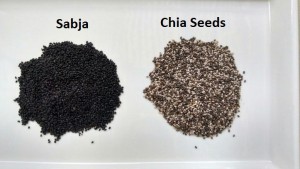
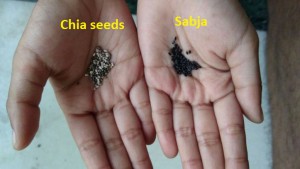
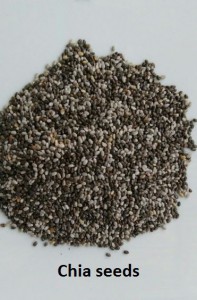
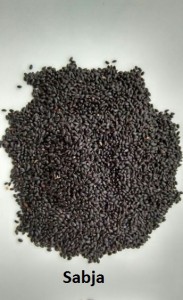
 CHIA Seeds on the left side and SABJA seeds on the right side

Chia seeds are tiny power-packed seeds that have been documented to be around since 3500 bc in the diets of Aztecs and Mayans. They had identified that these super seeds had the ability to increase stamina and energy over long periods of time.

What is the difference between chia seed and sabja seeds (basil seeds)?

Chia seed is a native of Mexico and it does not have an Indian name. However, it has time and again been confused with basil seeds which are also known as Sabja in Hindi. Be it in appearance, origin or health benefits; Chia seeds are different from Sabja in numerous ways. Both chia seeds and sabja seeds originate from the mint family and hence the resemblance.

So how do you differentiate one from the other? Below are a few simple ways that can help you do so:

  1. Native

Chia seeds are native to central and southern Mexico while Sabja seeds are native to India and the Mediterranean region.

      2. Colour

chia 2a chia2b

As can be seen in the above image, the left side is CHIA SEEDS. They are usually a mixture of grey, black, white and sometimes even brown seeds. However, even the black ones are not pitch black in colour. Instead, a dull pattern or a mosaic is visible on them. On the right side is SABJA SEEDS, uniformly jet Black in colour.

         3. Appearance

chia3

Chia seeds are oval in shape and Sabja seeds are elliptical, like tiny grains of rice.

4. On Soaking in Water

chia4

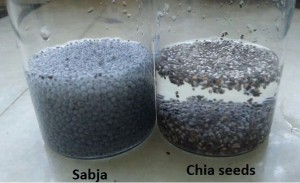
                                        Sabja Seeds in the water on the left, Chia seeds in water on the right

Chia seeds take time to absorb water. It has the unique ability to gel by absorbing over 10 times their weight. Sabja seeds swell up within seconds of being mixed with water. A translucent coat forms around the seed and it appears much larger in size when compared to a soaked chia seed.

         5. Taste of Soaked Seeds

chia5

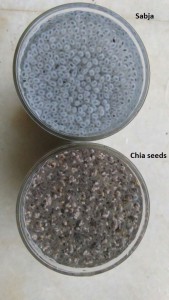
                                         Sabja seeds in water on the top glass, Chia seeds in water on the bottom glass

Chia seeds do not have any taste of its own and can easily be incorporated in any kind of dish. Sabja seeds have a mild flavour of basil and impart the same to drinks and desserts.

                6.Usage

Chia seeds can be consumed raw or soaked. Sabja seeds can be consumed only after soaking.

               7. Health Benefits

Both, Chia and Sabja seeds have their own set of health benefits. They have been known to aid in weight loss due to their ability to make you feel fuller faster. Here are the most beneficial properties of the seeds.

Chia seeds

  1. Good source of proteins and Omega 3s
  2. The naturally low-carb and high-fibre food helps in digestion
  3. Highly recommended for weight-loss
  4. Promotes energy and endurance
  5. Helps in stabilizing blood sugar levels

Sabja Seeds

  • One of the best body coolant
  • Has a soothing effect on the stomach and hence useful to combat acidity
  • Good source of vitamins and Iron
  • Helps to promote healthy skin and hair
  • Acts as a detoxifying agent and helps to cleanse the blood


FACTOR CHIA SEEDS SABJA SEEDS
Native to Central and southern Mexico Native to India and the Mediterranean region
Colour Usually a mixture of grey, black, white and sometimes even brown seeds. However, even the black ones are not pitch black in colour. Instead, a dull pattern or a mosaic is visible on them Uniformly jet Black or pitch black in colour
Appearance Oval in shape Elliptical, like tiny grains of rice
On soaking in water Chia takes time to absorb water. It has the unique ability to gel by absorbing over 10 times their weight. Sabja swell up within seconds of being mixed with water. A translucent coat forms around the seed and it appears much larger in size when compared to a soaked chia seed
Taste of soaked seeds Does not have any taste of its own and can easily be incorporated in any kind of dish.  Has a mild flavour of basil and imparts the same to drinks and desserts
Usage/Health Benefits Can be consumed raw or soaked.

Good source of proteins and Omega 3s

Can be consumed only after soaking.

Has a soothing effect on the stomach and hence useful to combat acidity.


*Chia Seeds from Naturally Yours is now available on GOQii Store. 


October 6, 2017 By Priyam Saini Leave a Comment

Super Healthy – Pumpkin Seeds

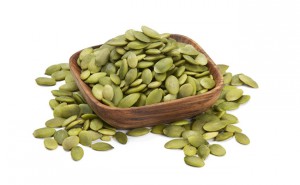
pumpkin seeds 1

Did you know that you can eat seeds? Yes, it’s true you can as they are rich in nutrients. These small but mighty kernels are high in vitamins and minerals the body needs to function at peak performance. Seeds are extremely versatile and can be incorporated easily into a variety of different recipes. There are various kinds of seeds that you can eat and Pumpkin seeds are one amongst them that you can eat.

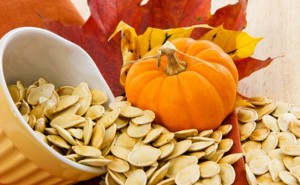
Pumpkin seeds are green in colour and may have a white outer covering. They are flat and asymmetrically oval in shape. The white husk is edible. They have a distinct nutty and crunchy taste.  You can easily get them in the market.

Can be prepared at home too!!!

They can be easily prepared at home by scraping the inside of the pumpkin with a metal spoon. Take out all the seeds. Wash them under running water and separate the seeds from the mass and other remains of a pumpkin. Boil the seeds in salted water for 10 minutes. Keep the salt minimum. You can use rock salt or Himalayan pink salt. Remove from heat and drain. Roast the seeds in the oven. Preheat the oven to 400 F. Brush the tray with some olive oil and spread the seeds in a single layer. Don’t overlap. Bake for 5 to 10 minutes. Let the pumpkin seeds cool down…Voila!! They are ready to EAT!!!

pumpkin seeds.jpeg

Nutritional facts:

Pumpkin seeds are energy packed. These small seeds are high in calories (approximately 550 kcal in 100 grams). They are a major source of proteins, fibre, niacin, iron, zinc, magnesium, manganese and phosphorus. Apart from that, they are also a good source of Vitamin B5, B6, B9, potassium and sodium.

It is one of the superfoods. It is an essential part of everyone’s diet (Check with your doctor if you are renal patient)

How to eat these energy-packed seeds?

  • Buy or prepare roasted pumpkin seeds
  • These can be included in a variety of things like :


  1. Roasted snacks: To make this – Mix roasted puffed rice + roasted chana + roasted makhana + roasted pumpkin seeds + roasted almonds/ walnuts + roasted peanuts. Choose all or two or three of the ingredients. But don’t skip the seeds. Mix and keep in a jar. Eat as a snack. Very healthy!!! Remember all these have to be dry roasted (without ghee/oil) or roasted in homemade ghee according to your calorie needs.


  1. Add them to a bowl of curd or oats porridge and enjoy the healthy nutritious snacks.


  1. Make pumpkin seeds sweet bars at home. Roast a combination of pumpkin seeds and melon seeds in ghee. Place them on plate evenly. Prepare jaggery syrup. Pour these over the seeds. Let it cool down. After it cools down completely, break into small piece and enjoy eating!!! (This recipe is not advisable for people who want to reduce weight. Good for people who want gain weight or kids).


  1. Nutty powder – Mix 50 grams roasted pumpkin seeds + 50 grams roasted melon seeds + 50 grams roasted sesame seeds + 100 grams almonds + Rocky candy (Mishri) as per taste + 25 grams anise (saunf) = Powder them together. Store them in an airtight container. Eat 1 teaspoon daily. Super healthy powder!!!


  1. Top it up on your salads. Yummilicious!!!


How much can I eat?

As pumpkin seeds are calorie and nutrient dense food, taking too much is not a good idea. You can take up to 2 tablespoons daily (30 grams). This may vary if you have any medical problems.

I hope after reading these facts about pumpkin seeds you will surely include them in your diet. I, myself, eat them daily. I pop in 1 teaspoon roasted pumpkin seeds just before going to bed.

  • « Previous Page
  • 1
  • 2

Search

Recent Posts

  • PCOS and Anxiety: Discover Relief with the 54321 Technique
  • Navigating the Maze of Nutrition: Finding Clarity Amidst Confusion
  • Get children active and keep them healthy
  • What Gestational Diabetes Can Do To You & Your Unborn Child
  • Breathing – A Forgotten Art

Stay Updated

Archives

  • December 2025 (4)
  • November 2025 (15)
  • October 2025 (20)
  • September 2025 (6)
  • August 2025 (6)
  • July 2025 (12)
  • June 2025 (18)
  • May 2025 (16)
  • April 2025 (23)
  • March 2025 (23)
  • February 2025 (22)
  • January 2025 (26)
  • December 2024 (26)
  • November 2024 (25)
  • October 2024 (22)
  • September 2024 (24)
  • August 2024 (31)
  • July 2024 (21)
  • June 2024 (26)
  • May 2024 (31)
  • April 2024 (27)
  • March 2024 (29)
  • February 2024 (26)
  • January 2024 (25)
  • December 2023 (15)
  • November 2023 (11)
  • October 2023 (22)
  • September 2023 (22)
  • August 2023 (20)
  • July 2023 (22)
  • June 2023 (24)
  • May 2023 (24)
  • April 2023 (24)
  • March 2023 (23)
  • February 2023 (20)
  • January 2023 (16)
  • December 2022 (12)
  • November 2022 (15)
  • October 2022 (15)
  • September 2022 (12)
  • August 2022 (10)
  • July 2022 (17)
  • June 2022 (11)
  • May 2022 (10)
  • April 2022 (6)
  • March 2022 (6)
  • February 2022 (13)
  • January 2022 (12)
  • December 2021 (7)
  • November 2021 (3)
  • October 2021 (6)
  • September 2021 (3)
  • August 2021 (8)
  • July 2021 (7)
  • June 2021 (15)
  • May 2021 (16)
  • April 2021 (10)
  • March 2021 (7)
  • February 2021 (4)
  • January 2021 (4)
  • December 2020 (3)
  • November 2020 (4)
  • October 2020 (10)
  • September 2020 (3)
  • August 2020 (3)
  • July 2020 (2)
  • June 2020 (4)
  • May 2020 (10)
  • April 2020 (12)
  • March 2020 (10)
  • February 2020 (4)
  • January 2020 (4)
  • December 2019 (3)
  • November 2019 (7)
  • October 2019 (5)
  • September 2019 (4)
  • August 2019 (9)
  • July 2019 (9)
  • June 2019 (11)
  • May 2019 (4)
  • April 2019 (9)
  • March 2019 (8)
  • February 2019 (9)
  • January 2019 (8)
  • December 2018 (9)
  • November 2018 (3)
  • October 2018 (3)
  • September 2018 (5)
  • August 2018 (10)
  • July 2018 (6)
  • June 2018 (13)
  • May 2018 (8)
  • April 2018 (18)
  • March 2018 (9)
  • February 2018 (8)
  • January 2018 (15)
  • December 2017 (12)
  • November 2017 (19)
  • October 2017 (13)
  • September 2017 (15)
  • August 2017 (4)
  • July 2017 (8)
  • June 2017 (7)
  • May 2017 (6)
  • April 2017 (8)
  • March 2017 (6)
  • February 2017 (7)
  • January 2017 (9)
  • December 2016 (10)
  • November 2016 (7)
  • October 2016 (7)
  • September 2016 (7)
  • August 2016 (11)
  • July 2016 (9)
  • June 2016 (9)
  • May 2016 (12)
  • April 2016 (17)
  • March 2016 (17)
  • February 2016 (8)
  • January 2016 (6)
  • December 2015 (2)
  • November 2015 (9)
  • October 2015 (7)
  • September 2015 (9)
  • August 2015 (11)
  • July 2015 (9)
  • June 2015 (12)
  • May 2015 (9)
  • April 2015 (13)
  • March 2015 (8)
  • February 2015 (5)
  • January 2015 (12)
  • December 2014 (14)
  • November 2014 (11)
  • October 2014 (6)
  • September 2014 (13)
  • August 2014 (12)
  • July 2014 (6)
  • June 2014 (2)
  • May 2014 (7)
  • April 2014 (5)

From “Laddu Nawin” to Fit and Fierce: How a 25-Year-Old Insurance Advisor Shed 20 Kilos and Gained His Life Back

When 25-year-old Nawin Yadav from Hyderabad walked into his office every morning, he carried more than just his files and policy papers. He had the weight of fatigue, sluggish energy, and an ever-growing belly that was becoming the butt of jokes. “People … [Read More...]

“I’ve Challenged Myself to Live 100 Years” – The Story of Chandubhai Savani’s Second Chance at Life

At 67, most people start slowing down. Not Chandubhai Savani. A resident of Surat, Chandubhai, thought life was on track. “My life was going well till I had my bypass surgery,” he says. That surgery, back in 2021, was a wake-up call.  Medication was routine, but exercise wasn’t. His diet? What he calls ‘normal.’ “I […]

From Shimla’s Slopes to Chandigarh’s Sidewalks: Surinder Kaur Bhalla’s Journey from Chaos to Control

Some journeys start with a plan. Others begin with a stumble literally. Surinder Bhalla, a government professional, born and raised in the scenic hill town of Shimla, had always lived a life of movement. “In Shimla, you walked everywhere,” she reflects. “Walking was never an exercise. It was just life.” But after shifting to Chandigarh, […]

Ananda Mukherjee Health Story

From Terminal Illness To Complete Wellness! Ananda Mukherjee Health Story

As we observe World Cancer Day under the powerful theme ‘United by Unique’ (2025-2027)**, we are reminded that every individual’s journey with cancer is distinct, yet united by shared resilience, hope, and the collective fight against this disease. This theme places people at the centre of care and their stories at the heart of the […]

  • HOME
  • HEALTHY LIVING
  • FITNESS
  • HEALTHY RECIPES
  • USER STORIES
  • KARMA
  • BUY GOQii

Copyright ©2016 GOQii